Vietnam has made notable progress in environmental protection, with its sustainable development index rising into ASEAN’s leading group.
According to a resolution of the National Assembly, Vietnam’s sustainable development index has continued to improve, placing the country among the leading group in ASEAN.
Positive and substantive progress
Chairman of the National Assembly Tran Thanh Man has recently signed Resolution No. 247/2025/QH15 on further enhancing the effectiveness and efficiency of the implementation of policies and laws on environmental protection.
The National Assembly basically endorsed the contents of Report No. 756/BC-DGS dated October 26, 2025, submitted by the National Assembly’s supervisory delegation on the results of oversight regarding the implementation of environmental protection policies and legislation since the Law on Environmental Protection 2020 came into effect.
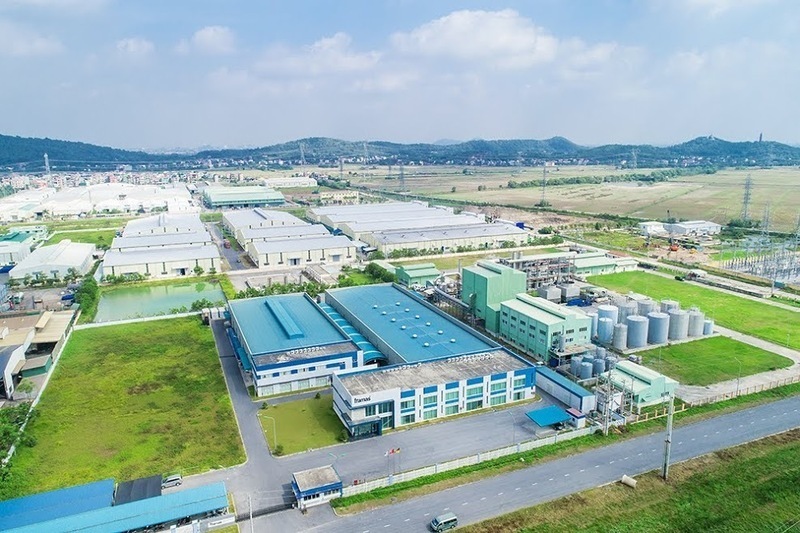
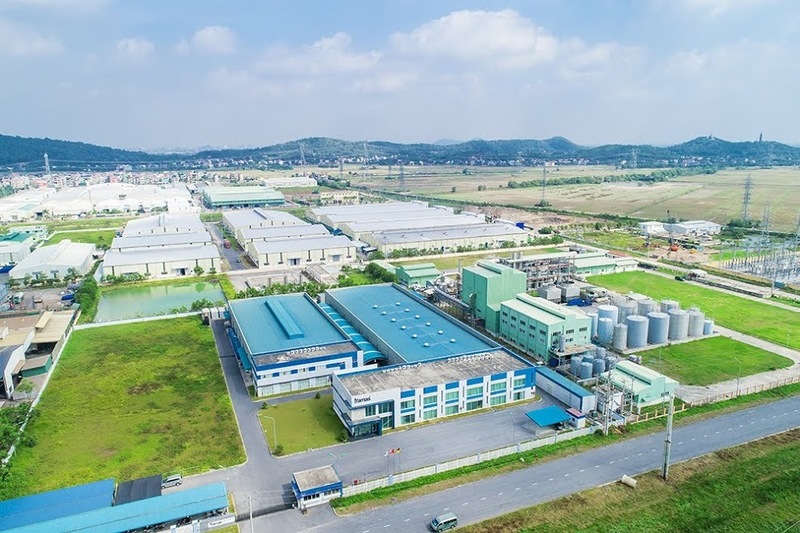
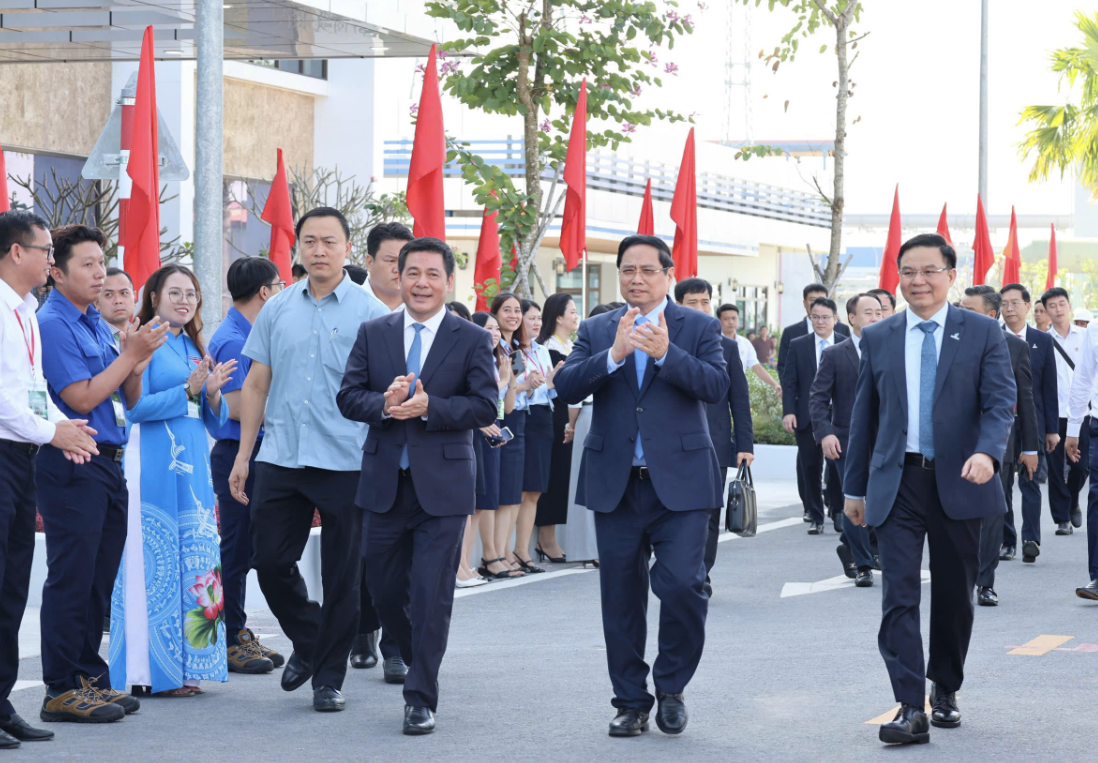
A growing number of environmentally friendly industrial parks and industrial clusters have taken shape.
The report noted that the promulgation and enforcement of environmental protection policies and laws since the Law on Environmental Protection took effect have achieved many positive and significant results, contributing to the successful realization of socio-economic development goals and targets, while ensuring national defence, security, foreign affairs, social welfare and international integration.
Specifically, the Government, the Prime Minister, ministries, sectors and localities have issued more than 500 legal documents guiding and implementing the Law on Environmental Protection, including over 30 documents promulgated by the Government, the Prime Minister and central agencies.
These efforts have basically institutionalized and concretized the Party’s and the State’s major guidelines and policies on environmental protection and climate change response, thoroughly upholding the principle that economic development, social progress and environmental protection must be treated as the central pillars of sustainable development. Management of the environment has been shifted more strongly towards economic instruments, with the participation of the entire society.
State budget expenditure for environmental protection has received greater attention, reaching 1.12% of total state budget spending in 2024. Environmental protection efforts have recorded notable progress, meeting and exceeding several key targets, including the rate of collection and treatment of urban solid waste, the proportion of operating industrial and export-processing zones equipped with centralized wastewater treatment systems, forest coverage, and notably, Vietnam’s sustainable development index, which has increased to rank among the leading group in ASEAN.
Major sources of pollution have been proactively and strictly controlled, preventing large-scale environmental incidents. A range of models for environmentally friendly cities, rural areas, industrial parks, industrial clusters, craft villages and production facilities has emerged and expanded.
The rapid growth of pollution and environmental degradation has been curbed, while environmental quality has gradually improved, particularly soil quality, surface water quality in several major river basins, coastal seawater and groundwater.
Vietnam’s response to climate change has also seen positive shifts. The resilience and adaptive capacity of natural, economic and social systems have been enhanced, helping to create sustainable livelihoods. Greenhouse gas inventories at enterprises have been rolled out.
Green transformation across sectors and industries towards the goal of net-zero emissions by 2050 has been strongly promoted. At the same time, the legal framework for developing Vietnam’s carbon market has gradually taken shape.
Sustainable growth models such as the green economy, circular economy, sharing economy and digital economy have been encouraged, while many advanced technologies for waste recycling and treatment have been applied, replicated and scaled up.
Operating a domestic carbon exchange
The resolution also sets out key tasks and solutions to be completed by the end of 2026.
Accordingly, a comprehensive review and assessment of the implementation of the Law on Environmental Protection will be conducted, alongside proposals for amendments and supplements to be submitted to the National Assembly for consideration and adoption at the beginning of the 16th National Assembly term.
In 2026, relevant regulations on environmental protection taxes and fees will be reviewed, amended and supplemented. Further legal revisions will be carried out in subsequent years to ensure the effective realization of environmental policy objectives.
The resolution calls for continued review and revision of regulations and guidelines on the measurement, reporting and verification of greenhouse gas emission reductions and inventories across sectors and industries, as well as updates to sectoral emission reduction plans in line with Vietnam’s nationally determined contributions for the 2026 - 2035 period.
Relevant strategies, plans and master plans on environmental protection and climate change response will be reviewed, assessed and adjusted where necessary to meet the requirement of “expanding and shaping new development space”.
Particular attention will be paid to assessing and forecasting the impacts of climate change, saltwater intrusion and natural disasters, especially in vulnerable areas such as major cities including Hanoi, Ho Chi Minh City, Hai Phong and Da Nang, the Mekong Delta and coastal regions. The resolution reiterates that the pursuit of double-digit economic growth must not come at the cost of the environment and must respect natural laws.
The National Assembly requested the issuance and effective implementation of the National Action Plan on air pollution control and air quality management for the 2025 - 2030 period, with a vision to 2045, along with immediate and urgent measures to control, prevent and remedy air pollution in Hanoi and Ho Chi Minh City.
It also urged the completion of assessments of environmental carrying capacity and the publication of surface water quality management plans for several inter-provincial river basins critical to socio-economic development, as well as improvements to severely polluted river sections, including Ngu Huyen Khe, To Lich and the Bac Hung Hai irrigation system.
The resolution stressed the need to expedite the completion and operation of the national environmental information system and database, ensuring integration, connectivity and real-time data sharing with the national database, as well as integration with geographic information systems to develop environmental quality maps for public disclosure, initially applied in major cities such as Hanoi and Ho Chi Minh City.
Importantly, the National Assembly called for the establishment and operation of a domestic carbon exchange, alongside the completion of legal regulations on the international exchange of greenhouse gas emission reduction outcomes and carbon credits. These regulations will serve as a basis for cooperation with international partners, while defining the minimum proportion of emission reduction outcomes and carbon credits to be retained to meet Vietnam’s domestic emission reduction targets.
The resolution encourages the development of carbon credit projects in renewable energy, forestry, low-carbon agriculture, waste treatment, green industry, green transport, and carbon capture and storage technologies. It also promotes public, private partnerships and diversified investment cooperation models for climate change adaptation activities.
Vietnam and RoK’s tax authorities met to exchange views on global minimum tax policy, sharing experience in tax reform and challenges from the digital economy.
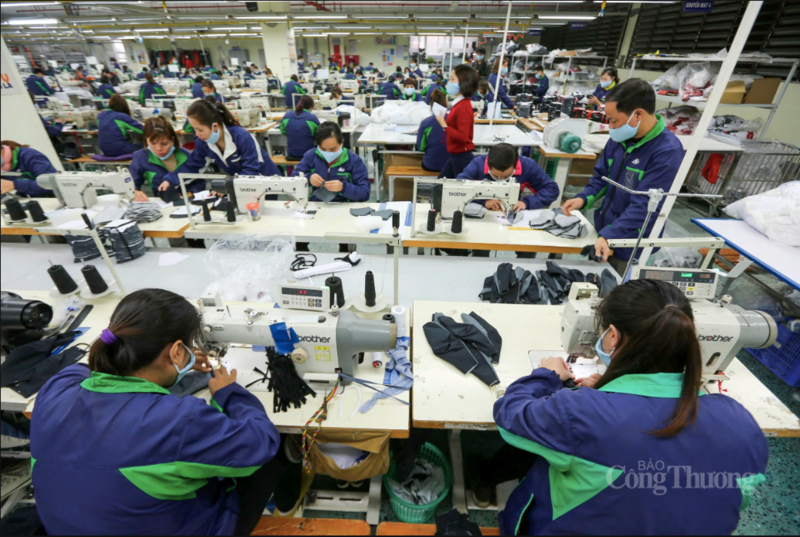
Vietnam’s textile sector faces growing pressure as sustainability becomes mandatory, with climate, labor and traceability rules reshaping global supply chains.
Vietnam has issued new regulations on ASEAN coordination, defining roles of key ministries and national representatives to ASEAN councils, effective Jan 25, 2026.
Nhon Trach 3 and 4, Vietnam’s first LNG power project boasts six records and showcases the prowess, expertise and setting of new standards for the energy transition.
During a working trip to Sri Lanka, Deputy Minister Phan Thi Thang advanced key initiatives to deepen bilateral trade ties and strengthen business connectivity.