Vietnam’s textile sector faces growing pressure as sustainability becomes mandatory, with climate, labor and traceability rules reshaping global supply chains.
When sustainability is no longer optional
At a panel discussion held on December 16 within the framework of the conference “Strategic Sustainable Development of Vietnam’s Textile and Garment Industry in a Volatile Environment,” many businesses acknowledged that the textile market continues to face significant short-term challenges.
Market recovery remains slow, orders are increasingly polarized, while environmental, emissions, labor, and traceability requirements are tightening. At the same time, tariff policies in major importing markets are shifting rapidly and unpredictably. In this context, sustainability is no longer a voluntary choice, but a mandatory condition for maintaining orders and competitiveness.
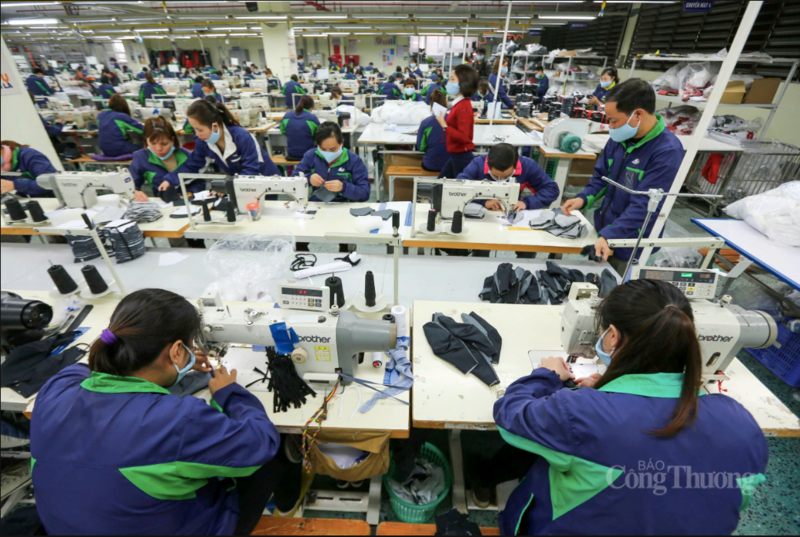
Vietnam’s textile and garment industry faces mounting sustainability challenges. Photo: Nguyen Nam
From a corporate perspective, Nguyen Thi Ngoc Minh, Compliance Manager at Hanesbrands, noted that the biggest challenge lies not in commitments, but in implementation. “Brands have made strong sustainability pledges, but the gap between those commitments and actual practices at factories remains significant especially regarding climate action and carbon reduction,” she said.
Major markets such as the EU are increasingly focusing on emissions through concrete tools, most notably the Carbon Border Adjustment Mechanism (CBAM). Without a clear decarbonization roadmap, businesses risk losing competitiveness not only due to new technical barriers, but also rising export costs.
Conversely, reducing emissions requires investments in renewable energy, green technologies, and production line upgrades. These are substantial costs that directly affect cost structures-traditionally a key competitive advantage for many Vietnamese textile firms.
As both a brand owner and a manufacturer operating factories in Vietnam, Hanesbrands experiences this challenge firsthand. The company currently operates two factories employing nearly 10,000 workers in Vietnam. According to Minh, sustainability should not be viewed as a burden, but as an essential factor for strengthening competitiveness and maintaining market position.
Clear strategy as a foundation
One of the biggest difficulties facing textile enterprises today is the sheer breadth of sustainability requirements. From emissions reduction and energy efficiency to chemical safety, labor rights, gender equality, technology adoption, AI, and automation everything is being demanded simultaneously, placing considerable pressure on businesses.
Experts stressed that precisely because sustainability is so broad, companies must identify a clear starting point. A well-defined sustainability strategy aligned with internal capabilities is essential, rather than attempting to address all requirements at once.
From a technology perspective, Jatin Paul, CEO of World Fashion Exchange, emphasized that digital transformation and AI are not meant to replace workers, but to help enterprises operate more efficiently. In textile manufacturing, AI and robotics enable faster, smarter work and data-driven decision-making. Tasks such as processing technical documentation, managing order data, and storing production knowledge can be handled by AI, reducing manual work, minimizing errors, and saving time. This approach represents “sustainability from the core,” beginning with operational efficiency.
On the labor and social front, Nguyen Hong Ha, Program Manager at Better Work Vietnam, pointed out that sustainability in the textile sector cannot be separated from labor issues. About 90% of Vietnam’s textile enterprises are micro and small firms, with limited financial capacity and weak risk management making them the most vulnerable to rising social responsibility requirements.
Meanwhile, the advantage of low-cost labor is gradually eroding, while around 80% of the workforce remains low-skilled. Without parallel strategies for skills upgrading and workforce restructuring alongside technological innovation, the green transition could introduce new social risks.
Another pillar of sustainability is workplace dialogue. According to Alessandra Cornale, Global Director of the Sweden Workplace Programme, effective dialogue not only reduces the risk of strikes and reputational damage, but also serves as a strategic advantage within supply chains.
Beyond internal efforts, many experts believe enterprises should make better use of existing policy frameworks. With sustainability-related policies already in place, firms need to leverage them to access effective support for green and circular investments.
From the perspective of regulators and intermediary organizations, various public-private partnership models involving the Ministry of Industry and Trade, industry associations, and international organizations are being implemented. Investment cooperation frameworks and technical assistance mechanisms are gradually taking shape, providing additional support for enterprises undergoing transition.
Ultimately, sustainable development requires enterprises to clearly define priorities: where to reduce emissions, how to improve labor productivity, how deeply to apply technology, and how to design a suitable roadmap. Concrete action models from emissions reduction projects within supply chains to training programs, technical assistance, and financial cost-sharing between brands and factories demonstrate that sustainability is not a solitary journey.
As requirements intensify and cost margins shrink, sustainability has become a true test of governance capacity and long-term vision for Vietnam’s textile enterprises. Starting with a clear strategy, leveraging existing policies, and taking substantive action remains the most viable path forward.
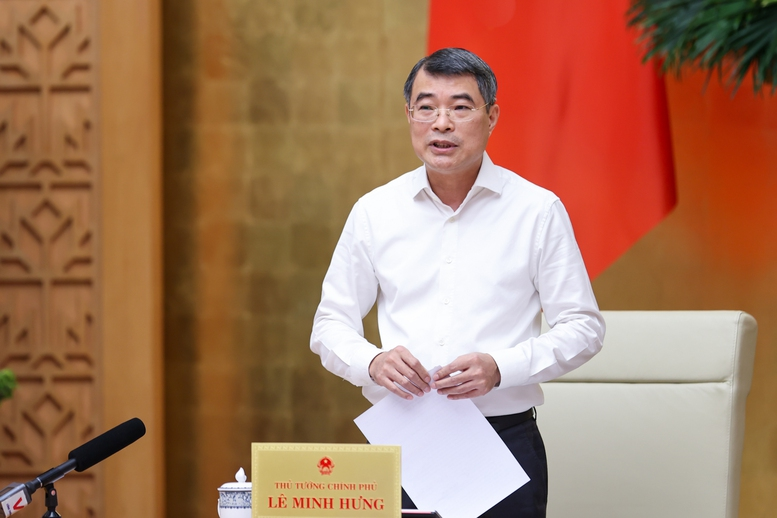
Prime Minister Le Minh Hung attends the 48th ASEAN Summit in Cebu, reaffirming Vietnam’s strong commitment to ASEAN cooperation and regional resilience.
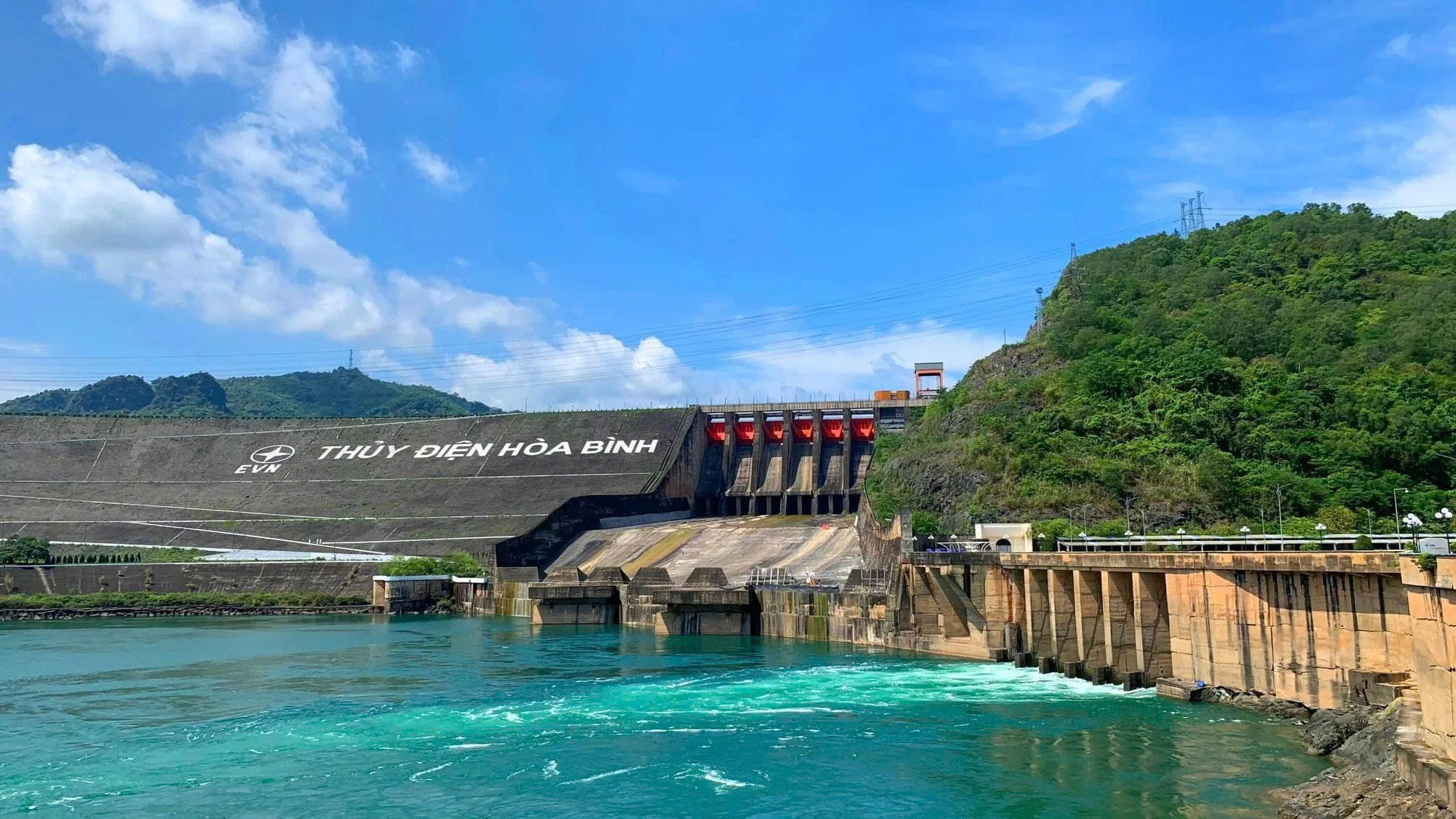
The Ministry of Industry and Trade is seeking feedback on a draft decree on power works protection and hydropower safety, set to replace Decree No. 62/2025/ND-CP.
The State visit by Vietnam’s top leader to Sri Lanka on May 7 - 8 underscores deepening bilateral ties, paving the way for expanded cooperation in trade and investment, and stronger engagement with South Asia.
On the afternoon of May 4, Prime Minister Le Minh Hung chaired the Government’s regular meeting for April 2026, the first such session of the 16th-term Government.
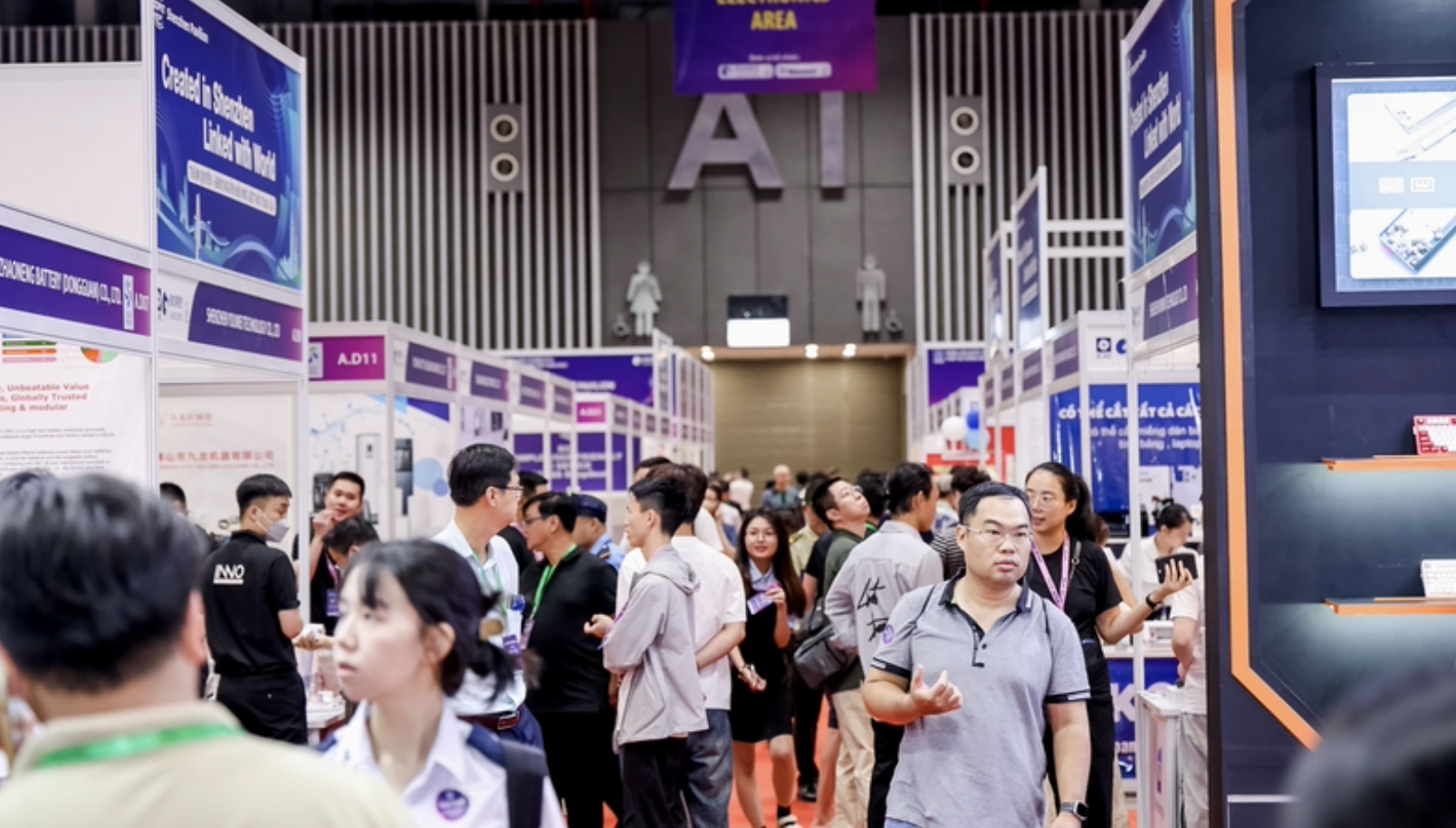
More than 300 companies are set to participate in business matching activities at the International Electronics and Smart Appliances Expo Vietnam (IEAE 2026), scheduled to take place from May 28 to 30 in Ho Chi Minh City.
Vietnam has issued a plan to implement the Law on E-commerce, defining tasks, timelines and coordination to ensure effective enforcement from July 1, 2026.
The programme in Thai Nguyen promotes e-commerce in northern Vietnam, linking localities with digital firms to expand markets and boost Vietnamese goods.