Viet Nam is addressing key bottlenecks and improving durian quality to boost exports, with the sector targeting USD 4 billion in export turnover this year.
Removing bottlenecks to unlock exports
At the Government’s regular press conference for August 2026 on September 3, Deputy Minister of Agriculture and Environment Dang Ngoc Diep provided an update on agricultural exports and measures to address difficulties facing the durian sector.
According to Deputy Minister Dang Ngoc Diep, Viet Nam’s agricultural exports in the first seven months of the year were estimated at approximately USD 49.3 billion. Durian, in particular, is a high-value commodity, with a cultivation area of around 200,000 hectares and an estimated output of approximately 2.08 million tonnes.
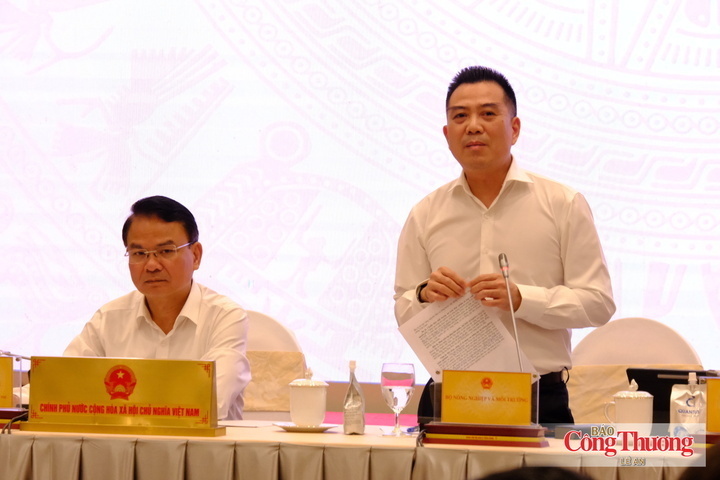
Deputy Minister of Agriculture and Environment Dang Ngoc Diep provides an update on agricultural exports. Photo: Le An
Durian export turnover has risen sharply in recent years. In 2021, exports of the fruit were valued at approximately USD 177 million, compared with USD 3.85 billion in 2025.
Durian is now one of the key products of Viet Nam’s crop production sector, accounting for around 40% of the sector’s export output. In the first eight months of 2026, durian export turnover was estimated at approximately USD 1.95 billion. China alone accounted for around USD 1.85 billion, or approximately 95% of the market share.
In response to emerging difficulties in exports, the Ministry of Agriculture and Environment has implemented a range of measures to resolve obstacles facing businesses and localities.
The Ministry has dispatched working delegations to meet directly with local authorities in major durian-growing areas across the Central Highlands, southeastern and southwestern regions to address difficulties and bottlenecks.
Since July 1, the Ministry of Agriculture and Environment has implemented a traceability system through its digital transformation platform. Domestic and international customers can access data relating to the cultivation, care, fertilization and production processes of agricultural products, including durian.
The Ministry has also focused on resolving difficulties related to the issuance of growing-area codes. It submitted Resolution No.36 to the Government on addressing difficulties and obstacles in issuing growing-area codes for crops.
At the same time, the issuance of growing-area codes and packing-facility codes has been significantly decentralized and delegated to local authorities. According to Deputy Minister Dang Ngoc Diep, localities have been assigned responsibility for issuing growing-area and packing-facility codes for durian, while the issuance of codes for intercropped cultivation areas is also being carried out under this decentralized mechanism.
“Another notable outcome came after the Ministry of Agriculture and Environment’s leadership delegation visited China on August 14. The General Administration of Customs of China subsequently issued an additional 567 growing-area codes for Vietnamese durian, bringing the total to more than 1,800. Viet Nam currently has around 1,599 durian growing-area codes and 281 packing facilities,” Deputy Minister Dang Ngoc Diep said.
According to Deputy Minister Dang Ngoc Diep, the Ministry is completing the remaining procedures to boost durian exports in the final months of the year, with the target of ensuring annual export turnover reaches at least the 2025 level of USD 3.85 billion, and potentially around USD 4 billion.
Diversifying markets and improving quality
According to the Deputy Minister of Agriculture and Environment, while the sector has recorded rapid growth, production areas in some localities have not yet been closely linked to organized value chains. The expansion of cultivation areas has also been somewhat spontaneous and has not been fully aligned with land and water-resource conditions.
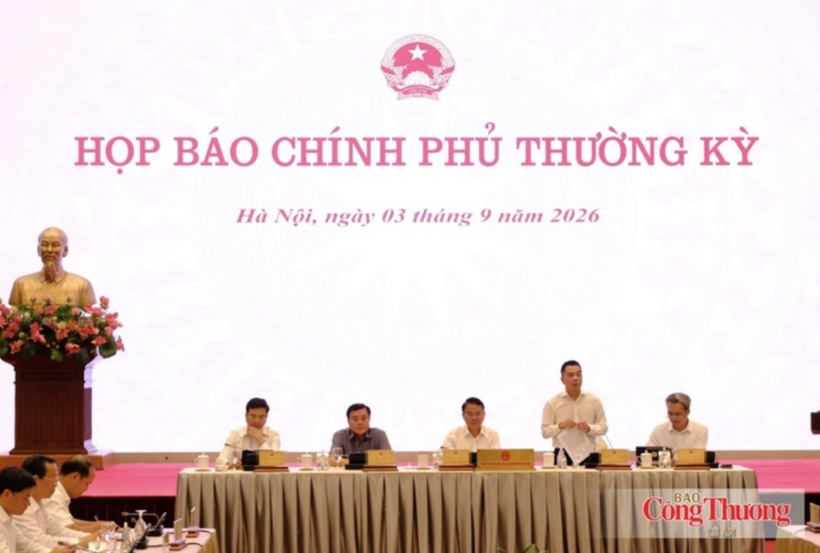
An overview of the press conference. Photo: Le An
To enhance competitiveness, the Ministry of Agriculture and Environment has identified five key groups of measures.
First, trade promotion and export-market diversification will be strengthened, while negotiations to expand market access and increase market share in potential markets such as India, Australia and New Zealand will continue. At the same time, the Ministry will promote exports of frozen durian, processed products and other products tailored to market demand.
In July, India agreed to allow imports of Vietnamese durian. The Ministry of Agriculture and Environment is now carrying out the necessary work to expand access to this market.
Second, production will be reorganized and sustainable raw-material areas developed. The Ministry will review production-area planning to ensure compatibility with land, water-resource and climate conditions, while developing raw-material infrastructure linked to primary processing, processing, storage, consumption, and exports.
Connecting farmers, cooperatives and businesses, while encouraging companies to reinvest in raw-material areas, has also been identified as a pathway toward gradually building the Vietnamese durian brand.
According to Deputy Minister Dang Ngoc Diep, post-harvest losses and depreciation throughout the process from production to circulation remain high because existing primary-processing facilities are not yet sufficient. The Ministry therefore encourages businesses to invest in additional primary-processing, processing, and storage facilities to improve product quality.
Third, quality, food safety and traceability standards will continue to be standardized, while capacity for research, application and transfer of science and technology, as well as digital transformation, will be strengthened. The traceability system launched on July 1 enables domestic and international customers to look up information on production, irrigation, fertilizer use, harvesting and product packaging.
Fourth, infrastructure for storage, processing and logistics will be developed, with investment encouraged in cold storage, primary-processing, storage and processing facilities in concentrated production areas. At the same time, processing, product diversification and transport methods will be promoted, alongside the application of technology to reduce costs and improve quality. Irrigation and transport infrastructure serving raw-material areas will also be upgraded.
Fifth, the laboratory network will be expanded and its capacity strengthened. The Ministry of Agriculture and Environment will continue to promote social investment and open access to qualified laboratories, prioritize equipment and enhance testing capacity for cadmium, Auramine O and other criteria required by importing markets.
According to Deputy Minister Dang Ngoc Diep, Viet Nam has negotiated with China, which has agreed to recognize 52 product-testing laboratories as meeting the requirements and conditions for exports. In the coming period, the Ministry will continue working with relevant authorities to develop additional testing laboratories to meet requirements for product-quality control before export.
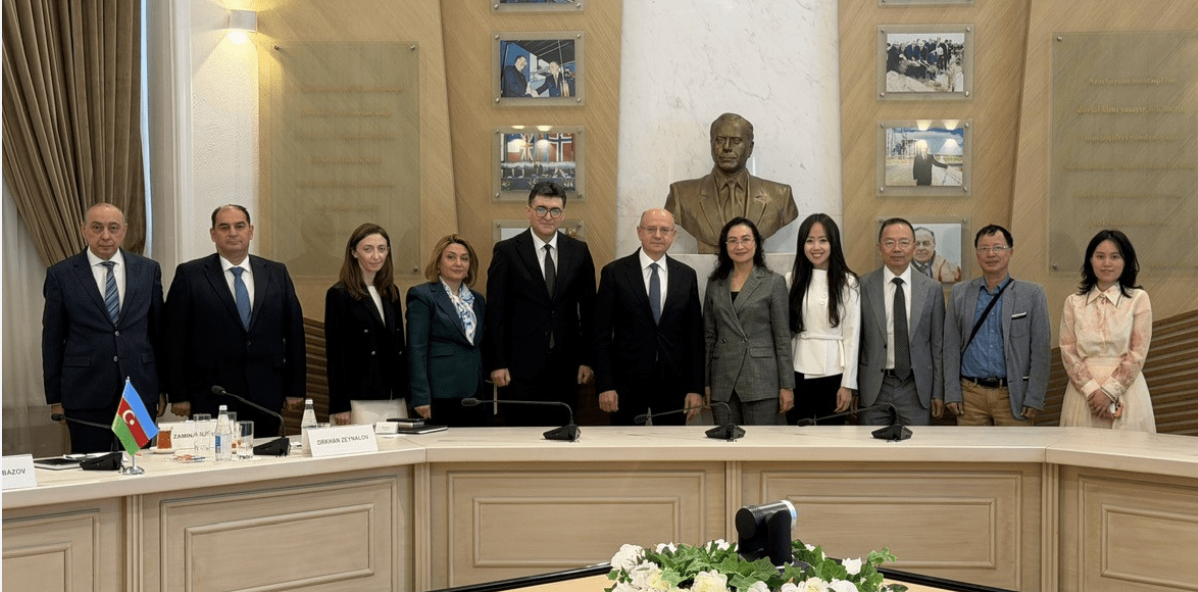
Deputy Minister Phan Thi Thang holds talks with Azerbaijan’s Minister of Energy to advance the bilateral trade and investment and expand cooperation in oil, gas, and LNG.
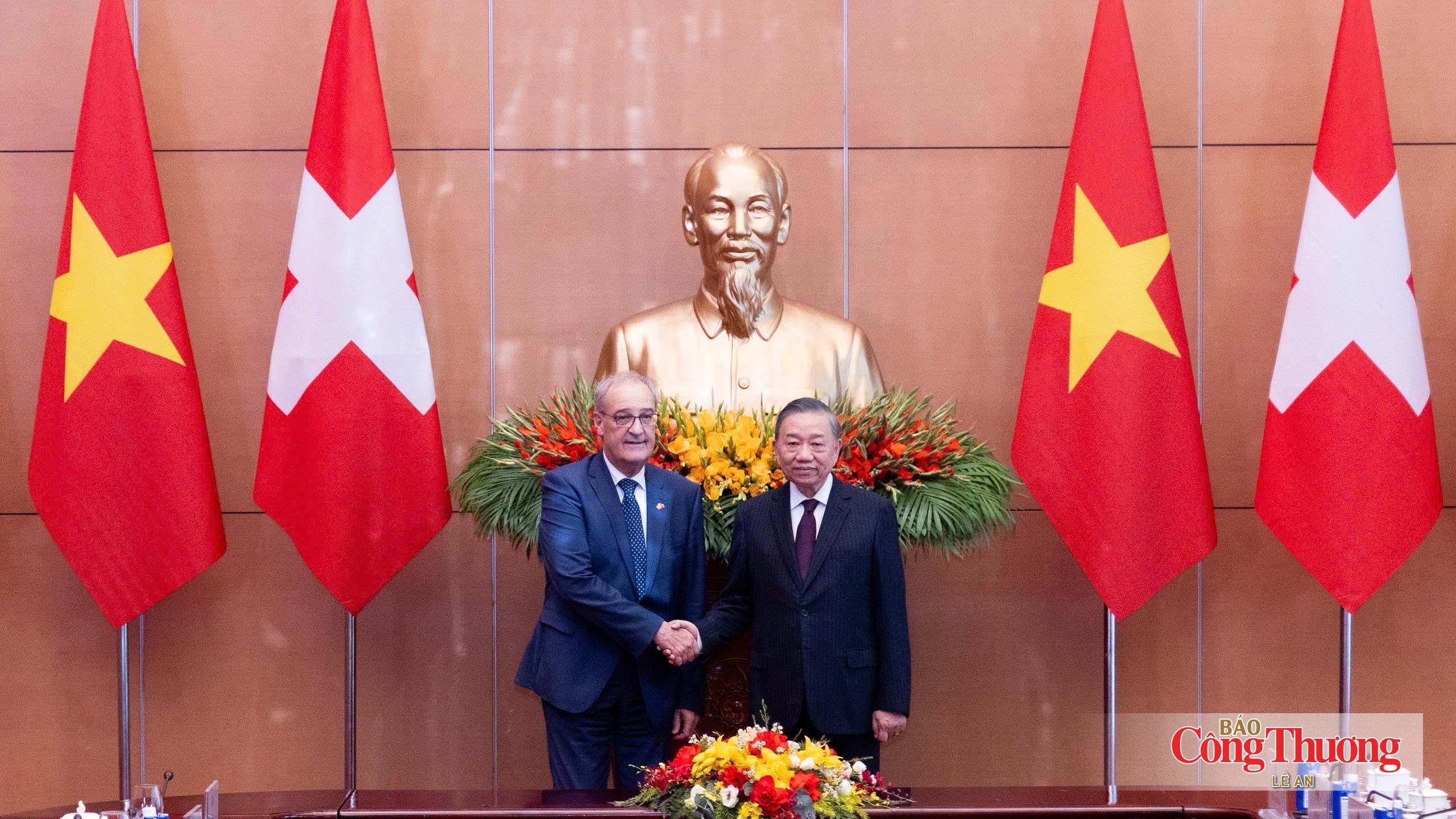
Viet Nam attaches great importance to its Comprehensive Partnership with Switzerland and wishes to continue working alongside the country to promote shared development and contribute to peace, stability and development in the region.
Norwegian representatives expect tariff preferences under the Viet Nam – EFTA Free Trade Agreement (FTA) to help lower the price of Norwegian salmon, making the product more accessible to Vietnamese consumers.
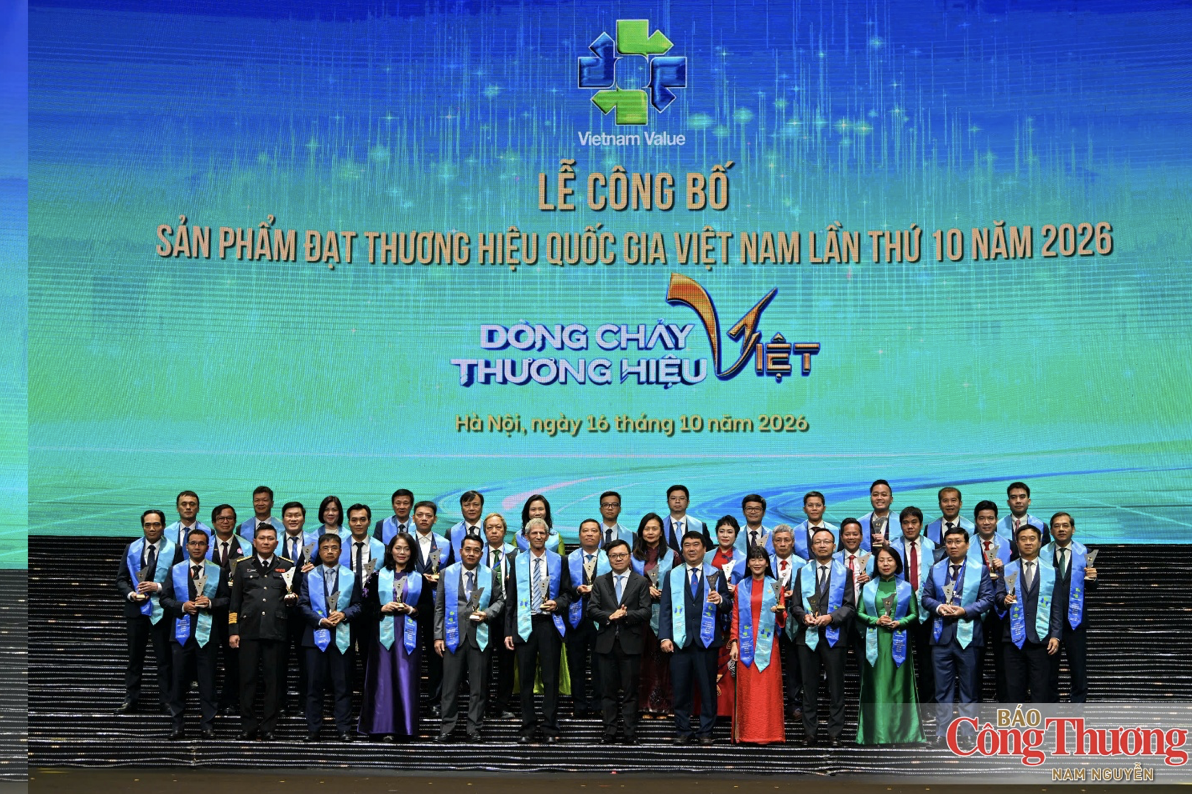
The Ministry of Industry and Trade honored 499 products and services from 227 businesses at the 10th Viet Nam National Brand announcement ceremony for 2026.
Viet Nam - Malaysia trade hit USD 17.4 billion in the first nine months of 2026, exceeding the 2025 full-year total and signaling a stronger-than-expected year.
The official visit to Laos by Prime Minister Le Minh Hung is expected to inject fresh momentum into bilateral relations, with economic, trade and investment cooperation continuing to serve as a core pillar.
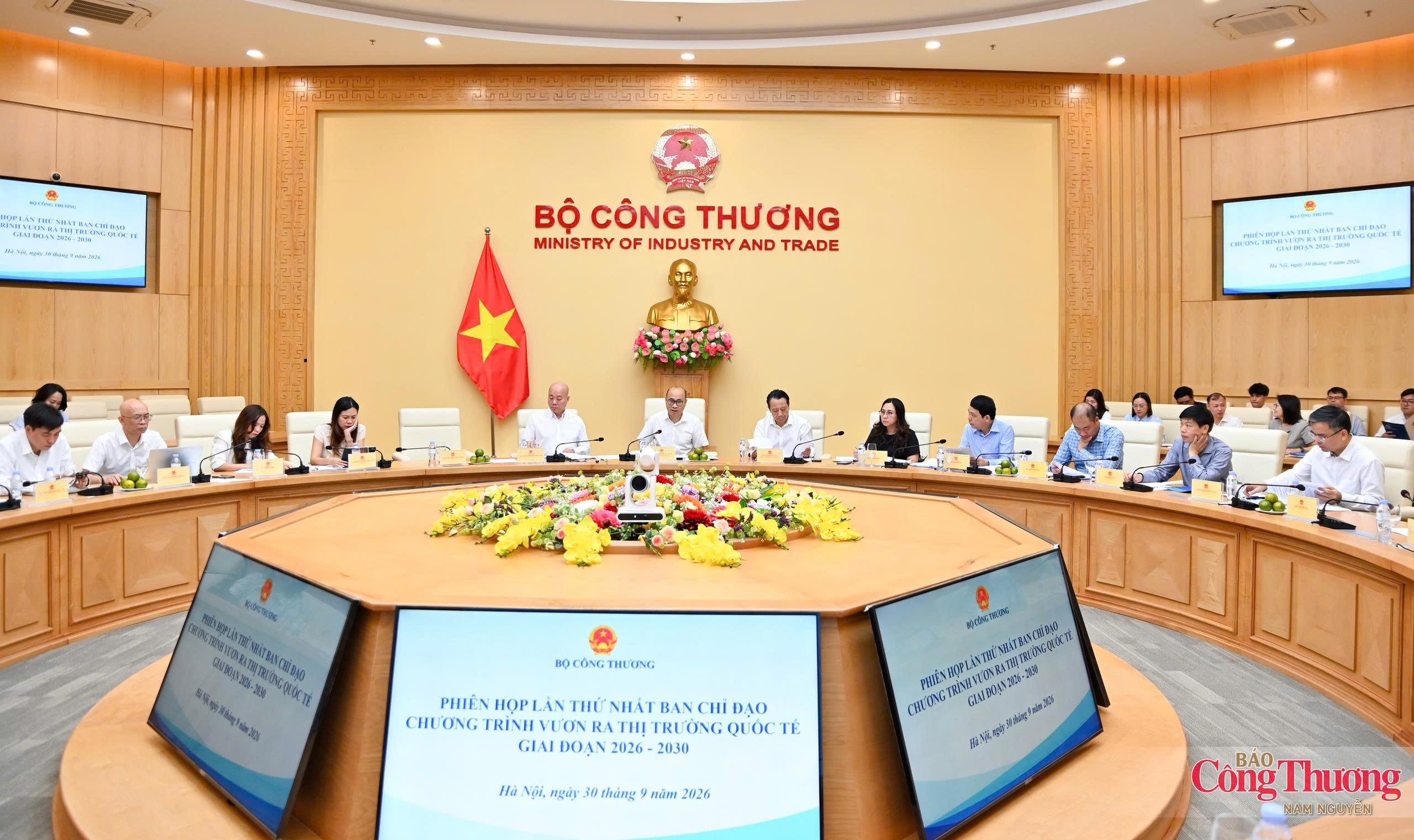
On September 30, the Ministry of Industry and Trade convened the first session of the Steering Committee for the GoGlobal Program for the 2026 - 2030 period.
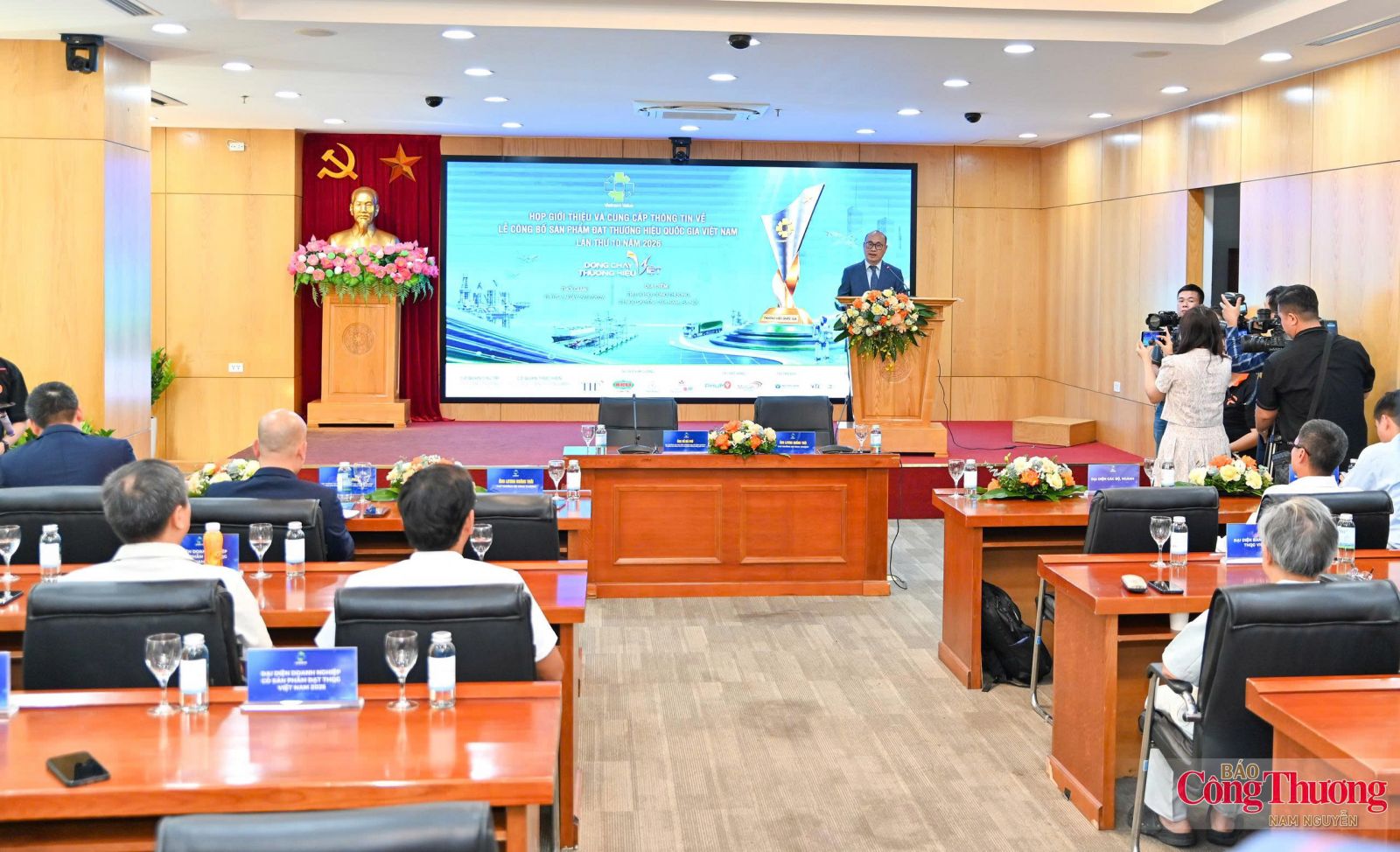
On September 29, the Ministry of Industry and Trade (MoIT) held a meeting to introduce and provide information on the ceremony announcing products achieving Viet Nam Value recognition for the 10th edition in 2026. Deputy Minister of Industry and Trade Luong Hoang Thai chaired the event.
Trade promotion not only expands markets, but also connects Vietnamese technology businesses with buyers, partners and supply chains, helping increase the value of their products.