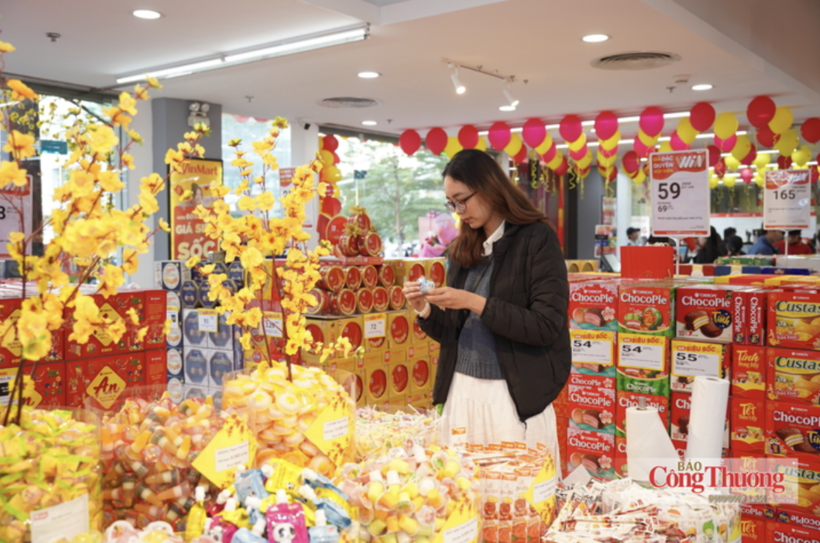
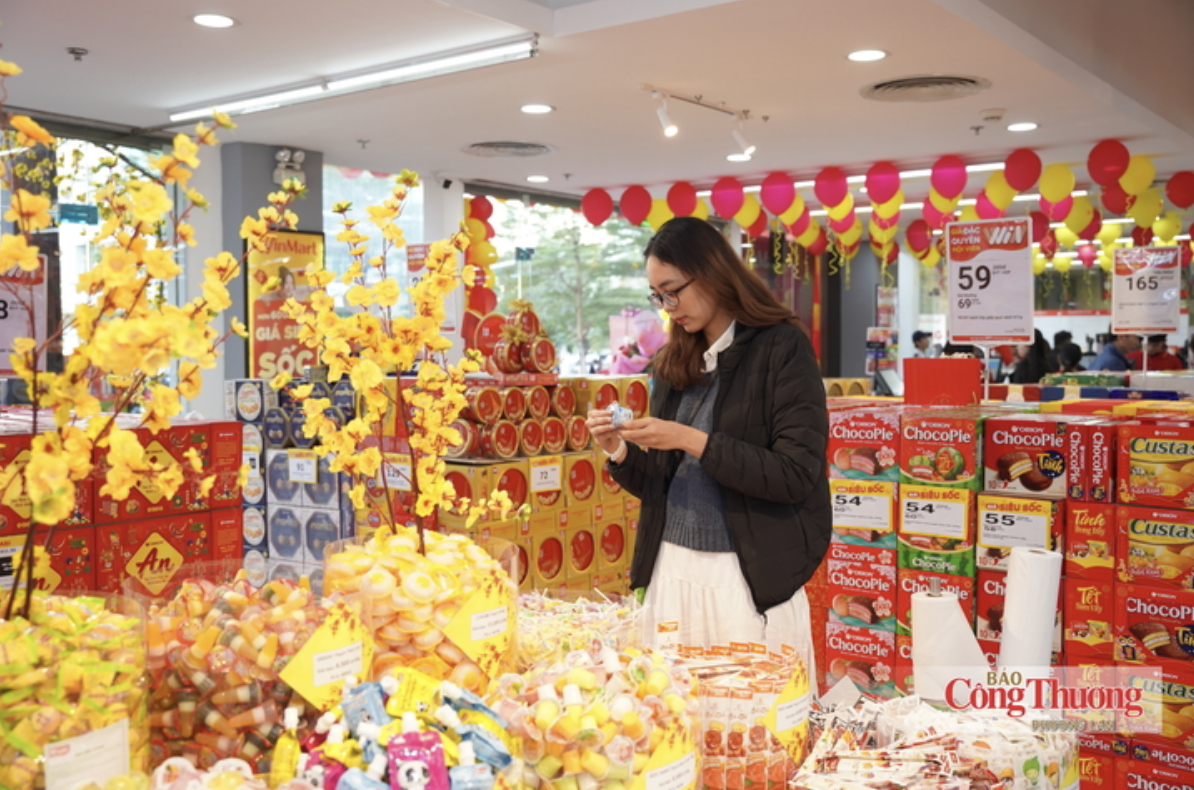
The 2026 - 2030 program seeks to enhance the competitiveness of Vietnamese goods, strengthen distribution networks and build lasting consumer confidence.
The “Vietnamese Goods for Vietnamese Consumers” program for 2026 - 2030, approved under Decision No.2069/QD-TTg dated October 29, 2026, marks a new shift in the approach to developing the domestic market.
A reporter from Newspaper of Industry and Trade spoke with Tran Huu Linh, Director-General of the Agency for Domestic Market Surveillance and Development under the Ministry of Industry and Trade (MOIT), about the program.
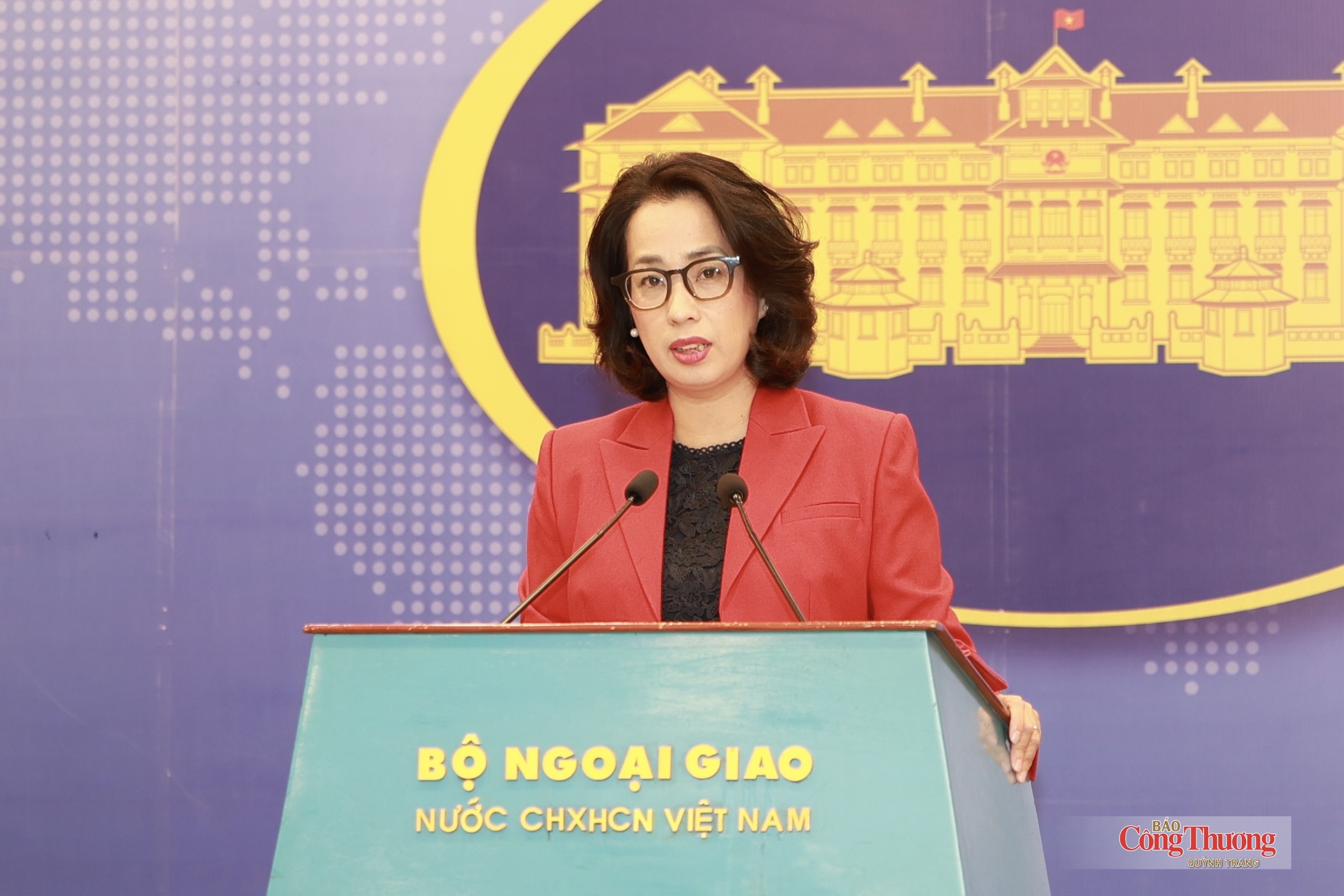
Tran Huu Linh, Director-General of the Agency for Domestic Market Surveillance and Development under the Ministry of Industry and Trade.
From encouraging consumption to enhancing the value of Vietnamese goods
- The “Vietnamese Goods for Vietnamese Consumers” program for 2026 - 2030, approved under Decision No. 2069/QD-TTg dated October 29, 2026, marks a new shift in the approach to domestic market development. Whereas previous efforts focused on encouraging people to give priority to Vietnamese products, the new phase requires Vietnamese goods to demonstrate genuine quality, competitiveness and appeal to win consumer choice. Could you elaborate on the fundamental changes in the program’s approach?
Tran Huu Linh: The “Vietnamese Goods for Vietnamese Consumers” program for 2026 - 2030 introduces a number of new features compared with previous domestic market development programs and projects associated with the “Vietnamese People Prioritize Vietnamese Goods” campaign. Three fundamental changes stand out.
First, it shifts the mindset from “giving priority to Vietnamese goods” to ensuring that they are “worthy of consumers’ trust”. The programs implemented under the campaign in recent years have effectively fostered national pride and patriotism while establishing the habit of prioritizing Vietnamese products. The share of Vietnamese goods in some modern distribution systems has reached relatively high levels. However, as the domestic market faces mounting competitive pressure from low-priced imports and cross-border e-commerce platforms, appealing to national pride and a sense of responsibility remains necessary but is no longer sufficient. The program therefore identifies its core objective as strengthening the underlying capacity of Vietnamese goods, using quality, price and service experience as benchmarks for winning consumer trust over the long term and in a sustainable manner.
Second, it moves away from a campaign-based approach toward building an ecosystem for Vietnamese goods with clear criteria and measurable results. For the first time, the program is introducing a unified national identification system for “Vietnamese Goods for Vietnamese Consumers”, based on criteria for determining Vietnamese origin, technical regulations, declared product standards, metrology and quality requirements, and traceability capabilities. At the same time, a Vietnamese Goods Digital Platform will be developed as a central hub for connecting and verifying data on enterprises, products, traceability, distribution outlets and consumer feedback.
Finally, and most importantly, the program shifts the central role from consumers to businesses. Whereas previous efforts focused on mobilizing consumers and stimulating demand, the new approach places greater emphasis on supply by supporting enterprises in upgrading production capacity, undertaking digital transformation, developing brands and expanding distribution networks. Industry associations are also moving beyond a coordinating and supporting role to become direct drivers of industry standards and guide member enterprises in developing leading brands.
In short, the program sets a new requirement: efforts must go beyond encouraging Vietnamese people to use Vietnamese goods. More importantly, Vietnamese products must improve their quality, value and consumer experience so that people have confidence in them and are willing to choose them. This is also the meaning behind the program’s name, “Vietnamese Goods for Vietnamese Consumers”: products should be created to serve Vietnamese consumers, with everything from raw materials and design to technology and pricing tailored to their actual needs.
The program sets a new requirement: beyond encouraging Vietnamese people to use Vietnamese goods, products must improve their quality, value and consumer experience to earn consumers’ trust and choice.
Businesses at the center of the Vietnamese goods ecosystem
- One of the program’s notable messages is the shift in responsibility from consumers to manufacturers, distributors, retail systems and industry associations. What measures will MOIT implement to encourage businesses to innovate their technologies, improve product quality and design, and ensure transparent product origins, while enhancing the role of distribution systems in bringing Vietnamese goods closer to consumers? How will the coordination mechanism of “The State provides support - Associations take the lead - Businesses make breakthroughs” be translated into concrete action?
Tran Huu Linh: For the main stakeholders - manufacturing and distribution businesses - the program focuses on the following groups of measures.
It will support enterprises, cooperatives and household businesses in strengthening their competitiveness and developing the “Vietnamese Goods for Vietnamese Consumers” ecosystem by encouraging businesses to upgrade production lines, intensify scientific research, develop technologies, promote innovation and accelerate digital transformation. Support will also be provided for developing product brands, corporate brands and collective brands by industry through training programs and capacity-building initiatives in business operations and e-commerce tailored to the needs of each sector.
At the same time, the program will promote the role of distribution systems as a direct bridge connecting Vietnamese goods with consumers. It aims to strengthen vertical linkages among manufacturers, distributors and retailers, establishing supply chains from raw material areas to distribution networks and consumer markets. Industry-specific supply-demand matching programs will also be implemented, with priority given to connecting small and medium-sized enterprises and cooperatives with modern distribution systems, while further promoting e-commerce.
Regarding the coordination mechanism of “The State provides support - Associations take the lead - Businesses make breakthroughs”, the program clearly defines the roles and responsibilities of each stakeholder within a mutually reinforcing framework. The State will play an enabling role by issuing the identification system, developing digital infrastructure, providing market information and maintaining regular dialogue mechanisms. Industry associations will take the lead in selecting and introducing outstanding member enterprises to participate in programs supporting the development of pioneering brands, while directly accompanying them throughout the process. Businesses will be the decisive actors, taking the initiative to invest and mobilize resources to upgrade production toward meeting Vietnamese consumers’ needs, diversify distribution channels, and meet and maintain the program’s criteria.
Expanding distribution channels and increasing the market share of Vietnamese goods
- With a population of more than 100 million and annual retail sales of goods and consumer service revenue expected to exceed VND 7 quadrillion, the domestic market offers substantial potential for Vietnamese businesses. However, Vietnamese goods are also facing competitive pressure from low-priced imports and cross-border e-commerce. In your view, what are the key solutions for developing modern distribution systems, promoting Vietnamese goods on e-commerce platforms, protecting consumer rights and ensuring a fair competitive environment for domestically produced goods?
Tran Huu Linh: A market of more than 100 million people, with purchasing power growing at a double-digit rate, is a strategic asset for the economy. To help Vietnamese goods maintain and expand their market share, the program focuses on several groups of measures relating to modern distribution systems, the promotion of Vietnamese goods on e-commerce platforms and consumer protection.
Regarding distribution systems, the program aims to develop modern multi-channel distribution networks that integrate traditional and modern channels, as well as in-person and online sales, in order to expand the reach of Vietnamese goods. Supply-demand matching programs for Vietnamese products will be implemented at the national, regional and local levels, tailored to specific industries. Small and medium-sized enterprises, cooperatives, household businesses and OCOP entities will receive training and support in online business, marketing and brand development. In addition, mechanisms and policies for developing commercial infrastructure will be improved, particularly in rural and especially disadvantaged areas, so that Vietnamese goods can reach people across the country.
To stimulate consumption, large-scale and substantive promotional programs will be organized around seasonal periods, holidays, Tet and online shopping days. The program will encourage the development of consumer support services such as fast delivery, cashless payments, flexible return policies and transparent warranties to enhance the shopping experience for Vietnamese goods. Distribution channels linked to tourism will also be expanded through outlets displaying, introducing and selling Vietnamese products at border gates, seaports, airports and tourist destinations.
Regarding consumer protection and the creation of a healthy competitive environment, market surveillance authorities and other competent forces will intensify inspections and strictly handle the production and trading of counterfeit goods, imitation products, substandard goods, smuggled goods and cases of origin fraud across both traditional and e-commerce channels. In addition, policies on consumer protection, standards for measurement and quality, product labeling and traceability will continue to be improved to ensure a fair competitive environment for businesses and domestically produced goods, while safeguarding consumer confidence.
Quality, technology and branding determine the competitiveness of Vietnamese goods
- The “Vietnamese Goods for Vietnamese Consumers” program aims not only to expand domestic consumption of Vietnamese products but also to unlock domestic resources, strengthen the economy’s competitiveness and generate momentum toward the goal of double-digit economic growth. From the perspective of businesses, what solutions should they prioritize to ensure that Vietnamese goods not only maintain their position in the domestic market but also strengthen their standing internationally?
Tran Huu Linh: The program’s consistent approach is that the domestic market is a strategic target, while international markets provide opportunities for expansion. Vietnamese products that win over domestic consumers will have a foundation for reaching overseas markets. To maintain their position at home and gradually strengthen their standing internationally, businesses need to focus on three groups of solutions.
First, they must put Vietnamese consumers at the center of their business strategies and regard the domestic market as a target market, rather than a fallback when exports encounter difficulties. Businesses need to conduct in-depth research into the needs and preferences of different customer segments and regions, particularly younger consumers, who account for a growing share of online shopping.
Second, businesses must make substantive investments in technology, quality and origin transparency. They need to standardize production in accordance with declared product standards, technical regulations and metrology requirements, proactively apply traceability solutions that can connect with the national traceability system, and gradually move beyond processing and assembly toward mastering technology and design while increasing domestic added value.
Third, businesses must pursue systematic, long-term brand development and protect their intellectual property. A brand is not merely a trademark or a promotional activity; it is the combined result of consistent quality, clear product positioning, designs and packaging suited to consumer preferences, an effective distribution network and consistent after-sales services.
The 2026 - 2030 program seeks to enhance the competitiveness of Vietnamese goods, strengthen distribution networks and build lasting consumer confidence.
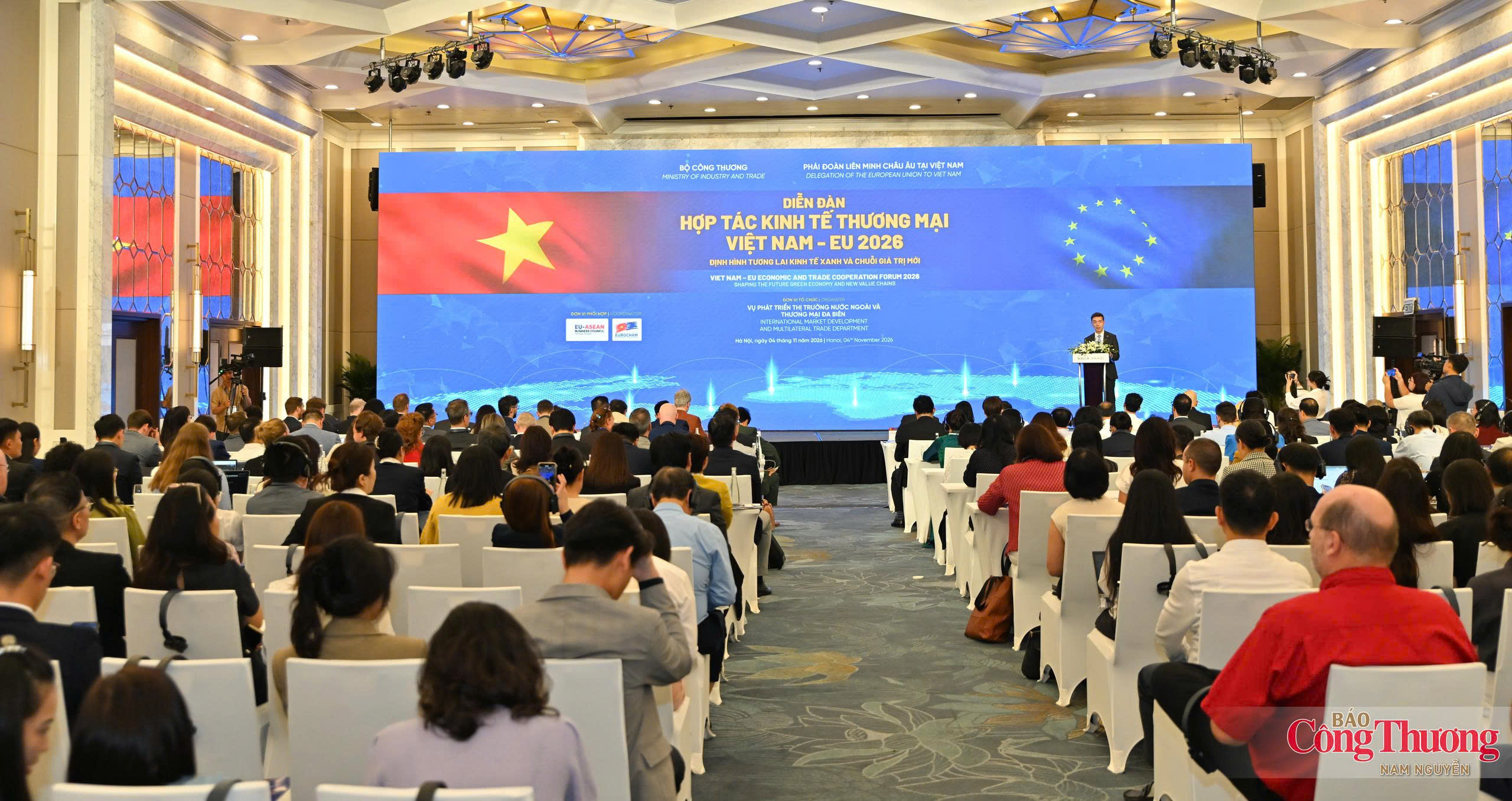
The forum promotes Viet Nam - E.U. economic, trade and investment ties, focusing on green growth, supply chain development and higher-value trade cooperation.
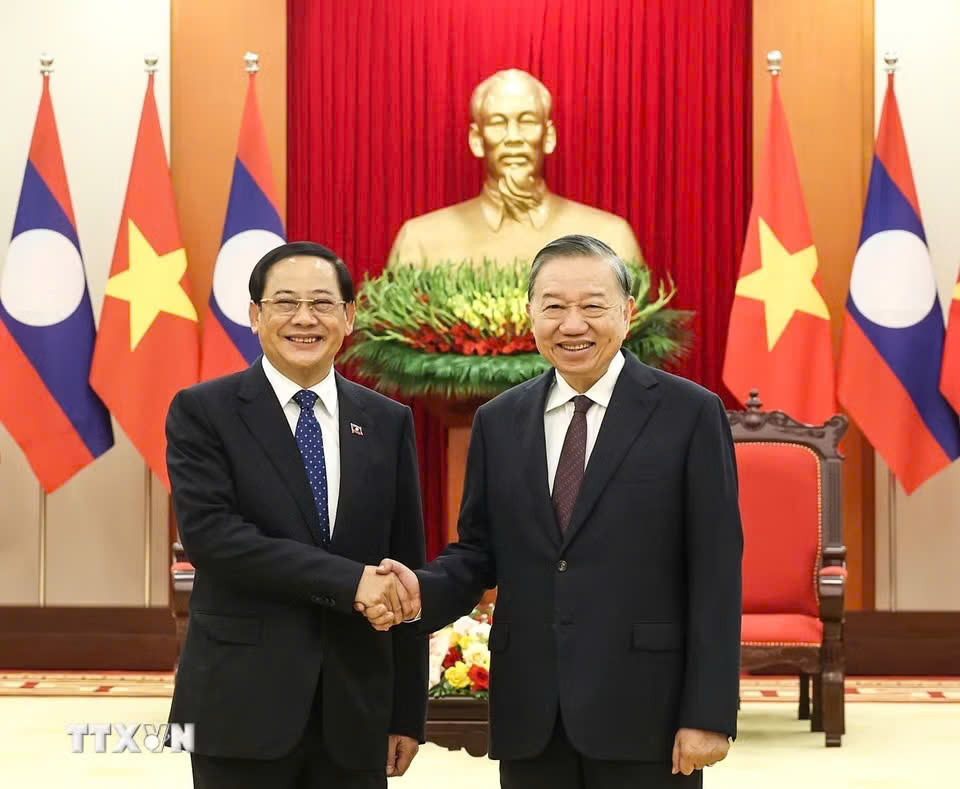
General Secretary and State President To Lam received Sonexay Siphandone, President of the Lao National Assembly, and a high-level delegation from the Lao legislature during their official visit to Viet Nam.
Viet Nam and Japan aim to promote substantive cooperation in the fields of economy, trade, investment, green transition and high-quality human resource development.
During a plenary session on November 3, Le Manh Hung, Minister of Industry and Trade, addressed questions raised by National Assembly deputies regarding the draft Law amending and supplementing a number of articles of the Law on Electricity.
In the first nine months of 2026, southern provinces and cities implemented approximately 48% of their approved industrial promotion funding plans for the year. Addressing bottlenecks and accelerating project implementation are key priorities for the remaining months.
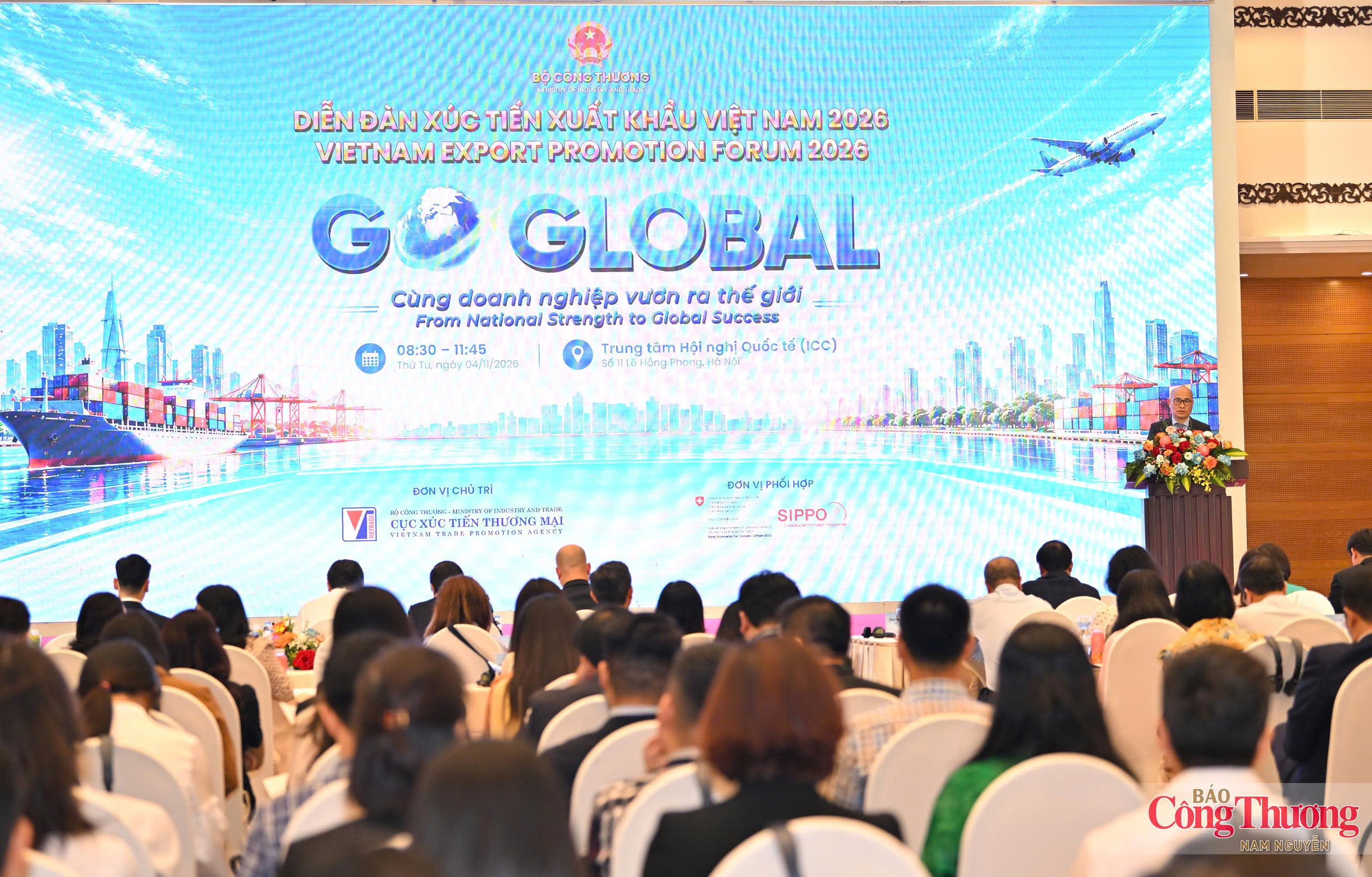
On November 4 in Ha Noi, the Steering Committee for the Go Global Programme under the Ministry of Industry and Trade organized the Viet Nam Export Promotion Forum 2026 under the theme “Go Global - Supporting businesses in reaching out to the world”, in coordination with the Swiss Import Promotion Program (SIPPO), the Viet Nam Chamber of Commerce and Industry (VCCI), and domestic and international business support organizations and trade promotion agencies.