Deputy Minister of Industry and Trade has outlined the results of the E10 biofuel rollout after more than five months, highlighting stable supply, steady retail prices and continued market inspections and supervision.
Stable supply and positive consumption
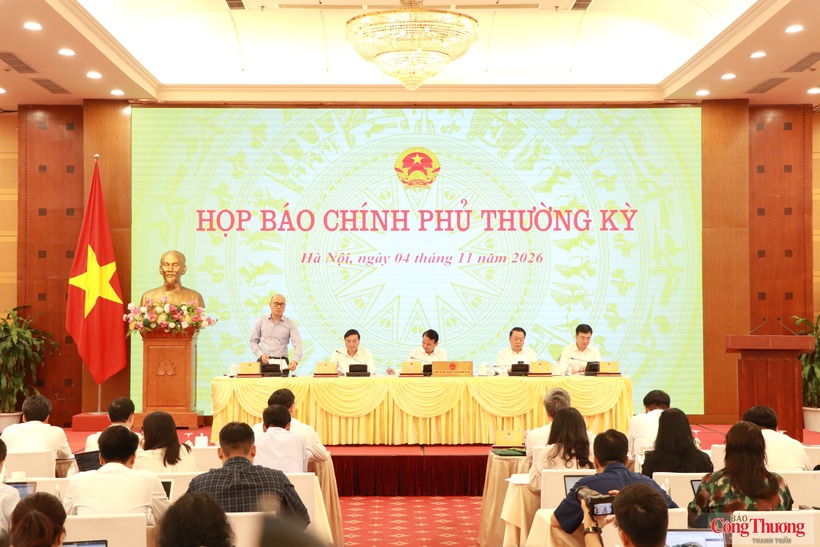
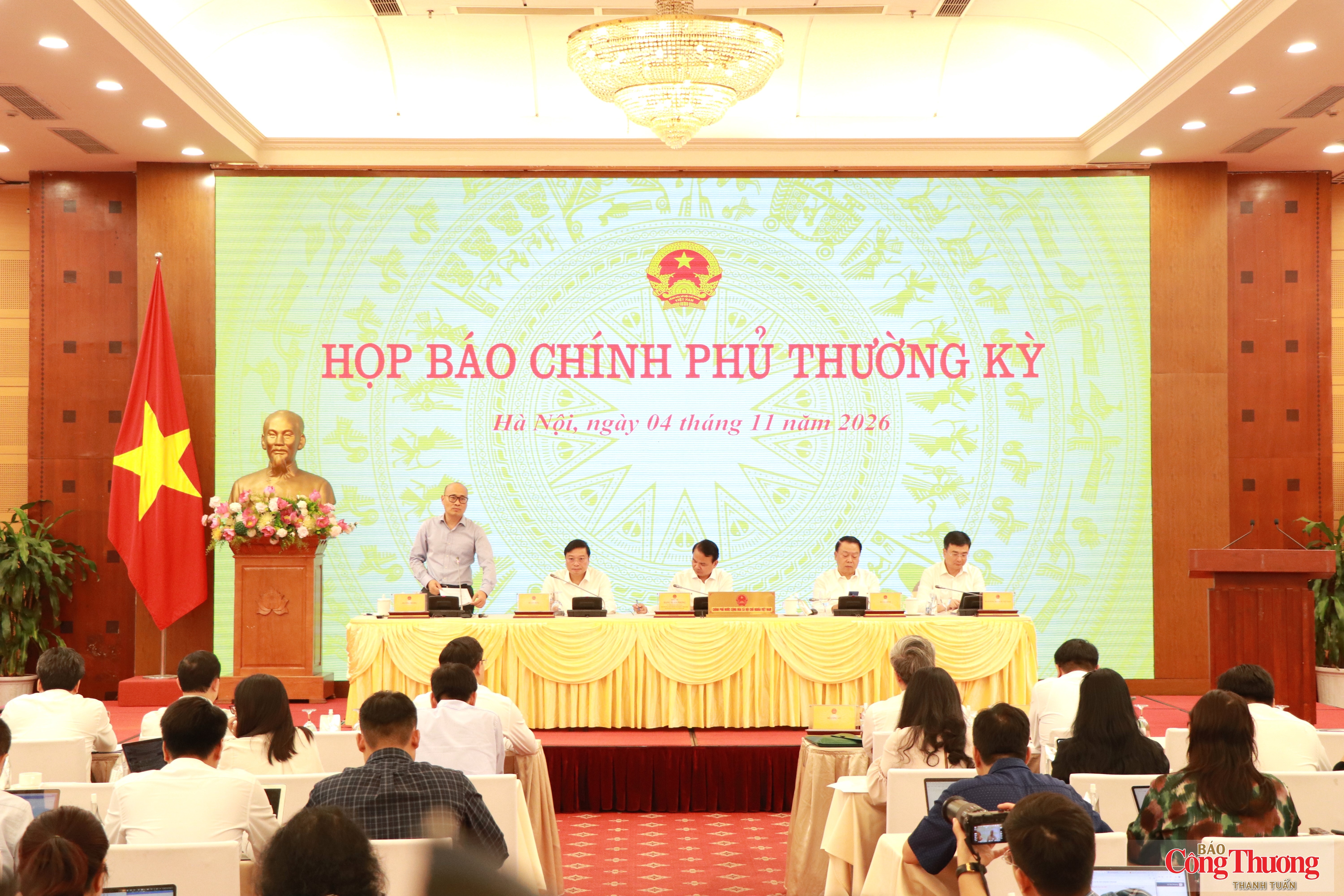
On the morning of November 4 in Ha Noi, the Office of the Government held a regular press conference for October 2026 to provide updates on the socio-economic situation in October and the first 10 months of the year. Dang Xuan Phong, Minister and Chief of the Office of the Government and Government Spokesperson, chaired the press conference.
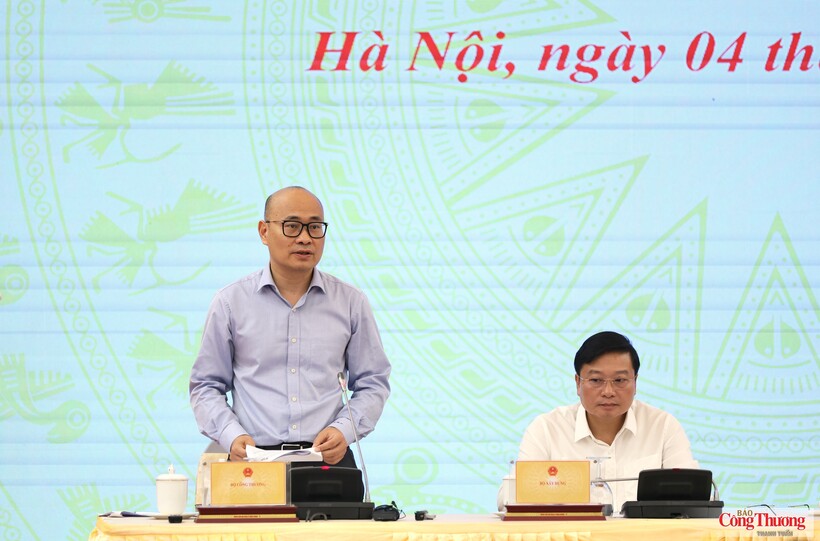
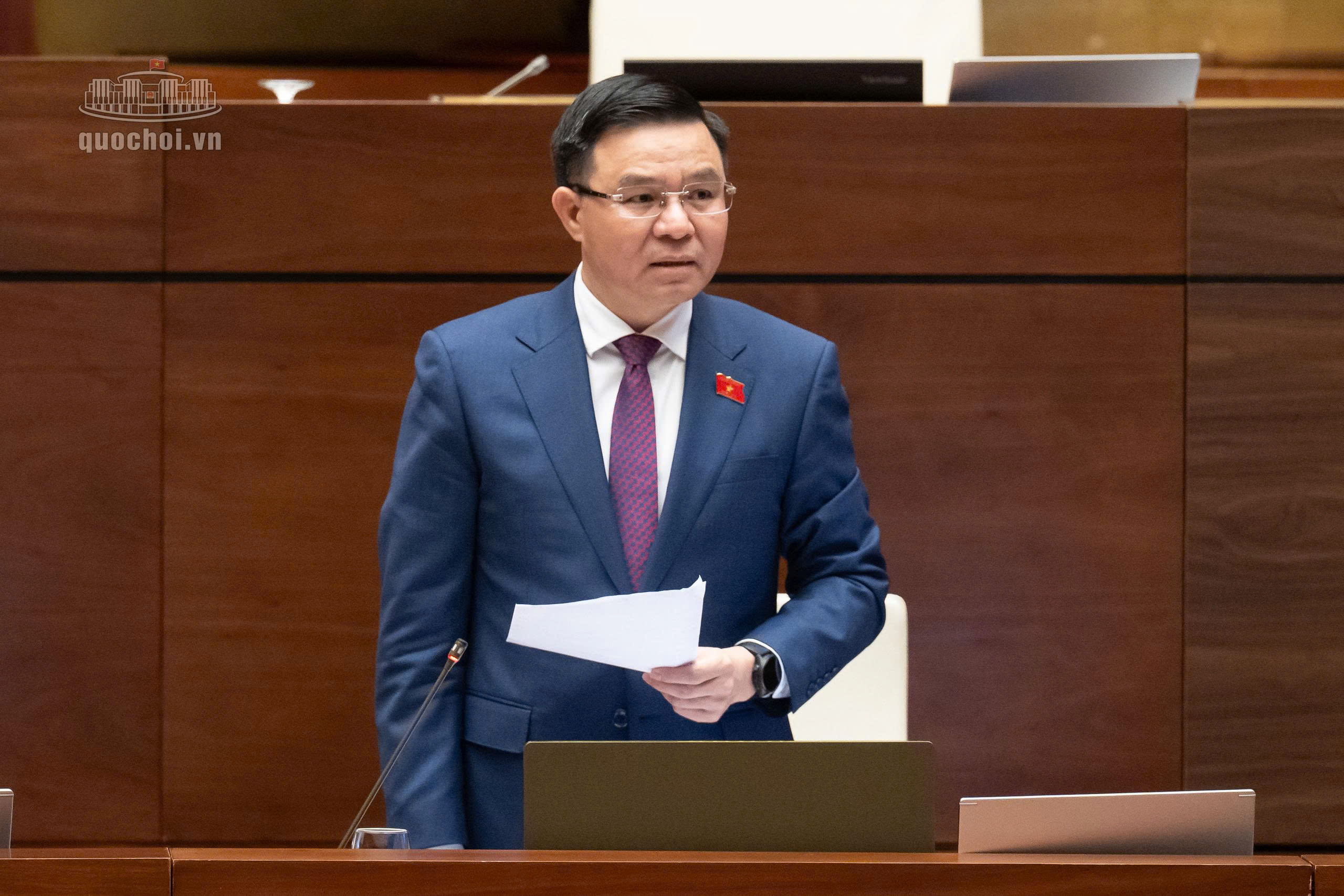
Providing information on the implementation of E10 biofuel after more than five months, Deputy Minister of Industry and Trade Luong Hoang Thai said that the main results achieved during the first five months of the rollout showed that the supply, distribution and consumption of E10 biofuel had generally proceeded as planned. The petroleum market and distribution system remained stable, while supplies of fuel ethanol (E100), base gasoline and E5 and E10 biofuels had consistently met market demand. No widespread shortages of E5 or E10 gasoline had been recorded.
Deputy Minister of Industry and Trade Luong Hoang Thai provides information on the implementation of E10 biofuel after more than five months.
“Blending capacity for biofuels has continued to increase. As of the reporting date, 11 enterprises had been licensed to blend biofuels, with a combined capacity of 1.410 million cubic meters per month. This is basically sufficient to meet consumption demand, estimated at around 1 million cubic meters per month, while leaving additional capacity to support the rollout roadmap,” Deputy Minister Luong Hoang Thai said.
He added that the three E100 plants currently in operation had continued production and supplied the market. Meanwhile, relevant agencies and businesses were reviewing the potential for restarting previously invested plants, developing new projects and expanding domestic sources of raw materials.
“From June 1 to the end of October 27, 2026, cumulative consumption of E5 and E10 gasoline was estimated at approximately 4.930 million cubic meters, of which E10 accounted for 92.09% and E5 for 7.91%. E10 has become the dominant biofuel grade consumed during the implementation of the roadmap,” the Deputy Minister emphasized.
E10 gasoline prices remain stable
According to the Deputy Minister, retail prices of E10 biofuel have remained stable despite complex fluctuations in international energy prices. Although global energy prices have generally trended upward, domestic fuel prices have undergone 19 adjustments during the recent period, including 11 increases and eight decreases.
In particular, during the recent period, competent authorities have made efforts through the Government’s policies, directions and management measures, including tax and fee policies, to help reduce petroleum prices.
In the latest price adjustment, retail petroleum prices fell by VND 1,816 per liter compared with the previous adjustment. E10 gasoline was also priced VND 148 per liter lower than E5 gasoline. These measures have contributed to stabilizing retail prices of petroleum products and energy in the market.
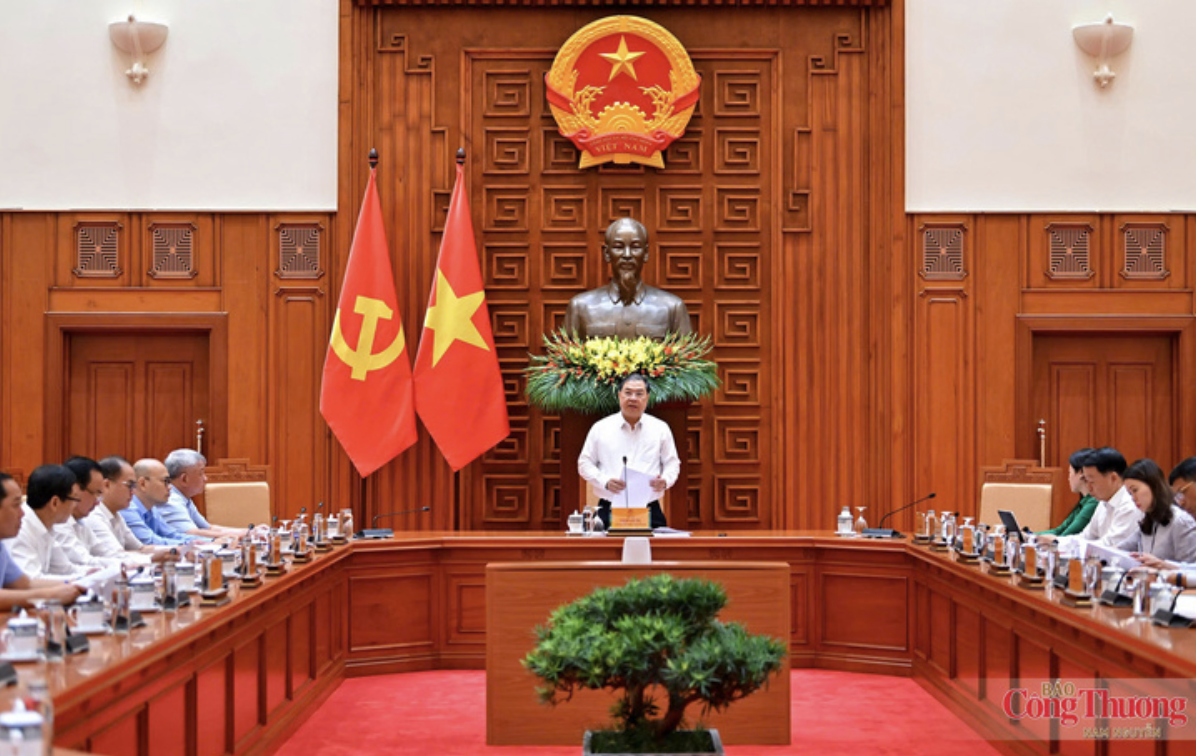
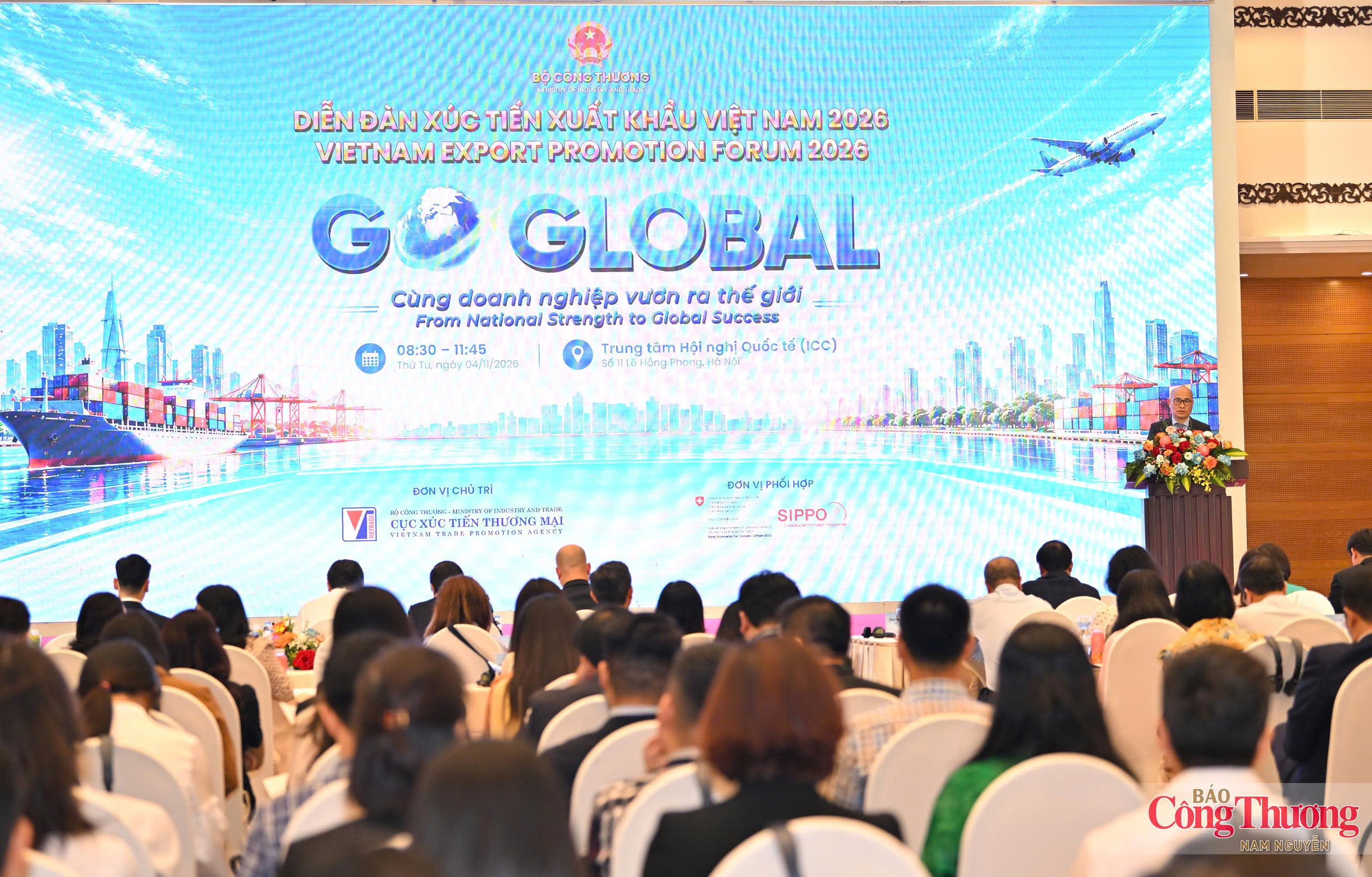
Overview of the press conference.
According to the MOIT Deputy Minister, the management, inspection and supervision of the market, as well as the measurement and quality control of petroleum products, have continued to be carried out rigorously. No serious or systemic violations have been recorded during the recent period.
“On this occasion, MOIT hopes to further promote information and communications activities, while receiving and verifying feedback from consumers. This is a new program, and the Ministry very much welcomes feedback and comments from the public and consumers,” the Deputy Minister said.
The Ministry has received 315 feedback submissions during the period. Of these, 314 were received in June and July. Notably, the number of submissions had fallen to almost zero in September and October. However, the Deputy Minister said the Ministry hoped to continue receiving feedback, particularly through press and news agencies. Such information would provide an additional basis for improving management, administration and the implementation of the program in the coming period.
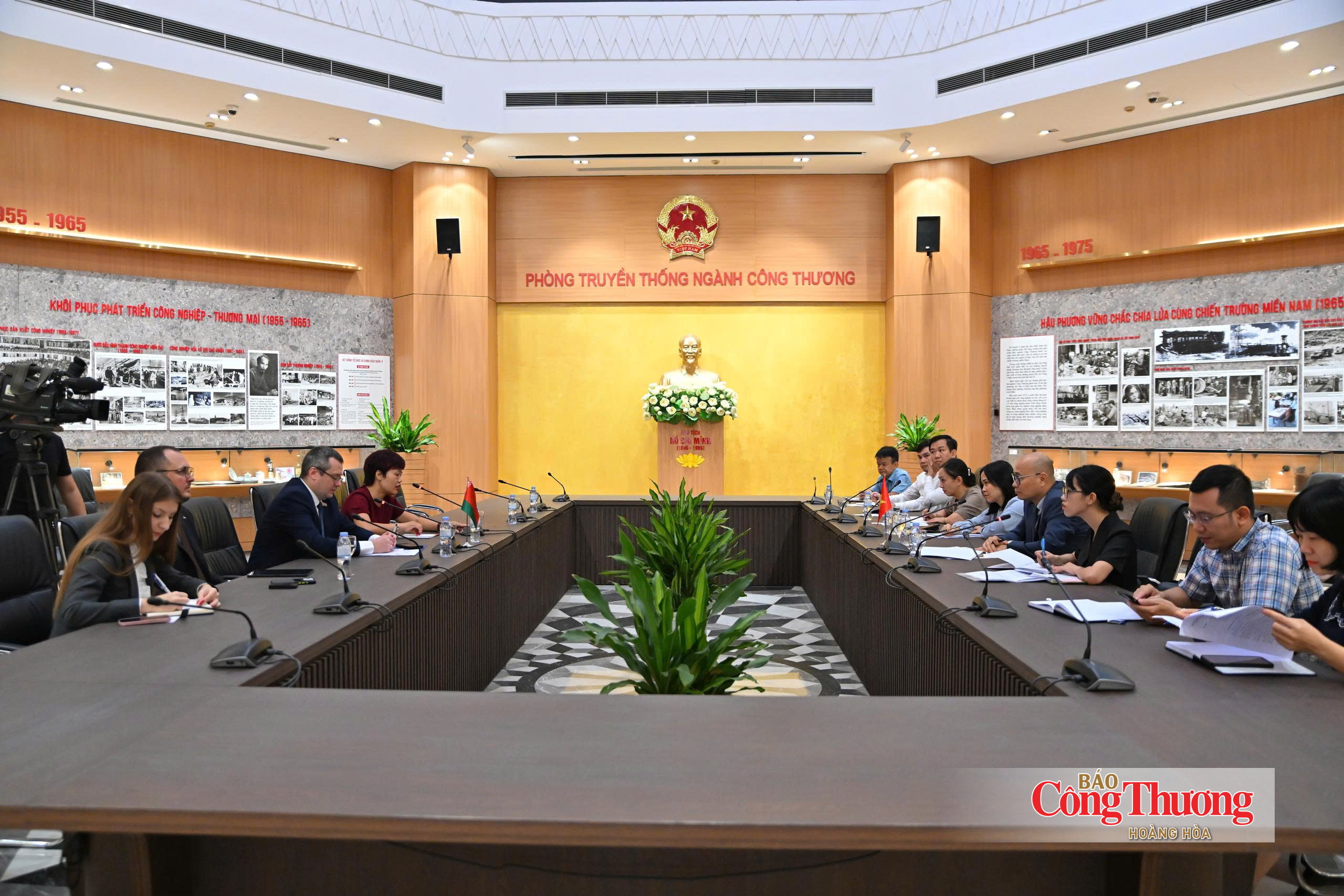
Overview of the press conference.
Regarding the policy’s impact on the environment and air quality, Deputy Minister Luong Hoang Thai said that, as the program had only been implemented for around five months, monitoring results from individual locations varied and did not yet provide a comprehensive, systematic assessment of its environmental impact.
“Environmental monitoring results depend on many factors, including those beyond our control, particularly environmental and weather conditions. Normally, assessing an impact requires comparisons between corresponding periods, such as comparing the same period this year with that of the previous year,” the Deputy Minister explained.
However, as the program has only been underway for approximately five months, the monitoring results collected so far are not yet sufficient to support a systematic assessment. Nevertheless, from a theoretical perspective, general research findings indicate that replacing approximately 1 million cubic meters of conventional gasoline annually with E100 bioethanol could help reduce carbon dioxide (CO2) emissions into the atmosphere by around 2.5 million metric tons per year.
E10 is a fuel blend considered more environmentally friendly than conventional gasoline. It contains up to 10% renewable ethanol, compared with standard gasoline grades such as E5, which contain up to 5% ethanol.
Deputy Minister of Industry and Trade has outlined the results of the E10 biofuel rollout after more than five months, highlighting stable supply, steady retail prices and continued market inspections and supervision.
The 37th APEC Ministerial Meeting (AMM 37) was held online on November 3, 2026, within the framework of the Asia-Pacific Economic Cooperation (APEC) forum.
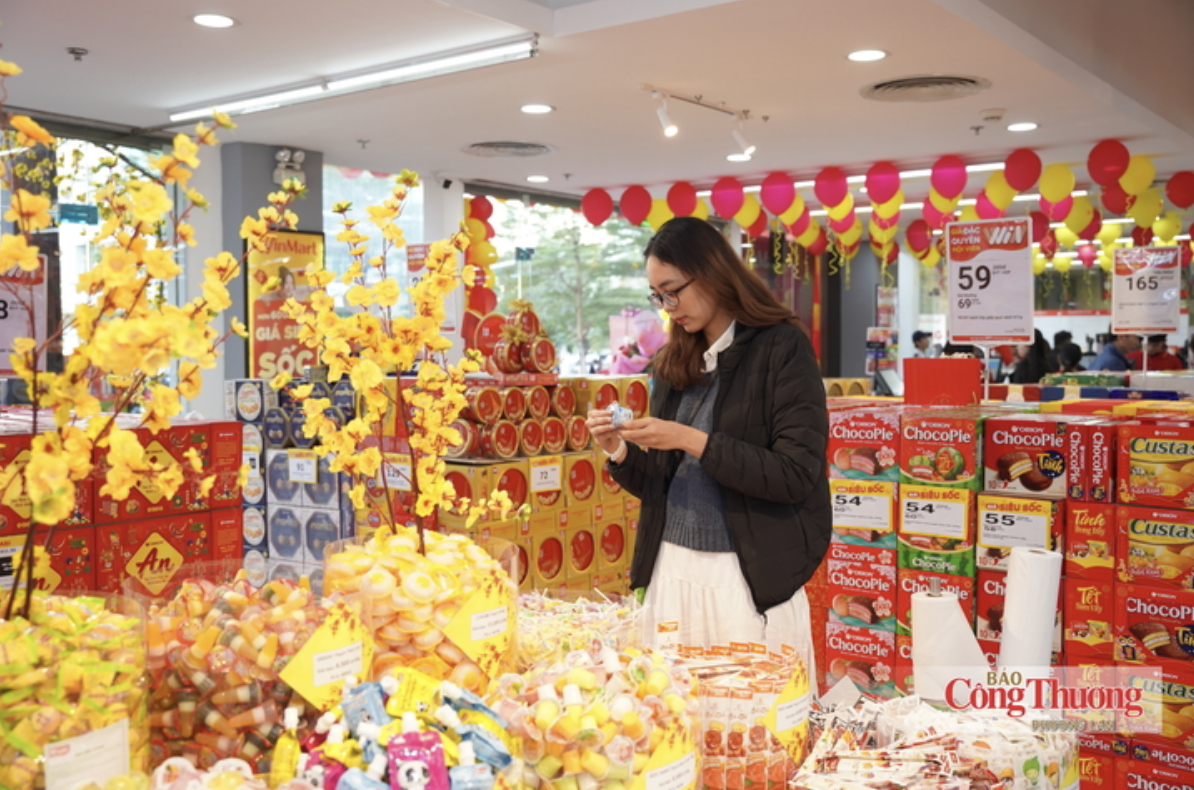
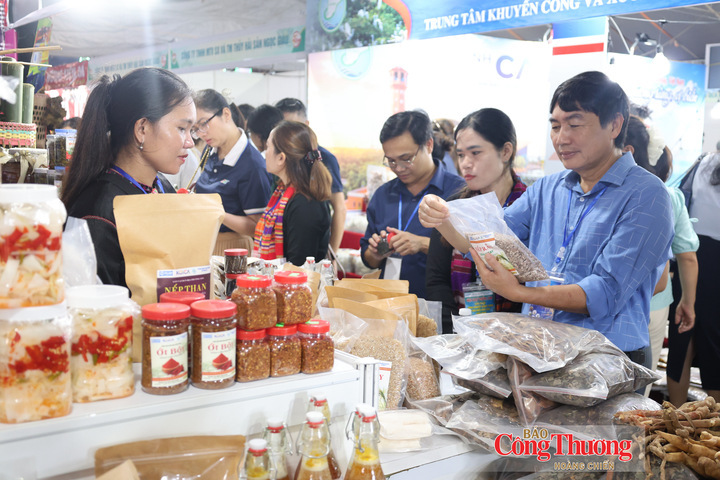
The 2026 - 2030 program seeks to enhance the competitiveness of Vietnamese goods, strengthen distribution networks and build lasting consumer confidence.
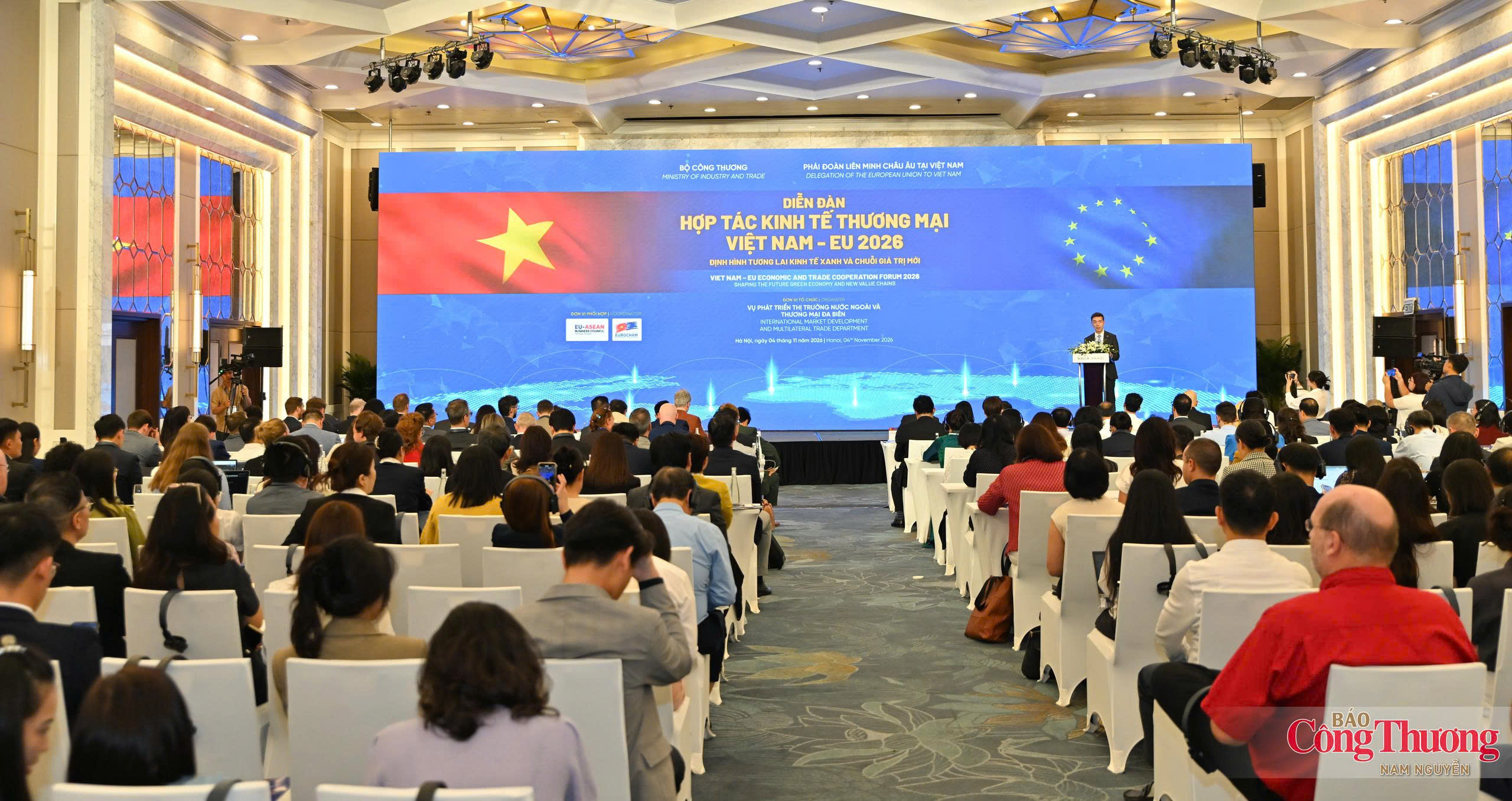
The forum promotes Viet Nam - E.U. economic, trade and investment ties, focusing on green growth, supply chain development and higher-value trade cooperation.
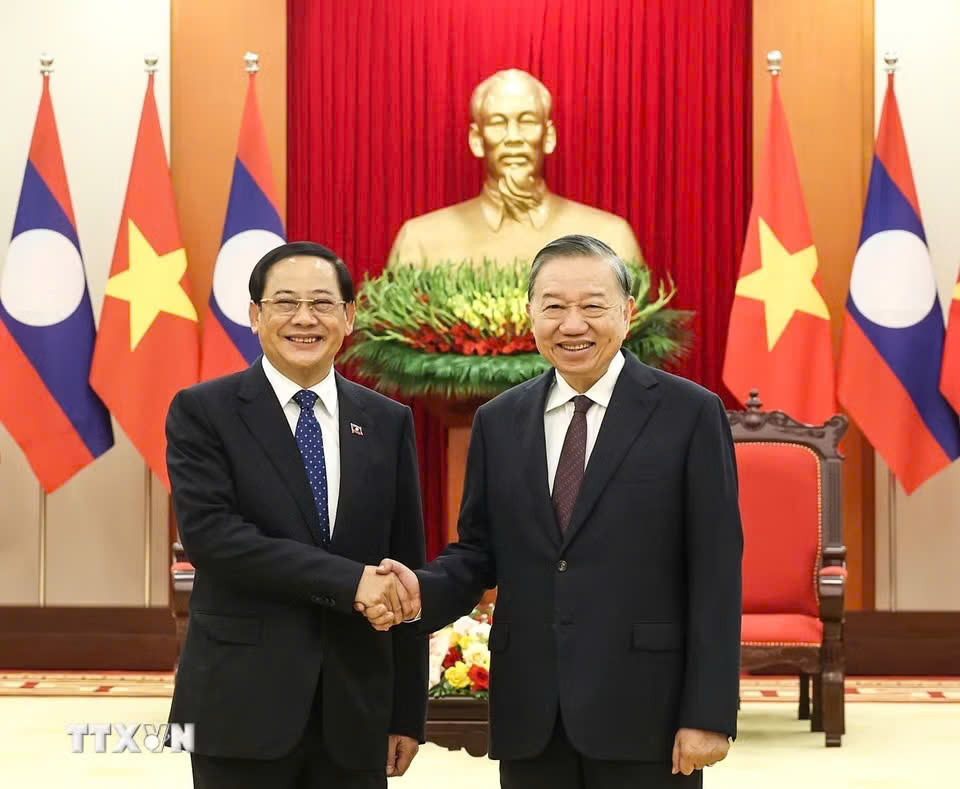
General Secretary and State President To Lam received Saysomphone Phomvihane, President of the Lao National Assembly, and a high-level delegation from the Lao legislature during their official visit to Viet Nam.
During a plenary session on November 3, Le Manh Hung, Minister of Industry and Trade, addressed questions raised by National Assembly deputies regarding the draft Law amending and supplementing a number of articles of the Law on Electricity.
In the first nine months of 2026, southern provinces and cities implemented approximately 48% of their approved industrial promotion funding plans for the year. Addressing bottlenecks and accelerating project implementation are key priorities for the remaining months.
On November 4 in Ha Noi, the Steering Committee for the Go Global Programme under the Ministry of Industry and Trade organized the Viet Nam Export Promotion Forum 2026 under the theme “Go Global - Supporting businesses in reaching out to the world”, in coordination with the Swiss Import Promotion Program (SIPPO), the Viet Nam Chamber of Commerce and Industry (VCCI), and domestic and international business support organizations and trade promotion agencies.