Go Global aims to help Vietnamese businesses move beyond goods exports to join global value chains, build brands and establish an international presence.
Expanding beyond goods exports
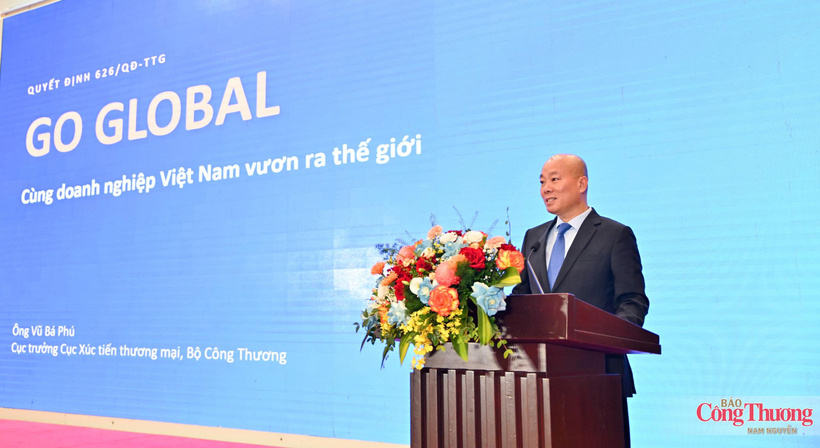
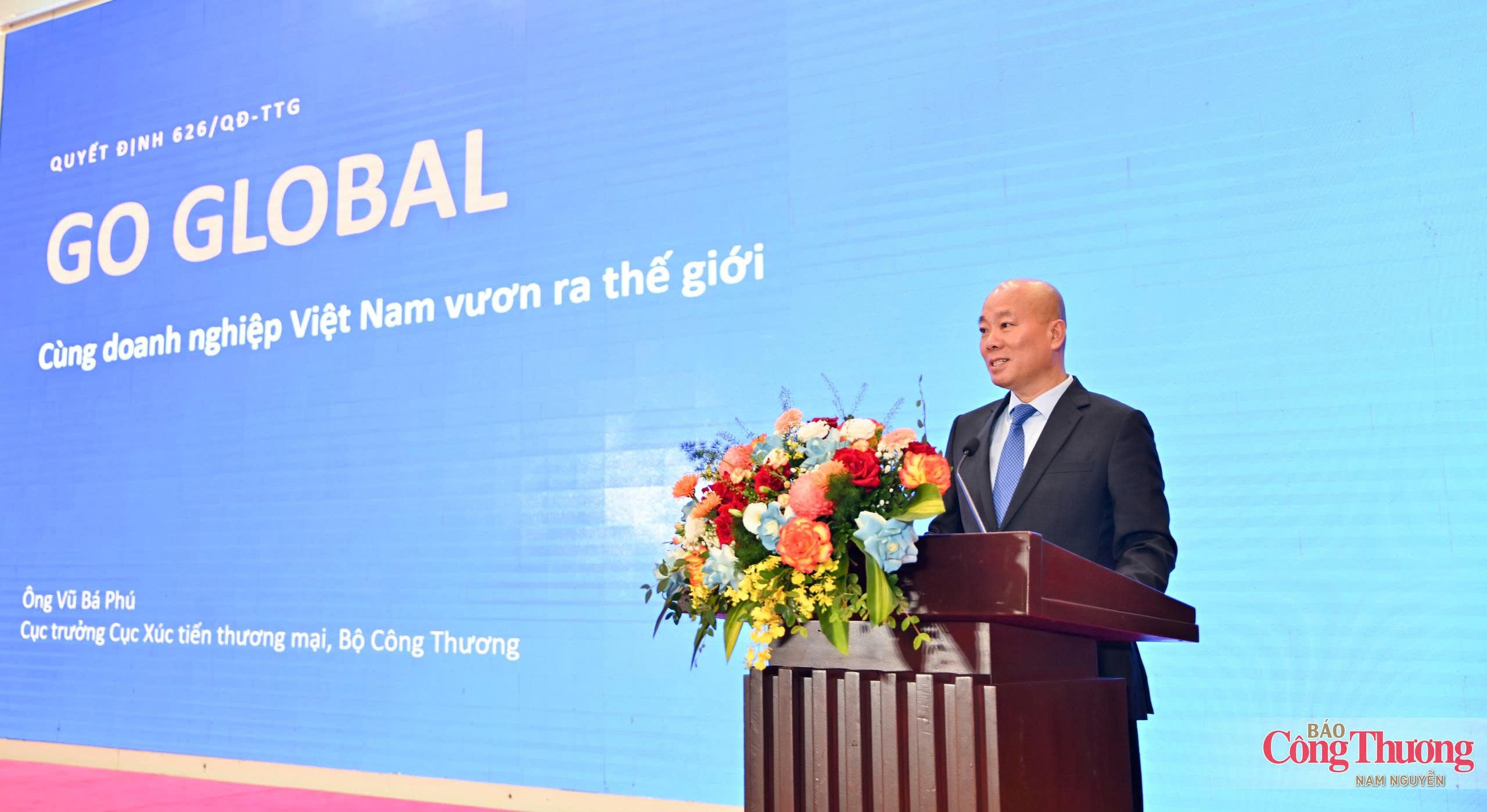
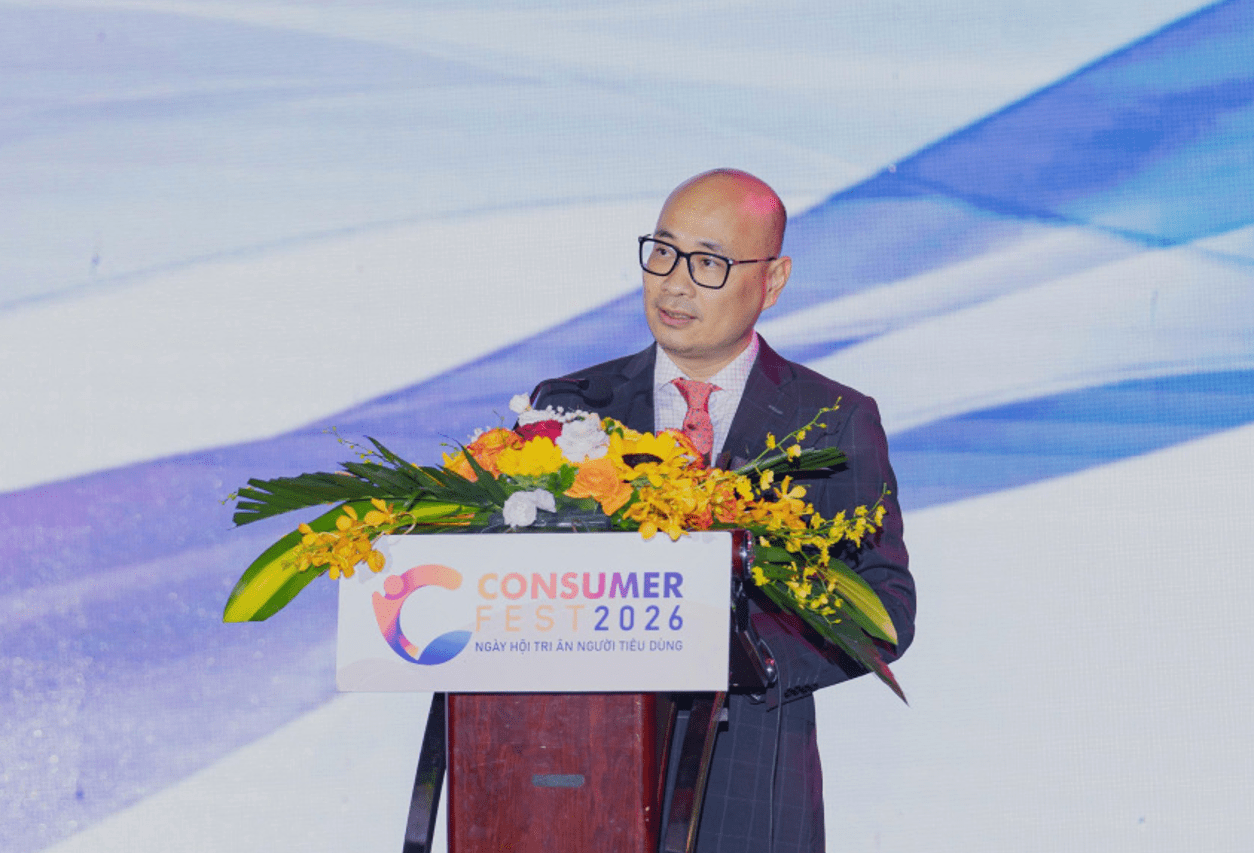
The Viet Nam Trade Promotion Agency (VIETRADE), under the Ministry of Industry and Trade (MoIT), held the Viet Nam Export Promotion Forum 2026 at the International Convention Center (ICC) in Ha Noi on the morning of November 4, under the theme “Go Global – Supporting businesses in reaching out to the world”. Speaking at the forum, Vu Ba Phu, Director General of VIETRADE, emphasized that Go Global is not simply about promoting goods exports, but also aims to help Vietnamese businesses build competitiveness, develop their brands and strengthen their presence in international markets.
To illustrate the path to business internationalization, Vu Ba Phu cited the development journeys of three major global corporations: Haier of China, Toyota of Japan and Samsung of the Republic of Korea. Despite their different starting points and approaches to market expansion, all three share one common lesson: a global standing must be built on the foundations of quality, production capacity, technology and management.
Vu Ba Phu, Director General of the Viet Nam Trade Promotion Agency, delivers remarks at the forum.
Haier's story began with a small refrigerator factory in Qingdao, China, in the mid-1980s. In 1985, after discovering 76 defective refrigerators in its warehouse, the company's leadership ordered workers to smash all of them. Although seemingly costly, the decision reflected the company's consistent commitment to product quality, laying the foundation for building its reputation and brand.
After consolidating its domestic manufacturing capacity, Haier gradually expanded overseas. In 1999, the company established its first factory in South Carolina, the U.S., shifting from simple exports to setting up production facilities in its target market. In 2016, Haier made another major advance by acquiring GE Appliances' home appliance business for approximately USD 5.4 billion.
According to Vu Ba Phu, Haier's experience shows that quality provides the foundation for development, while acquiring an established business with an existing brand and distribution network can help shorten the time needed to build a position in international markets.
Toyota's journey onto the global stage, meanwhile, began with a failure. In 1957, the first Toyota Crown vehicles were introduced to the U.S. market but failed to meet local driving conditions. Their compact design and limited engine power were ill-suited to American road conditions and consumer demand, resulting in sluggish sales and rising warranty and repair costs.
Rather than withdrawing, Toyota treated the setback as a lesson, undertaking further market research, improving its products and refining its lean production methods. The company gradually built production, engineering and distribution networks in key markets.
Samsung's story also highlights the importance of a long-term vision. Starting with the production of black-and-white televisions, the company gradually acquired technological expertise, expanded manufacturing and invested in high-tech industries. In particular, its decision to invest in semiconductor technology in 1983, alongside its shift from pursuing volume to prioritizing quality and brand development, laid the foundation for the group's growth.
Drawing on these three journeys, Vu Ba Phu emphasized: “A global standing is not a starting point, but the result of a development journey built on strategy, perseverance and many years of effort.”
According to the Director General of VIETRADE, businesses seeking to expand globally must begin by building a foundation of quality, production capacity and management. They should then approach international markets to find customers, learn about standards and understand consumer behavior, before moving beyond simple processing, assembly and exports to gain control over technology, brands and distribution networks. The ultimate goal is to establish a long-term presence through investment and business networks in overseas markets.
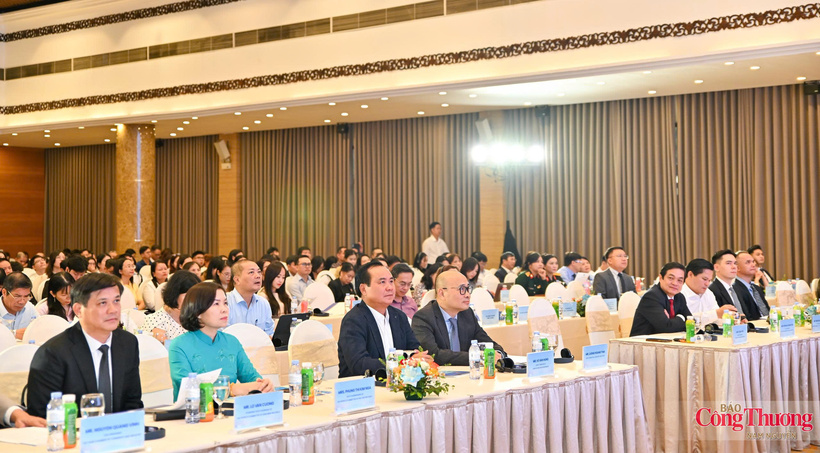
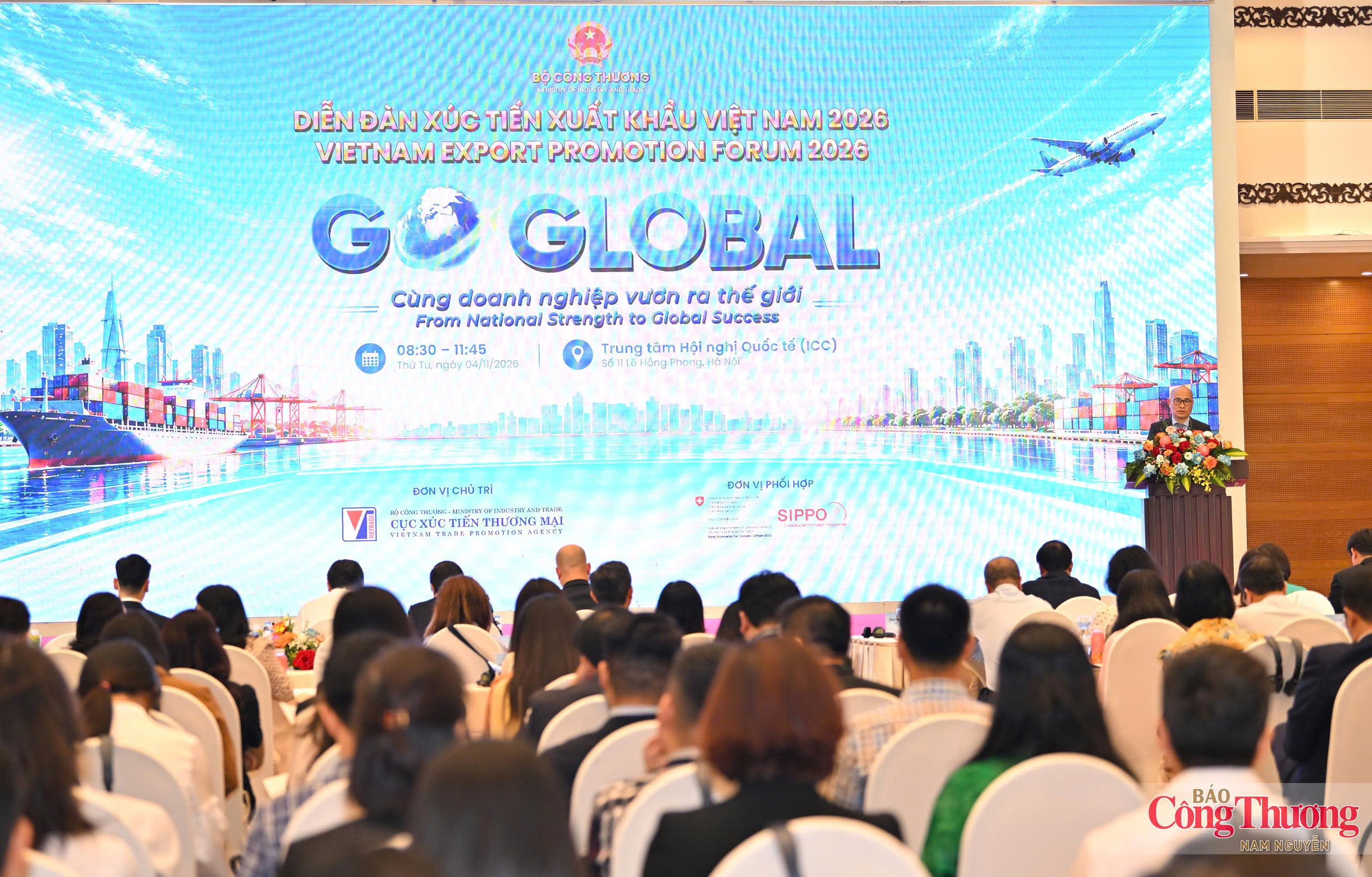
Delegates attend the Viet Nam Export Promotion Forum 2026 under the theme “Go Global - Supporting businesses in reaching out to the world”.
Expanding development opportunities for Vietnamese businesses
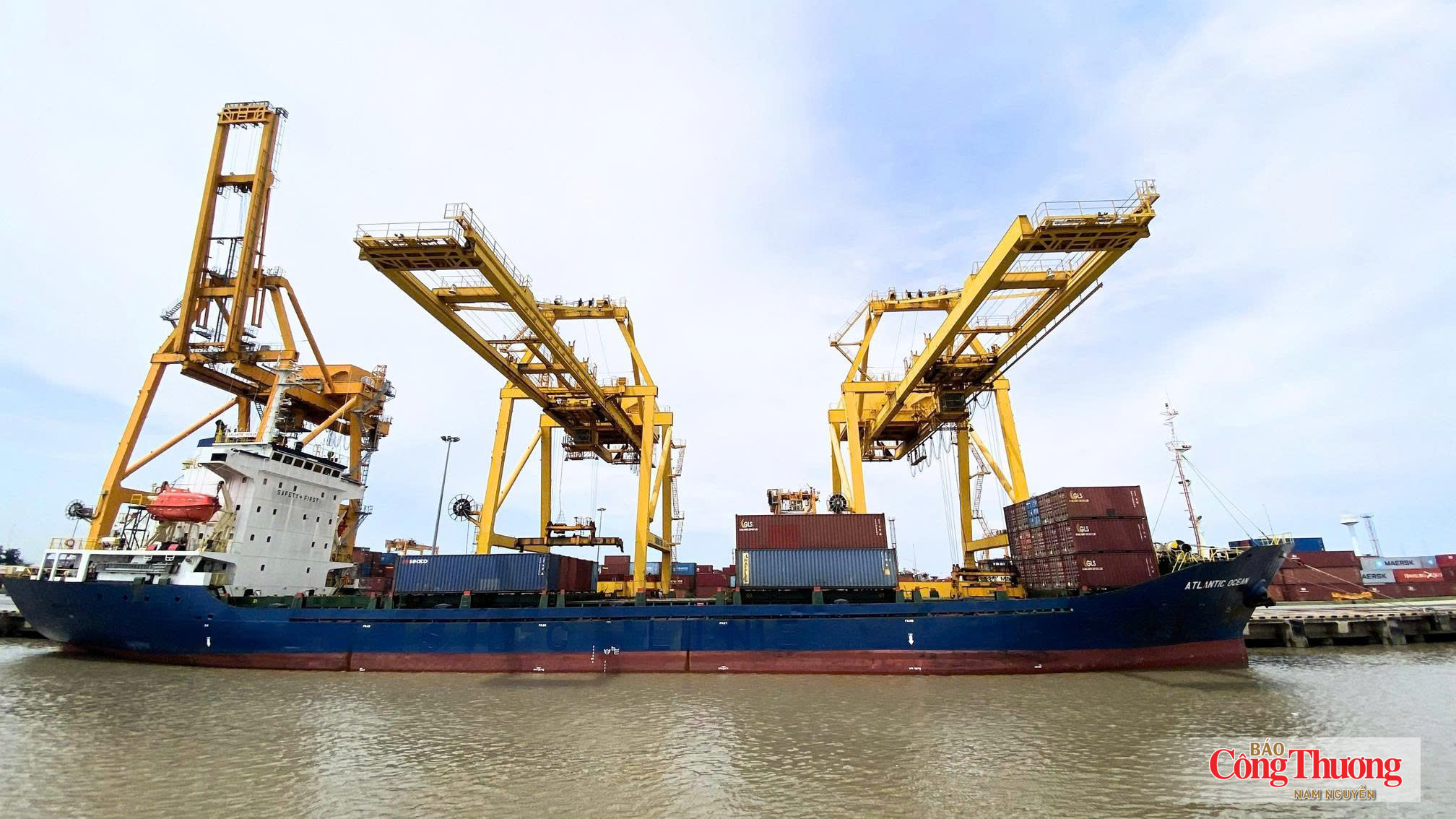
Drawing on international experience, Vu Ba Phu said that Viet Nam had reached a point where a new shift in its approach to international integration was needed. After nearly 40 years of Doi Moi (Renewal), the country has established a relatively solid export foundation, a network of 18 free trade agreements (FTAs) and increasingly extensive trade relations. Notably, as of October 2026, total merchandise import and export turnover had exceeded USD 1 trillion.
Alongside the growth of merchandise trade, a number of Vietnamese businesses have gradually established their capabilities in international markets. Viettel is now present in 10 overseas markets and leads market share in seven of them, with international revenue of approximately USD 3.3 billion in 2025. Meanwhile, FPT generated more than VND 35 trillion in revenue from overseas information technology services in 2025, with the value of newly signed contracts reaching approximately USD 1.5 billion. Japan and the U.S. were among its key markets.
These results demonstrate that Vietnamese businesses are capable of competing in demanding markets. However, according to VIETRADE Director General Vu Ba Phu, the world is changing rapidly. Markets are imposing increasingly stringent requirements on quality, standards, green development and traceability. At the same time, new business opportunities are emerging, ranging from overseas distribution and cross-border digital trade to international investment.
“The question for the next stage is therefore not simply how much more we can export, but what role Vietnamese businesses will play in global value chains, what brands they will own and how far their presence will extend across the global marketplace,” Vu Ba Phu emphasized.
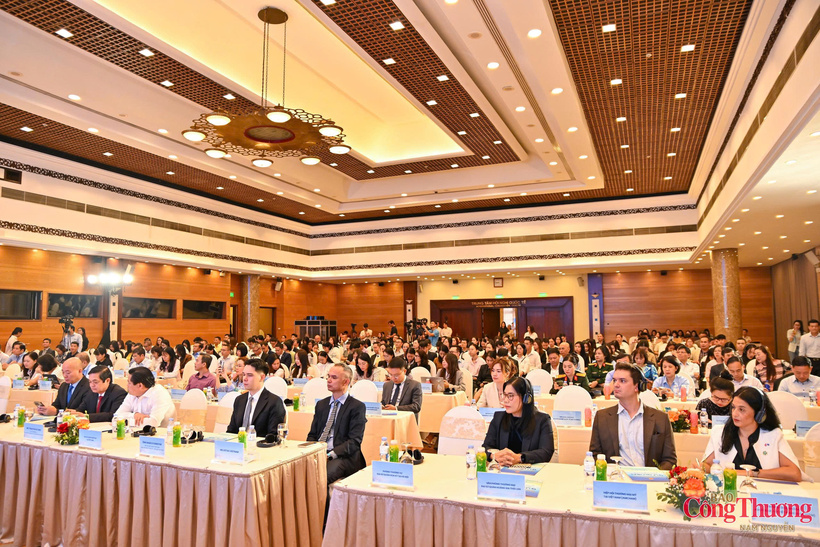
An overview of the Viet Nam Export Promotion Forum 2026 under the theme “Go Global - Supporting businesses in reaching out to the world”.
This also reflects the development orientation for the private sector set out in Resolution No.68-NQ/TW. According to Vu Ba Phu, one of the notable objectives of the Go Global Program is to support at least 20 major businesses in joining global value chains. The ambition to develop Vietnamese enterprises with a global stature has therefore moved beyond a general orientation and been translated into a concrete target in the action program.
Business internationalization should accordingly be viewed from three perspectives: shifting from a focus on quantity to strengthening management capacity, technology and international competitiveness; moving beyond simple exports to deeper participation in supply chains, brand development and a presence in overseas markets; and placing international expansion within the broader framework of business development policies.
On this basis, the Go Global Program was approved by the Prime Minister under Decision No. 626/QD-TTg dated April 6, 2026. It aims to help Vietnamese private businesses strengthen their presence in overseas markets in a comprehensive, effective and sustainable manner; promote international investment and business activities; and facilitate deeper integration into global supply chains and value chains.
Notably, Go Global does not limit international expansion to exports. The program identifies four pathways: goods exports; cross-border trade; participation in global value chains; and overseas presence and investment. Depending on their capabilities, resources, sectors and development objectives, businesses can choose an appropriate path, from expanding export markets to establishing representative offices, branches, companies or joint ventures, or pursuing mergers and acquisitions.
According to Vu Ba Phu, expanding development opportunities requires Vietnamese businesses to change their business mindset and regard international markets as regular operating environments rather than focusing solely on the domestic market. Thinking globally and expanding overseas should become a common development orientation, not only for major corporations but also for small and medium-sized enterprises.
Following the milestone of total import and export turnover exceeding USD 1 trillion, the challenge is no longer simply to expand trade volumes, but also to increase the value of goods and strengthen the role of Vietnamese businesses in global value chains. Go Global is expected to create further opportunities for businesses to expand markets, develop brands and enhance their international standing.
The Go Global Programme identifies four pathways for Vietnamese businesses to internationalize: goods exports; cross-border trade; participation in regional and global value chains; and overseas presence and investment through the establishment of representative offices, branches, companies and joint ventures, or through mergers and acquisitions (M&A). Businesses can choose the pathway that best suits their capabilities, resources, sectors and development objectives.
During a plenary session on November 3, Le Manh Hung, Minister of Industry and Trade, addressed questions raised by National Assembly deputies regarding the draft Law amending and supplementing a number of articles of the Law on Electricity.
Go Global aims to help Vietnamese businesses move beyond goods exports to join global value chains, build brands and establish an international presence.
In the first nine months of 2026, southern provinces and cities implemented approximately 48% of their approved industrial promotion funding plans for the year. Addressing bottlenecks and accelerating project implementation are key priorities for the remaining months.
On November 4 in Ha Noi, the Steering Committee for the Go Global Programme under the Ministry of Industry and Trade organized the Viet Nam Export Promotion Forum 2026 under the theme “Go Global - Supporting businesses in reaching out to the world”, in coordination with the Swiss Import Promotion Program (SIPPO), the Viet Nam Chamber of Commerce and Industry (VCCI), and domestic and international business support organizations and trade promotion agencies.
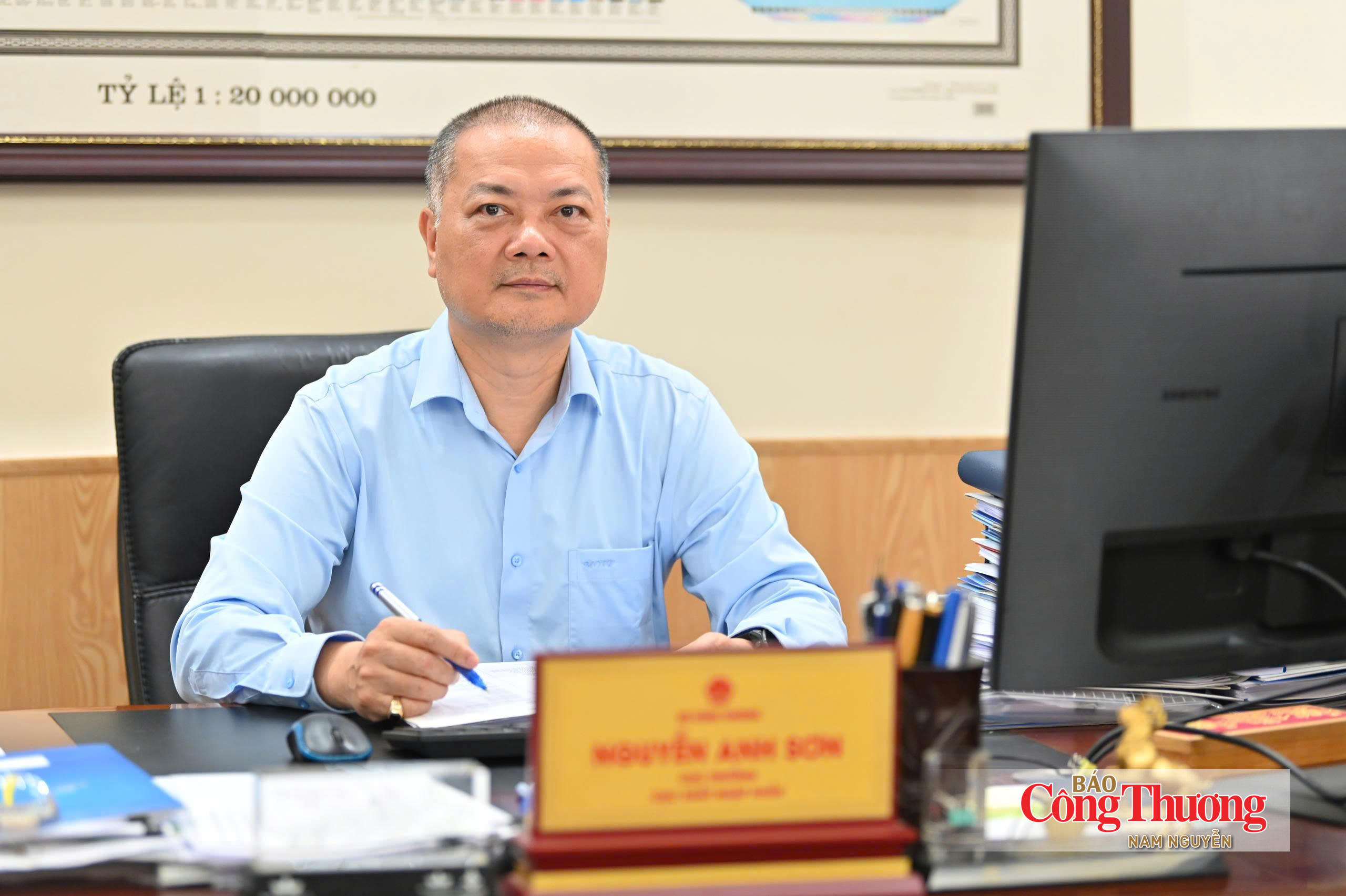
In an interview with the Newspaper of Industry and Trade, Nguyen Anh Son, Director-General of the Agency for Foreign Trade under the Ministry of Industry and Trade (MoIT), emphasized that total merchandise trade turnover exceeding USD 1 trillion reflects the growing scale and deeper integration of Viet Nam's economy into international trade.
Consumer Fest 2026 attracted over 23,000 visitors in Hung Yen Province on October 31, promoting consumer rights and responsible consumption across the community.
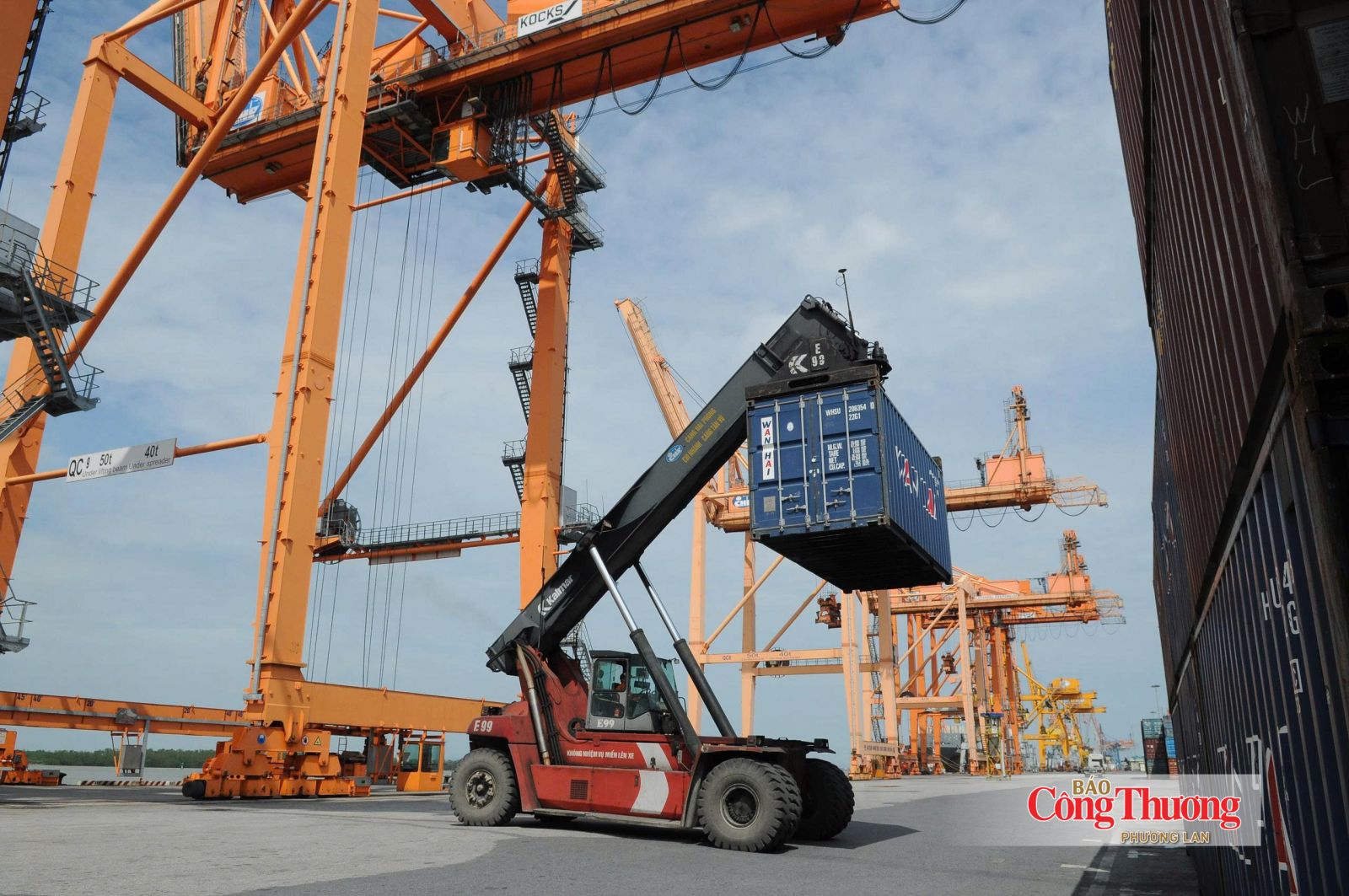
Viet Nam's import-export turnover reached USD 1,010.6 billion in the first 10 months of 2026, up 32.3% year-on-year, surpassing the USD 1 trillion mark.
With e-commerce valued at USD 31 billion in 2025, officials called for closer government-university-business ties to enhance efficiency, skills and innovation.