RCEP expands export opportunities for Vietnamese goods in ASEAN
19:05 | 23/03/2025 13:31 | 30/10/2026Trade
RCEP creates new export opportunities in ASEAN, while Vietnamese businesses must meet market requirements and manage trade risks effectively.


Significant untapped market potential
The Regional Comprehensive Economic Partnership (RCEP) establishes a framework for trade cooperation among 15 economies, accounting for approximately 30% of global GDP. The agreement aims to eliminate around 90% of import tariffs among its members while promoting supply chain integration and the movement of goods across the region.
For Viet Nam, in addition to opportunities in China, Japan, the Republic of Korea, Australia, and New Zealand, RCEP provides favourable conditions for tapping into ASEAN markets, which are geographically close, commercially dynamic and characterized by diverse import demand.
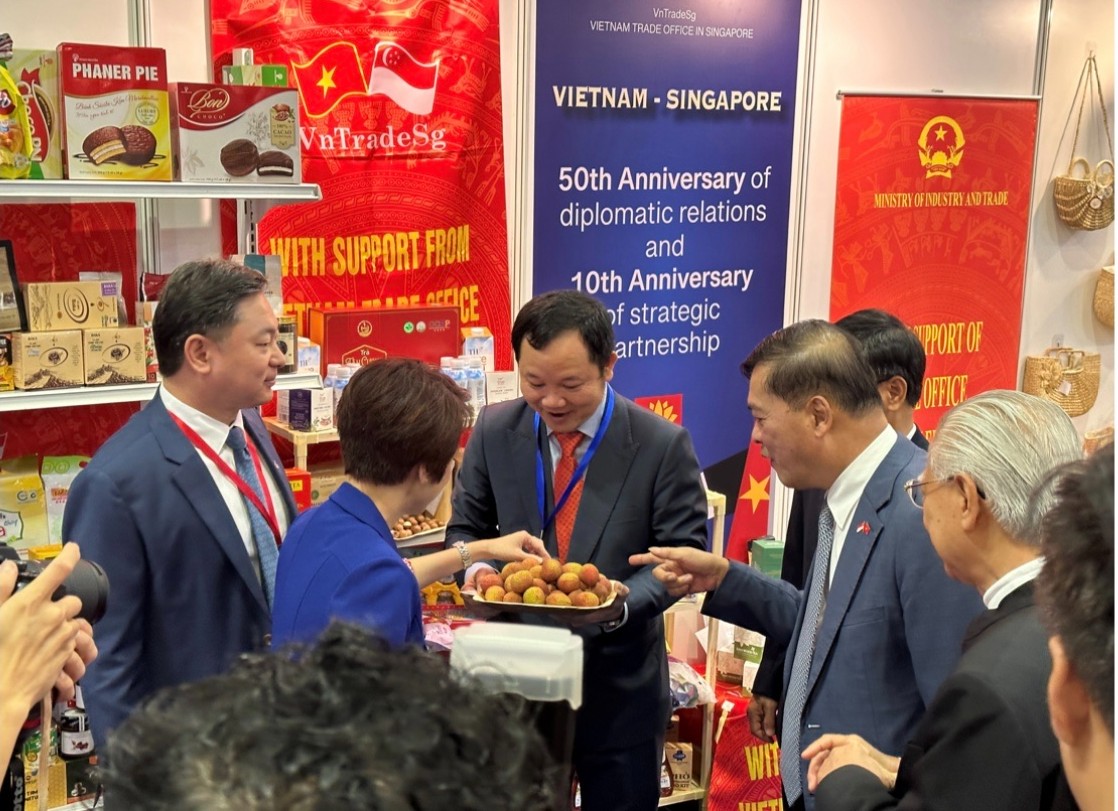
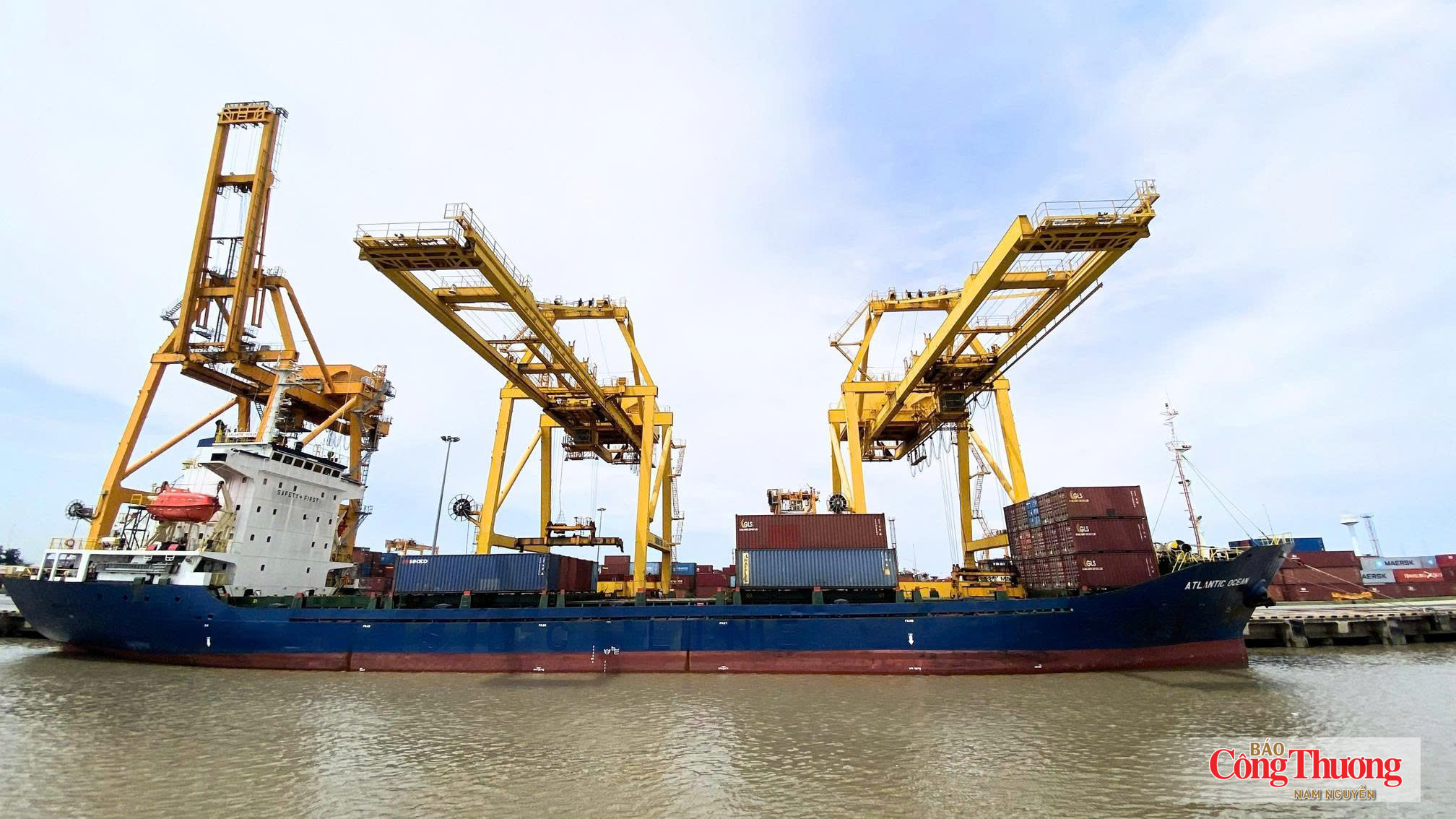
RCEP creates favourable conditions for Vietnamese businesses to expand their presence in ASEAN markets.
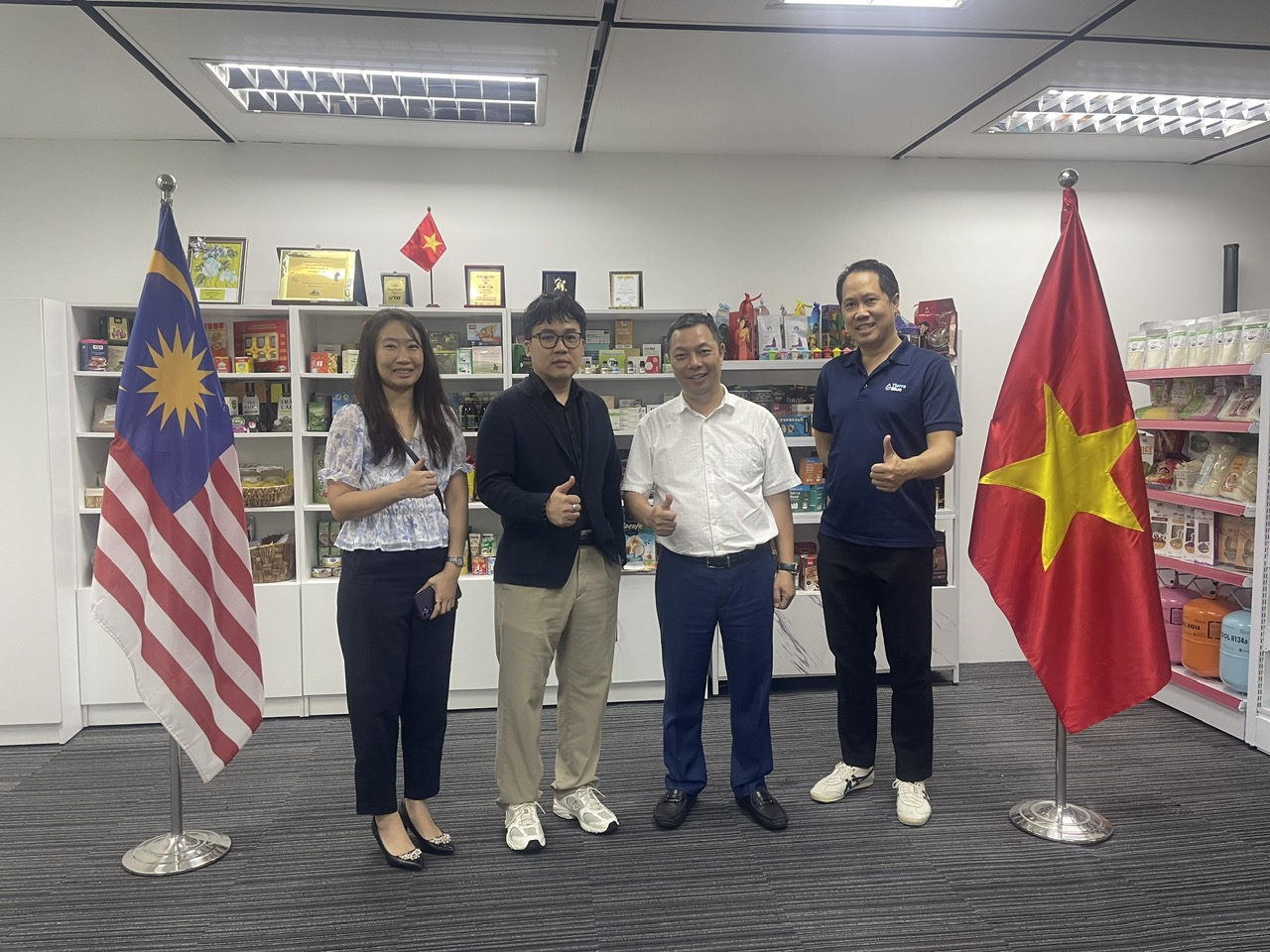
At a recent seminar on “Risk Management Consulting in Trade Promotion and Export Business with ASEAN Markets," organized by the Viet Nam Trade Promotion Agency, Phung Van Thanh, from the Viet Nam Trade Office in Malaysia, said the country imports more than USD 300 billion worth of goods annually, while Viet Nam’s exports to Malaysia total only around USD 6 billion.
Indonesia is also a promising market. In 2025, bilateral trade between Viet Nam and Indonesia reached USD 17.25 billion, the highest level on record, with Viet Nam’s exports exceeding USD 6.1 billion. In the first nine months of 2026, bilateral trade surpassed USD 14.6 billion, and the full-year figure is projected to reach USD 18 billion.
With the world’s fourth-largest population, approximately 60% of whom are of working age, and a middle class of around 50 million people, Indonesia has substantial consumer demand. This presents an opportunity for Vietnamese goods to gain market share, particularly products that offer competitive prices, good quality and reliable supply capacity.
Myanmar is another market worth attention. According to Ngo Xuan Ty, Trade Counsellor and Head of the Viet Nam Trade Office in Myanmar, the country has a population of more than 55 million and demand for a wide range of products, including consumer goods, construction materials, industrial machinery, agricultural equipment, medical devices, electronics, garments and logistics services.
Supply shortages in Myanmar create opportunities for Vietnamese businesses capable of offering competitively priced products that meet quality requirements.
Proactively identifying and mitigating risks
Despite the considerable potential for export expansion, representatives of Viet Nam’s trade offices across ASEAN have cautioned that each market has its own consumer preferences, distribution systems, legal requirements and business practices. Companies therefore need to develop market entry strategies tailored to each destination.
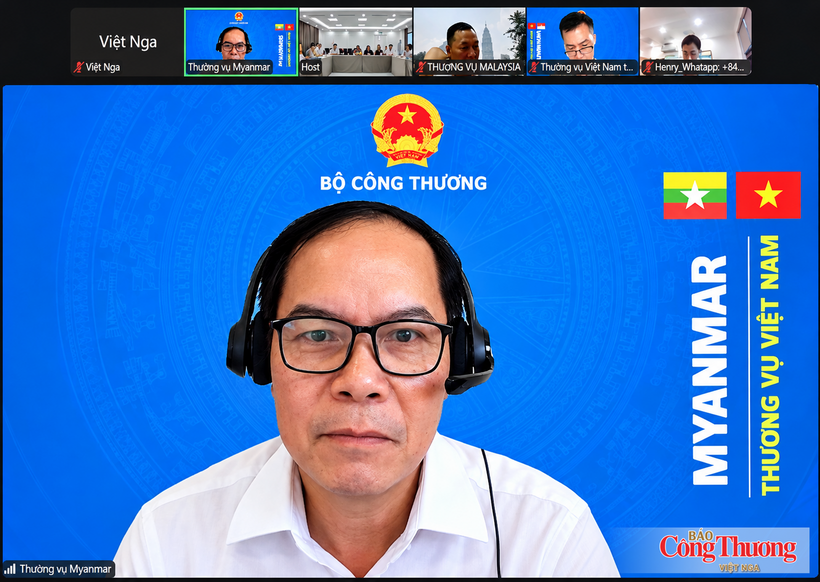
Ngo Xuan Ty, Trade Counsellor and Head of the Viet Nam Trade Office in Myanmar.
In Malaysia, ethnic and religious diversity, together with differing consumer habits, requires businesses to clearly identify their target customer groups. Halal certification is important for many products, extending beyond food and beverages to cosmetics and related goods. According to information from the Viet Nam Trade Office in Malaysia, as of August 2026, five Vietnamese establishments had received recognition from Malaysia’s Halal authorities for certifications deemed compatible with the requirements of that market.
In Indonesia, businesses need to pay attention to local content requirements in certain sectors, Indonesian National Standards (SNI), Halal certification and product registration. Goods subject to mandatory standards may face obstacles to importation, distribution or participation in tenders if they fail to meet the relevant requirements.
Trademark protection is another issue requiring attention. Delays in registering intellectual property rights can lead to disputes or additional costs to recover brand ownership. Businesses should register their trademarks, review licensing requirements and identify applicable legal obligations at the market preparation stage.
Verifying business partners is also crucial in export transactions. According to Phung Van Thanh, experience from trade activities in the Philippines and Malaysia shows that Vietnamese businesses should check a partner’s address, legal status and actual business capacity before signing contracts.
In some cases, Vietnamese companies have signed contracts with partners in Singapore or Thailand, while the goods were delivered to third parties in the Philippines. When the goods had been unloaded at the port but payment had not been made, resolving disputes became more complicated because the contracting party and the recipient were different entities.
Businesses should therefore clearly identify the buyer, the paying party, the recipient, the delivery location and each party’s responsibilities. Payment terms, deposits and dispute resolution clauses should be carefully reviewed rather than relying solely on a partner’s assurances.
For Myanmar, Ngo Xuan Ty advised businesses to exercise caution when selecting partners and managing foreign currency, import procedures, transportation and delivery. Studying the characteristics of individual products, understanding local regulations and consulting the trade office when necessary can help mitigate risks.
“If businesses prepare carefully, proactively seek information and develop appropriate responses to each issue, they can reduce risks. Conversely, inadequate preparation can lead to risks arising during the course of business operations,” he stressed.
Beyond legal requirements and transaction procedures, businesses also need to understand the business culture of each market. Representatives of Viet Nam’s trade offices in Myanmar, Indonesia and Malaysia recommended that companies exercise patience during negotiations, respect their partners’ communication styles and confirm agreements clearly in writing. A friendly exchange does not necessarily mean that a business partner has agreed to a transaction.
RCEP provides a favourable framework for Vietnamese businesses to connect with sources of raw materials, organize production and expand exports to ASEAN. To capitalize on these opportunities, companies need to align trade preferences with long-term market strategies, proactively seek partners, diversify distribution channels and strengthen risk management capabilities.
19:05 | 23/03/2025 13:31 | 30/10/2026Trade
19:05 | 23/03/2025 13:30 | 30/10/2026Science - Technology
19:05 | 23/03/2025 13:28 | 30/10/2026News and Events
19:05 | 23/03/2025 17:51 | 29/10/2026News and Events
19:05 | 23/03/2025 21:27 | 28/10/2026News and Events