At the Vietnam Economic Forum 2025, leaders stressed institutional reform as a key driver for fast, sustainable growth, green transition, and digital transformation.
Unlocking new drivers of development
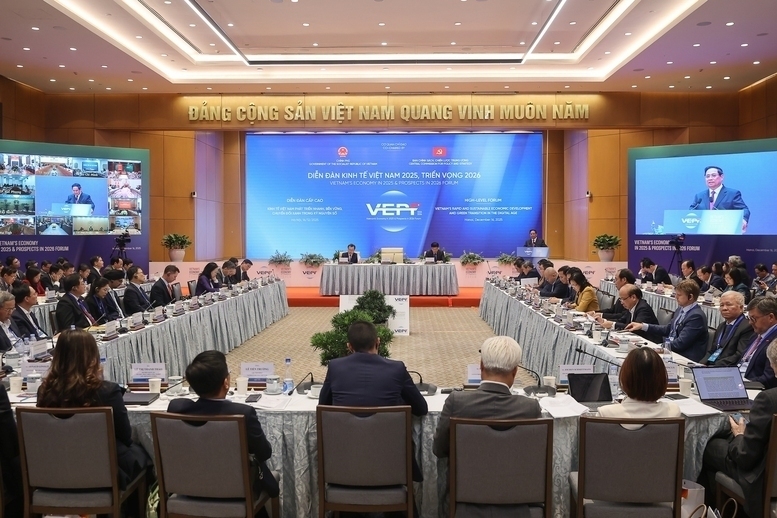
On the afternoon of December 16, at the Government Headquarters, Prime Minister Pham Minh Chinh chaired the high-level plenary session of the Vietnam Economic Forum 2025, Outlook 2026, under the theme “Vietnam’s economy: fast and sustainable growth, green transition in the digital era.”
Overview of the Vietnam Economic Forum 2025, Outlook 2026. Photo: VGP
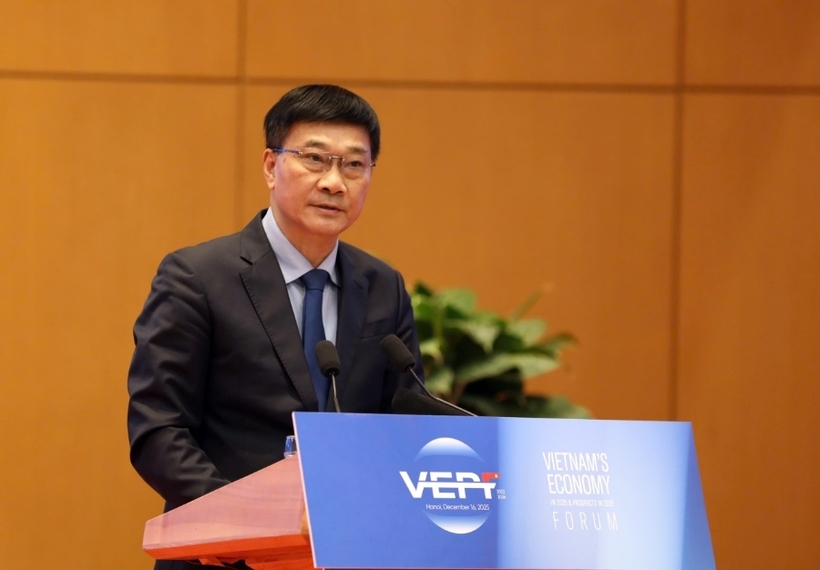
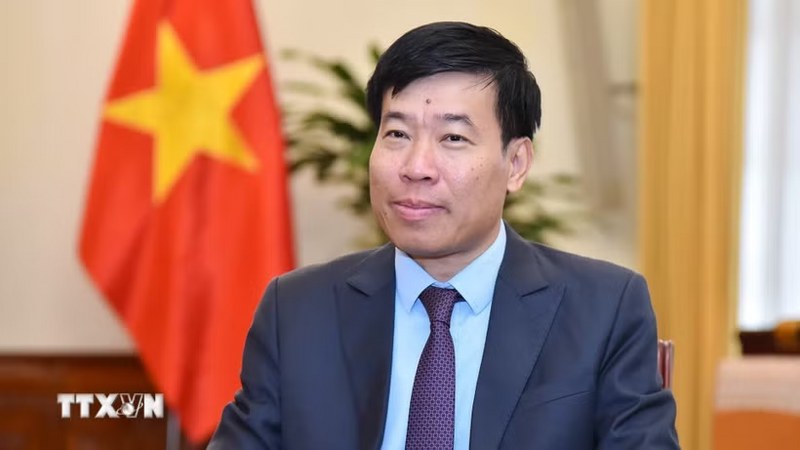
Addressing the Forum, Vice Chairman of the National Assembly Vu Hong Thanh stressed that both Vietnam’s development experience and international practice show that sustainable economic growth is inseparable from the quality of institutions. A stable, transparent, coherent, and predictable legal system is a decisive factor in attracting investment, unlocking resources, fostering innovation, and enhancing national competitiveness.
Vice Chairman of the National Assembly Vu Hong Thanh addresses the Forum. Photo: VGP
Amid rapid and unpredictable global economic shifts, intensifying strategic competition, and the rising prominence of green development, low-carbon growth, digital transformation, data governance, and financial transparency as the new “rules of the game,” Vietnam’s legal system faces increasingly urgent and demanding requirements.
In recent years, the National Assembly has given high priority to lawmaking, identifying it as a breakthrough lever to realize fast and sustainable development goals, institutionalize the Party’s orientations, and transform institutional reform into a competitive advantage and growth driver.
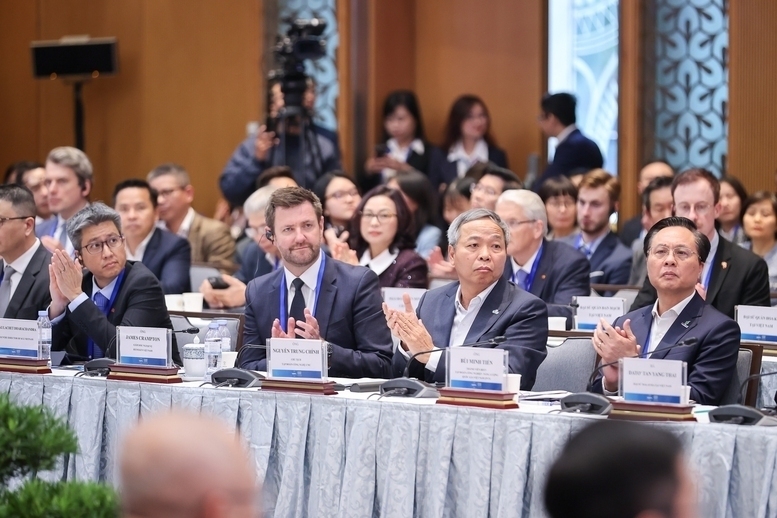
Delegates attend the Vietnam Economic Forum 2025, Outlook 2026. Photo: VGP
At its 10th Session, the National Assembly passed 51 laws and 39 resolutions, including eight regulatory resolutions, covering major areas such as digital transformation, artificial intelligence, high technology, technology transfer, and cybersecurity.
“Green development has become an inevitable requirement in Vietnam’s development strategy. Recognizing this, the National Assembly has paid special attention to improving the legal framework on environmental protection, efficient resource use, climate change response, and the shift toward low-emission growth models,” Vice Chairman Vu Hong Thanh noted.
A series of important laws and resolutions have been adopted, including the Law on Environmental Protection, the Law on Economical and Efficient Use of Energy, and resolutions on mechanisms and policies for national energy development for 2026-2030. Together, they form a critical legal corridor to promote the circular economy, clean energy, and environmentally friendly projects.
At the same time, the National Assembly has identified digital transformation and the digital economy as key legislative priorities. The adoption of the Law on Digital Transformation and the Law on Artificial Intelligence is seen as a significant step forward in completing the institutional framework for the digital economy, creating a transparent and secure legal environment for innovation, start-ups, high-tech applications, and digital infrastructure development.
In parallel, efforts have been intensified to improve legislation on data, electronic transactions, cybersecurity, and the protection of legitimate rights and interests of citizens and businesses in the digital environment, following an open and flexible legal approach that can adapt to rapid technological change.
Improving institutions to enhance national competitiveness
Vice Chairman Vu Hong Thanh emphasized that a consistent requirement in legislative work is a strong shift in mindset from regulation to development facilitation, from pre-approval to post-supervision, and away from the notion that “what cannot be managed must be prohibited.” Greater attention is being paid to improving policy design from the proposal stage, strengthening practical reviews, impact assessments, and enhancing oversight, questioning, and accountability. Listening to the business and investor community has also been increasingly valued.
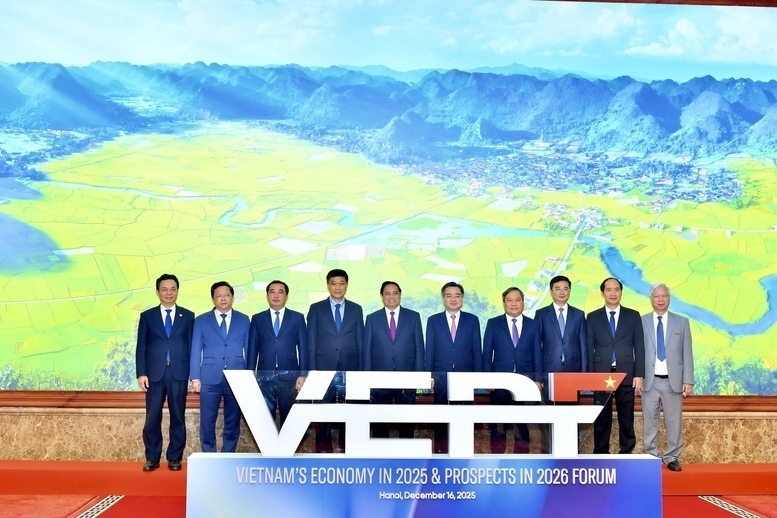
Delegates take a group photo at the Vietnam Economic Forum 2025. Photo: VGP
“Recommendations from the Forum are an important input, helping laws stay close to reality, accompany development, and strengthen the confidence of businesses and society,” he stressed.
From the imperative of fast and sustainable growth linked with green and digital transitions, the Vice Chairman outlined several key directions for legislative work:
First, continuing to improve the socialist-oriented market economy institutions toward a development-facilitating approach, with a focus on laws governing investment, business, finance, land, and planning; prioritizing legal frameworks for new areas such as the digital economy, data economy, artificial intelligence, green economy, and circular economy to promptly unlock new growth drivers.
Second, accelerating legal reforms to serve national digital transformation and the development of science, technology, and innovation, with the goal of decisively removing institutional and policy bottlenecks, and creating a safe and flexible legal corridor for research, application, and commercialization of new technologies.
Third, synchronously improving legislation on resource management, environmental protection, and climate change response, including the development of carbon credit markets, promoting the socialization of environmental protection, and ensuring harmony between economic growth and sustainable development.
Fourth, further improving laws on decentralization and delegation of authority in line with a streamlined, effective, and efficient administrative apparatus, under the principle of “local decision-making, local implementation, and local accountability,” thereby creating space and incentives for localities to enhance proactiveness and creativity in socio-economic development, green transition, and sustainable growth in the digital era.
The Vice Chairman reaffirmed that green and digital transitions are long-term processes requiring the synchronized engagement of the entire political system. The National Assembly will continue to proactively facilitate development, ensure that legislation stays one step ahead, and complete the institutional foundations to accompany and guide development closely aligned with the Party’s orientations and marked by a strong renewal of legislative thinking.
“The National Assembly will continue to innovate its operating methods, improve the quality of legislation, decision-making, and oversight, and work closely with the Government and domestic and foreign business communities to build a stable, transparent, and enabling legal environment for development,” Vice Chairman Vu Hong Thanh affirmed. He expressed confidence that with unity and strong determination across the political system, the business community, and the people, Vietnam’s economy will grow faster and more sustainably, successfully realizing green and digital transition goals in the period ahead.
The Vietnam Economic Forum 2025, Outlook 2026 was connected online from the Government Headquarters to provincial and municipal locations nationwide, with the participation of leaders from Central and local agencies, international organizations, associations, and domestic and foreign enterprises.
Vietnam has issued new regulations on ASEAN coordination, defining roles of key ministries and national representatives to ASEAN councils, effective Jan 25, 2026.
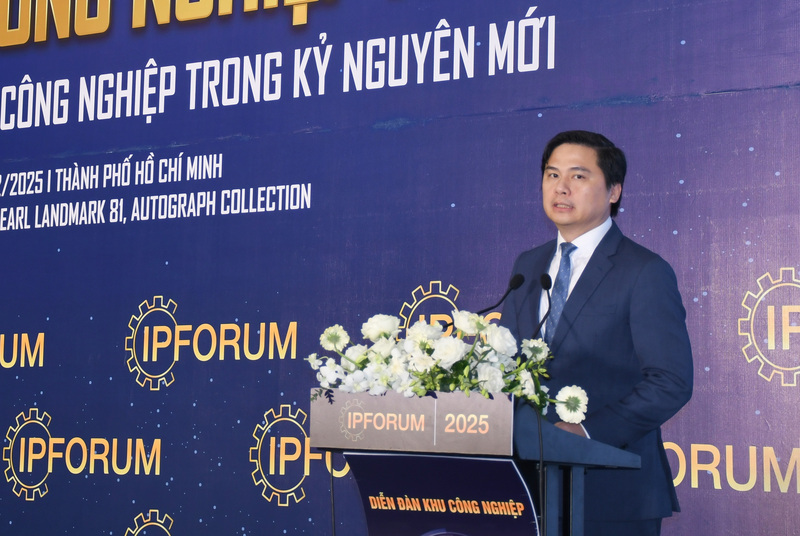
The Industrial Park Forum 2025 (IPForum 2025) in Ho Chi Minh City brought together 300 delegates to discuss solutions for developing smart, eco-industrial parks.
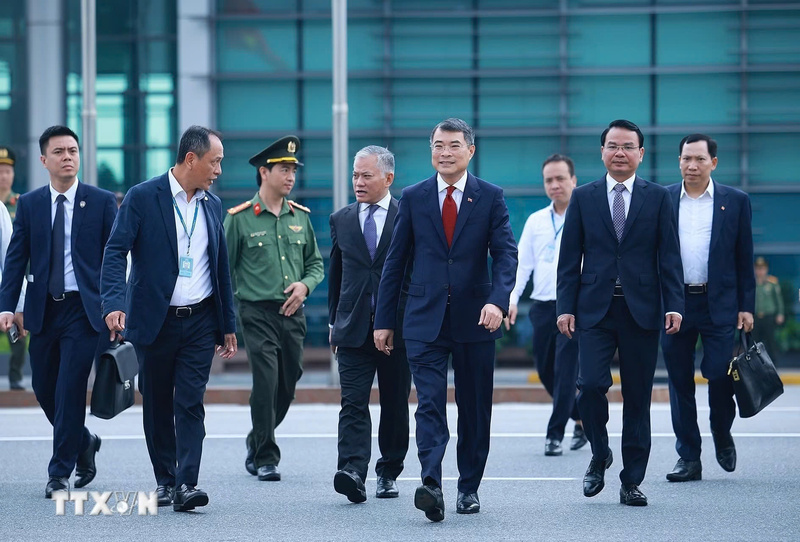
Prime Minister Le Minh Hung attends the 48th ASEAN Summit in Cebu, reaffirming Vietnam’s strong commitment to ASEAN cooperation and regional resilience.
The Ministry of Industry and Trade is seeking feedback on a draft decree on power works protection and hydropower safety, set to replace Decree No. 62/2025/ND-CP.
The State visit by Vietnam’s top leader to Sri Lanka on May 7 - 8 underscores deepening bilateral ties, paving the way for expanded cooperation in trade and investment, and stronger engagement with South Asia.
On the afternoon of May 4, Prime Minister Le Minh Hung chaired the Government’s regular meeting for April 2026, the first such session of the 16th-term Government.
More than 300 companies are set to participate in business matching activities at the International Electronics and Smart Appliances Expo Vietnam (IEAE 2026), scheduled to take place from May 28 to 30 in Ho Chi Minh City.
Vietnam has issued a plan to implement the Law on E-commerce, defining tasks, timelines and coordination to ensure effective enforcement from July 1, 2026.
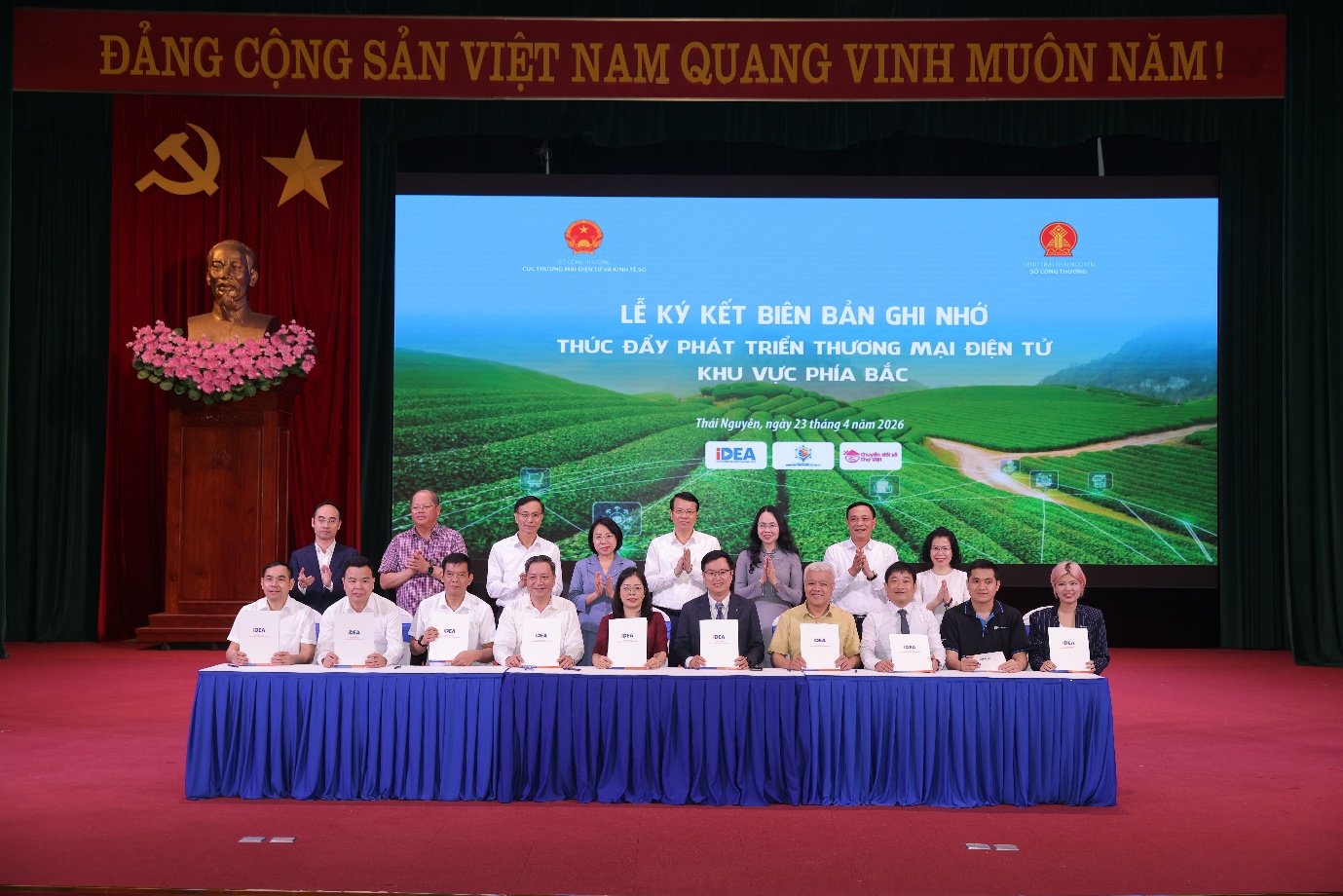
The programme in Thai Nguyen promotes e-commerce in northern Vietnam, linking localities with digital firms to expand markets and boost Vietnamese goods.