The Industrial Park Forum 2025 (IPForum 2025) in Ho Chi Minh City brought together 300 delegates to discuss solutions for developing smart, eco-industrial parks.
Shaping a new industrial landscape
With the theme “Promoting Industrial Park Investment in a New Era,” the forum on December 11 focused on raising the quality of capital attraction, fostering self-reliant production, optimizing industrial land resources, and shaping a new generation of high-value, smart and green industrial parks.
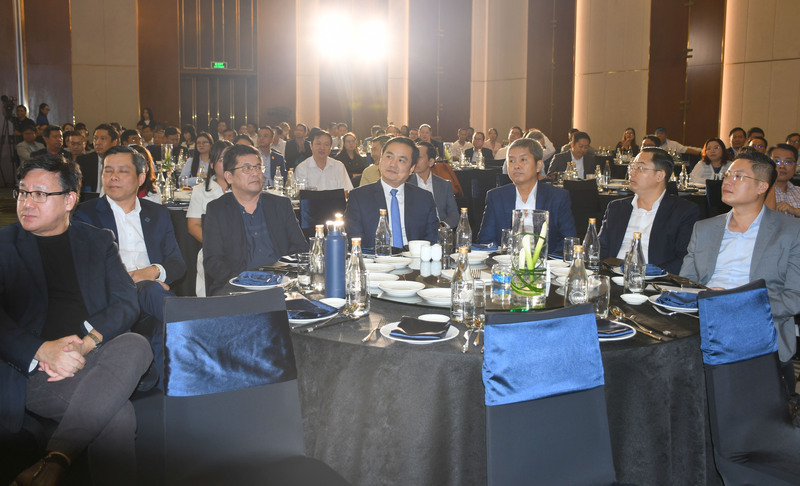
Delegates attend the Industrial Park Forum 2025. Photo: Minh Khue
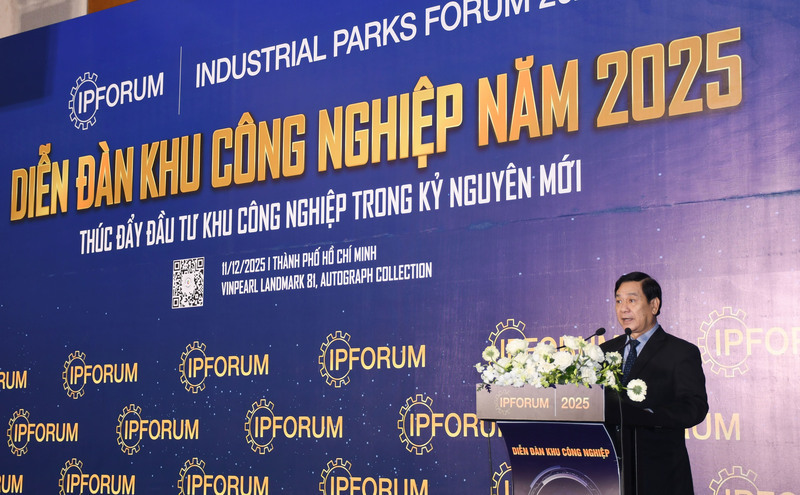
According to Dao Xuan Duc, Chairman of IPForum 2025, the event took place at a pivotal moment as Vietnam had just completed the administrative merger of 34 provinces and cities, a shift that opens new development space and motivates industrial parks to accelerate toward globally aligned standards.
“IPForum 2025 aims to create a platform for dialogue, connection and cooperation among infrastructure developers, investors, businesses and experts, thereby advancing sustainable value, technological innovation and higher-quality governance. We expect the forum to soon reach international scale and become a reputable voice for Vietnam’s industrial ecosystem,” he emphasized.
Dao Xuan Duc, Chairman of IPForum 2025. Photo: Minh Khue
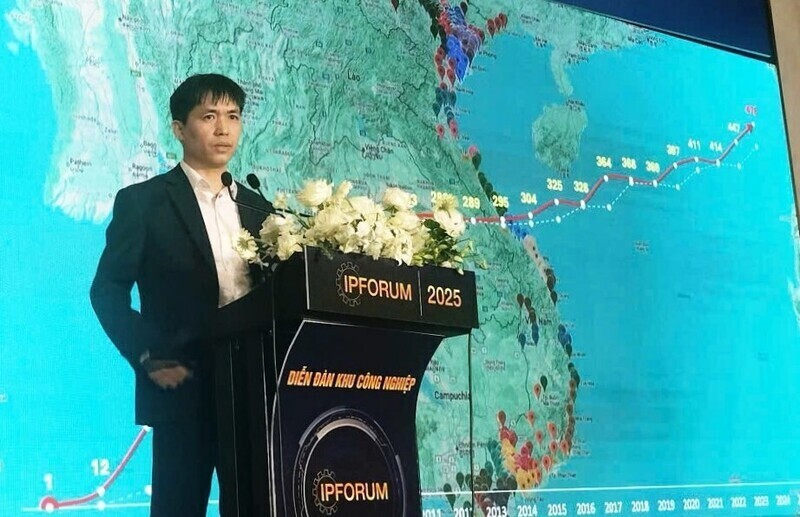
At the forum, Pham Van Nam, Deputy General Director of the Vietnam Industrial Zone, the organizing unit outlined a strategic vision to 2030, stressing the need for Vietnam to build a “new map - new space - new momentum” for industrial park development in response to global supply-chain shifts.
Data from the Vietnam Industrial Zone shows the country currently has 478 industrial parks covering 146,000 hectares, including 101,600 hectares of industrial land with an average occupancy rate of 53.2%. Around 47,500 hectares remain available.
Pham Van Nam, Deputy General Director of the Vietnam Industrial Zone. Photo: Minh Khue
By 2030, Vietnam aims to expand to 600 industrial parks, adding 35,000 hectares to reach a total of 181,000 hectares. The number of industrial clusters is expected to rise from 1,100 to 2,000, with 29,000 hectares added. The total new development capacity through 2030 stands at 114,200 hectares. Efficient utilization of existing industrial land is therefore considered a central pillar of the new development strategy.
Four strategic pillars for a breakthrough
To ensure effective development, Pham Van Nam underscored four strategic pillars. The first is transitioning industrial parks from being mere “infrastructure providers” to becoming “value-chain connectors,” enabling stronger linkages, technology sharing and market expansion between FDI firms and local enterprises.
The second pillar focuses on expanding regional development space after administrative consolidation, leveraging the new regional structure to build stronger investment branding.
Third, the strategy stresses upgrading industrial parks toward smart and sustainable models, integrating renewable energy, digital infrastructure, Logistics 4.0 and smart-city connectivity to create attractive and innovation-driven living - working environments.
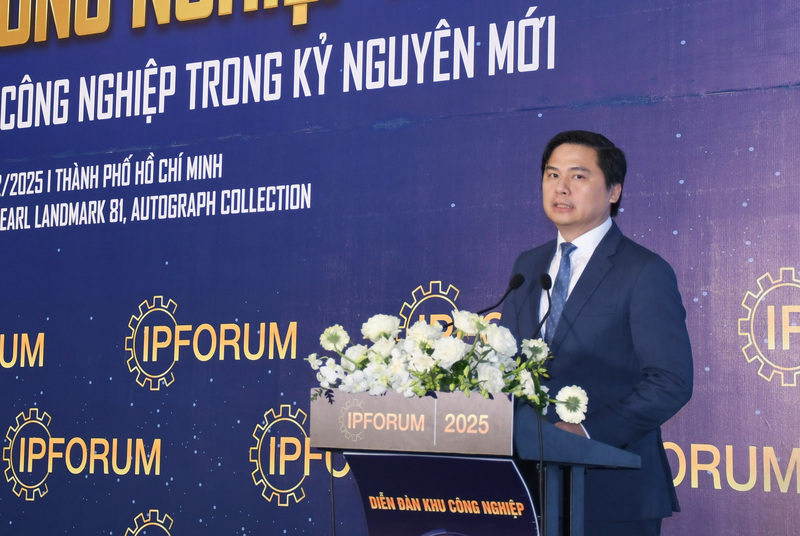
Nguyen Dong Trung, Deputy Director of the Department of Foreign Affairs and Cultural Diplomacy (Ministry of Foreign Affairs). Photo: Minh Khue
The final pillar centers on reforming vocational education to meet enterprise needs, emphasizing digital skills and automation while promoting public campaigns that elevate the role of technical workers and inspire industrial ambition.
International connectivity is also identified as a vital driving force. Nguyen Dong Trung, Deputy Director of the Department of Foreign Affairs and Cultural Diplomacy under the Ministry of Foreign Affairs, highlighted that economic diplomacy is being advanced under the principle of placing people, localities and businesses at the center.
He noted that each Vietnamese diplomatic mission abroad has become an active bridge helping localities and industrial parks access markets, find partners and attract next-generation FDI.
Citing major diplomatic activities in 2025, he referred to the Vietnam - Japan Mekong Delta Meeting in Can Tho (August 2025) and the Vietnam - Japan Local Cooperation Forum in Quang Ninh (November 2025) as strong examples of proactive efforts to connect Vietnamese industrial parks with international investment flows and strategic industrial groups.
He added that in 2025, Vietnam’s top leaders carried out 75 external activities, 1.5 times higher than in 2024 upgraded relations with 17 countries, raised the number of partners at “Comprehensive Partnership” level or higher to 42, established diplomatic ties with Tuvalu, bringing the total to 194, and signed more than 330 cooperation agreements, 2.5 times the previous year.
Looking ahead to 2026, he said the diplomatic sector will intensify economic diplomacy with tailored action plans for each priority market and maintain regular mechanisms with partners to accelerate implementation of high-level agreements, ensuring tangible benefits for localities and industrial parks.
With the theme “Promoting Industrial Park Investment in a New Era,” IPForum 2025 reaffirmed the national target of expanding to 600 industrial parks by 2030, raising total planned industrial land by 35,000 hectares to 181,000 hectares.
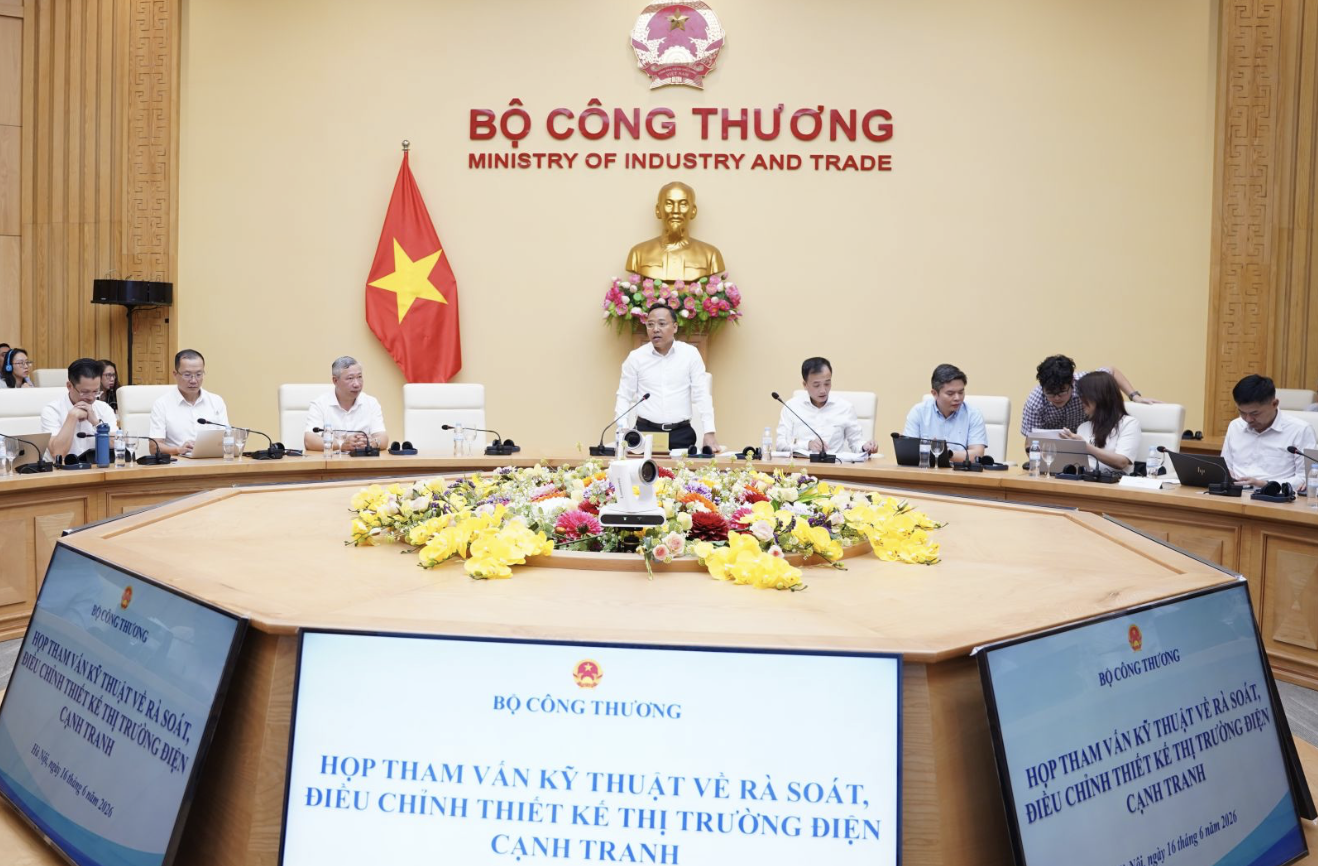
Ministry of Industry and Trade (MoIT) held a technical consultation in Hanoi on reviewing and adjusting the design of Vietnam’s competitive electricity market.
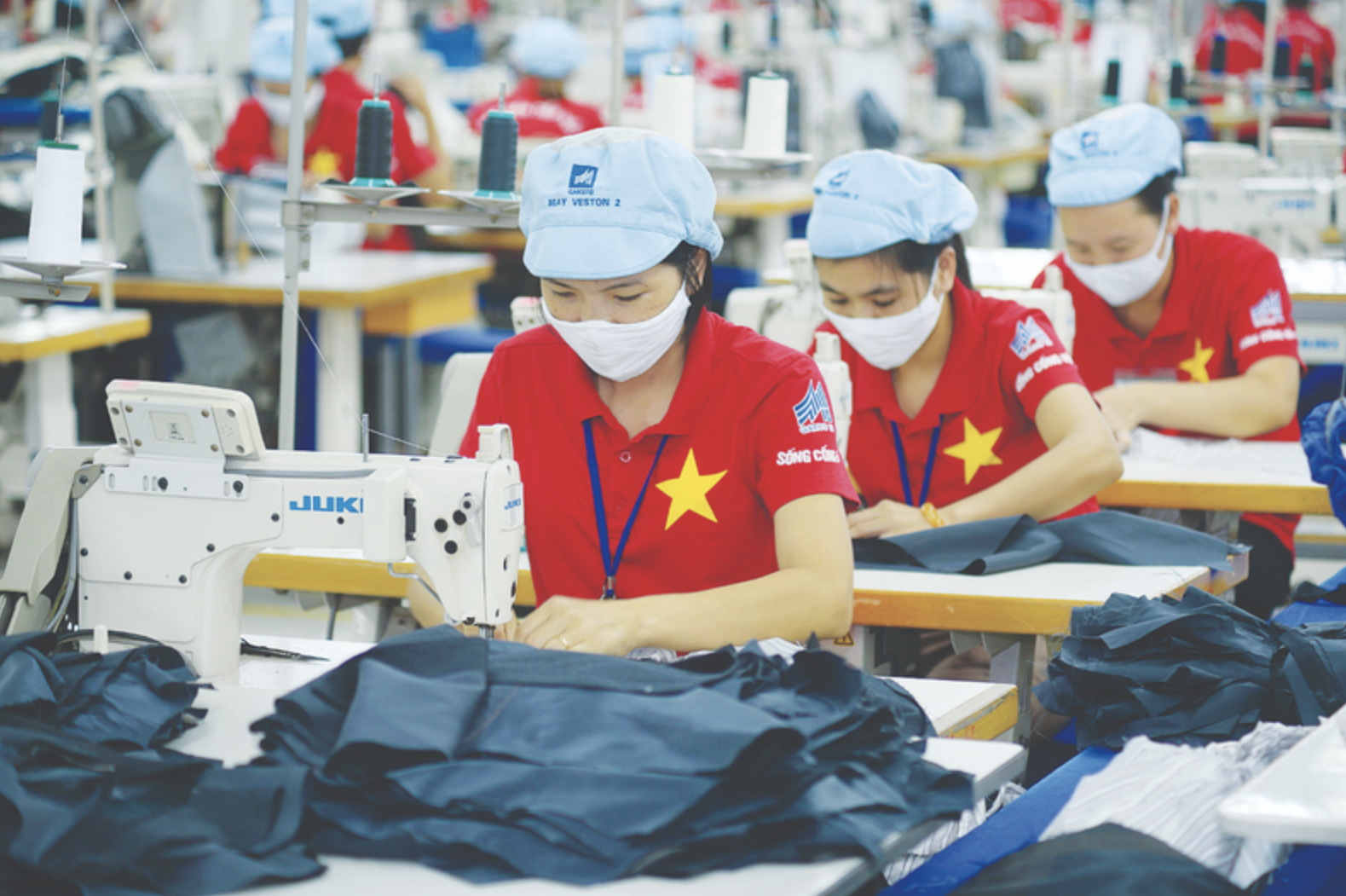
Textiles and garments continued to be one of Vietnam’s leading export categories to the Russian market in the first five months of 2026, generating export revenue of more than USD 106.99 million.
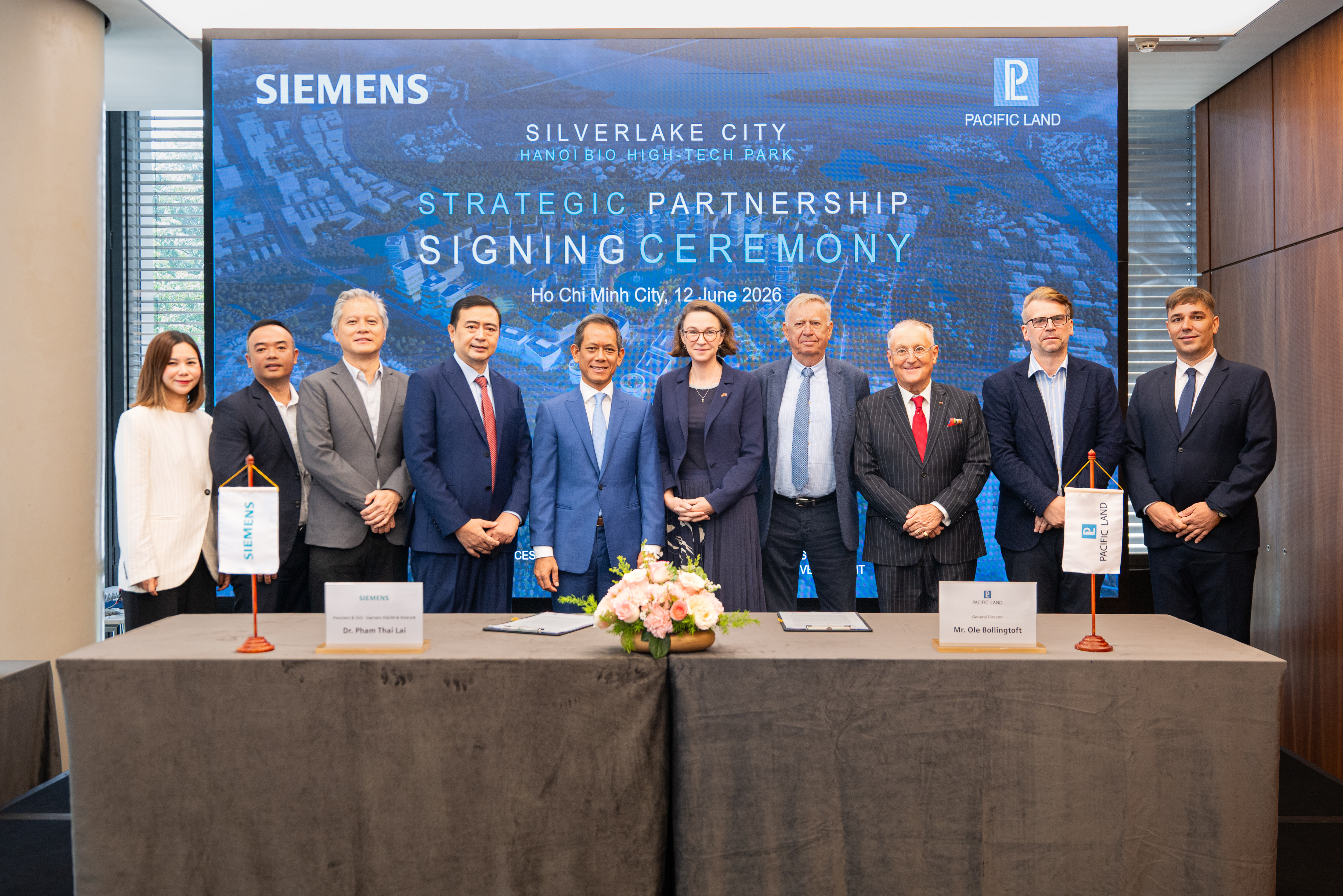
Siemens and Pacific Land will transform Silverlake Bio Hi-Tech Park into a smart, sustainable innovation hub supporting Vietnam’s high-tech growth ambitions.
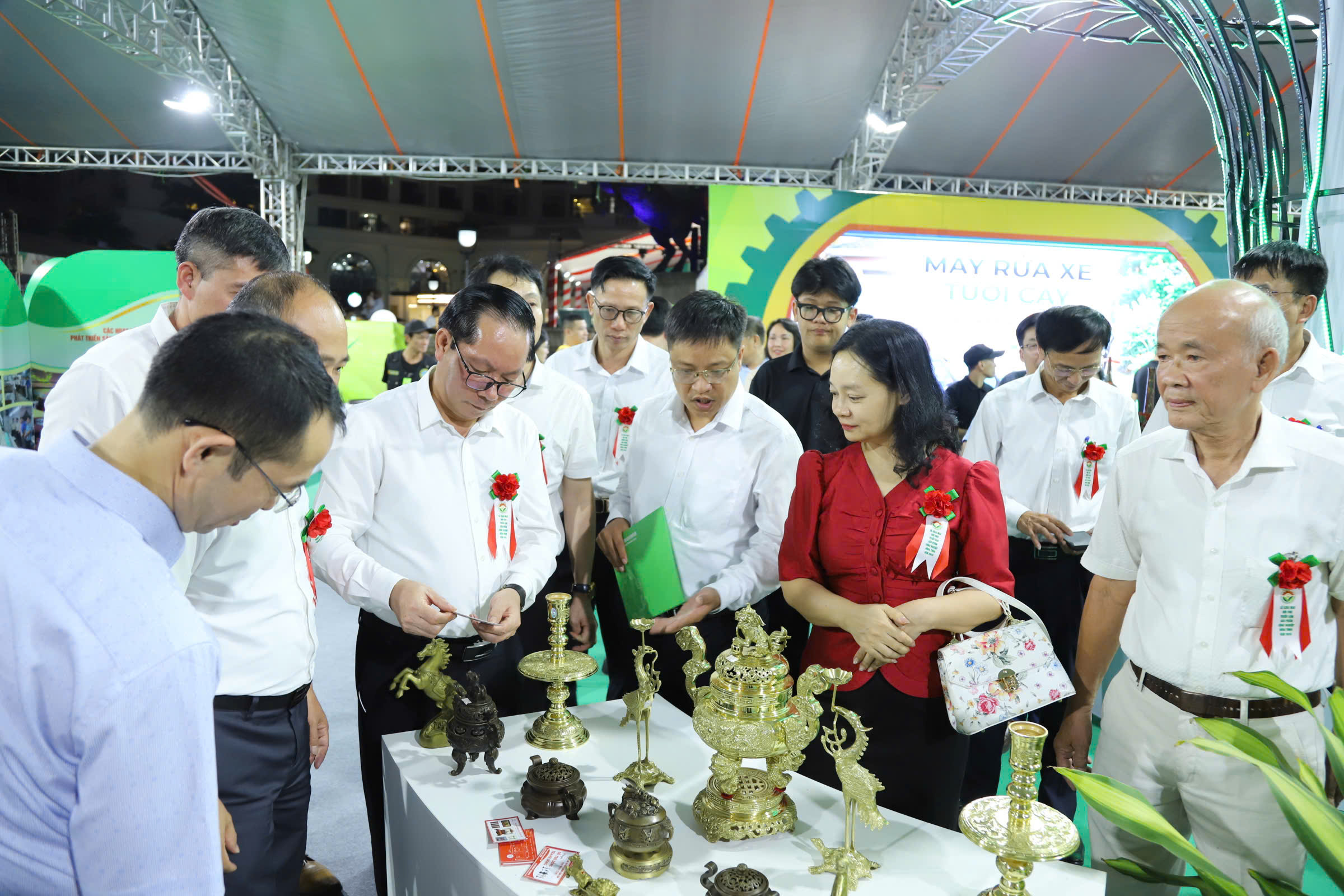
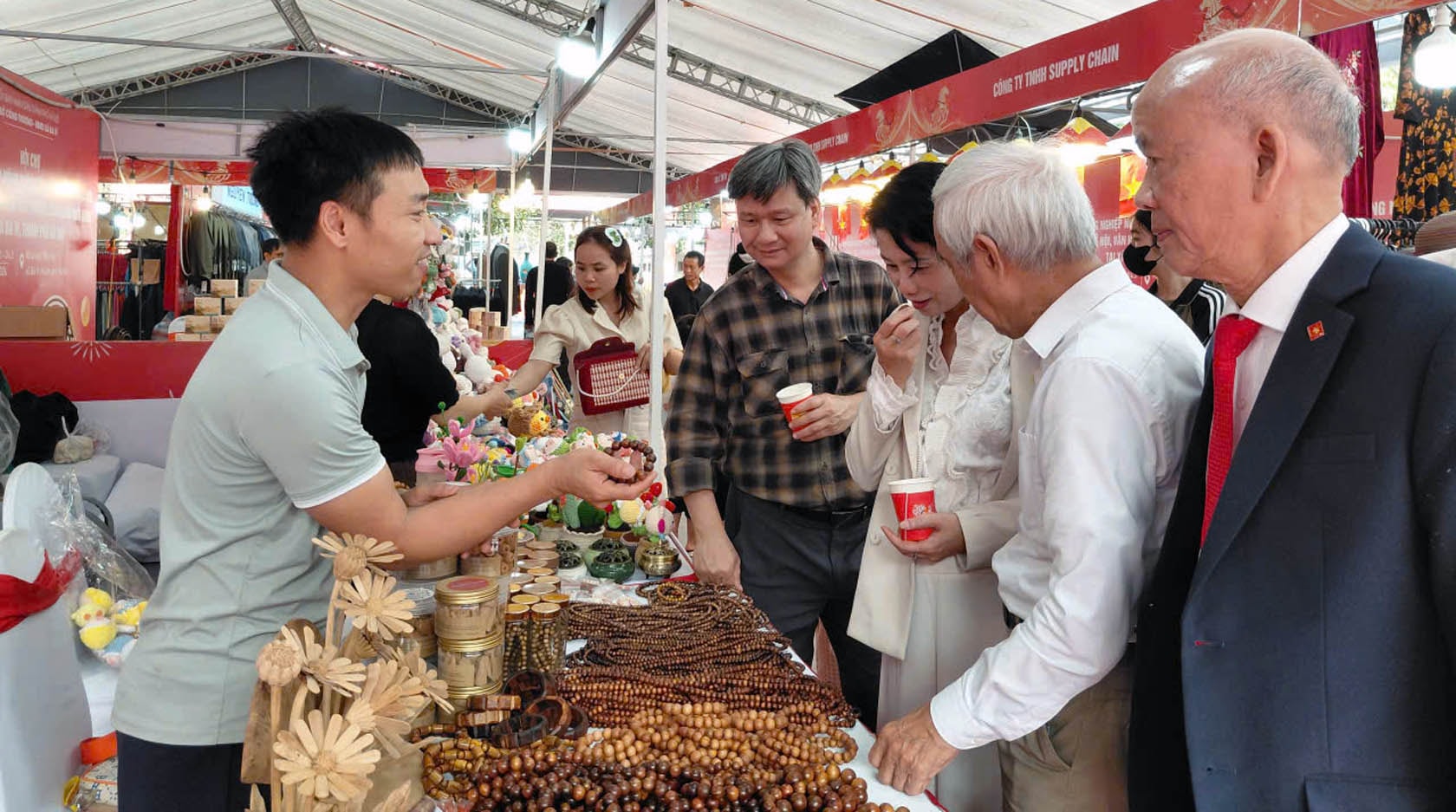
The Rural Industrial Products Fair and Exhibition 2026 has attracted more than 300 booths from provinces and cities across the country, helping promote outstanding rural industrial products, strengthen business connections, and expand consumer markets.
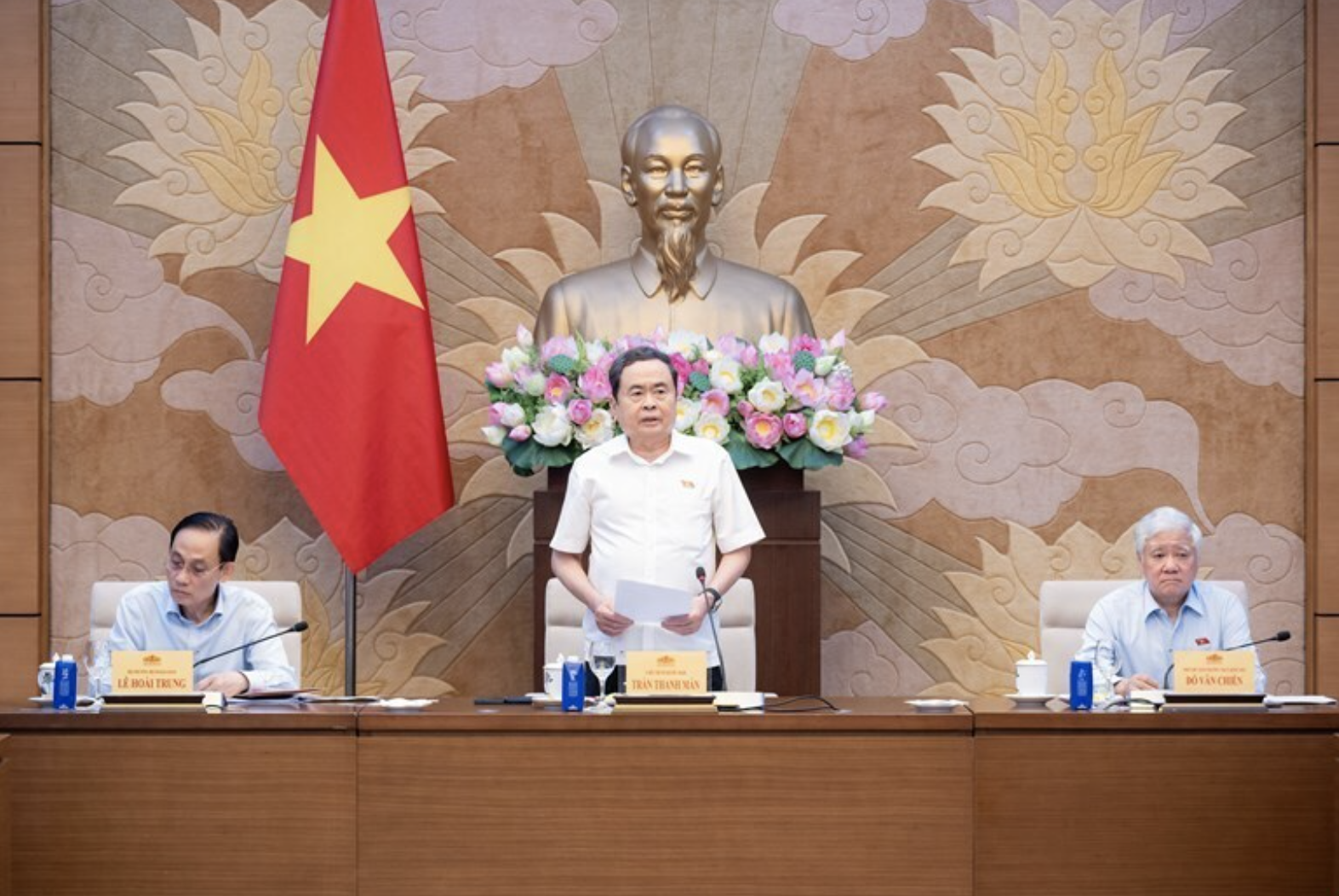
National Assembly Chairman Tran Thanh Man stressed that in the country's new stage of development, foreign affairs must not only contribute to safeguarding the nation from an early stage and from afar, but also serve as a key driver of development.
The Rural Industrial Products Fair and Exhibition 2026 has attracted more than 300 booths from provinces and cities across the country, helping promote outstanding rural industrial products, strengthen business connections, and expand consumer markets.
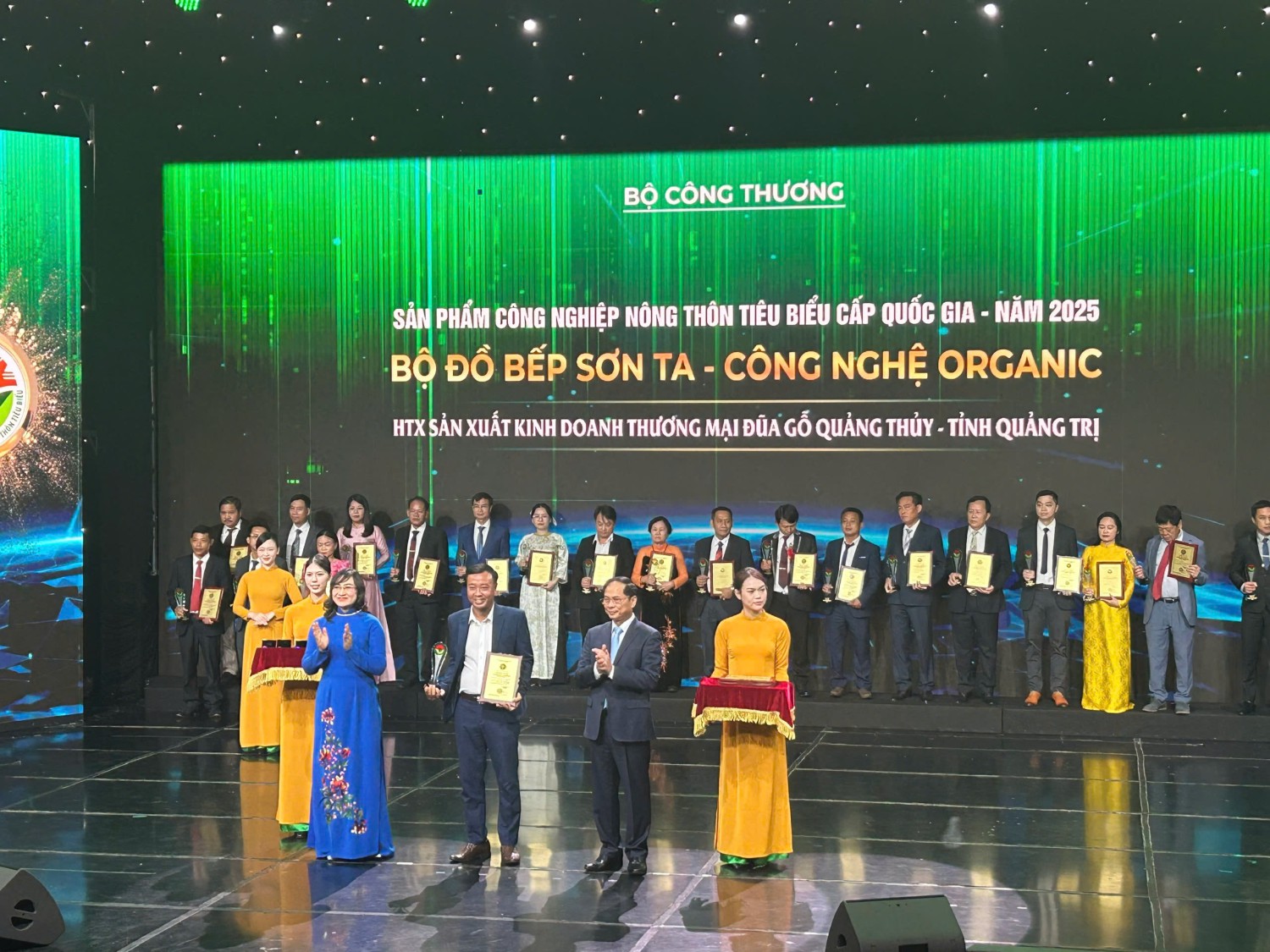
To further enhance the effectiveness of the national industrial promotion program, representatives from provincial Departments of Industry and Trade have proposed increasing support expenditures during the 2026-2030 period to align with the growing demands of digital transformation, green transition, and technological innovation at production facilities.
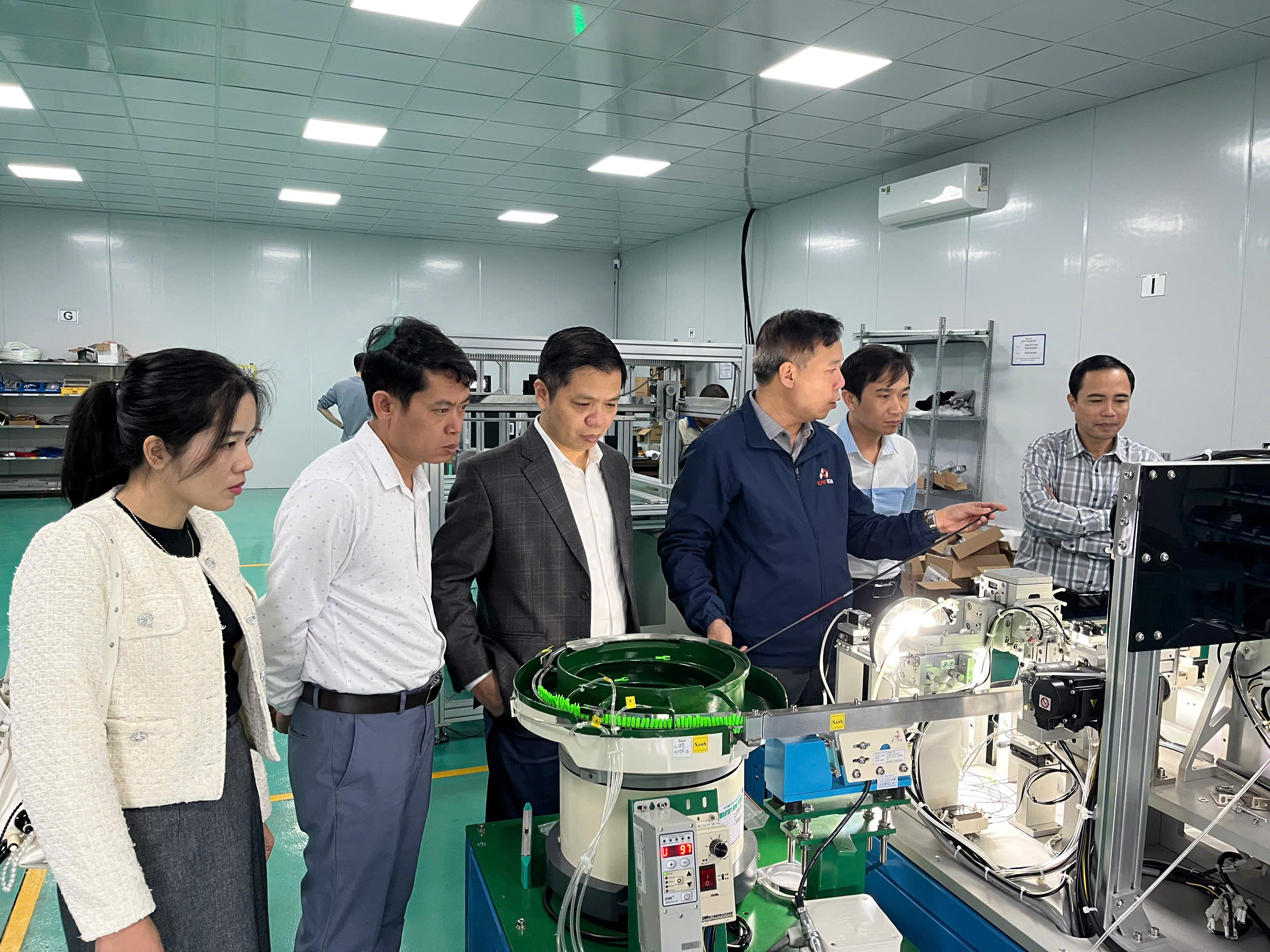
The Ministry of Industry and Trade (MoIT) delegation inspected TKV Minerals Corporation JSC (Vimico)’s 2026 storm-season preparations, highlighting AI-based monitoring and early warning systems to strengthen mine safety efforts