A Viet Nam-Laos joint inter-agency group reviewed the 2007 Hanoi Agreement and discussed measures to facilitate cross-border movement and trade.
From August 26 to 28, in Dien Bien province, the inter-agency coordination groups of the Socialist Republic of Viet Nam and the Lao People's Democratic Republic conducted a review of the implementation of the 2007 Hanoi Agreement to assess implementation results, discuss difficulties and challenges, and propose solutions to further facilitate the movement of people, vehicles and goods across the border between the two countries.
The Agreement between the Government of the Socialist Republic of Viet Nam and the Government of the Lao People's Democratic Republic on facilitating the movement of people, vehicles and goods across the border in order to further promote investment and trade cooperation between the two countries was signed in Hanoi on September 14, 2007 (the 2007 Hanoi Agreement).
After nearly 20 years of implementation, the agreement has become one of the key cooperation frameworks between the two governments in facilitating cross-border activities, contributing to the promotion of trade and investment, socio-economic development in border areas, and the strengthening of the special friendship, comprehensive cooperation and strategic connectivity between Viet Nam and Laos.
Field inspections at Viet Nam - Laos border gates
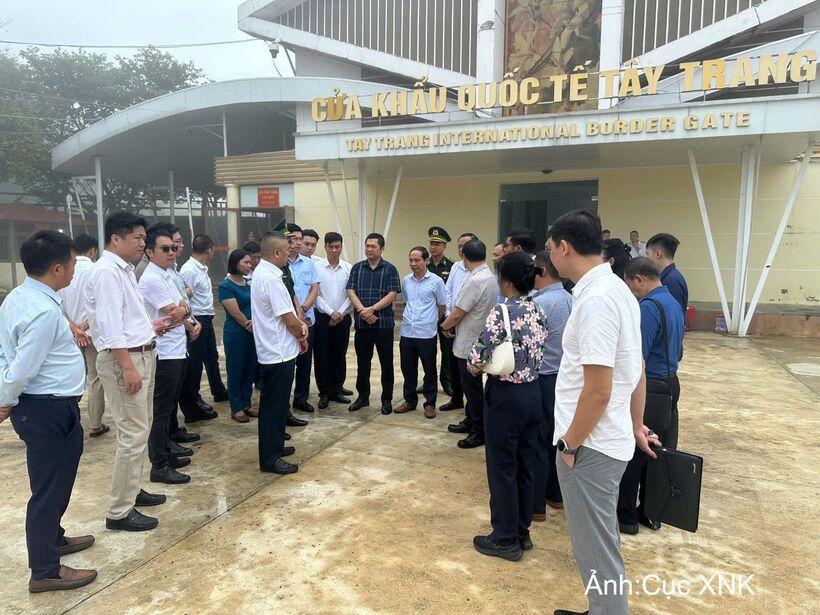
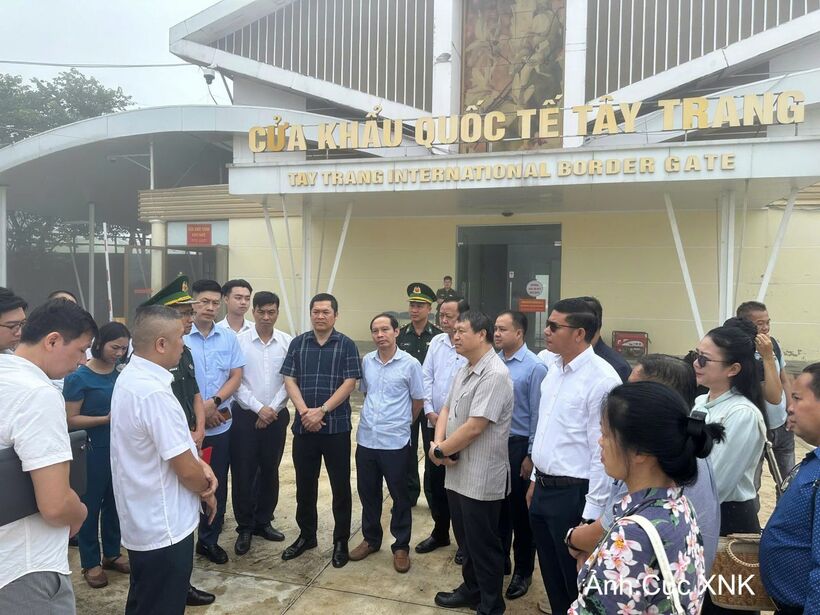
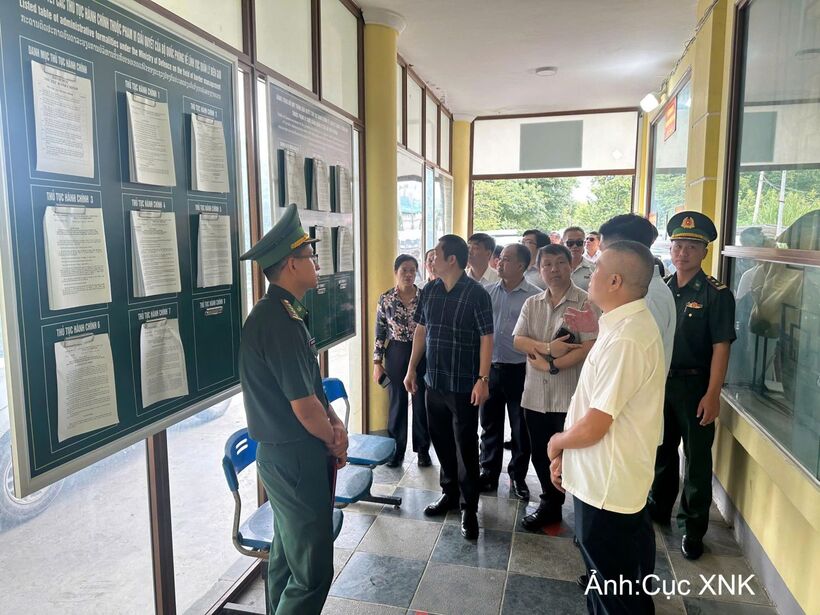
As part of the program, the joint inter-agency inspection group conducted field surveys at Tay Trang International Border Gate (Dien Bien province) and Pang Hok Border Gate (Phongsaly province), and held discussions with competent authorities at the border gates on the implementation of regulations relating to immigration, import-export activities, transport management, cargo inspection and control, and trade facilitation.
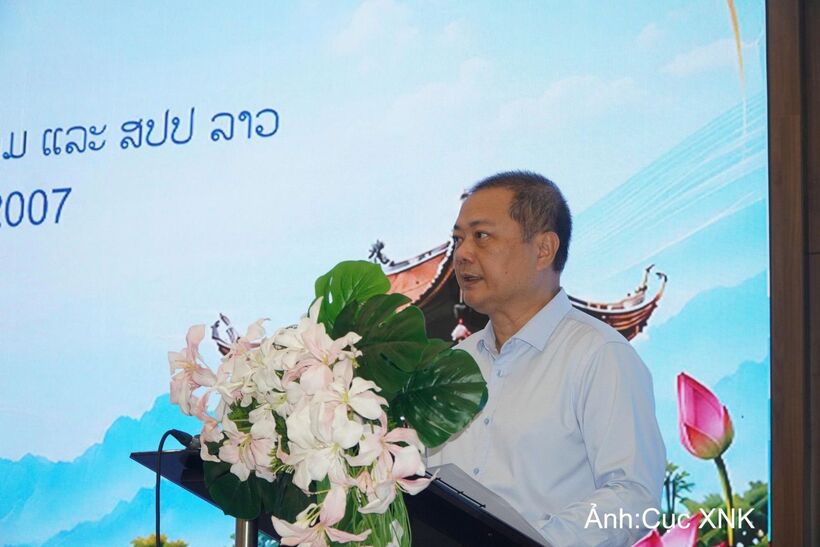
Nguyen Anh Son, Director of the Agency for Foreign Trade (AFT) under the Ministry of Industry and Trade (MoIT), delivers opening remarks at the working session of the Viet Nam - Laos joint inter-agency coordination group. Photo: MoIT
The two sides focused on assessing border-gate infrastructure, transport connectivity, inspection and control areas, warehouses and facilities supporting import-export activities, while also discussing difficulties and obstacles arising during the implementation of the 2007 Hanoi Agreement.
Through the field inspections, the joint inter-agency coordination group acknowledged positive outcomes in coordination between competent authorities and local administrations on both sides of the border. Regular meetings, information exchanges and coordinated handling of issues arising at border gates have continued to be maintained, helping facilitate the movement of people, vehicles and goods while ensuring state management requirements, national defence, security and order in border areas.
Continuing efforts to remove obstacles and facilitate trade
Based on the survey findings, the Viet Nam - Laos joint inter-agency inspection group convened a working session to comprehensively review the implementation of the agreement, particularly during the period from 2023 to the first six months of 2026.
The two sides exchanged views on issues relating to procedures for people and vehicles crossing the border; import, export and transit of goods; quarantine measures; payment mechanisms; border-gate infrastructure and transport connectivity; information technology applications and digital transformation; as well as coordination mechanisms among relevant authorities of the two countries.
Alongside the achievements recorded, the two sides also candidly discussed several outstanding issues requiring continued cooperation, including the lack of synchronization in transport and border-gate infrastructure in certain areas; limitations in warehouses, inspection yards, transshipment areas and logistics services; and the need to review a number of regulations governing people, vehicles and goods to better align with current legislation and practical management requirements.
The Viet Nam - Laos joint inter-agency coordination group conducts a field inspection at Tay Trang International Border Gate. Photo: MoIT
In particular, both sides agreed to continue studying measures to further facilitate border trade, promote the circulation of goods, especially agricultural products, strengthen connectivity between border-gate infrastructure and border trade infrastructure, accelerate the application of information technology, modernize management practices and enhance coordination among competent authorities of the two countries.
Toward improving the 2007 Hanoi Agreement
One of the key objectives of this inspection was to review the provisions of the 2007 Hanoi Agreement after nearly two decades of implementation.
Based on practical realities in border areas and feedback from ministries, sectors and localities of both countries, the two sides discussed and identified provisions requiring amendment or supplementation to ensure consistency with each country's current legal framework, administrative reform requirements, digital transformation objectives and evolving trends in cross-border trade, transport and logistics.
The two sides also agreed to continue investing in and upgrading border-gate infrastructure and transport connectivity; facilitating import, export, transit and freight transport activities; and strengthening information exchange and professional coordination among competent authorities in border management and the prevention of legal violations.
Based on the inspection results and the issues agreed upon during the working session, both sides agreed to continue coordinating in advising and reporting to competent authorities for consideration and decision-making regarding amendments and supplements to the 2007 Hanoi Agreement, with the goal of completing the process in 2027.
This will provide an important foundation for further improving the cooperation framework between the two countries, meeting practical requirements and creating more favourable conditions for the movement of people, vehicles and goods across the border, thereby contributing to trade, investment and socio-economic development in the Viet Nam-Laos border region.
Contributing to stronger Viet Nam - Laos economic and trade relations
The organization of this joint inter-agency inspection once again demonstrates the determination of the governments, ministries, sectors and localities of both countries to effectively implement bilateral cooperation agreements, address bottlenecks in cross-border circulation and create a more favourable environment for businesses and people in the two countries.
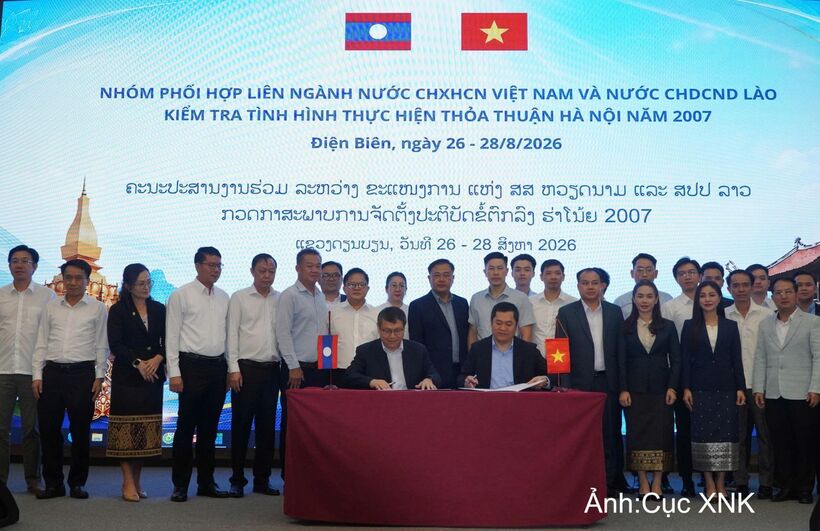
Representatives of the Viet Nam - Laos joint inter-agency coordination group sign the meeting minutes.
In the coming period, the two sides will continue to work closely in developing border trade, enhancing the capacity and modernization of border-gate systems, promoting infrastructure and logistics connectivity, facilitating trade promotion activities and strengthening business linkages, thereby making better use of the potential and advantages of the Viet Nam - Laos border region.
The outcomes of the inspection program will not only help improve the effectiveness of the 2007 Hanoi Agreement but also provide a foundation for further advancing economic, trade and investment relations between the two countries, making a practical contribution to consolidating and developing the special friendship, comprehensive cooperation and strategic connectivity between Viet Nam and Laos in the new period.
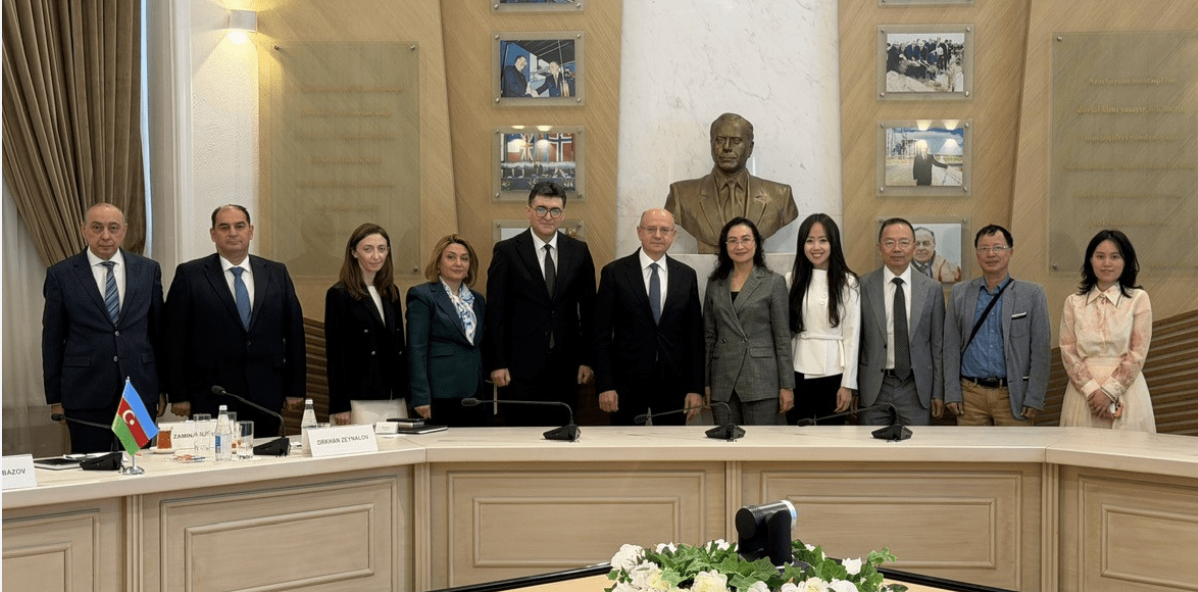
Deputy Minister Phan Thi Thang holds talks with Azerbaijan’s Minister of Energy to advance the bilateral trade and investment and expand cooperation in oil, gas, and LNG.
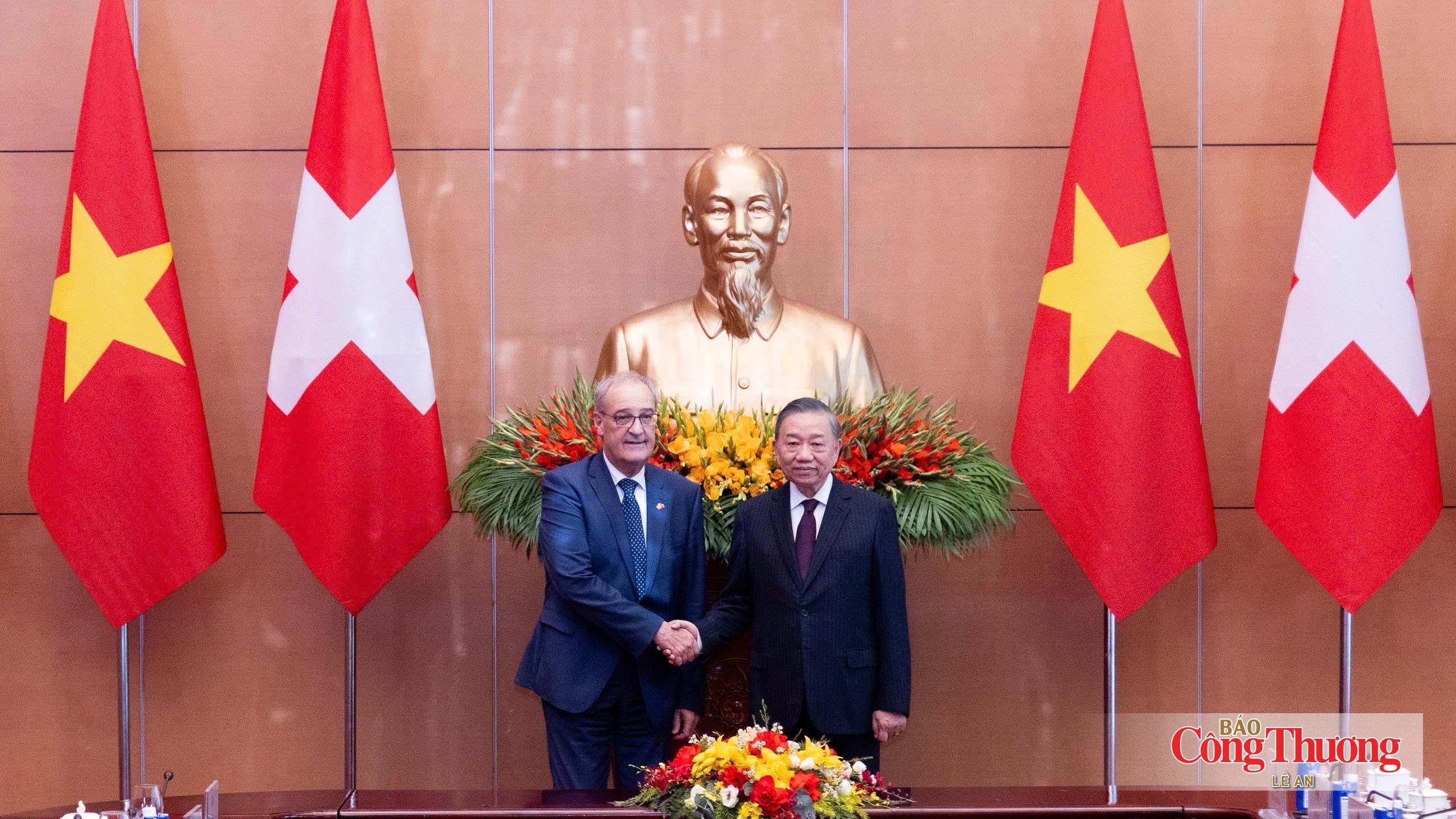
Viet Nam attaches great importance to its Comprehensive Partnership with Switzerland and wishes to continue working alongside the country to promote shared development and contribute to peace, stability and development in the region.
Norwegian representatives expect tariff preferences under the Viet Nam – EFTA Free Trade Agreement (FTA) to help lower the price of Norwegian salmon, making the product more accessible to Vietnamese consumers.
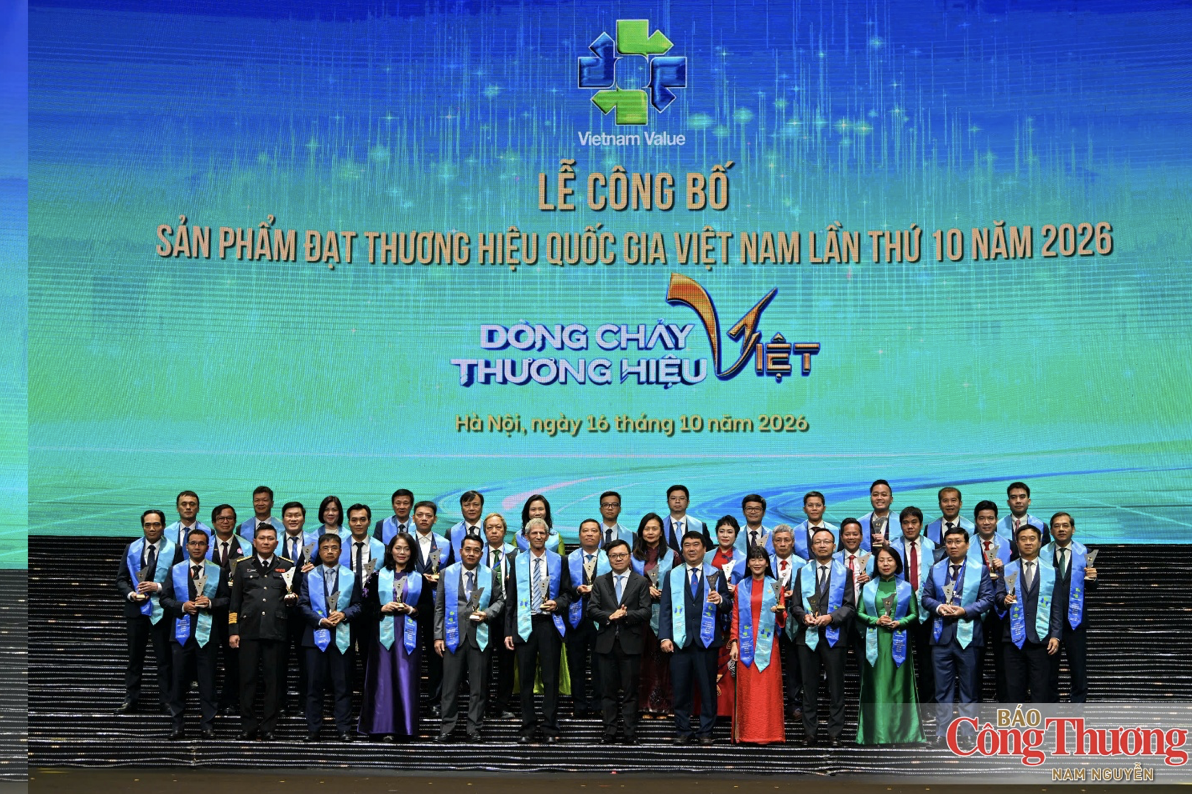
The Ministry of Industry and Trade honored 499 products and services from 227 businesses at the 10th Viet Nam National Brand announcement ceremony for 2026.
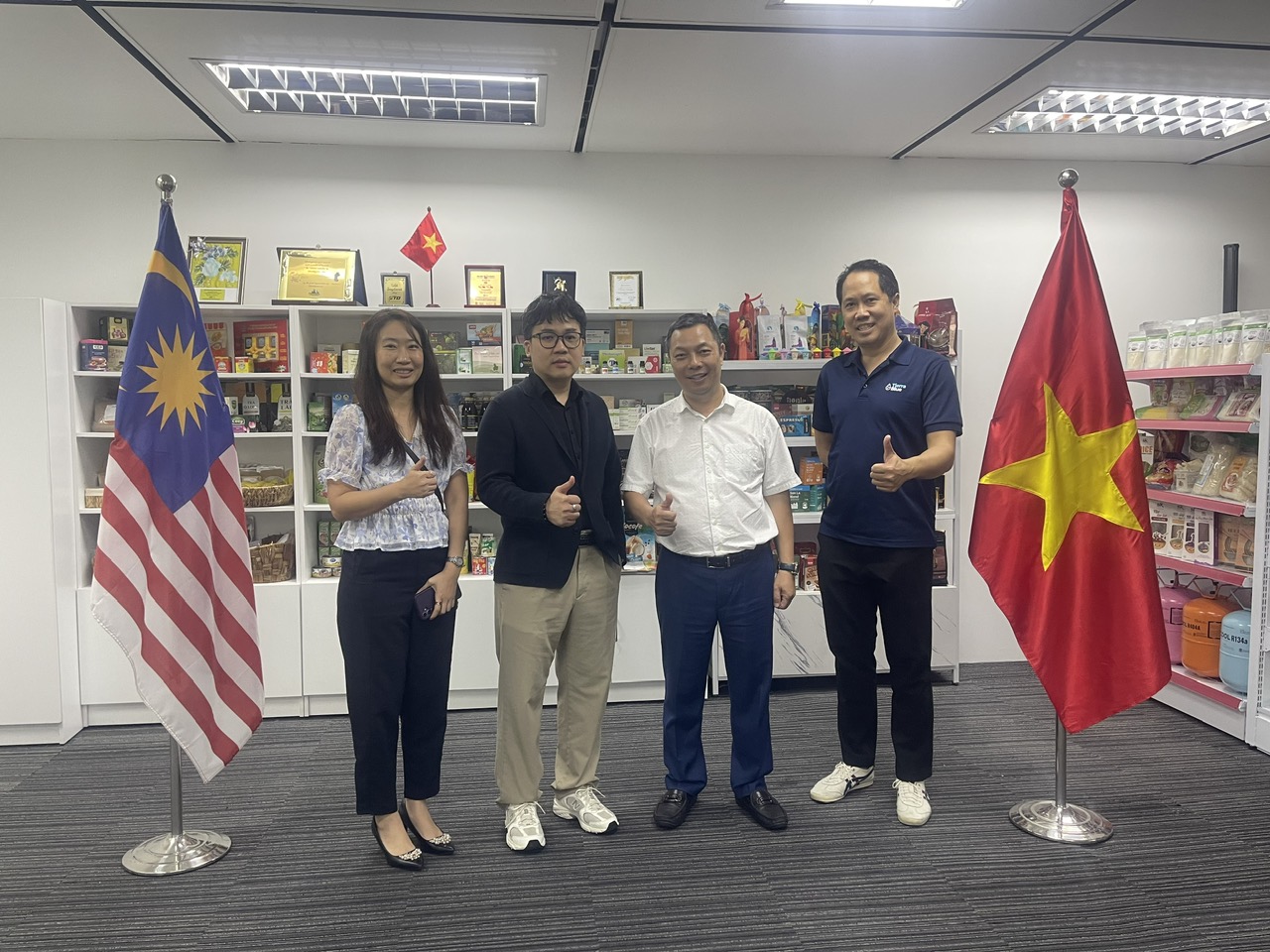
Viet Nam - Malaysia trade hit USD 17.4 billion in the first nine months of 2026, exceeding the 2025 full-year total and signaling a stronger-than-expected year.
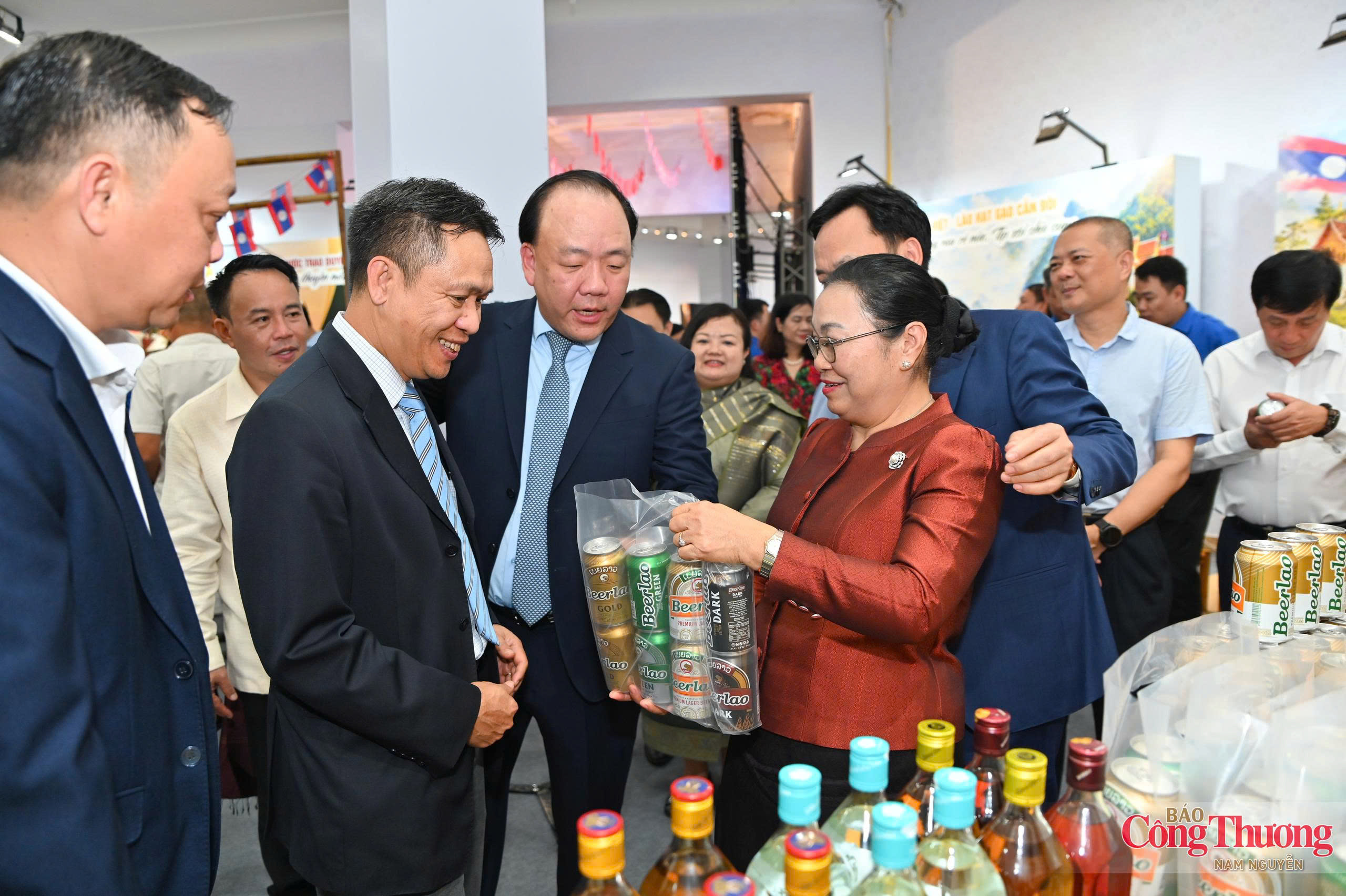
The official visit to Laos by Prime Minister Le Minh Hung is expected to inject fresh momentum into bilateral relations, with economic, trade and investment cooperation continuing to serve as a core pillar.
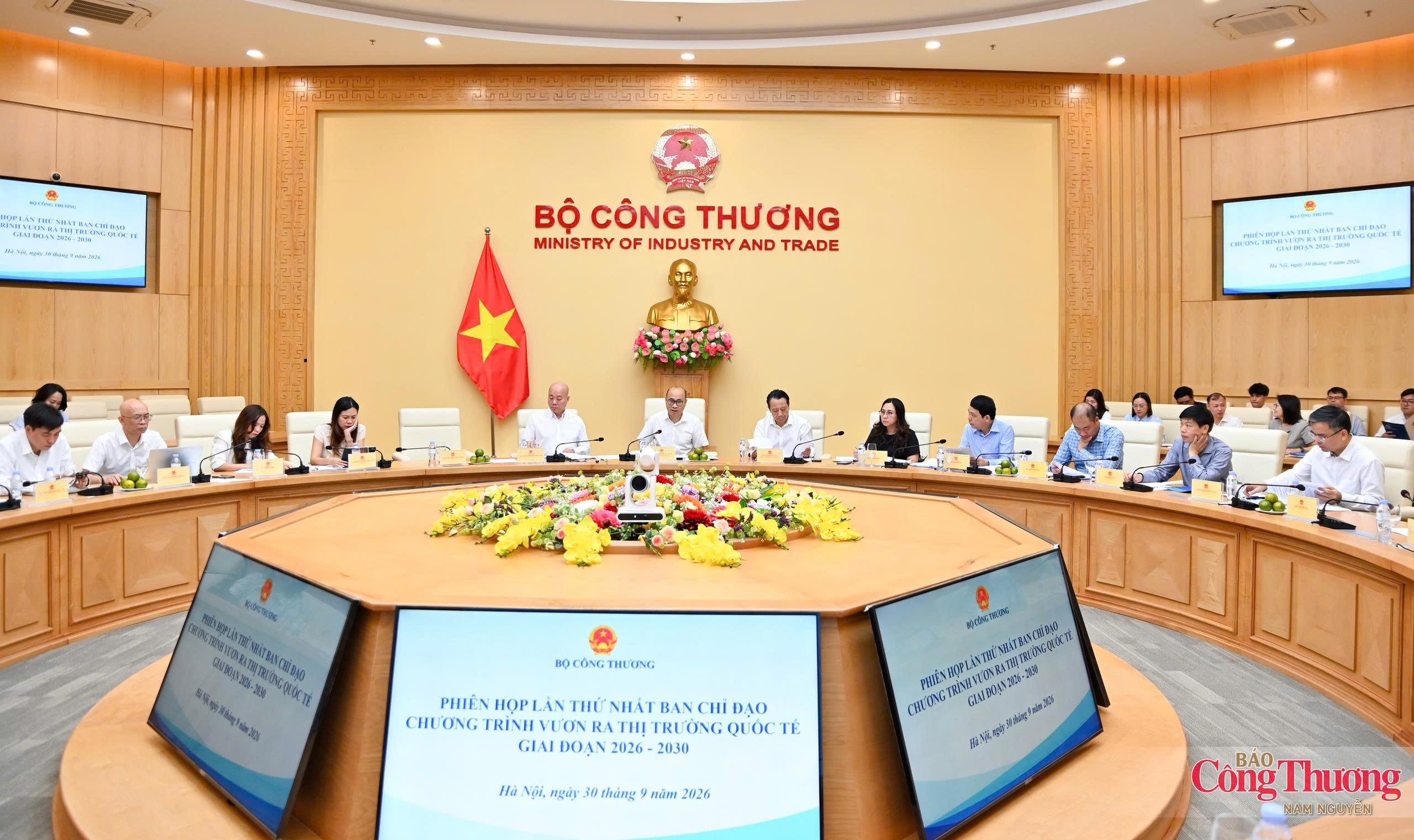
On September 30, the Ministry of Industry and Trade convened the first session of the Steering Committee for the GoGlobal Program for the 2026 - 2030 period.
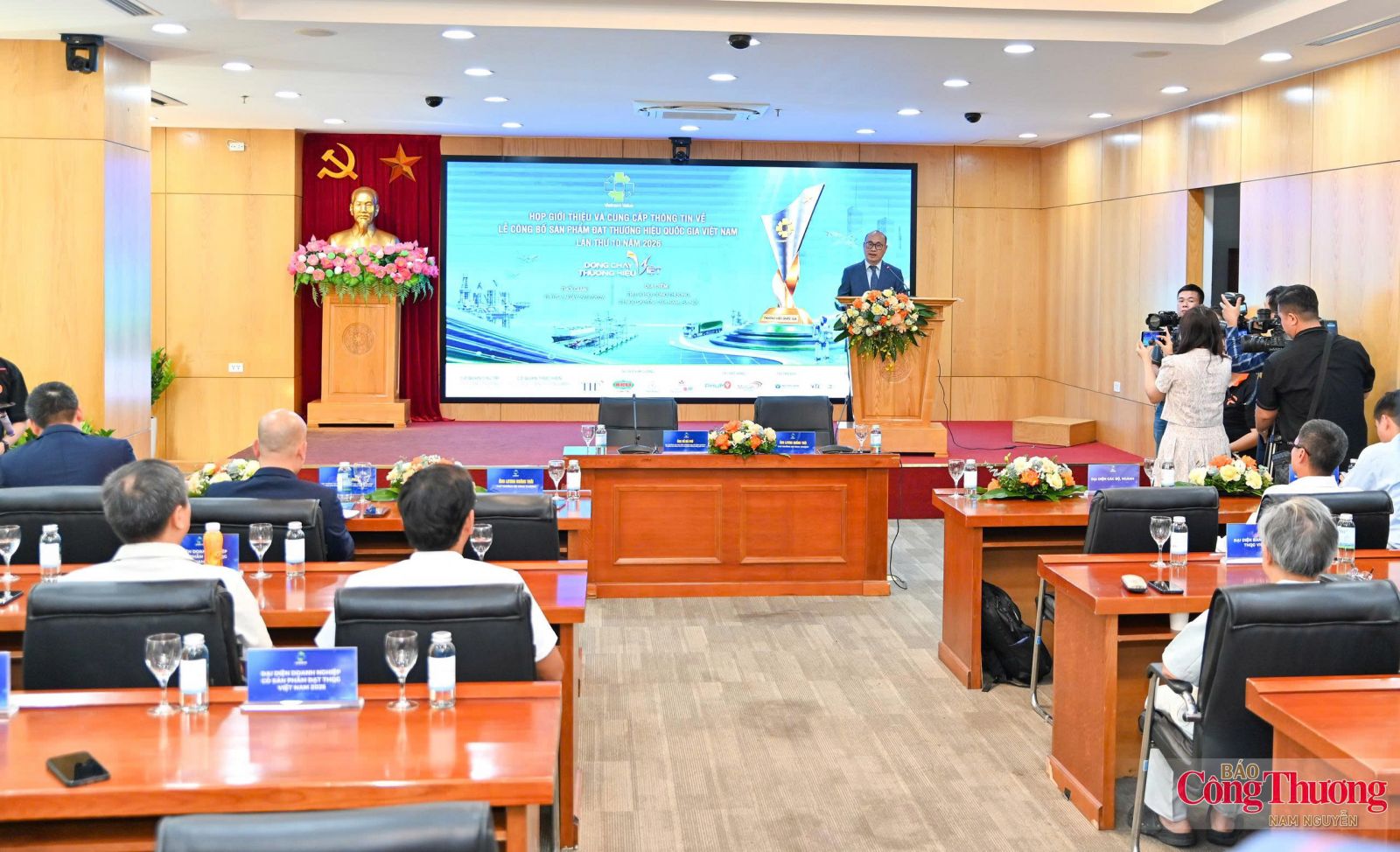
On September 29, the Ministry of Industry and Trade (MoIT) held a meeting to introduce and provide information on the ceremony announcing products achieving Viet Nam Value recognition for the 10th edition in 2026. Deputy Minister of Industry and Trade Luong Hoang Thai chaired the event.
Trade promotion not only expands markets, but also connects Vietnamese technology businesses with buyers, partners and supply chains, helping increase the value of their products.