Viet Nam and India are strengthening business connections and promoting agricultural trade, capitalising on new opportunities.
Expanding agricultural market access
On August 20, 2026, the Viet Nam Trade Office in India organised the online seminar “Viet Nam - India Agricultural Trade and Market Access Promotion”, bringing together more than 100 representatives, businesses and regulatory agencies from the two countries. The seminar focused on sharing market information, clarifying plant quarantine regulations and procedures, and strengthening direct connections among exporters, importers and distributors from both sides.
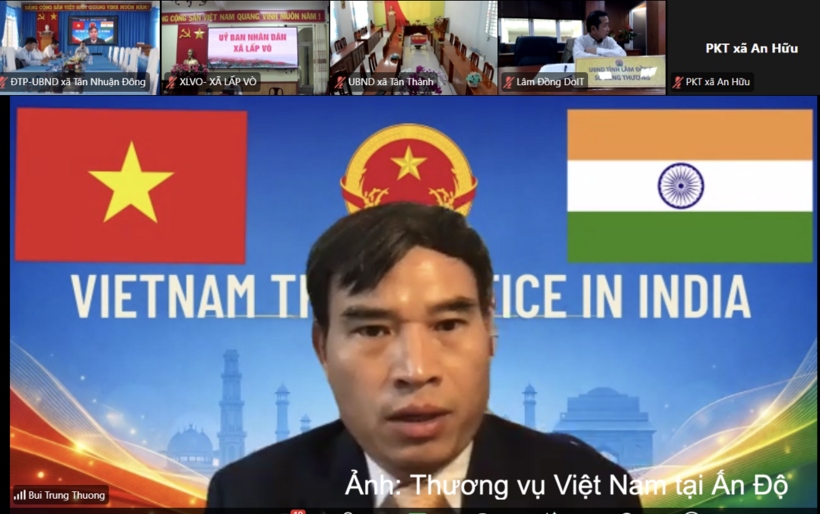
In his opening remarks, Bui Trung Thuong, Trade Counsellor and Head of the Viet Nam Trade Office in India, emphasised that agricultural trade remains an area with considerable potential in Viet Nam - India economic relations, particularly in the context of the two countries’ goal of raising bilateral trade turnover to US$25 billion by 2030.
Bui Trung Thuong, Trade Counsellor and Head of the Viet Nam Trade Office in India, delivers the opening remarks at the seminar.
Notably, India officially authorised the import of fresh Vietnamese durians from July 13, 2026. In the opposite direction, Viet Nam opened its market to fresh grapes from India on August 1, 2026. These two developments have created additional opportunities for businesses, growing regions and consumers in both countries, while laying the groundwork for the development of new agricultural supply chains.
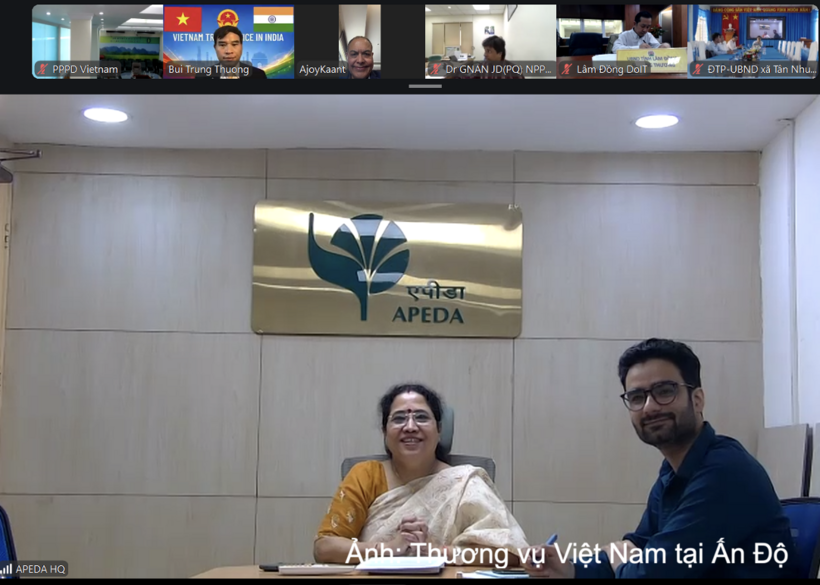
Vinita Sudhanshu, Director of the Agricultural and Processed Food Products Export Development Authority (APEDA), said India has strong advantages in grapes, pomegranates, mangoes, bananas and citrus fruits. Indian businesses are preparing their first consignments of grapes for export to Viet Nam in the upcoming season. The opening of Viet Nam’s market to Indian fresh grapes is regarded as an important opportunity for businesses from both countries to expand trade and gradually establish stable supply relationships between Indian exporters and Vietnamese importers and distributors.
Vinita Sudhanshu, Director of the Agricultural and Processed Food Products Export Development Authority (APEDA).
S. Gnanasambandan, representing India’s national plant protection authority, introduced the country’s import commodity risk management system, as well as procedures for issuing phytosanitary certificates and import permits through the electronic PQMS system. India currently has 73 plant quarantine stations nationwide. Vietnamese businesses were advised to fully comply with quarantine requirements, technical documentation and phytosanitary certification before exporting their products.
Representatives of Viet Nam’s Department of Crop Production and Plant Protection, Nguyen Tuan Anh and Pham Thi Xuan, also discussed Viet Nam’s plant quarantine procedures and import-export requirements for fresh durians and grapes. Direct information provided by specialised regulatory agencies is expected to help businesses minimise documentation errors, proactively prepare consignments and reduce potential risks during customs clearance.
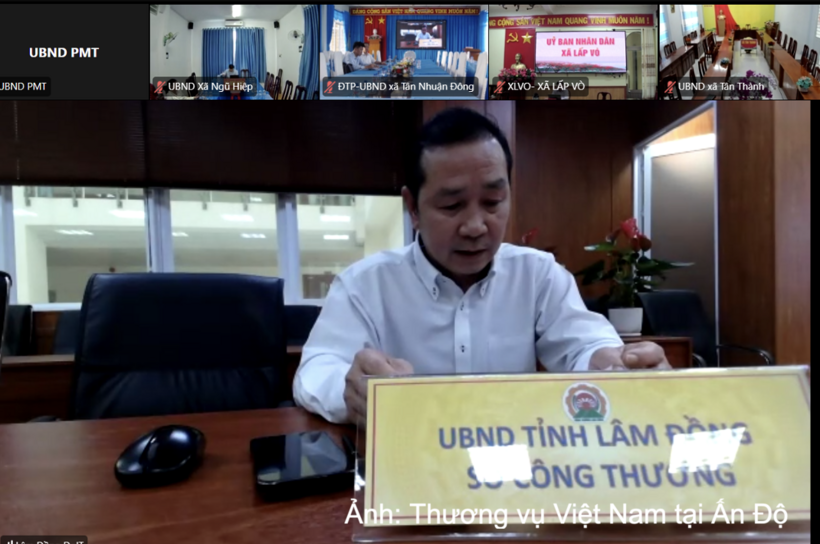
Bien Tan Tai, Deputy Director of the Department of Industry and Trade of Lam Dong province, said India’s opening of its market to Vietnamese durians would create additional opportunities for local businesses to diversify their export markets. Lam Dong will encourage businesses to standardise production areas and packing facilities, strengthen traceability and product quality, and expand connections with Indian importers and distributors.
Bien Tan Tai, Deputy Director of the Department of Industry and Trade of Lam Dong province.
Promoting business connections
At the seminar, Ajoykaant Ruia, Chairman of the India - Viet Nam Chamber of Commerce (IVCCI), discussed measures to promote agricultural trade between the two countries, highlighting the role of trade promotion organisations and business communities in strengthening direct connections and translating market-opening opportunities into tangible commercial activities.
Dang Phuc Nguyen, Secretary General of the Viet Nam Fruit and Vegetable Association, said India’s opening of its market to Vietnamese durians would provide additional room for the fruit and vegetable sector to diversify its export markets. He said the seminar provided practical information on quarantine requirements, helping businesses make proactive preparations and move quickly towards shipping the first consignments of Vietnamese durians to India.
Participants also highlighted the importance of logistics, particularly air freight, for fresh fruit products that require strict control over delivery times and storage conditions. Pham Son Tung, Vice Chairman of HG Invest, said stronger logistics cooperation would help shorten delivery times, preserve product quality and enhance the competitiveness of Vietnamese agricultural products in the Indian market.
As part of the seminar, businesses from the two countries directly introduced their products, discussed market needs and explored potential areas for cooperation. Vietnamese businesses said the Indian durian market holds significant potential, but issues relating to import procedures, logistics, cold storage and product promotion still need to be addressed. Meanwhile, a representative of the Indian Grape Exporters Association said businesses are expected to launch trial shipments to Viet Nam from December 2026 and proposed organising business-matching activities with Vietnamese importers, retailers, and supermarkets in November.
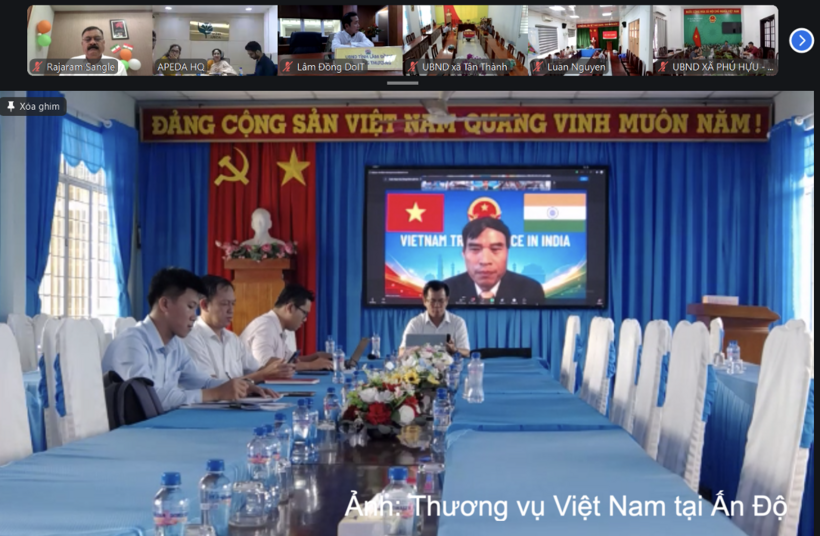
An overview of the “Viet Nam - India Agricultural Trade and Market Access Promotion” seminar, attended by businesses, associations and regulatory agencies from both countries.
The seminar demonstrated that opening markets is only the starting point for establishing stable agricultural trade flows. To effectively capitalise on the new opportunities, businesses from both countries will need to continue coordinating on technical standards, quarantine requirements, traceability, packaging, logistics, and the development of distribution networks.
The Viet Nam Trade Office in India said it would continue coordinating with regulatory agencies, associations and businesses in both countries to provide updated market information, facilitate B2B connections and promote trade, contributing to making agricultural products a more substantive contributor to the target of USD 25 billion in the Viet Nam - India bilateral trade by 2030.
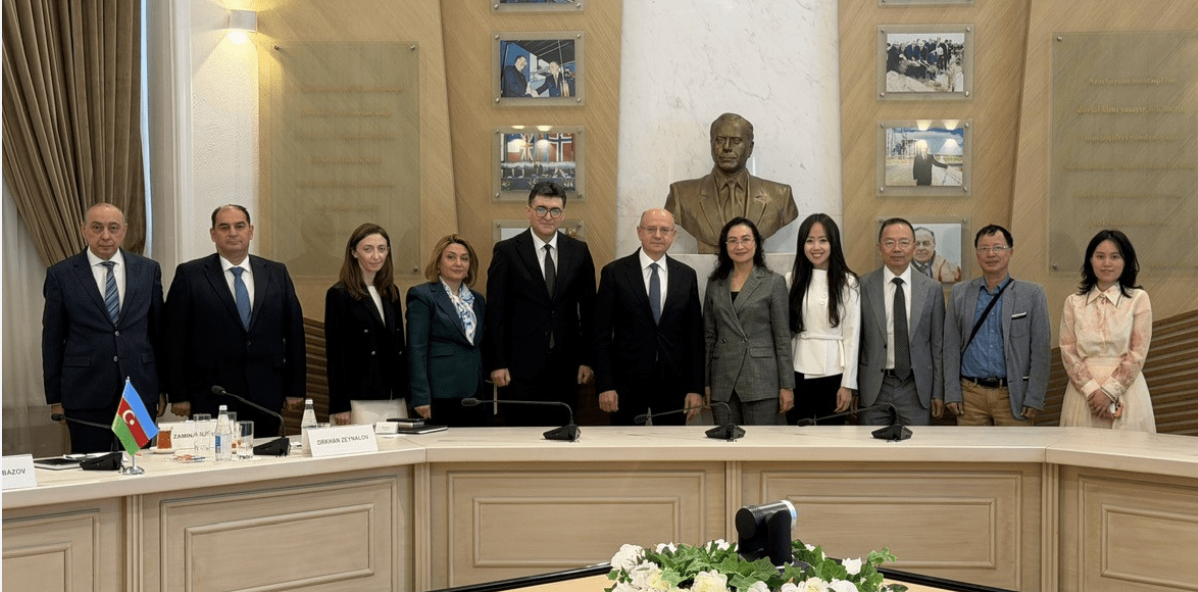
Deputy Minister Phan Thi Thang holds talks with Azerbaijan’s Minister of Energy to advance the bilateral trade and investment and expand cooperation in oil, gas, and LNG.
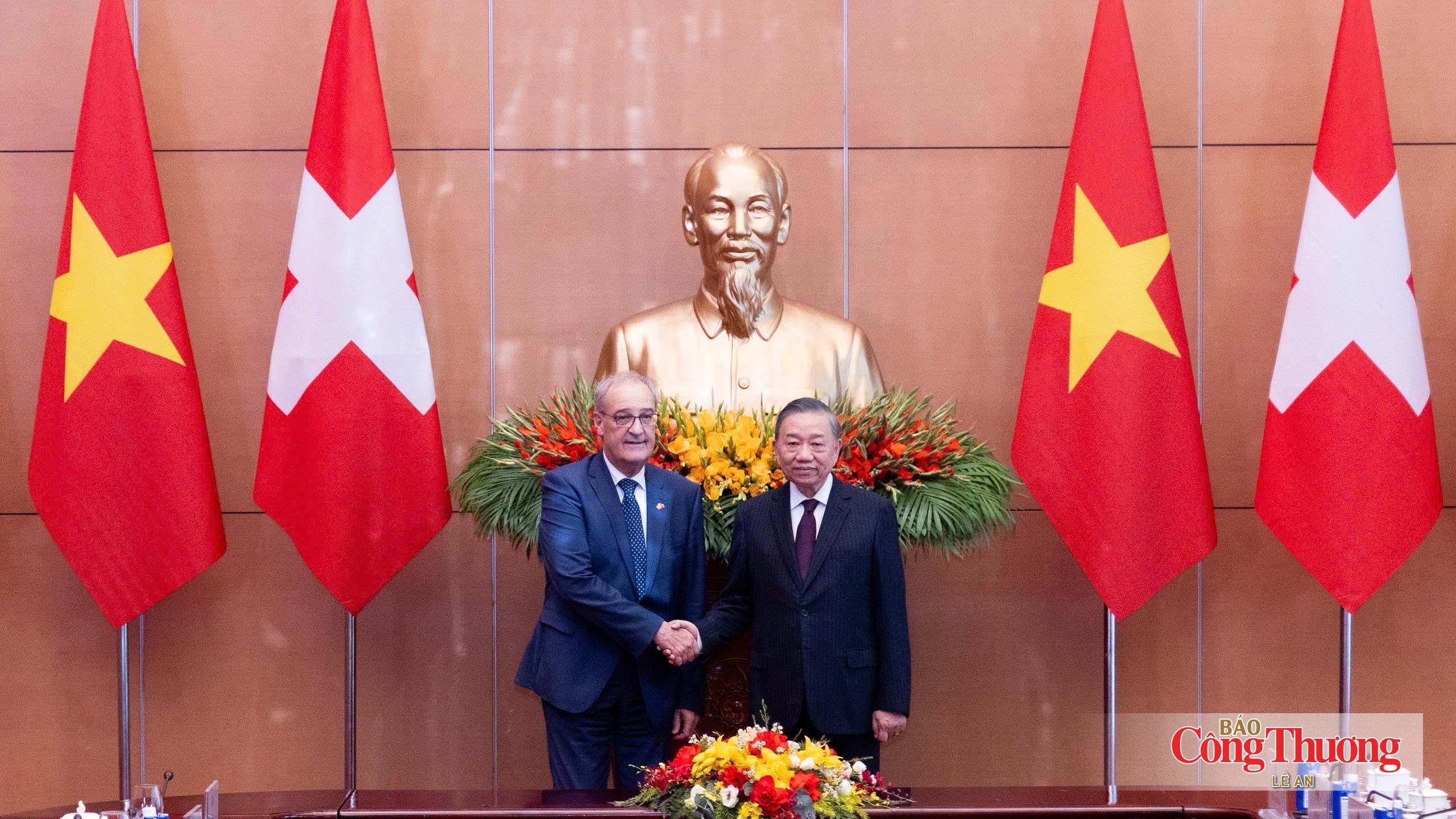
Viet Nam attaches great importance to its Comprehensive Partnership with Switzerland and wishes to continue working alongside the country to promote shared development and contribute to peace, stability and development in the region.
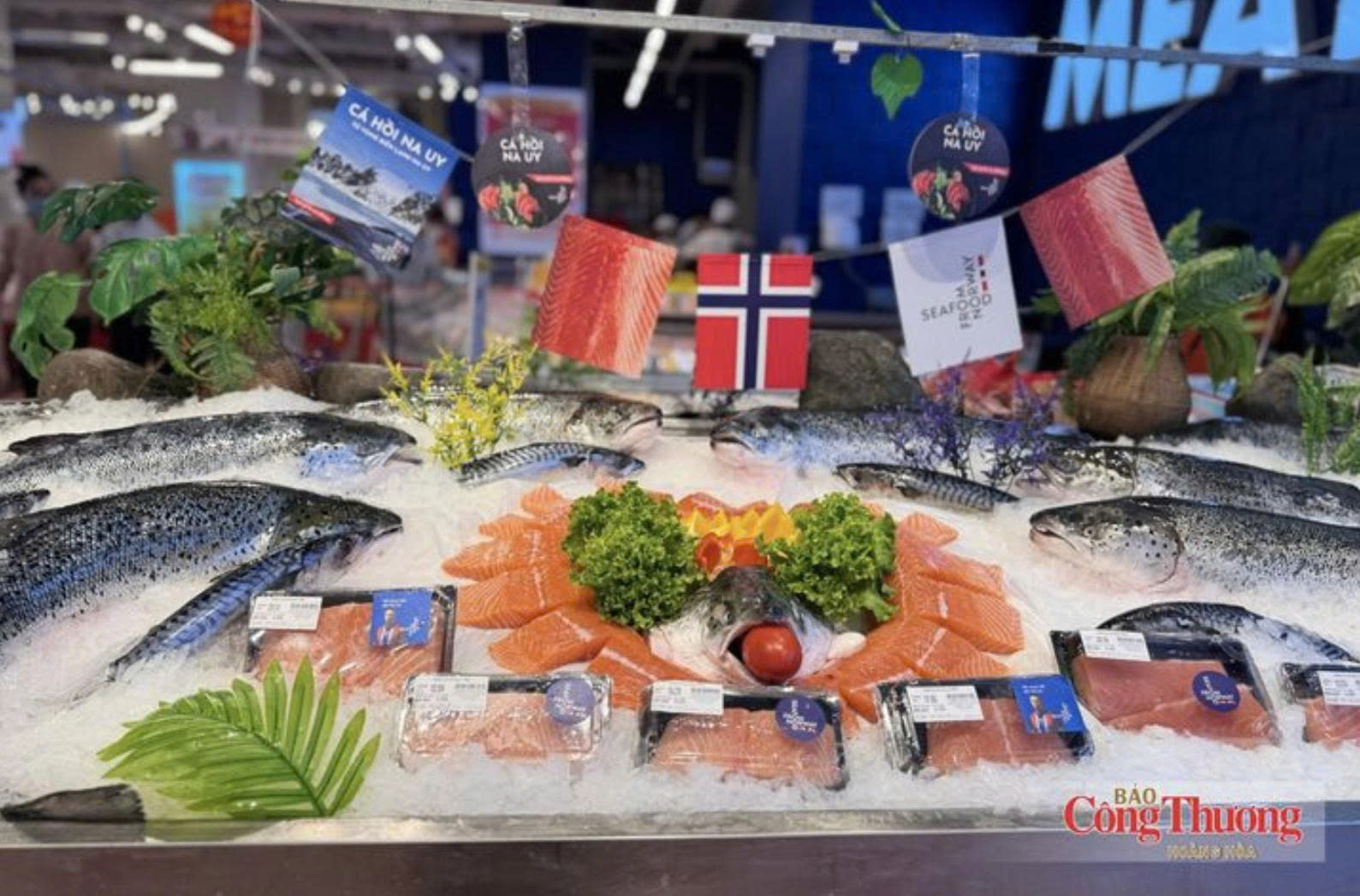
Norwegian representatives expect tariff preferences under the Viet Nam – EFTA Free Trade Agreement (FTA) to help lower the price of Norwegian salmon, making the product more accessible to Vietnamese consumers.
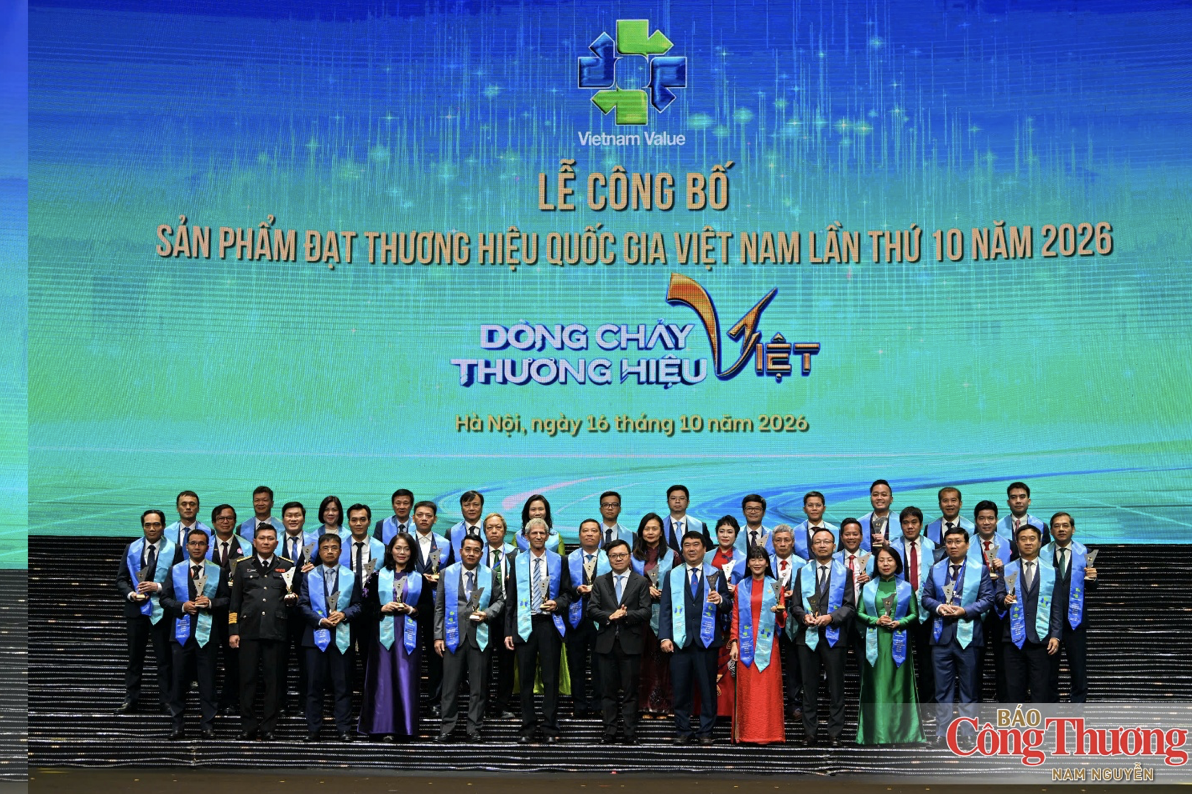
The Ministry of Industry and Trade honored 499 products and services from 227 businesses at the 10th Viet Nam National Brand announcement ceremony for 2026.
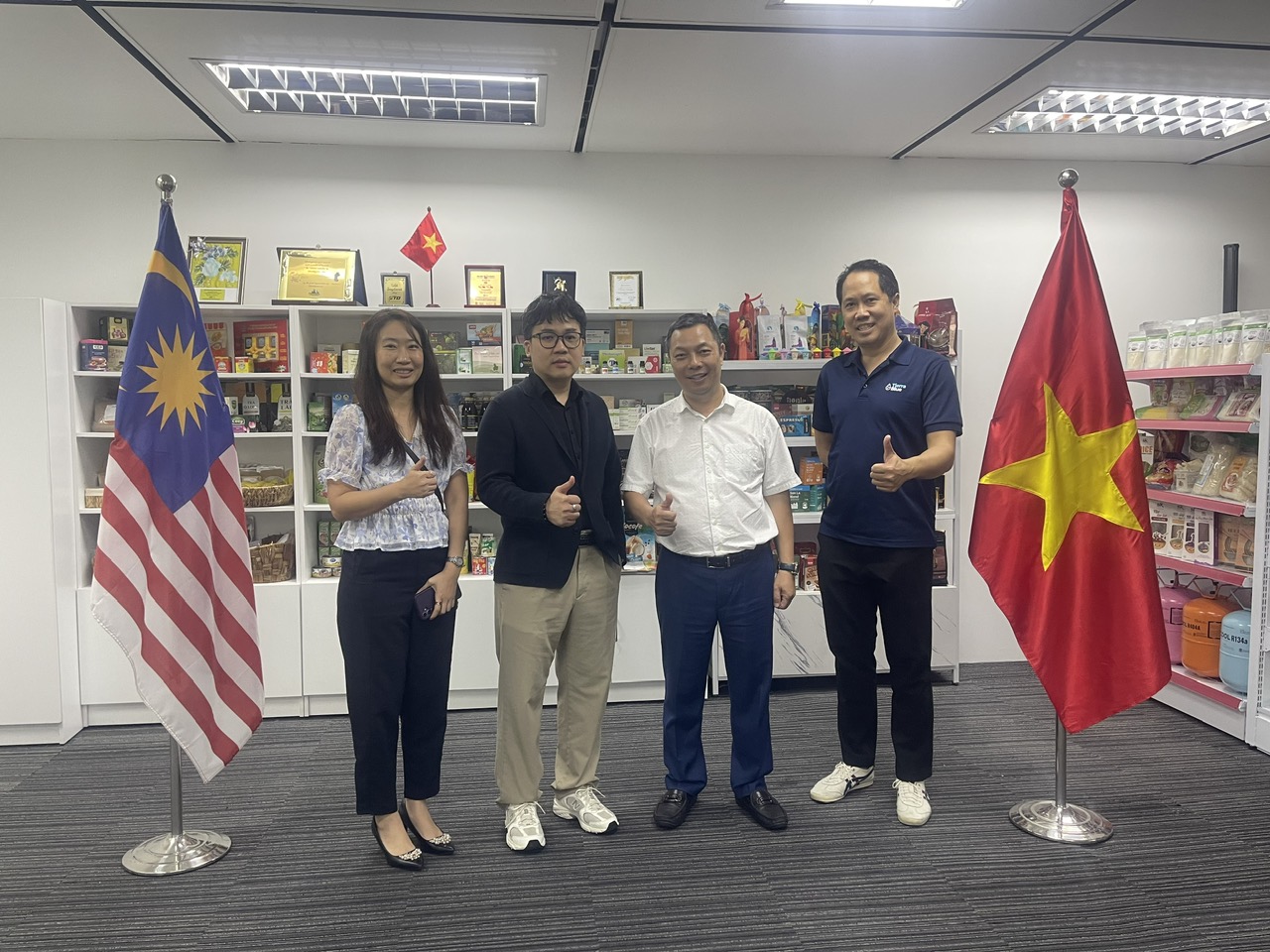
Viet Nam - Malaysia trade hit USD 17.4 billion in the first nine months of 2026, exceeding the 2025 full-year total and signaling a stronger-than-expected year.
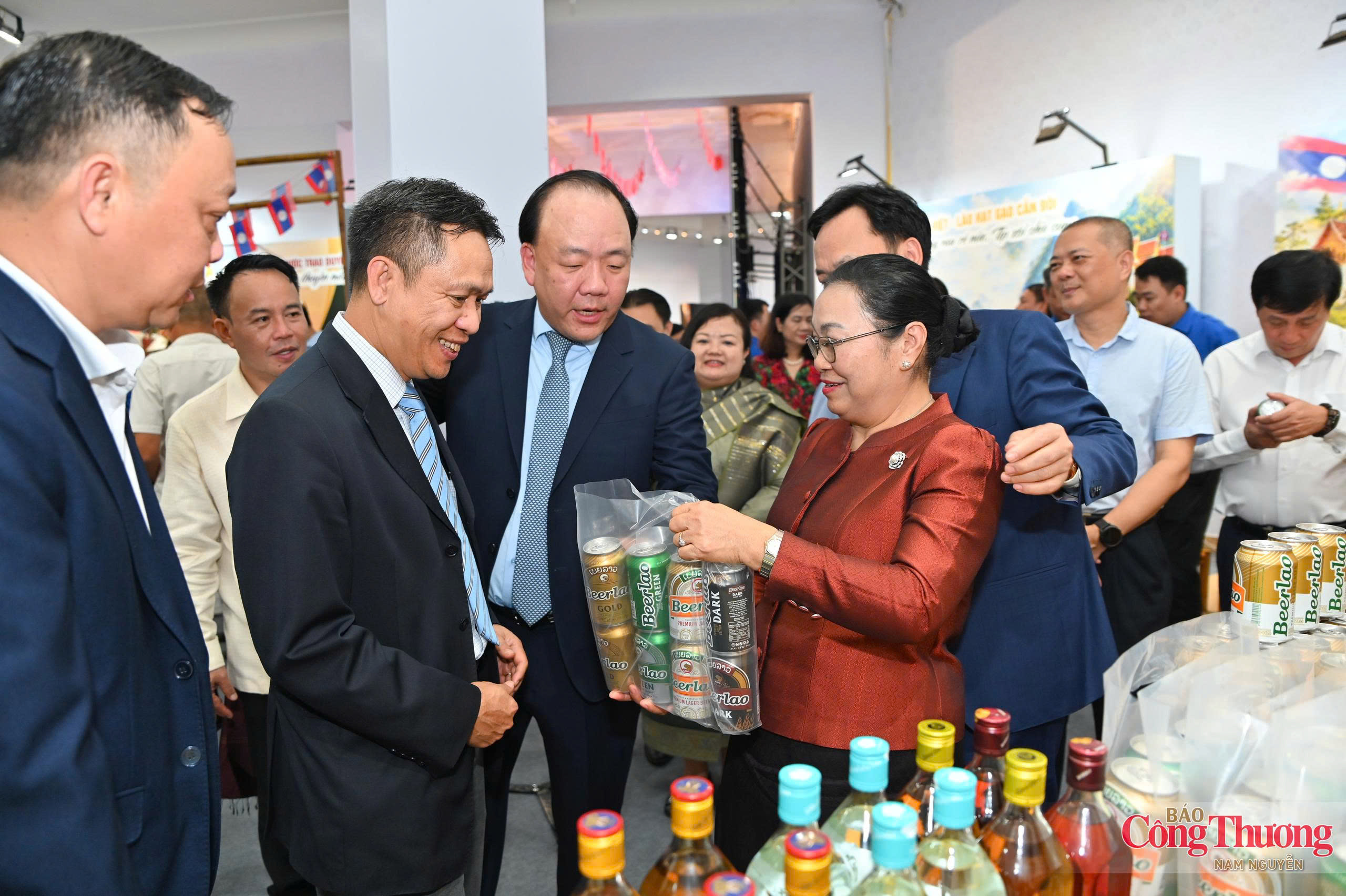
The official visit to Laos by Prime Minister Le Minh Hung is expected to inject fresh momentum into bilateral relations, with economic, trade and investment cooperation continuing to serve as a core pillar.
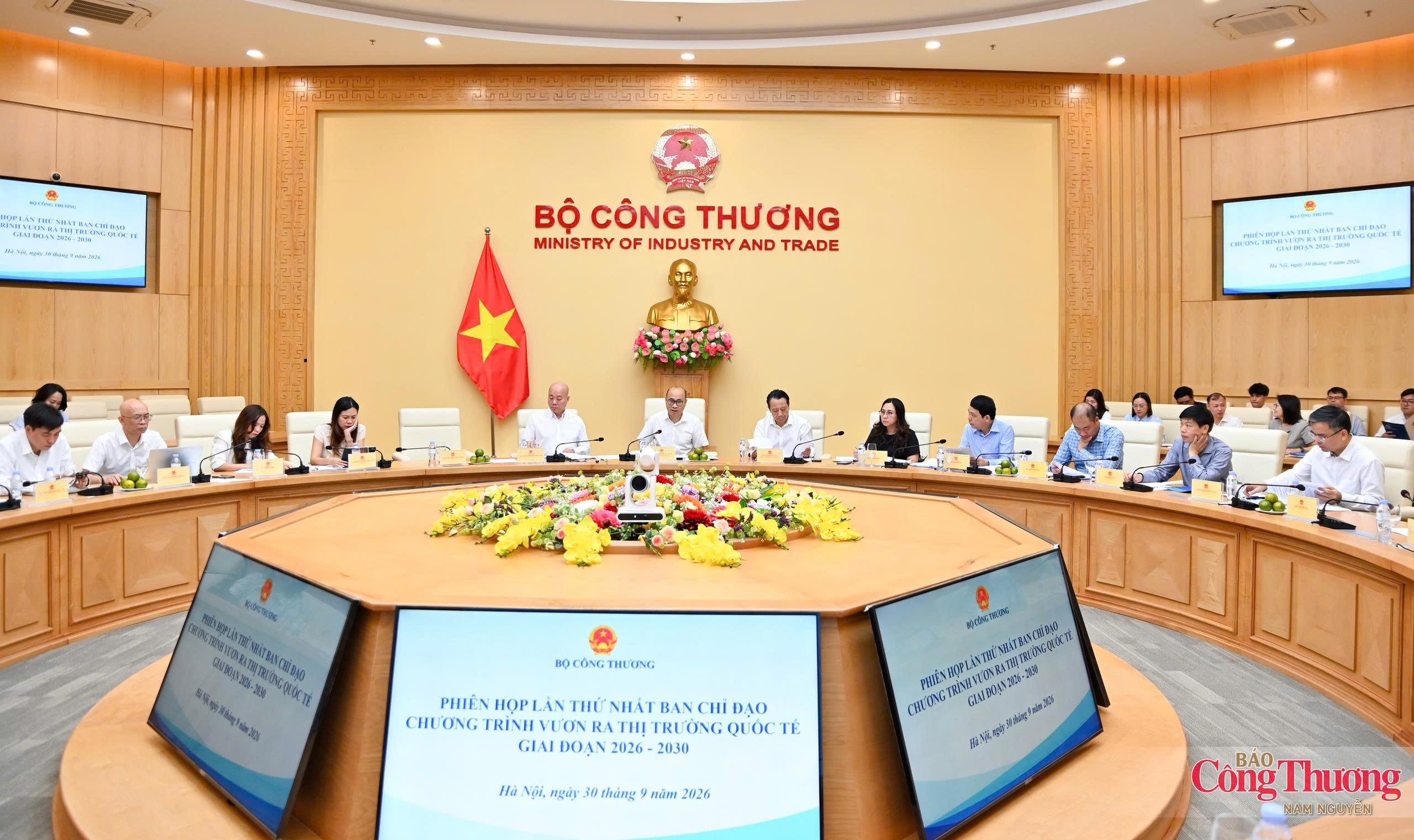
On September 30, the Ministry of Industry and Trade convened the first session of the Steering Committee for the GoGlobal Program for the 2026 - 2030 period.
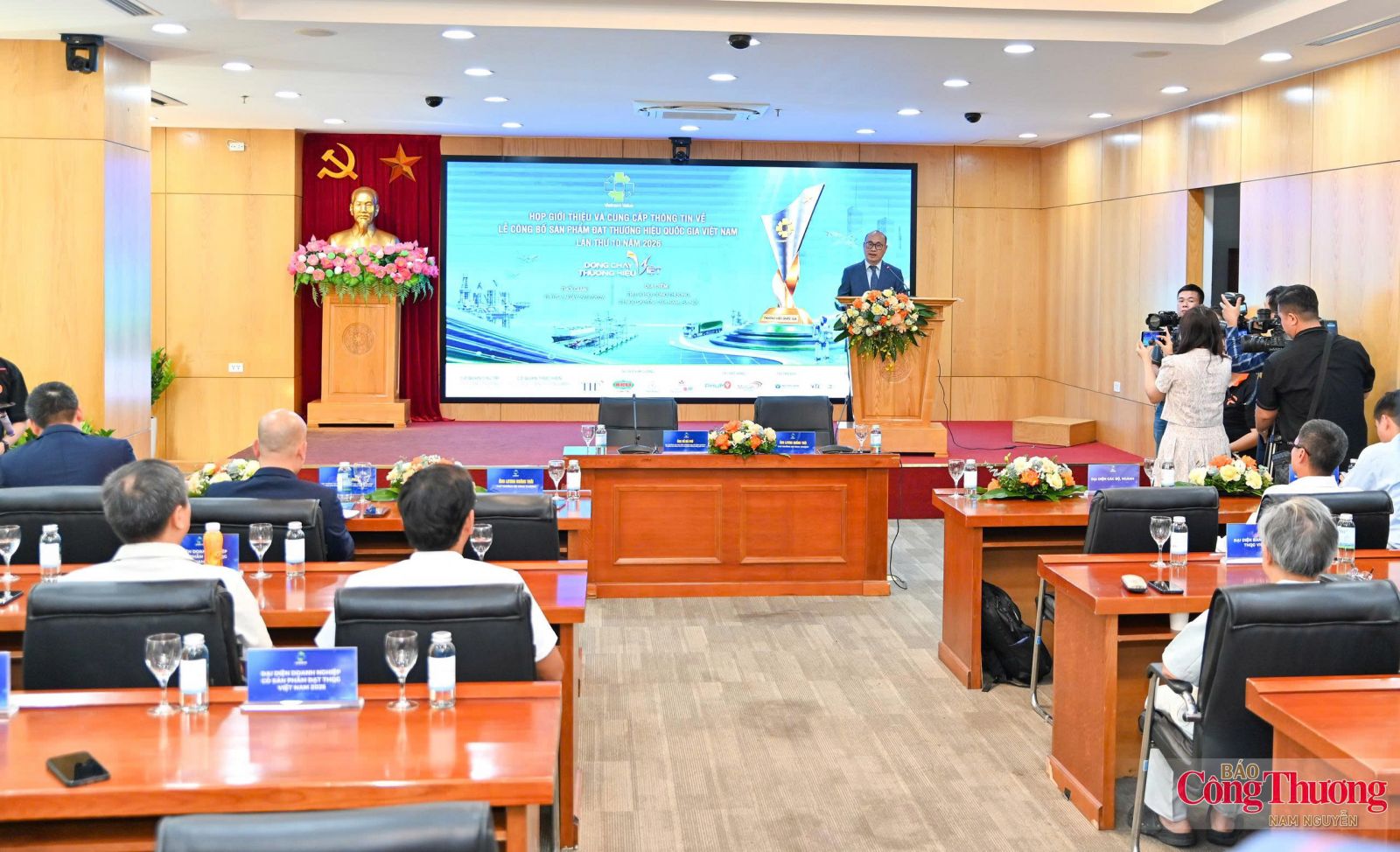
On September 29, the Ministry of Industry and Trade (MoIT) held a meeting to introduce and provide information on the ceremony announcing products achieving Viet Nam Value recognition for the 10th edition in 2026. Deputy Minister of Industry and Trade Luong Hoang Thai chaired the event.
Trade promotion not only expands markets, but also connects Vietnamese technology businesses with buyers, partners and supply chains, helping increase the value of their products.