Trade promotion is enabling Vietnamese textile and garment firms to improve supply chains, develop brands and enhance competitiveness at home and abroad.
Trade promotion activities are helping Vietnam’s textile and garment enterprises strengthen both their manufacturing capabilities and brand value. By reinforcing supply chains while building stronger domestic brands, the industry is creating greater value-added for exports and consolidating its position in the home market.
Strengthening raw material supply chains to enhance competitiveness
One of the biggest challenges facing Vietnam’s textile and garment industry today is its heavy reliance on imported raw materials and accessories. Although domestic production capacity has improved steadily, the industry has localized only around 50% of its input materials, while locally produced fabrics meet just about 36% of demand. As a result, roughly half of the industry’s raw materials still have to be imported, exposing manufacturers to supply chain disruptions and limiting their ability to fully benefit from rules of origin under new-generation free trade agreements.
Beyond its dependence on imported inputs, many enterprises continue to face constraints in product design, sample development, supply chain management and brand building. These shortcomings help explain why Vietnam has become one of the world’s leading textile and garment exporters but has yet to establish many fashion brands with strong regional influence.
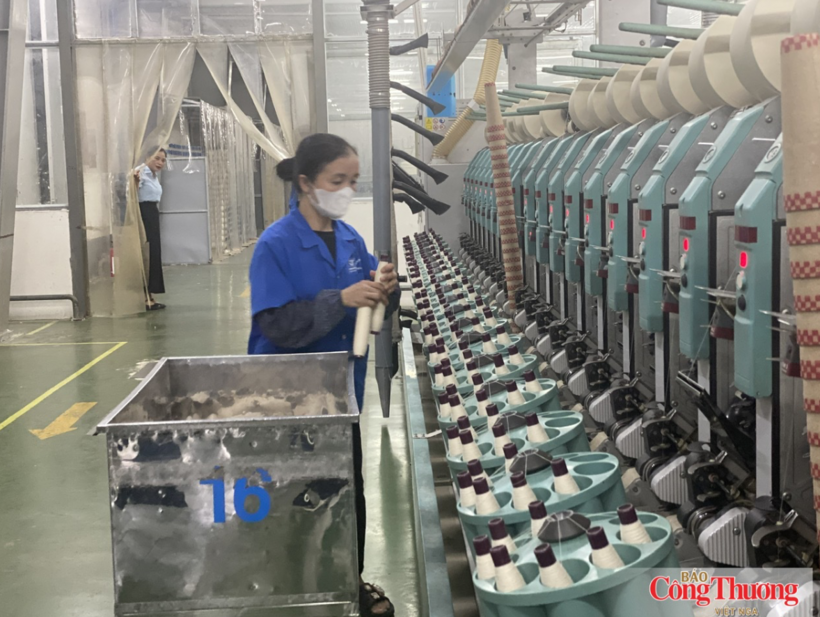
Vietnamese textile and garment enterprises are actively strengthening domestic raw material supply chains.
Against this backdrop, sector-specific trade promotion programs are playing an increasingly important role. Through trade fairs, exhibitions, business matching forums and international trade networking events, raw material suppliers, garment manufacturers, foreign-invested enterprises and international buyers are able to meet directly, better understand one another’s needs and capabilities, and establish long-term business partnerships.
In an interview with the Newspaper of Industry and Trade, Dr. Nguyen Minh Phong, Member of the Economic Advisory Council of the Central Committee of the Vietnam Fatherland Front, said trade promotion activities help businesses do far more than simply connect with potential partners.
"Trade promotion activities enable enterprises not only to establish business partnerships but also to gain a better understanding of markets and demonstrate their capabilities to international partners. As a result, businesses can secure orders, expand production, increase market share, and build or participate in supply chains in a more sustainable, resilient and effective manner," he said.
According to him, another encouraging development is that national trade promotion programs have been implemented on an increasingly larger scale, with more diversified formats and closer coordination among government agencies, local authorities, industry associations, Vietnam Trade Offices abroad and the business community. Beyond conventional trade fairs and exhibitions, many programs now incorporate training courses, consultancy services and thematic seminars to help enterprises strengthen management capabilities and improve trade promotion skills.
In particular, specialized exhibitions for textile, garment and leather-footwear materials held regularly in Vietnam have become key meeting points for leading raw material manufacturers from across the region and around the world. These events not only showcase new technologies and innovative materials but also provide Vietnamese enterprises with opportunities to access emerging trends in green manufacturing, recycled materials, environmentally friendly inputs and digital transformation solutions for production.
More importantly, trade promotion events have helped attract investment into supporting industries. By creating opportunities for direct engagement between foreign-invested and domestic enterprises, these events have accelerated the formation of integrated supply chains spanning fibers, weaving, dyeing, finishing and accessories. This not only increases the industry’s localization rate but also lays a stronger foundation for enterprises to comply with rules of origin and enhance their competitiveness in international markets.
Positioning Vietnamese brands through the domestic market
If raw materials form the foundation of the supply chain, branding is what ultimately determines the value-added of the textile and garment industry. In recent years, many Vietnamese enterprises have shifted from contract manufacturing to investing in the development of their own brands. A notable milestone came in 2025, when Yody, Coolmate and Viet Tien were named among Southeast Asia’s Top 15 fashion brands by Pureprofile and Campaign Asia-Pacific.
Among them, Yody and Coolmate remained in Vietnam’s Top 10 fashion brands. Yody, in particular, earned recognition for its customer service, achieving an approval rating of 81%, while also standing out for its use of environmentally friendly materials, including coffee-ground fabric, in line with the growing trend toward sustainable fashion.
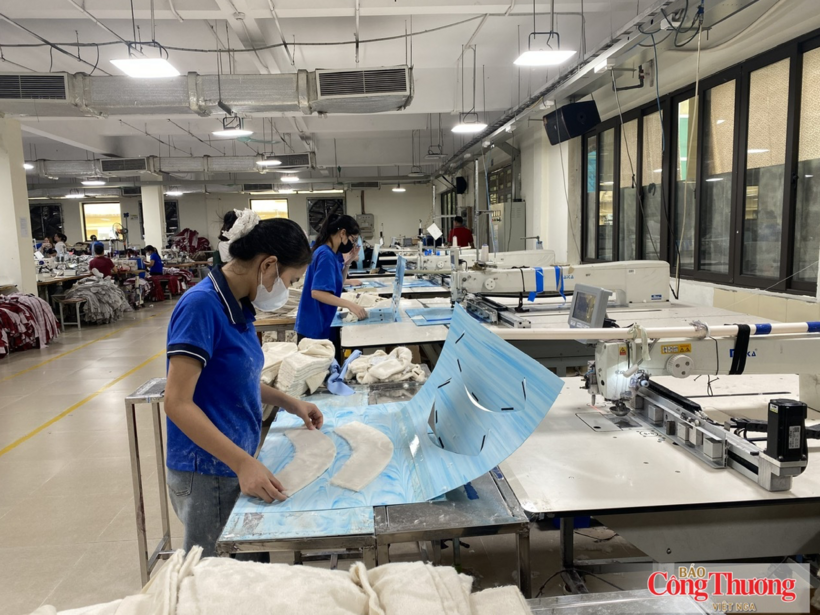
Greater self-sufficiency in raw materials is helping Vietnam's textile and garment industry increase export value while strengthening domestic brands.
Alongside emerging brands, long-established enterprises are also accelerating their domestic branding strategies. May 10 Corporation is one of the companies that has consistently pursued this direction by expanding its retail network, developing product lines for younger consumers and launching collections made from silk, linen and eco-friendly fibers.
Speaking to Newspaper of Industry and Trade, Than Duc Viet, Director of May 10 Corporation, said: "While we are one link in the global supply chain in international markets, in the domestic market we control the entire value chain, from design and production to distribution and branding. This is where the highest value is created."
His remarks reflect a broader strategic shift across Vietnam’s textile and garment industry. While exports remain the primary driver of growth in scale, the domestic market has become the platform where enterprises cultivate their brand identity, manage the entire value chain and generate higher profit margins.
The disruptions of recent years from the COVID-19 pandemic and supply chain breakdowns to geopolitical conflicts have further underscored the importance of the domestic market. When export orders declined, domestic demand served as a crucial buffer, enabling enterprises to sustain production, retain workers and maintain stable cash flows.
According to Dr. Nguyen Minh Phong, trade promotion activities not only create business opportunities but also help elevate the image of Vietnamese fashion. "Trade promotion activities have helped shape and support new directions for the development of Vietnam’s textile and fashion industry. Enterprises are no longer confined to contract manufacturing but are gradually becoming more proactive in design and brand development, particularly in building fashion brands that emphasize personalization and meet increasingly diverse consumer demands."
International trade fairs and exhibitions held in Vietnam have increasingly become showcases where enterprises present their design capabilities, innovative materials, manufacturing technologies and brand stories. These events also provide opportunities for Vietnamese brands to test market response, expand distribution networks, engage with international partners and strengthen brand recognition in their home market.
With a domestic market of more than 100 million consumers, Vietnam offers not only a destination for product sales but also an ideal environment for enterprises to refine their brands before expanding internationally. As Vietnamese consumers place greater emphasis on quality, sustainability and cultural value, businesses are gaining stronger incentives to invest systematically in design, materials and customer experience.
From a long-term perspective, the synchronized implementation of trade promotion programs alongside strategies to develop supporting industries, encourage investment in textile and dyeing production, promote green materials and foster innovation will provide Vietnam’s textile and garment industry with stronger conditions to raise localization rates, increase product value and gradually build fashion brands capable of competing in regional and global markets.
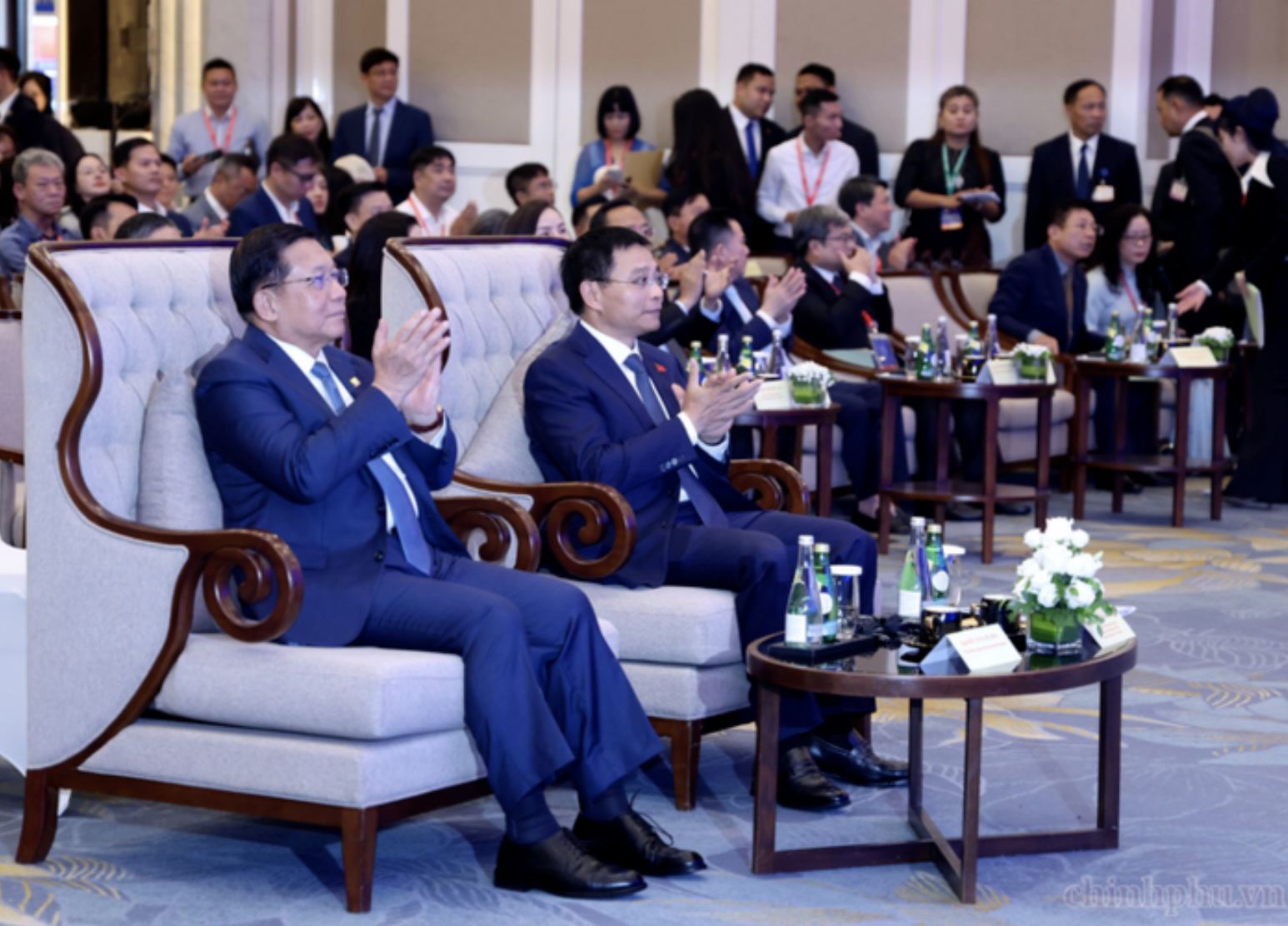
Addressing the Myanmar - Viet Nam Business Forum, Deputy Prime Minister Nguyen Van Thang said the two sides should expand the space for cooperation and leverage their respective resources to support the self-reliant and resilient development of each country, contributing to the implementation of agreements reached by the senior leaders of the two countries.
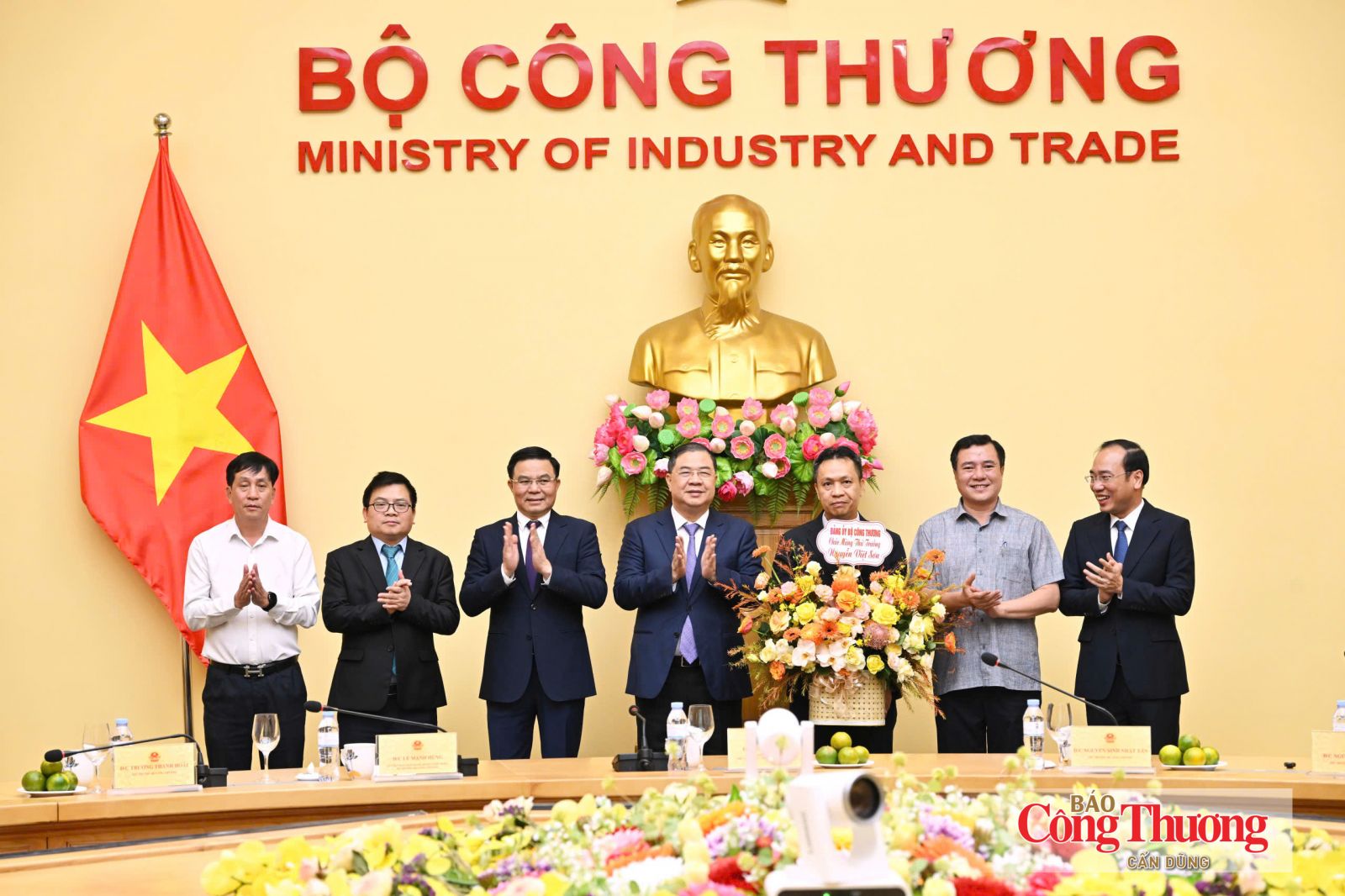
On the afternoon of September 6, at the headquarters of the Ministry of Industry and Trade (MoIT), Politburo member and Standing Deputy Prime Minister Pham Gia Tuc handed over the Prime Minister's decision appointing Nguyen Viet Son as Deputy Minister of Industry and Trade.
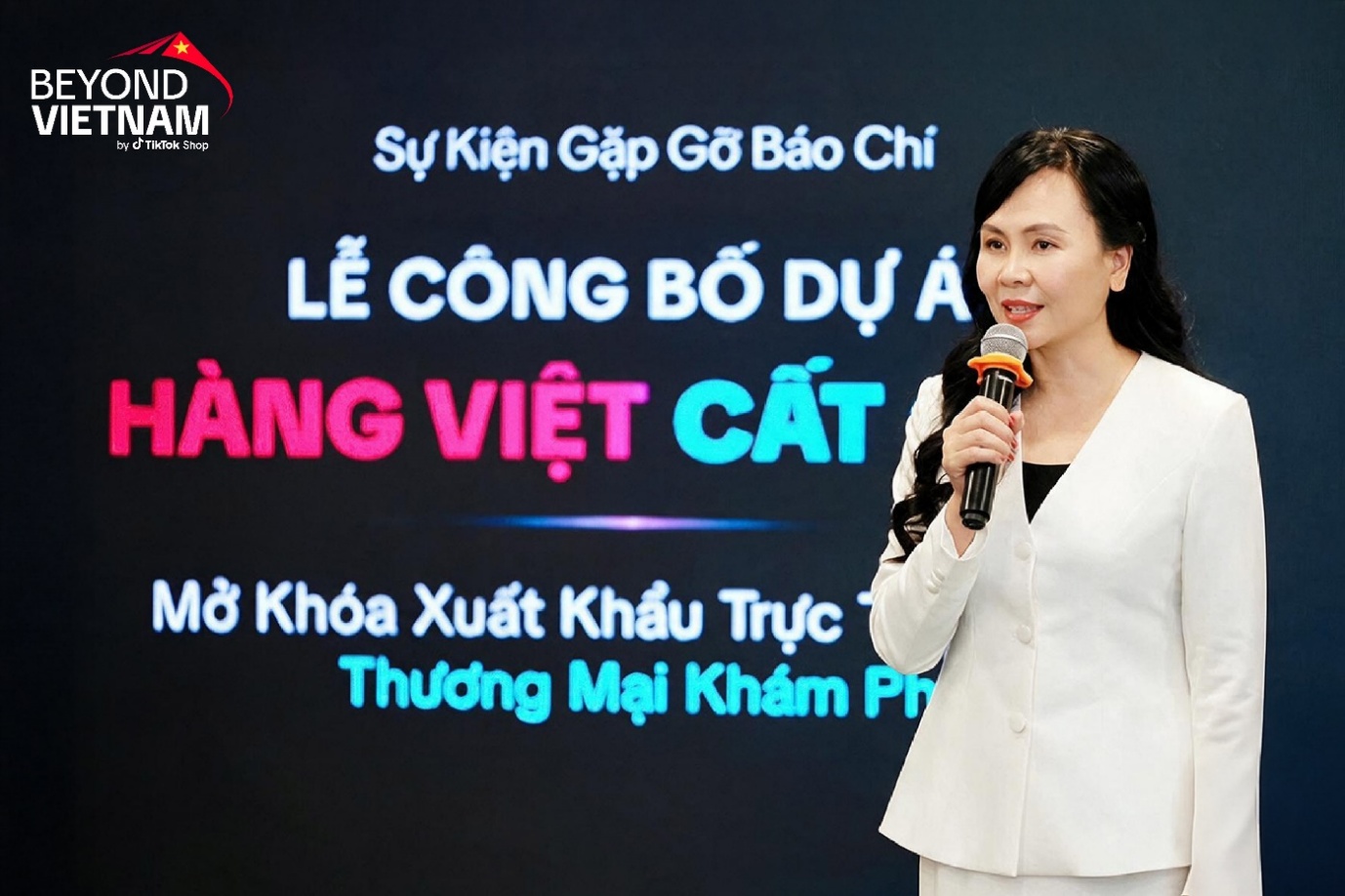
The iDEA and TikTok Shop launched the “Beyond Vietnam” initiative to help Vietnamese businesses build digital export capabilities and expand global market access.
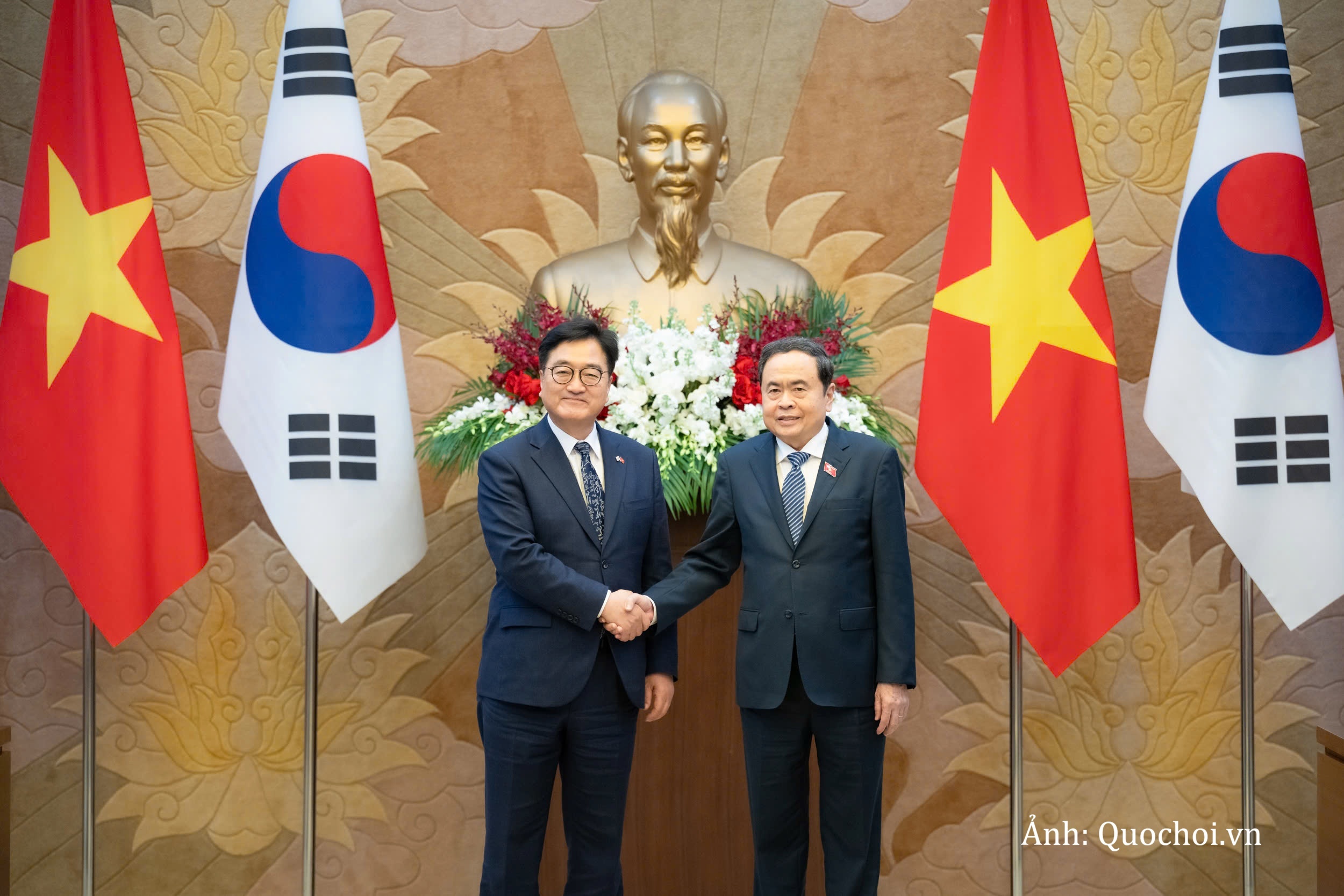
As Viet Nam and the Republic of Korea (RoK) work towards the goal of raising bilateral trade to USD 150 billion, the National Assemblies of the two countries have an important role to play in improving institutions and removing bottlenecks.
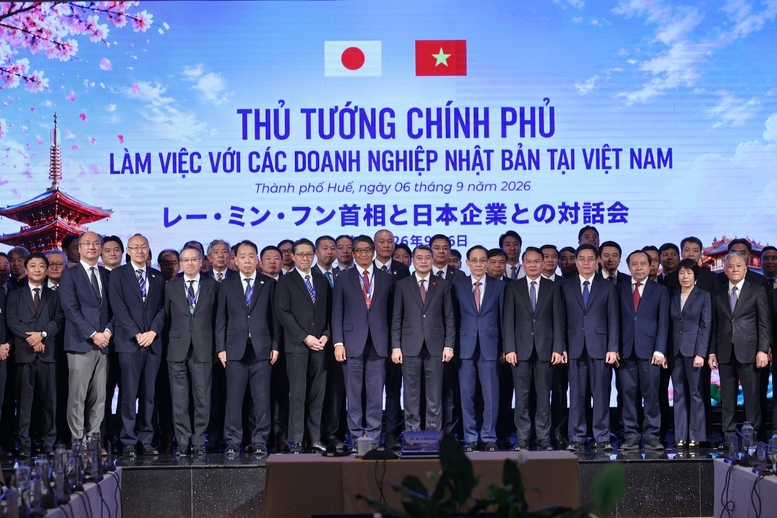
Chairing a meeting with Japanese businesses on the morning of September 6, Prime Minister Le Minh Hung called for Viet Nam - Japan investment ties to shift decisively from a relationship between “investors and investment destinations” toward a partnership for joint development and co-creation, involving joint research, innovation, production, and effective participation in and affirmation of their positions and roles in global value chains.
The iDEA and TikTok Shop launched the “Beyond Vietnam” initiative to help Vietnamese businesses build digital export capabilities and expand global market access.
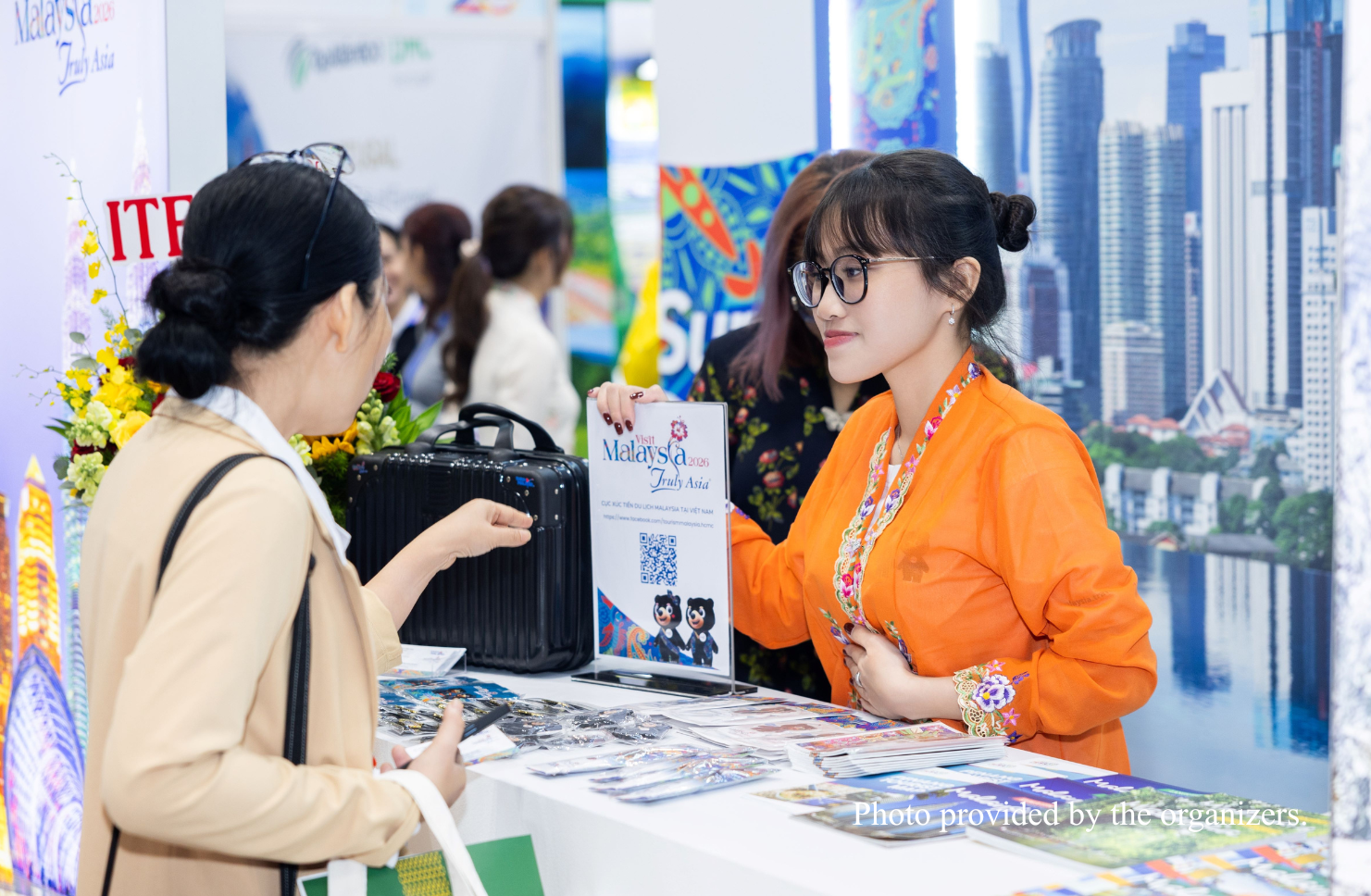
Tourism Malaysia reaffirmed its commitment to the Vietnamese market at ITE HCMC 2026, promoting the extended Visit Malaysia 2026 - 2027 campaign and expanding tourism cooperation.
Viet Nam Trade Office in Argentina is boosting business links to expand cooperation in timber, minerals and investment, opening new opportunities for firms in both countries.
Vitafoods Asia 2026 in Thailand highlighted the growing presence of Vietnamese health and nutrition products, opening new opportunities for global market expansion.
Viet Nam is addressing key bottlenecks and improving durian quality to boost exports, with the sector targeting USD 4 billion in export turnover this year.