Growing domestic consumption is placing increasing pressure on transportation and logistics providers to keep retail shelves stocked and supply chains running efficiently.
According to the Statistics Department under the Ministry of Finance, Vietnam's total retail sales of goods and consumer service revenue reached approximately VND 3,185 trillion in the first five months of 2026, up 11.2% year-on-year. Retail sales of goods alone totaled VND 2,418 trillion, accounting for nearly 76% of total retail sales and increasing 11.1% from the same period last year. Sales of food and food products rose 9.6%, indicating sustained demand for essential consumer goods.
Alongside rising consumer demand, Vietnam's modern retail network has continued to expand. According to the Vietnam Retail Market Report, the country now has nearly 1,300 supermarkets and almost 280 shopping centers. The expansion has significantly increased the volume of goods moving between distribution centers and retail outlets, placing greater demands on logistics operations.
A representative of a consumer goods distribution company in Ho Chi Minh City said that in the fast-moving consumer goods (FMCG) sector, even a single delayed delivery can immediately affect sales at retail outlets. As a result, the industry's challenge is no longer simply about fleet size, but about maximizing the efficiency of every kilometer traveled.
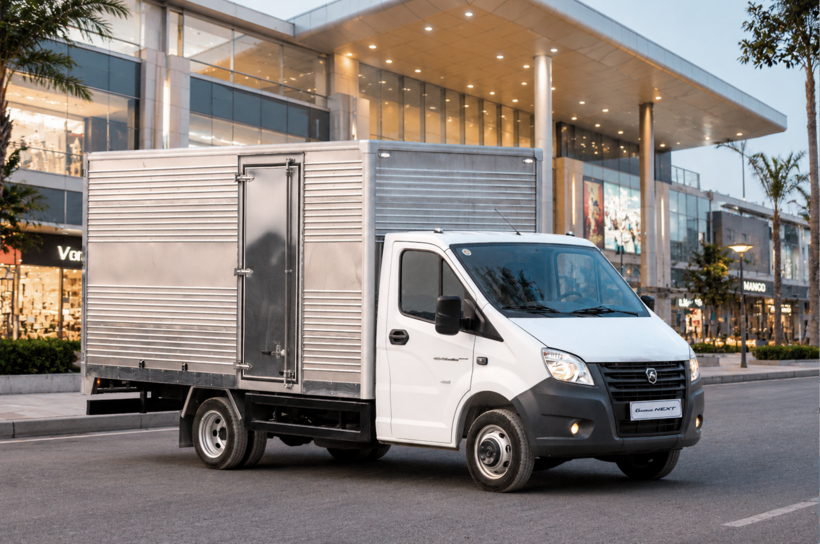
Faced with the pressure of keeping retail shelves fully stocked, operating a flexible and efficient vehicle fleet provides a significant competitive advantage, ensuring a seamless flow of goods and consistent product availability. Photo: GAZ
Against this backdrop, transport operators are placing greater emphasis on Total Cost of Ownership (TCO) when selecting and managing commercial vehicles. Rather than focusing solely on payload capacity, the TCO approach evaluates the total lifetime cost of a vehicle, including fuel consumption, maintenance, operating expenses, utilization rate, and its ability to generate revenue per kilometer.
Industry experts say optimizing TCO enables businesses to lower operating costs, improve fleet utilization, and strengthen competitiveness as logistics costs become an increasingly important factor in supply chain performance.
For urban distribution and last-mile delivery, some companies have adopted specialized commercial vehicles such as the Gazelle NEXT Truck and Gazelle NN Van.
The Gazelle NEXT Truck is designed with a flexible chassis that supports multiple cargo body configurations, making it suitable for transporting large freight volumes. Meanwhile, the Gazelle NN Van offers a maximum payload of 785 kg and measures 6,230 x 2,068 x 2,735 mm, making it well suited to dense urban environments, narrow streets, and convenience store delivery routes.
According to data provided by the manufacturer, transportation revenue for FMCG, food, and essential goods deliveries typically ranges from VND 6,000 to VND 9,000 per kilometer, depending on the delivery route and service contract.
Under operating conditions in Ho Chi Minh City, the estimated TCO is approximately VND 2,391 per kilometer for the three-seat Gazelle NEXT Truck and VND 2,682 per kilometer for the three-seat Gazelle NN Van. Based on an average annual operating distance of 50,000 kilometers per vehicle, estimated operating profit, excluding management and dispatch costs, ranges from VND 180 million to VND 330 million per year for the Gazelle NEXT Truck and VND 165 million to VND 315 million per year for the Gazelle NN Van.
Logistics experts note that as fleet sizes continue to grow, saving just a few hundred Vietnamese dong per kilometer can translate into substantial gains in profitability across an entire transportation network. Consequently, TCO is increasingly becoming a key metric for fleet planning, operational optimization, and long-term financial management.
As Vietnam's retail sector continues to expand and businesses place greater emphasis on delivery speed and supply chain reliability, effective control of logistics costs is expected to play an increasingly important role in enhancing operational efficiency and maintaining a competitive advantage.
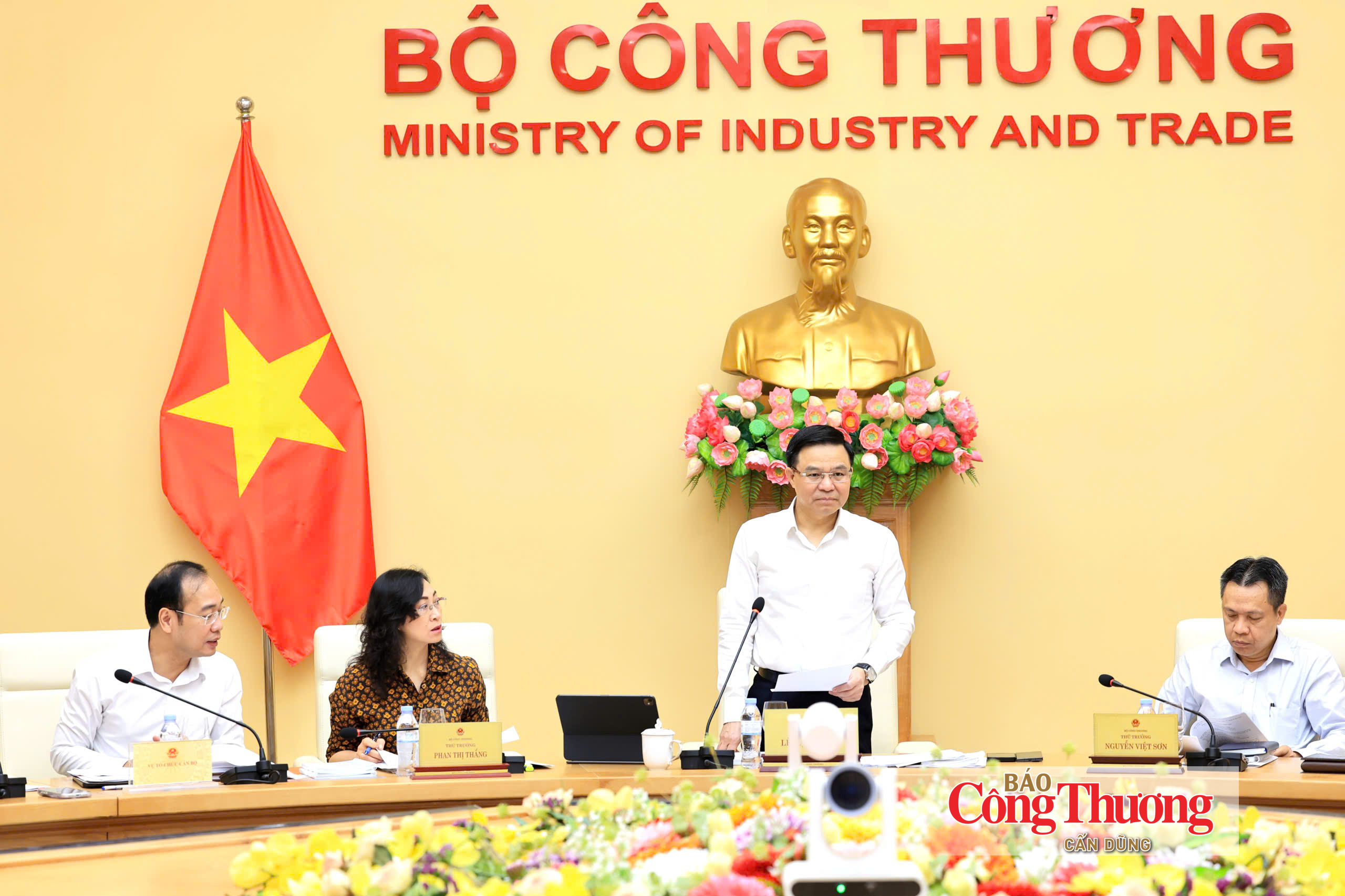
Deputy Minister of Industry and Trade Luong Hoang Thai emphasized that building the national brand is a driving force for improving Viet Nam’s competitiveness and international standing.
The official visit to Laos by Prime Minister Le Minh Hung is expected to inject fresh momentum into bilateral relations, with economic, trade and investment cooperation continuing to serve as a core pillar.
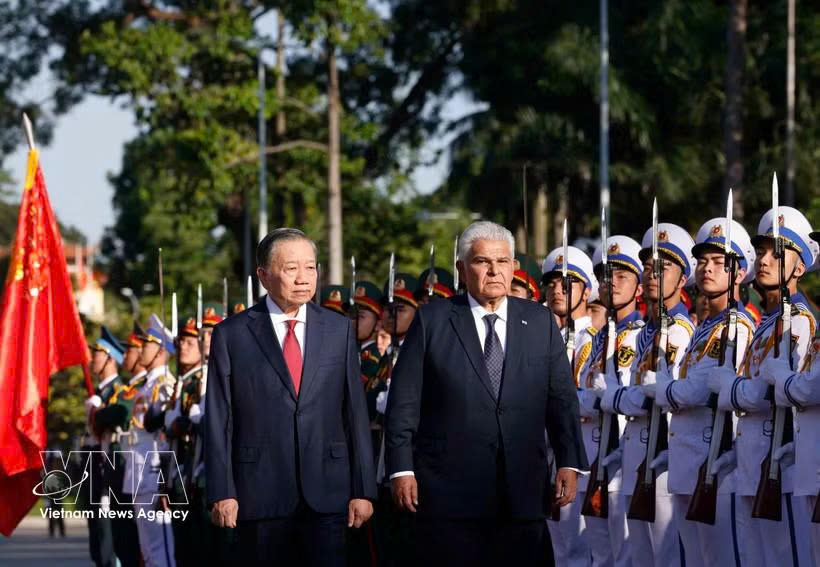
The Panamanian President’s visit is expected to contribute to further deepening and making the traditional friendship and cooperation between the two nations more substantive and effective.
On October 2, the Ministry of Industry and Trade (MoIT) held a working session between Minister of Industry and Trade Le Manh Hung and research institutes, universities and colleges under the Ministry to review their recent operations and identify solutions to better harness the potential, advantages and collective strengths of the Ministry’s education and research institutions. Minister of Industry and Trade Le Manh Hung chaired the meeting.
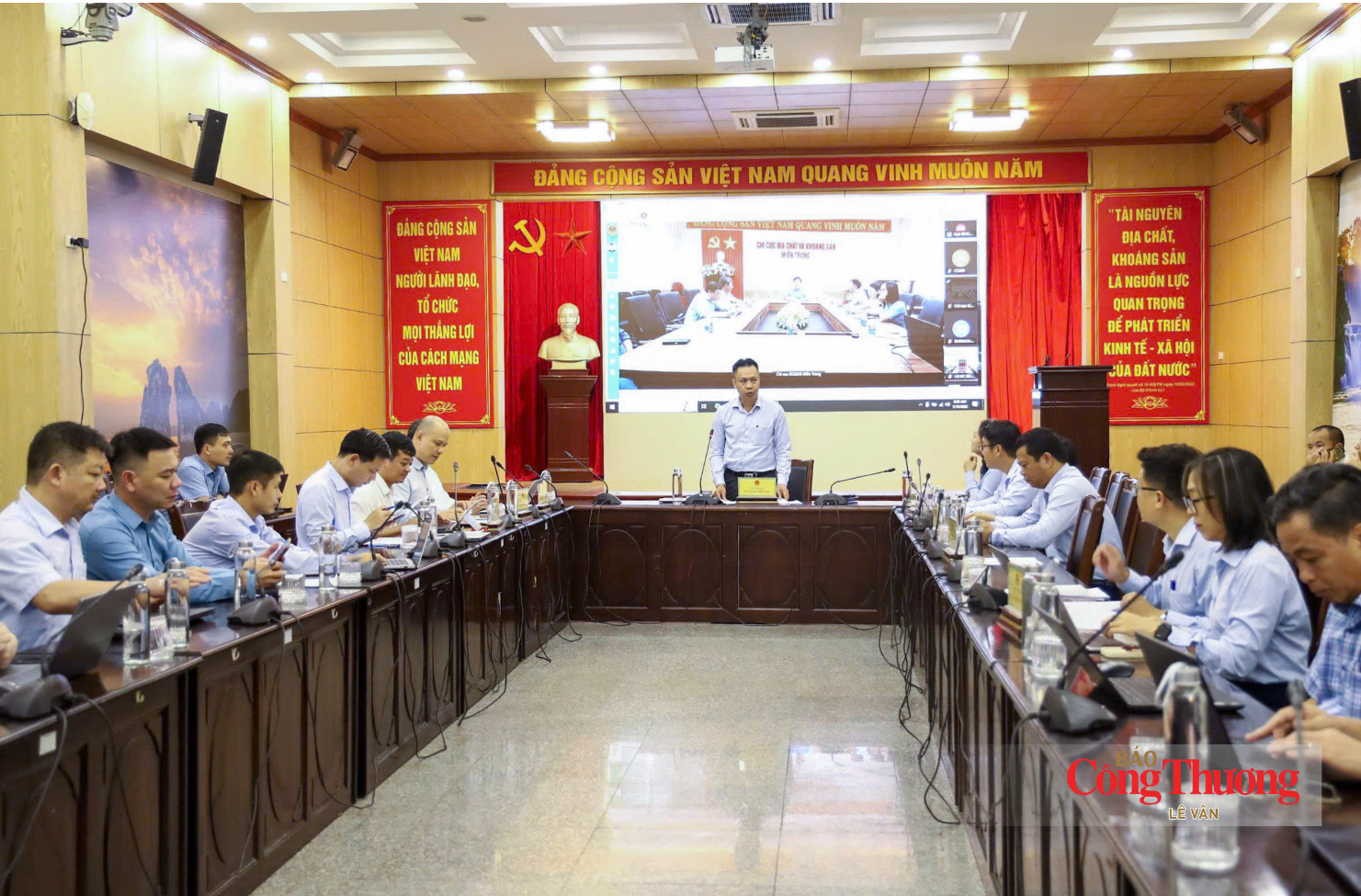
On October 5 in Ha Noi, Deputy Minister of Industry and Trade Nguyen Viet Son held a working session with the Viet Nam Department of Geology and Minerals.
On October 2, the Ministry of Industry and Trade (MoIT) held a working session between Minister of Industry and Trade Le Manh Hung and research institutes, universities and colleges under the Ministry to review their recent operations and identify solutions to better harness the potential, advantages and collective strengths of the Ministry’s education and research institutions. Minister of Industry and Trade Le Manh Hung chaired the meeting.
Industry and Trade Newspaper would like to introduce a podcast series on the implementation of the Politburo's Resolution No. 57 in the Industry and Trade sector.
The Industry and Trade Newspaper introduces a podcast series on the implementation of Politburo Resolution No. 57-NQ/TW dated December 22, 2024, on breakthroughs in the development of science, technology, innovation and national digital transformation in the Industry and Trade sector.
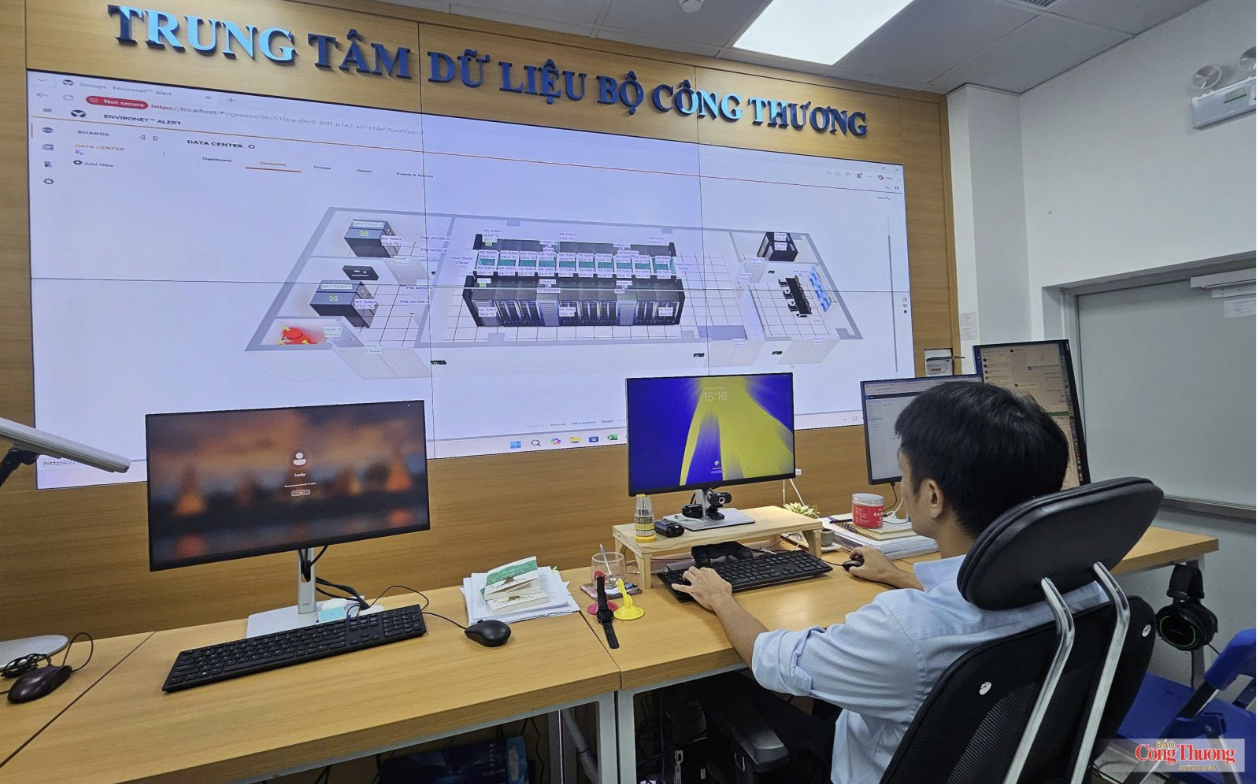
The Ministry of Industry and Trade is accelerating digital transformation to modernise management, improve public services, strengthen the competitiveness of businesses.
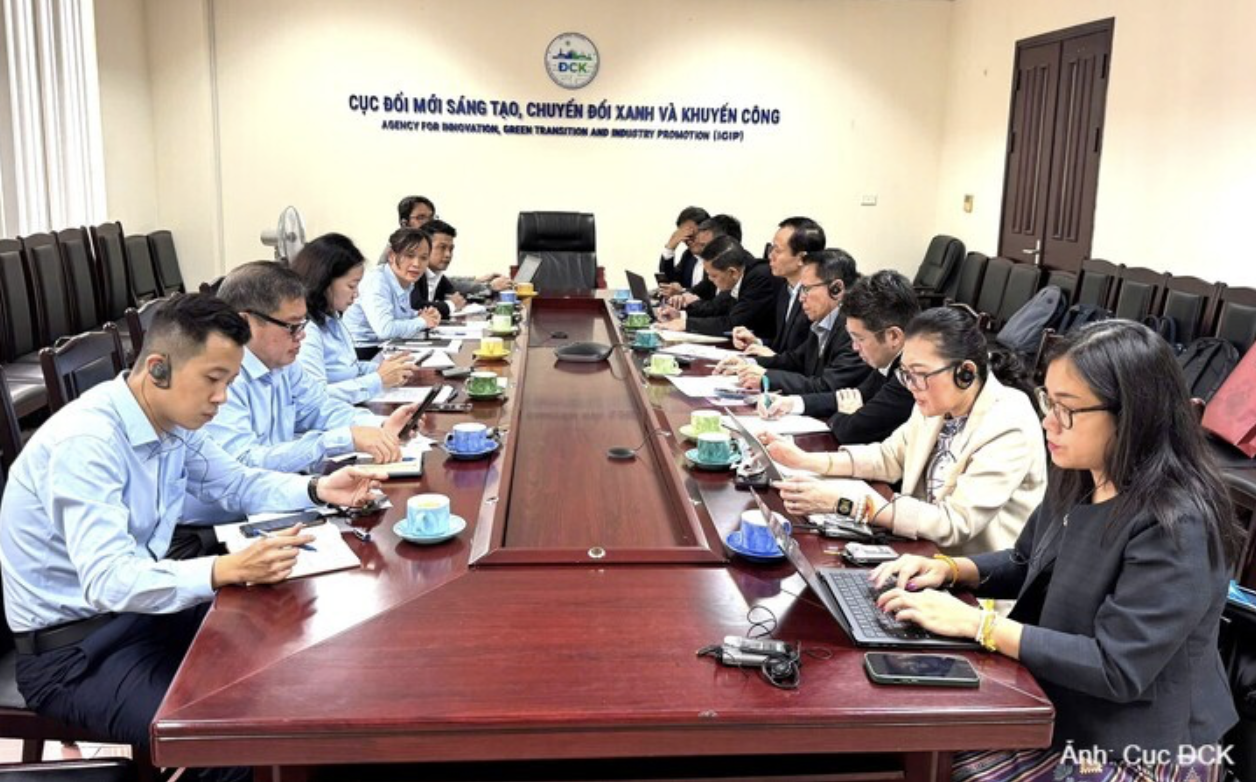
The Ministry of Industry and Trade is expanding international cooperation in science and technology, focusing on research, innovation and technology transfer.