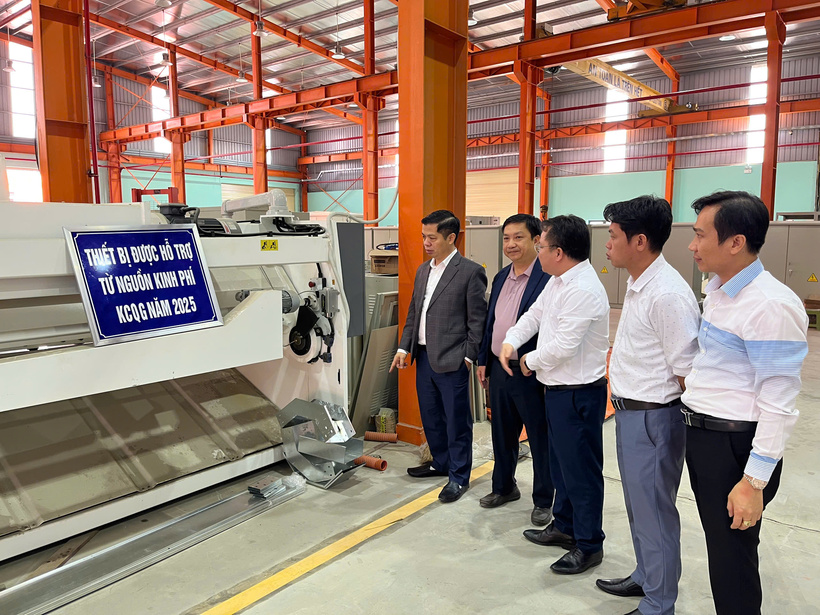
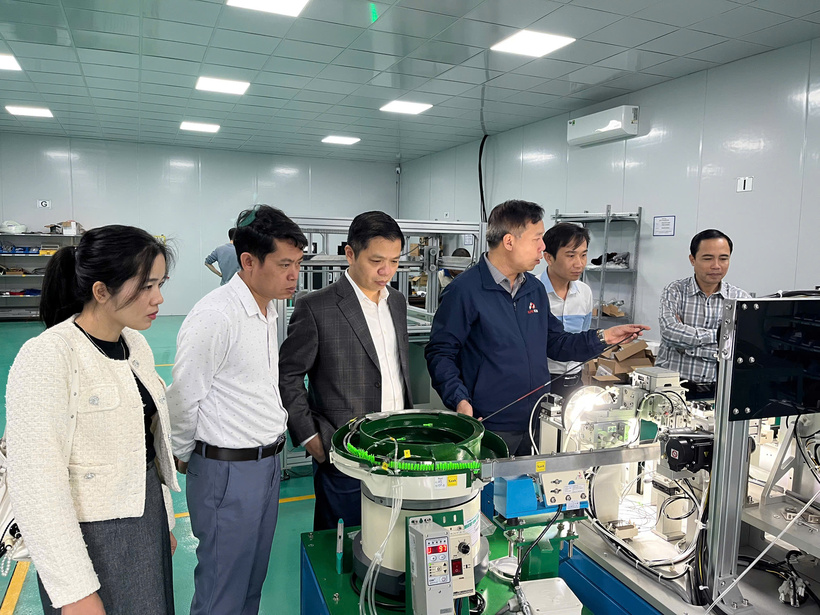
To further enhance the effectiveness of the national industrial promotion program, representatives from provincial Departments of Industry and Trade have proposed increasing support expenditures during the 2026-2030 period to align with the growing demands of digital transformation, green transition, and technological innovation at production facilities.
Reaffirming the role of industrial promotion in rural industrial development
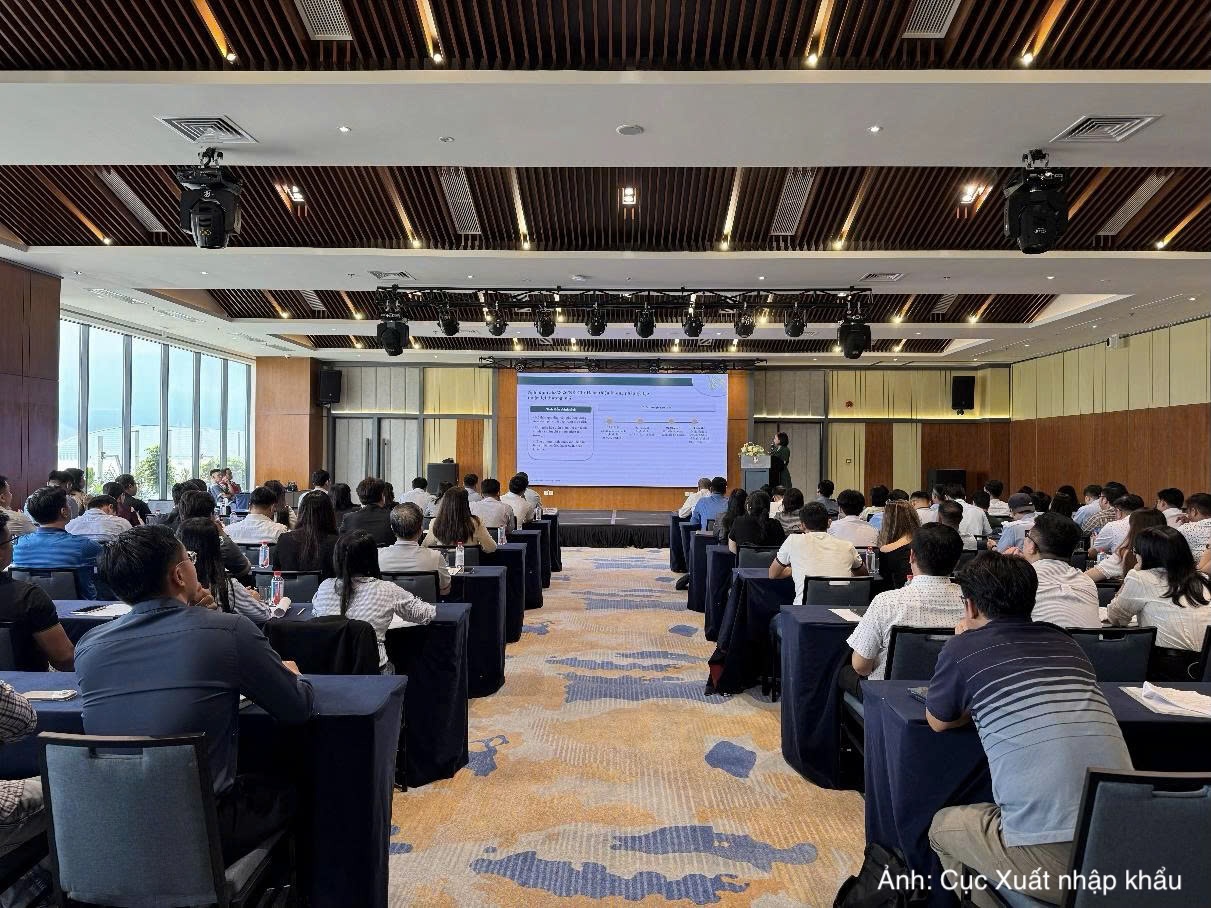
The Department of Innovation, Green Transition and Industrial Promotion (Ministry of Industry and Trade) recently organized a workshop titled “Improving the Effectiveness of Planning, Implementation, and Financial Management of the National Industrial Promotion Program.”
During the 2021-2025 period, the state budget allocated an average of VND 140–150 billion annually for industrial promotion activities
Addressing the workshop, Nguyen Thi Lam Giang, Director General of the Department, stated that industrial promotion is one of the Government’s key policies aimed at supporting rural industrial development, facilitating economic restructuring, creating jobs, increasing incomes, and contributing to the industrialization and modernization of agriculture and rural areas.
Over the years, industrial promotion activities at both the central and local levels have been implemented nationwide and have delivered numerous positive results.
"National industrial promotion funding has supported thousands of rural industrial establishments in investing in technological upgrades, adopting advanced machinery and equipment, developing outstanding rural industrial products, providing vocational training and skills transfer, offering production development consultancy, promoting trade activities, and many other practical initiatives," Nguyen Thi Lam Giang emphasized.
According to Nguyen Thi Lam Giang, industrial promotion activities have helped establish and replicate many effective production models. The competitiveness of small and medium-sized enterprises, cooperatives, and rural industrial establishments has gradually improved. At the same time, many local products have increasingly strengthened their position in both domestic and international markets.
Practical implementation at the local level shows that industrial promotion not only helps rural industrial establishments modernize equipment and expand production but also provides additional momentum for localities to better capitalize on their existing potential and advantages. It also serves as an important support mechanism enabling rural producers to improve product quality, enhance labor productivity, and integrate more deeply into the market.
Assessing the role of industrial promotion in recent years, Le Tuan Anh, Deputy Director General of the Department of Sectoral Economic Finance under the Ministry of Finance, noted that during the 2021-2025 period, the state budget allocated approximately VND 140-150 billion annually for industrial promotion activities. Such funding has served as “seed capital” to attract additional investment resources, thereby increasing overall resources available for rural industrial development.
At the workshop, representatives from the Departments of Industry and Trade of Phu Tho, Bac Ninh, Thanh Hoa, and other localities also highlighted the significant contributions of industrial promotion programs. Through targeted support measures, industrial promotion has facilitated market access, technological improvements, and stronger economic growth in rural areas.
Increasing support levels to match new development requirements
The national industrial promotion program has made significant contributions to rural economic development. However, according to Nguyen Thi Lam Giang, changes in the legal framework governing the state budget, public investment, local government organization, financial autonomy of public service units, and related regulations have created implementation challenges for some existing industrial promotion policies.
Demands for greater decentralization, administrative reform, and digital transformation continue to increase. Requirements for improving the efficiency of state budget utilization, enhancing transparency and accountability, strengthening fiscal discipline, and improving the quality of industrial promotion projects also require government agencies at both central and local levels to continue innovating management approaches and implementation methods.
Industrial promotion activities in the new phase should also be aligned with the requirements for more modern, transparent, and efficient governance.
In response to these developments, representatives of the Department of Innovation, Green Transition and Industrial Promotion stated that the Ministry of Finance is currently reviewing amendments and supplements to Circular No. 28/2018/TT-BTC and Circular No. 64/2024/TT-BTC, which regulate the planning, management, and use of industrial promotion funds, in order to ensure consistency with current legal regulations and practical requirements at the local level.
Meanwhile, the Ministry of Industry and Trade is drafting a new circular governing the planning, implementation, and financial management of the national industrial promotion program to replace existing regulations.
The draft circular, currently under consultation, consists of four chapters and 20 articles. It provides detailed guidance on several industrial promotion activities stipulated in Decree No. 45/2012/ND-CP, as amended and supplemented by Decree No. 235/2025/ND-CP.
Contributing comments to the draft, representatives of provincial Departments of Industry and Trade unanimously argued that support levels for industrial promotion activities should be increased to reflect the new context, particularly as the need for digital transformation, green transition, and the application of science and technology in rural industrial establishments and enterprises becomes increasingly urgent.
Nguyen Viet Dung, Deputy Director of the Phu Tho Department of Industry and Trade, noted that industrial promotion activities initially focused on encouraging rural industrial development before expanding toward demonstration and showcase programs. However, beginning in 2026, industrial promotion will face new development requirements amid the issuance of Politburo Resolution No. 68-NQ/TW on private sector development and Resolution No. 57-NQ/TW on science and technology development, innovation, and digital transformation, both aimed at supporting double-digit economic growth during the 2026–2030 period.
As a result, greater attention should be paid to the modernization of agriculture and rural areas. In this context, industrial promotion support levels need to be increased to encourage rural industrial establishments to invest more confidently in machinery and technological applications.
Beyond equipment and machinery support, industrial promotion in the new phase should also be linked to more modern, transparent, and effective management requirements. Delegates viewed the application of digital technologies in program management, planning, implementation monitoring, and financial settlement procedures as a necessary solution to improve the efficiency of national industrial promotion resources.
Nguyen Thi Lam Giang stated that the recommendations presented at the workshop would provide an important practical foundation for the Ministry of Finance to finalize the draft circular on the planning, management, and use of industrial promotion funds, and for the Ministry of Industry and Trade to complete the draft circular on planning, implementation, and financial management of the national industrial promotion program, ensuring feasibility, consistency, and alignment with development requirements in the new period.
The draft Circular on the planning, implementation, and financial management of the National Industrial Promotion Program, currently under public consultation by the Ministry of Industry and Trade, consists of four chapters and 20 articles. The draft focuses on improving procedures for planning, appraisal, and approval; implementation; as well as the advance payment, liquidation, and final settlement of national industrial promotion funds. The improved management framework is expected to enhance local authorities’ initiative, strengthen transparency and accountability, and improve the efficiency of state budget resources allocated to rural industrial development.
On October 13, the Agency of Foreign Trade under the Ministry of Industry and Trade (MoIT) held a conference in Dong Thap province to disseminate Government Decree No.365/2026/ND-CP dated September 23, 2026, on rice export and import business, and Circular No.65/2026/TT-BCT dated October 1, 2026, issued by the Minister of Industry and Trade, detailing certain provisions and measures for implementing Decree No.365/2026/ND-CP.
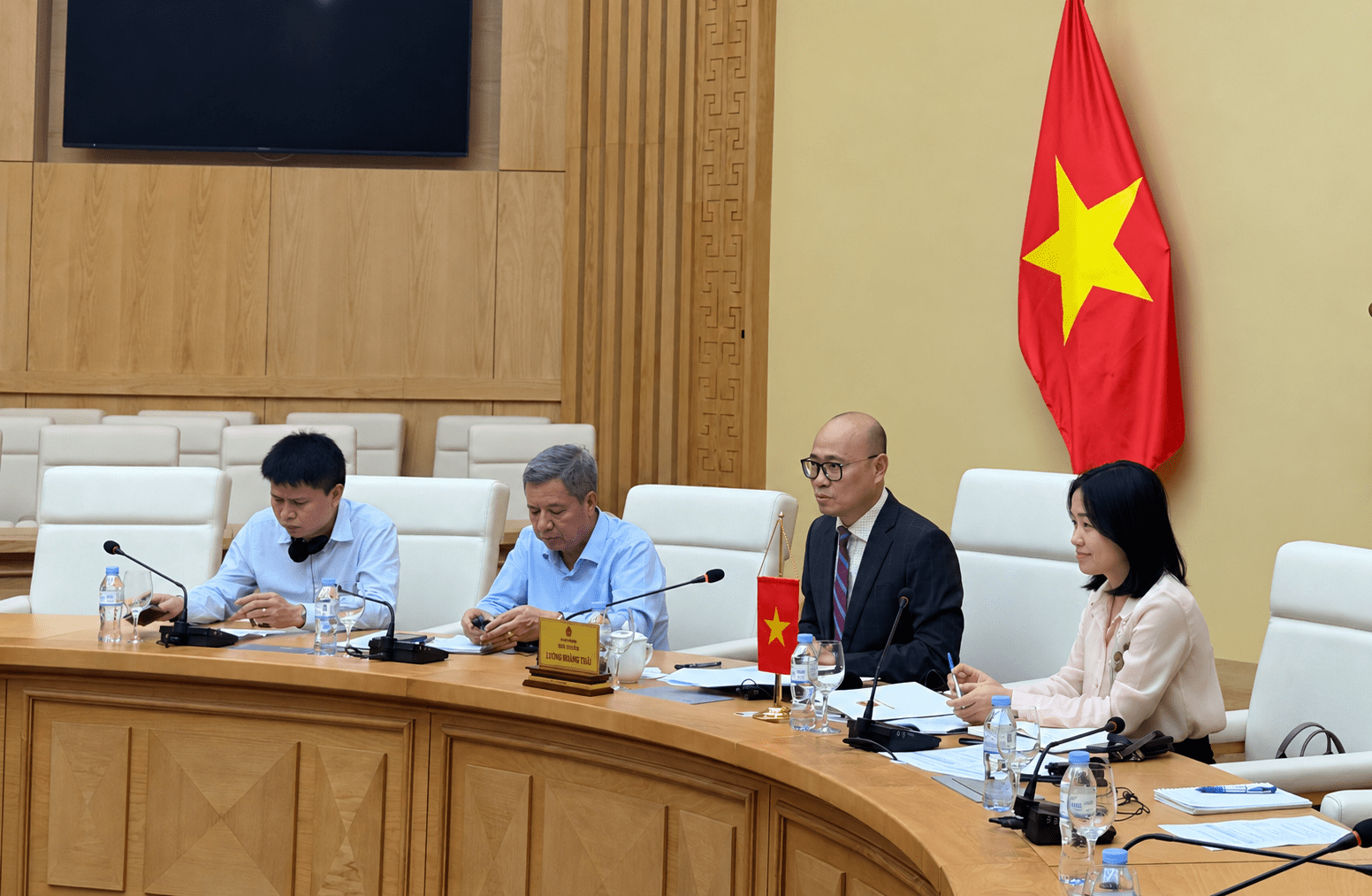
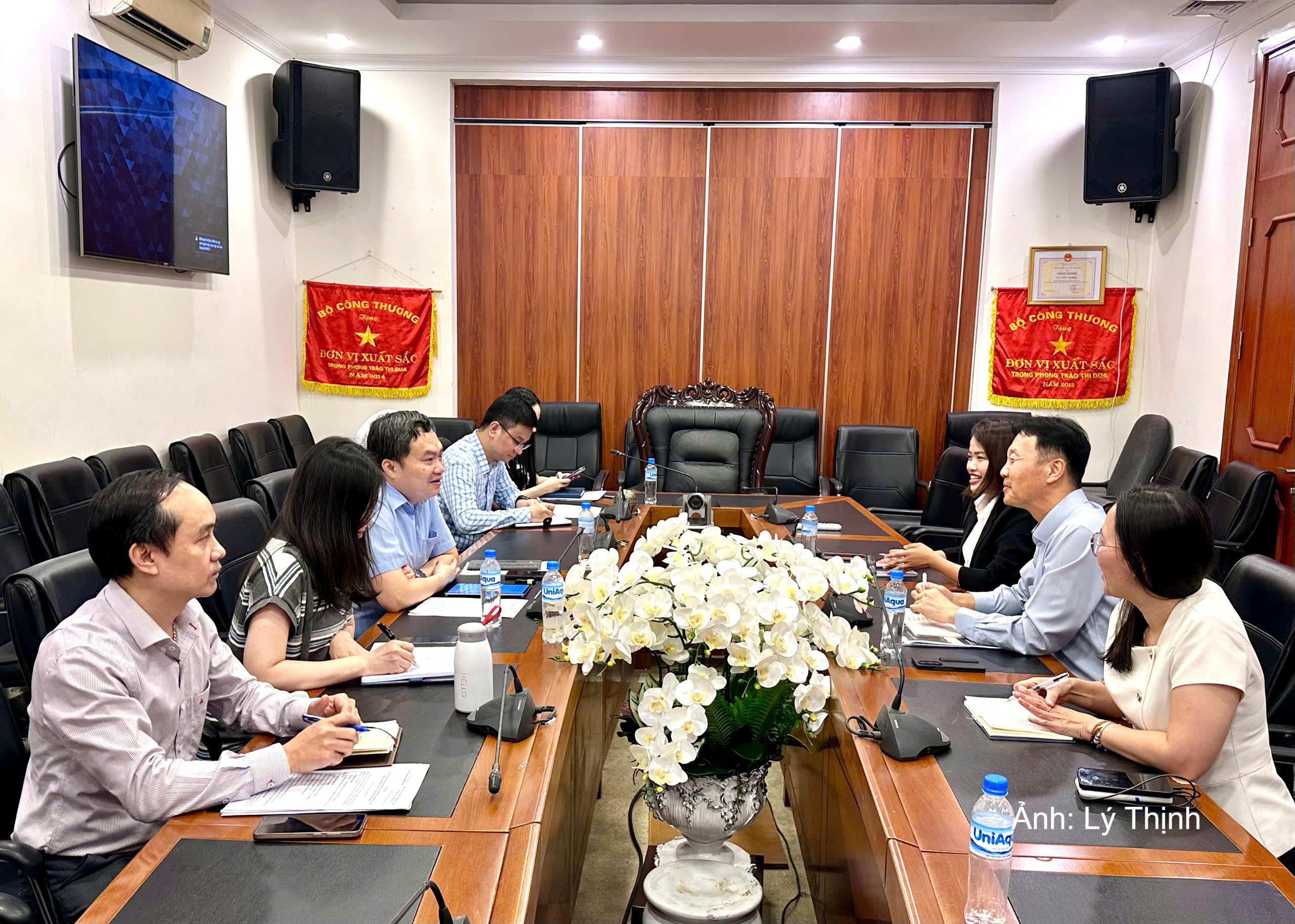
On October 13, Deputy Minister of Industry and Trade Luong Hoang Thai held a working session with MEDEF International, a French business organization, and representatives of French corporations operating in various sectors, including energy, industry, transport, construction and infrastructure development, food and beverages, and services, at the Ministry of Industry and Trade's headquarters.
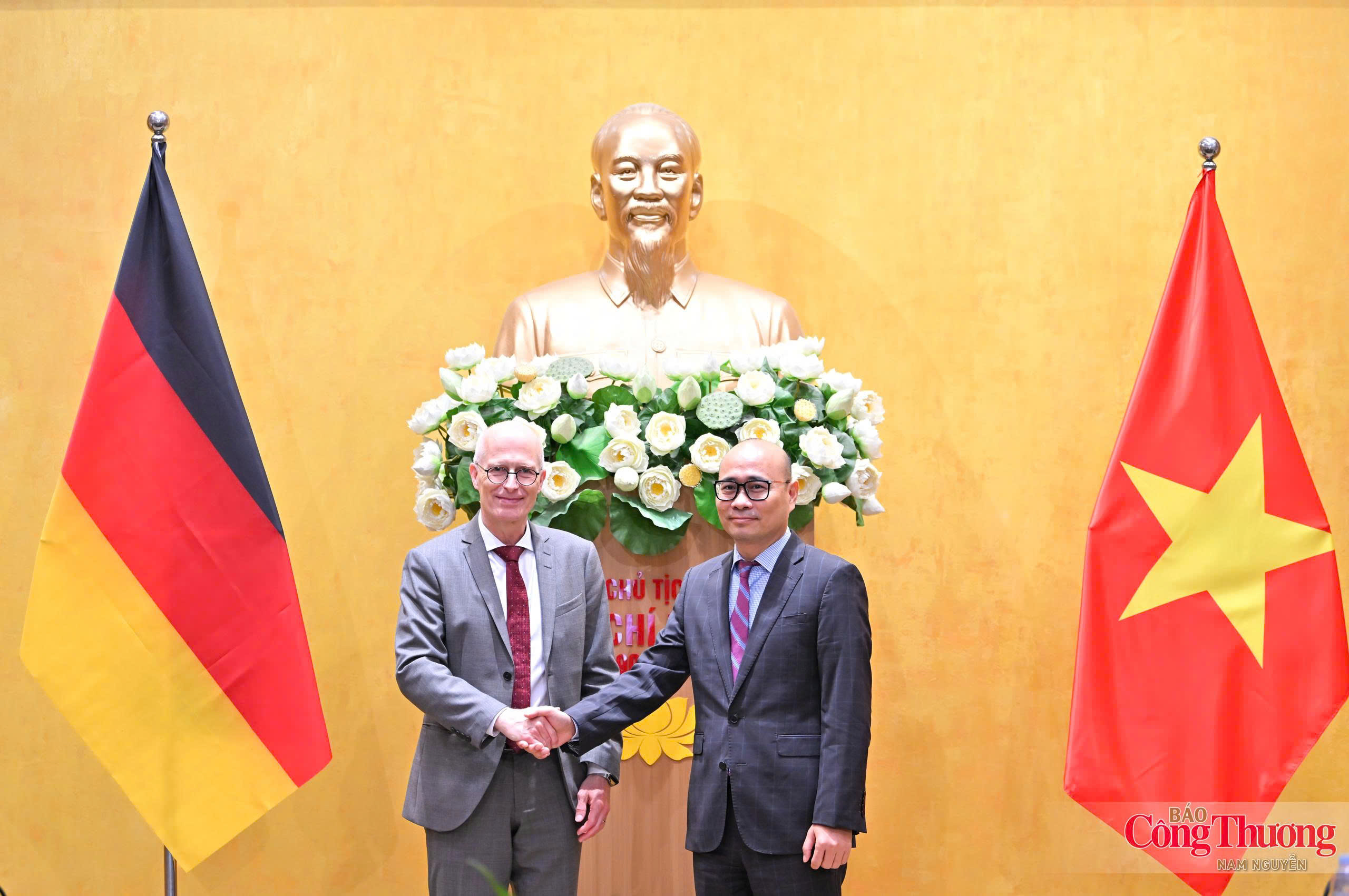
On October 14, Deputy Minister of Industry and Trade Luong Hoang Thai received and held a working session with a delegation from Hamburg, Germany, led by the city's First Mayor Peter Tschentscher at the Ministry of Industry and Trade's headquarters.
The Copyright Office is working closely with relevant agencies to develop plans for inspections and enforcement action against copyright and related rights infringements in the digital environment.
Viet Nam’s cultural industries are poised for growth as development targets become clearer, the digital content market expands and technology creates new ways.
The Vietnam Industry Agency under the Ministry of Industry and Trade and Samsung Vietnam continue to strengthen cooperation in developing supporting industries, enhancing the capabilities of domestic enterprises and expanding opportunities for their participation in global supply chains.
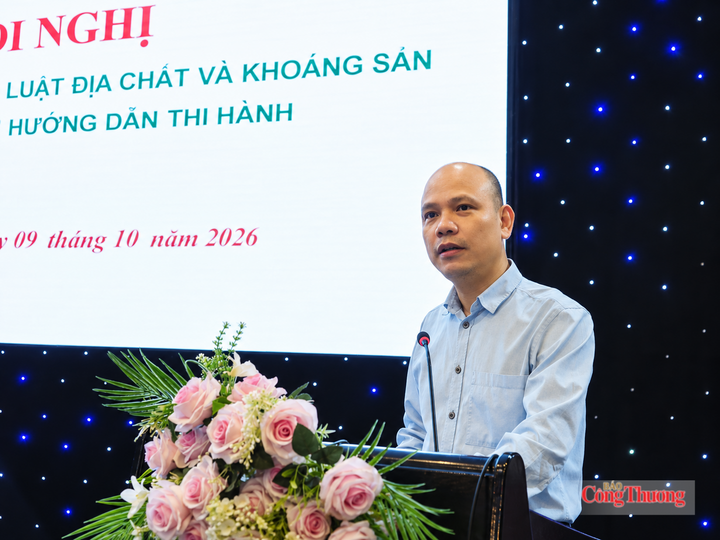
On October 9, the Viet Nam Department of Geology and Minerals, in coordination with the Thai Nguyen Department of Industry and Trade, held a conference in Thai Nguyen province to disseminate the Law on Geology and Minerals and its implementing regulations.
Northern localities are strengthening links in supporting industries, energy and logistics to build competitive value chains and create new growth drivers.
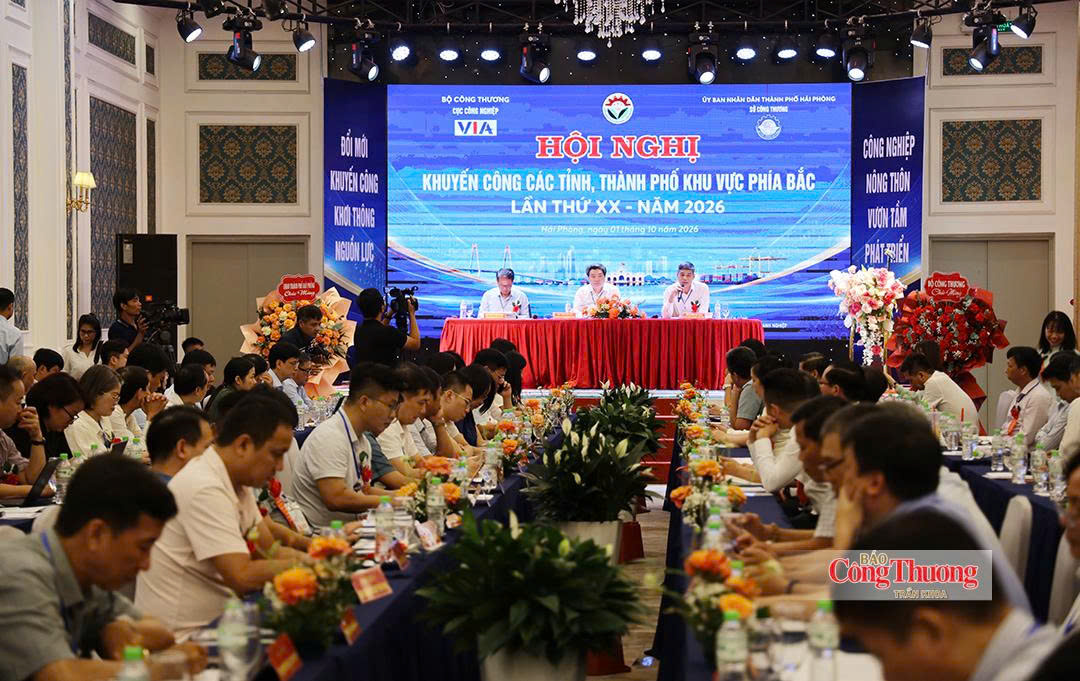
The 20th Industrial Promotion Conference for Northern Provinces and Cities in 2026 was held in Hai Phong City on October 1, with discussions focusing on renewing industrial promotion activities.
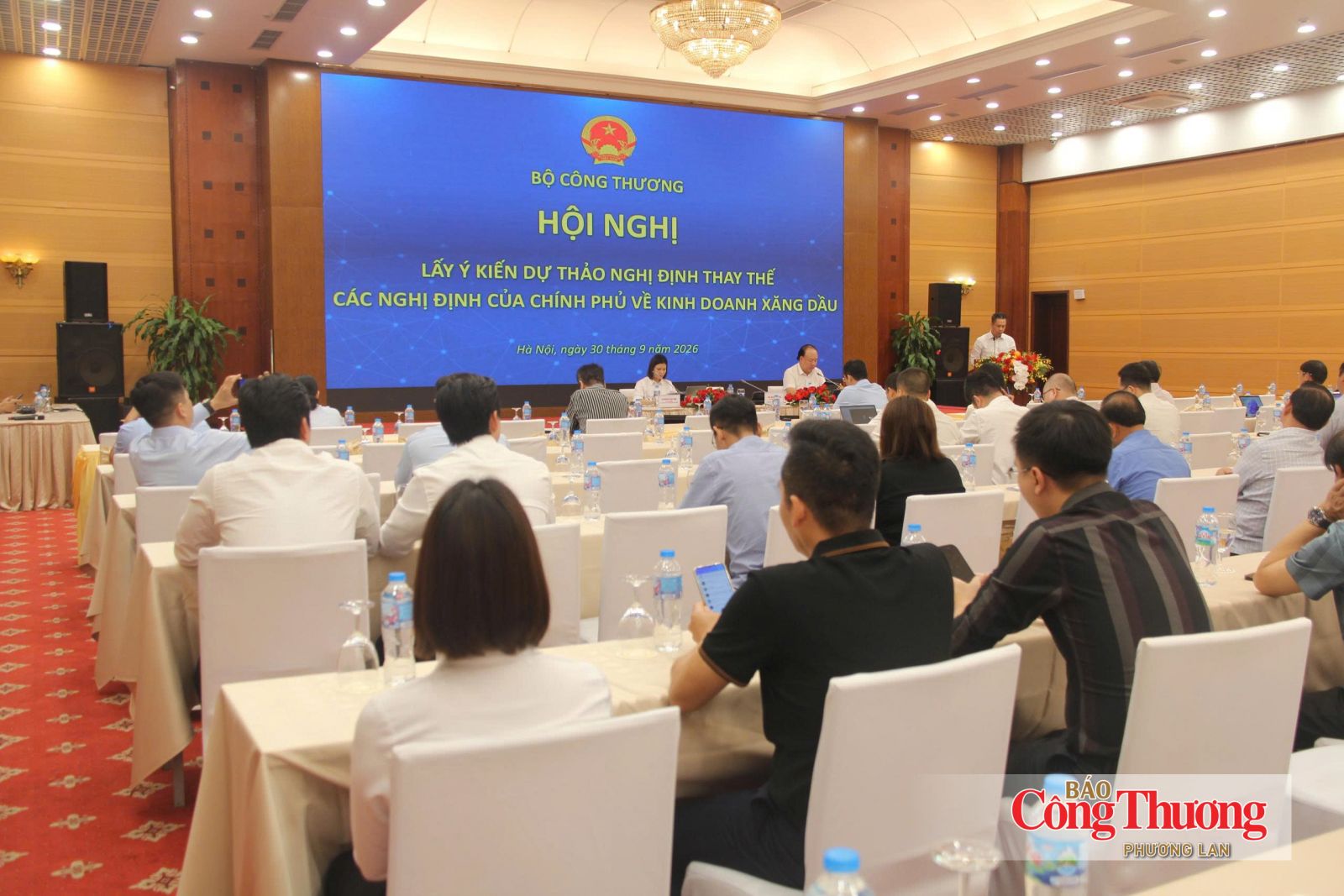
On September 30 in Ha Noi, the Ministry of Industry and Trade (MoIT) held a conference to gather broad feedback on a draft decree replacing the Government’s existing decrees on petroleum trading.