Smart manufacturing opens new opportunities for Viet Nam’s supporting industries, advancing green and digital transformation and boosting firms’ competitiveness.
Green transition and smart manufacturing become inevitable requirements
On the morning of August 6, the Viet Nam Automation Association (VAA) held the “Smart Manufacturing and Supporting Industries 2026” Forum at the Viet Nam Exhibition Center (VEC) in Dong Anh, Hanoi.
The event was attended by Nguyen Thi Lam Giang, Director of the Agency for Innovation, Green Transition and Industry Promotion (IGIP) under the Ministry of Industry and Trade, together with experts, scientists, representatives of universities, research institutes and industry associations, as well as a large number of manufacturing and technology enterprises.
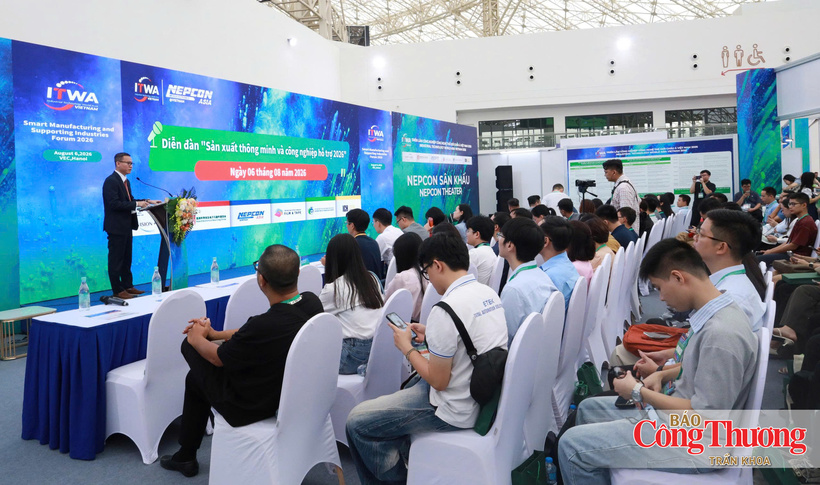
An overview of the forum.
Delivering the opening remarks, Dr. Do Nguyen Hung, Secretary General of the Viet Nam Automation Association, said the forum was held at a time when manufacturing enterprises were facing multiple requirements simultaneously, including improving productivity, controlling product quality, reducing costs, adapting to multi-product manufacturing models, accelerating the green transition and participating more deeply in global supply chains.
Against this backdrop, digital transformation, green transition and smart manufacturing were no longer experimental trends but had become inevitable requirements determining enterprises’ competitiveness and sustainable development.
According to Do Nguyen Hung, major policies recently introduced by the Party and the State, including Resolution No.57 on breakthroughs in science, technology, innovation and national digital transformation, Resolution No.68 on private economic development and Conclusion No.79 of the Party Central Committee, had created an important foundation for enterprises to increase investment in technology, digital transformation, green transition and supporting industry development.
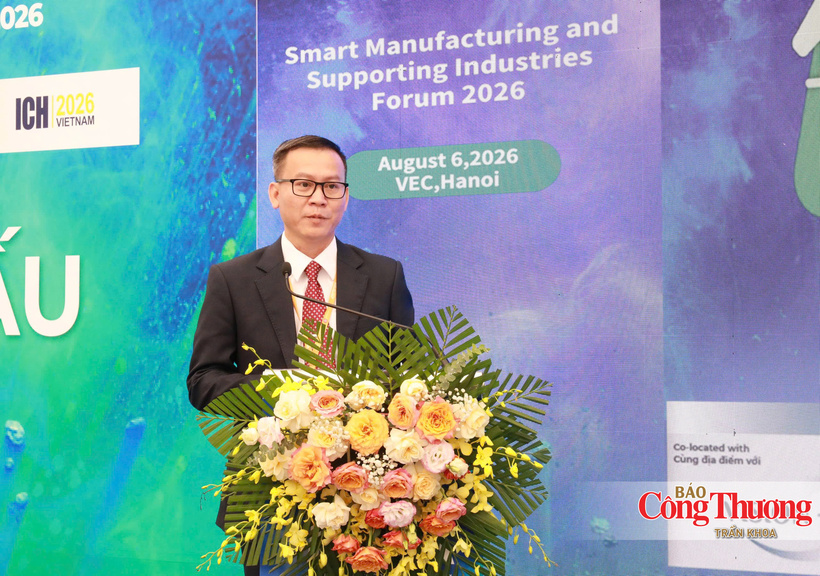
Dr. Do Nguyen Hung, Secretary General of the Viet Nam Automation Association, delivers the opening remarks at the forum.
Do Nguyen Hung said these three orientations were closely interconnected. Science and technology served as the foundation, the state economic sector played a facilitating role, while the private economic sector acted as the driving force in innovation and practical implementation.
The Viet Nam Automation Association plans to hold one or two forums each month. Through these forums, the association seeks to promote a cooperation model involving the State, enterprises, research institutes and universities, while connecting research with training, human resource supply, technology transfer, product development, and the commercialization of research outcomes.
If effectively implemented, this cooperation model would provide significant momentum for improving enterprises’ competitiveness and make practical contributions to the goal of achieving double-digit economic growth in the coming period.
Four key tasks
Opening the presentation session, Nguyen Thi Lam Giang, Director of the Agency for Innovation, Green Transition and Industry Promotion under the Ministry of Industry and Trade, delivered a presentation entitled “Policies to promote green transition and smart manufacturing in Viet Nam through 2030.”
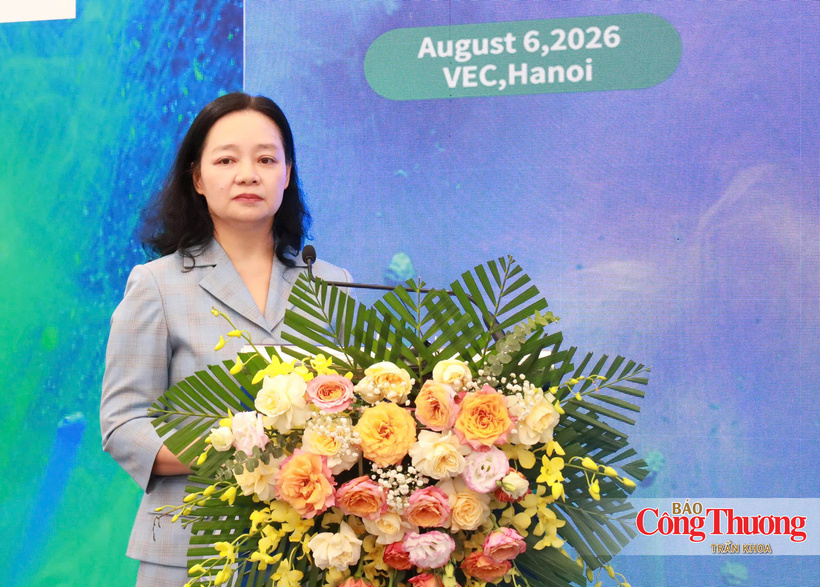
Nguyen Thi Lam Giang, Director of the Agency for Innovation, Green Transition and Industry Promotion under the Ministry of Industry and Trade, opens the presentation session.
Nguyen Thi Lam Giang said the industry and trade sector had implemented a range of programs covering environmental protection, cleaner production, sustainable production and consumption, economical and efficient energy use and the circular economy. However, these programs remained dispersed across different units and lacked effective coordination.
In line with Resolution No.57 and the Government’s policy on promoting smart manufacturing, the Ministry of Industry and Trade developed a support program to advance smart manufacturing and digital transformation among enterprises operating in the industry and trade sector.
Under the program, smart manufacturing is regarded as a tool for integrating digital and green transformation, helping enterprises address challenges relating to productivity, quality, market expansion and competitiveness.
According to Nguyen Thi Lam Giang, enterprises must be placed at the center of the transformation process, while the State should play a facilitating role by developing mechanisms and policies, creating a fair competitive environment, connecting different components of the ecosystem and providing support based on enterprises’ actual needs and levels of digital maturity.
To realize these objectives, the Ministry of Industry and Trade issued Decision No.2708/QD-BCT in 2025, approving a program to promote smart manufacturing and digital transformation across the industry and trade sector, covering industrial production, energy and trade.
The program will be implemented in two phases. Through 2030, it will focus on laying the foundations for smart manufacturing by providing training for enterprises, developing a network of consultants and experts, and formulating assessment indexes, standards, technical regulations and reference architectures for digital transformation.
Through 2035, the program will continue expanding its scale and raising the level of smart technology application across the sector. To achieve these objectives, the program focuses on four key groups of tasks.
First, it seeks to improve institutions, standards and architectures for smart manufacturing by developing appropriate mechanisms and policies, assessment indexes, standards, technical regulations and reference architectures to support enterprises.
Second, it focuses on developing human resources and a digital culture, with particular attention paid to strengthening business leaders’ strategic thinking, improving workers’ skills, developing a network of experts and consultants and fostering a digital culture within enterprises.
Third, the program aims to develop an ecosystem and strengthen international cooperation by connecting enterprises with research institutes, universities, experts and solution providers in order to introduce technology into manufacturing activities.
Fourth, it promotes the development of technology, data and digital infrastructure, gradually building and connecting databases, while developing digital platforms and digital models to support production and business operations.
Nguyen Thi Lam Giang emphasized that the Ministry of Industry and Trade was responsible for policy development and strategic orientation, while the program’s success would depend on the active participation of enterprises, associations, research institutes, universities and technology solution providers.
As Viet Nam works toward the goal of achieving double-digit economic growth, smart manufacturing has been identified as one of the country’s strategic technology fields, contributing to the development of a greener, smarter and more sustainable industrial sector.
On October 13, the Agency of Foreign Trade under the Ministry of Industry and Trade (MoIT) held a conference in Dong Thap province to disseminate Government Decree No.365/2026/ND-CP dated September 23, 2026, on rice export and import business, and Circular No.65/2026/TT-BCT dated October 1, 2026, issued by the Minister of Industry and Trade, detailing certain provisions and measures for implementing Decree No.365/2026/ND-CP.
On October 13, Deputy Minister of Industry and Trade Luong Hoang Thai held a working session with MEDEF International, a French business organization, and representatives of French corporations operating in various sectors, including energy, industry, transport, construction and infrastructure development, food and beverages, and services, at the Ministry of Industry and Trade's headquarters.
On October 14, Deputy Minister of Industry and Trade Luong Hoang Thai received and held a working session with a delegation from Hamburg, Germany, led by the city's First Mayor Peter Tschentscher at the Ministry of Industry and Trade's headquarters.
The Copyright Office is working closely with relevant agencies to develop plans for inspections and enforcement action against copyright and related rights infringements in the digital environment.
Viet Nam’s cultural industries are poised for growth as development targets become clearer, the digital content market expands and technology creates new ways.
The Vietnam Industry Agency under the Ministry of Industry and Trade and Samsung Vietnam continue to strengthen cooperation in developing supporting industries, enhancing the capabilities of domestic enterprises and expanding opportunities for their participation in global supply chains.
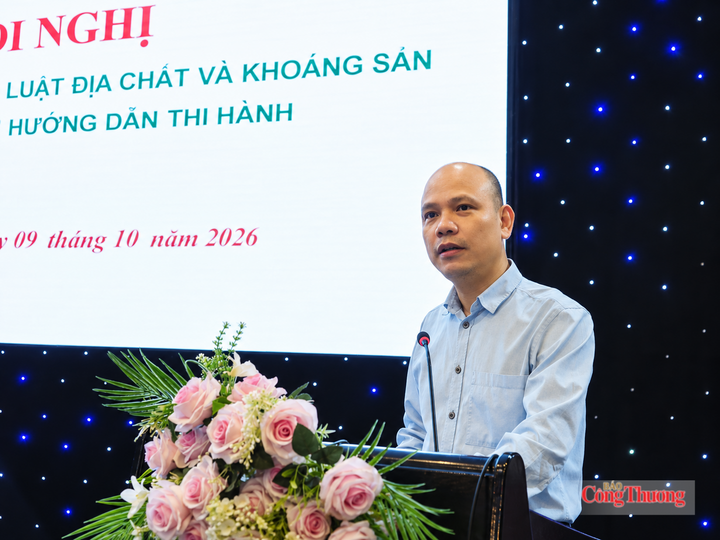
On October 9, the Viet Nam Department of Geology and Minerals, in coordination with the Thai Nguyen Department of Industry and Trade, held a conference in Thai Nguyen province to disseminate the Law on Geology and Minerals and its implementing regulations.
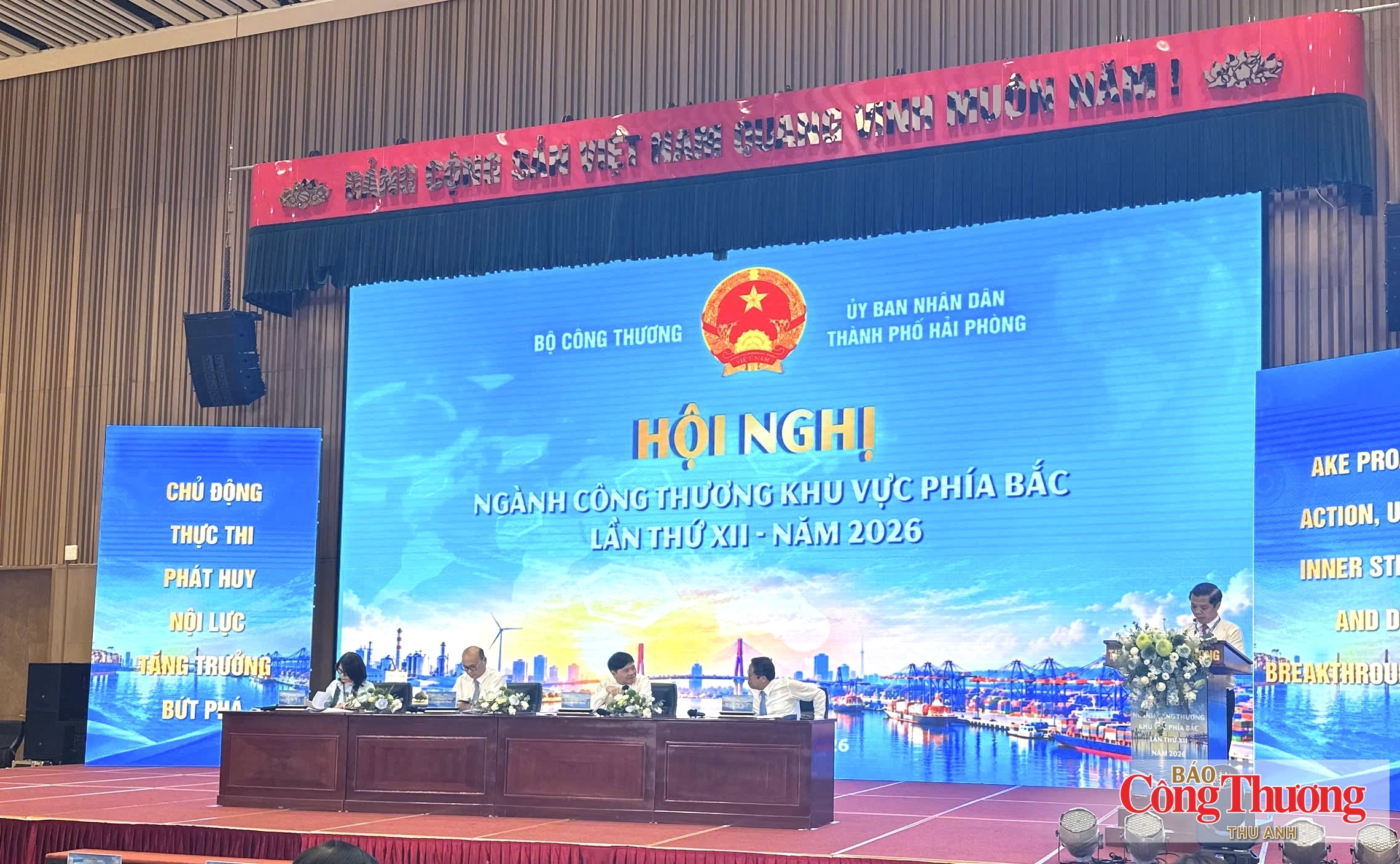
Northern localities are strengthening links in supporting industries, energy and logistics to build competitive value chains and create new growth drivers.
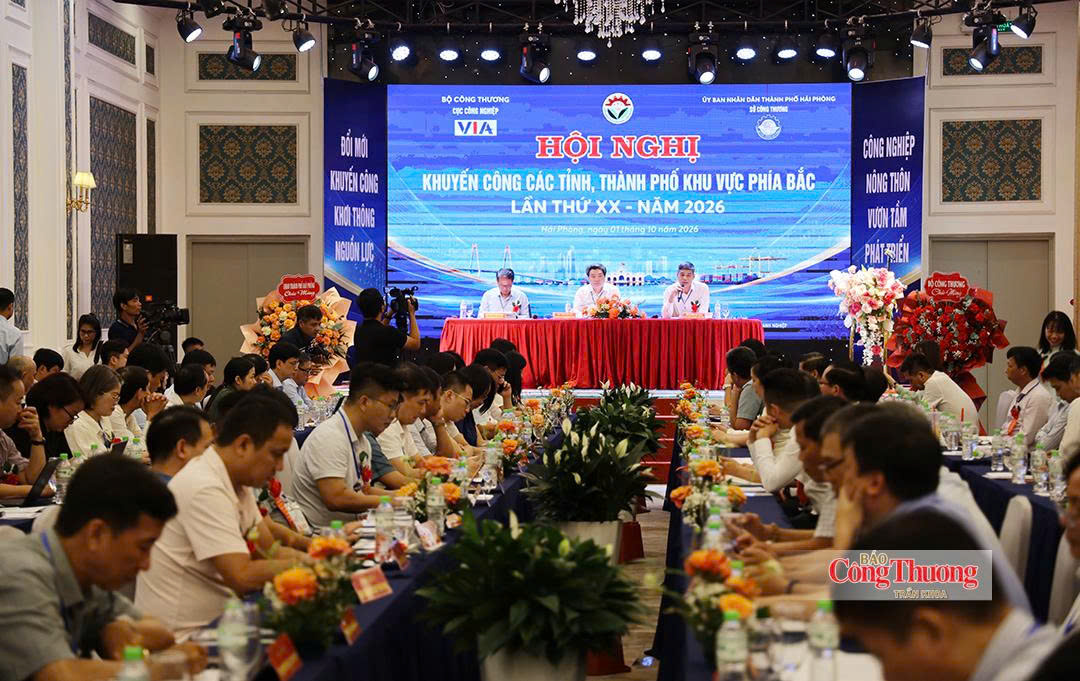
The 20th Industrial Promotion Conference for Northern Provinces and Cities in 2026 was held in Hai Phong City on October 1, with discussions focusing on renewing industrial promotion activities.
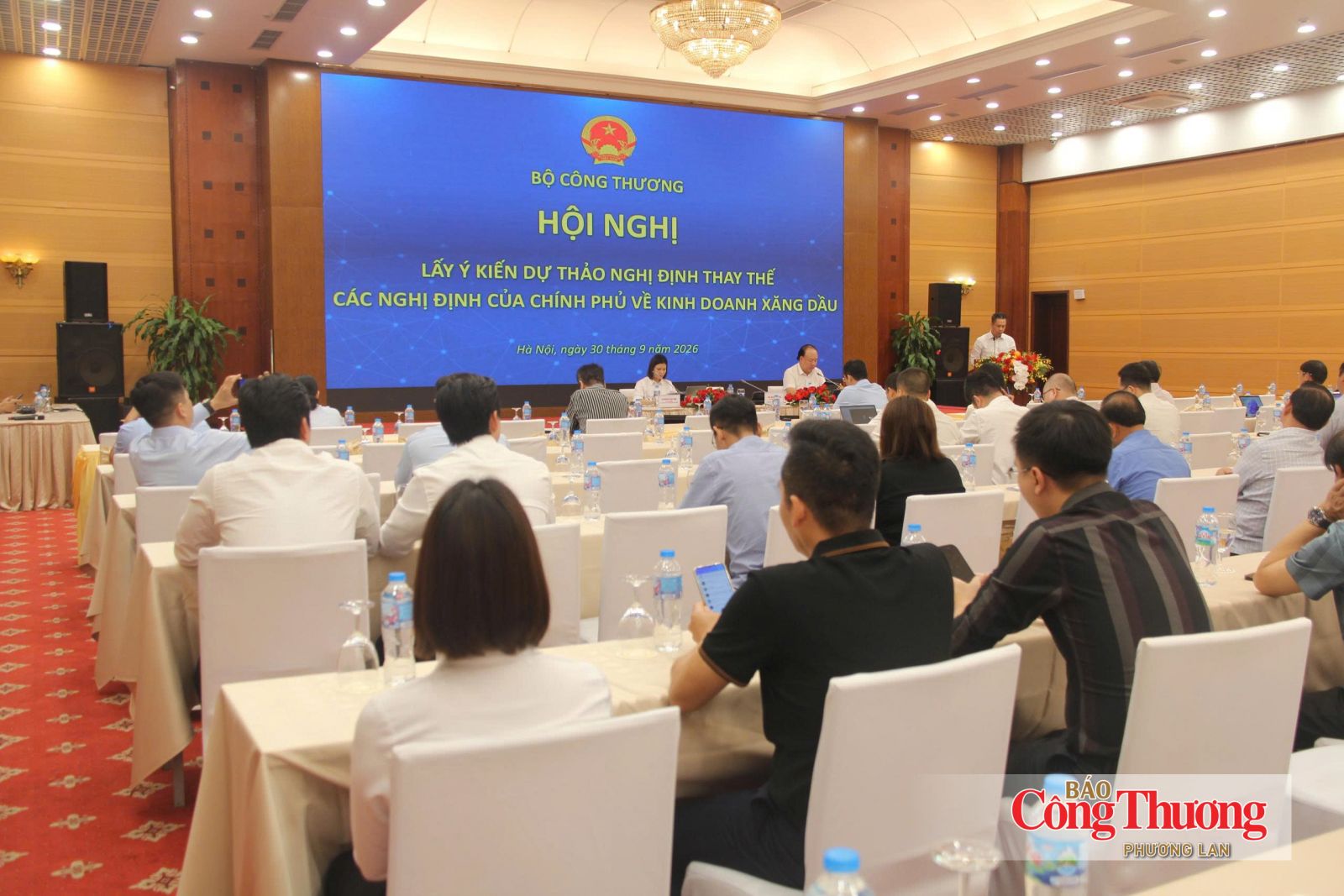
On September 30 in Ha Noi, the Ministry of Industry and Trade (MoIT) held a conference to gather broad feedback on a draft decree replacing the Government’s existing decrees on petroleum trading.