Viet Nam’s cultural industries are poised for growth as development targets become clearer, the digital content market expands and technology creates new ways.
Significant potential, with innovation key to growth
In November 2025, the Prime Minister signed Decision No.2486/QD-TTg approving the Strategy for the Development of Viet Nam’s Cultural Industries to 2030, with a vision to 2045. The strategy sets a target for cultural industries to achieve average annual growth of around 10% and contribute 7% of GDP by 2030.
Lawyer Phan Vu Tuan, Vice Chairman of the Ho Chi Minh City Intellectual Property Association.
Lawyer Phan Vu Tuan, Vice Chairman of the Ho Chi Minh City Intellectual Property Association, said cultural industries had significant growth potential. The sector currently contributes around 4% of GDP, leaving a considerable gap compared with the Republic of Korea’s peak contribution of 12% and the United States’ 11%. By 2045, Viet Nam aims to raise the sector’s contribution to 9% of GDP, ensure that 80% of cultural industry products are digital products and establish five to 10 national brands.
The gap between these targets and the current situation highlights the sector’s substantial room for growth, while also underscoring the need to change its development model. As creative activities increasingly move into the digital environment, the ability to produce content alone is no longer sufficient. Sustainable growth in cultural industries also requires distribution infrastructure, mechanisms for identifying and authenticating works, copyright management tools and effective ways to connect creators with communities.
UNESCO’s report Re|Shaping Policies for Creativity shows that digital revenues now account for 35% of creators’ income, up from 17% in 2018. However, this shift also brings risks, including income instability, intellectual property infringement and market concentration among a small number of streaming platforms. Generative AI is also expected to reduce revenues for music and audiovisual creators in the coming years.
According to Phan Vu Tuan, one of the key challenges Viet Nam needs to address is the lack of sufficiently strong digital content distribution platforms. Much of the country’s content still relies on global platforms. He cited music videos and YouTube as examples, noting that Viet Nam’s music industry depends on foreign platforms and that many activities are carried out through MCNs (Multi-Channel Networks).
Another bottleneck is data infrastructure. Viet Nam publishes hundreds of thousands of works each year, but only around 3,000 have been assigned codes originating in Viet Nam. Meanwhile, the number of works using foreign codes, particularly those from the United States, has not yet been fully documented. This situation reflects the country’s lack of data infrastructure to manage and connect the cultural industries ecosystem.
Viet Nam has introduced sandbox mechanisms in various sectors, but a similar framework remains lacking for cultural industries. According to Phan Vu Tuan, without a unified data infrastructure, products and data will remain fragmented, difficult to integrate and unable to generate greater value for the sector as a whole.
Viet Nam’s Strategy for the Development of Cultural Industries to 2030, with a vision to 2045, targets average annual growth of around 10% and a 7% contribution to GDP by 2030.
Technology opens up new avenues for development
Against this backdrop, technology models designed to connect data, creators and fan communities could form part of the solution. FANOS is one example, developed as a specialised social network where artists can build communities and connect directly with fans using their own data.
FANOS uses blockchain technology to record and authenticate fans’ journeys of engagement with artists. Activities such as attending concerts, owning merchandise, interacting with artists and supporting them are stored as transparent, tamper-proof data. The approach goes beyond a single voting campaign: FANOS also digitises concert tickets and merchandise into “milestones of engagement”, preserving the points of connection between artists and fans after events have ended.
This approach allows fan engagement to be viewed over a longer period. Rather than relying solely on follower counts or interaction volumes at a particular moment, artists can gain additional insights into people who actively participate in their communities. Data can therefore serve not only content distribution, but also help creators understand audiences, develop products and increase the value of their intellectual property assets.
FANOS is currently focused on developing infrastructure for fan communities, while also aiming to support copyright management, digital assets and Fan ID authentication for artists and Vietnamese intellectual properties (IPs). Although it remains a specific model, this approach illustrates how the ability to apply technology and maintain control over data will be closely linked to the potential for a breakthrough in cultural industries.
With a target of average annual growth of around 10% through 2030, Viet Nam’s cultural industries have considerable room to expand. However, turning this opportunity into real economic value will require more than simply producing additional content. The country needs robust digital infrastructure, effective mechanisms to protect creators and platforms that enable Vietnamese cultural products to be managed, distributed and commercialised efficiently. By connecting these essential components, technology can become a catalyst for cultural industries to enter a new phase of development.
Viet Nam’s cultural industries are poised for growth as development targets become clearer, the digital content market expands and technology creates new ways.
Developing a law on cultural industries means establishing a unified legal framework that connects culture with investment, science, technology, innovation.
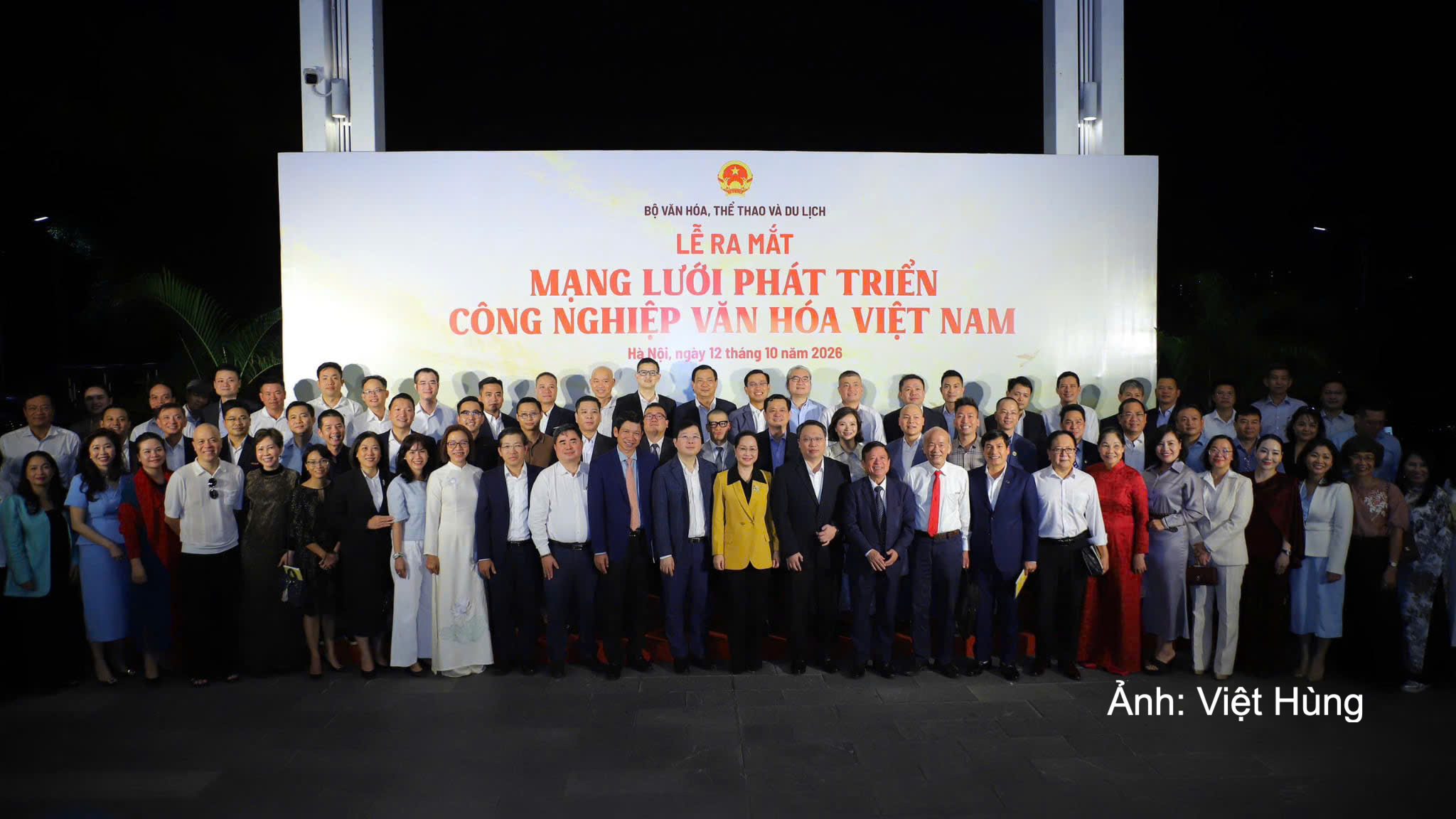
On October 12 , the Ministry of Culture, Sports and Tourism launched the Viet Nam Cultural Industries Development Network and announced a list of 16 key challenges for 2026.
Viet Nam - Malaysia trade hit USD 17.4 billion in the first nine months of 2026, exceeding the 2025 full-year total and signaling a stronger-than-expected year.
The Vietnam Industry Agency under the Ministry of Industry and Trade and Samsung Vietnam continue to strengthen cooperation in developing supporting industries, enhancing the capabilities of domestic enterprises and expanding opportunities for their participation in global supply chains.
On October 12 , the Ministry of Culture, Sports and Tourism launched the Viet Nam Cultural Industries Development Network and announced a list of 16 key challenges for 2026.
Experts warn that RSV can hospitalize even healthy infants under one, with severe cases linked to long-term respiratory problems and no specific treatment available.
Vietnamese and international experts call for routine influenza vaccination to better protect older adults from severe complications and preventable deaths.
On the morning of September 1, tens of thousands of people nationwide flocked to Ba Dinh Square in Ha Noi to visit Ho Chi Minh Mausoleum and pay tribute.
In the lead-up to National Day on September 2, Ha Noi is awash in red flags and festive decorations, creating a vibrant atmosphere and stirring national pride.