MoIT will undertake 37 tasks under Program 02 to advance science, technology, innovation and digital transformation across industry and energy sectors nationwide.
Continuing to refine the plan to implement Resolution 57
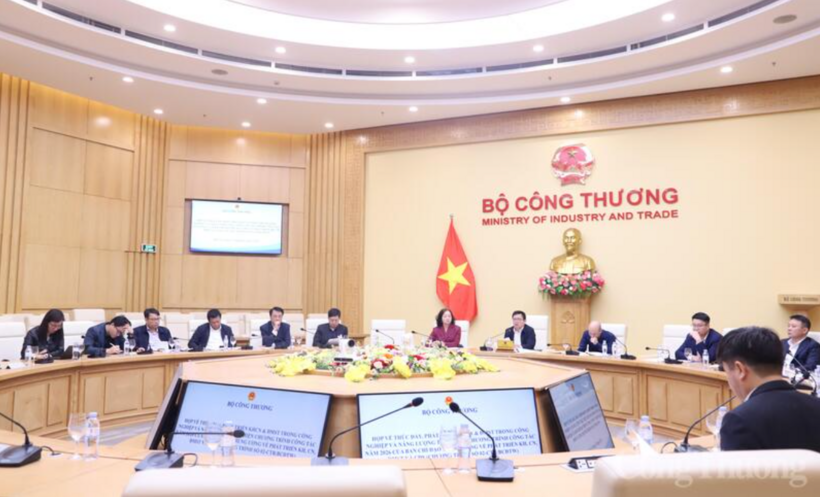
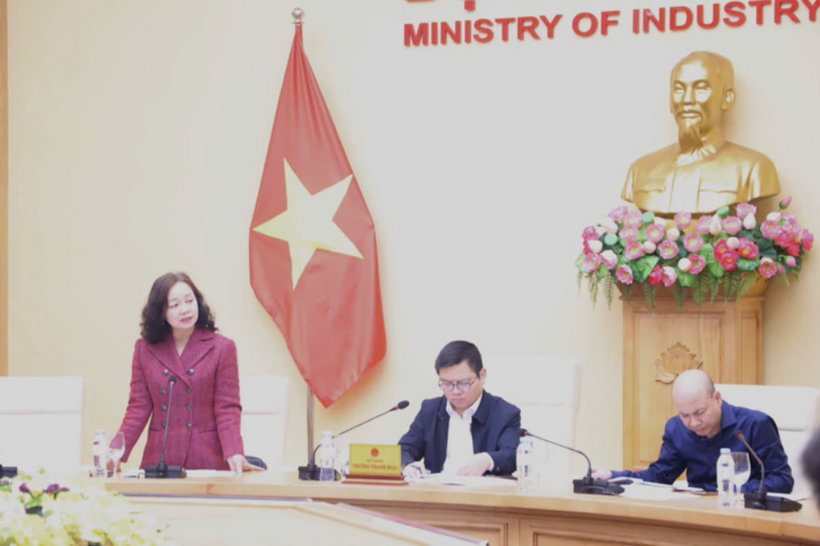
On February 11, the Ministry of Industry and Trade (MoIT) held a meeting to promote the development of science and technology, innovation, and digital transformation in the fields of industry and energy, and to implement the 2026 work program of the Central Steering Committee on science and technology development, innovation, and digital transformation (Program No. 02-CTr/BCDTW). The meeting was chaired by Deputy Minister Truong Thanh Hoai.
The meeting is chaired by Deputy Minister of Industry and Trade Truong Thanh Hoai.
At the meeting, Nguyen Thi Lam Giang, Director General of the Department of Innovation, Green Transition and Industrial Promotion under the MoIT, said that under Program No. 02-CTr/BCDTW, the ministry is expected to undertake 37 tasks, of which eight are assigned directly and 29 require coordination with other ministries and sectors.
Based on the assigned tasks under Program No. 02-CTr/BCDTW and the functions and mandates of units under the ministry, the agency has proposed a detailed plan for task allocation.
Accordingly, the agency is expected to take charge of 13 tasks, mainly related to advisory work, serving direction and administration, and matters concerning science and technology and innovation. The Vietnam E-commerce and Digital Economy Agency is projected to undertake 13 tasks focusing on digital transformation. The ministry’s Office will be responsible for three tasks related to administrative reform; the Personnel and Organization Department will handle three tasks associated with human resource development; the Legal Affairs Department will assume two tasks; and the Industry Agency will undertake three tasks concerning industrial development.
On this basis, the Department of Innovation, Green Transition and Industrial Promotion will continue to finalize the MoIT’s 2026 plan to implement Resolution No.57-NQ/TW.
Ensuring feasibility and substantive effectiveness
Regarding several directives of the Central Steering Committee, further review is required to clearly identify priority sectors, fields, technologies, and products for implementation. At the meeting, the agency proposed that the Deputy Minister consider directing the study, selection, and implementation of three to five large-scale tasks to create breakthroughs and generate tangible progress in science and technology development, innovation, and digital transformation within the ministry’s management scope.
These large-scale tasks, it was suggested, must incorporate breakthrough initiatives linked to key issues with broad impact; form clusters or chains of science and technology, innovation, and digital transformation activities; and deliver specific outputs with clear measurement indicators, designated receiving and application units, and quarterly implementation timelines. Priority should be given to tasks that enhance productivity and quality and have strong potential for replication.
Nguyen Thi Lam Giang, Director General of the Department of Innovation, Green Transition and Industrial Promotion. Photo: Quynh Nga
The meeting also discussed the selection of three to five major tasks in digital transformation to improve productivity, quality, and scalability; the implementation of a program to upgrade enterprise technology along supply chains; and the establishment of three regional industrial support centers.
In his remarks, Deputy Minister Truong Thanh Hoai emphasized that tasks must meet the criteria of a sufficiently large market scale and strong commercialization potential. He called for avoiding dispersion and formalism, ensuring feasibility and substantive effectiveness.
He also stressed the need to assign clear accountability to heads of units and to ensure that outputs and impacts are quantified. “Implementation results must be measured by specific indicators and data; supervision on digital platforms should be strengthened; financial and time waste must be prevented; and investment efficiency must be strictly controlled from the stage of task identification and resource allocation,” he said.
The Deputy Minister underscored that enterprises must be placed at the center of translating and applying science and technology and innovation outcomes into practice.
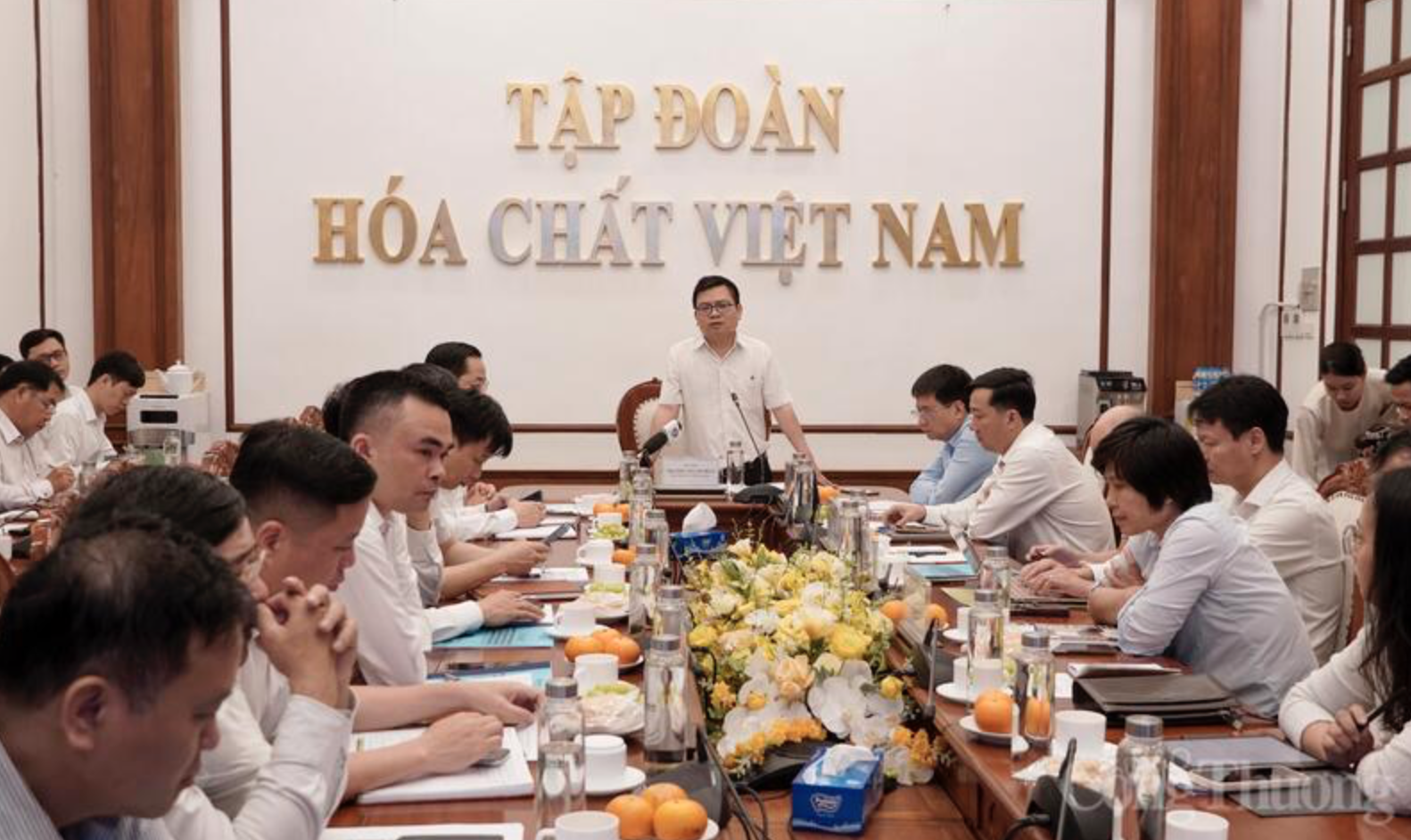
Deputy Minister Truong Thanh Hoai urges Vinachem to develop two key labs meeting international standards to advance its role in strategic tech value chains.
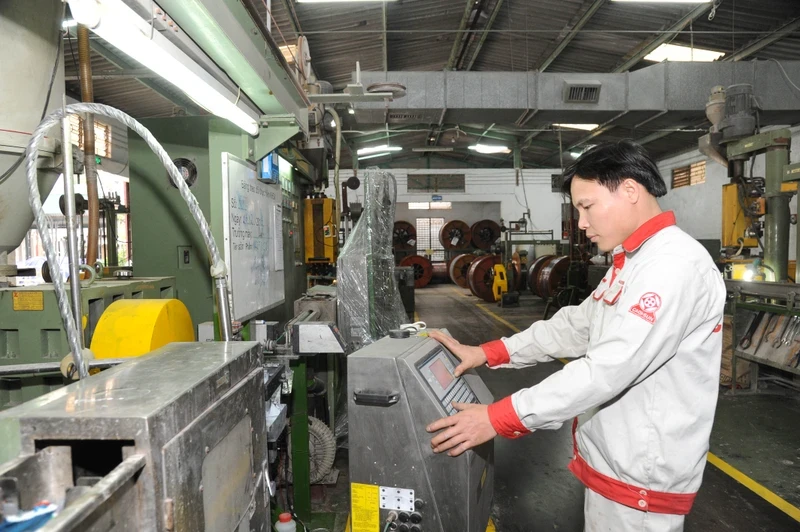
The Hung Yen provincial Industrial Promotion Program for 2026-2030 supports enterprise digital transformation and boosts science technology application and innovation.
Deputy Minister Truong Thanh Hoai urges Vinachem to develop two key labs meeting international standards to advance its role in strategic tech value chains.
Prime Minister calls for stronger power conservation and rooftop solar expansion to ensure stable electricity supply and safeguard national energy security.