Deputy Prime Minister Nguyen Chi Dung calls for strong, coordinated and long-term solutions to accelerate Vietnam’s semiconductor industry development.
A wave of supply chain shifts
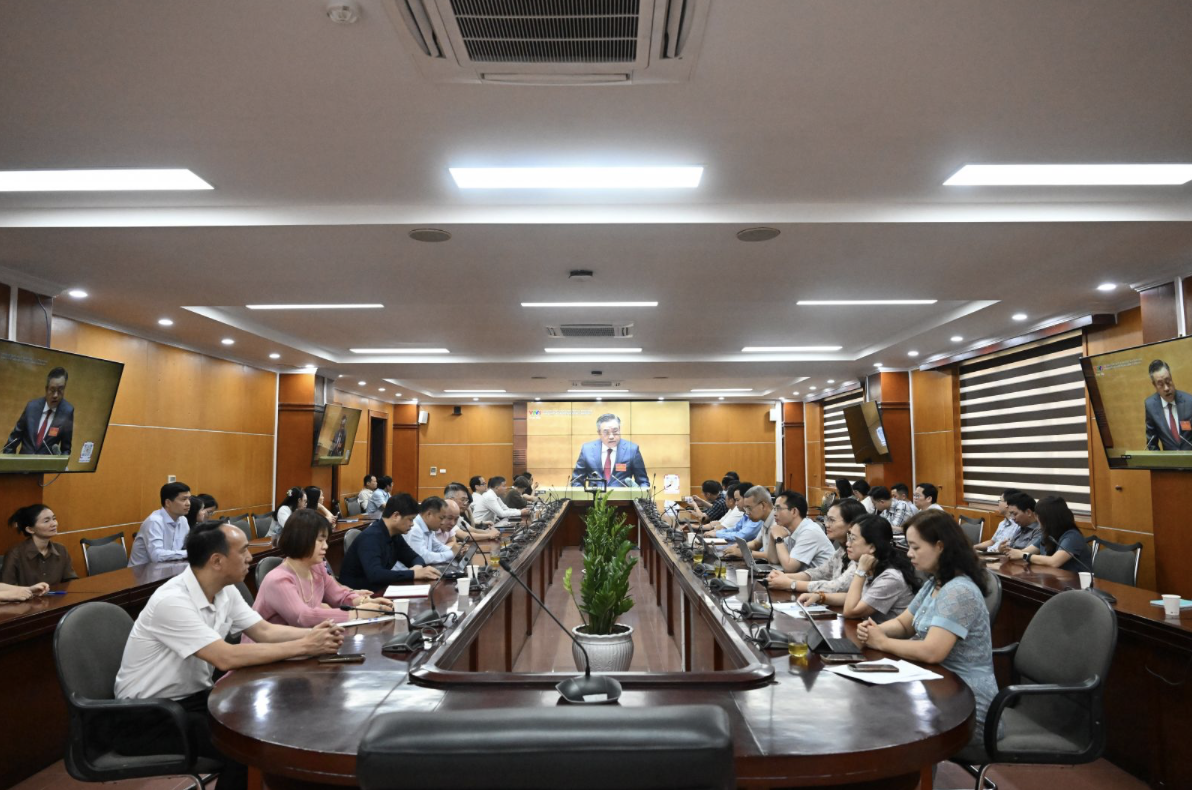
On March 10, Deputy Prime Minister Nguyen Chi Dung chaired the first 2026 meeting of the National Steering Committee for the development of the semiconductor industry.
Speaking at the meeting, Deputy Prime Minister Nguyen Chi Dung said the global semiconductor industry continues to grow rapidly while undergoing profound restructuring in both technology and supply chains.
The rapid advancement of artificial intelligence and emerging digital technologies has further underscored the foundational role of semiconductors in the global digital economy, particularly in areas such as artificial intelligence, cloud computing, the Internet of Things and big data.
Deputy Prime Minister Nguyen Chi Dung chairs the first 2026 meeting of the National Steering Committee for the Development of the Semiconductor Industry. Photo: VGP
According to the Deputy Prime Minister, many countries and major economies are stepping up efforts to diversify supply chains and strengthen strategic autonomy in the semiconductor sector. In this context, Southeast Asia, particularly Vietnam is emerging as an important link in the global value chain.
In recent years, ministries and agencies have proactively implemented a range of tasks under the national semiconductor industry development strategy and the program for developing the semiconductor workforce.
Efforts have focused on removing institutional barriers, improving the legal framework and selectively attracting foreign investment while strengthening the domestic capabilities of Vietnamese enterprises.
To date, many of the world’s leading technology companies have invested in and expanded operations in Vietnam, primarily in semiconductor assembly, packaging and testing. Vietnamese companies have also begun participating in the global value chain, gradually enhancing their capabilities in chip design, production and related services.
A semiconductor manufacturing plant project has already been launched.
At the same time, Vietnam is stepping up international cooperation, promoting public-private partnerships and advancing the “State-University-Enterprise” linkage model to support research and technology development while training high-quality human resources for the semiconductor industry.
Deputy Prime Minister Nguyen Chi Dung stresses that developing the semiconductor industry is a highly challenging task with many obstacles. Photo: VGP
How Vietnam is preparing for the semiconductor race
At the meeting, delegates provided updates on foreign investment attraction in the semiconductor sector, workforce training in Vietnam, and policy solutions to promote semiconductor development at the local level, as well as challenges facing training, research and production activities.
Concluding the meeting, Deputy Prime Minister Nguyen Chi Dung acknowledged the close coordination among ministries and agencies in preparing the meeting’s agenda and praised the constructive contributions made by members of the Steering Committee and participating delegates.
He stressed that developing the semiconductor industry is a highly challenging task.
Vietnam’s domestic semiconductor ecosystem remains underdeveloped, high-quality human resources are still limited, infrastructure supporting the sector requires further investment, and international cooperation needs to be expanded.
On that basis, the Steering Committee agreed that the action motto for 2026 will be: “Decisive implementation - Synchronized coordination - Focused priorities - Delivering tangible results.”
The Deputy Prime Minister emphasized that Vietnam must adopt strong, coordinated and long-term solutions to advance the semiconductor industry.
He called on ministries, agencies and local authorities to focus on key tasks. The Ministry of Science and Technology will continue to play a core role in coordinating and promoting research into core technologies. The Ministry of Finance will finalize tax and investment incentive policies. The Ministry of Foreign Affairs will strengthen international cooperation. The Ministry of Education and Training will accelerate the development of high-quality human resources.
According to Deputy Prime Minister Nguyen Chi Dung, strong, coordinated and long-term solutions are needed to advance the development of the semiconductor industry. Photo: VGP
The Ministry of Industry and Trade will study and complete policies supporting the development of the electronics and semiconductor industries while ensuring adequate energy supply and infrastructure for high-tech manufacturing.
Local authorities were urged to proactively prepare infrastructure, improve the investment environment and develop policies to attract high-tech projects.
The Deputy Prime Minister also called on universities and research institutes to strengthen cooperation with businesses, while encouraging domestic technology companies to enhance their capabilities, invest in research and development and gradually deepen their participation in the global semiconductor value chain.
In 2025, the National Assembly passed 13 laws directly or indirectly related to the development of the semiconductor industry.
Vietnam has now become involved in all stages of the global semiconductor value chain, attracting more than 50 chip design companies employing around 7,000 engineers, along with several major projects in packaging and testing.
Total foreign direct investment in the semiconductor sector has exceeded USD 14.2 billion across 241 projects.
In terms of human resources, Vietnam has more than 240 universities, producing about 134,000 engineering graduates each year, including roughly 6,000 integrated circuit design engineers.
On April 13 in Hanoi, Prime Minister Le Minh Hung and Slovak Prime Minister Robert Fico attended the opening session of the Vietnam - Slovakia Business Forum.
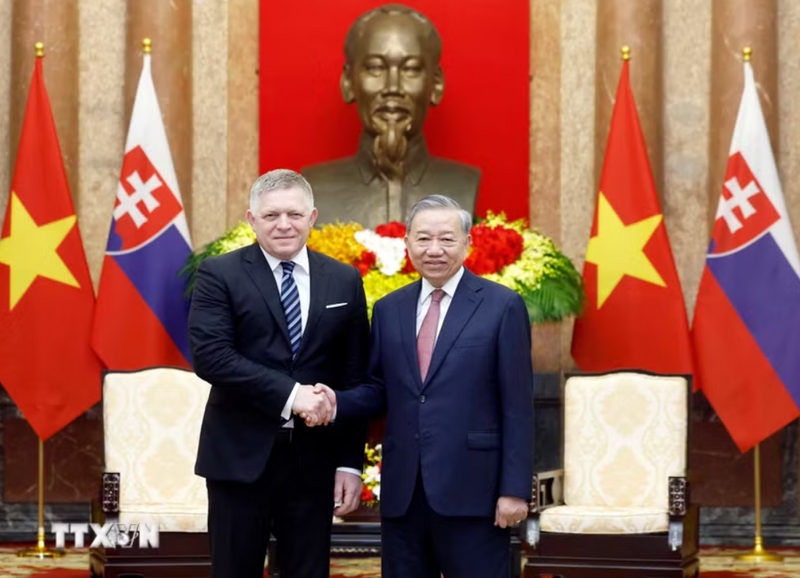
Vietnam and Slovakia upgraded ties to a Strategic Partnership during Prime Minister Robert Fico’s visit, paving the way for deeper cooperation across key sectors.
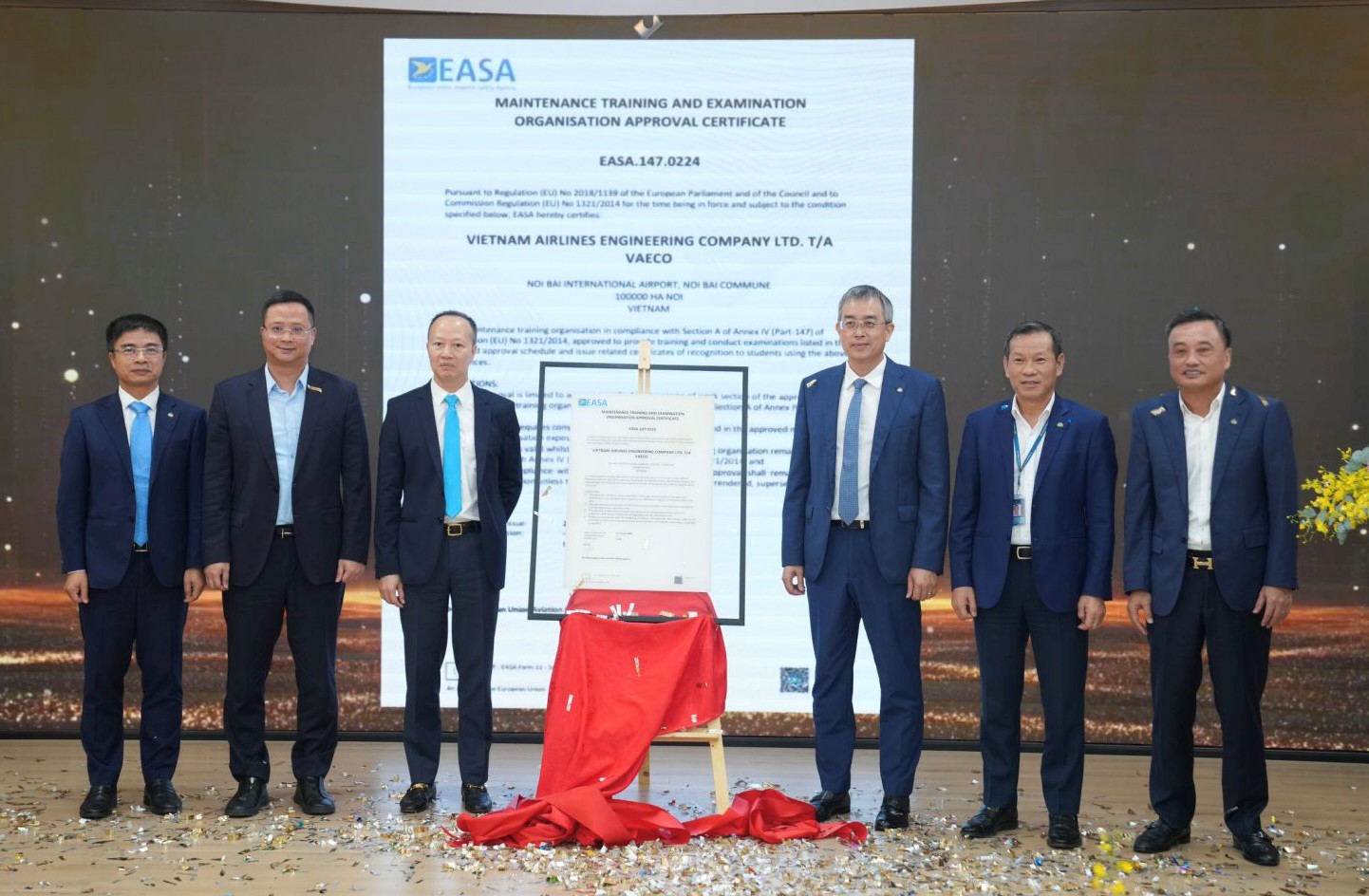
For the first time, a Vietnamese firm secures EASA Part 147 approval, enabling domestic training of aircraft maintenance engineers to European standards.
On April 13 in Hanoi, Prime Minister Le Minh Hung and Slovak Prime Minister Robert Fico attended the opening session of the Vietnam - Slovakia Business Forum.
Vietnam and Slovakia upgraded ties to a Strategic Partnership during Prime Minister Robert Fico’s visit, paving the way for deeper cooperation across key sectors.