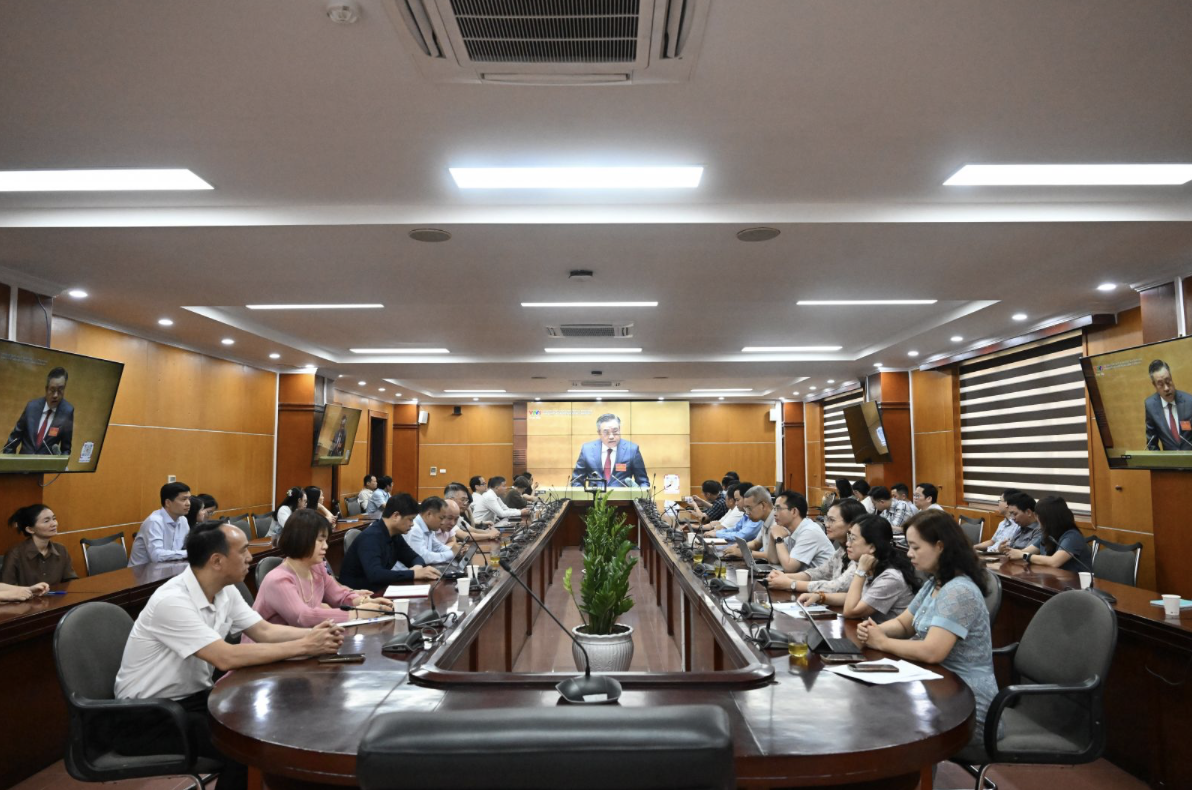
On the afternoon of March 10, at the Government headquarters, Prime Minister Pham Minh Chinh chaired a meeting with the task force on ensuring energy security.
Also attending were Deputy Prime Minister Bui Thanh Son, head of the task force, along with leaders of ministries, agencies, and major economic groups operating in the energy sector.
Prime Minister Pham Minh Chinh chaires a meeting with the task force responsible for ensuring energy security. Photo: VNA
Reports and opinions presented at the meeting assessed that immediately after the latest developments in the Middle East conflict, the Government, the Prime Minister, ministries, and relevant agencies responded with timely, appropriate, flexible, and effective measures. These actions have helped keep the situation under control and minimize negative impacts on the economy, production and business activities, and people's consumption.
The Prime Minister promptly established the task force to monitor the situation, study developments, and propose solutions. He also sent letters and held phone calls with world leaders, including the prime ministers of Japan, Kuwait, and Qatar, and the president of the UAE, and will continue exchanges with other international leaders while promoting energy diplomacy.
The Government has also promptly issued necessary documents, including resolutions and decrees, to manage the situation, while directing the prioritization of domestic production and consumption of goods and promoting energy conservation. The Ministry of Industry and Trade, the Ministry of Foreign Affairs, and energy and petroleum groups and enterprises have actively worked to secure possible supply sources.
After hearing reports and opinions, Prime Minister Chinh concluded that immediately after the conflict broke out, Vietnam promptly assessed its potential impacts on the country, particularly regarding energy, macroeconomic management, economic growth, and inflation control. The conflict could also affect costs and logistics, while raising risks of speculation, hoarding, and cross-border smuggling, which could increase production costs and reduce the competitiveness of goods.
The Prime Minister stressed that the overarching objective is to ensure that energy shortages do not occur under any circumstances. He noted that the situation remains under control and commended ministries, especially the Ministry of Industry and Trade and the Ministry of Foreign Affairs, along with relevant agencies, groups, and enterprises, for their efforts in implementing assigned tasks.
Regarding upcoming measures, the Prime Minister instructed relevant authorities to continue diversifying crude oil supply sources. The Ministry of Industry and Trade was tasked with coordinating with the Ministry of Foreign Affairs, the Vietnam National Industry - Energy Group (Petrovietnam), and related agencies to promptly implement outcomes from the Prime Minister’s recent phone calls with leaders of Gulf countries.
For petroleum imports, the Ministry of Industry and Trade was directed to instruct key petroleum traders to proactively seek supply sources, increase imports, and allocate them according to assigned plans to ensure that 30% of domestic petroleum demand is met through imports. At the same time, enterprises must maintain required reserves and develop supply scenarios for different situations.
Regarding domestic market management, the Ministry of Finance was assigned to continue closely coordinating with the Ministry of Industry and Trade to manage petroleum prices in accordance with regulations, closely monitoring daily price developments and proactively implementing timely, flexible, and effective adjustments to address hoarding and price manipulation.
On this occasion, the Prime Minister called on people nationwide to remain united and calm, avoiding panic or excessive concern while also not becoming complacent. He urged the public not to exploit or disrupt the situation and encouraged solidarity, unity, and cooperation with the Party and the State to overcome challenges.
The Ministry of Industry and Trade was also tasked with coordinating with the Ministry of Finance to study amendments to the pricing management mechanism stipulated in Decree No. 83/2014/ND-CP on petroleum trading. The aim is to create greater autonomy and flexibility for enterprises. The Government will consider a mechanism in which the State does not set specific retail prices but instead manages through cost ceilings and regulated profit margins, allowing enterprises to announce their own prices while ensuring effective oversight to prevent arbitrary price increases in line with market principles.
Regarding the petroleum price stabilization fund and environmental protection tax, the Prime Minister agreed in principle with the proposal of the Ministry of Industry and Trade to use the petroleum price stabilization fund in accordance with regulations, with implementation beginning immediately on March 10. If necessary, the Ministry of Finance may, in accordance with the Government’s working regulations, report to the Prime Minister for consideration and decision and submit the matter to the Government at its nearest meeting. The ministry was also instructed to urgently propose a plan to reduce the environmental protection tax on petroleum products to zero and report it to the Government by March 12.
At the same time, the Government will accelerate the use of E10 biofuel in accordance with Government resolutions, launch a nationwide movement promoting energy conservation and green energy use to reduce emissions, and assign the Ministry of Industry and Trade to develop the necessary scenarios to initiate the campaign. Efforts will also be strengthened to encourage the use of Vietnamese products, promote energy transition, shift toward clean-energy transportation, increase fuel savings in the transport sector, and encourage the use of public transport.
The Prime Minister also instructed relevant authorities to ensure sufficient fuel supply for key national projects, including those serving the APEC 2027 Economic Leaders’ Week.
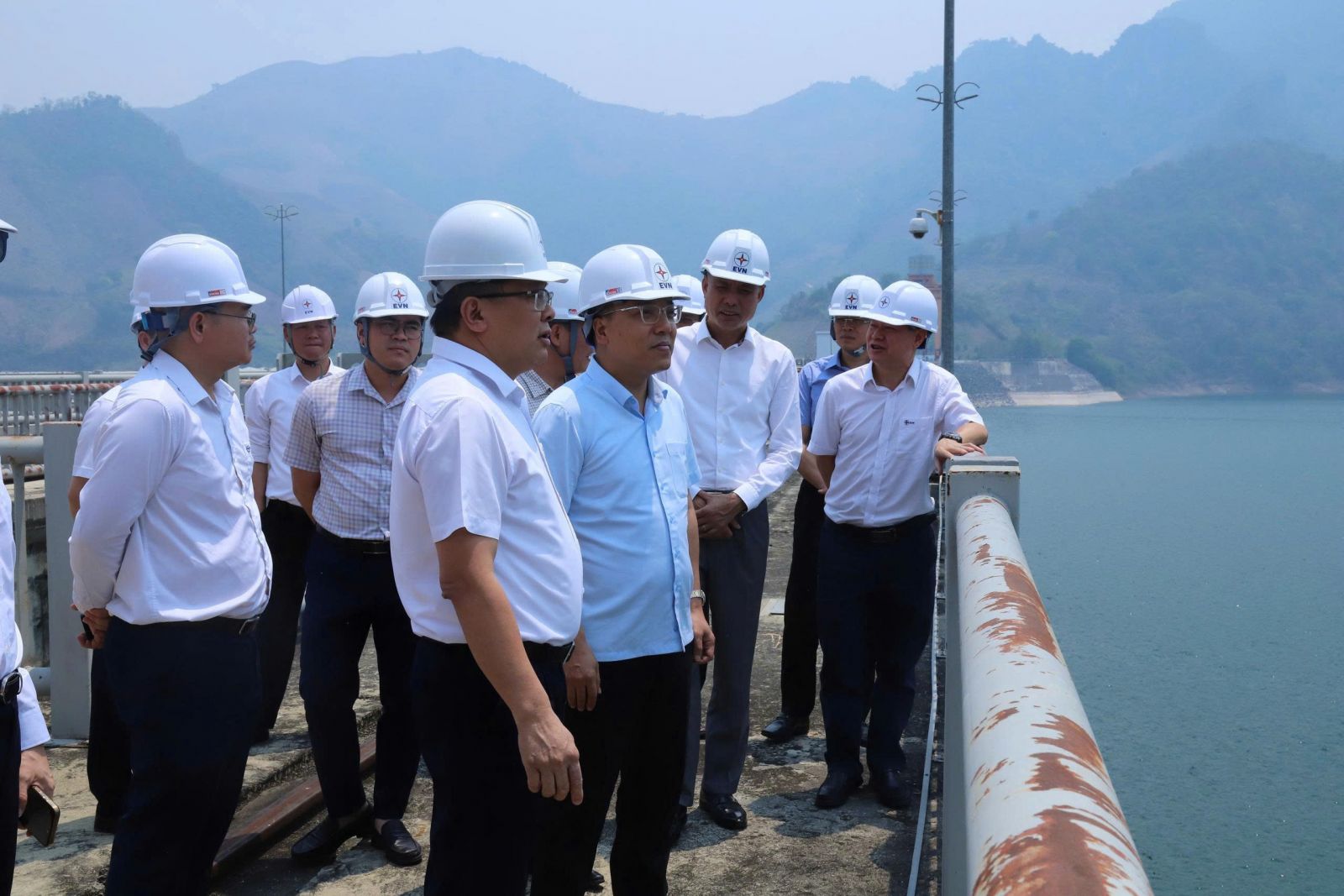
Regarding electricity supply, the Ministry of Industry and Trade was directed to instruct relevant units, including the Vietnam Electricity Group (EVN), Petrovietnam, and power producers, to develop operational scenarios. Special attention must be given to reservoir management to conserve water for peak demand periods, while thermal power plants must ensure adequate fuel supply for electricity generation. The Vietnam National Coal - Mineral Industries Group (TKV) was instructed to maximize coal production within its capacity, while Petrovietnam was tasked with accelerating oil and gas exploitation.
The Ministry of Public Security was assigned to coordinate with the Ministry of Industry and Trade to inspect, monitor, and strictly handle acts of hoarding and price manipulation that could destabilize the market. Local police were also instructed to facilitate the transport of petroleum shipments into urban areas to avoid localized shortages.
The Ministry of Industry and Trade was tasked with coordinating with the Ministry of Culture, Sports and Tourism, the Government Portal, and press agencies to provide objective reporting and effectively guide public opinion. The ministry will also focus on researching and implementing a national petroleum reserve program and developing a strategy for energy self-reliance, while the Ministry of Finance will allocate funding from contingency sources to support these efforts and ensure national energy security.
The Prime Minister requested ministries, sectors, and relevant units to proactively fulfill their assigned responsibilities in accordance with their functions and authority, and to report to the Prime Minister any issues beyond their jurisdiction.
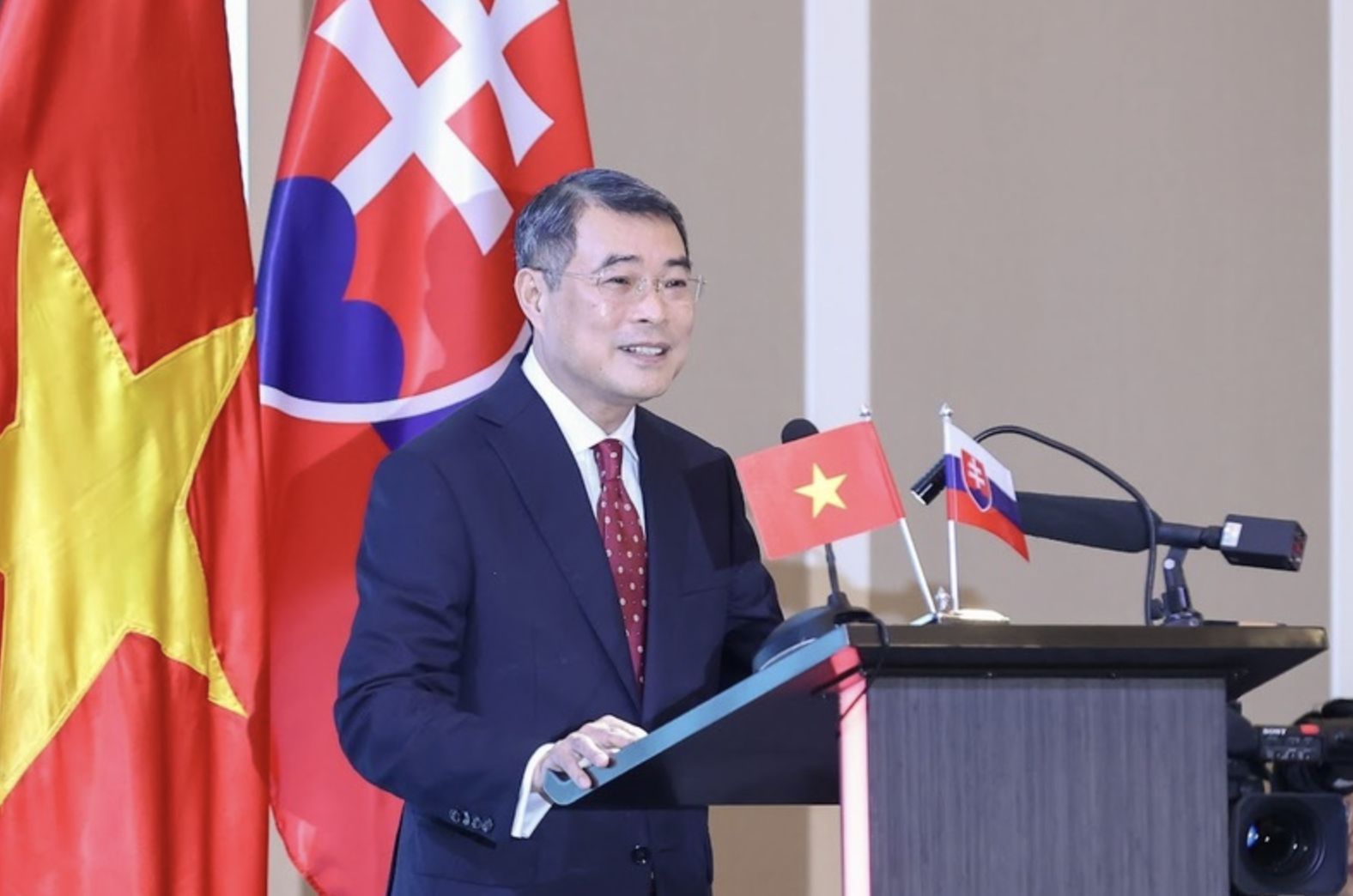
On April 13 in Hanoi, Prime Minister Le Minh Hung and Slovak Prime Minister Robert Fico attended the opening session of the Vietnam - Slovakia Business Forum.
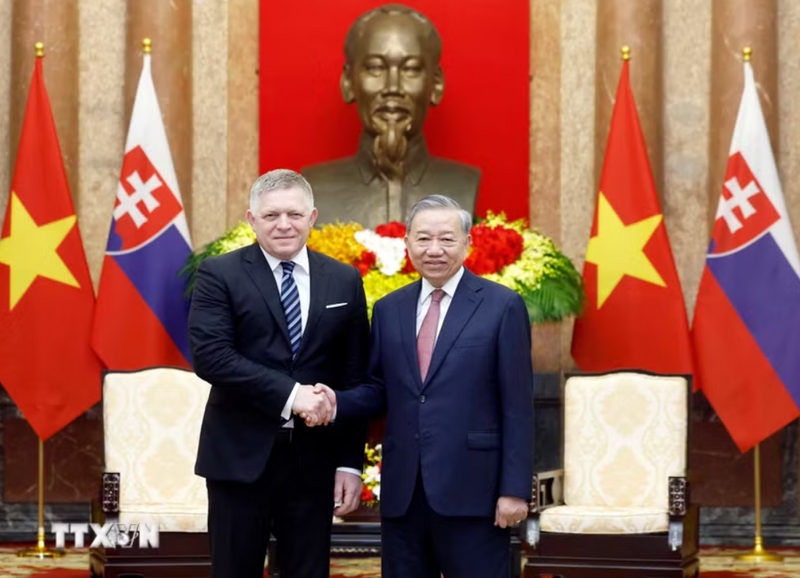
Vietnam and Slovakia upgraded ties to a Strategic Partnership during Prime Minister Robert Fico’s visit, paving the way for deeper cooperation across key sectors.
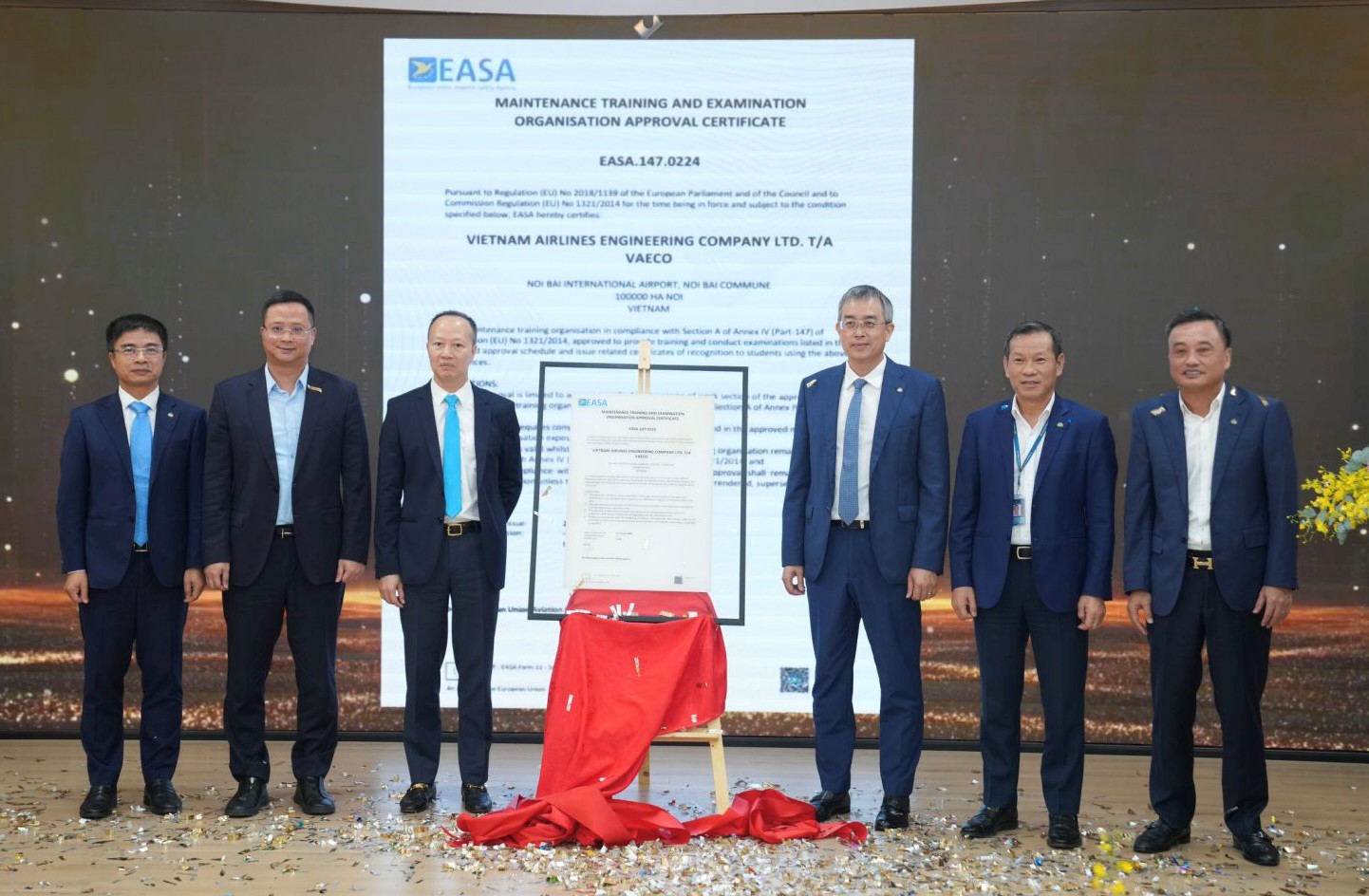
For the first time, a Vietnamese firm secures EASA Part 147 approval, enabling domestic training of aircraft maintenance engineers to European standards.
On April 13 in Hanoi, Prime Minister Le Minh Hung and Slovak Prime Minister Robert Fico attended the opening session of the Vietnam - Slovakia Business Forum.
Vietnam and Slovakia upgraded ties to a Strategic Partnership during Prime Minister Robert Fico’s visit, paving the way for deeper cooperation across key sectors.