On September 18, the Trade Remedies Authority of Viet Nam (TRAV) held the 2026 Trade Remedies Forum under the theme “Enhancing national production capacity - Creating new drivers of growth.”
Protecting the market to support business and sector development
Following the success of the 2024 and 2025 Trade Remedies Forums, the Trade Remedies Authority of Viet Nam (TRAV) under the Ministry of Industry and Trade held the 2026 Trade Remedies Forum in Hai Phong on the morning of September 18, under the theme "Promoting national production capacity - creating momentum for growth". Deputy Minister of Industry and Trade Nguyen Sinh Nhat Tan attended and delivered the opening remarks.
The 2026 Trade Remedies Forum was held against the backdrop of rapid and complex changes in the global economy and trade. Strategic competition among major economies has intensified, trade protectionism has increased, and supply chains have continued to be restructured. Many countries have strengthened policies to support domestic production and protect strategically important industries.
Notably, excess production capacity in some industries worldwide has added pressure to global trade. When production capacity exceeds market absorption capacity, goods tend to seek new export markets. When a major market imposes import restrictions, trade flows may also be redirected to other markets.
For Viet Nam, an economy with a high degree of openness, deep international integration and rapid growth, these changes bring both opportunities and new challenges to the domestic market and domestic industries. Against this backdrop, protecting the domestic market, strengthening national production capacity and enhancing the economy's resilience need to be addressed more proactively.
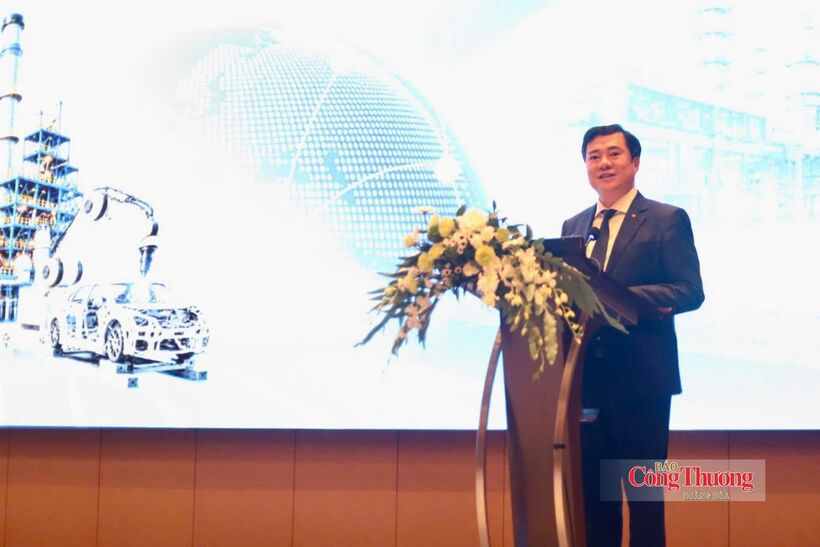
Deputy Minister Nguyen Sinh Nhat Tan delivers opening remarks at the forum.
In his opening remarks, Deputy Minister Nguyen Sinh Nhat Tan said that in the new development phase, Viet Nam is required not only to achieve rapid growth but also to build sufficiently solid foundations to sustain high and sustainable growth in the long term.
Therefore, continuing to expand markets, promote exports, attract investment and participate more deeply in global value chains is an urgent task. At the same time, Viet Nam needs to build a domestic production base that is competitive, adaptable and resilient to external fluctuations. In this regard, foundational industries play a particularly important role. These industries provide means of production and basic inputs for many economic activities and have strong linkages and spillover effects.
"Against this backdrop, trade remedies play an important role. Trade remedies do not mean protectionism and are not intended to eliminate competition from imported goods. Viet Nam remains consistent in its policy of deepening international economic integration, fully implementing its international commitments and building a transparent and equitable business environment.
"But integration also requires us to fully and effectively use the legitimate tools permitted by the international trading system to protect the legitimate rights and interests of domestic industries," Deputy Minister Nguyen Sinh Nhat Tan emphasised.
According to the Deputy Minister, anti-dumping, countervailing and safeguard measures, when applied under the appropriate conditions and based on evidence and objective investigation findings, can help address the adverse impacts of imported goods and restore a fair competitive environment.
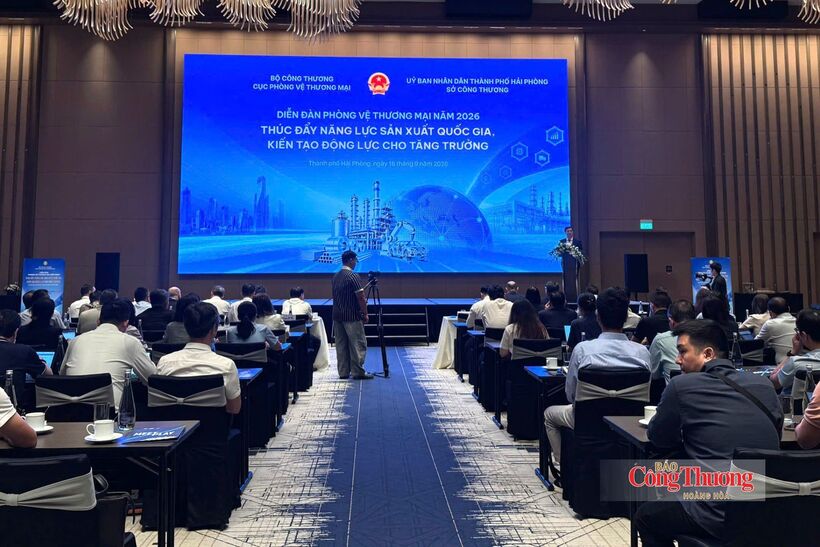
An overview of the 2026 Trade Remedies Forum.
Emphasising the role of businesses in trade remedies, the Deputy Minister said that in the process of responding to investigations, trade remedies can create a "strategic window of time" for businesses to take advantage of opportunities for development. However, if businesses merely rely on protection measures without continuing to innovate technologically, improve management, reduce costs and enhance product quality, the benefits of trade remedies will not be sustainable.
Therefore, the Deputy Minister reiterated that the spirit of trade remedies should be clearly defined as protection for development, rather than protection from competition.
Creating a fair competitive environment for businesses
International practice shows that many developed and developing countries are increasingly taking a proactive approach to using trade remedies and other trade management tools to protect domestic production capacity. This demonstrates that trade competition today is increasingly closely linked to competition in national production capacity.
For Viet Nam, the requirement is not to follow the trend of protectionism, but to enhance trade management capacity, proactively identify risks and effectively use legitimate tools to protect a fair competitive environment.
Against this backdrop, Deputy Minister Nguyen Sinh Nhat Tan said trade remedies in the coming period need to undergo an important shift, from responding to individual cases to proactively managing trade risks.
"To this end, first, early warning needs to be strengthened, while closely monitoring changes in trade flows, import prices, production capacity and excess capacity in major markets.
"Second is data. Trade remedies are an evidence-based field. Businesses and associations need to gradually standardise and build sectoral data systems so that abnormal signs can be detected early and action can be taken when necessary.
"Third is coordination. Coordination among state management agencies, associations, businesses, customs authorities, ministries, sectors and localities needs to be further strengthened, from early warning and investigations to enforcement monitoring and the prevention of circumvention of measures.
"Finally, trade remedies must be linked to industrial development policies," Deputy Minister Nguyen Sinh Nhat Tan emphasised.
According to the Deputy Minister, trade remedies cannot replace industrial policy. However, industrial policy can hardly deliver its full effectiveness if industries being encouraged to invest have to compete in an environment distorted by unfair trade practices. Trade remedies should contribute to creating a fair competitive environment, while businesses must turn that environment into productivity, technology, quality and substantive competitiveness.
Sharing this view, Nguyen Ngoc Anh, Deputy Director of the Department of Science, Technology, Innovation and Digital Transformation under the Central Committee for Policy and Strategy, also noted that Viet Nam is a highly open economy and remains steadfast in international integration, but its endogenous capacity and autonomy must be strengthened further. To achieve this, market opening must go hand in hand with maintaining a fair competitive environment; promoting exports must be linked to market diversification and increasing domestic value added; and FDI attraction must be closely linked to technology transfer and connections with domestic businesses.
To build a resilient national production base, Nguyen Ngoc Anh said it is necessary to focus on strengthening the production capacity of foundational industries, including steel, basic chemicals, new materials, mechanical engineering and manufacturing, and renewable energy. These industries form the "foundation" providing important inputs for the entire economy and determining the level of national autonomy.
At the same time, strategic and future-oriented technology industries, including semiconductors, artificial intelligence, digital technology, green technology and automation, create breakthrough competitiveness and expand new growth space.
Alongside protecting and developing production in foundational industries, the domestic market should also be viewed as an important pillar of the economy. With a domestic market of 100 million people, businesses have room to achieve production scale, accumulate capital and improve technology before expanding internationally.
Nguyen Ngoc Anh emphasised that in the context of implementing 17 free trade agreements (FTAs), maintaining a healthy competitive environment is a prerequisite for the domestic market to fulfil its role as a pillar of the economy. If domestic businesses have to compete for an extended period with dumped or improperly subsidised goods, incentives for long-term investment will be undermined. Therefore, developing the domestic market and ensuring fair competition should be regarded as two sides of the same strategy.
Le Sy Giang, Director of GH Consults Co., Ltd., analysed global trends in the use of trade remedies to protect domestic production. Against the backdrop of excess capacity and increasingly fierce price competition, basic industrial products such as metals, chemicals, plastics and construction materials account for a large proportion of trade remedy cases. In addition, anti-circumvention and origin fraud measures are increasingly being applied, in increasingly diverse forms. The presentation also addressed the trend of applying new trade tools such as tariffs under Section 232 and Section 301 of the US and the EU's Carbon Border Adjustment Mechanism (CBAM), highlighting the need for Vietnamese businesses to proactively monitor, identify and respond to trade risks.
A presentation by Chu Thang Trung, Deputy Director of the Trade Remedies Authority of Viet Nam, emphasised the role of trade remedies in ensuring a fair competitive environment, strengthening production capacity and creating room for growth. The presentation analysed the pressures faced by foundational industries and proposed shifting from case-by-case handling to proactive trade risk management through measures to strengthen early warning, standardise data, enhance the capacity of associations and businesses, strengthen enforcement coordination, and link trade remedies with industrial development policies.
Bui Nguyen Anh Tuan, Deputy Director of the Authority for Domestic Market Management and Development, discussed supply chain management and the effective use of trade remedies for consumer goods in the domestic market. The discussions helped clarify the role of trade remedies in ensuring a fair competitive environment, strengthening production capacity and enhancing businesses' ability to proactively respond to fluctuations in domestic and international markets.
Presentations and discussions at the forum helped clarify the role of trade remedies in ensuring a fair competitive environment and strengthening production capacity, while enhancing businesses' ability to proactively respond to fluctuations in domestic and international markets.
Within the framework of the forum, an afternoon thematic workshop focused on guiding businesses in identifying signs that could lead to the initiation of trade remedy investigations and preparing trade remedy investigation petitions. The Trade Remedies Authority of Viet Nam clarified requirements regarding the scope of goods, the domestic industry, evidence of injury and causal relationships. It also provided guidance on data collection and ensuring the representativeness and consistency of data in petitions.
In addition, practical cases and considerations in preparing petitions were shared and discussed in detail, helping businesses enhance their capacity to proactively use trade remedies to protect their legitimate rights and interests. Through this activity, the Trade Remedies Authority of Viet Nam aims to help businesses and associations gradually shift from a passive to a proactive approach, viewing data, early warning and the capacity to use trade remedies as part of risk management in production and business activities.
The 2026 Trade Remedies Forum reaffirmed the role of trade remedies in protecting and promoting domestic production capacity, while strengthening effective connections between state management agencies and the business community, encouraging businesses to take a more proactive approach to using trade remedies and responding to trade remedy cases. This contributes to enhancing competitiveness, strengthening the domestic production base and creating momentum for sustainable growth of the Vietnamese economy.
The Trade Remedies Forum is held annually to provide a platform for policy discussions among state management agencies, experts, industry associations and the business community on issues facing Viet Nam's trade remedies work.
Deputy Minister Phan Thi Thang holds talks with Azerbaijan’s Minister of Energy to advance the bilateral trade and investment and expand cooperation in oil, gas, and LNG.
Viet Nam attaches great importance to its Comprehensive Partnership with Switzerland and wishes to continue working alongside the country to promote shared development and contribute to peace, stability and development in the region.
Norwegian representatives expect tariff preferences under the Viet Nam – EFTA Free Trade Agreement (FTA) to help lower the price of Norwegian salmon, making the product more accessible to Vietnamese consumers.
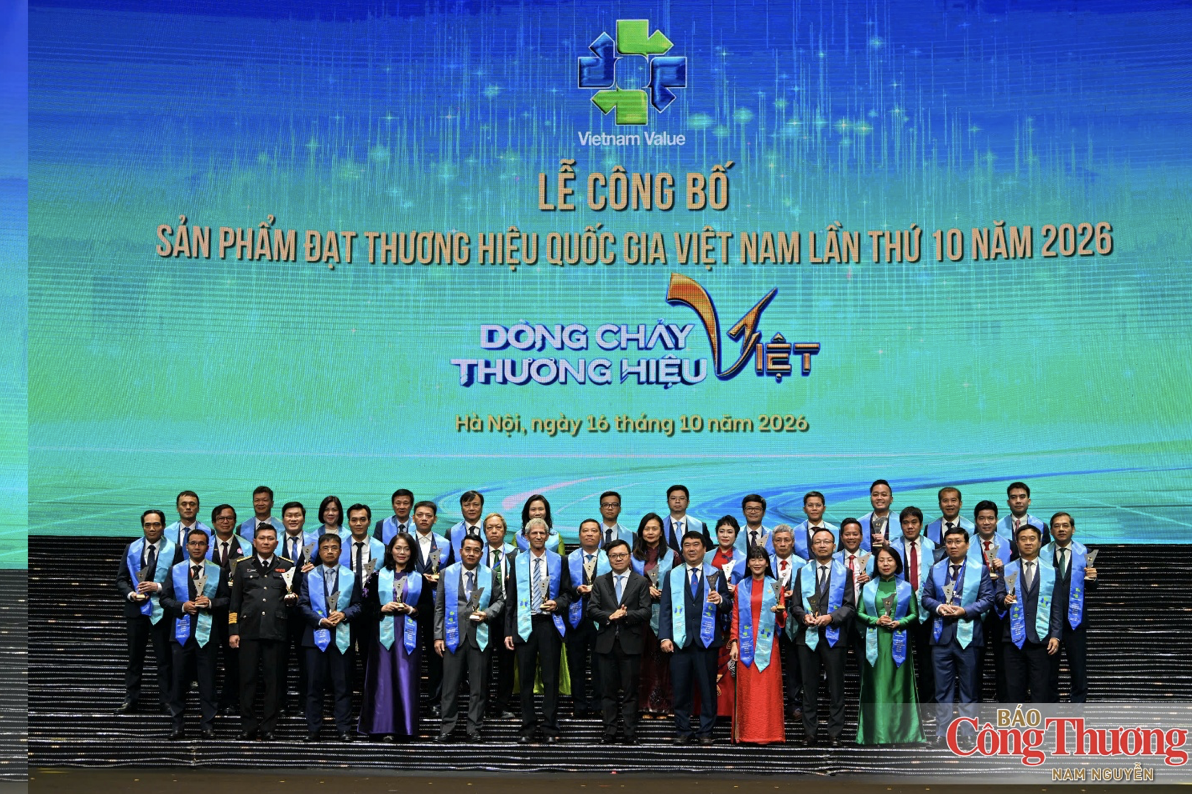
The Ministry of Industry and Trade honored 499 products and services from 227 businesses at the 10th Viet Nam National Brand announcement ceremony for 2026.
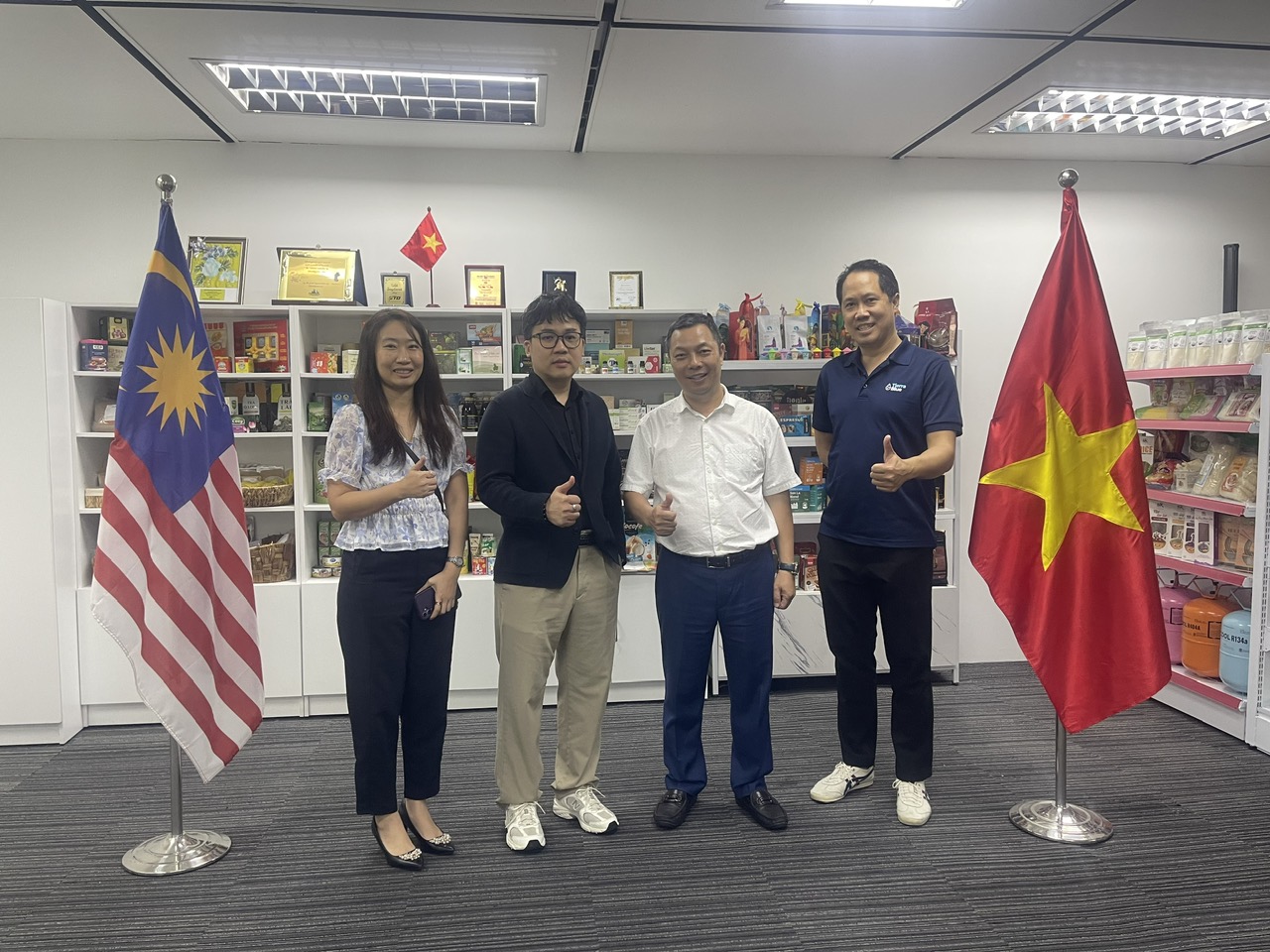
Viet Nam - Malaysia trade hit USD 17.4 billion in the first nine months of 2026, exceeding the 2025 full-year total and signaling a stronger-than-expected year.
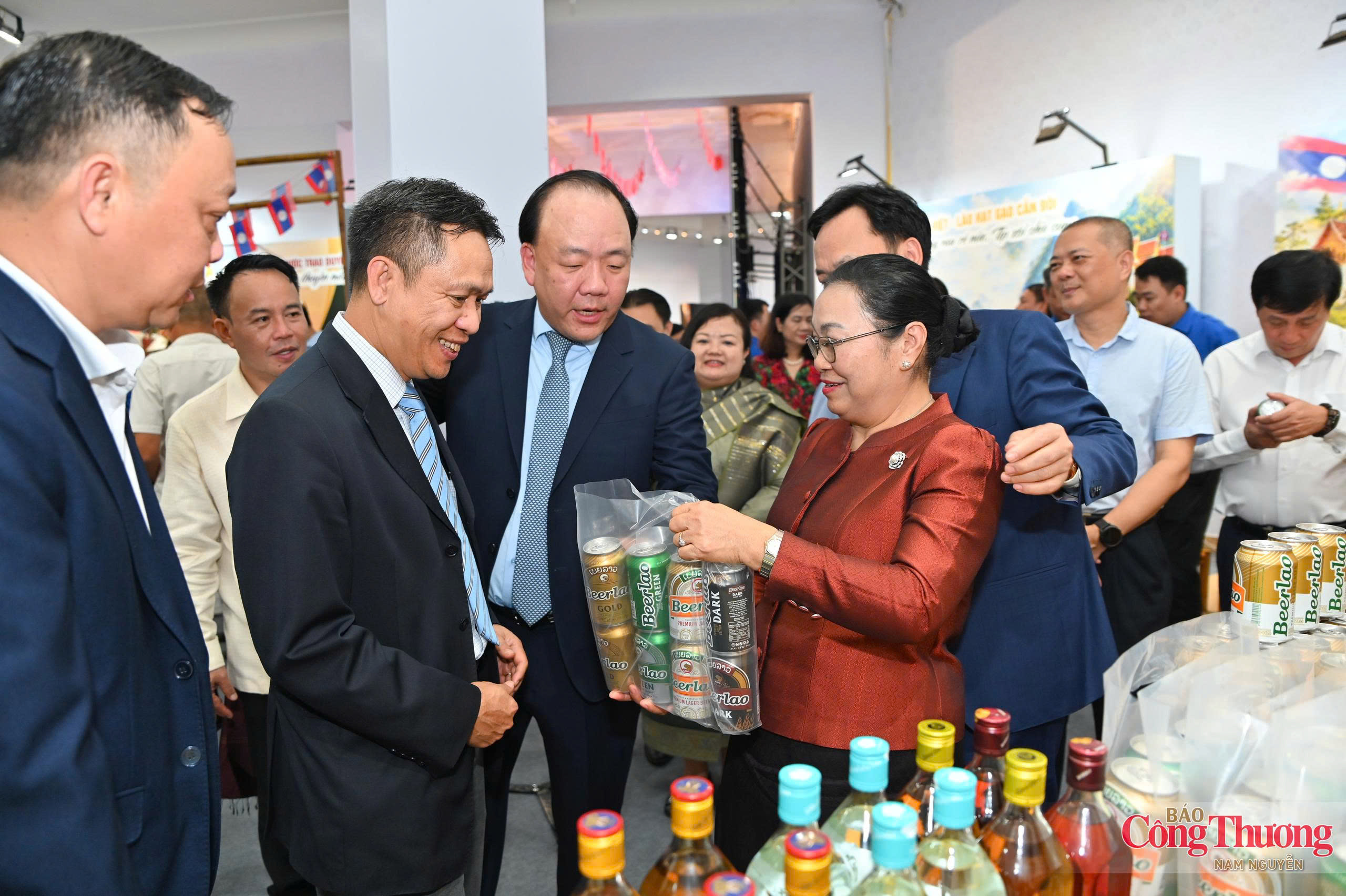
The official visit to Laos by Prime Minister Le Minh Hung is expected to inject fresh momentum into bilateral relations, with economic, trade and investment cooperation continuing to serve as a core pillar.
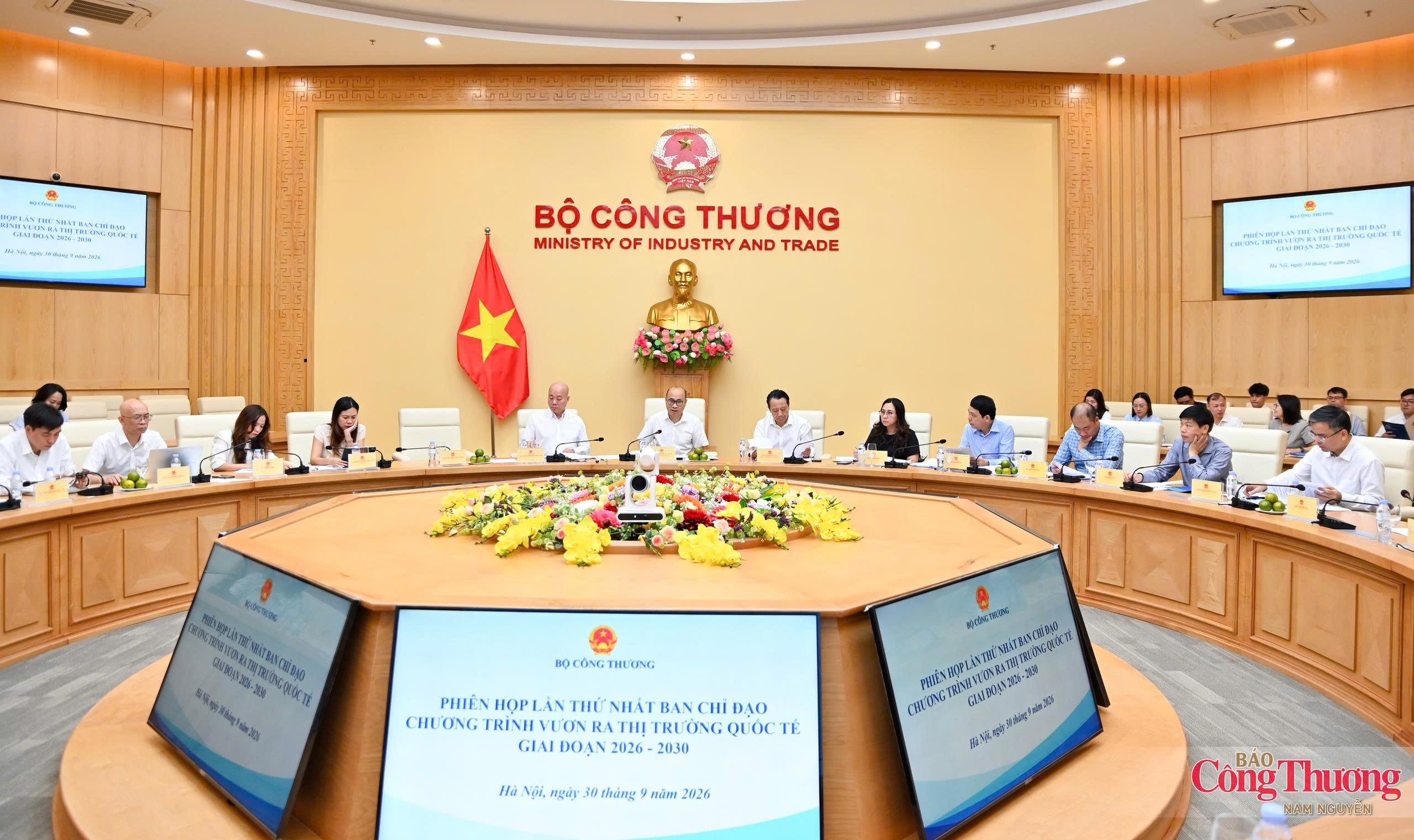
On September 30, the Ministry of Industry and Trade convened the first session of the Steering Committee for the GoGlobal Program for the 2026 - 2030 period.
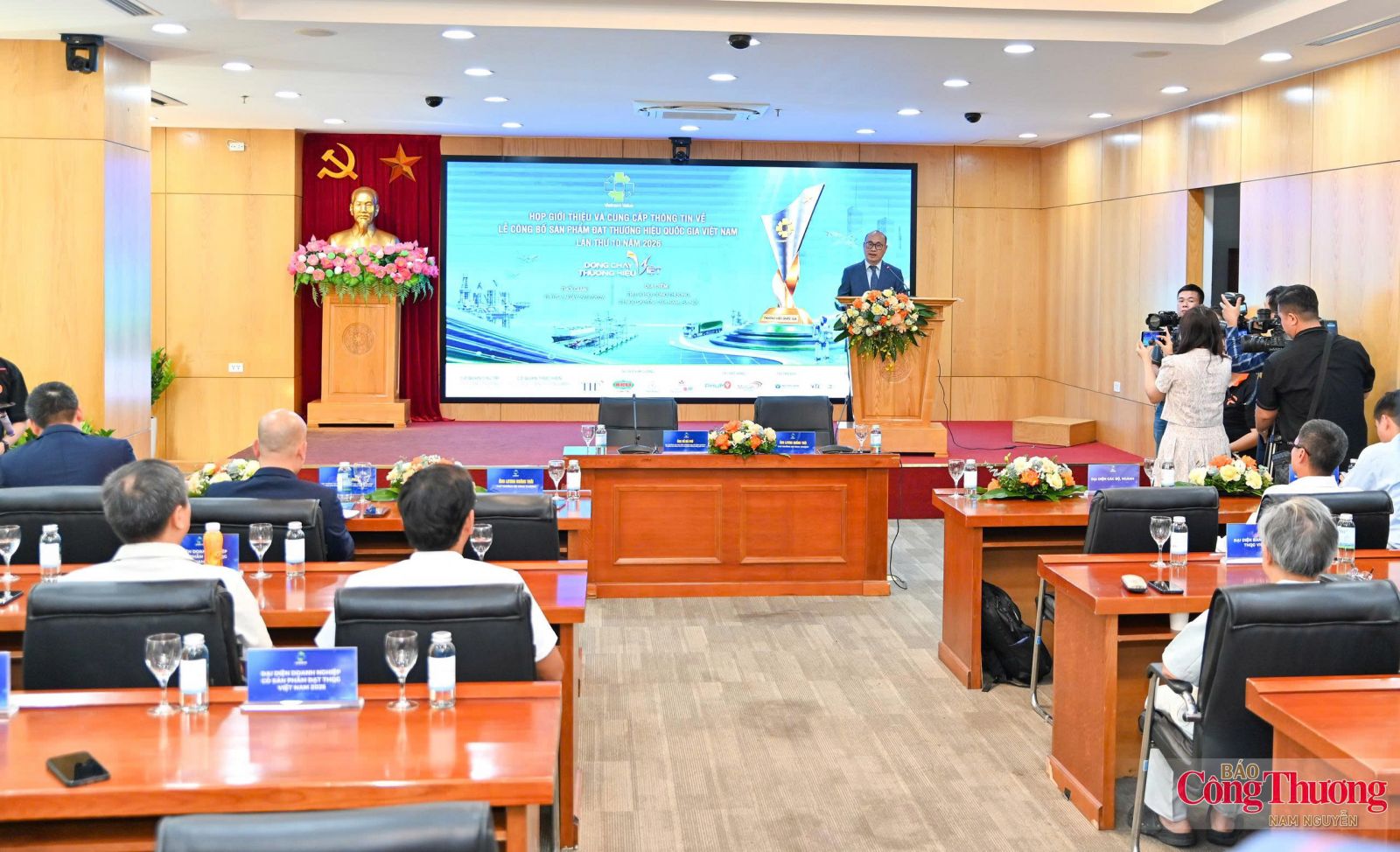
On September 29, the Ministry of Industry and Trade (MoIT) held a meeting to introduce and provide information on the ceremony announcing products achieving Viet Nam Value recognition for the 10th edition in 2026. Deputy Minister of Industry and Trade Luong Hoang Thai chaired the event.
Trade promotion not only expands markets, but also connects Vietnamese technology businesses with buyers, partners and supply chains, helping increase the value of their products.