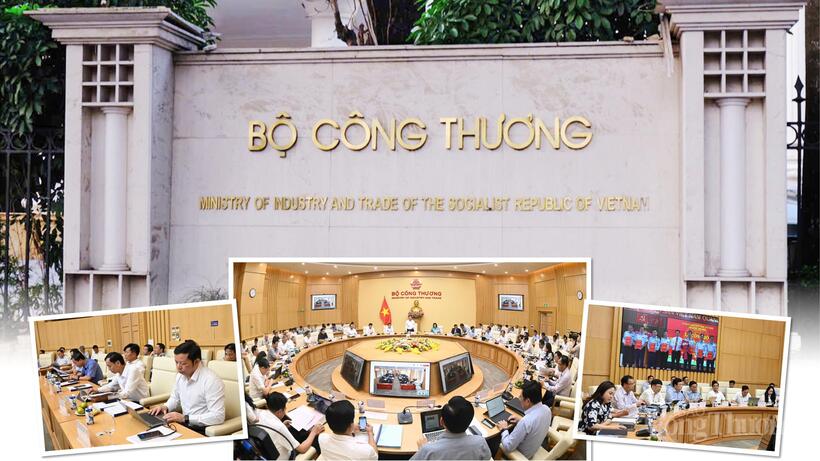
MoIT outlines a more flexible, innovation-driven legal framework, ensuring alignment with national reforms and supporting sustainable economic development.
Flexibility and responsiveness to evolving realities
According to the Legal Department of the Ministry of Industry and Trade (MoIT), the 2026-2030 period marks a strategic transitional phase for the development and refinement of the legal framework governing Vietnam’s industry and trade sector, as the country undergoes profound transformation with intertwined opportunities and challenges. This context requires the law not only to perform its conventional function as a tool of state management, but also to become a foundation that drives rapid and sustainable economic growth.
Legal development in the Industry and Trade sector must also remain aligned with the broader process of improving Vietnam’s legal system. The sector’s legal framework should be positioned as an enabling instrument for innovation, underpinned by a clear and stable regulatory environment that is simultaneously flexible and adaptable to dynamic realities and global development trends.
The development and refinement of legal frameworks in the Industry and Trade sector must align with Vietnam’s overall legal system reform.
As the state management body overseeing trade and industry, the MoIT has identified legal development and improvement as a priority in this new phase, with the goal of enhancing the quality of legal enforcement in the sector in accordance with guiding viewpoints, objectives and requirements.
Regarding orientations and tasks for legal development in the 2026-2030 period, the Ministry will strictly adhere to core principles of legislative formulation, in which ensuring the comprehensive leadership of the Communist Party of Vietnam remains the guiding compass. The development of laws, National Assembly resolutions, ordinances, resolutions of the National Assembly Standing Committee, and sub-law documents must closely follow and fully institutionalize the Party’s policies and directives issued by competent authorities. Priority will be given to translating key decisions of the 13th National Party Congress into legislation, while also aligning with the orientations of the upcoming 14th National Party Congress.
At the same time, the MoIT will ensure the proper, timely institutionalization of the Party’s policies set out in resolutions, conclusions, and directives of the Party Central Committee, the Politburo, the Secretariat, as well as directions from the Government, the Prime Minister, and relevant agencies and organizations.
Legal development in the sector must also stay synchronized with Vietnam’s national legal reform efforts and align with approved strategies for building and perfecting the legal system, ensuring three key principles:First, adaptability to the knowledge economy and digital transformation, which demands a flexible legal framework capable of quickly responding to changes in the market economy.Second, the need to create new development space for citizens, businesses, and society, where the law not only regulates but also enables, encourages, and protects innovation.Third, ensuring modernity, coherence, comprehensiveness, transparency, stability, and feasibility, while preventing “group interests” or “sectoral interests” from influencing policy and lawmaking.
These requirements are consistent with Resolution No.27-NQ/TW (November 9, 2022) of the Party Central Committee and Resolution No.66-NQ/TW (April 30, 2025) of the Politburo, which aim to ensure that “by 2030, Vietnam will possess a democratic, fair, coherent, transparent, and feasible legal system with strict and consistent enforcement mechanisms, providing a legal foundation for the smooth and continuous operation of state agencies after organizational restructuring, removing obstacles arising from practice, and paving the way for development. This will mobilize the participation of all citizens and businesses toward the achievement of the goal of becoming a developing country with modern industry and upper-middle income by 2030.”
Meeting the requirements of an enabling and leading legal system
In the 2026-2030 period, legal development in the Industry and Trade sector must meet the demands of national development in a new era, ensuring comprehensive regulatory coverage while fostering an enabling environment for growth. The goal is a streamlined, coherent, feasible, transparent, stable, and accessible legal system that is internationally competitive and centered on safeguarding the legitimate rights and interests of people and businesses.
The Ministry also aims to promote strong innovation to support comprehensive and synchronous renewal, industrialization and modernization, and ensure national defense and security-meeting the requirements of rapid and sustainable development in the new era, with a vision extending to 2045.
Legal thinking must shift decisively toward an enabling approach-one that proactively anticipates and responds to emerging technological trends and modern business models, ensuring coherence, feasibility, and long-term vision, particularly in fields such as e-commerce, logistics, and cross-border transactions.
In addition, legal development must prioritize emerging sectors within the Industry and Trade domain, including the digital economy, e-commerce, renewable energy, circular economy, and innovation in production and business-both as new engines of growth and as critical components of Vietnam’s commitment to net-zero emissions by 2050.
The Ministry will also continue reviewing and refining trade-remedy regulations to foster fair competition and safeguard domestic industries amid intensifying external competition.
The MoIT will promote the formation of new legal areas alongside existing ones to meet the enabling and guiding requirements of the law in the face of new scientific, technological, and socio-economic developments, particularly through the increased issuance of legislation.
Outdated or impractical legal provisions will be promptly reviewed and removed to better encourage and support prioritized sectors, regions, and groups identified in Party resolutions and in the Political Report of the 14th National Party Congress, thereby contributing to achieving double-digit growth and other socio-economic development goals in the coming years.
Issues arising in law enforcement will be promptly addressed, with recommendations submitted to competent authorities for amendments to legal provisions that create obstacles or impede implementation.
All legal development must strictly follow the procedures of the Law on Promulgation of Legal Normative Documents, supported by adequate resource preparation. Key tasks for building the legislative program of the 16th National Assembly will be identified with an appropriate roadmap.
Close coordination among relevant agencies and organizations will be ensured throughout the legal development process. Resource conditions-including finance, human resources, and implementation timelines will be assessed to ensure effectiveness and quality.
Public participation through consultations with citizens, experts, and scientists will be expanded in drafting laws, the National Assembly’s resolutions, ordinances, and sub-law documents, ensuring feasibility and stronger links with practical enforcement.
In the context of digital transformation becoming an unavoidable trend, the application of information technology will be strengthened throughout the lawmaking, promulgation, and enforcement process to enhance transparency, accessibility, and management efficiency.
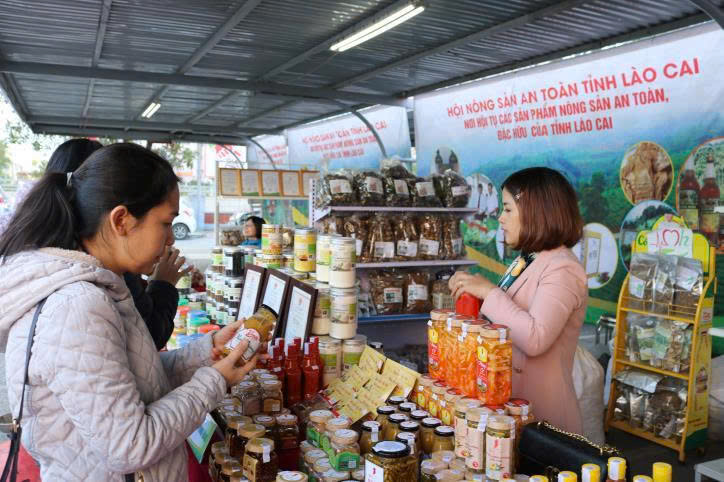
Highland communities in Lao Cai are transforming barren slopes into new livelihoods. Agriculture is creating fresh opportunities and boosting their incomes.
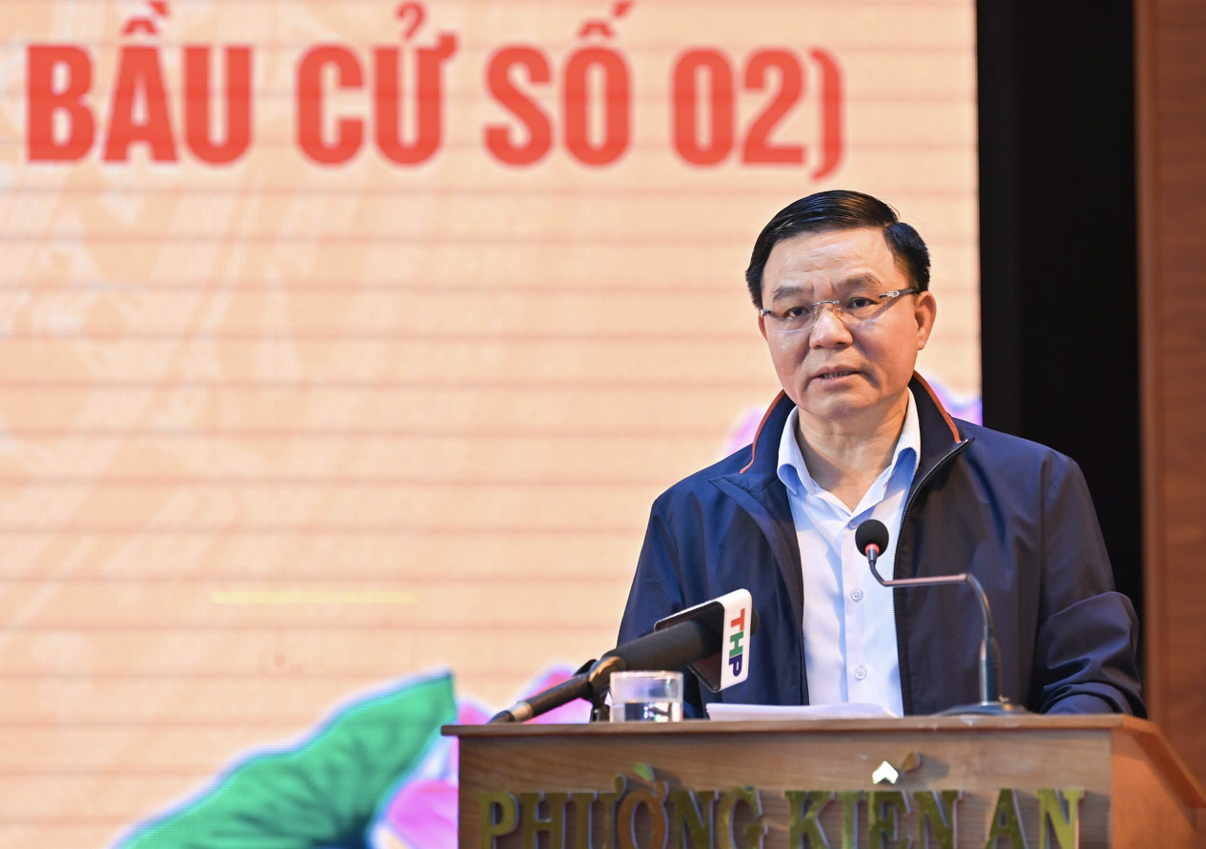
On March 6, Central Committee member of the Communist Party of Vietnam, member of the Party Committee of the Government, Secretary of the Party Committee and Acting Minister of Industry and Trade Le Manh Hung, together with candidates for the 16th National Assembly from Constituency No. 02 of Hai Phong City, held voter meetings and conducted election campaigning in Kien An Ward and Thanh Ha Commune.
Reviewing 100 years of Party leadership aims to distill key lessons, strengthen theoretical and practical foundations, and guide Vietnam’s development.
Geopolitical tensions are placing significant pressure on supply chains and exports. In context, the domestic market is seen as a crucial pillar supporting growth.
The Prime Minister has directed 10 key groups of tasks and solutions aimed at stimulating demand and promoting economic growth of 10% or higher in 2026.
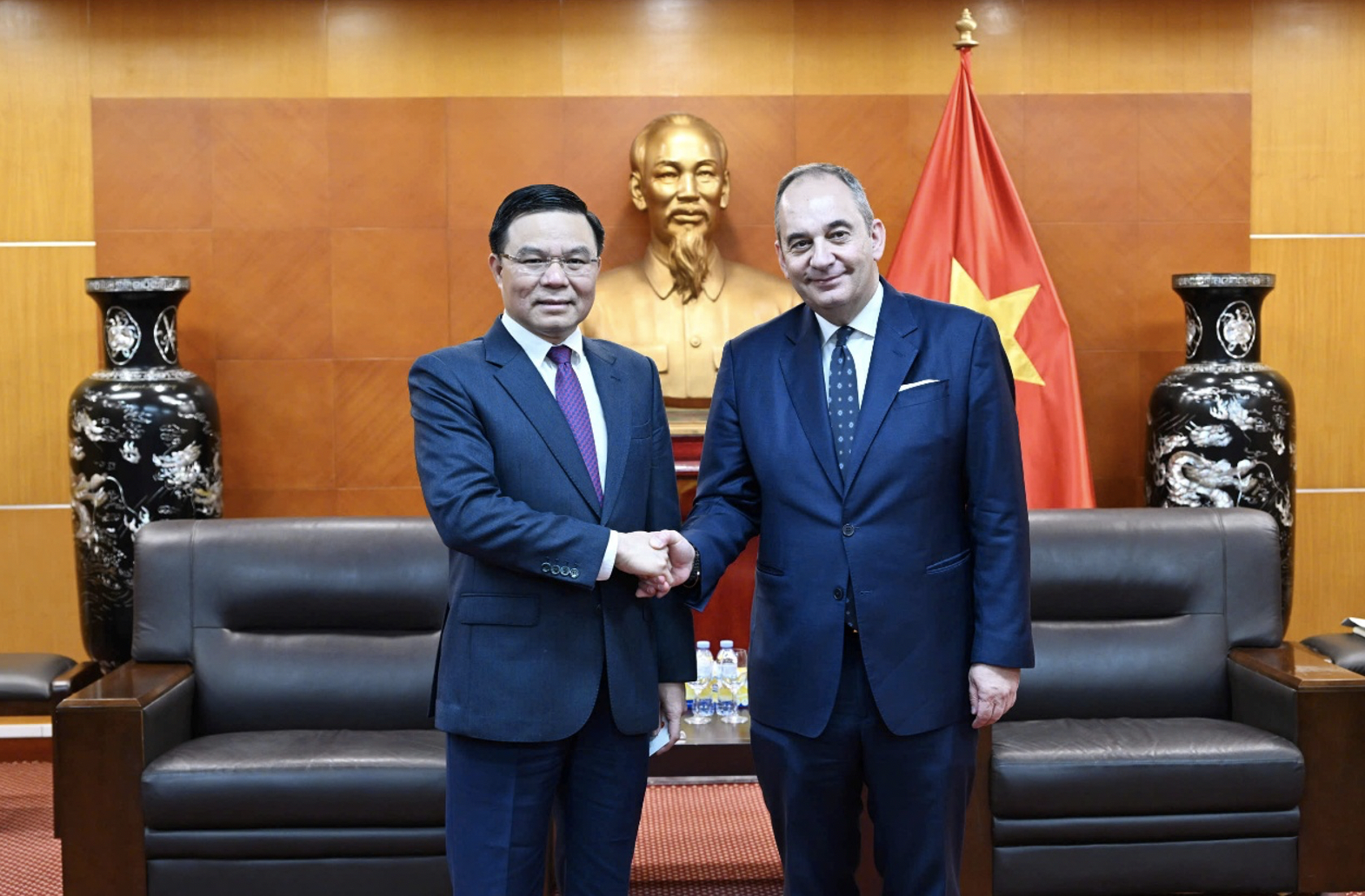
On March 3, Acting Minister of Industry and Trade Le Manh Hung held a meeting with Ioannis Plakiotakis, First Vice President of the Hellenic Parliament.
Geopolitical tensions are placing significant pressure on supply chains and exports. In context, the domestic market is seen as a crucial pillar supporting growth.
Rising tensions in the Middle East may drive up oil prices and freight costs, disrupting Vietnam’s import-export and supply chains the Import-Export Department warns