Highland communities in Lao Cai are transforming barren slopes into new livelihoods. Agriculture is creating fresh opportunities and boosting their incomes.
Golden harvests from upland taro
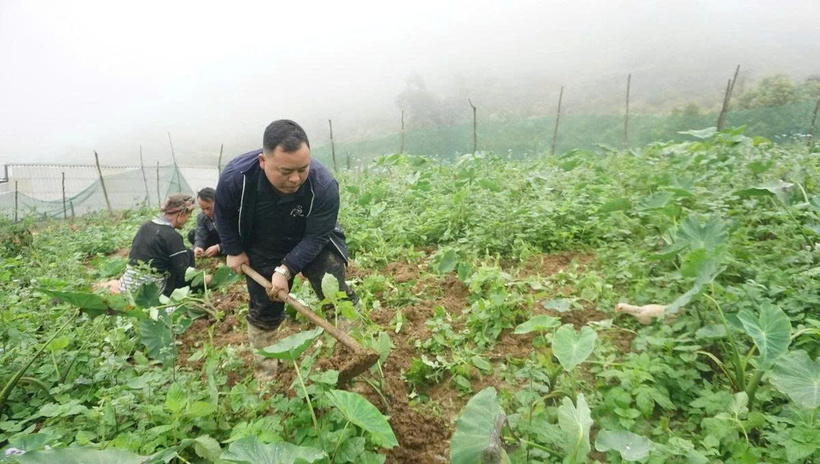
Just a few years ago, the hillsides of Phinh Ho commune were dotted with rocks and exhausted soil, producing only a few bags of maize and cassava each autumn. Today, they are blanketed with the green of upland taro, a native crop that has become a true “income-maker” for the Hmong people. The commune now has more than 300 hectares under taro cultivation, with 750 households participating, 40 percent of all local families. Each year, the crop yields 10 - 12 tonnes per hectare, providing farmers with a stable source of income.
Upland taro is seen as “white gold” in Phinh Ho. Photo: Thanh Tien
In his newly built home still smelling of fresh lime, Nguyen Van Hai, Vice Chairman of Phinh Ho commune’s People’s Committee, recalls earlier hardship: “Before, maize and cassava only helped people get by. Now, with taro, many households have steady incomes, can buy motorbikes and build solid houses. Taro has truly transformed Phinh Ho and contributed to sustainable poverty reduction.” His tone is gentle yet full of pride, for this progress stems not from luck but from the hard work of the people and the persistent support of local authorities.
These changes have been nurtured by dozens of technical training sessions and long working days spent guiding farmers through proper planting, care, and harvesting practices. The commune has mobilized resources to provide seeds, inputs, and invest in rural roads, allowing trucks to reach the fields, sparing villagers from carrying heavy loads down the mountain on foot.
In Hanh Phuc Commune, taro is also bringing new livelihoods to nearly 100 households. Sung A Pao shared: “Each hectare of taro brings in VND 50 - 60 million after expenses. It’s two to three times more profitable than maize or cassava.” His simple words explain why local people call taro their “white gold.”
This shift toward commercial production has stabilized incomes, but more importantly, it has sparked new confidence: confidence in native crops, in cooperation, and in reaching distant markets. Many villages are now discussing the establishment of cooperatives to sell their produce collectively, instead of working in isolation as before.
Highland fields go online: The rise of 4.0 farmers
Changes in crops are only part of the story. Behind many “life-changing” journeys is a deeper transformation: the emergence of tech-savvy farmers who livestream, promote, and sell their products online. Supporting them are cooperatives, which have become the launchpad for highland communities to enter the digital age.
Among the pioneers is Sung A Tua, a Hmong social affairs official in Phinh Ho commune. Concerned that farmers produced goods but had no market, he founded the Phinh Ho Shan Tuyet Tea Cooperative and built communication channels under the name “A Tua - The Commune Officer.” Rustic videos of villagers picking tea leaves, pan-roasting tea in the mountain breeze, or sharing simple meals by the fire have garnered hundreds of thousands of views.
“Customers value authenticity and transparency above all. We sell with the heart of farmers,” Tua said. By leveraging social media, the cooperative’s products quickly entered major e-commerce platforms and are now exported to the US, Japan, and the Republic of Korea.
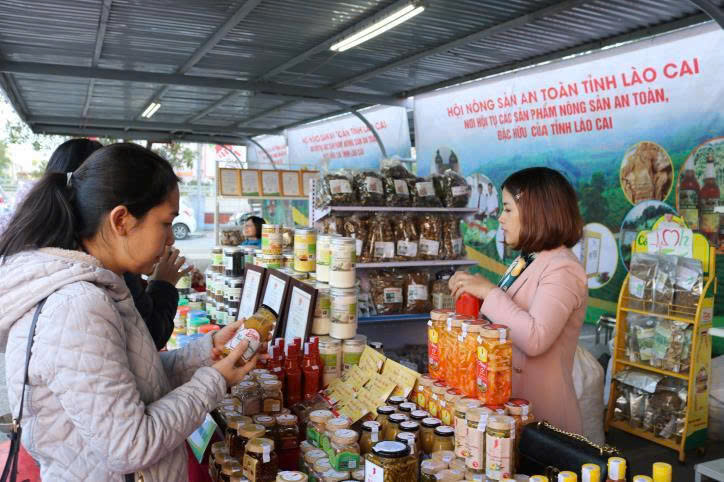
Lao Cai’s specialties are reaching broad markets beyond the cloud-covered highlands. Photo: Thanh Trung
Dong Thi Hien, Director of the Tay Bac Agricultural Production and Processing Cooperative, is also leading her cooperative into the digital marketplace. Once limited to traditional markets, the cooperative now livestreams daily, runs online storefronts, and receives thousands of orders each month. Hien also partners with other cooperatives for joint livestreams and cross-promotion, creating a supportive digital sales community.
Behind these cooperatives stands the Vietnam Cooperative Alliance and the Lao Cai provincial Cooperative Alliance. Nguyen Duc Lam, Vice Chairman in charge of the Lao Cai provincial Cooperative Alliance, explained: “Supporting cooperatives in digital transformation is our key mission. We organize livestream and online marketing training classes.” Beyond training, the alliances provide brand-building assistance, market linkages, and production-model consulting.
In Lao Chai commune, the T&D Clean Agriculture Cooperative has received support to adopt digital tools for production management and traceability. Thanks to this, products like chayote, hawthorn fruit, peaches, and native chickens have reached Hanoi, Hai Phong, and other provinces.
Another notable initiative is the SPRINT Project, funded by Global Affairs Canada and implemented by the Vietnam Cooperative Alliance. In Lao Cai, the project has conducted 34 training courses for more than 1.400 participants, equipping cooperatives with skills in e-commerce, renewable energy, and climate adaptation. These new tools show farmers that agriculture today can harness technology and digitalization to reach wider markets.
Lao Cai is currently home to 1.429 cooperatives with nearly 42.000 members, including more than 800 agricultural cooperatives. With an average annual income of VND 60 million per cooperative worker, the cooperative economy is becoming a key driver of rural development in the highlands.
Through cooperatives, farmers gain structured production, technical training, assured market access, and new technologies. Even more importantly, they learn to trust the value of their native crops, from taro and Shan Tuyet tea to cinnamon, chayote, and native chickens. As their own produce is packaged, promoted, sold online, and brought to distant markets, their confidence grows.
From once-barren hillsides, the people of Lao Cai’s highlands are cultivating new “golden seasons,” not only with labor, but with knowledge, technology, and aspiration. The support of the State, associations, and international organizations has infused new vitality into the mountain economy. Yet at the heart of this transformation remains the resilience, diligence, and determination of every farmer.
When cooperatives, businesses, and local residents work together, even the most familiar crops can take on a new path. What once grew quietly on remote mountain slopes now enters proper processing lines, is professionally packaged, and travels with traders to urban markets, even finding their way into export channels. The journey is demanding, but each step adds economic value, strengthens cultural identity, and builds confidence among highland communities.
Cultivation models rooted in indigenous knowledge have helped upland farmers become more self-reliant, understand their land and crops more deeply, and respond better to market demands. More importantly, they offer ethnic minority communities a sustainable development pathway, one that builds on what they already have and transforms local identity and natural advantages into prosperity.
These stories of change are not short-lived successes. They mark a steady transformation in which the green of highland fields represents resilience and renewed hope, shaped by the hard work, adaptability, and determination of upland farmers.
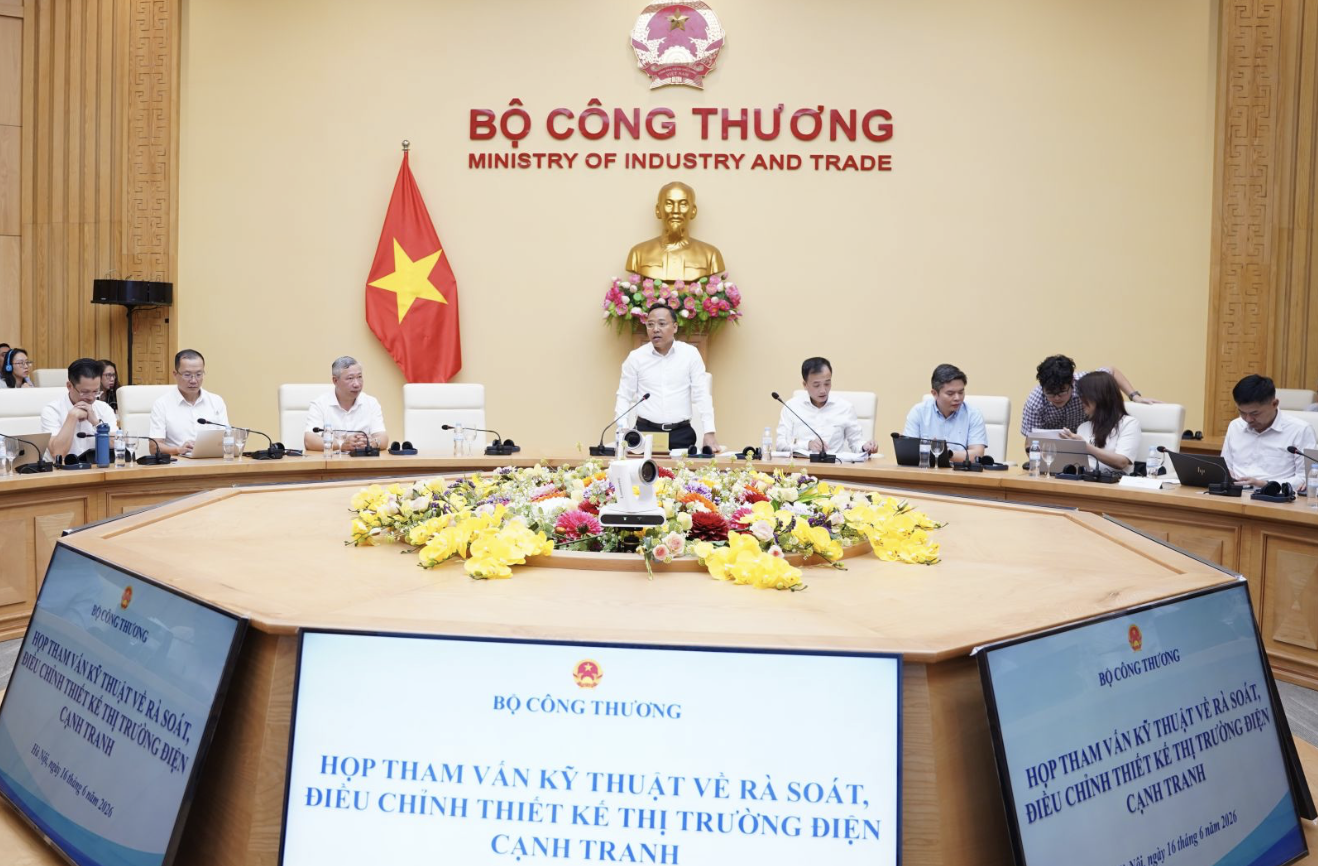
Ministry of Industry and Trade (MoIT) held a technical consultation in Hanoi on reviewing and adjusting the design of Vietnam’s competitive electricity market.
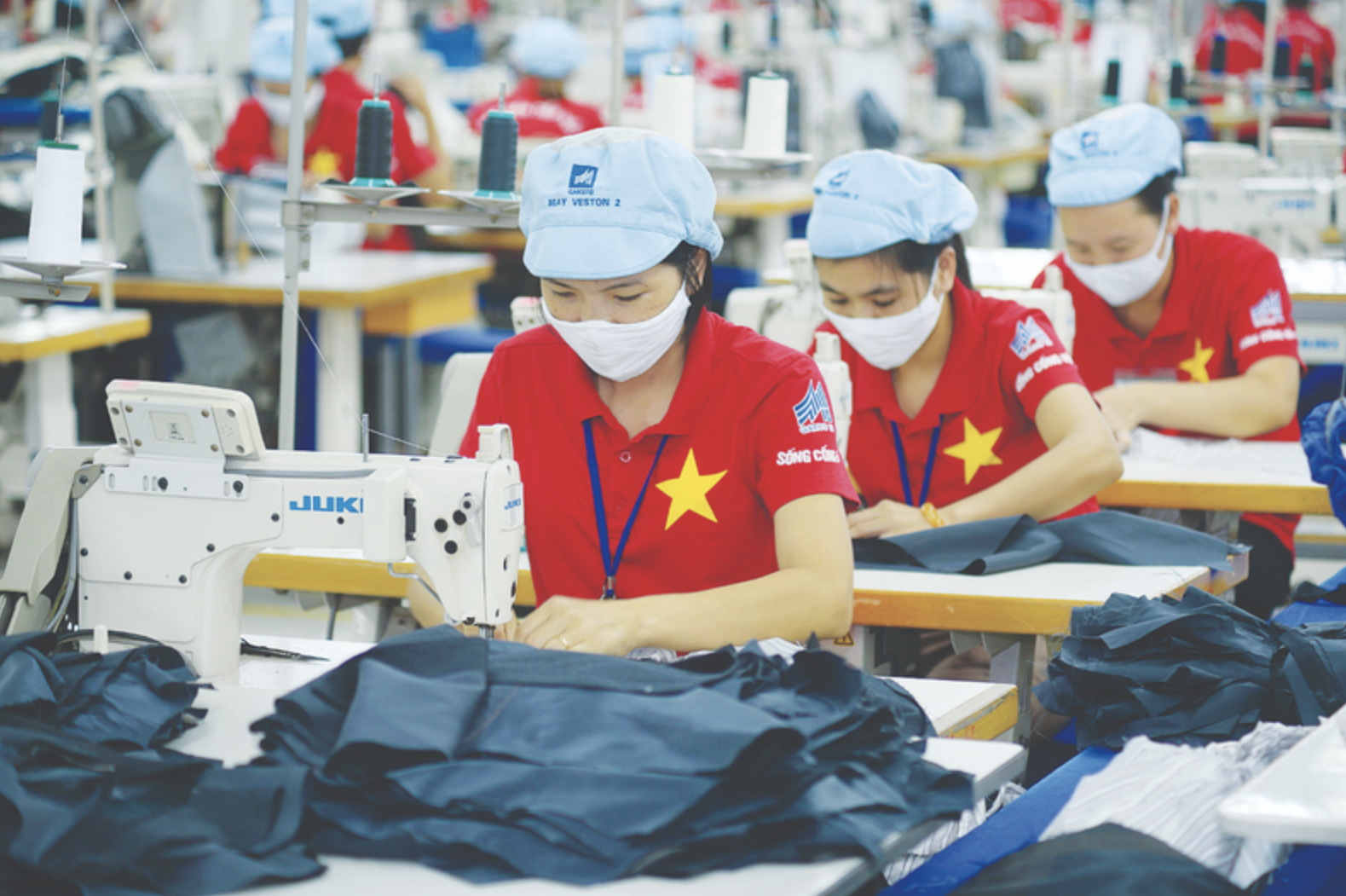
Textiles and garments continued to be one of Vietnam’s leading export categories to the Russian market in the first five months of 2026, generating export revenue of more than USD 106.99 million.
Siemens and Pacific Land will transform Silverlake Bio Hi-Tech Park into a smart, sustainable innovation hub supporting Vietnam’s high-tech growth ambitions.
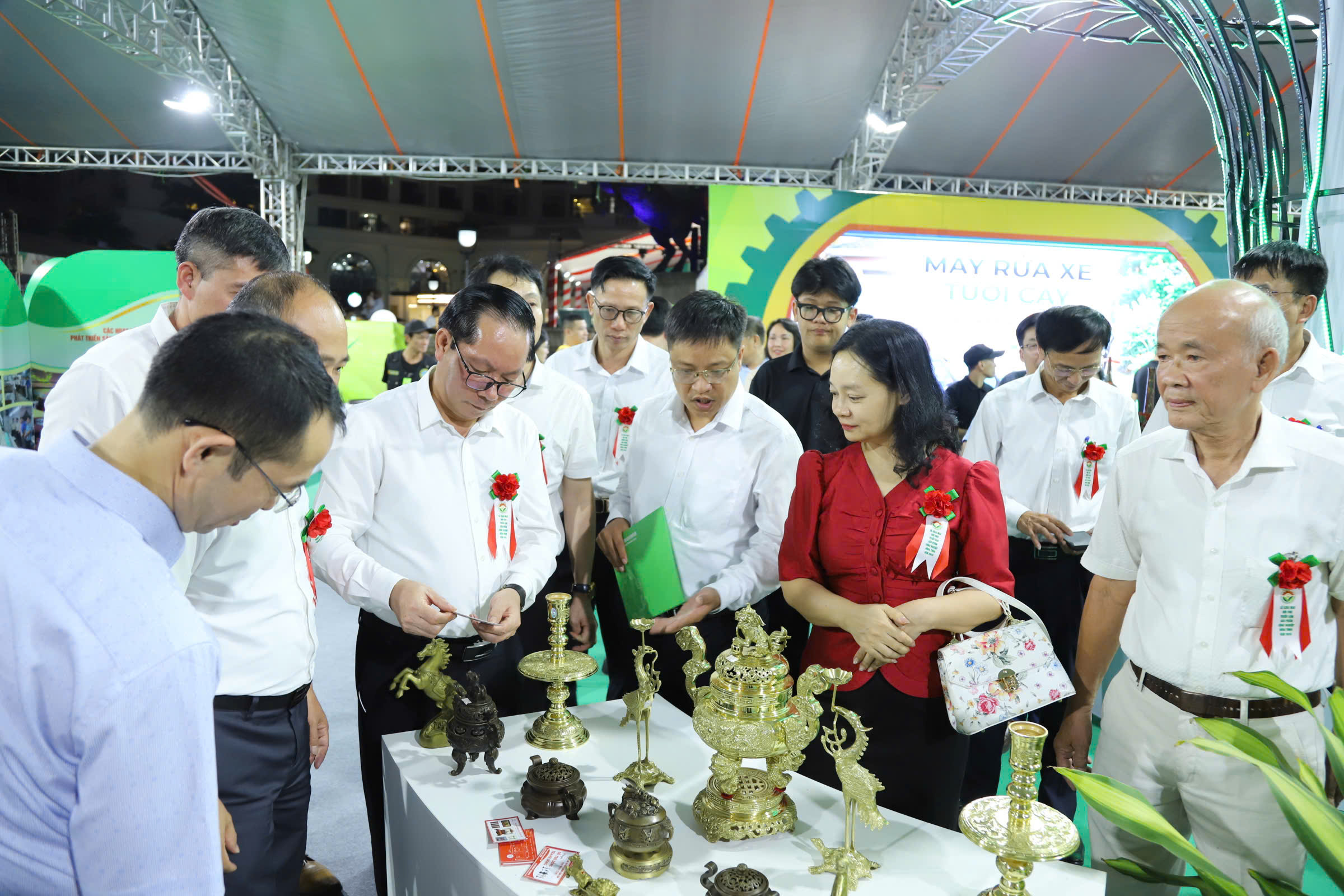
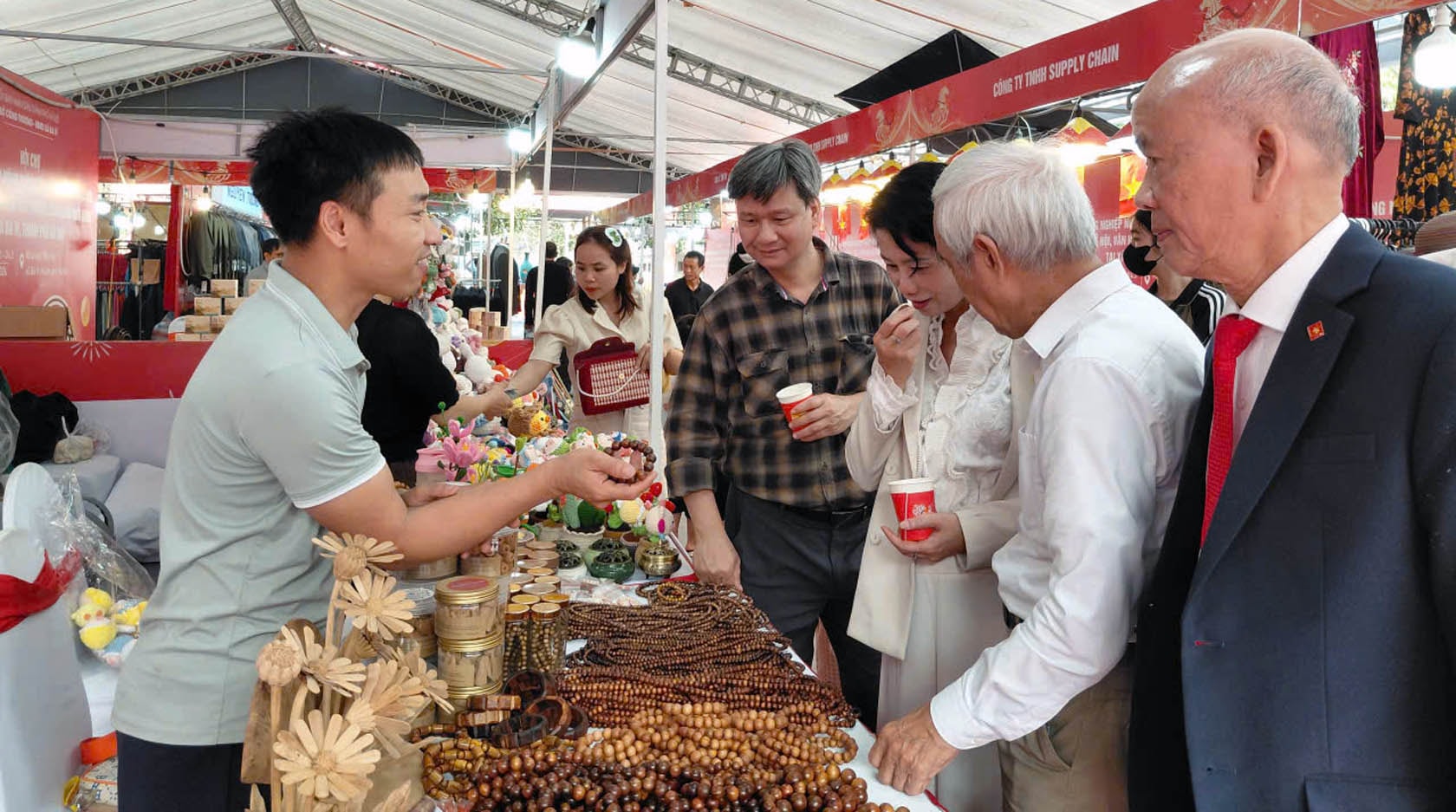
The Rural Industrial Products Fair and Exhibition 2026 has attracted more than 300 booths from provinces and cities across the country, helping promote outstanding rural industrial products, strengthen business connections, and expand consumer markets.
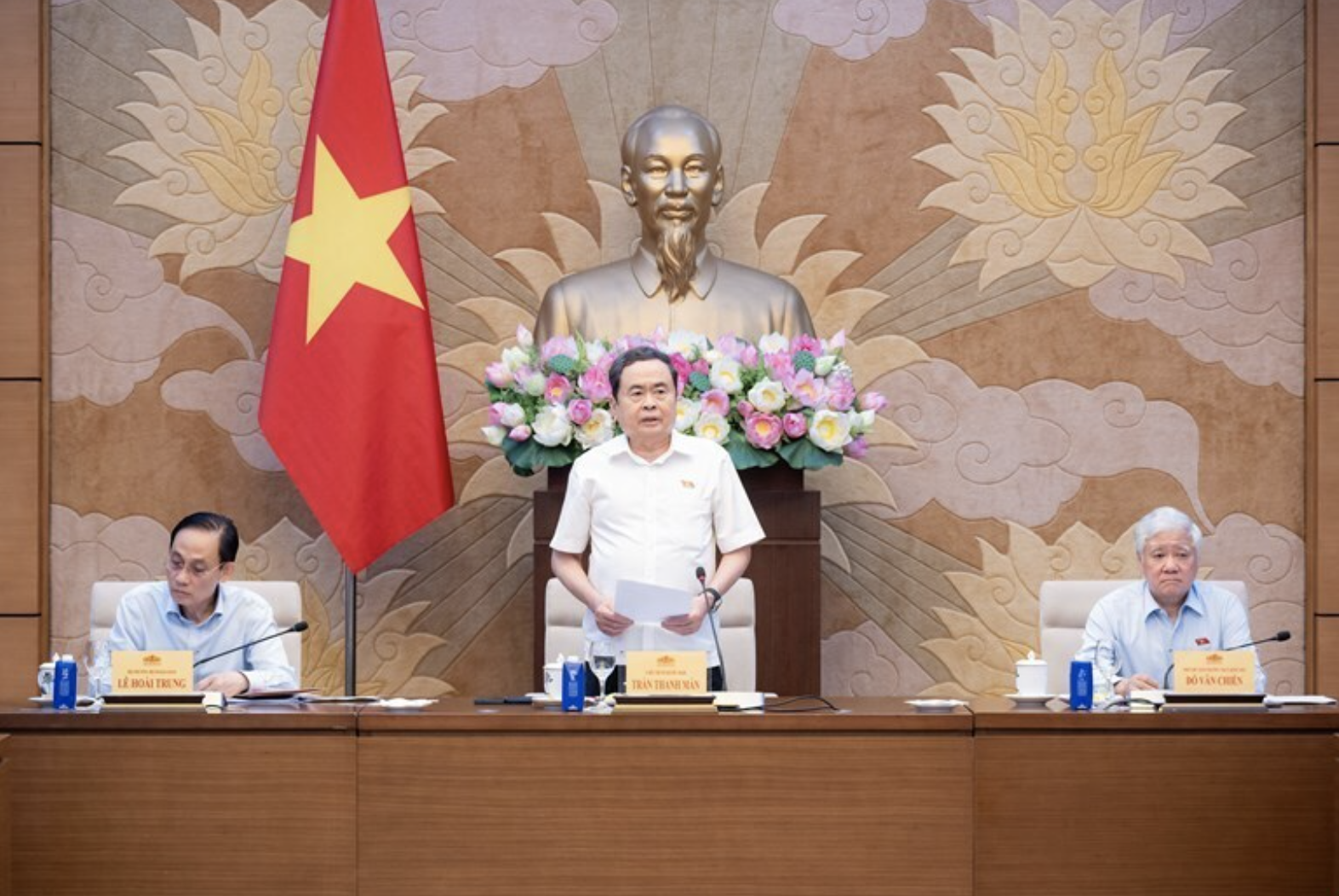
National Assembly Chairman Tran Thanh Man stressed that in the country's new stage of development, foreign affairs must not only contribute to safeguarding the nation from an early stage and from afar, but also serve as a key driver of development.
The Rural Industrial Products Fair and Exhibition 2026 has attracted more than 300 booths from provinces and cities across the country, helping promote outstanding rural industrial products, strengthen business connections, and expand consumer markets.
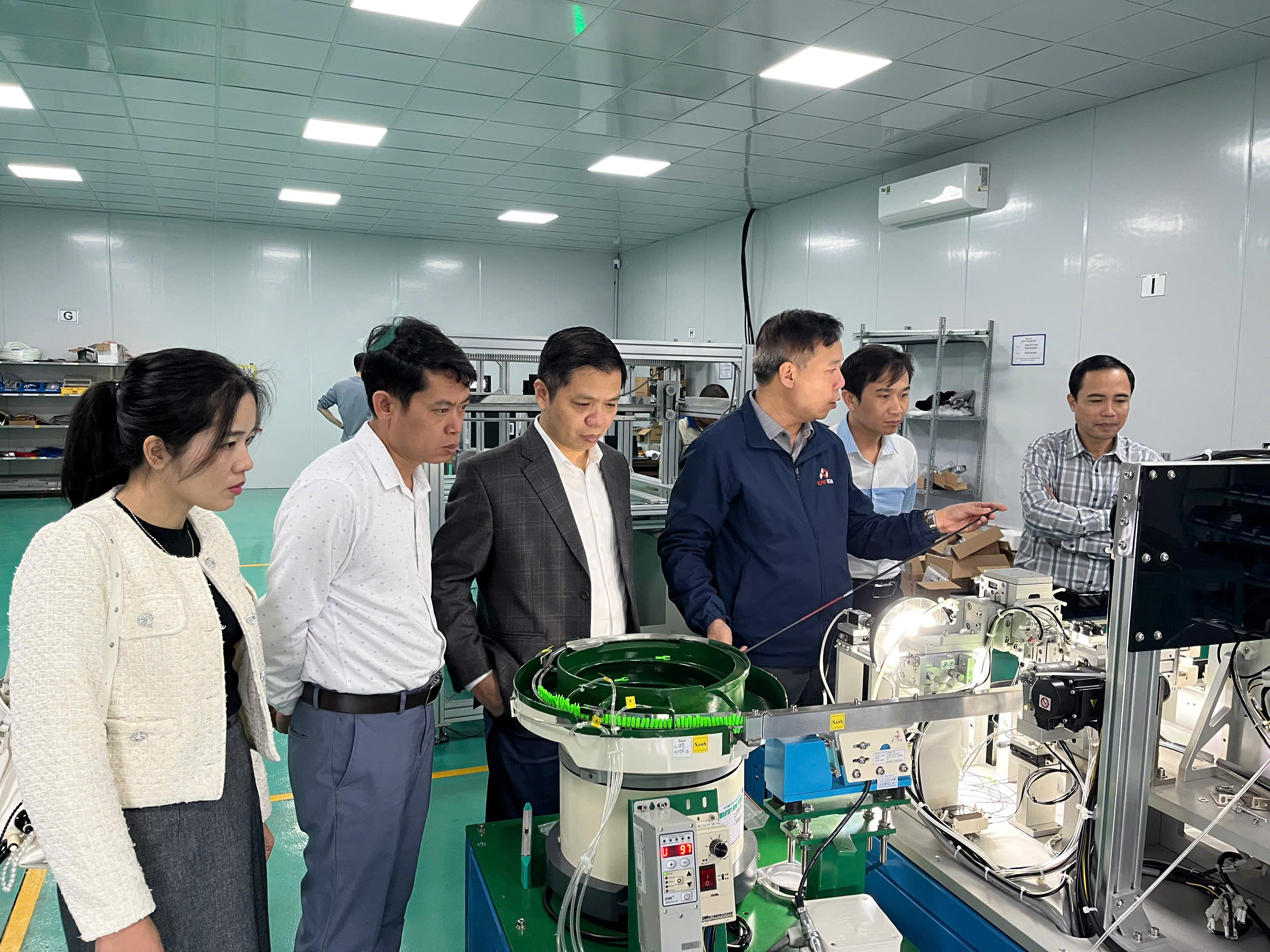
To further enhance the effectiveness of the national industrial promotion program, representatives from provincial Departments of Industry and Trade have proposed increasing support expenditures during the 2026-2030 period to align with the growing demands of digital transformation, green transition, and technological innovation at production facilities.
The Ministry of Industry and Trade (MoIT) delegation inspected TKV Minerals Corporation JSC (Vimico)’s 2026 storm-season preparations, highlighting AI-based monitoring and early warning systems to strengthen mine safety efforts