MoIT is advancing the Energy Efficiency Promotion Fund to mobilize financial resources and support greater investment in energy efficiency in Viet Nam.
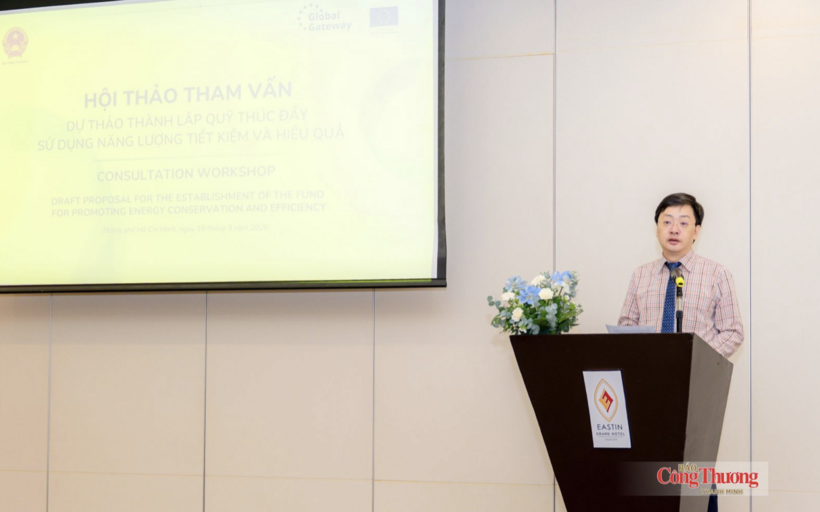
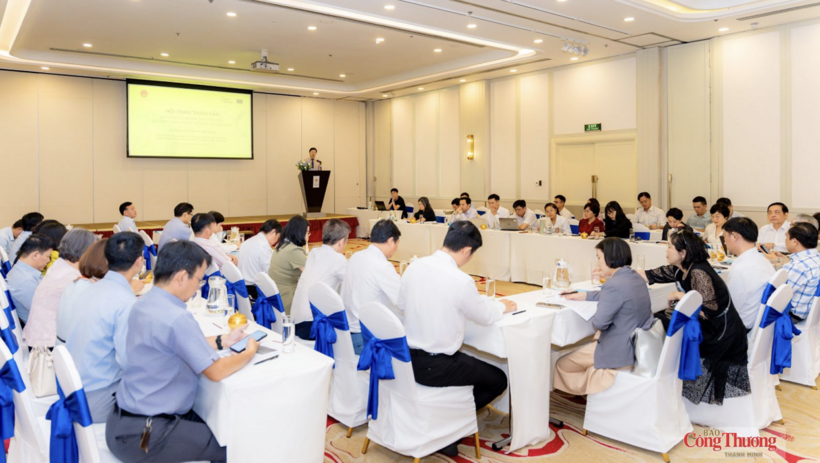
On September 18, in Ho Chi Minh City, the Energy and Petroleum Department under the Ministry of Industry and Trade (MoIT), in coordination with the Viet Nam - EU Technical Assistance Project for Sustainable Energy Transition, held a consultation conference on the Energy Efficiency Promotion Fund.
Driving energy efficiency forward
Speaking at the conference, Dang Hai Dung, Deputy Director-General of the Energy and Petroleum Department, said that the National Program on Energy Efficiency and Conservation (VNEEP) has been implemented nationwide.
The Program has contributed to raising awareness, strengthening capacity and promoting the adoption of energy-saving and energy-efficient solutions across a wide range of sectors and industries.
According to him, the implementation of VNEEP has demonstrated that energy efficiency plays an important role in ensuring national energy security. It also delivers direct benefits to businesses by reducing production costs, improving energy efficiency, productivity and competitiveness.
Dang Hai Dung, Deputy Director of the Energy and Petroleum Department.
The year 2026 marks an important transition, with Law No.77/2025/QH15 and Decree No.30/2026/ND-CP coming into effect. Directive No.09/CT-TTg also calls for continued implementation of energy-saving and electricity-saving measures and the completion of procedures for establishing the Fund.
The potential for energy savings in industry, construction, commerce, and many other sectors remains substantial. Many businesses have upgraded production lines, replaced low-efficiency equipment, optimized systems and invested in new technologies.
However, access to finance and funding availability remain key bottlenecks. Many projects offer clear economic benefits but require substantial upfront investment. Businesses, particularly small and medium-sized enterprises, continue to face difficulties in mobilizing capital.
This is one of the issues being addressed in the design of the Energy Efficiency Promotion Fund. The establishment of an appropriate financial instrument is expected to create more favourable conditions for businesses to implement energy-saving projects.
According to the organizers, the Fund could serve as a financial instrument to mobilize and connect resources from the State, private sector, financial institutions, and development partners for energy efficiency and conservation.
The fund could also connect technical and international resources to support businesses with energy audits, project preparation, workforce training and technology transfer. Such support could be provided throughout the process, from identifying energy-saving potential and preparing projects to technical assistance, capital mobilization, investment implementation and achieving energy-saving results.
Supporting businesses in energy efficiency
Speaking at the event, Tran Thuy Duong, Program Director at the Delegation of the European Union to Viet Nam, said that the EU and Viet Nam have a long-standing partnership in sustainable development, with energy transition serving as an important pillar.
The EU is committed to continuing its support for Viet Nam in developing a clean, efficient and sustainable energy system in line with the goal of achieving net-zero emissions by 2050. Through the Global Gateway strategy, the EU is working with Viet Nam and international partners to mobilize public and private investment, promote innovation and implement sustainable energy solutions.
Within this framework, the Just Energy Transition Partnership (JETP) is a key initiative. JETP contributes to translating commitments into concrete support for a just, inclusive and investment-driven energy transition.
Overview of the event.
An important instrument within the cooperation framework is the Viet Nam - EU Sustainable Energy Transition Program. The EU is providing EUR 142 million in non-refundable grants to support Viet Nam’s transition towards a cleaner and more resilient energy system. The Program focuses on three areas: energy efficiency, renewable energy and strengthening the Viet Nam Energy Information System.
According to her, energy efficiency is important for both businesses and the economy. Viet Nam has set a target of saving 8 - 10% of total final energy consumption by 2030. Investment potential in energy efficiency, particularly in industry, remains substantial.
However, access to financing remains a challenge. Many projects are small-scale, diverse in structure and dependent on future cost savings. These characteristics make it difficult for financial institutions to assess, appraise and provide financing.
She stressed that the EU is supporting the MoIT and the Energy and Petroleum Department in developing recommendations for a Fund model suited to Viet Nam’s conditions. Experience shows that support mechanisms need to combine financial instruments with technical assistance, project preparation, measurement and verification of energy savings, as well as transparent governance mechanisms.
Public resources can help reduce risks and create conditions for banks and private investors to participate more extensively in energy efficiency projects.
At the conference, the research team also shared international experience in implementing energy efficiency promotion funds, including experience from similar funds in Viet Nam.
Representatives from BIDV presented the bank’s experience in managing entrusted lending from BIDV funds and projects. Viet Nam Electricity (EVN) shared its experience in implementing energy efficiency investment projects under the ESCO model.
Notably, the research team put forward recommendations on the design of the Fund, covering its organizational model, operating mechanism, financial resources, forms of support and roadmap for its establishment.
To ensure the Energy Efficiency Promotion Fund operates effectively, the conference focused on discussions of its organizational and operational model, sources of capital, management mechanisms and financial instruments. Delegates provided recommendations on the conditions and procedures needed to enable businesses to access the Fund’s resources in a convenient, transparent and effective manner.
Deputy Director-General of the Energy and Petroleum Department Dang Hai Dung emphasized that the contributions made at the conference would provide a basis for the MoIT to continue refining the Energy Efficiency Promotion Fund model. This would help ensure its feasibility, effectiveness, transparency and sustainability, with the aim of making it an instrument to promote energy efficiency investment on a larger scale. The Deputy Director expressed confidence that the views shared at the conference would contribute to completing the Fund and promoting energy-efficient and energy-saving practices in Viet Nam.
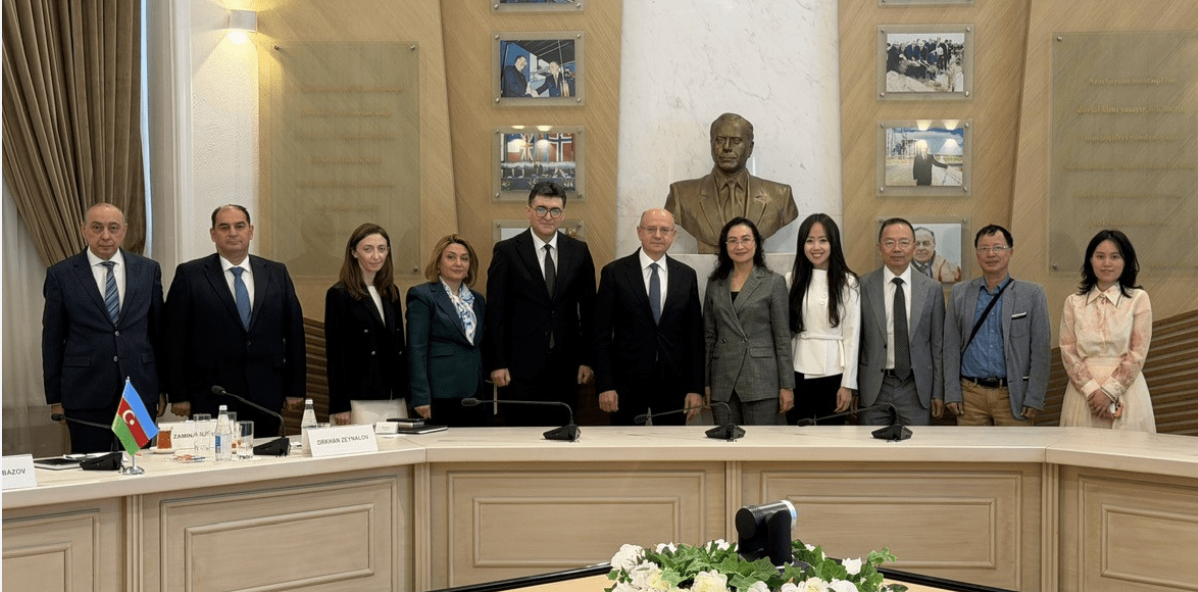
Deputy Minister Phan Thi Thang holds talks with Azerbaijan’s Minister of Energy to advance the bilateral trade and investment and expand cooperation in oil, gas, and LNG.
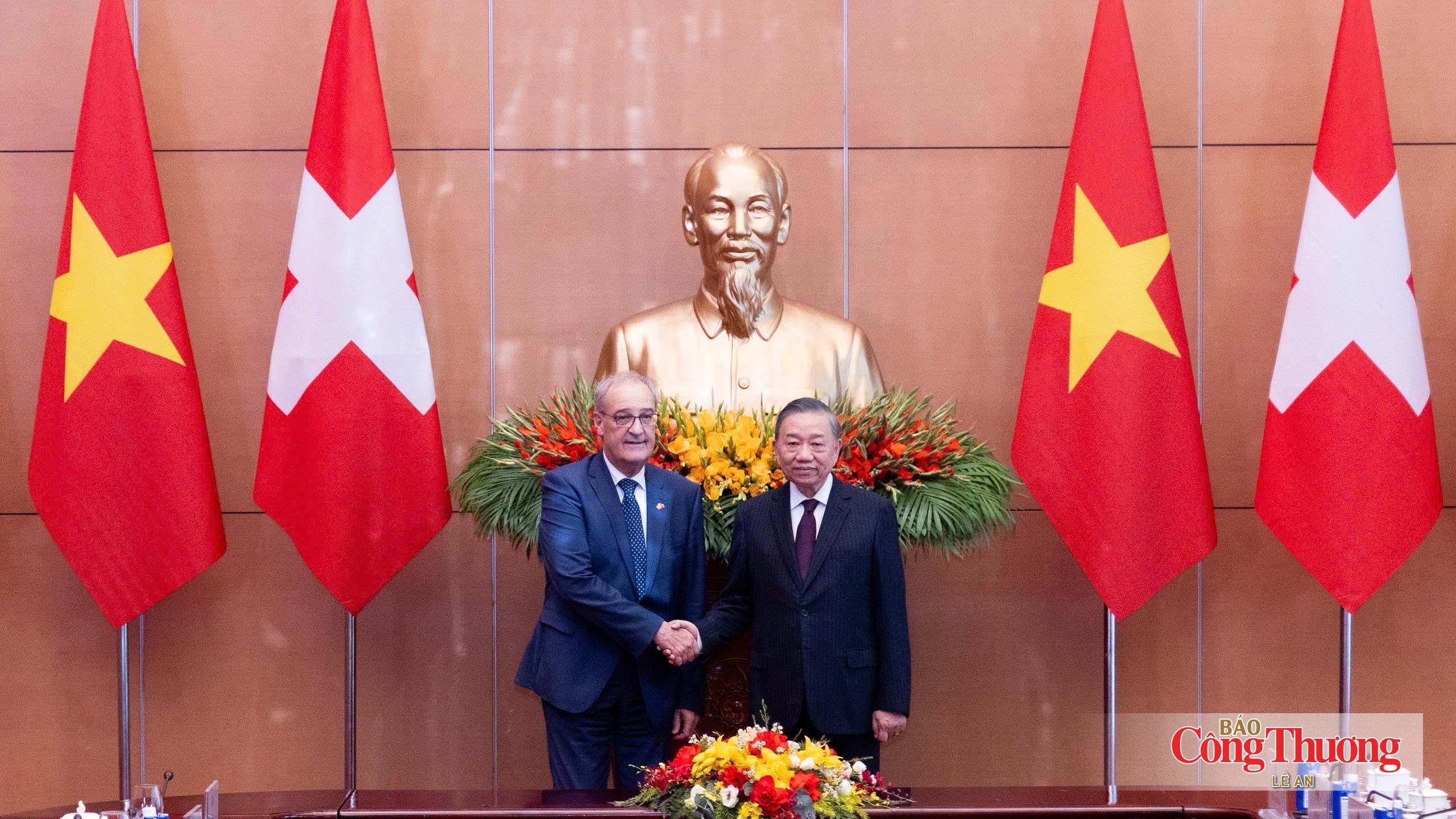
Viet Nam attaches great importance to its Comprehensive Partnership with Switzerland and wishes to continue working alongside the country to promote shared development and contribute to peace, stability and development in the region.
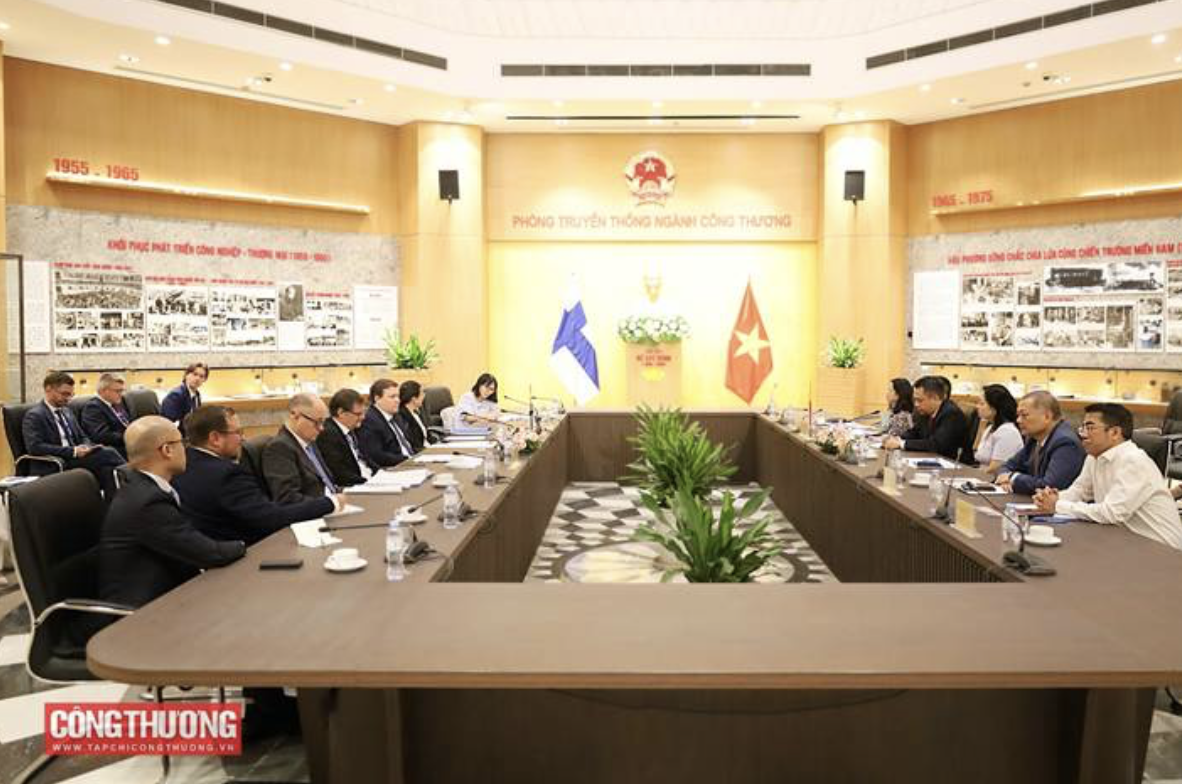
Norwegian representatives expect tariff preferences under the Viet Nam – EFTA Free Trade Agreement (FTA) to help lower the price of Norwegian salmon, making the product more accessible to Vietnamese consumers.
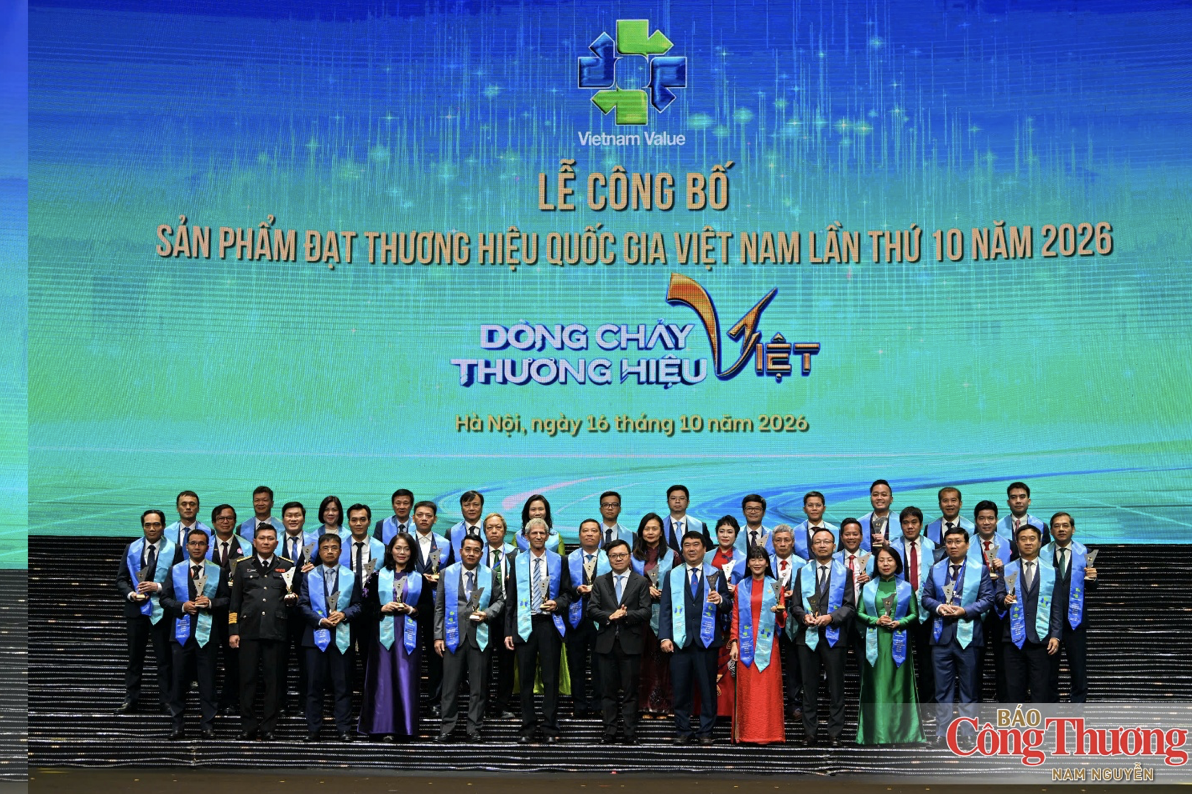
The Ministry of Industry and Trade honored 499 products and services from 227 businesses at the 10th Viet Nam National Brand announcement ceremony for 2026.
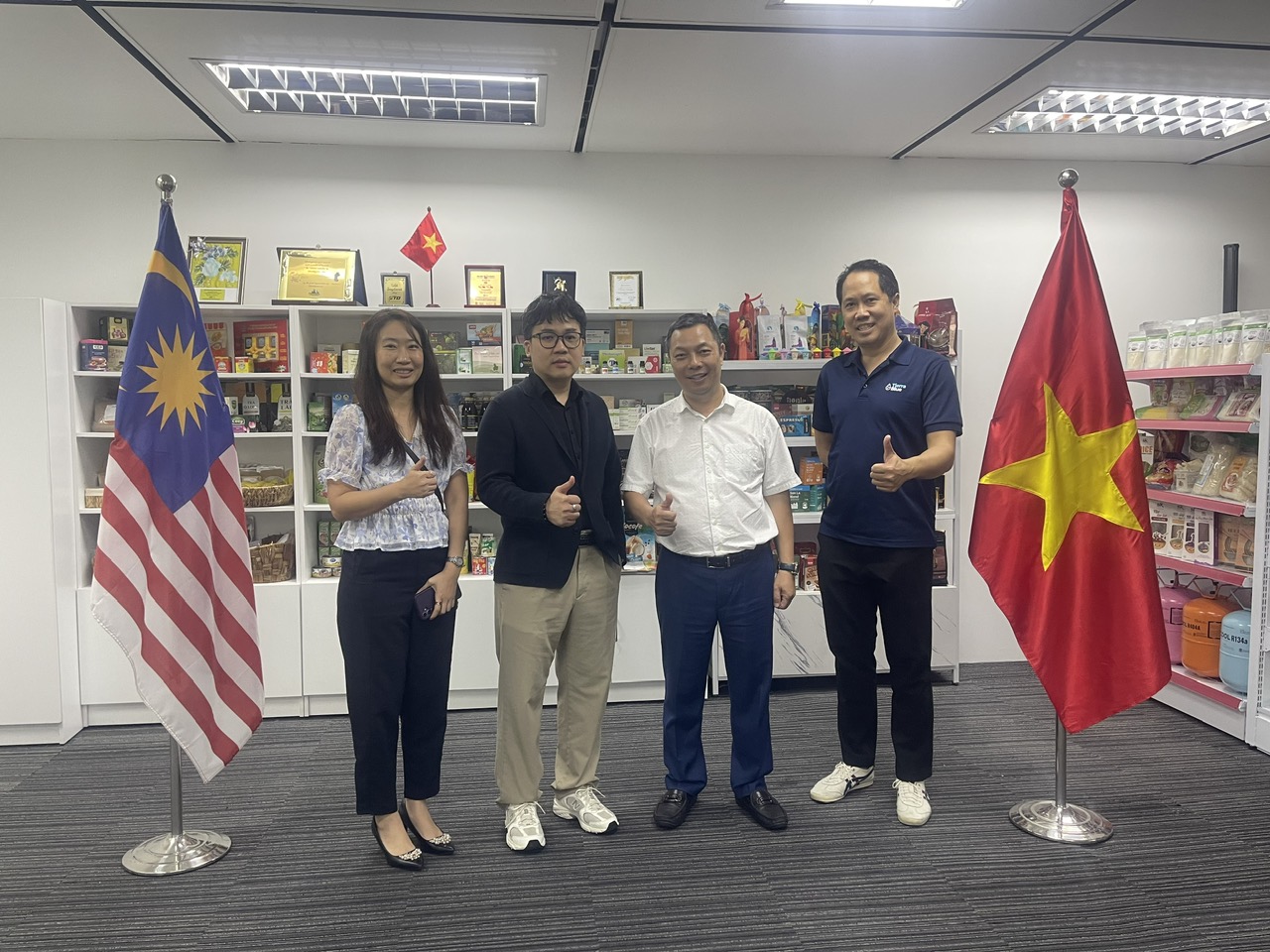
Viet Nam - Malaysia trade hit USD 17.4 billion in the first nine months of 2026, exceeding the 2025 full-year total and signaling a stronger-than-expected year.
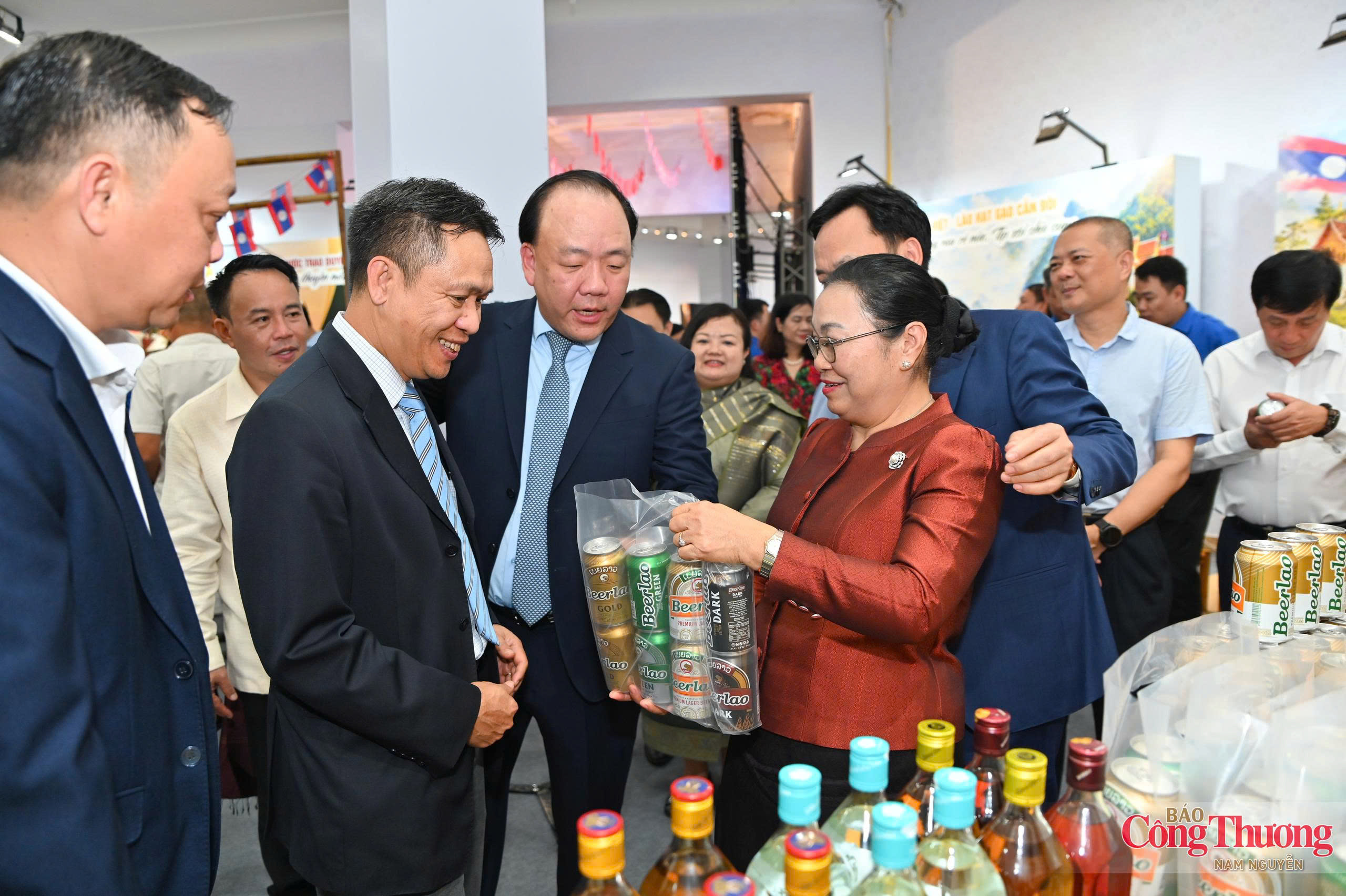
The official visit to Laos by Prime Minister Le Minh Hung is expected to inject fresh momentum into bilateral relations, with economic, trade and investment cooperation continuing to serve as a core pillar.
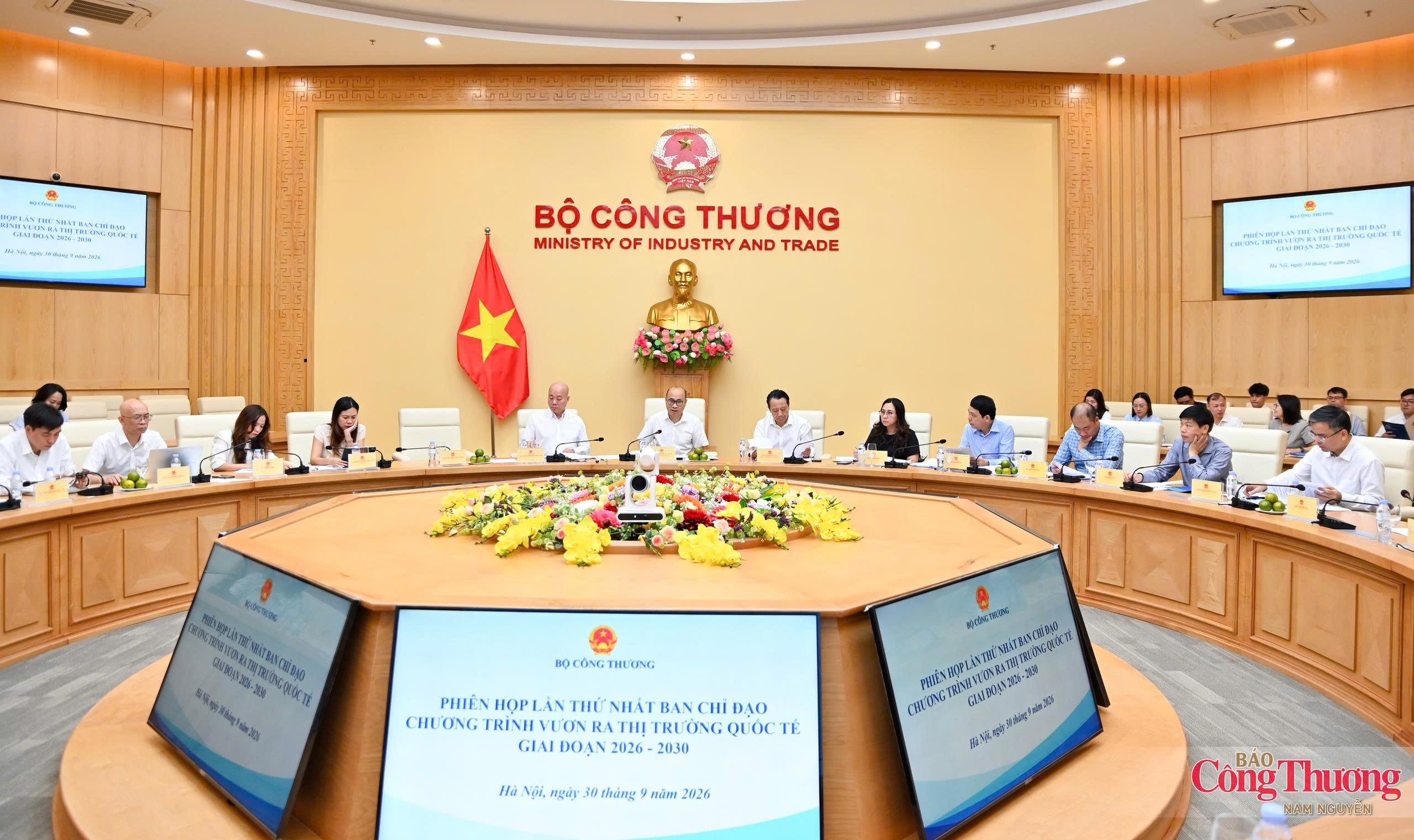
On September 30, the Ministry of Industry and Trade convened the first session of the Steering Committee for the GoGlobal Program for the 2026 - 2030 period.
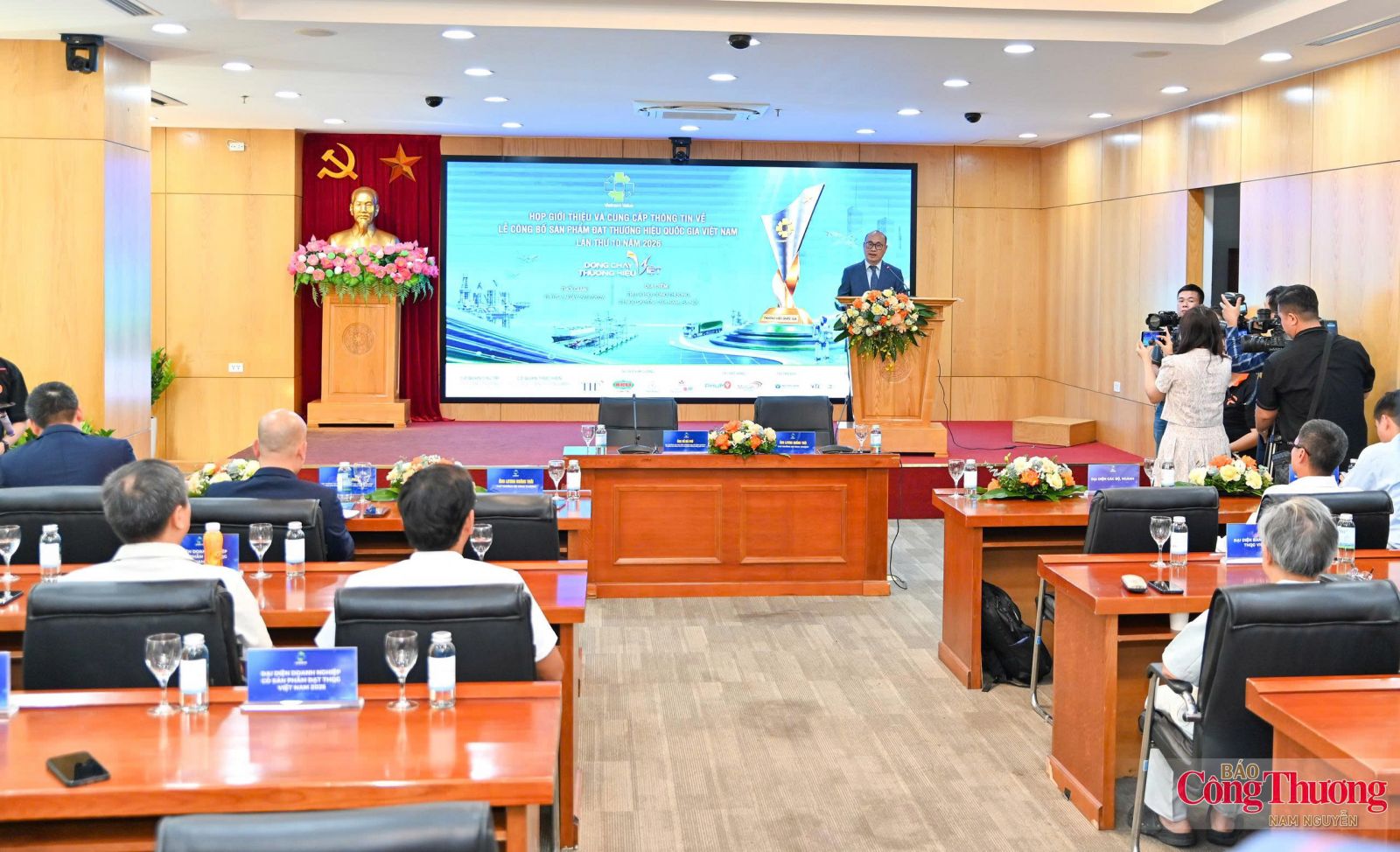
On September 29, the Ministry of Industry and Trade (MoIT) held a meeting to introduce and provide information on the ceremony announcing products achieving Viet Nam Value recognition for the 10th edition in 2026. Deputy Minister of Industry and Trade Luong Hoang Thai chaired the event.
Trade promotion not only expands markets, but also connects Vietnamese technology businesses with buyers, partners and supply chains, helping increase the value of their products.