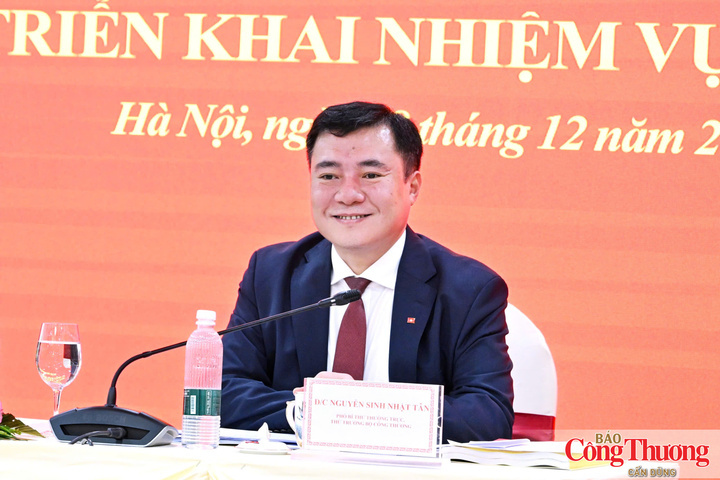
Deputy Minister of Industry and Trade Nguyen Sinh Nhat Tan underlined the need to renew thinking, place businesses at the center and improve the effectiveness of international economic integration.
International economic integration becomes increasingly extensive and substantive
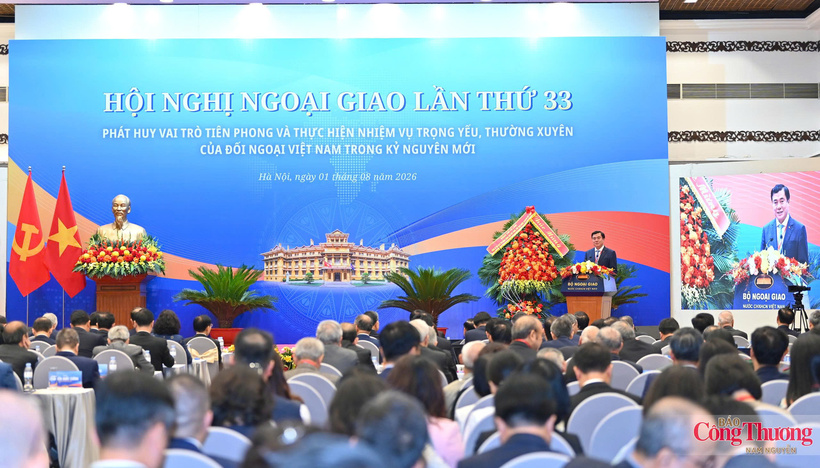
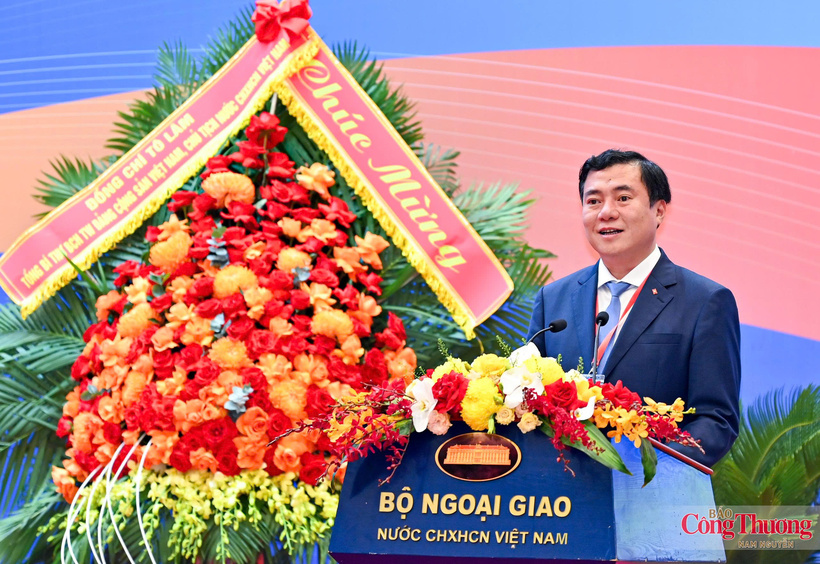
Addressing the 33rd Diplomatic Conference, held in Hanoi on the morning of August 1, Deputy Minister of Industry and Trade Nguyen Sinh Nhat Tan delivered a presentation entitled “Economic diplomacy and international economic integration in recent years and directions for the coming period.”
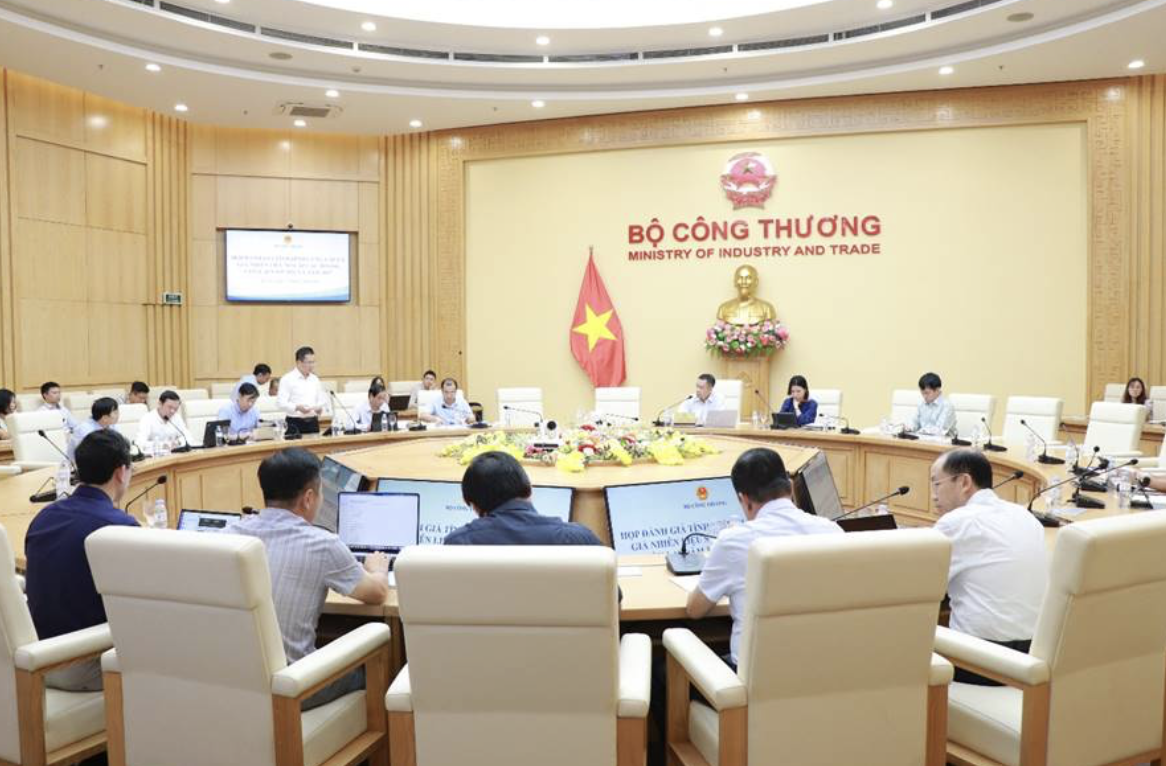
Deputy Minister of Industry and Trade Nguyen Sinh Nhat Tan delivers a presentation entitled “Economic diplomacy and international economic integration in recent years and directions for the coming period.”
Deputy Minister of Industry and Trade Nguyen Sinh Nhat Tan delivers a presentation entitled “Economic diplomacy and international economic integration in recent years and directions for the coming period.”
According to Deputy Minister Nguyen Sinh Nhat Tan, economic diplomacy and international economic integration have recorded significant achievements in recent years, making practical contributions to economic development, market expansion and the enhancement of Vietnam’s international standing.
First, Vietnam’s network of international economic and trade relations has continued to expand and advance to a new level. The country has become increasingly deeply integrated into the regional and global economy and has actively participated in multilateral, regional and bilateral cooperation mechanisms. In particular, Vietnam has joined and implemented 17 free trade agreements (FTAs) and recently concluded negotiations with the European Free Trade Association (EFTA), thereby creating a vast market space and important cooperation frameworks for the development of the country’s economy and trade.
Second, economic diplomacy has become more closely linked with trade, investment and business support activities. Coordination among the Ministry of Industry and Trade, the Ministry of Foreign Affairs, other ministries, sectors, localities and Vietnamese representative missions abroad has become increasingly substantive. Vietnamese representative missions overseas have played an important role in providing information, connecting partners, supporting trade and investment promotion, and helping businesses gain access to international markets.
Third, international economic integration has made increasingly evident contributions to Vietnam’s economic growth and international standing. During the 2016-2025 period, the country’s export value increased 2.7-fold, from USD 176 billion to USD 475 billion, representing an average annual growth rate of 11.7%. In 2025 alone, Vietnam’s total import-export turnover reached USD 930 billion, placing the country among the world’s 15 largest trading economies.
In the first seven months of 2026, total import-export turnover was estimated at USD 659 billion, up 28% year on year. Of the figure, exports were estimated at USD 320 billion, an increase of 21.9%, while imports reached an estimated USD 339 billion, up 34.5% compared with the same period last year.
“Vietnam’s total import-export turnover is expected to exceed USD 1 trillion in 2026. According to assessments by many international organizations, Vietnam is among the countries that have most effectively utilized the benefits offered by their FTA networks,” Deputy Minister Nguyen Sinh Nhat Tan said.
As of July 2026, more than 1.2 million certificates of origin had been issued under FTAs, covering nearly USD 100 billion in export value and accounting for 28% of Vietnam’s total export turnover. The utilization rate of preferential tariffs under FTAs remained high. Several agreements, including those with the EU, ASEAN-India, ASEAN-Australia-New Zealand and within ASEAN itself, recorded utilization rates of between 30% and 50%.
“In the coming period, the global economic landscape is forecast to continue undergoing profound changes, while the scale of integration will grow increasingly large, placing higher demands on the economy’s autonomy, competitiveness and resilience,” Deputy Minister Nguyen Sinh Nhat Tan said.
He noted that Resolution No. 59-NQ/TW of the Politburo on international integration in the new situation and Resolution No. 06-NQ/TW of the Politburo on implementing the foreign policy adopted by the 14th National Party Congress had set out the policy of promoting the pioneering role of external affairs and affirming its status as a major and regular task in service of development.
The central focus is economic diplomacy, which is expected to contribute to building an independent, self-reliant and resilient economy associated with comprehensive, extensive and effective international integration, he added.
Six key directions for economic diplomacy
To meet requirements in the new situation, Deputy Minister Nguyen Sinh Nhat Tan proposed six major directions for economic diplomacy and international economic integration.
Deputy Minister Nguyen Sinh Nhat Tan delivers remarks at the 33rd Diplomatic Conference.
First, economic diplomacy and international economic integration must continue to be strongly renewed in support of growth, making direct contributions to improving productivity, growth quality, technological capacity and Vietnam’s position in global value chains.
Accordingly, Vietnam needs to continue making effective use of FTAs, particularly new-generation agreements.
“The outcome of integration should not be measured solely by the number of agreements a country has joined, but by its ability to translate economic commitments into domestic production capacity, technological capability and innovation,” Deputy Minister Nguyen Sinh Nhat Tan affirmed.
Second, businesses must be placed at the center of the integration process. In addition to negotiating and implementing agreements, trade promotion, investment attraction, and scientific and technological cooperation must be based on the practical needs of businesses. Support should be provided to help enterprises further diversify markets, partners and supply chains.
In particular, the Go Global Program for the 2026-2030 period, approved in line with the policy set out in Resolution No. 68-NQ/TW, must be implemented effectively.
Third, trade promotion activities must be strongly renewed, with substantive effectiveness serving as the principal measure of performance.
Fourth, Vietnam should develop an ecosystem for external affairs and international integration in the fields of economics, science and technology. This would enable the country to proactively attract intellectual resources, advanced technologies, high-quality human resources and strategic investment flows in support of priority sectors and fields.
Fifth, intersectoral coordination must continue to be strongly renewed and made more effective, ensuring closer and more harmonious links among external affairs, economic development, science and technology, national defense and security. Economic diplomacy and international economic integration should serve as the focal point and a driving force for advancing integration in other fields.
Sixth, Vietnam must strengthen national governance capacity in addressing risks arising from international integration. This includes proactively assessing impacts and improving risk management in trade, investment, technology, energy and supply chains, while ensuring harmony between deeper integration and the safeguarding of independence, autonomy and national interests.
“Amid rapid and profound changes in the global economy, we need to proactively bring domestic strengths into full play, make effective use of external resources, improve adaptability, and gradually affirm Vietnam’s role and position in the global economy,” Deputy Minister Nguyen Sinh Nhat Tan stressed.
“In that context, economic diplomacy and international economic integration need to be pursued with a more proactive and substantive mindset. Their purpose is not merely to expand markets and attract resources, but also to enhance the economy’s autonomy, resilience and competitiveness,” he said.
The Ministry of Industry and Trade wishes to continue coordinating closely with the Ministry of Foreign Affairs, central ministries and sectors, localities, Vietnamese representative missions abroad and the business community.
Through such coordination, economic diplomacy and international economic integration can truly become important drivers in mobilizing and effectively utilizing resources for national development, Deputy Minister Nguyen Sinh Nhat Tan affirmed.
Industry and Trade Newspaper would like to introduce a podcast series on the implementation of the Politburo's Resolution No. 57 in the Industry and Trade sector.
GREENTECH HA NOI 2026 showcases green technologies and energy-efficient solutions that help businesses cut emissions, optimize costs, promote sustainable production.
The programme connects Vietnamese businesses with Chinese investors, expanding opportunities for investment, technology cooperation and supply chain links.
Viet Nam and Poland are exploring complementary strengths in furniture manufacturing, machinery, raw materials and technology to develop regional supply chains.
The MoIT calls for proactive risk management and supply diversification to prevent energy supply disruptions amid global geopolitical and market uncertainties.
The programme connects Vietnamese businesses with Chinese investors, expanding opportunities for investment, technology cooperation and supply chain links.
The MoIT calls for proactive risk management and supply diversification to prevent energy supply disruptions amid global geopolitical and market uncertainties.
On September 14, in Hanoi, the Ministry of Industry and Trade (MoIT) held a conference to receive and hand over State management functions and tasks concerning geology, minerals and industrial parks.
Deputy Minister of Industry and Trade Nguyen Sinh Nhat Tan has been reassigned and appointed to the Executive Committee and Standing Committee of the Ho Chi Minh City Party Committee, and appointed Deputy Secretary of the Ho Chi Minh City Party Committee for the 2025 - 2030 term.
A green industrial ecosystem, capable suppliers and synchronized infrastructure are emerging as new requirements for Viet Nam to attract the next generation of foreign direct investment (FDI).