Energy, oil and gas cooperation between Vietnam and Russian Federation has been expanding into high value-added, technology-intensive sectors.
Industrial cooperation as the “backbone”
According to the Department of Foreign Market Development under the Ministry of Industry and Trade, Russia is one of Vietnam’s key economic partners, particularly in industry and energy. Amid global economic and geopolitical volatility, bilateral trade has maintained a positive growth trajectory.
Data from Vietnam Customs show that in 2025, two-way trade reached USD 4.77 billion, up 4% year-on-year. Of this, Vietnam’s exports totaled nearly USD 2.26 billion, down slightly by 3.2%, while imports from Russia rose 11.6% to USD 2.51 billion.
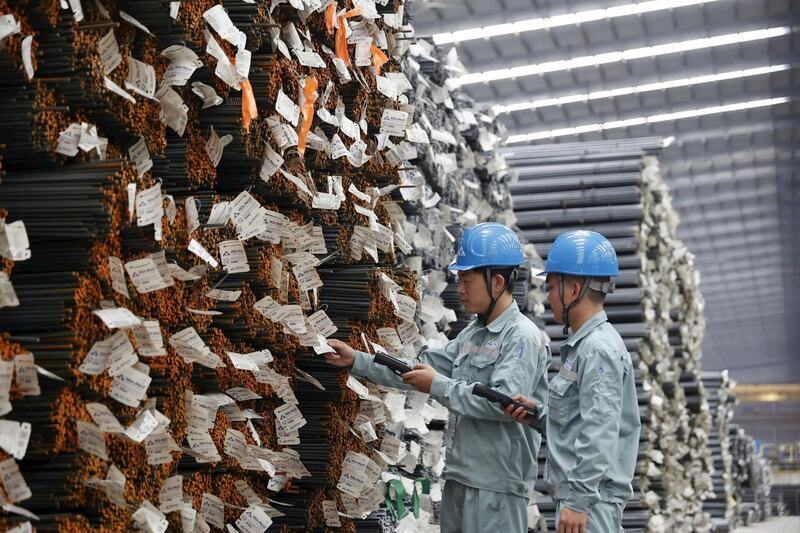
Iron and steel were among the commodities recording strong export growth to the Russian Federation market in 2025. Photo: Ngoc Minh
On the export side, notable growth was recorded in several categories, including iron and steel (up 582.8%), coffee (up 51%), footwear (up 43.4%), and toys and sports equipment (up 41.7%). In terms of structure, textiles and garments continued to lead with USD 504 million, accounting for 22.3%, followed by coffee (USD 462.3 million, 20%) and seafood (USD 214.5 million).
Conversely, Vietnam’s imports from Russia are largely production inputs, with coal accounting for the largest share at USD 875 million (35%), followed by fertilizers (USD 315.2 million) and plastic materials (USD 130 million). Several categories also posted strong growth, including other base metals (up 124.4%), ores and minerals (up 72.6%), and completely built-up automobiles (up 62.6%).
In the first two months of 2026, bilateral trade reached USD 700 million, down 5.1% year-on-year. However, this is considered a short-term fluctuation, as the broader long-term trend remains stable growth.
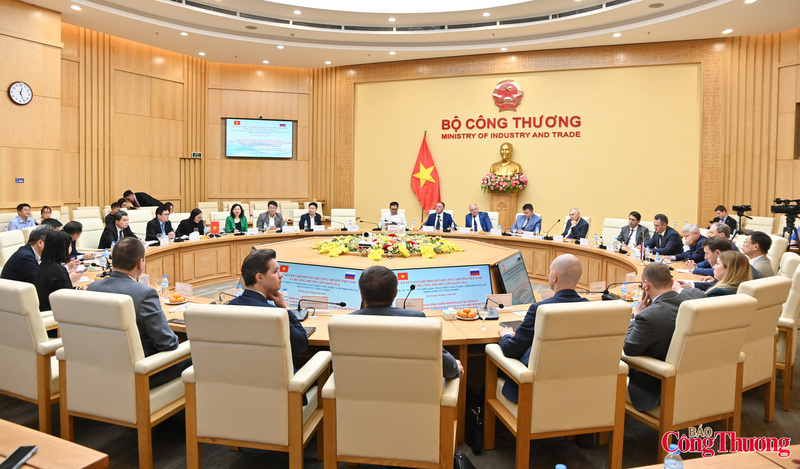
Overview of the 14th session of the Subcommittee on Industrial Cooperation under the Vietnam - Russian FederationIntergovernmental Committee, held in November 2025.
At the 14th session of the Subcommittee on Industrial Cooperation under the Vietnam - Russia Intergovernmental Committee, held in November 2025 in Hanoi, the Russian side reaffirmed that industry plays a pivotal role in bilateral cooperation, accounting for up to 60% of total trade turnover. Both sides agreed to promote seven key areas of cooperation, including the automotive industry, electrical engineering and renewable energy equipment, chemicals, metallurgy, radio electronics and digital technology, and railway engineering.
Energy, oil and gas as a strategic pillar
Energy, oil and gas have long been regarded as a central pillar of cooperation between Vietnam and Russia. According to the Ministry of Industry and Trade, bilateral cooperation in this field has moved beyond traditional oil exploration and production, expanding into new areas with higher technological content and added value.
Key areas of cooperation include the construction of gas-fired power plants in Vietnam, the supply of liquefied natural gas (LNG), the development of renewable energy infrastructure, the production of motor fuels, and the modernization of existing energy facilities.
Cooperation in renewable energy, particularly offshore wind has emerged as a clear testament to the evolving Vietnam - Russia partnership. Speaking at the Vietnam - Russia scientific forum on industrial promotion, technology, and innovation, Trinh Minh Anh of the Institute for Industry and Trade Strategy and Policy emphasized that renewable energy cooperation, especially offshore wind, represents a new phase in bilateral ties.
Cooperation in renewable energy, particularly offshore wind is emerging as a clear testament to the evolving partnership between Vietnam and the Russian Federation. Photo: PVN
Beyond economic significance, such cooperation also carries symbolic value, reflecting the continuity of traditional friendship while opening a new chapter focused on global frontier sectors.
She noted that Vietnam is currently at a critical juncture in its energy transition. In this context, renewable energy is no longer optional but a strategic imperative. With its natural resource advantages, strategic location, and an increasingly favorable investment environment, Vietnam is becoming an attractive destination for large-scale energy projects.
On the other hand, Russia possesses strong technological capabilities, particularly in foundational industries such as oil and gas, mechanical engineering, energy, and science and technology. This complementarity creates an ideal convergence point for deeper cooperation.
In developing renewable power sources, one specific target is to achieve 6 GW of offshore wind capacity by 2030. To realize this goal, she stressed the need to focus on several key factors.
First is the development and transfer of core technologies, particularly floating foundation technology suited to Vietnam’s deep-water conditions, where wind potential is high but technical requirements are complex.
In addition, the two countries could collaborate in designing, manufacturing, and testing next-generation floating foundation models, not only for domestic use but also with a view to future technology exports.
Another bottleneck lies in power transmission infrastructure. The development of high-voltage direct current (HVDC) systems and smart grids will be critical to integrating large-scale wind power into the national grid in a stable and secure manner.
Overall, Vietnam - Russia energy cooperation is entering a rare “window of opportunity,” as both countries seek to restructure their growth models and transition toward green, sustainable industries.
For Vietnam, institutional reforms, logistics infrastructure development, digital transformation, and commitments to net-zero emissions are creating an increasingly conducive investment environment. For Russia, its strengths in technology and experience in foundational industries are key factors in enhancing the quality of cooperation.
If both sides effectively leverage existing foundations while addressing technological and infrastructure challenges, Vietnam - Russia energy cooperation could become a model for international collaboration.
As of the end of February 2026, Russia had 220 investment projects in Vietnam with total registered capital of nearly USD 996 million, ranking 28th among 153 countries and territories investing in Vietnam. Key sectors include mining, accommodation and food services, and manufacturing and processing industries.
Conversely, Vietnam has around 18 investment projects in Russia with total capital of approximately USD 1.64 billion. Russia currently ranks fourth among 85 countries and territories receiving Vietnamese outbound investment, with major sectors including mining, industry, and real estate.
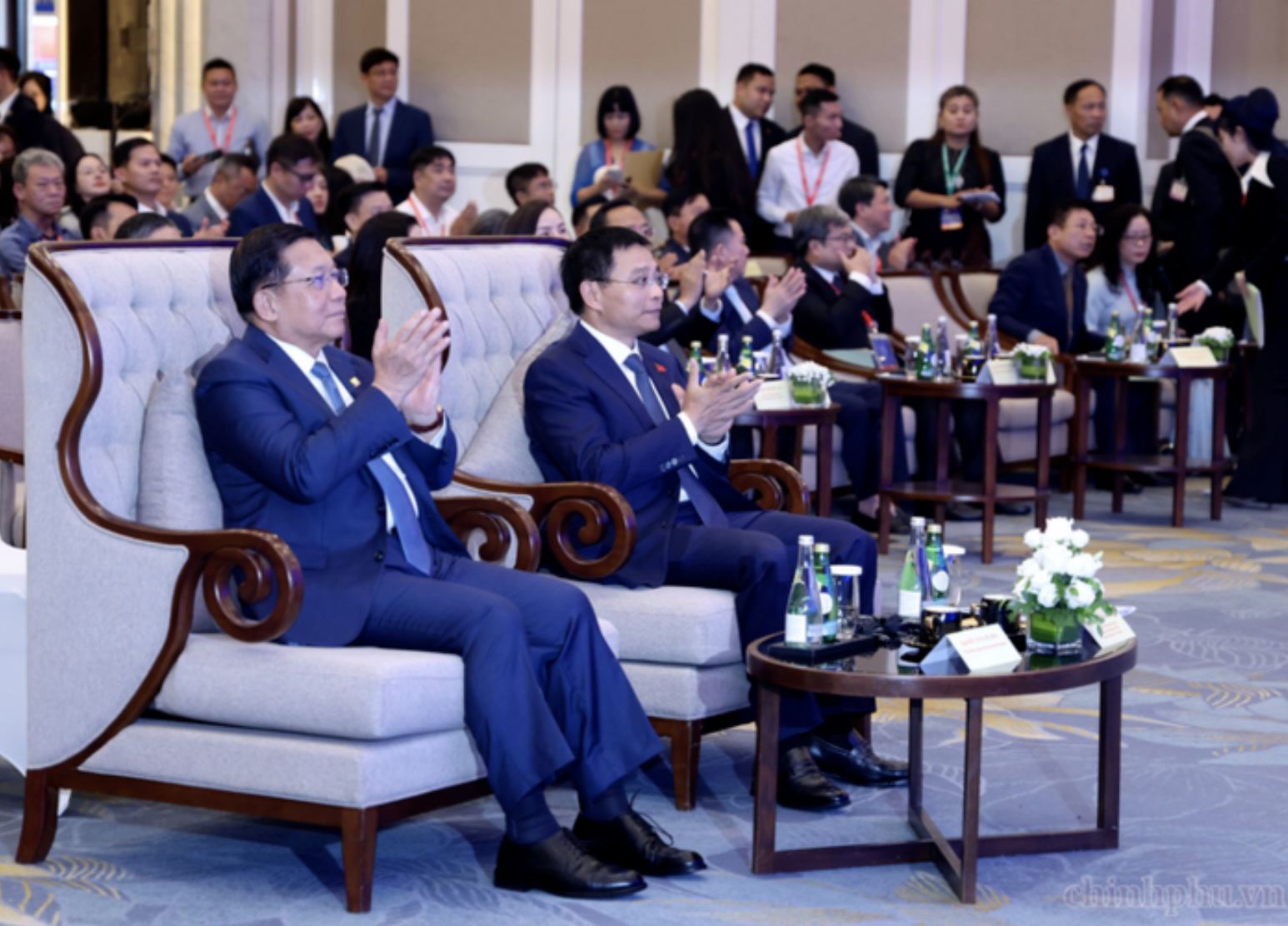
Addressing the Myanmar - Viet Nam Business Forum, Deputy Prime Minister Nguyen Van Thang said the two sides should expand the space for cooperation and leverage their respective resources to support the self-reliant and resilient development of each country, contributing to the implementation of agreements reached by the senior leaders of the two countries.
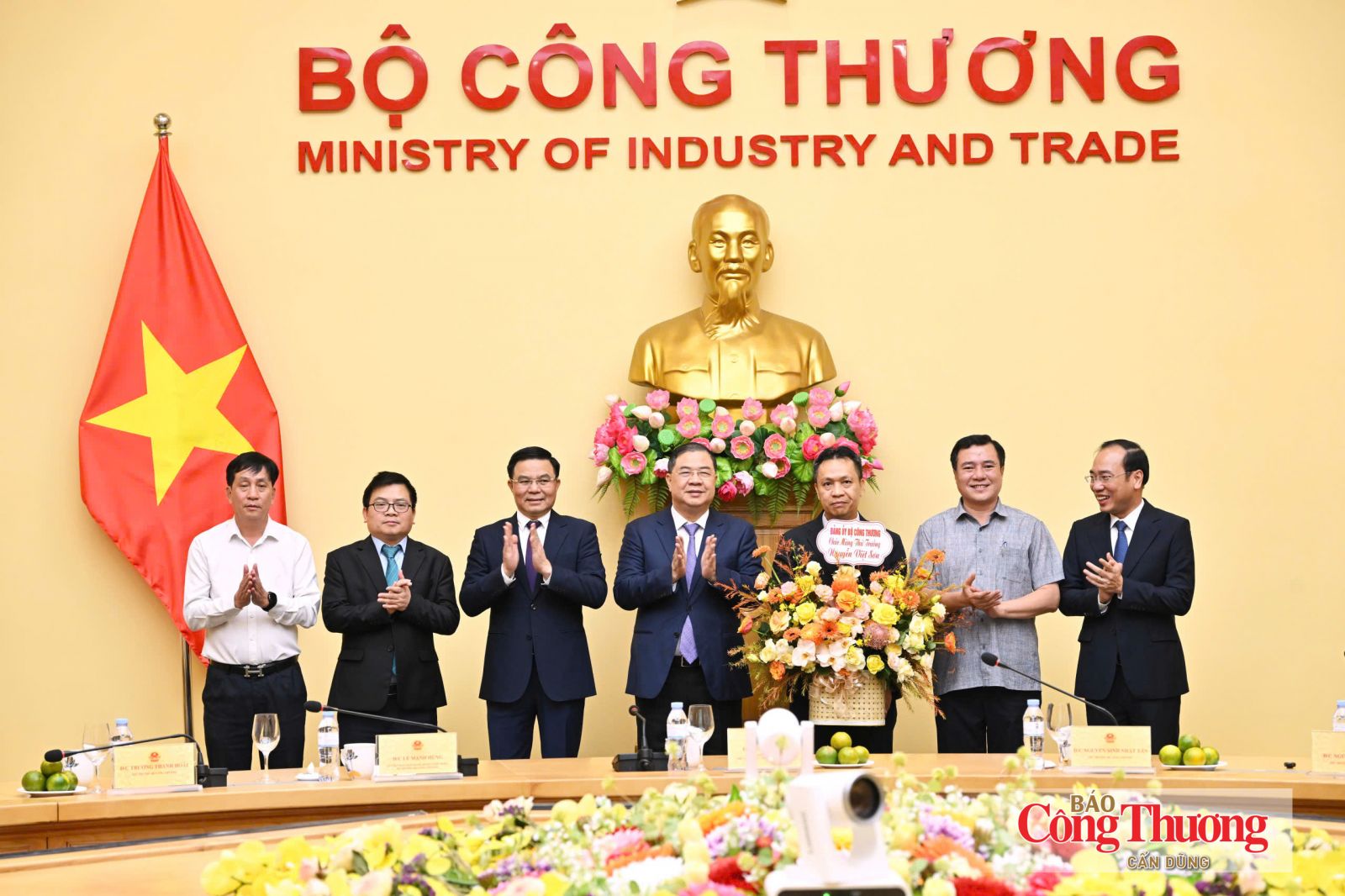
On the afternoon of September 6, at the headquarters of the Ministry of Industry and Trade (MoIT), Politburo member and Standing Deputy Prime Minister Pham Gia Tuc handed over the Prime Minister's decision appointing Nguyen Viet Son as Deputy Minister of Industry and Trade.
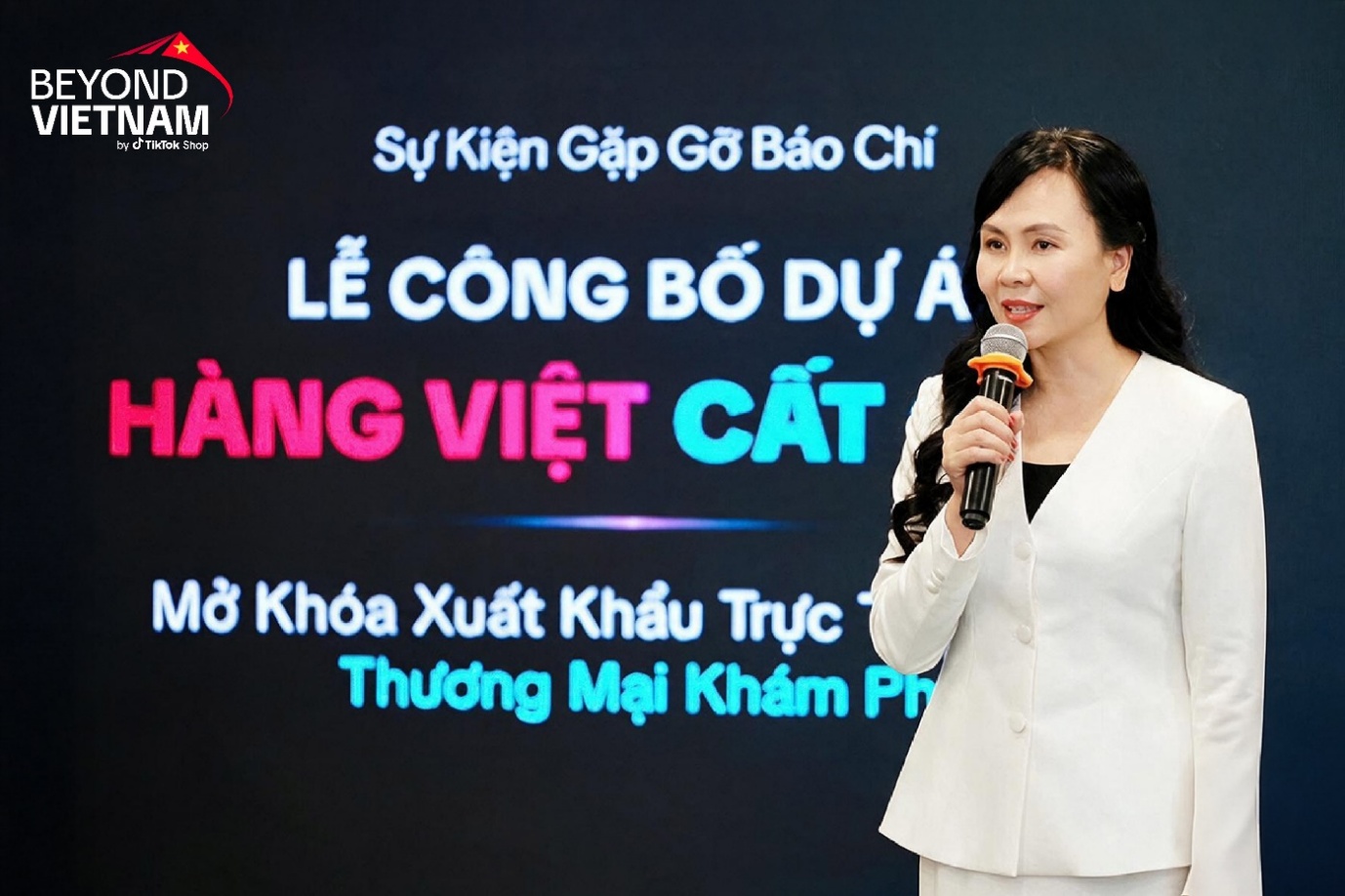
The iDEA and TikTok Shop launched the “Beyond Vietnam” initiative to help Vietnamese businesses build digital export capabilities and expand global market access.
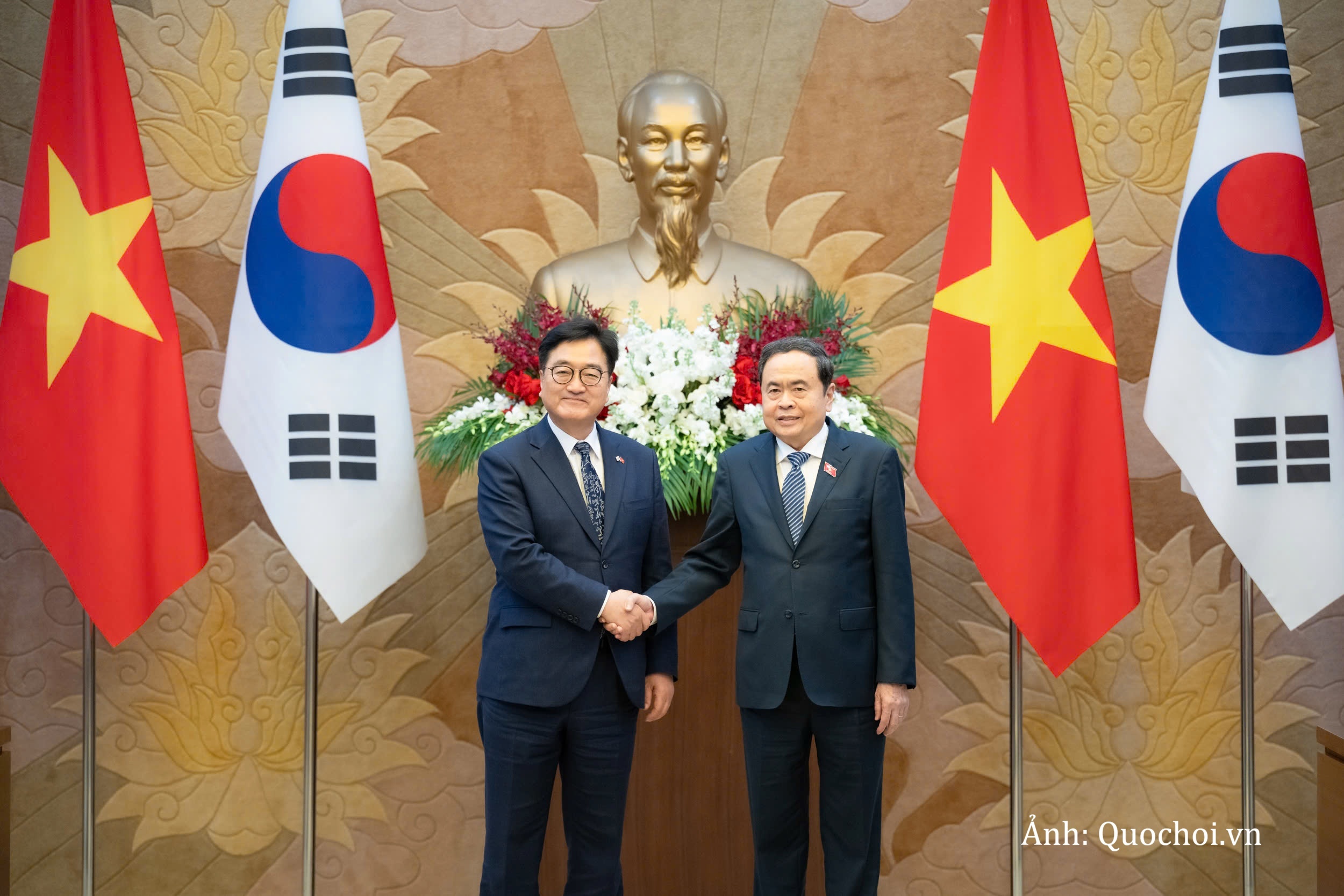
As Viet Nam and the Republic of Korea (RoK) work towards the goal of raising bilateral trade to USD 150 billion, the National Assemblies of the two countries have an important role to play in improving institutions and removing bottlenecks.
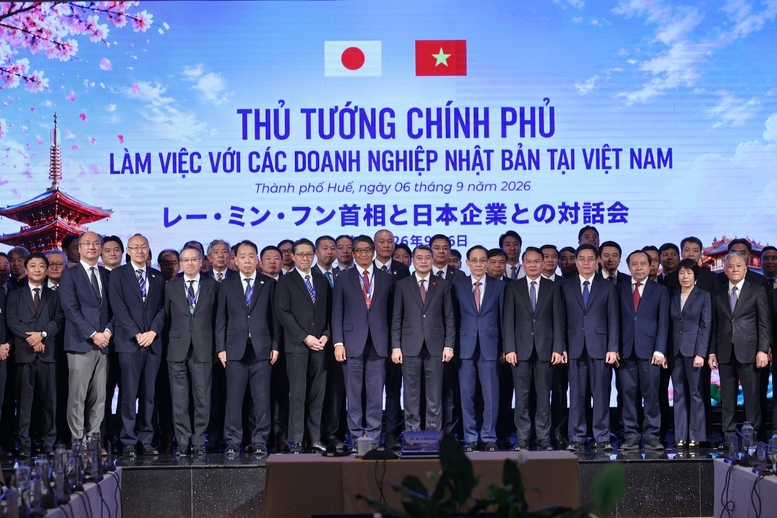
Chairing a meeting with Japanese businesses on the morning of September 6, Prime Minister Le Minh Hung called for Viet Nam - Japan investment ties to shift decisively from a relationship between “investors and investment destinations” toward a partnership for joint development and co-creation, involving joint research, innovation, production, and effective participation in and affirmation of their positions and roles in global value chains.
The iDEA and TikTok Shop launched the “Beyond Vietnam” initiative to help Vietnamese businesses build digital export capabilities and expand global market access.
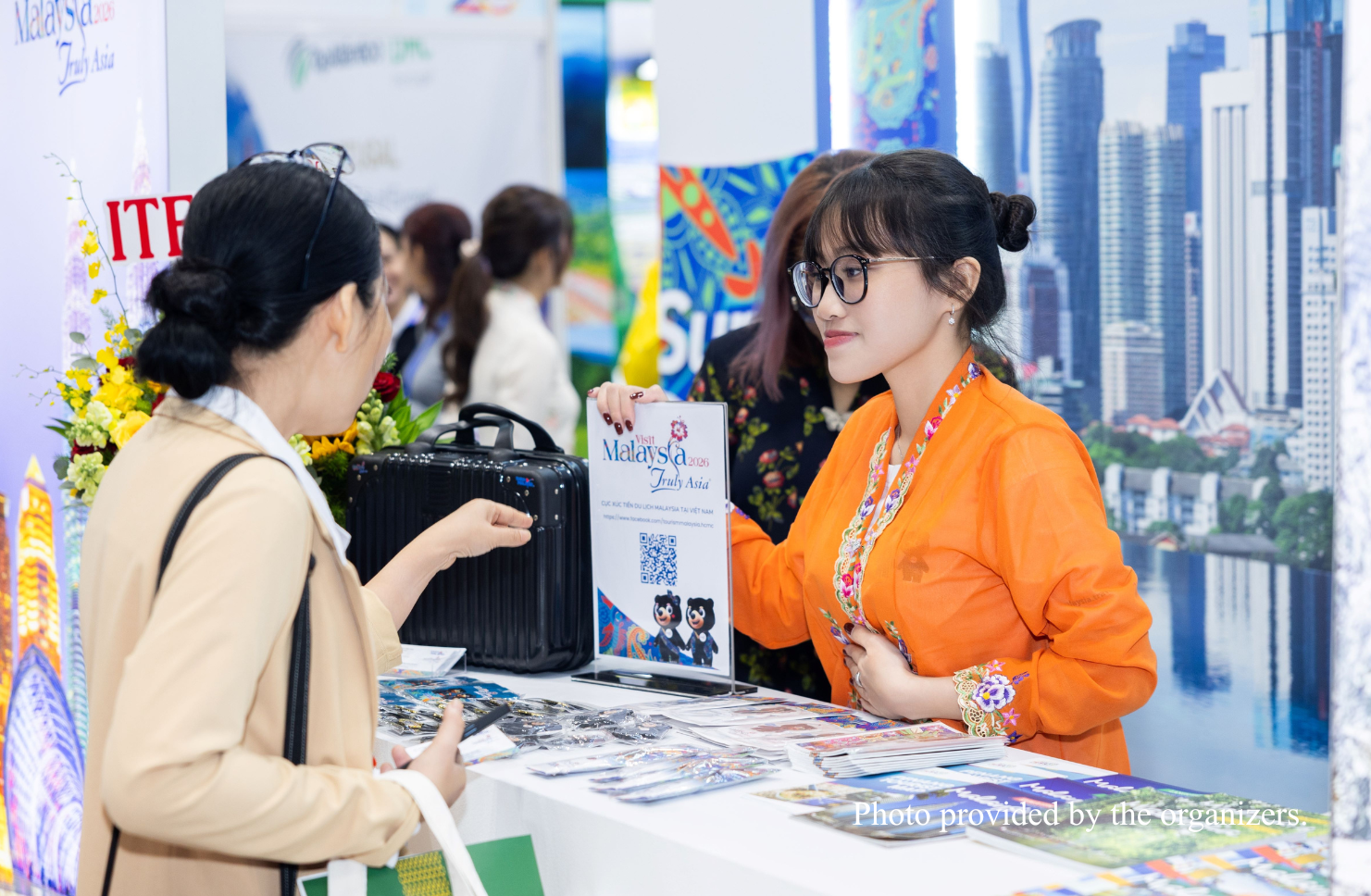
Tourism Malaysia reaffirmed its commitment to the Vietnamese market at ITE HCMC 2026, promoting the extended Visit Malaysia 2026 - 2027 campaign and expanding tourism cooperation.
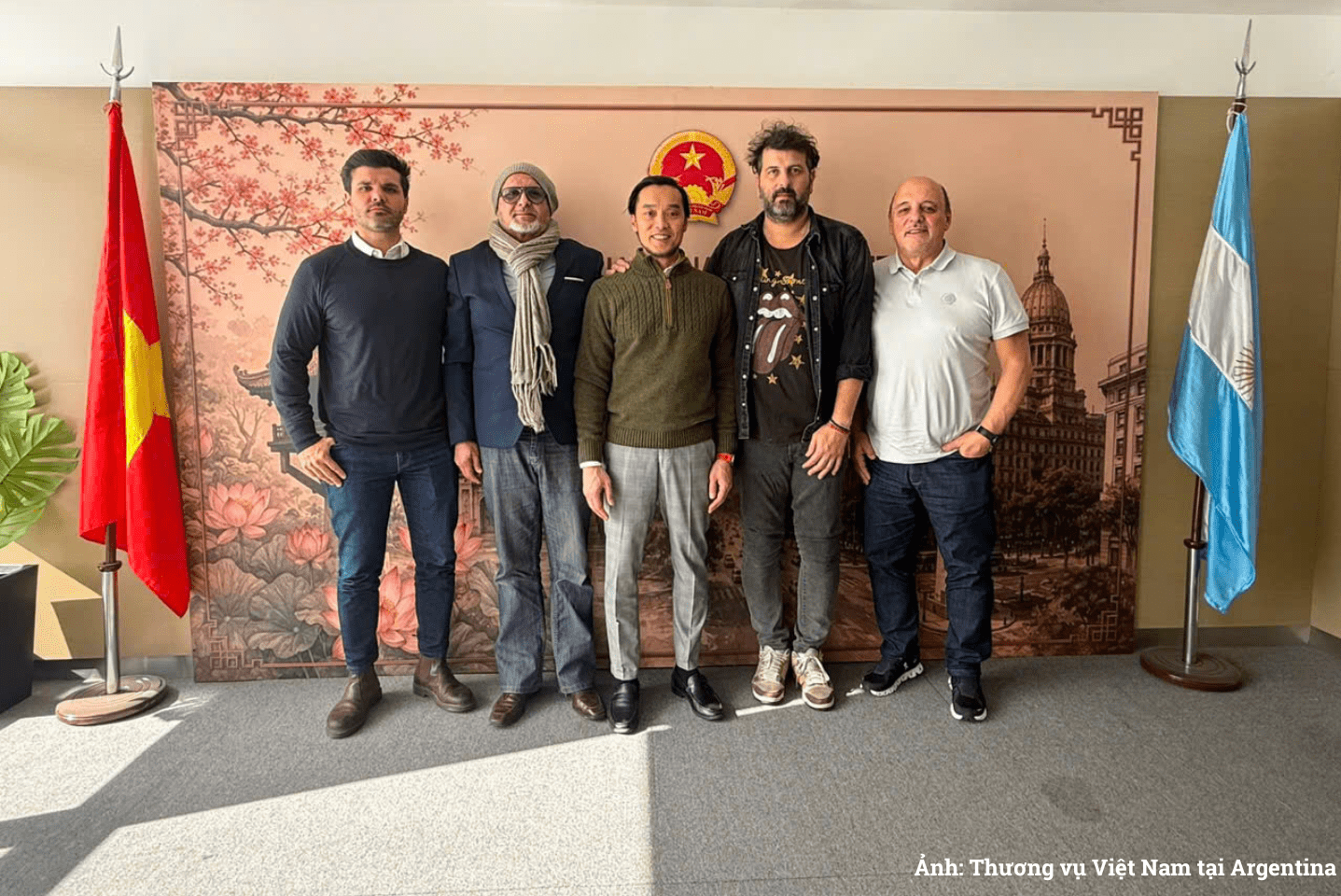
Viet Nam Trade Office in Argentina is boosting business links to expand cooperation in timber, minerals and investment, opening new opportunities for firms in both countries.
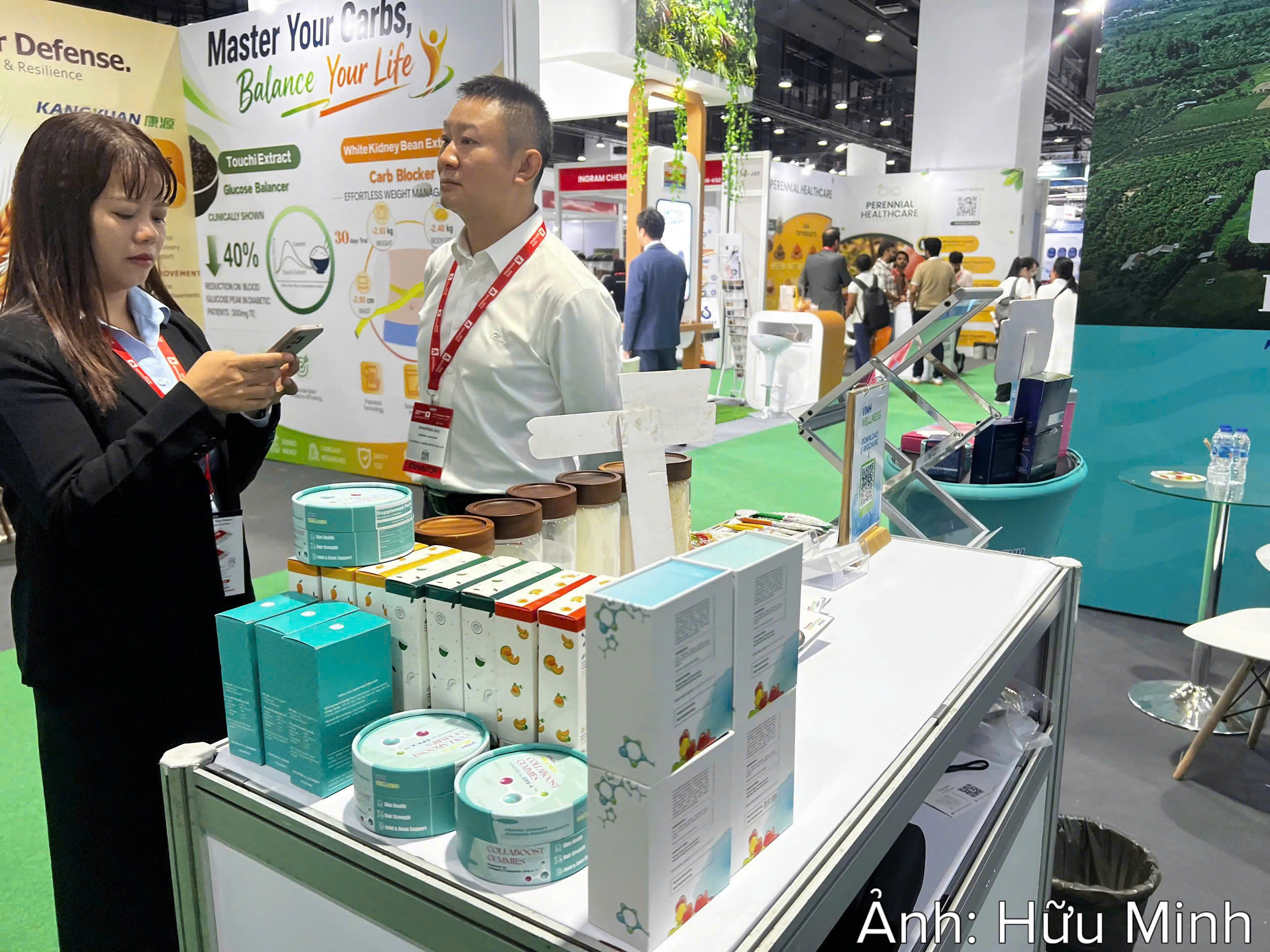
Vitafoods Asia 2026 in Thailand highlighted the growing presence of Vietnamese health and nutrition products, opening new opportunities for global market expansion.
Viet Nam is addressing key bottlenecks and improving durian quality to boost exports, with the sector targeting USD 4 billion in export turnover this year.