Vietnam will adopt E10 nationwide from 1 January 2026, marking a major step in its shift toward cleaner, low-carbon energy.
Starting from 1 January 2026, Vietnam will officially transition to nationwide use of E10, marking an important step forward in the country’s green energy transition.
This policy follows more than a decade of preparation and pilot implementation under Decision No. 53/2012/QD-TTg on the roadmap for bioethanol adoption. Building on the earlier rollout of E5, the Ministry of Industry and Trade is now expanding the use of E10 in a more coordinated and practical manner. The transition reflects growing alignment between policymakers, domestic fuel distributors, and consumers in pursuit of a low-carbon economy.
Screen Shot 2025-12-06 at 9.54.02 AM.png
Bioethanol: More than just emissions reduction
The shift to E10 offers not only carbon emission reductions but also clear environmental, economic, and social benefits. According to a 2023 study by the University of the Philippines Los Banos, nationwide use of E10 gasoline could reduce Vietnam’s greenhouse gas emissions from motor vehicles by nearly 8%. Around the world, many countries have gone further by increasing the ethanol blending ratio in their fuels.
Research from the University of Illinois at Chicago also shows that using fuel ethanol at a 10% blend helps reduce exposure to carcinogenic compounds found in conventional petrol, including benzene and butadiene.
Ethanol is produced from renewable feedstocks such as cassava and sugarcane, which helps increase the value of local agricultural production while reducing reliance on imported fossil fuels.
E10 has been shown to maintain fuel consumption comparable to regular unleaded petrol and can improve engine performance by reducing the risk of premature ignition, when the air–fuel mixture ignites before the spark plug fires.
Recent surveys indicate that Vietnamese consumers are increasingly open to ethanol-blended fuels: nearly 70% of respondents are aware of the environmental benefits of E10 (and previously E5), while 96% of current E5 users say they are willing to continue with E10.
Concerns about possible “engine damage” or “loss of power” have been widely dismissed by international studies and local experience. According to the United Nations Industrial Development Organization (UNIDO), most petrol vehicles today are compatible with E10 blends.
Assoc. Prof. Dr. Pham Huu Tuyen, director of the Centre for Power Sources and Autonomous Vehicles at Hanoi University of Science and Technology, affirms that users can safely fill up with E10 RON 95-III without any technical adjustments, even if some residual fuel from the previous refill remains in the tank.
The US Environmental Protection Agency (EPA) and other international regulatory bodies have also approved higher ethanol blend ratios, reinforcing the compatibility and safety of E10 for most modern engines. Ethanol-blended petrol has long been produced and widely used in Brazil, Canada, China, the European Union, India, Thailand, and the United States.
Keeping pace with global energy trends
For decades, countries have accelerated the adoption of ethanol-blended fuels because of their proven effectiveness in reducing greenhouse gas emissions. Today, more than 50 countries use biofuels at scale.
Brazil was an early pioneer, introducing ethanol-blended petrol in the 1970s. In the United States, ethanol has been blended into more than 95% of petrol used in motor vehicles since 2016.
The United Kingdom introduced E10 petrol at fuel stations in 2021, estimating that the blend could reduce CO₂ emissions by 750,000 tonnes a year—equivalent to taking 350,000 cars off the road. E10 has since become the standard petrol grade in Scotland, Wales and Northern Ireland.
In Southeast Asia, Thailand and the Philippines have already implemented E10 nationwide, reinforcing that biofuels are no longer a trend but a widely accepted standard.
With more than a decade of experience using E5, Vietnam has established a solid foundation to scale up to E10, reporting no significant issues related to engine performance or user safety.
A stable supply for a new energy era
A stable and sustainable supply chain is key to the successful introduction of E10. At full capacity, Vietnam’s six ethanol (E100) plants could meet around 40% of current nationwide demand.
In the initial phase, Vietnam plans to supplement local production with imported ethanol to avoid shortages, while gradually restarting plants that have been temporarily suspended as demand increases.
This strategy strengthens energy self-sufficiency and creates economic opportunities for agricultural development and green jobs, especially in regions with abundant feedstock.
Close coordination among government agencies, fuel enterprises, and consumers will be essential to ensure a consistent, reliable, and safe nationwide rollout of E10.
Ultimately, the introduction of E10 represents far more than a change in petrol formulation. It marks a significant turning point in Vietnam’s energy strategy, helping steer the country toward a low-emission, self-reliant, and sustainable future.
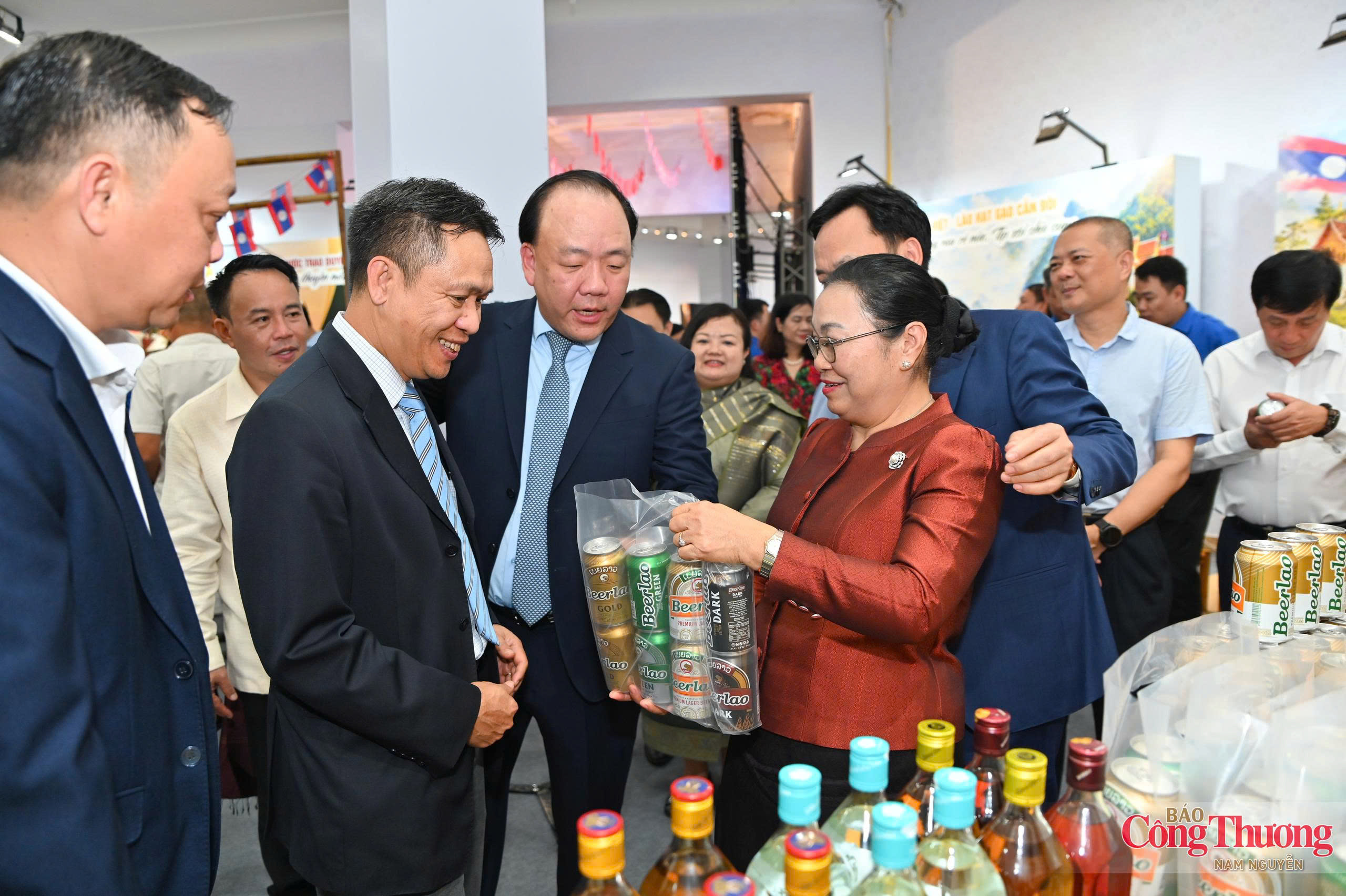
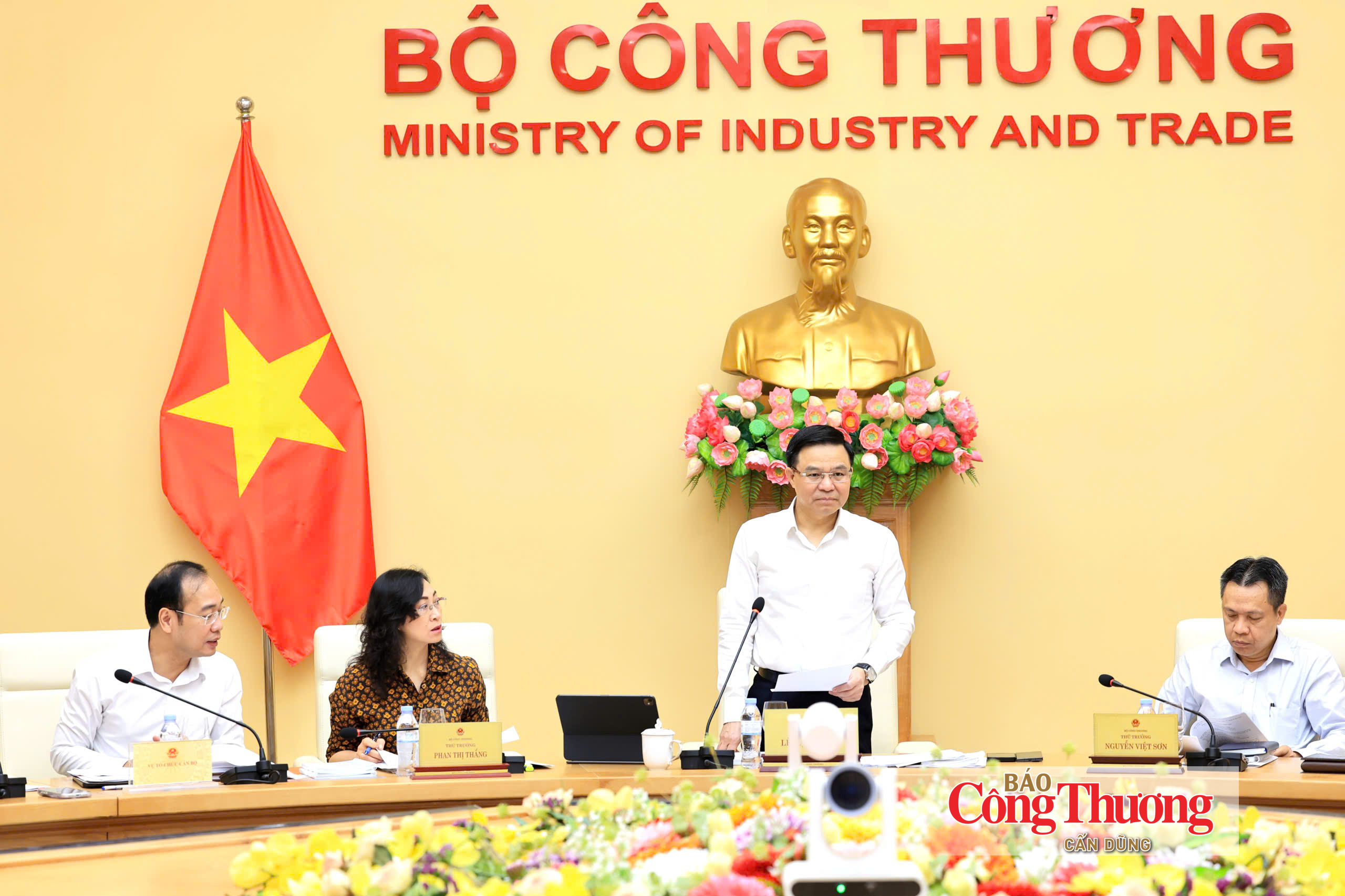
Deputy Minister of Industry and Trade Luong Hoang Thai emphasized that building the national brand is a driving force for improving Viet Nam’s competitiveness and international standing.
The official visit to Laos by Prime Minister Le Minh Hung is expected to inject fresh momentum into bilateral relations, with economic, trade and investment cooperation continuing to serve as a core pillar.
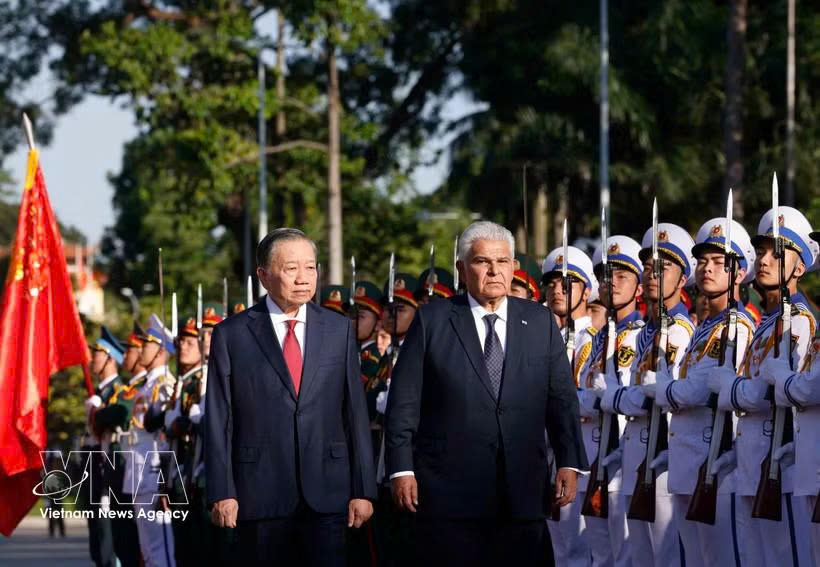
The Panamanian President’s visit is expected to contribute to further deepening and making the traditional friendship and cooperation between the two nations more substantive and effective.
On October 2, the Ministry of Industry and Trade (MoIT) held a working session between Minister of Industry and Trade Le Manh Hung and research institutes, universities and colleges under the Ministry to review their recent operations and identify solutions to better harness the potential, advantages and collective strengths of the Ministry’s education and research institutions. Minister of Industry and Trade Le Manh Hung chaired the meeting.
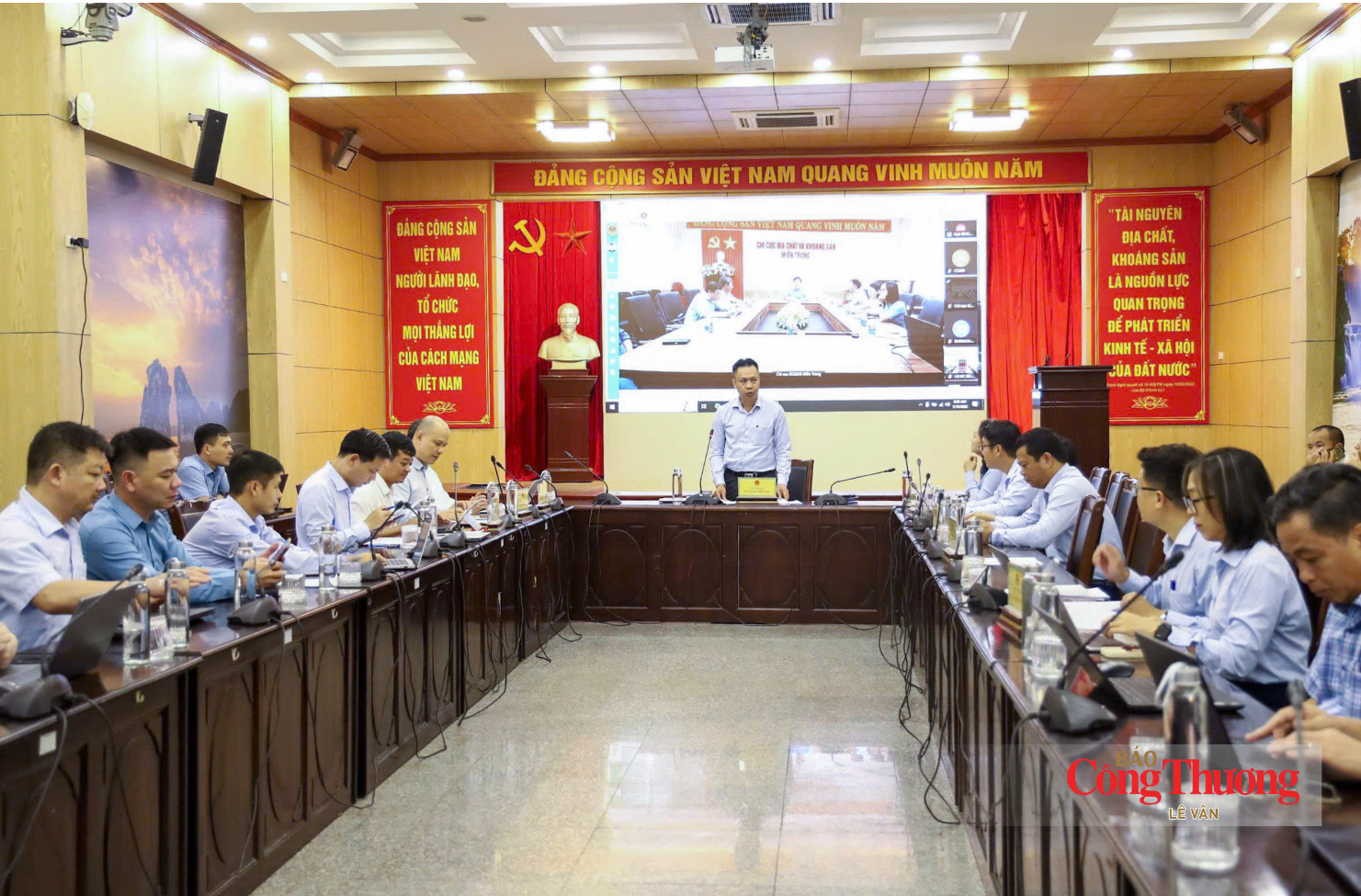
On October 5 in Ha Noi, Deputy Minister of Industry and Trade Nguyen Viet Son held a working session with the Viet Nam Department of Geology and Minerals.
On October 2, the Ministry of Industry and Trade (MoIT) held a working session between Minister of Industry and Trade Le Manh Hung and research institutes, universities and colleges under the Ministry to review their recent operations and identify solutions to better harness the potential, advantages and collective strengths of the Ministry’s education and research institutions. Minister of Industry and Trade Le Manh Hung chaired the meeting.
Industry and Trade Newspaper would like to introduce a podcast series on the implementation of the Politburo's Resolution No. 57 in the Industry and Trade sector.
The Industry and Trade Newspaper introduces a podcast series on the implementation of Politburo Resolution No. 57-NQ/TW dated December 22, 2024, on breakthroughs in the development of science, technology, innovation and national digital transformation in the Industry and Trade sector.
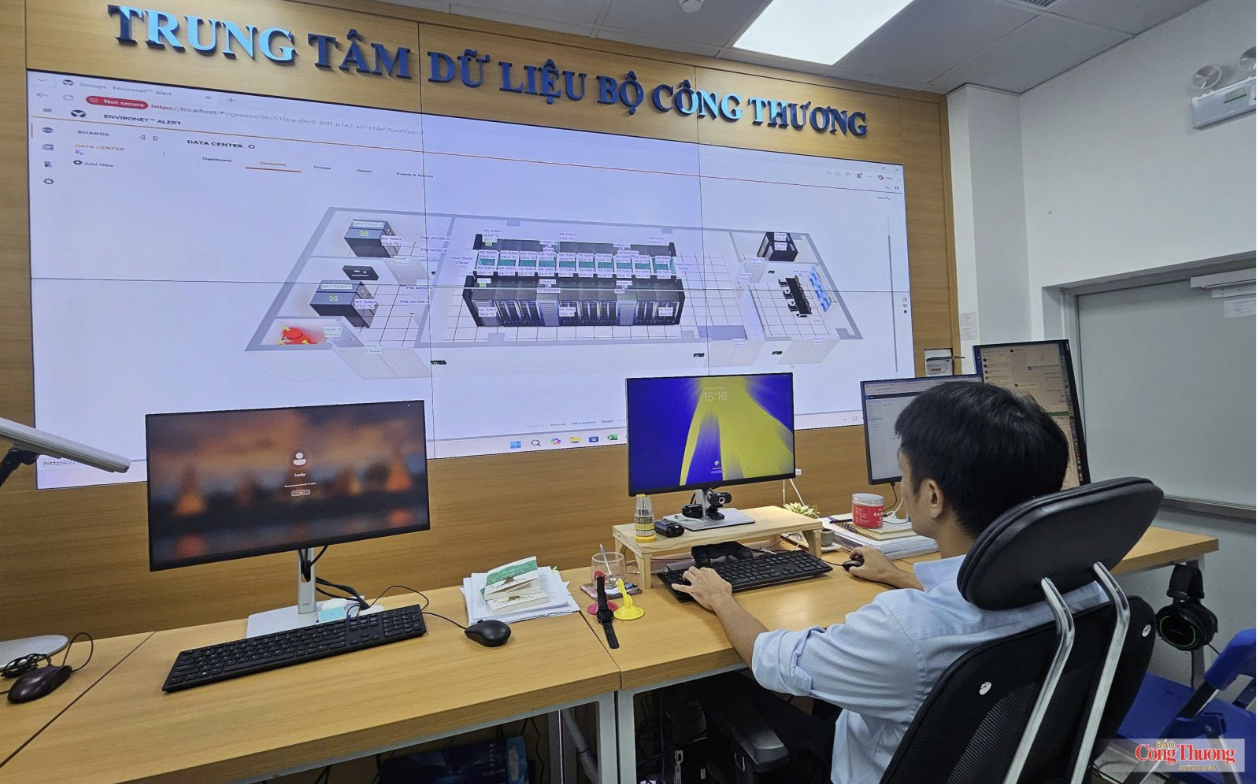
The Ministry of Industry and Trade is accelerating digital transformation to modernise management, improve public services, strengthen the competitiveness of businesses.
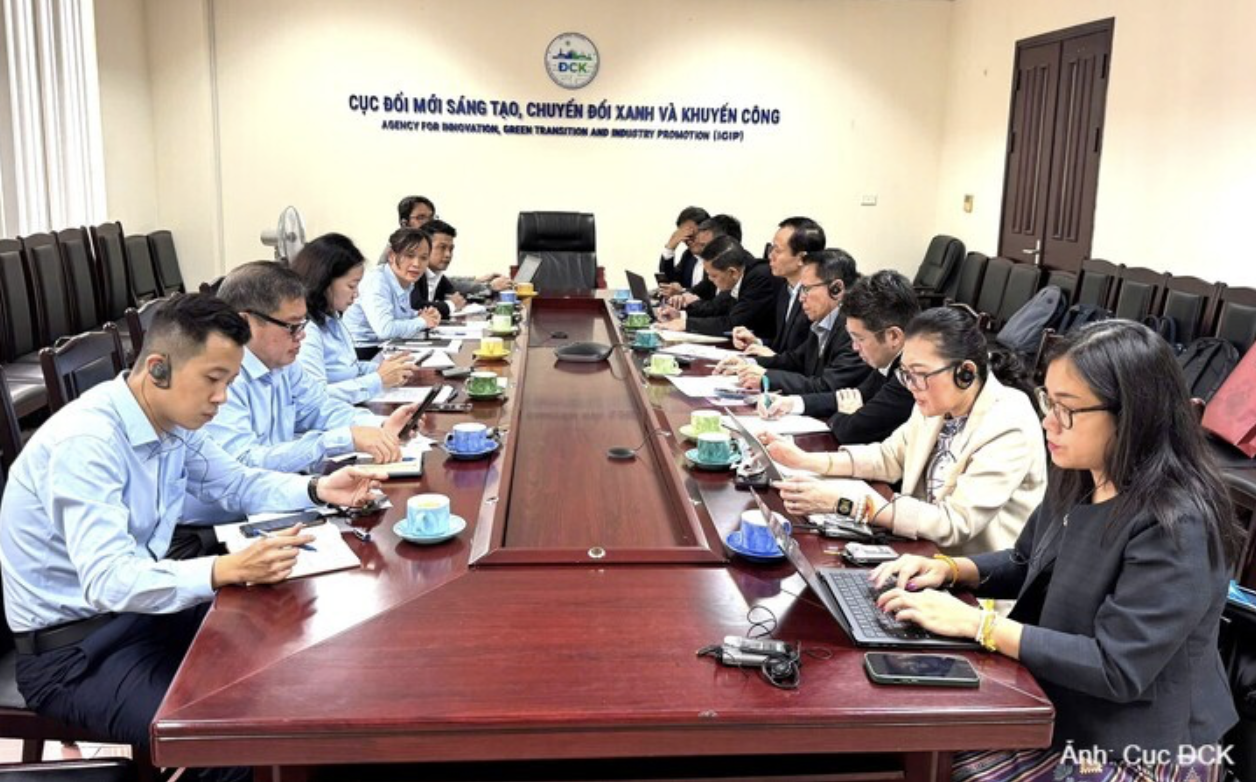
The Ministry of Industry and Trade is expanding international cooperation in science and technology, focusing on research, innovation and technology transfer.