Deputy Minister Nguyen Hoang Long attended Indo-Pacific Energy Security Forum in Tokyo, where delegates discussed cooperation to strengthen regional energy security.
Deputy Minister Nguyen Hoang Long led a delegation of the Ministry of Industry and Trade (MoIT) to attend the Indo-Pacific Business and Energy Security Forum held in Tokyo, Japan, from March 14 to 15. The forum was jointly organized by the US National Energy Dominance Council and Japan’s Ministry of Economy, Trade and Industry (METI).
The Vietnamese delegation also included representatives from the Ministry of Foreign Affairs, relevant units of the MoIT, and the Vietnam National Industry and Energy Group.
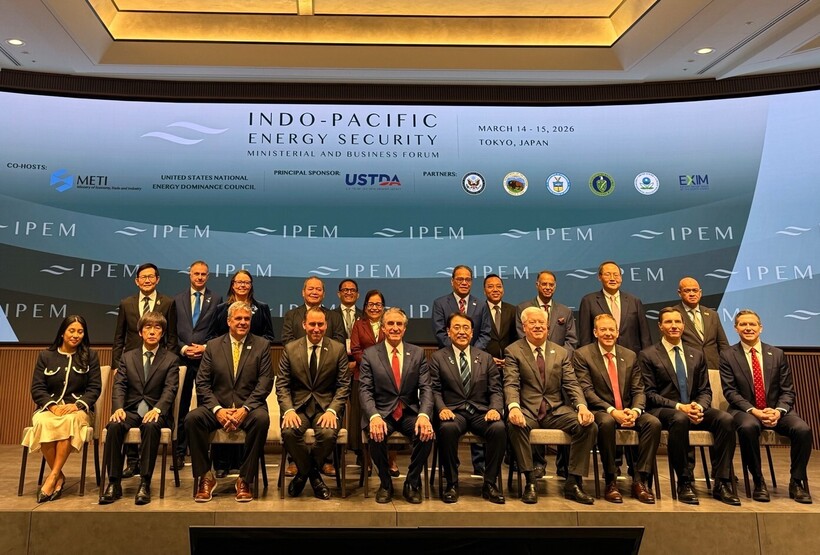
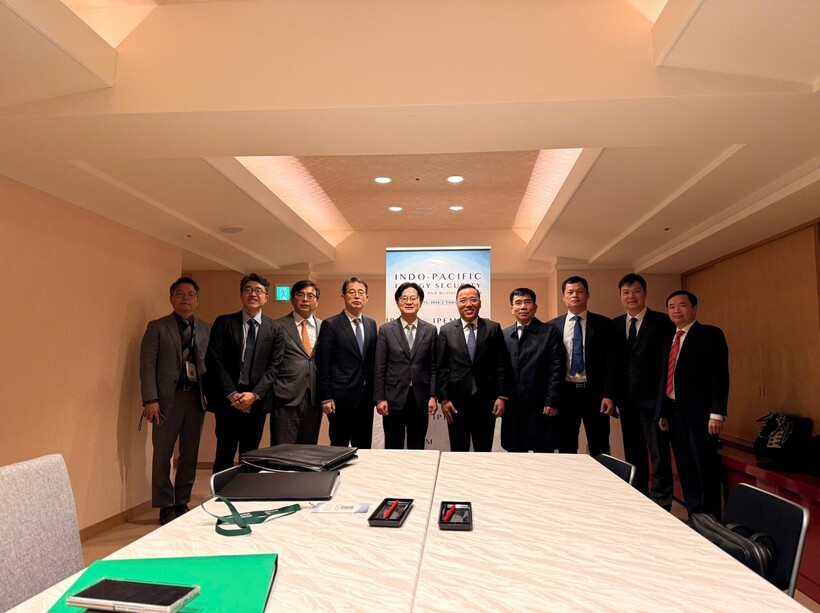
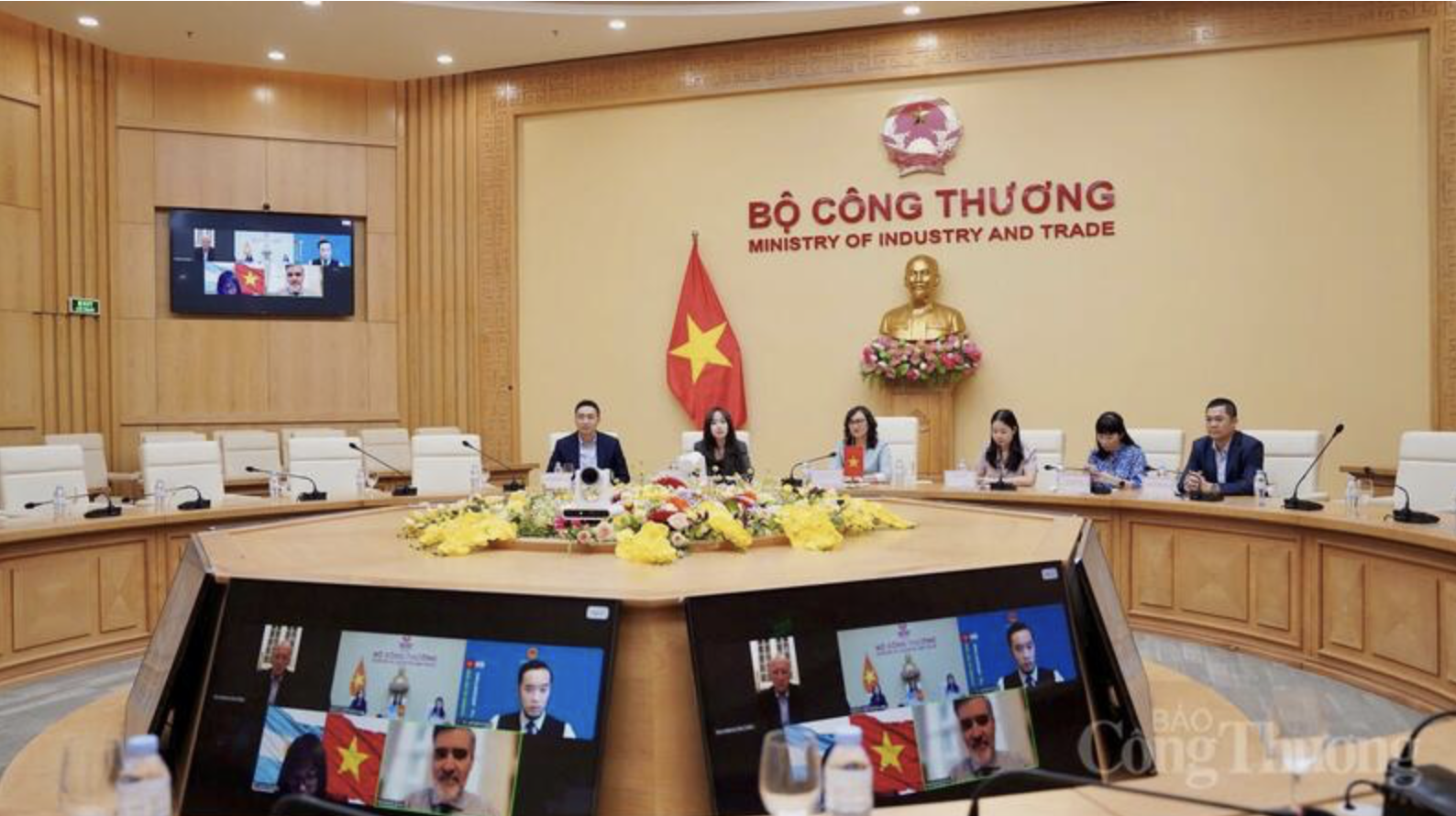
Delegates attending the forum.
The forum was convened for the first time and co-chaired by Chairman of the US National Energy Dominance Council and US Secretary of the Interior Doug Burgum, together with Japan’s Minister of Economy, Trade and Industry Akazawa Ryosei.
Ministers and deputy ministers from the Republic of Korea, Australia, New Zealand, Singapore, the Philippines, Indonesia, Bangladesh and Timor-Leste, along with representatives from major corporations and companies across the Indo-Pacific region in the fields of finance, trade and energy, also attended the event.
Through the forum’s working sessions, leaders and delegates exchanged views and discussed three main themes: reliable energy for growth and security in the Indo-Pacific region; safeguarding energy supply chains, infrastructure and maritime routes; and facilitating trade and investment.
Participants underscored several key priorities. These included ensuring reliable, affordable and secure energy supply from all sources depending on each country’s circumstances in order to meet the region’s rapidly rising energy demand.
Delegates also stressed the importance of protecting power grids, critical infrastructure, vehicles and equipment against increasingly sophisticated cyber threats.
They called for increased investment in comprehensive energy infrastructure across the entire energy supply chain, from upstream development facilities to downstream equipment, in order to support affordable, reliable and secure energy supply, including baseload electricity.
Participants also highlighted the need to continue providing affordable and reliable energy sources across the Indo-Pacific region, including through emergency response measures, to benefit both producer and consumer countries.
Maintaining close cooperation with existing partners, expanding and diversifying energy suppliers and fuel types were also identified as essential steps to strengthen energy security.
In addition, delegates emphasized promoting transparent long-term energy contracts to minimize market volatility.
Leaders also agreed that developing all energy sources, ensuring access to energy and infrastructure, and reducing energy costs for all are essential to eradicating poverty, improving people’s lives, and further promoting economic growth, security and prosperity across the Indo-Pacific region, a global growth center of the 21st century.
At the same time, they acknowledged the efforts of the World Bank, the Asian Development Bank (ADB) and other international financial institutions in expanding financing for energy-related programs and technical assistance, including nuclear energy projects for interested countries in accordance with the International Atomic Energy Agency (IAEA) standards on safety, security, legal frameworks and nuclear non-proliferation safeguards.
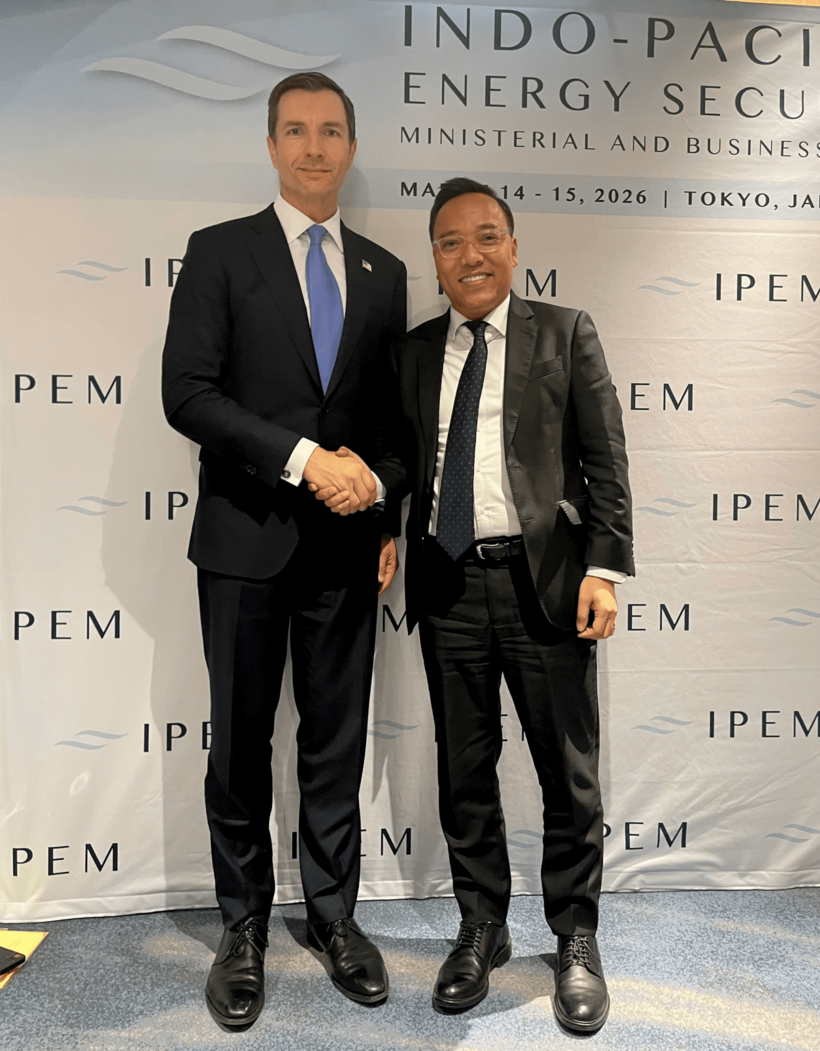
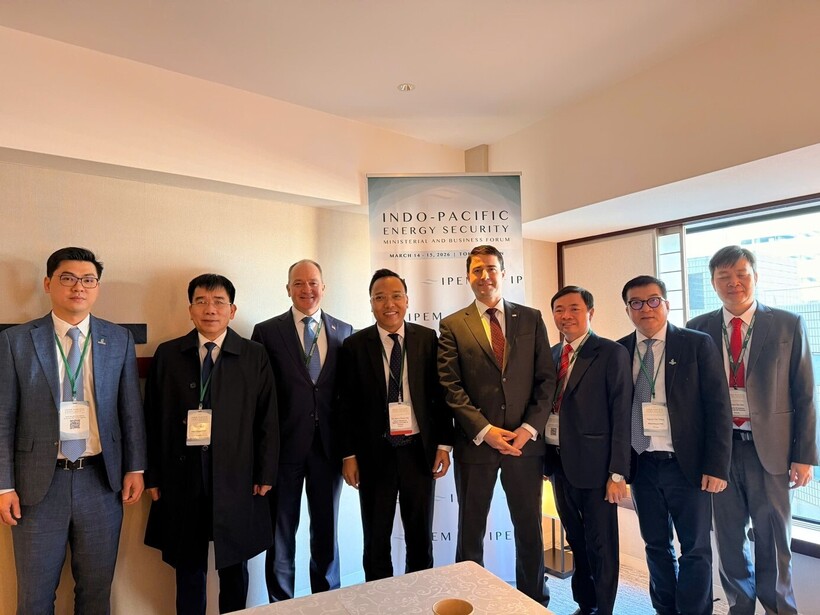
Deputy Minister Nguyen Hoang Long and the President of the Export-Import Bank of the United States (US Eximbank).
These institutions were also recognized for supporting developing countries in mobilizing finance, transferring technology and strengthening capacity.
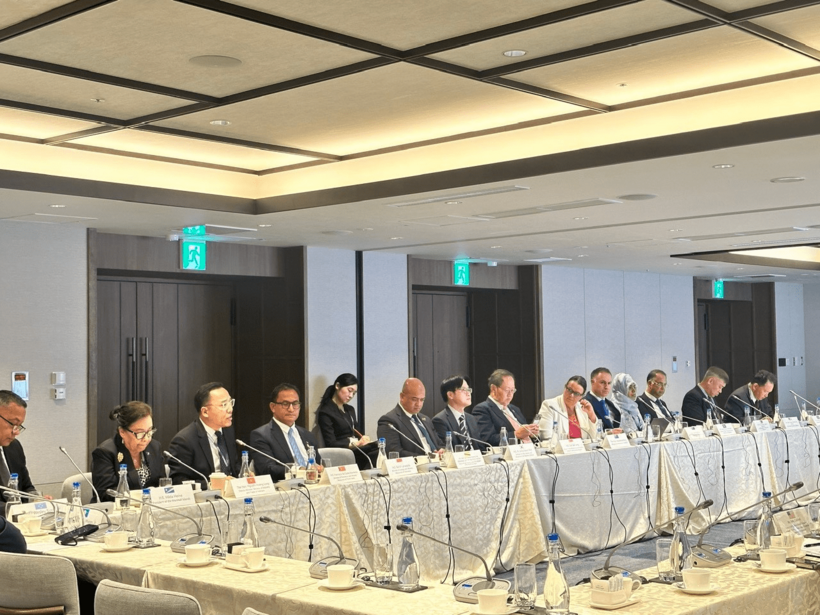
At the closed ministerial session of the forum, Deputy Minister Nguyen Hoang Long delivered remarks highlighting Vietnam’s energy potential, demand and priorities for investment cooperation in energy development.
He emphasized key priorities such as developing renewable energy, flexible power sources including liquefied natural gas (LNG), strengthening investment in power grid infrastructure, advancing new energy technologies, and considering nuclear power development in the long term.
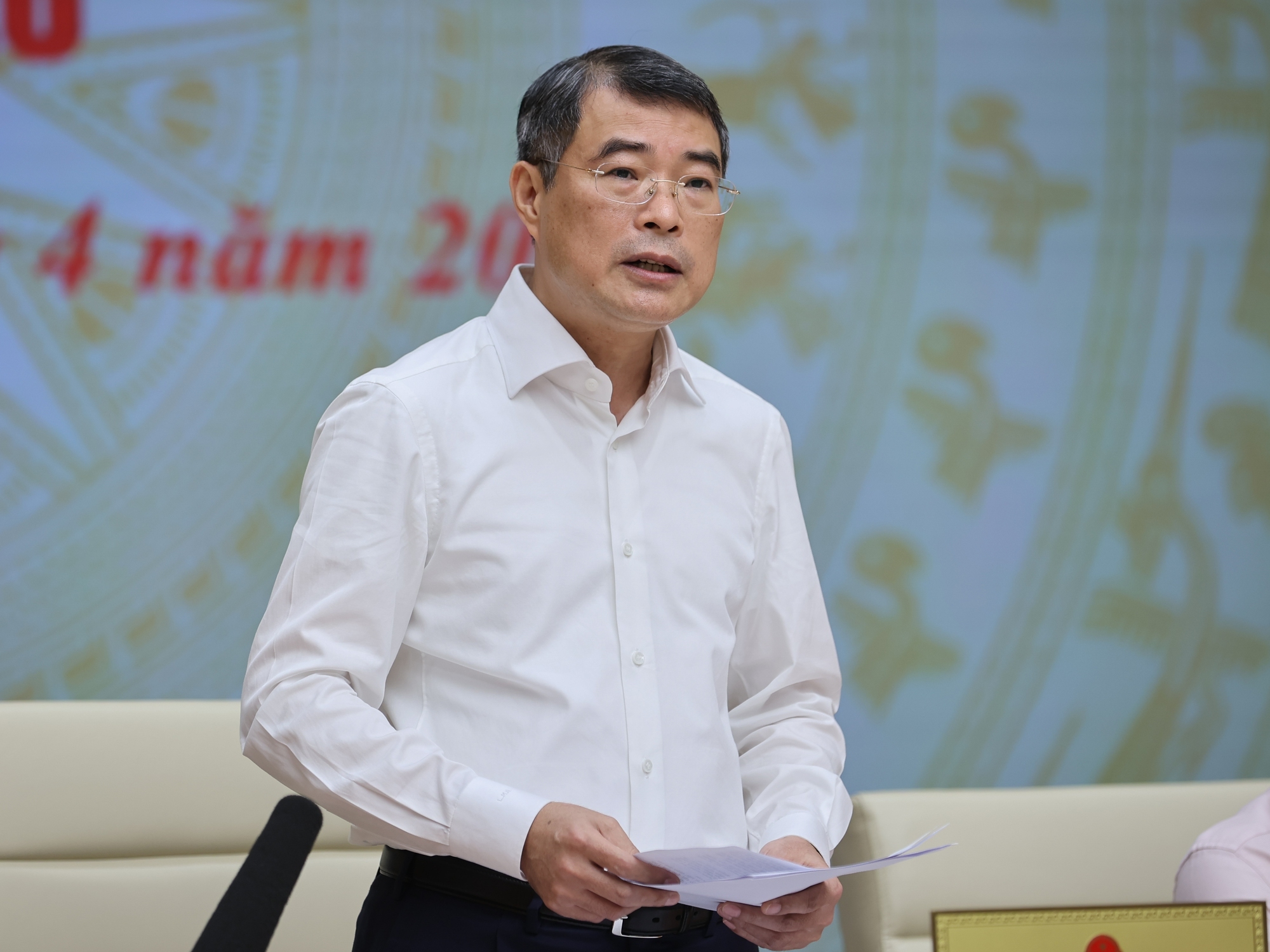
Deputy Minister Nguyen Hoang Long delivers remarks at the closed session.
At the end of the closed session, leaders agreed to adopt the “Joint Statement on Energy Security for Sustainable Development in the Indo-Pacific Region, a Global Growth Center of the 21st Century.”
The participating countries reaffirmed their commitment to strengthening energy security in order to eradicate poverty, improve people’s lives and further promote economic growth, security and prosperity across the Indo-Pacific region.
Deputy Minister Nguyen Hoang Long described the forum as an important platform for countries in the Indo-Pacific region to exchange views on shared challenges and enhance cooperation to ensure energy security and sustainable energy development.
This comes at a time when the region’s energy demand continues to grow rapidly due to industrialization, urbanization and economic restructuring.
During the working visit, the Deputy Minister also held bilateral meetings with partners from Japan, the Republic of Korea and the US.
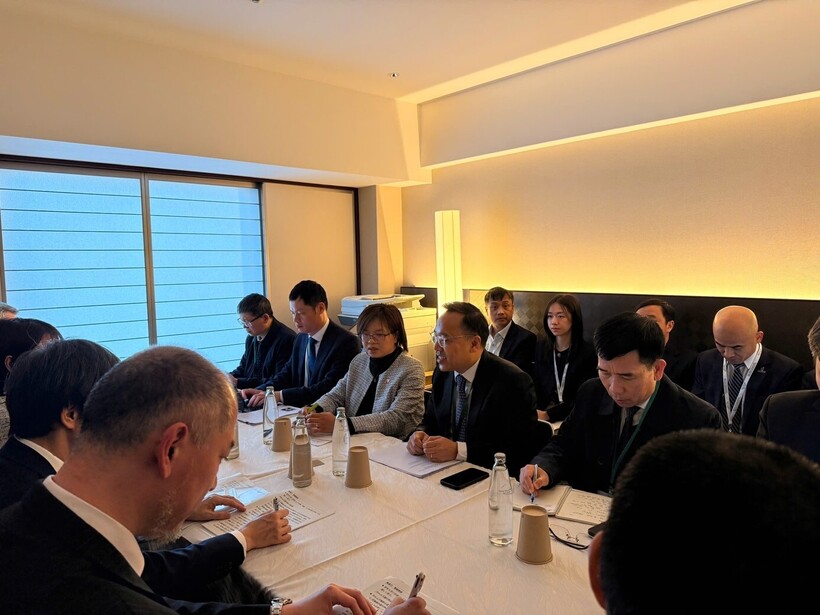
Deputy Minister Nguyen Hoang Long holds talks with Matsuo Takehiko, Vice Minister of Economy, Trade and Industry of Japan.
On the afternoon of March 14, he met with Matsuo Takehiko, Vice Minister of Economy, Trade and Industry of Japan.
During the meeting, the two sides discussed specific areas of cooperation and ways to promote the implementation of Japan-invested energy projects in Vietnam, including LNG power and nuclear energy, as well as orientations and long-term cooperation plans in the energy sector.
Deputy Minister Nguyen Hoang Long also proposed that Japan, which holds an important role and possesses significant crude oil reserves, support Vietnam in seeking and accessing crude oil supplies to serve domestic demand.
Deputy Minister Nguyen Hoang Long holds talks with Kim Jung-Kwan, Minister of Trade, Industry and Energy of the Republic of Korea.
Also on the afternoon of March 14, the Deputy Minister met with Kim Jung-Kwan, Minister of Trade, Industry and Energy of the Republic of Korea.
At the meeting, Deputy Minister Nguyen Hoang Long affirmed that Vietnam always considers the Republic of Korea an important partner in developing energy infrastructure, the energy industry and the country’s energy transition.
The two sides held frank discussions to lay the groundwork for future cooperation projects in the energy sector, including LNG power and cooperation in training human resources and technology related to nuclear power.
The Deputy Minister also proposed that the Republic of Korea support Vietnam in accessing crude oil supplies for import amid the complicated developments of conflicts in the Middle East.
Deputy Minister Nguyen Hoang Long holds talks with Tommy Joyce, Acting Assistant Secretary of Energy of the US.
During a bilateral meeting on March 15 with Tommy Joyce, Acting Assistant Secretary of Energy for International Affairs of the US Department of Energy, Long reaffirmed that Vietnam attaches great importance to its relationship with the US and appreciates the role of the US Department of Energy in promoting strategic cooperation orientations between the two countries in the energy sector.
Vietnam identified LNG and oil and gas as areas with strong cooperation potential in the near term, while nuclear power cooperation is considered a long-term prospect.
The two sides held constructive discussions and committed to strengthening cooperation in a transparent, open and substantive manner, while creating favorable conditions for strategic cooperation projects in the energy sector.
On April 24, Prime Minister Le Minh Hung chaired a nationwide conference on accelerating the allocation and disbursement of public investment capital in 2026.
International media highlight Vietnam’s strong growth, rising FDI, market upgrades and tourism appeal, reinforcing its growing role and global standing today.
The Ministry of Industry and Trade (MoIT) held trade promotion activities in Yunnan and Shandong, boosting business links, exports, and investment cooperation between Vietnam and China.
A prestigious international award and a two-million-guest milestone mark a strategic evolution, highlighting the success of the entertainment-led integrated resort model in the regional hospitality market.
A prestigious international award and a two-million-guest milestone mark a strategic evolution, highlighting the success of the entertainment-led integrated resort model in the regional hospitality market.
Permanent Deputy Prime Minister Pham Gia Tuc urged Hyundai Rotem to expand cooperation, technology transfer, and participation in Vietnam’s railway projects.
Prime Minister Le Minh Hung and President Lee Jae Myung led a Vietnam - the Republic of Korea (RoK) business roundtable in Hanoi, calling for deeper high tech cooperation.