Amid changes to the organisational structure and growing demands for rural industrial development, local authorities in northern Viet Nam have called for improvements to institutional and policy frameworks to enhance the effectiveness of industrial promotion activities.
Mechanisms needed to accommodate new organisational structures
At the 20th Conference on Industrial Promotion of Northern Provinces and Cities in 2026, recently held in Hai Phong, provincial and municipal Departments of Industry and Trade highlighted difficulties and obstacles in implementing industrial promotion policies. They also proposed measures to address these issues, particularly those concerning organisational structures, financial mechanisms and implementation methods.
Improving industrial promotion policies to create momentum for rural industrial development
One issue of particular concern to many localities is the organisational model for carrying out industrial promotion tasks following administrative restructuring. The Dien Bien Department of Industry and Trade proposed that the Ministry of Industry and Trade report to the Government and the Prime Minister for consideration of maintaining a public non-business unit under the provincial Department of Industry and Trade to support state management functions. The unit would be classified under Group 4 pursuant to Decree No. 60/2021/ND-CP, with its regular operating expenses covered by the state budget.
Sharing this view, the Phu Tho Department of Industry and Trade proposed that the Ministry of Industry and Trade coordinate with the Ministry of Home Affairs to study an appropriate model for public non-business units supporting state management in the industry and trade sector. It also called for specific regulations on their functions, responsibilities and organisational structures to replace provisions that are no longer in effect.
Notably, the Lao Cai Department of Industry and Trade proposed studying and establishing a consistent orientation under which each province and city would have one public non-business unit serving as the focal point for implementing industrial promotion activities.
According to the locality, establishing a unified focal point and a coordination mechanism with the Department of Industry and Trade would help ensure consistent and coordinated direction, guidance and policy implementation from the central to local levels, while reducing fragmented responsibilities and overlapping tasks.
Lao Cai also proposed developing a specific financial mechanism for public non-business units undertaking industrial promotion tasks. Under this mechanism, the state budget would cover regular operating expenses associated with assigned industrial promotion activities and state management support tasks.
This is because these units are responsible not only for their professional duties but also for directly implementing programmes supporting the development of industry and handicrafts. Many of these activities serve the public interest and have limited potential to generate revenue sufficient to cover regular operating costs.
Meanwhile, the Quang Ninh Department of Industry and Trade proposed a more open and flexible regulatory framework, allowing local People's Committees to select an industrial promotion implementation model suited to their circumstances.
Under the proposal, industrial promotion activities could be assigned to industrial promotion service organisations or carried out directly by the Department of Industry and Trade. In cases where the department takes direct responsibility, commune-level People's Committees would review the needs of rural industrial establishments, while production facilities would prepare project proposals. The Department of Industry and Trade would then appraise, inspect and accept the projects, as well as provide financial support in accordance with regulations.
This approach is expected to eliminate unnecessary intermediary stages while maintaining the effectiveness of industrial promotion service organisations that are already operating efficiently.
In response to these proposals, the Ministry of Industry and Trade said it would continue coordinating with the Ministry of Home Affairs and relevant agencies to study and recommend appropriate solutions. It also called on provincial and municipal Departments of Industry and Trade to proactively advise local People's Committees on selecting organisational models, clearly defining focal points and coordination responsibilities to ensure that industrial promotion activities are not disrupted during the restructuring process.
Financial mechanisms to be improved and access to policy support expanded
Alongside organisational arrangements, the allocation, management and use of industrial promotion funding have also emerged as major issues that localities want addressed.
Specifically, the Quang Ninh Department of Industry and Trade proposed revising regulations on the preparation, allocation and assignment of local industrial promotion budget estimates to clearly distinguish responsibilities between state management agencies and implementing units.
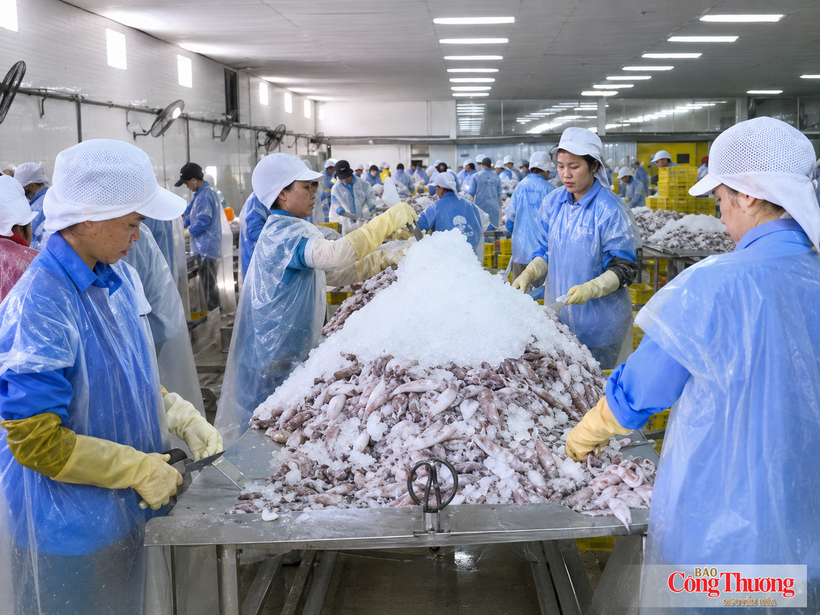
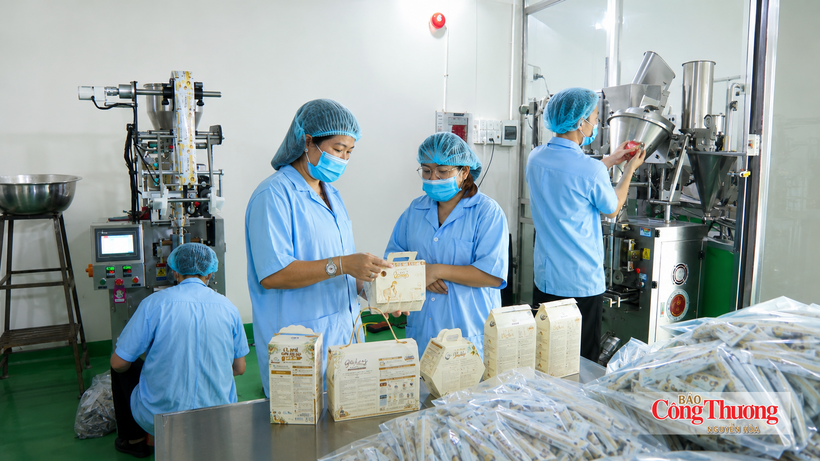
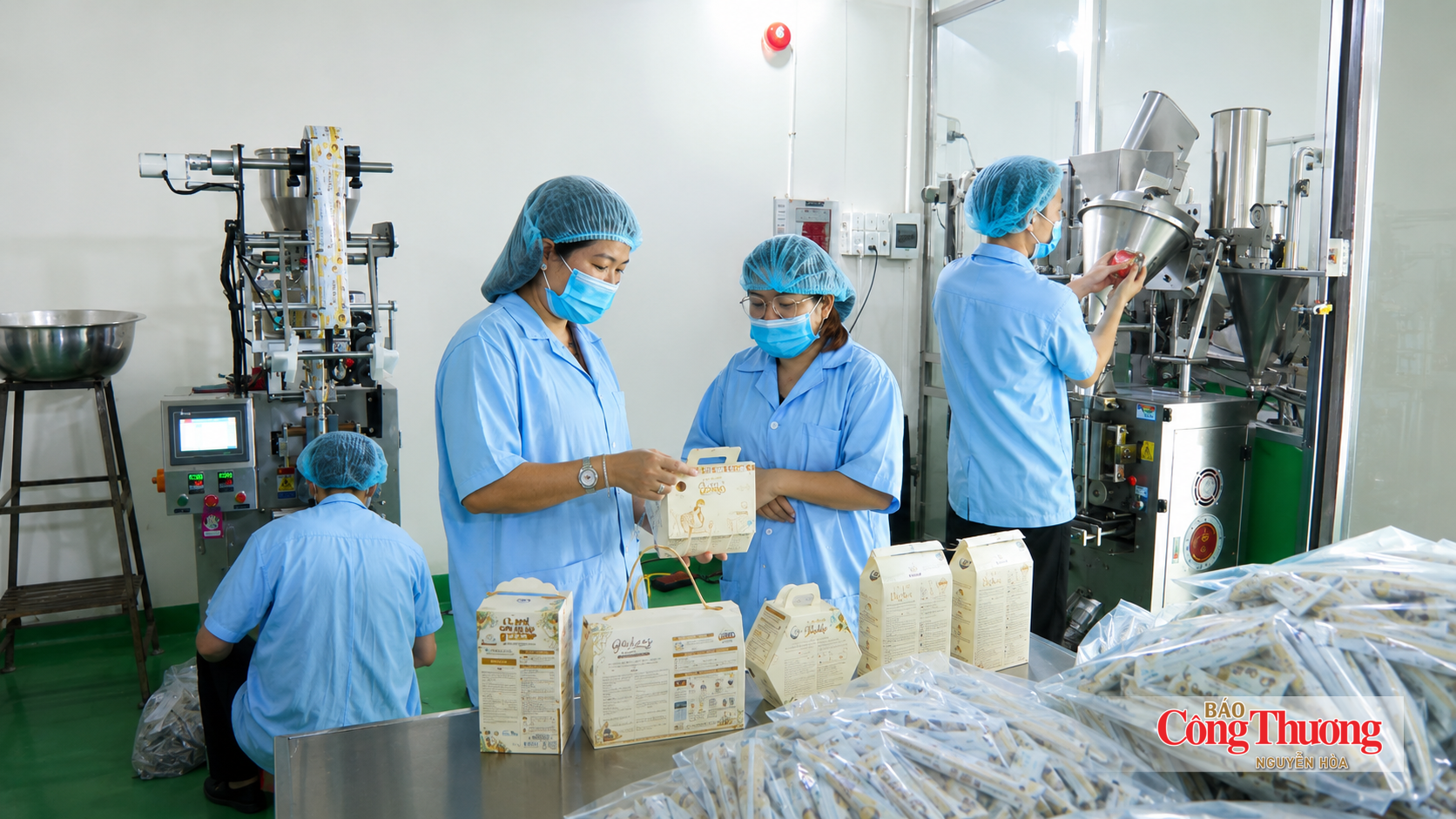
Industrial promotion funding provides a foundation for businesses to standardise production processes and improve product quality.
Under the proposal, the Department of Industry and Trade would be responsible for consolidating funding needs, preparing plans and budget estimates. The allocation and assignment of budget estimates to implementing units would be carried out through their respective managing agencies in accordance with state budget regulations.
The proposal aims to address situations in which Departments of Industry and Trade are required to assign budget estimates to units using state budget funds that do not fall under their direct management.
Similarly, the Lang Son Department of Industry and Trade called for timely and specific guidance on funding allocation and assignment in localities without public non-business units under the Department of Industry and Trade responsible for industrial promotion. Local authorities consider the early issuance of such guidance particularly important for preparing their industrial promotion plans for 2027.
Regarding implementation resources, Bac Ninh and Hung Yen proposed that the Ministry of Industry and Trade and the Ministry of Finance consider increasing national industrial promotion funding in the coming years, enabling businesses and rural industrial establishments to gain better access to policy support.
For mountainous and border areas, the Tuyen Quang Department of Industry and Trade proposed prioritising national industrial promotion funding for small-scale production establishments with outdated machinery and technology, which often face difficulties in preparing and registering project proposals.
Regarding support levels, Hai Phong and Hanoi called for outstanding expenditure items to be specified under Decree No. 235/2025/ND-CP. In particular, Hai Phong proposed considering higher support levels and ensuring consistency among support policies covering similar activities.
Bac Ninh, Quang Ninh, Phu Tho and Thai Nguyen also proposed completing economic-technical norms and unit prices for public service delivery in the industry and trade sector, thereby establishing a legal basis for assigning tasks and implementing financial autonomy mechanisms.
Beyond addressing organisational and funding-related obstacles, localities also called for innovation in the content and delivery of industrial promotion activities.
In response, the Ministry of Industry and Trade said it was finalising a Circular on the formulation of plans, implementation and management of national industrial promotion funding. The draft is being developed towards simplifying procedures, strengthening decentralisation and delegation of authority, promoting digital transformation and enhancing local accountability.
The ministry is also continuing to coordinate with the Ministry of Finance to improve regulations on the formulation, management and use of industrial promotion funding, while reviewing expenditure and support levels based on state budget capacity and existing regulations.
The proposals from local authorities highlight that improving industrial promotion policies requires more than increasing financial resources. It also involves addressing shortcomings in organisational arrangements, financial mechanisms and access to support. Resolving these issues will be essential to ensuring that industrial promotion policies remain effective and support the development of rural industrial establishments in the new period.
On December 4, 2025, the Ministry of Industry and Trade issued Directive No. 20/CT-BCT on strengthening industrial promotion activities and accelerating the rapid and sustainable development of rural industries in the new period. The ministry is continuing to finalise guiding documents for the implementation of Decree No. 235/2025/ND-CP, with a focus on greater decentralisation and delegation of authority, simplified procedures and improved policy implementation effectiveness.
Industry and Trade Newspaper is pleased to present a podcast series on the implementation of Politburo Resolution No. 57 in the Ministry of Industry and Trade.
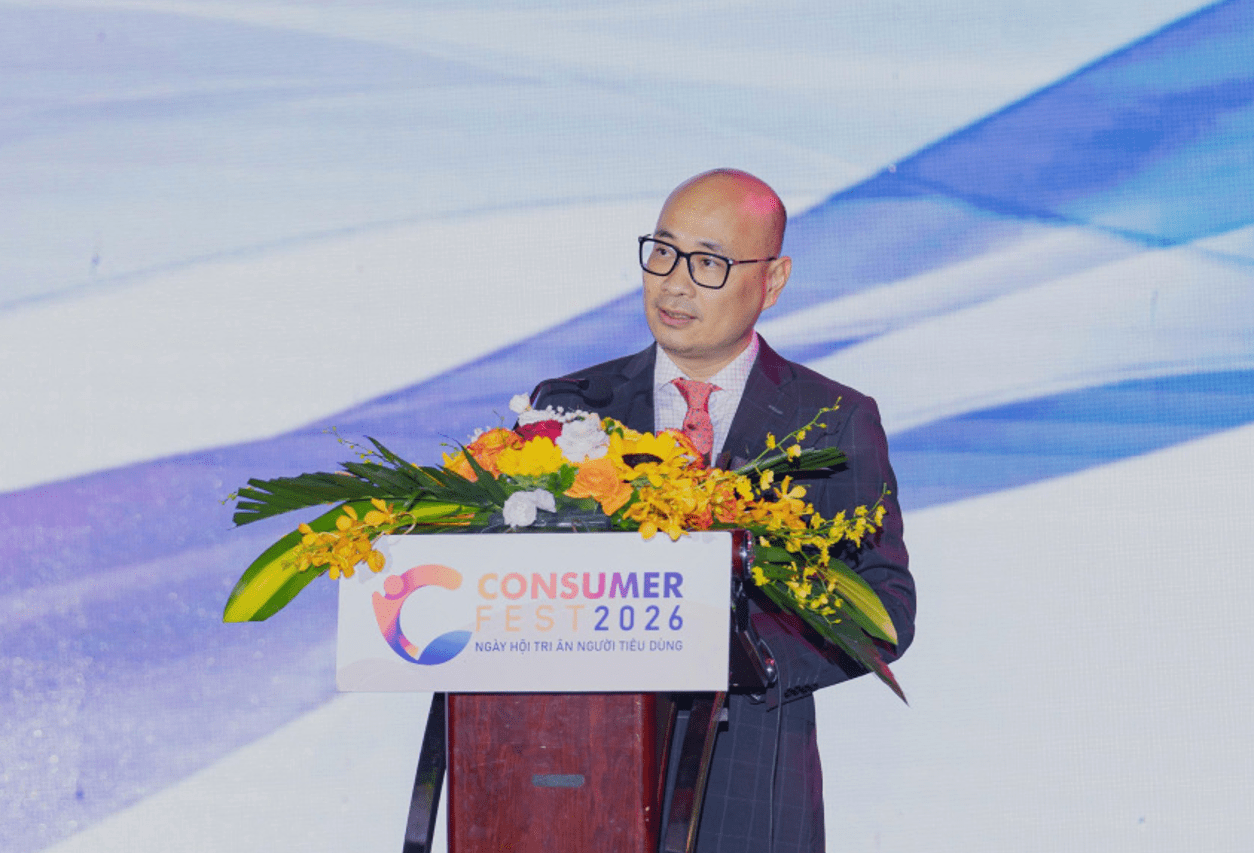
Consumer Fest 2026 attracted over 23,000 visitors in Hung Yen Province on October 31, promoting consumer rights and responsible consumption across the community.
New Zealand is prioritising Viet Nam as a growth market, expanding education partnerships and opportunities for students through long-term cooperation.
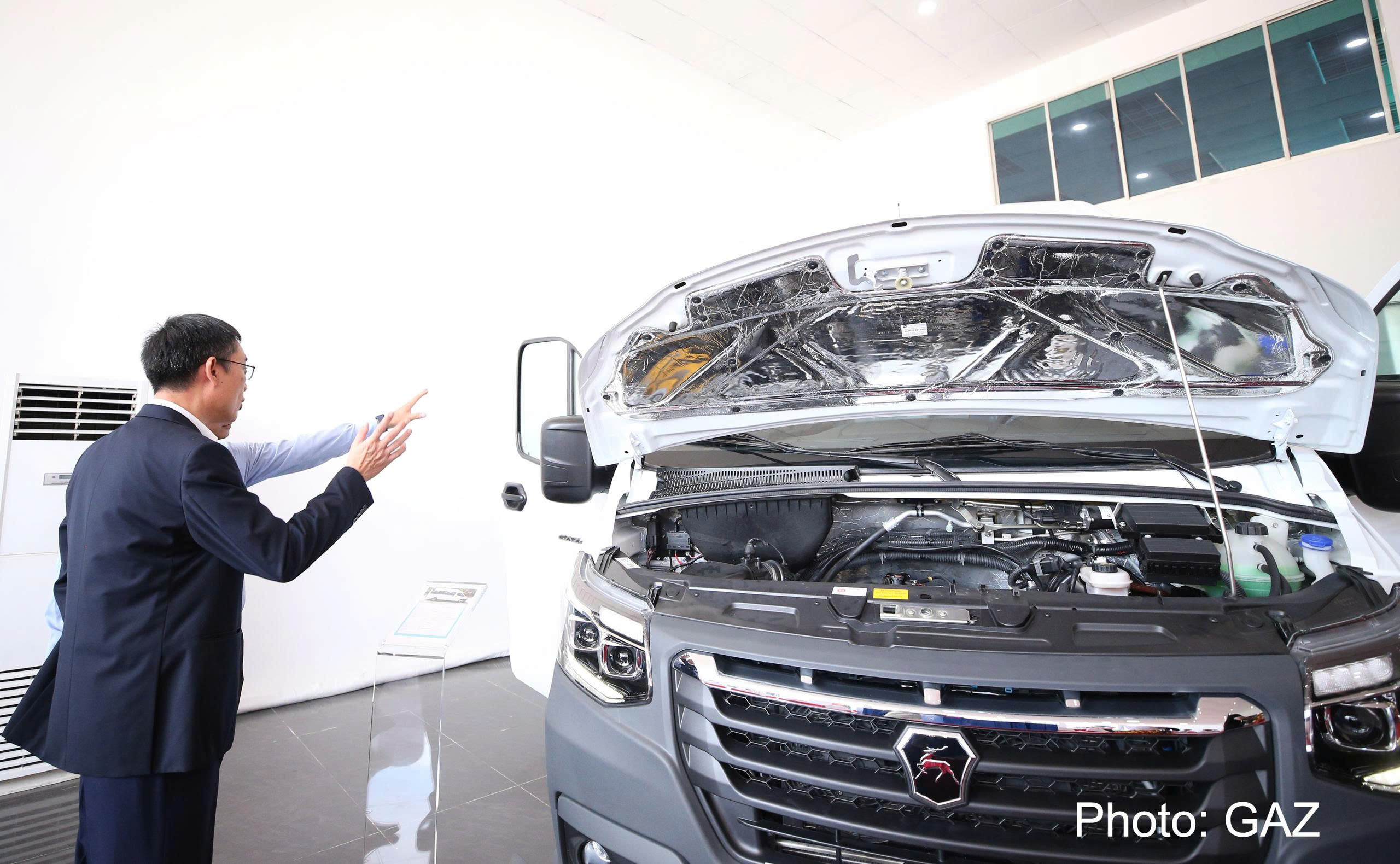
A new international-standard 3S dealership in Ho Chi Minh City will provide integrated vehicle sales, maintenance, repair and genuine spare parts services for transport businesses.
Industry and Trade Newspaper is pleased to present a podcast series on the implementation of Politburo Resolution No. 57 in the Ministry of Industry and Trade.
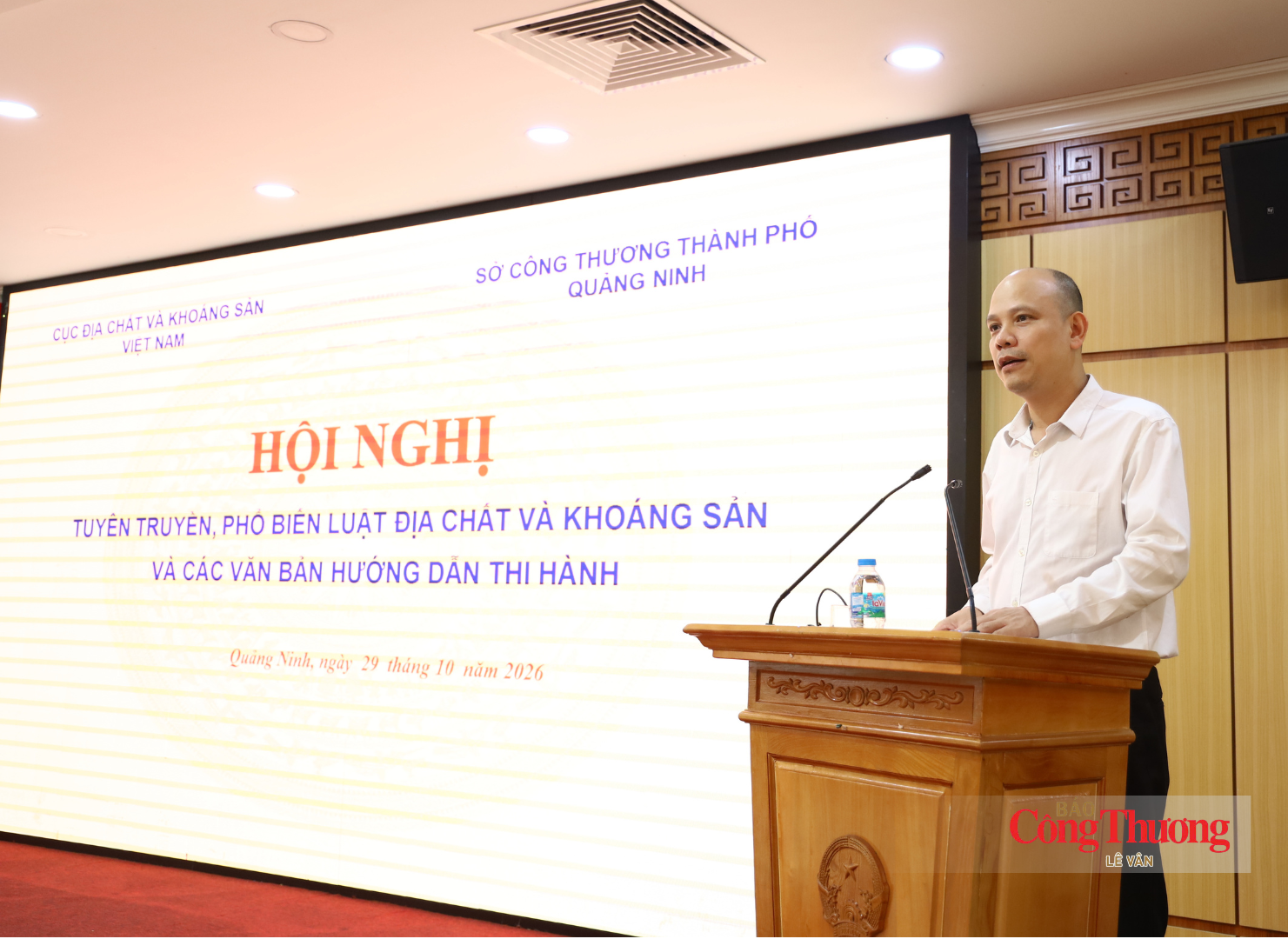
A conference on disseminating and raising awareness of geological and mineral laws and their implementing documents was held in Quang Ninh on the afternoon of October 29.
Amid changes to the organisational structure and growing demands for rural industrial development, local authorities in northern Viet Nam have called for improvements to institutional and policy frameworks to enhance the effectiveness of industrial promotion activities.
A conference to disseminate legislation on geology and minerals and its implementing regulations was held in Lao Cai province on the morning of October 23.