Deputy Minister Nguyen Sinh Nhat Tan inspected ethanol plants in central Vietnam to assess E100 supply capacity and support the nationwide rollout of E10 biofuel.
On August 3, a delegation led by Deputy Minister of Industry and Trade Nguyen Sinh Nhat Tan conducted a working visit to ethanol (E100) production plants in central Vietnam to assess the country's production capacity and readiness for the nationwide rollout of biofuel. Advancing production and blending capacity to meet market demand
The delegation visited both operating facilities and plants that have temporarily suspended production to evaluate manufacturing capacity, operational status, the ability to meet future demand for E100 under the biofuel roadmap, and challenges requiring policy support.
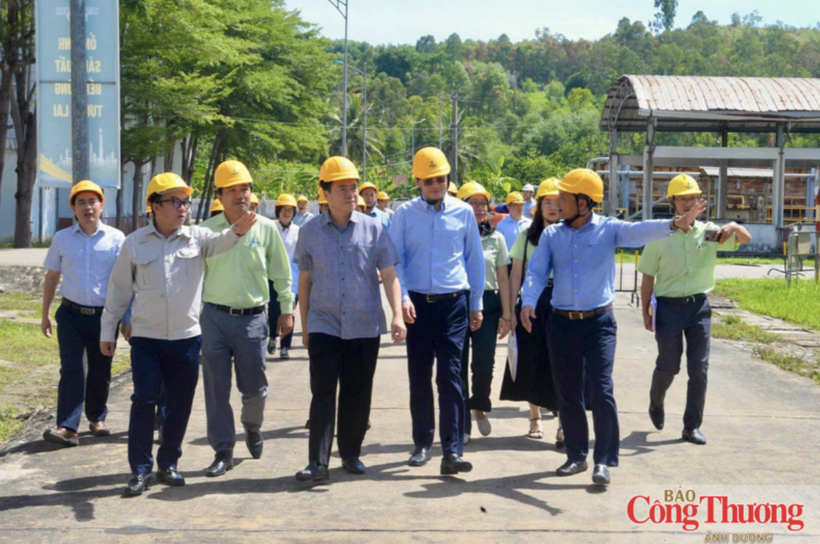
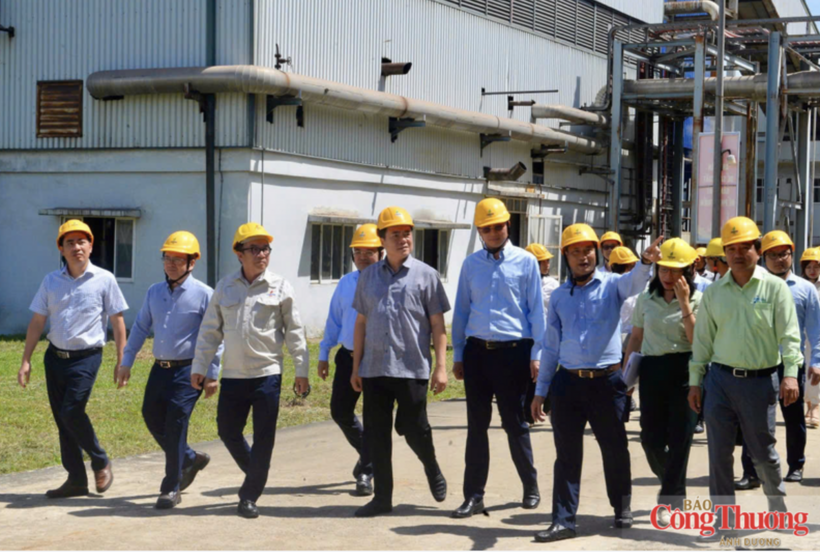
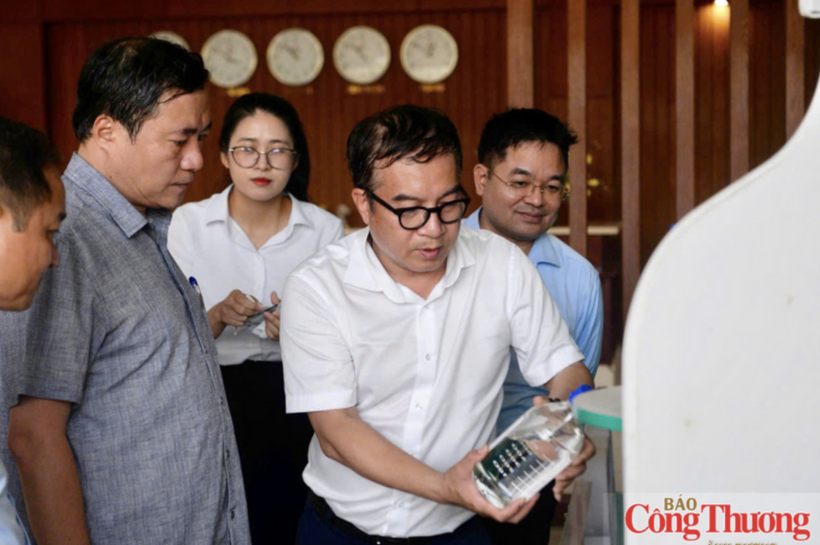
Deputy Minister Nguyen Sinh Nhat Tan and members of the delegation conducted an on-site inspection at the Dung Quat Bio-Ethanol Plant.
Joining the Ministry of Industry and Trade's delegation were Dao Duy Anh, Deputy Director of the Department of Innovation, Green Transition and Industrial Promotion; Nguyen Thuy Hien, Deputy Director of the Agency for Domestic Market Management and Development; Dang Hai Anh, Deputy Director of the Department of Oil, Gas and Coal; and Nguyen Van Minh, Editor-in-Chief of Newspaper of Industry and Trade.
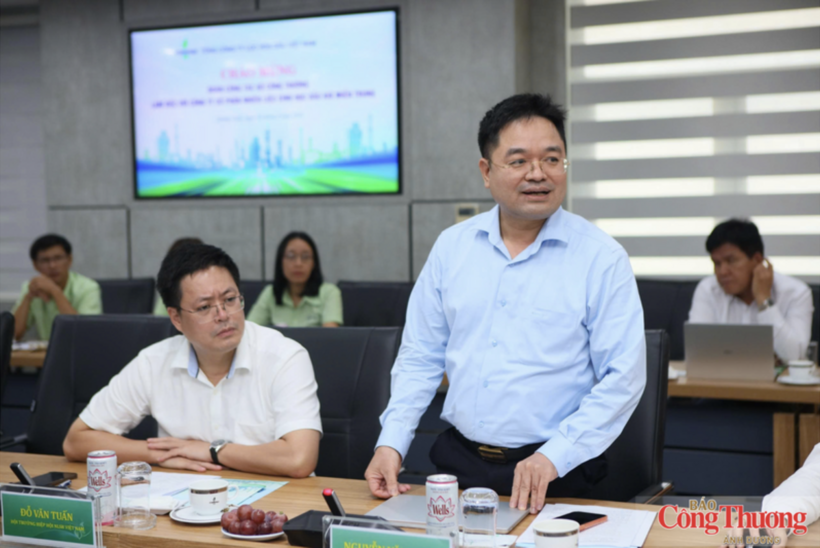
Representatives from provincial Departments of Industry and Trade in Quang Ngai, Da Nang, Gia Lai, Lam Dong and Dong Nai also attended, together with representatives from several biofuel producers, including PetroVietnam Central Biofuels JSC (Dung Quat Bio-Ethanol Plant), Vietnam Biofuels Development JSC (Quang Nam Ethanol Plant), Quang Ngai Sugar JSC (Gia Lai Ethanol Plant), Duc Giang Chemicals Group JSC (Duc Giang Ethanol Plant), Vietnam Green House Co., Ltd. (Dong Nai Ethanol Plant), Phuong Dong Biofuel Co., Ltd. (Binh Phuoc Biofuel Plant), and Quang Ngai Agro-Forestry Products and Foodstuff JSC (Dak To Ethanol and Cassava Starch Plant). The meeting was also attended by Do Van Tuan, Chairman of the Vietnam Biofuels Association.
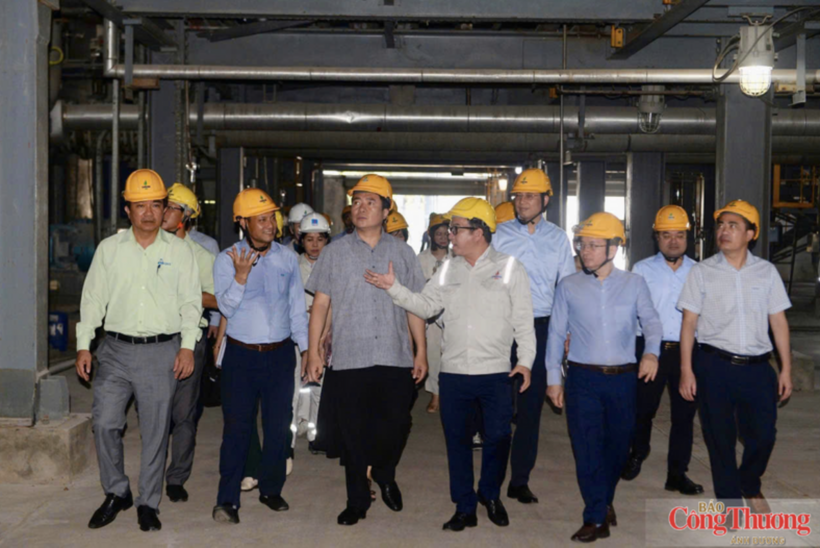
The Deputy Minister inspected production facilities inside the plant.
Prior to the site visit, the delegation had held working sessions with several E100 producers to assess domestic supply conditions, identify operational bottlenecks, and formulate solutions to ensure energy security in line with Vietnam's green transition strategy.
The August 3 inspection focused on the Dung Quat Bio-Ethanol Plant, operated by PetroVietnam Central Biofuels JSC (BSR-BF) in Dung Quat Economic Zone, Quang Ngai Province.
Reporting to the delegation, Nguyen Viet Thang, President and Chief Executive Officer of Binh Son Refining and Petrochemical JSC (BSR), said that during the first seven months of 2026, Dung Quat Refinery had operated at an average of 124% of its designed capacity, helping meet rising domestic demand for petroleum products.
Products manufactured at the Dung Quat Bio-Ethanol Plant.
According to him, the gradual expansion of production at the Dung Quat Bio-Ethanol Plant will enable BSR to secure a more reliable domestic supply of E100, reduce dependence on imports, optimise blending costs and ensure a stable supply of E10 gasoline once nationwide implementation begins. BSR remains committed to working closely with BSR-BF, other members of the Petrovietnam ecosystem and strategic partners to further strengthen Vietnam's biofuel supply chain.
Pham Van Vuong, Director of BSR-BF, said that in accordance with the directives of the Vietnam National Industry-Energy Group and the company's shareholders, BSR-BF has implemented a business recovery plan while cooperating with its business cooperation contract (BCC) partners, Vietnam Green House Co., Ltd. and PVChem, to carry out maintenance work and restart operations at the Dung Quat Bio-Ethanol Plant in order to meet E100 demand under the E10 gasoline roadmap stipulated in Circular No. 50 issued by the Ministry of Industry and Trade.
During the production recovery process, BSR-BF has also introduced an innovation programme comprising 14 solution groups aimed at addressing technological bottlenecks, increasing available production capacity, improving fermentation efficiency, enhancing the value of both products and by-products, leveraging the plant's low-carbon advantages, reducing production costs and improving overall business performance.
According to BSR-BF's roadmap, the company will switch its production feedstock from cassava to corn in the third quarter of 2026 while increasing average operating rates to 70 - 80% of designed capacity. It also plans to conduct trial operations at 125% of design caacity once all technical requirements have been met.
Looking further ahead, the company aims to raise its available production capacity to 150%, thereby increasing revenue, shortening its debt repayment period, restoring shareholders' equity at an earlier stage and strengthening its long-term competitiveness.
BSR-BF's innovation programme, consisting of 14 solution groups, has been developed to remove technological bottlenecks, increase effective production capacity, improve fermentation efficiency, maximise the value of both products and by-products, reduce production costs and enhance overall operational efficiency.
In the fourth quarter of 2026, the company will continue implementing measures to expand available production capacity while working with universities, research institutes and technology partners to diversify the plant's value chain. Planned initiatives include research into the production of Sustainable Aviation Fuel (SAF) using Ethanol-to-Jet (ETJ) technology, as well as low-carbon methanol derived from biogenic CO₂.
Building a sustainable supply chain
According to reports presented at the meeting, Vietnam currently has three operational E100 plants: the Dung Quat Bio-Ethanol Plant, the Quang Nam Ethanol Plant and the Dong Nai Ethanol Plant.
Together, the three facilities have a combined design capacity of 830 cubic metres per day, equivalent to approximately 24,900 cubic metres per month or 277,000 cubic metres annually.
Among them, the Dung Quat plant has the largest design capacity at 330 cubic metres per day, followed by the Quang Nam plant at 300 cubic metres per day and the Dong Nai plant at 200 cubic metres per day.
In June 2026, the three facilities produced a combined 20,875.4 cubic metres of E100, equivalent to approximately 83.8% of their combined monthly design capacity.
Following the site inspection, Deputy Minister Nguyen Sinh Nhat Tan and the delegation held a working session with representatives of biofuel producers to discuss issues related to production, supply and future market development.
Representatives of Vietnam Biofuels Development JSC, which operates the Quang Nam Ethanol Plant, said that after years of operation, some equipment and infrastructure had deteriorated, resulting in frequent technical failures that forced the plant to suspend production for inspection and repairs. As a result, equipment maintenance and upgrades, together with stable product demand, are essential to maintaining production capacity and ensuring future E100 supply.
Meanwhile, Tran Quang Kien, Deputy Director of Quang Ngai Sugar JSC, said that the company's An Khe Ethanol Plant, with total investment exceeding VND1.7 trillion, is scheduled to begin commercial operations in the first quarter of 2028.
The facility is designed to produce 200,000 litres of anhydrous ethanol per day, equivalent to 200 cubic metres daily, with food-grade alcohol and fuel ethanol serving as its primary products.
According to him, the company has completed preparations for the project, including feedstock supply, technology, financing and human resources, and is fully prepared to move forward with implementation.
Joining forces to overcome challenges
Speaking at the meeting, Nguyen Viet Thang, President and Chief Executive Officer of Binh Son Refining and Petrochemical JSC (BSR), proposed introducing an appropriate financial mechanism to facilitate access to capital for production while giving priority to the use of domestically produced E100. He also suggested that BSR, PVOIL and relevant stakeholders enter into long-term off-take agreements with biofuel producers and adopt quarterly advance payment mechanisms aligned with the plants' available production capacity.
From that perspective, he proposed reviewing policies on the export of dried cassava chips and considering measures to encourage deeper processing instead, thereby securing feedstock supplies for domestic ethanol production.
Dao Duy Anh, Deputy Director of the Department of Innovation, Green Transition and Industrial Promotion, urged enterprises to focus on proposing practical and well-founded recommendations so that regulators could promptly advise the Government on appropriate support measures and remove bottlenecks.
Dang Hai Anh, Deputy Director of the Department of Oil, Gas and Coal, called on major corporations and enterprises in the sector to take more decisive action in expanding investment and accelerating the recovery of biofuel production facilities.
Addressing the meeting, Nguyen Van Minh, Editor-in-Chief of Industry and Trade Newspaper, said that based on information gathered by the newspaper, both the Government and the Ministry of Industry and Trade highly appreciated the successful and stable introduction of E10 biofuel gasoline, describing it as an important contribution to safeguarding national energy security amid a challenging domestic and global environment.
He noted that the successful rollout of E10 has become one of the bright spots in Vietnam's efforts to ensure energy security, alongside maintaining stable supplies of electricity, coal, petroleum products and natural gas.
According to him, communications have played a vital role in that success. News organisations have taken a proactive approach by responding promptly to misinformation and malicious content, helping guide public opinion while strengthening public confidence and consumer acceptance of biofuels.
"The next priority is to further strengthen supply security by increasing domestic ethanol production, reducing reliance on imports and expanding manufacturing capacity. We hope businesses will continue working closely with the media by proactively sharing information, thereby helping build broader public consensus," he said.
He also expressed his hope that the media would continue accompanying businesses and policymakers in promoting positive public awareness of the transition towards biofuels and cleaner energy solutions.
Nguyen Van Minh, Editor-in-Chief of the Industry and Trade Newspaper, expressed his hope that the media would continue accompanying efforts to promote the transition to biofuels and foster positive public awareness.
Creating a supportive policy framework for biofuel development
Concluding the meeting, Deputy Minister Nguyen Sinh Nhat Tan reaffirmed that the nationwide introduction of E10 biofuel gasoline is a major policy of the Party and the State, aimed at implementing Politburo Resolution No. 55-NQ/TW dated February 11, 2020, Resolution No. 70-NQ/TW dated August 20, 2025 on safeguarding national energy security, together with relevant decisions and directives of the Government.
He noted that the policy contributes to strengthening national energy security, promoting the efficient and economical use of energy, and advancing environmental protection.
The Deputy Minister commended biofuel producers for their sustained efforts to maintain operations, gradually restore production, expand operating capacity, increase output and broaden the domestic market share of E100 despite numerous challenges.
According to the Deputy Minister, these achievements demonstrate encouraging progress within Vietnam's biofuel industry and provide an important foundation for meeting future demand for biofuel blending under the Government's roadmap, while supporting the country's broader green transition agenda.
However, he stressed that ensuring the sustainable development of the biofuel market will require more than simply increasing production capacity.
Enterprises, he said, should conduct comprehensive assessments of their production capabilities and take proactive steps to establish a stable E100 supply chain spanning feedstock cultivation, manufacturing, logistics and distribution.
He also underscored the importance of closer coordination among ethanol producers, petroleum wholesalers, fuel blending companies and local authorities in order to ensure a secure and sustainable domestic fuel supply.
The Ministry of Industry and Trade, he said, will consolidate all recommendations raised during the working session and coordinate with relevant ministries and agencies in reporting to the Government and the Prime Minister as part of the review to be conducted after two months of nationwide E10 implementation. The review will consider measures to facilitate production and support the long-term development of the domestic biofuel industry.
The Deputy Minister acknowledged that a number of bottlenecks continue to hinder the sector's development and emphasised that these issues require coordinated and comprehensive solutions.
He affirmed that the Ministry of Industry and Trade will continue serving as the lead agency, working closely with the Ministry of Agriculture and Environment, the Ministry of Science and Technology and other relevant ministries to study and improve policies governing the development of biofuels, ensuring that they are coherent, transparent and aligned with practical conditions.
Based on feedback from enterprises and local authorities, the Ministry will consider organising a specialised workshop to build consensus on policy solutions. It will also advise the Government on developing a more favourable legal framework to attract investment, expand feedstock production areas, broaden market demand and enhance the competitiveness of domestically produced biofuels, thereby contributing to Vietnam's energy transition and strengthening national energy security.
The Deputy Minister further emphasised that the ongoing revision of the Decree on petroleum trading should be closely aligned with the objective of developing the domestic biofuel market.
In particular, policies relating to pricing, taxation, fees, market stabilisation and regulatory mechanisms should be carefully designed to strike a balance between the interests of the State, businesses and consumers. Such an approach, he said, would foster fair competition, encourage wider adoption of biofuels and gradually establish a sustainable market for E100 ethanol and biofuel gasoline in Vietnam.
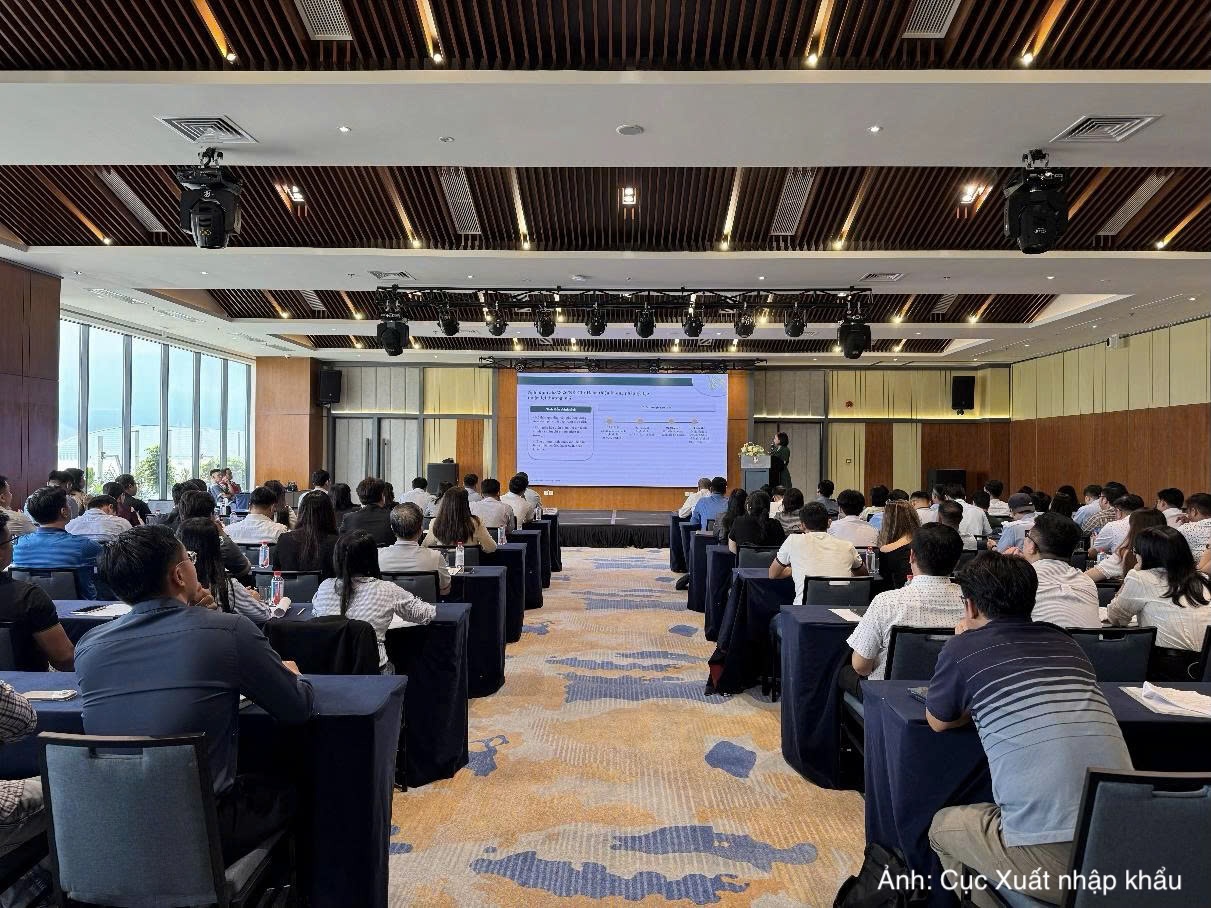
On October 13, the Agency of Foreign Trade under the Ministry of Industry and Trade (MoIT) held a conference in Dong Thap province to disseminate Government Decree No.365/2026/ND-CP dated September 23, 2026, on rice export and import business, and Circular No.65/2026/TT-BCT dated October 1, 2026, issued by the Minister of Industry and Trade, detailing certain provisions and measures for implementing Decree No.365/2026/ND-CP.
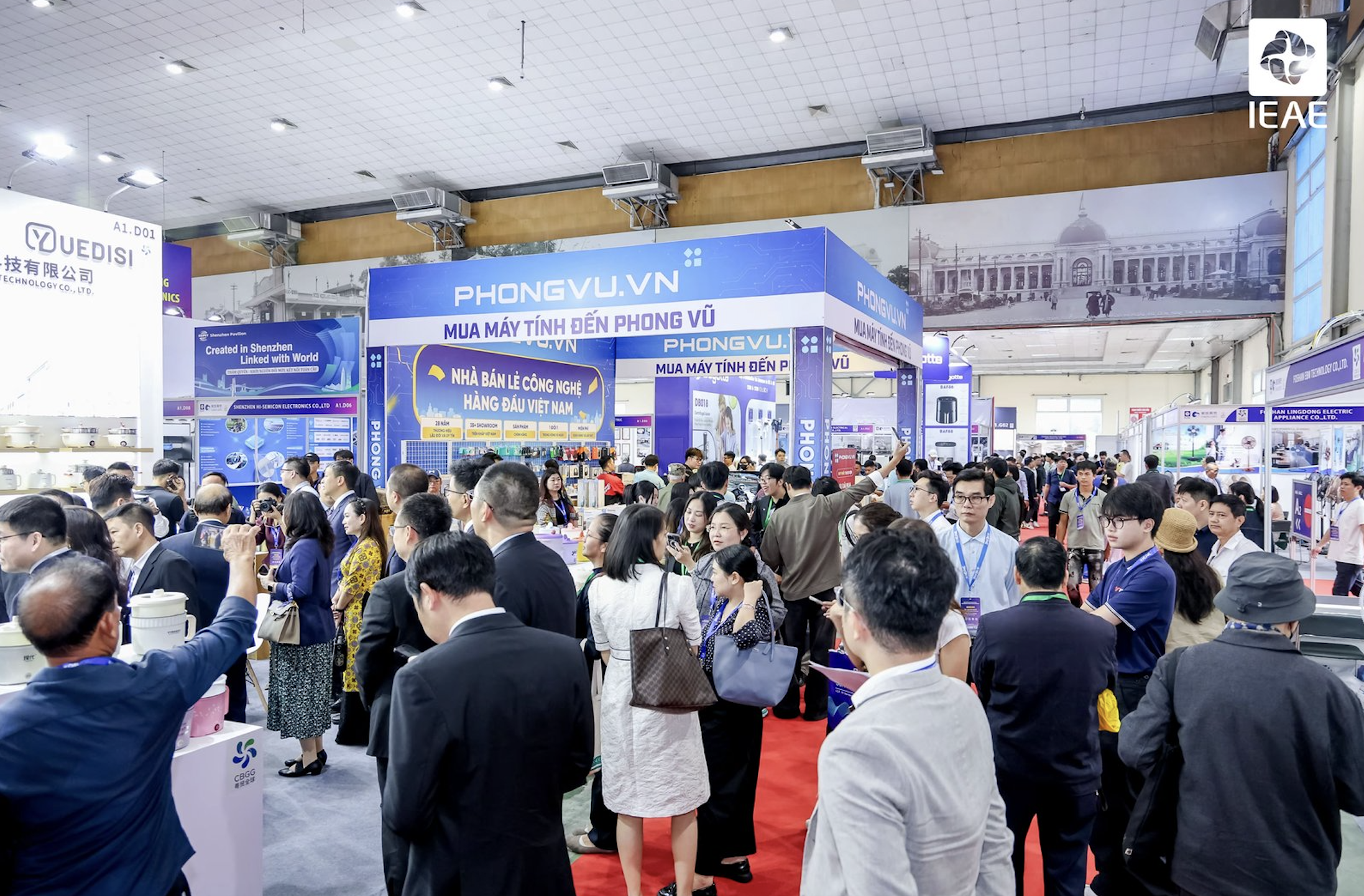
IEAE Hanoi 2026 will gather over 300 exhibitors, showcasing electronics, smart appliances and connecting businesses with sourcing and trade opportunities in Vietnam.
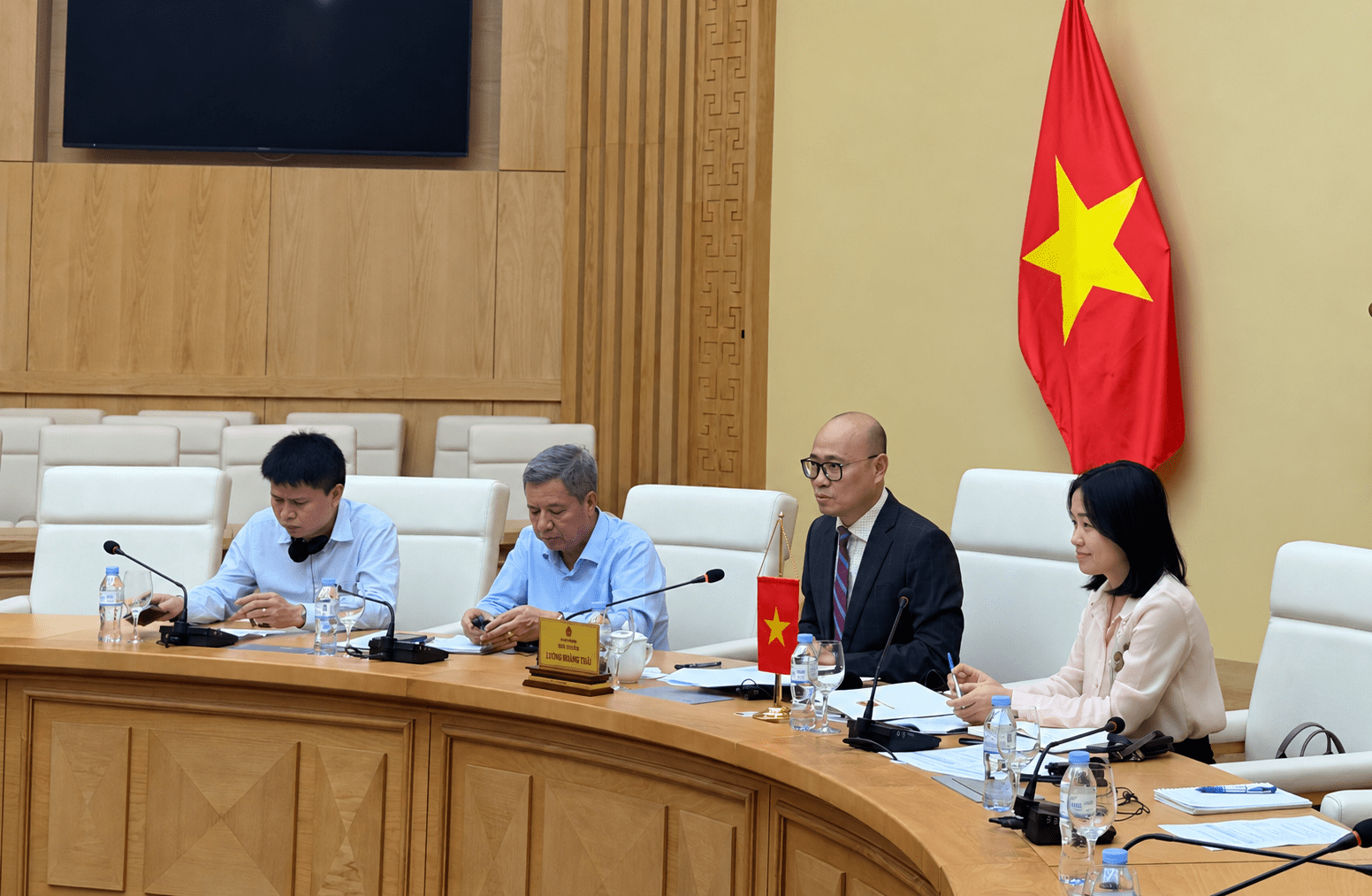
On October 13, Deputy Minister of Industry and Trade Luong Hoang Thai held a working session with MEDEF International, a French business organization, and representatives of French corporations operating in various sectors, including energy, industry, transport, construction and infrastructure development, food and beverages, and services, at the Ministry of Industry and Trade's headquarters.
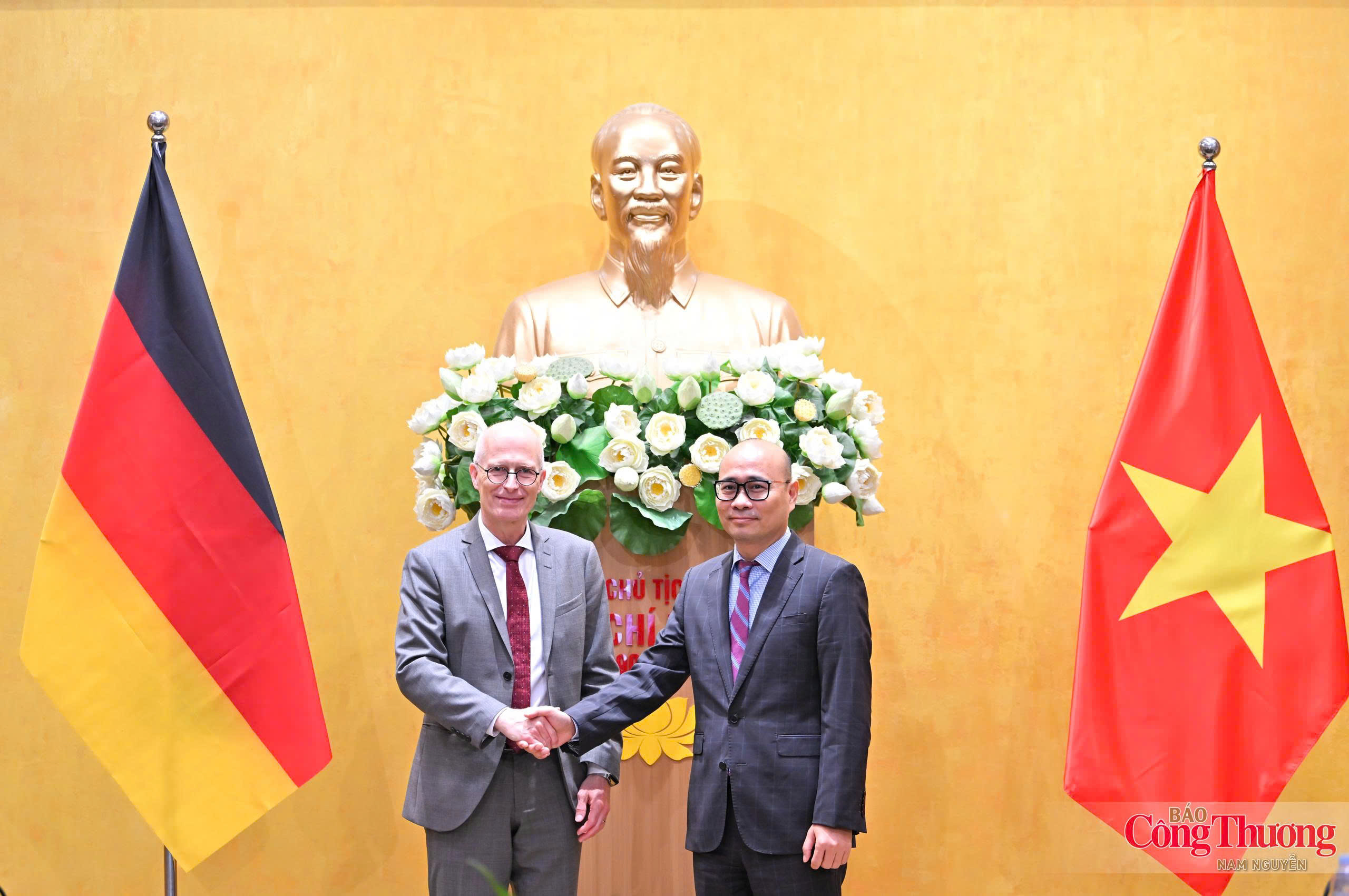
On October 14, Deputy Minister of Industry and Trade Luong Hoang Thai received and held a working session with a delegation from Hamburg, Germany, led by the city's First Mayor Peter Tschentscher at the Ministry of Industry and Trade's headquarters.
The Copyright Office is working closely with relevant agencies to develop plans for inspections and enforcement action against copyright and related rights infringements in the digital environment.
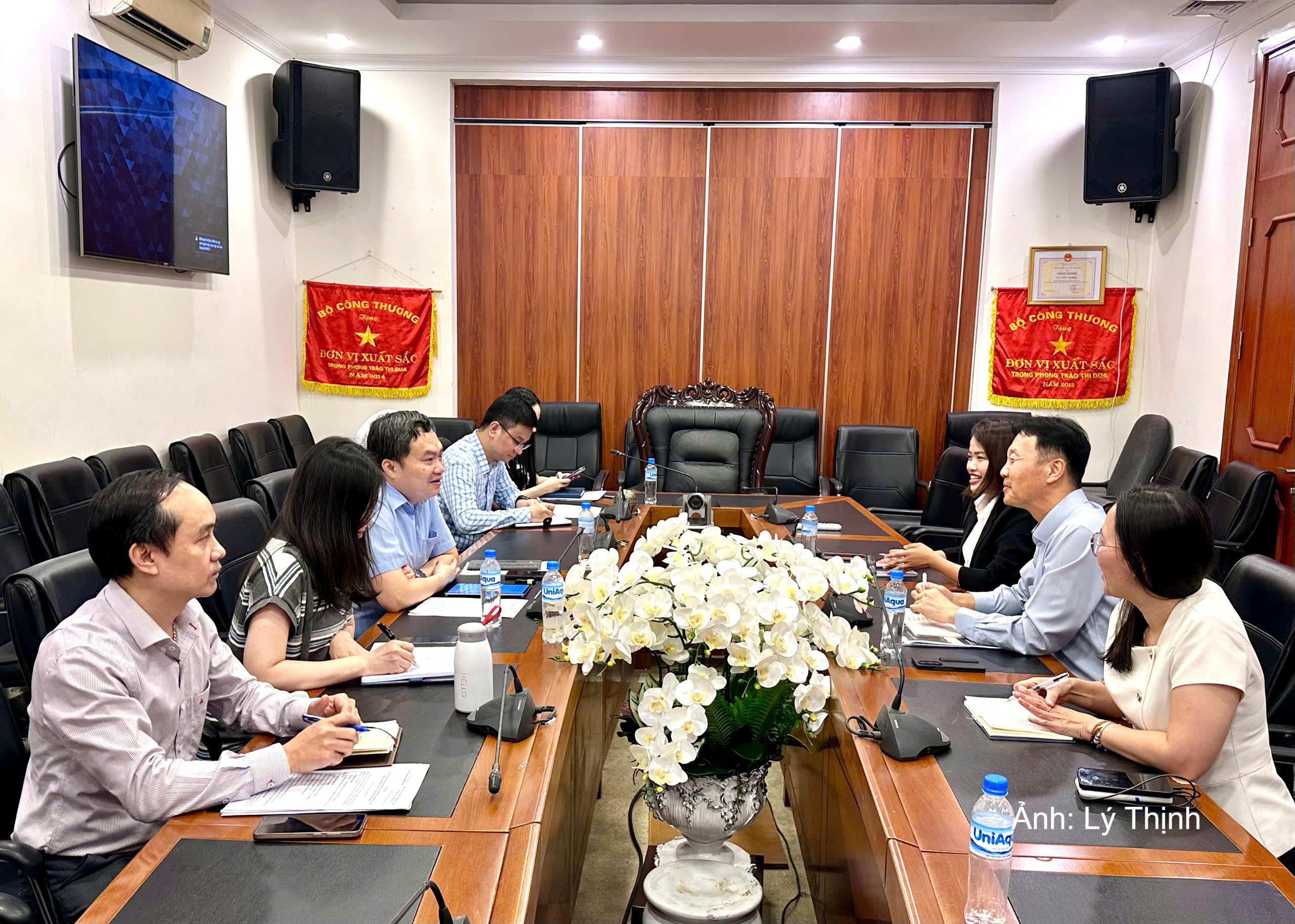
The Vietnam Industry Agency under the Ministry of Industry and Trade and Samsung Vietnam continue to strengthen cooperation in developing supporting industries, enhancing the capabilities of domestic enterprises and expanding opportunities for their participation in global supply chains.
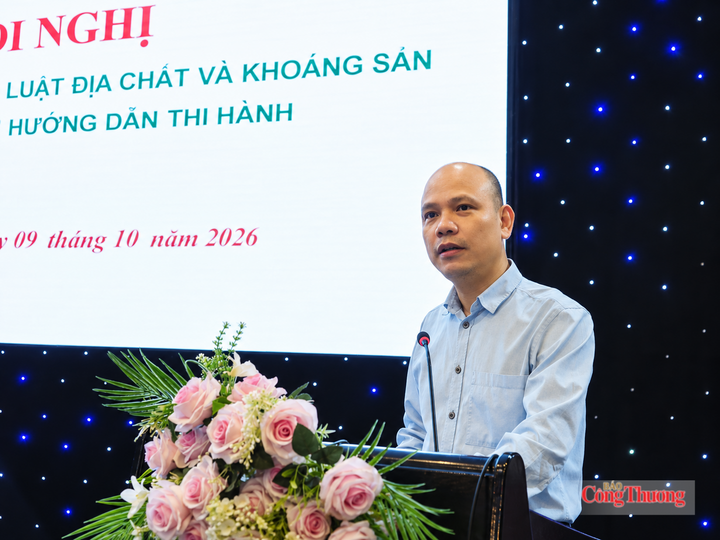
On October 9, the Viet Nam Department of Geology and Minerals, in coordination with the Thai Nguyen Department of Industry and Trade, held a conference in Thai Nguyen province to disseminate the Law on Geology and Minerals and its implementing regulations.
Northern localities are strengthening links in supporting industries, energy and logistics to build competitive value chains and create new growth drivers.
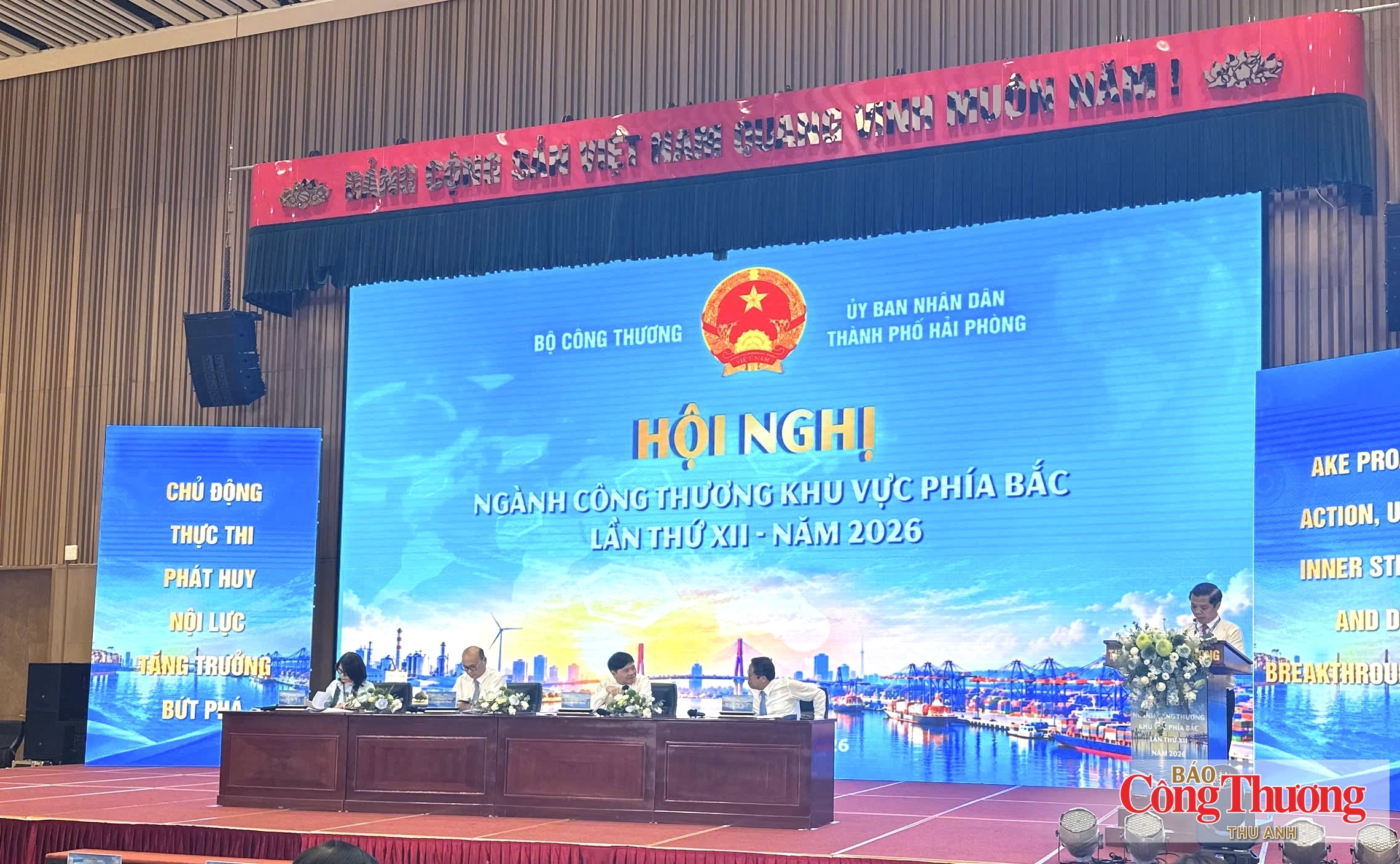
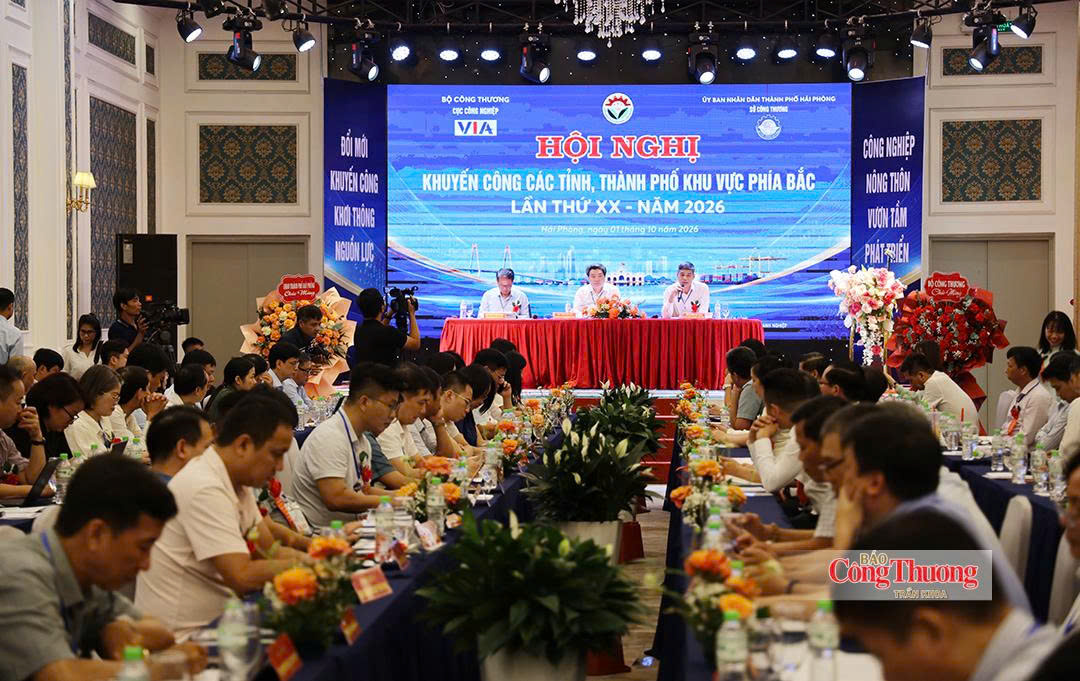
The 20th Industrial Promotion Conference for Northern Provinces and Cities in 2026 was held in Hai Phong City on October 1, with discussions focusing on renewing industrial promotion activities.
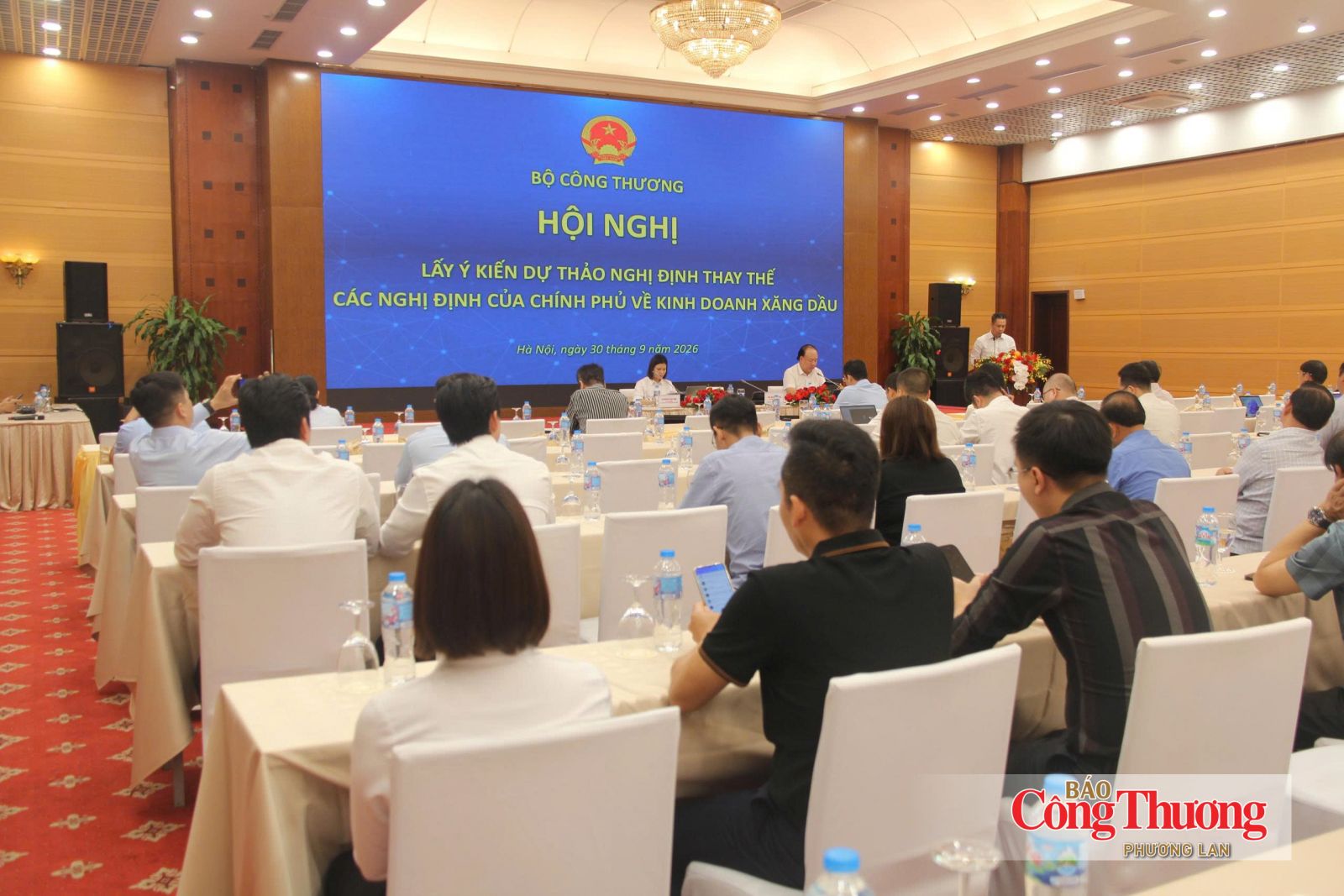
On September 30 in Ha Noi, the Ministry of Industry and Trade (MoIT) held a conference to gather broad feedback on a draft decree replacing the Government’s existing decrees on petroleum trading.