Funding for industrial promotion in the Central and Central Highlands regions in 2026 has increased by more than 21% compared with the previous year's plan, reflecting growing attention to the development of rural industries.
Industrial promotion funding increases
In 2025, amid continued difficulties facing production and business activities, localities in the Central and Central Highlands regions maintained relatively comprehensive implementation of industrial promotion programs and projects. Total disbursement reached VND 40.446 billion, equivalent to 89.97% of the annual plan. Of this, national industrial promotion funding amounted to VND 10.416 billion, while local funding stood at VND 30.030 billion. Some localities, including Quang Tri, Da Nang and Nghe An, allocated relatively substantial resources to these activities.
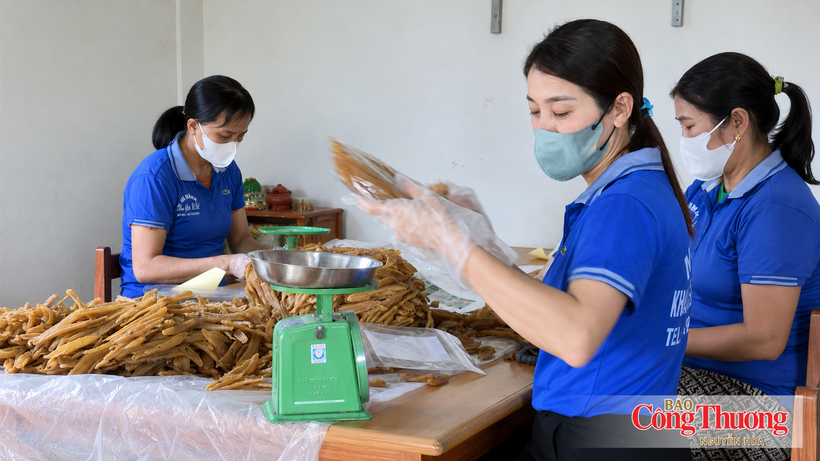
Industrial promotion programs in the Central and Central Highlands regions focus on supporting rural industrial establishments in upgrading technologies, machinery and equipment.
A key feature of industrial promotion activities in 2025 was the continued focus on helping rural industrial establishments upgrade technologies, machinery and equipment. Across the region, support was provided to 190 establishments to develop technical demonstration models, transfer technologies, apply advanced machinery and technological advances, and adopt cleaner production practices. Total funding for these activities reached VND 32.726 billion, or 88.81% of the annual plan.
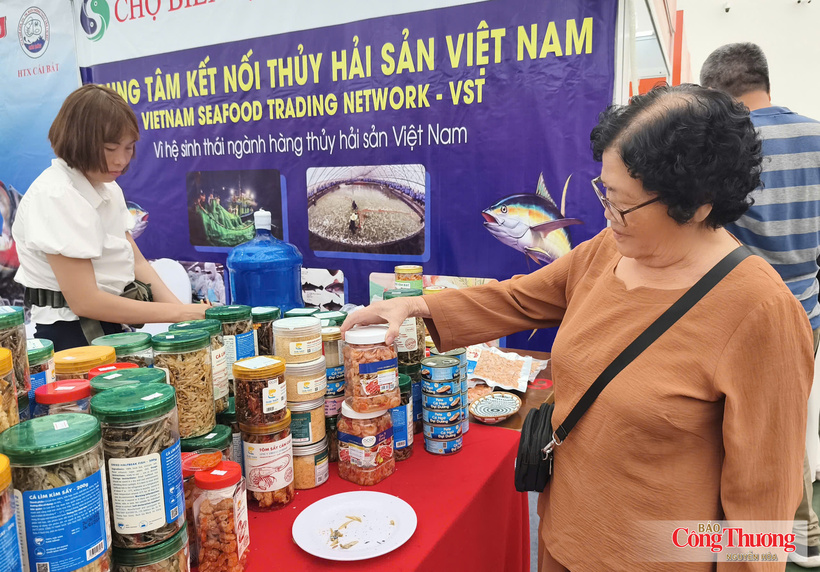
The development of rural industrial products also received attention. During the year, localities organized six trade fairs and exhibitions; supported 692 standard booths for rural industrial establishments participating in domestic trade fairs; and supported the selection of 264 outstanding rural industrial products, along with trademark registration and investment in product display and promotion facilities.
These results provided a foundation for the region to enter 2026 with greater resources. Under the approved plan, total industrial promotion funding allocated by provinces and cities in the Central and Central Highlands regions in 2026 is VND 54.672 billion, up more than 21% from the 2025 plan. Of this, local industrial promotion funding accounts for VND 38.222 billion, or 70%, while national industrial promotion funding totals VND 16.450 billion, or 30%.
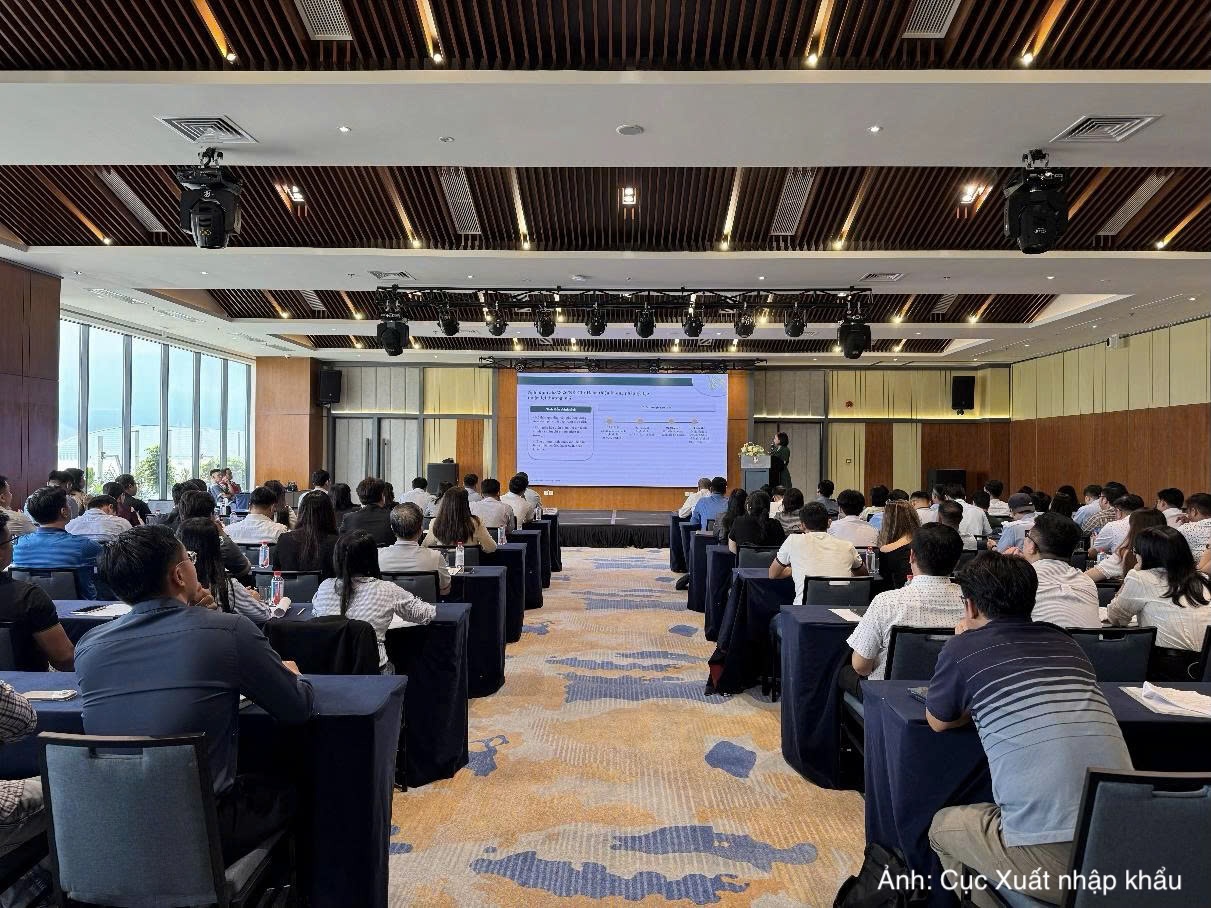
However, according to a report presented at the 15th Conference on Industrial Promotion of Central and Central Highlands Provinces and Cities in 2026, held in late August, implementation results during the first seven months of the year remained below the level expected from the resources allocated. Total disbursement across the region reached VND11.758 billion, equivalent to 21.51% of the annual plan and 109% of the figure recorded in the same period of 2025. National industrial promotion funding reached only VND 0.6 billion, or 3.65% of the plan, while local industrial promotion funding stood at VND 11.158 billion, equivalent to 29.29% of the plan.
Support for technological and machinery upgrades was among the areas showing more tangible progress. During the first seven months, industrial promotion programs supported 41 rural industrial establishments in developing technical demonstration models, transferring technologies, applying advanced machinery and adopting cleaner production, with funding of VND 8.522 billion. Of these, two establishments received support from the national industrial promotion fund and 39 from local funds.
The slow implementation pace came as localities were simultaneously reorganizing their administrative apparatus and administrative units and operating the two-tier local government model. Changes in organizational structures, functions, responsibilities and personnel have affected the preparation of plans, completion of dossiers and implementation of industrial promotion projects. By the end of July 2026, actual disbursement had reached only around 22% of the annual plan.
Notably, human resources directly responsible for industrial promotion at the grassroots level remain relatively limited. Public service units carrying out industrial promotion tasks across the region currently have 343 officials and employees, but only 88 are actually assigned to implement industrial promotion activities at the grassroots level, accounting for 26%, or an average of eight people per unit.
Accelerating project implementation, with a stronger focus on green transition
For the remaining months of 2026, localities in the Central and Central Highlands regions aim to complete 100% of the national and local industrial promotion projects assigned to them. At the same time, industrial promotion activities will focus on developing group projects and flagship projects, fostering production linkages, industrial clusters, value chains, and supporting digital and green transformation.
In 2026, the Central and Central Highlands regions will organize the selection of around 208 outstanding rural industrial products for 201 participating establishments.
This represents a notable shift in direction, as one of the limitations identified in recent years has been the predominantly standalone nature of industrial promotion activities at individual establishments. Projects involving multiple businesses or creating inter-sectoral and regional linkages, establishing value chains and securing stable market outlets for products remain limited.
For the development of rural industrial products, the 2026 plan targets the organization of seven trade fairs and exhibitions, with around 205 participating establishments. Support will also be provided for approximately 1,330 standard booths for 150 participating establishments at domestic trade fairs. Localities will organize the selection of around 208 outstanding rural industrial products for 201 participating establishments, while also supporting trademark registration and investment in product display and promotion facilities. Total funding earmarked for this group of activities is expected to reach VND 7.639 billion.
In addition, localities are expected to organize training programs on business start-ups, corporate management, and awareness and capacity-building in cleaner production for around 300 participants. Nine thematic workshops and training sessions are also planned, attracting approximately 390 delegates.
To complete the annual plan, the immediate priority is to accelerate projects for which funding has already been allocated, strengthen inspection and supervision, and ensure that resources are used for their intended purposes and in accordance with regulations. Departments of Industry and Trade are also expected to advise provincial-level People's Committees to increase local budget allocations while integrating resources from other programs and projects to attract additional investment for rural industrial development.
In the longer term, industrial promotion will focus not only on supporting individual pieces of equipment or individual establishments, but also on improving the competitiveness and value-chain participation of rural industrial businesses and establishments. Priority will be given to projects involving multiple establishments and connecting the entire chain from raw materials and production to processing and consumption; applying digital technologies; using resources efficiently; saving energy; and reducing emissions. These efforts are expected to contribute to the development of the digital, green and circular economies.
With significantly greater resources available in 2026 compared with the previous year, the Central and Central Highlands regions have considerable room to generate further progress in the final months of the year. The immediate challenge is to quickly translate allocated resources into concrete projects, address implementation delays, and improve the quality of support with a greater focus on priorities, linkages and broader spillover effects across the rural industrial sector.
Under the 2026 plan, provinces in the Central and Central Highlands regions will organize seven trade fairs and exhibitions featuring outstanding rural industrial products and provincial, and district-level handicrafts, with 205 participations by rural industrial establishments. Support will also be provided for approximately 1,330 standard booths for 150 participations by rural industrial establishments at domestic trade fairs and exhibitions.
On October 13, the Agency of Foreign Trade under the Ministry of Industry and Trade (MoIT) held a conference in Dong Thap province to disseminate Government Decree No.365/2026/ND-CP dated September 23, 2026, on rice export and import business, and Circular No.65/2026/TT-BCT dated October 1, 2026, issued by the Minister of Industry and Trade, detailing certain provisions and measures for implementing Decree No.365/2026/ND-CP.
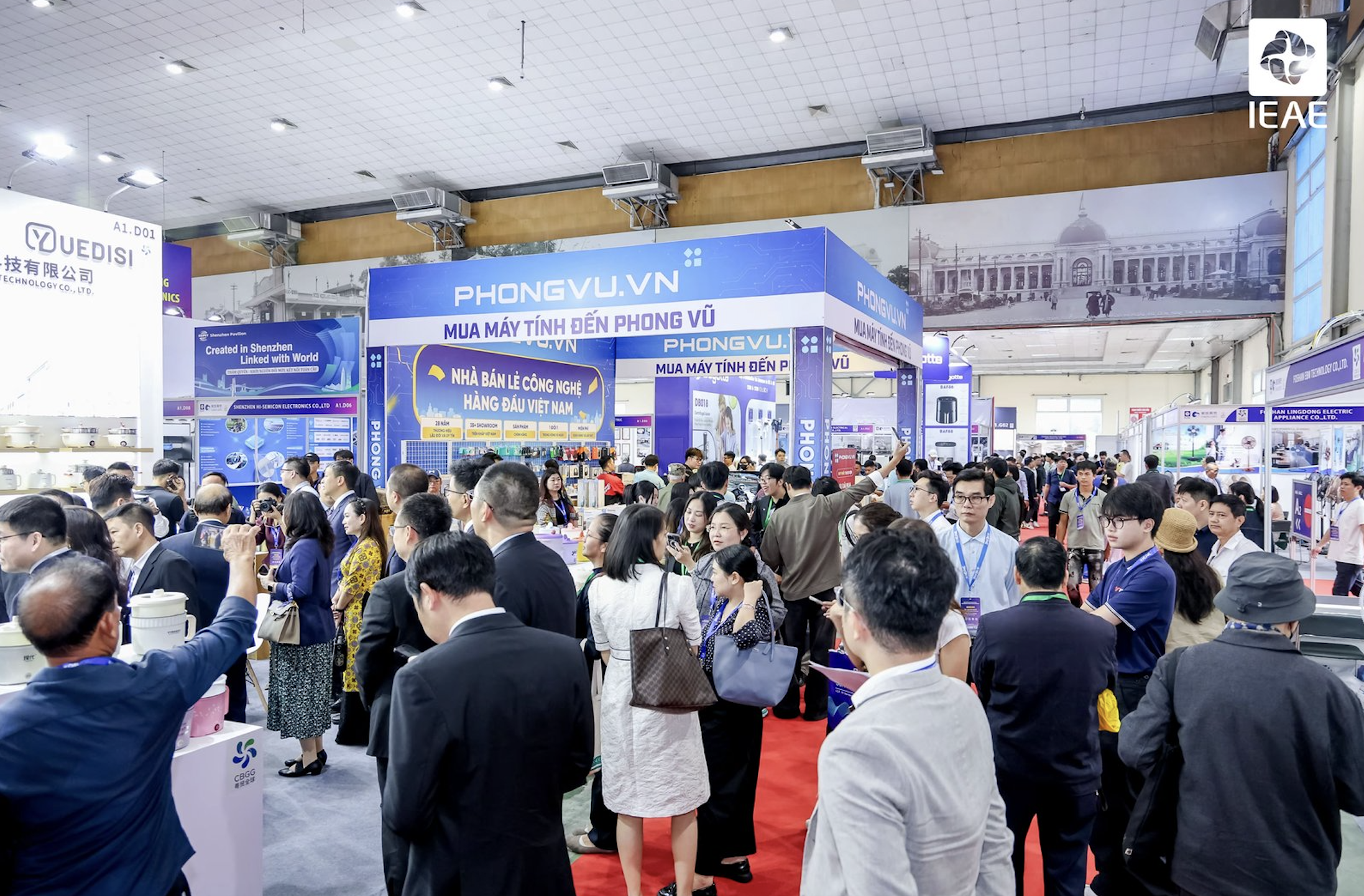
IEAE Hanoi 2026 will gather over 300 exhibitors, showcasing electronics, smart appliances and connecting businesses with sourcing and trade opportunities in Vietnam.
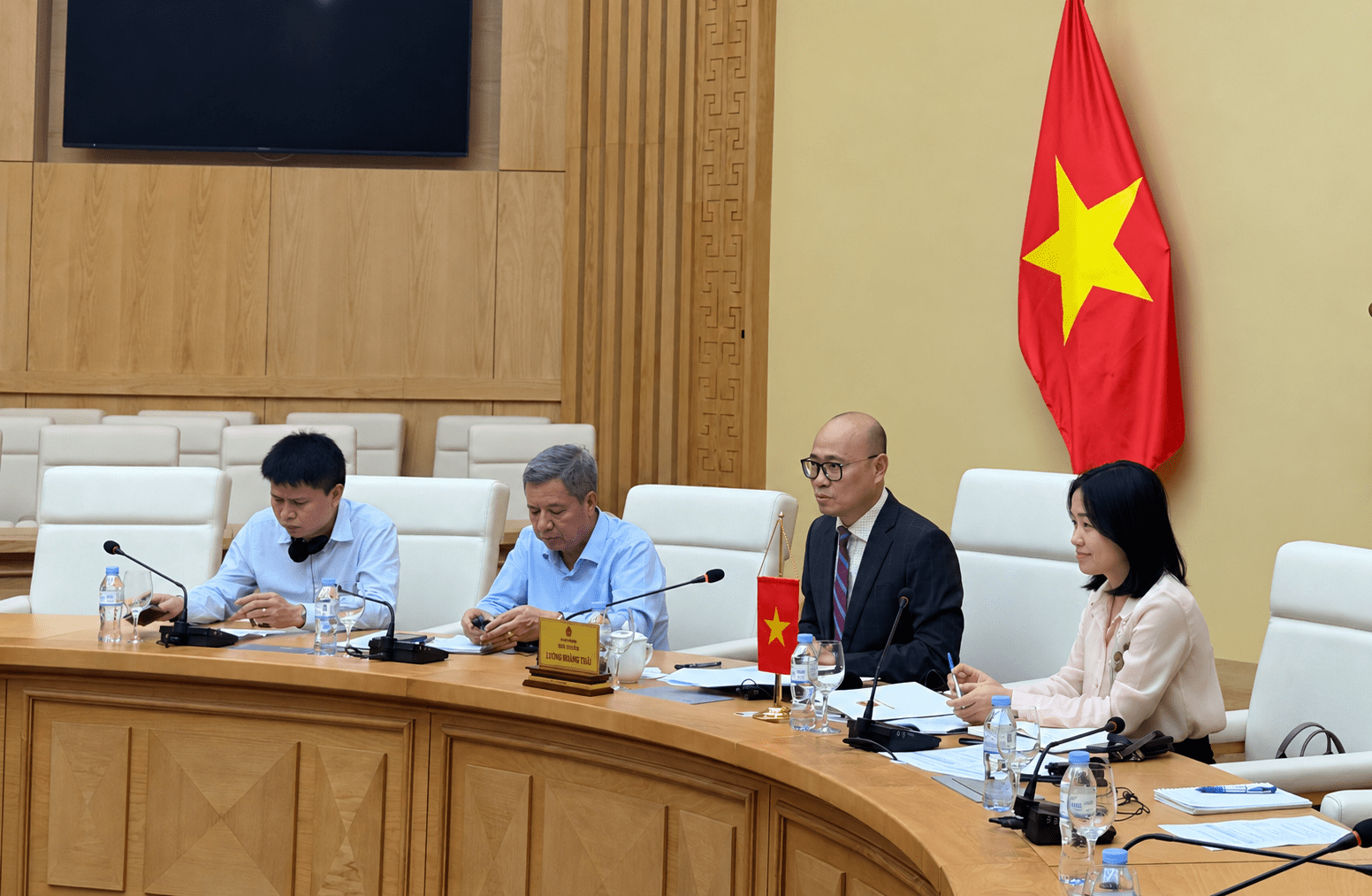
On October 13, Deputy Minister of Industry and Trade Luong Hoang Thai held a working session with MEDEF International, a French business organization, and representatives of French corporations operating in various sectors, including energy, industry, transport, construction and infrastructure development, food and beverages, and services, at the Ministry of Industry and Trade's headquarters.
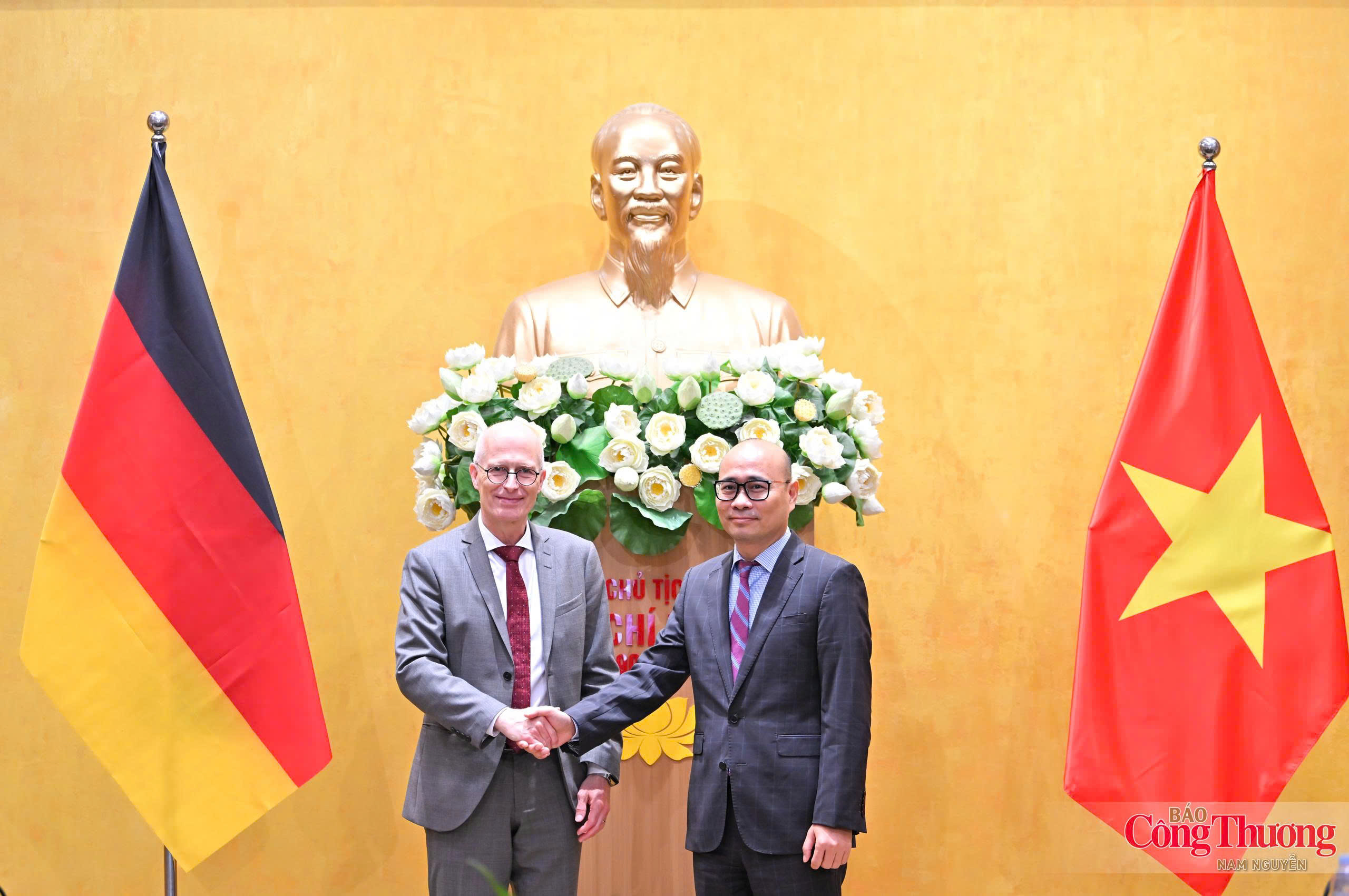
On October 14, Deputy Minister of Industry and Trade Luong Hoang Thai received and held a working session with a delegation from Hamburg, Germany, led by the city's First Mayor Peter Tschentscher at the Ministry of Industry and Trade's headquarters.
The Copyright Office is working closely with relevant agencies to develop plans for inspections and enforcement action against copyright and related rights infringements in the digital environment.
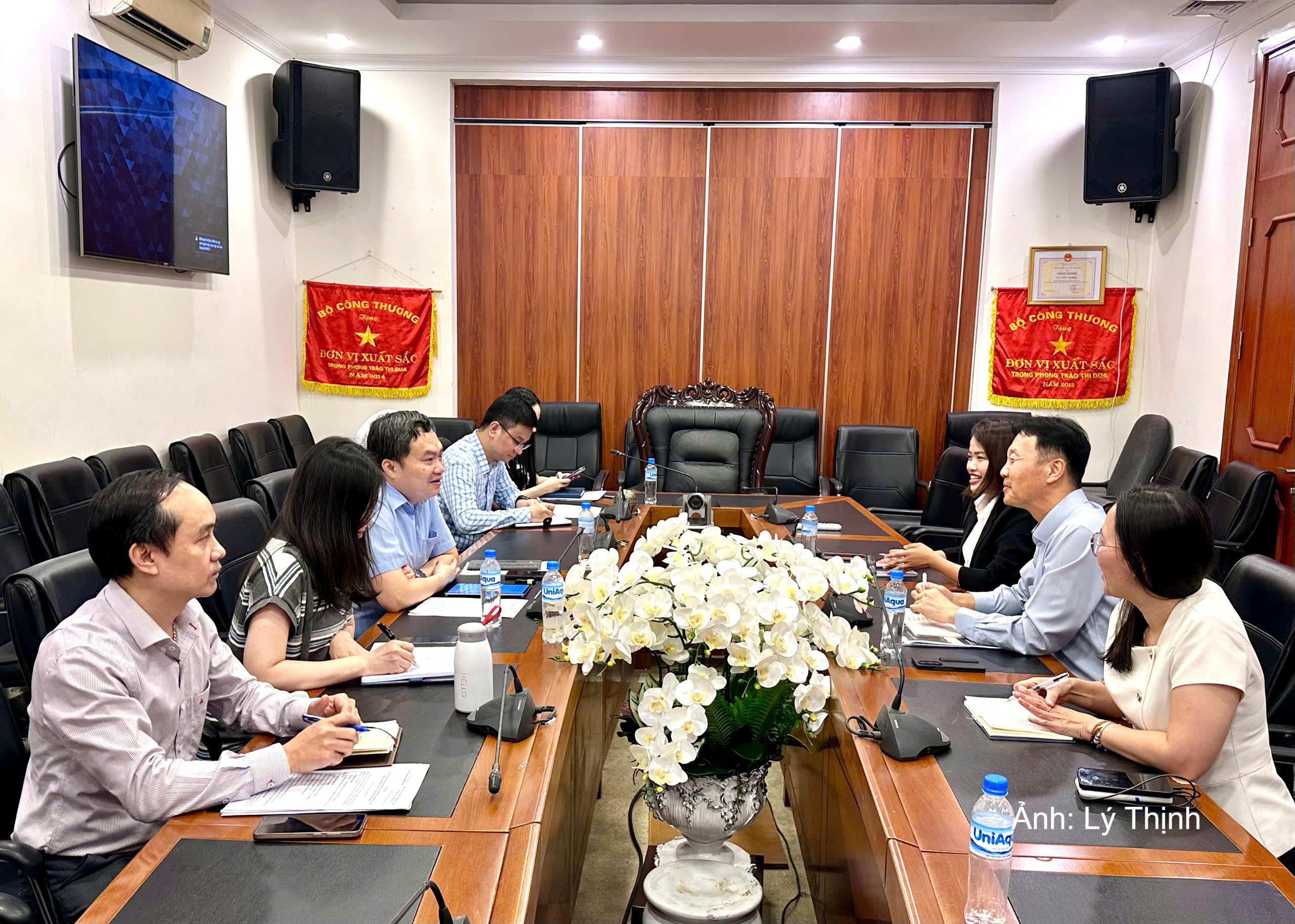
The Vietnam Industry Agency under the Ministry of Industry and Trade and Samsung Vietnam continue to strengthen cooperation in developing supporting industries, enhancing the capabilities of domestic enterprises and expanding opportunities for their participation in global supply chains.
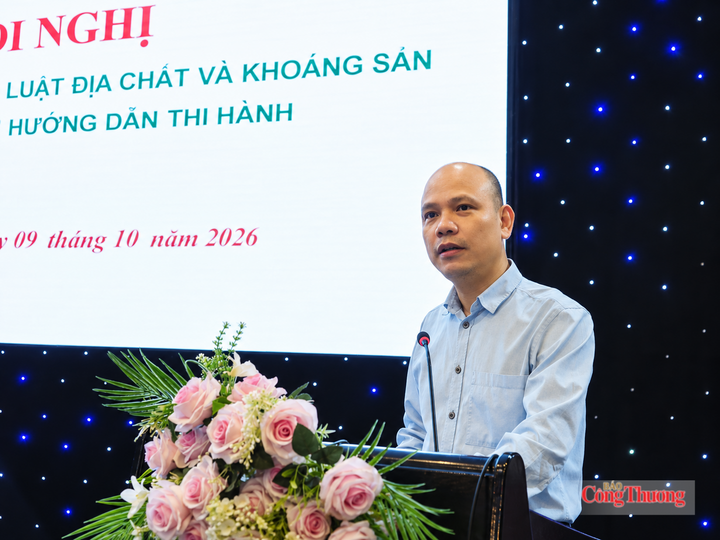
On October 9, the Viet Nam Department of Geology and Minerals, in coordination with the Thai Nguyen Department of Industry and Trade, held a conference in Thai Nguyen province to disseminate the Law on Geology and Minerals and its implementing regulations.
Northern localities are strengthening links in supporting industries, energy and logistics to build competitive value chains and create new growth drivers.
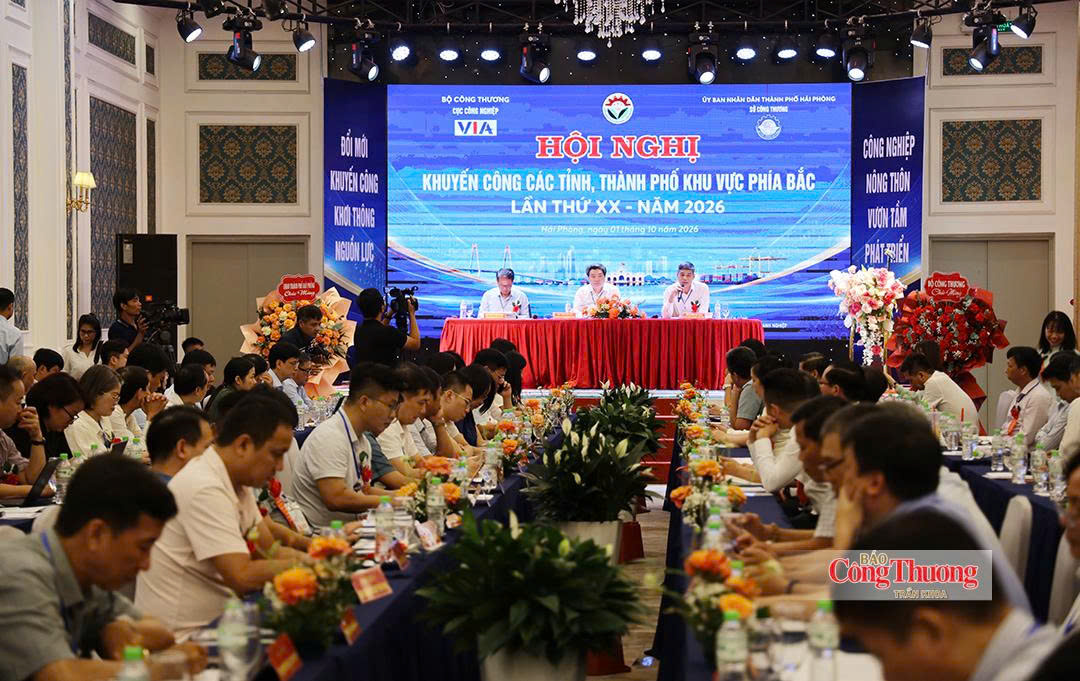
The 20th Industrial Promotion Conference for Northern Provinces and Cities in 2026 was held in Hai Phong City on October 1, with discussions focusing on renewing industrial promotion activities.
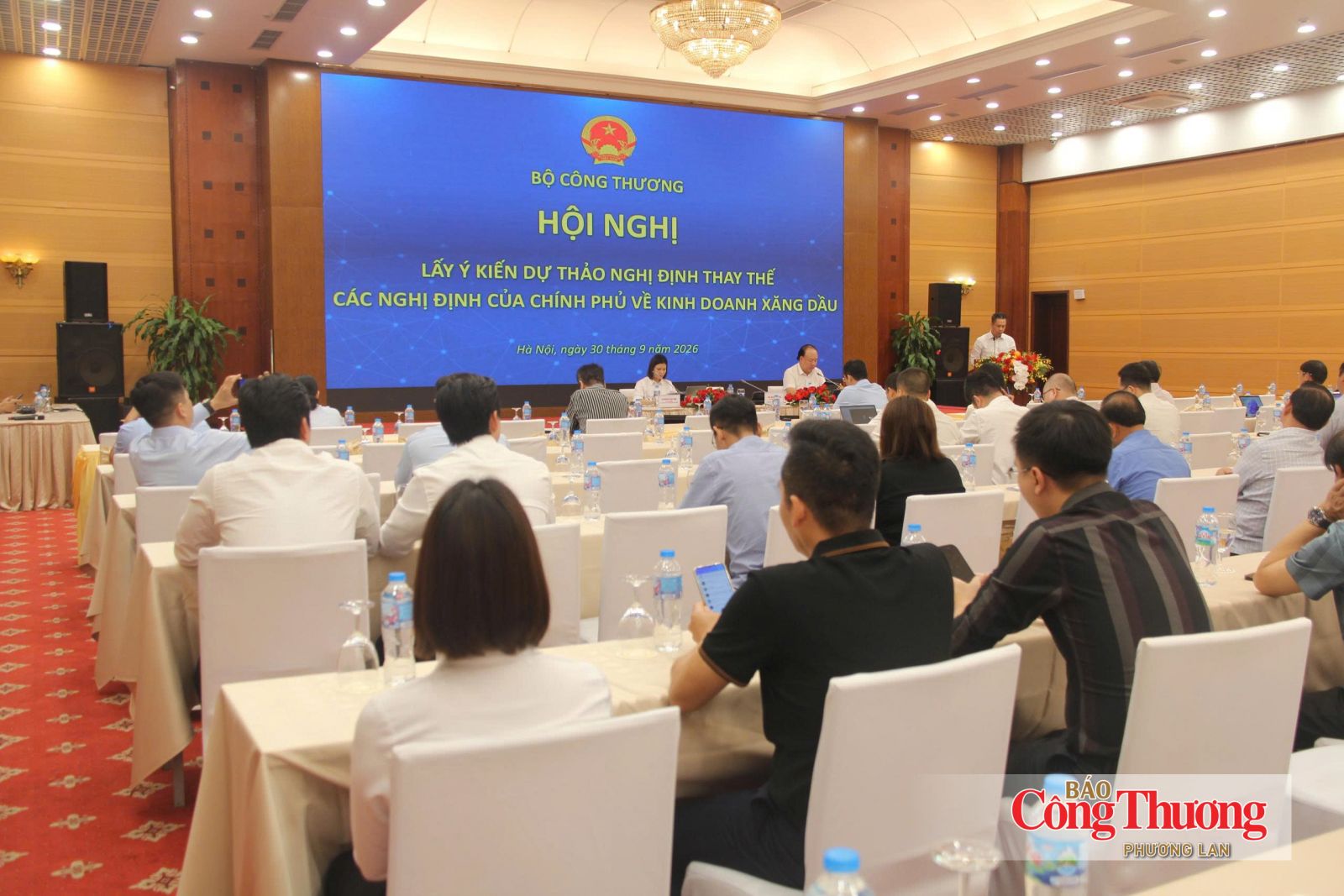
On September 30 in Ha Noi, the Ministry of Industry and Trade (MoIT) held a conference to gather broad feedback on a draft decree replacing the Government’s existing decrees on petroleum trading.