Market volatility and stricter sustainability standards are driving Viet Nam's coffee industry to modernize production, processing and traceability.
Bringing together influential voices in the coffee industry
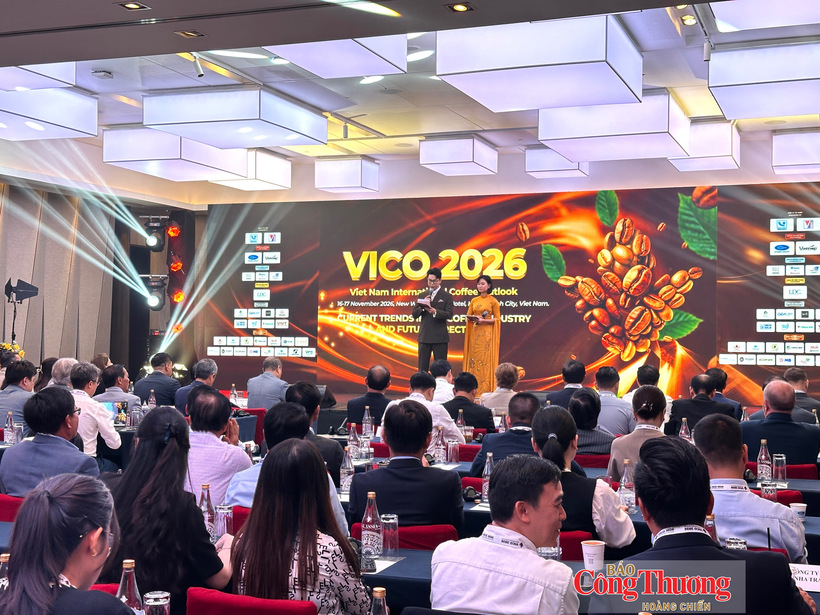
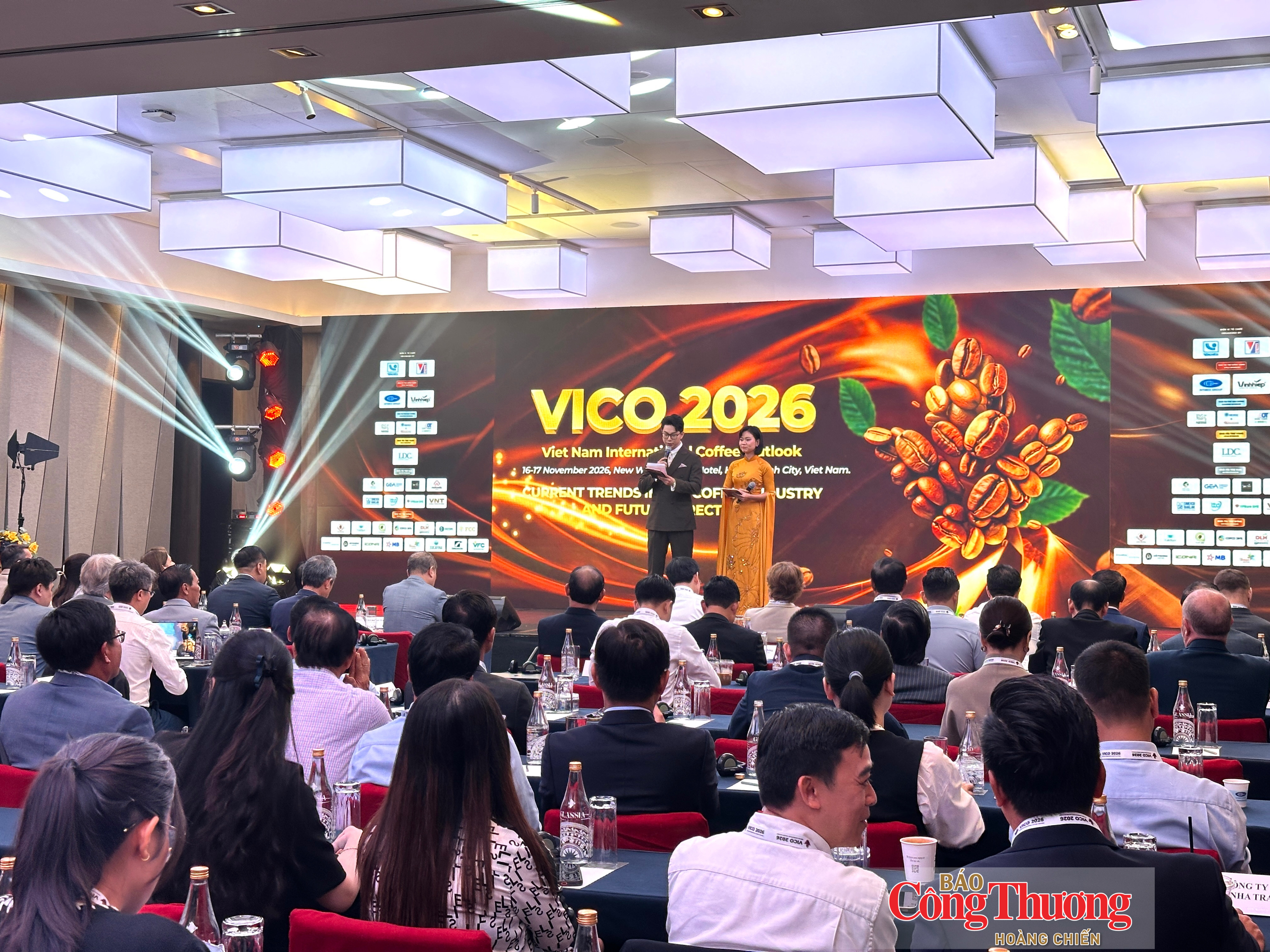
The opening ceremony of the Viet Nam International Coffee Outlook 2026 (VICO 2026) took place on the morning of November 16 in Ho Chi Minh City. The event was jointly organized by the Viet Nam Trade Promotion Agency under the Ministry of Industry and Trade and the Viet Nam Coffee and Cocoa Association (VICOFA). More than 250 delegates representing government agencies, international organizations, diplomatic missions of major coffee-producing and exporting countries, and businesses across the entire value chain attended the conference to exchange insights and discuss new directions for the coffee industry.
The opening ceremony of the Viet Nam International Coffee Outlook 2026 (VICO 2026) takes place on the morning of November 16 in Ho Chi Minh City.
According to the Organizing Committee, the global coffee industry is undergoing profound changes amid market volatility, new trade regulations on sustainable development, climate change and digital transformation. As one of the world's leading coffee producers and exporters, Viet Nam is facing significant opportunities to increase value and take a more proactive role in shaping the industry's future.
Speaking to the Newspaper of Industry and Trade, Do Xuan Hien, Chief of Office of VICOFA, said VICO 2026 was expected to become a major international dialogue platform for the coffee industry.
The conference brings together the Executive Director of the International Coffee Organization (ICO), the Secretary-General of the European Coffee Federation (ECF), the Executive Director of the Specialty Coffee Association (SCA), the President of the Asian Coffee Association (ACA), representatives of diplomatic missions from the world's major coffee-producing and consuming countries, as well as market analysts and businesses operating across the entire value chain.
Under the theme “Connecting Partners, Sharing Responsibility, Promoting Sustainable Development,” VICO 2026 aims to serve not only as a platform for updating information but also as a bridge for stakeholders to identify opportunities, address challenges and establish substantive partnerships for Viet Nam's coffee industry and the global coffee sector.
According to Do Xuan Hien, under the overarching theme “The Coffee Industry Today and New Directions Ahead,” the program is structured around six discussion sessions, covering topics ranging from the industry's overall outlook to specific issues facing businesses and coffee growers.
In addition, conference delegates can visit an exhibition showcasing products and services across the coffee value chain. They can also tour the instant coffee factory of Intimex Group in Ho Chi Minh City, as well as the processing facility and organic coffee farm operated by Vinh Hiep Company Limited in Gia Lai.
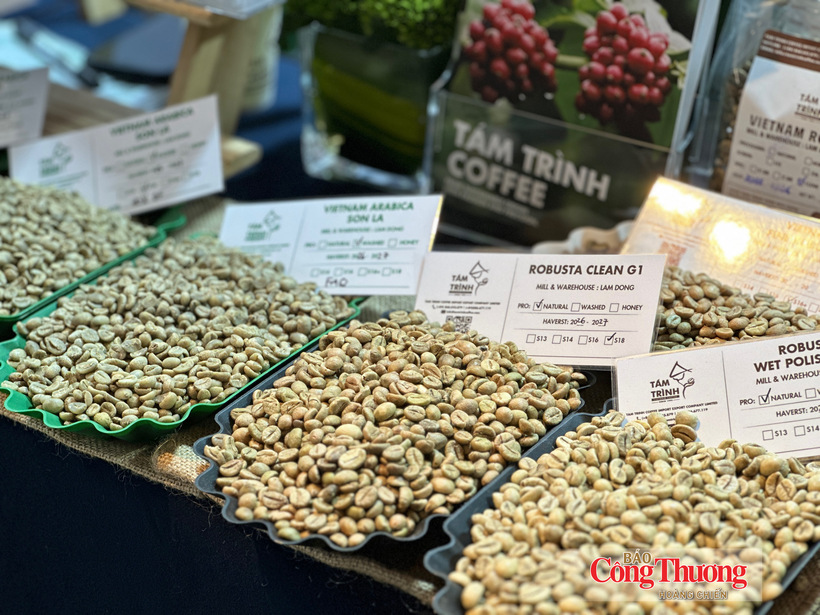
Vietnamese coffee is showcased at the conference.
From markets to policy: Key questions on the table
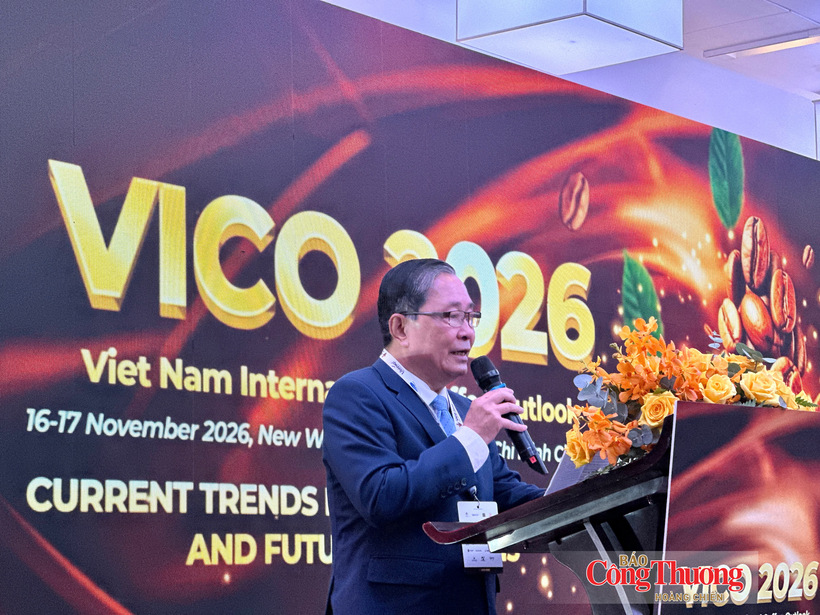
Speaking at the opening ceremony, Nguyen Nam Hai, Chairman of VICOFA, said the global coffee industry continued to face numerous difficulties and challenges in 2026.
He noted that the international situation remained challenging due to geopolitical tensions worldwide. Global markets continue to experience volatility stemming from the Russia-Ukraine conflict and tensions between the United States and Iran in the Middle East. Supply and demand conditions, production costs, logistics expenses and exchange rate fluctuations have significantly affected the production, business and export activities of coffee enterprises.
He added that climate change and extreme weather, including the effects of the ongoing El Niño into 2027, could pose further risks to coffee producers worldwide, including in Viet Nam. The current El Niño could be among the strongest on record.
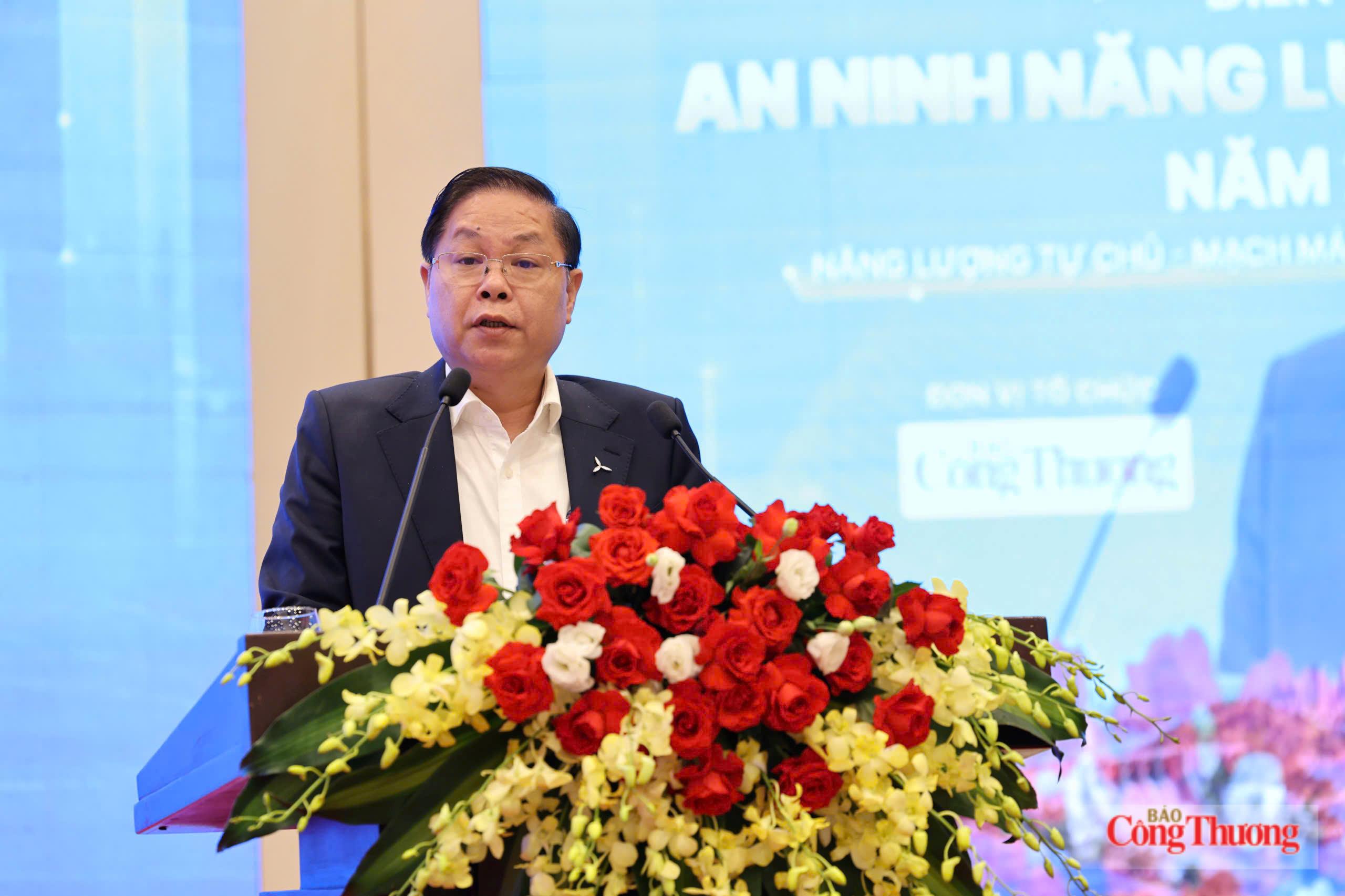
Nguyen Nam Hai, Chairman of VICOFA, speaks at the conference.
Meanwhile, international markets are imposing increasingly stringent requirements on product quality, traceability, environmental protection, nature conservation, deforestation prevention, forest degradation prevention, social responsibility and supply chain transparency. These developments require the coffee industry to continue innovating to comply with applicable regulations.
The European Union Deforestation Regulation (EUDR) covers products associated with seven commodities linked to deforestation and forest degradation, including coffee. Businesses should prepare the documentation required for shipments covered by the regulation.
Nguyen Nam Hai added that Viet Nam currently plays a particularly important role in the global Robusta coffee supply chain.
In the 2025 - 2026 coffee crop year, despite considerable market volatility and production difficulties, Viet Nam's coffee industry achieved notable results. Total export volume reached approximately 1.8 million metric tons, up 21% from the previous crop year. Export revenue exceeded USD 8.6 billion, the highest level on record.
Despite these encouraging export results, Viet Nam's coffee industry continues to face considerable challenges. Export volume increased by approximately 21%, while export revenue rose by only around 1%. The average export price fell by approximately 16.5% compared with the previous crop year.
These figures show that growth in export volume does not necessarily translate into corresponding growth in value. The industry's export structure remains heavily dependent on green coffee beans. Meanwhile, there is still considerable room and potential to increase value added, expand deep processing capacity, build brands and participate in higher-value segments of international supply chains.
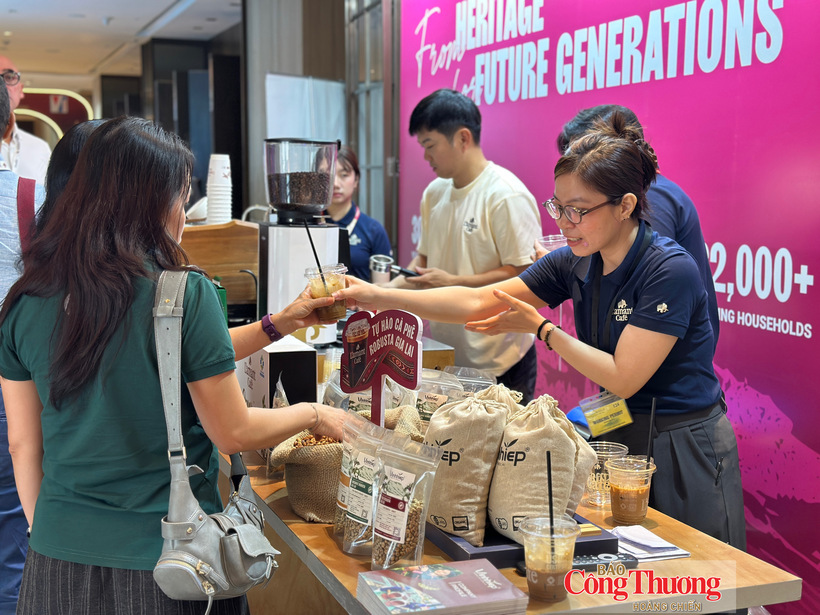
Product showcases and business networking activities take place on the sidelines of the conference.
Against a backdrop of both opportunities and challenges, the VICOFA Chairman outlined several priorities for Viet Nam's coffee industry in the coming period.
First, the industry needs to further develop sustainable coffee-growing areas that are resilient to climate change. This includes accelerating replanting and farm renovation, applying science and technology, using water resources efficiently, developing circular and ecological agriculture, and promoting low-emission farming models.
Second, the industry needs to establish a unified and transparent data and traceability system that meets EUDR requirements and international standards. This also involves continuing to improve databases on growing areas, digital mapping, geolocation systems and traceability platforms capable of connecting, sharing and verifying information.
In addition, Viet Nam's coffee industry needs to step up investment in modern technologies and processing lines. A decisive shift from exporting raw green coffee beans toward deeply processed coffee products is a key solution for increasing the industry's value added.
Furthermore, the industry needs to continue developing markets and strengthening the competitiveness of coffee businesses. Alongside maintaining traditional markets, companies should diversify export destinations, intensify trade promotion, build the national brand for Vietnamese Robusta coffee and develop direct partnerships with international roasters and importers.
Nguyen Nam Hai also noted that domestic coffee consumption in Viet Nam remained low for a country of its size. Therefore, increasing domestic consumption is an important strategy to reduce the industry's dependence on export markets, generate greater added value and support sustainable development.
"At the same time, Viet Nam's coffee industry needs to further strengthen international cooperation and shared responsibility across the value chain. Producing countries, consuming countries, international organizations and businesses must work together to address common issues, including climate change, the responsibility of producing countries for environmental protection and nature conservation, sustainability standards, technology transfer, green finance and improving the livelihoods of coffee growers," the VICOFA Chairman emphasized.
The Viet Nam International Coffee Outlook 2026 (VICO 2026) will take place over two days, November 16 - 17, with the participation of market analysts, leaders of international organizations, representatives of coffee-producing countries such as Brazil, Colombia and Indonesia, along with a large number of experts and, in particular, Vietnamese and international businesses engaged in coffee production, processing, import and export.
Through the conference, the Organizing Committee expects to strengthen connections, facilitate the exchange of valuable experience, identify practical solutions, expand cooperation opportunities and generate fresh momentum for the development of Viet Nam's coffee industry and the global coffee sector.
General Secretary and President To Lam expressed his confidence that the upgrade of bilateral relations will provide fresh momentum and an important framework for both countries to better tap their respective potential and strengths, bringing the partnership to a new level of greater depth, substance and effectiveness.
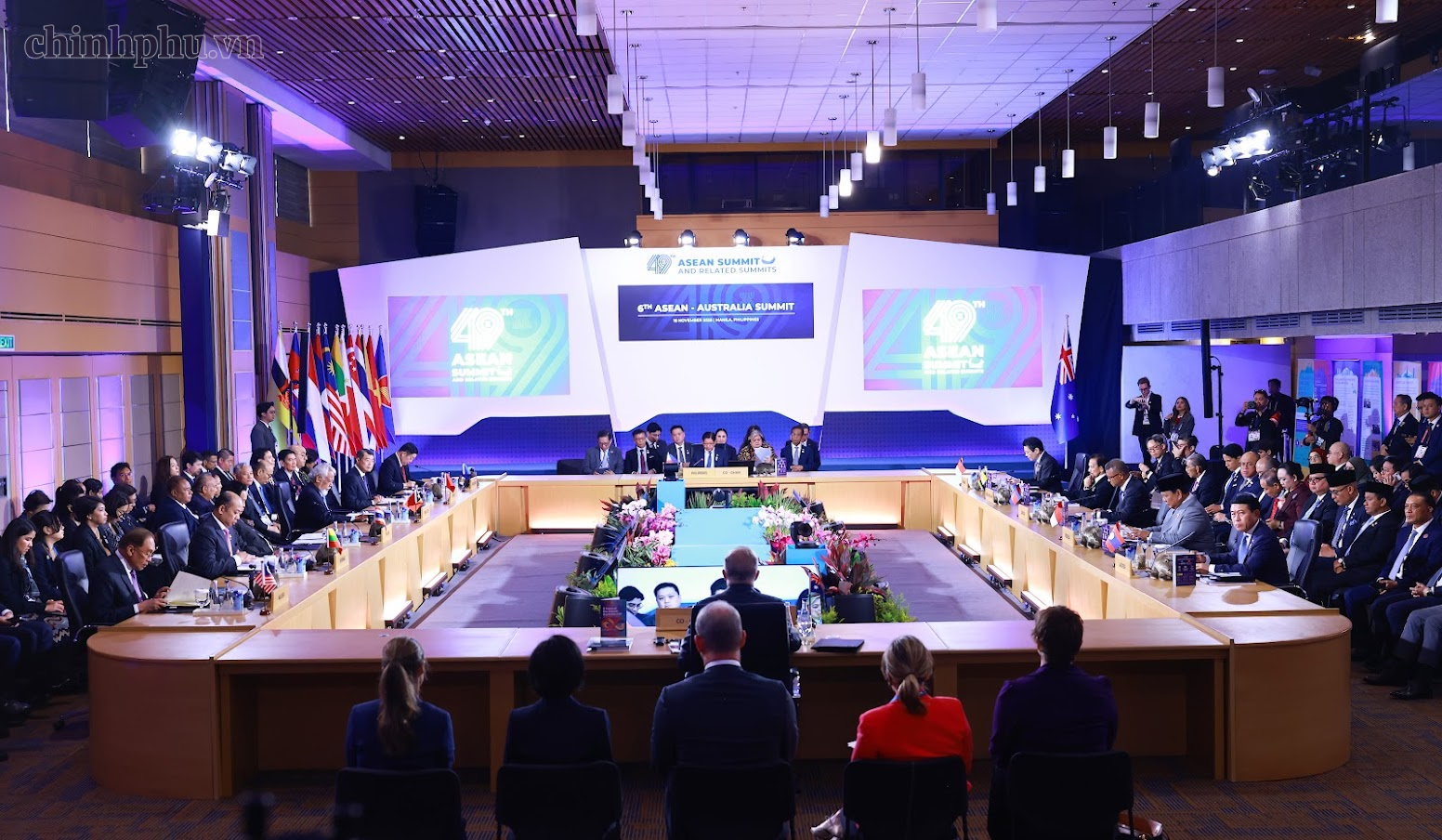
On the afternoon of November 16 in Manila, the Philippines, as part of the 49th ASEAN Summit and related summits, Prime Minister Le Minh Hung, together with ASEAN leaders and Australian Prime Minister Anthony Albanese, attended the 6th ASEAN - Australia Summit.
At the Viet Nam - Chile Business Forum, Minister of Industry and Trade Le Manh Hung called on the two sides to focus on three areas of cooperation to turn their potential into tangible results.
Following the National Energy Security Forum 2026, the MOIT has identified five key tasks, focusing on substantive action with clear responsibilities and timelines.
Developing offshore wind requires a fuller legal framework, fewer infrastructure bottlenecks and synchronized power generation and grids to ensure energy security.
Industry and Trade Newspaper is pleased to present a podcast series on the implementation of Politburo Resolution No. 57 in the Ministry of Industry and Trade.