Following the National Energy Security Forum 2026, the MoIT has identified five key tasks, focusing on substantive action with clear responsibilities and timelines.
Joining forces to build self-reliant energy
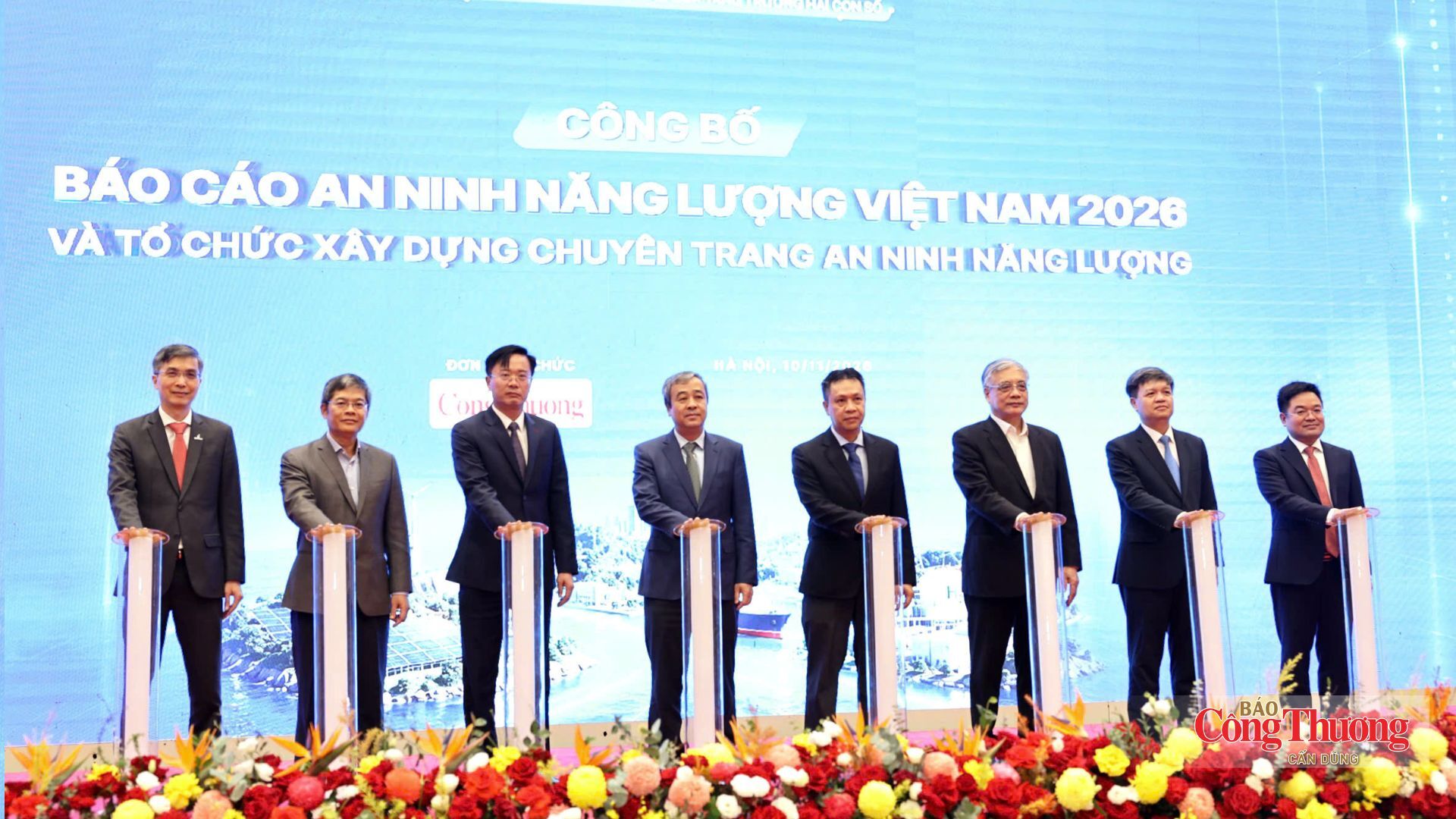
On the morning of November 10, in Hanoi, the Ministry of Industry and Trade (MoIT) held the National Energy Security Forum 2026 and released the Viet Nam National Energy Security Report 2026.
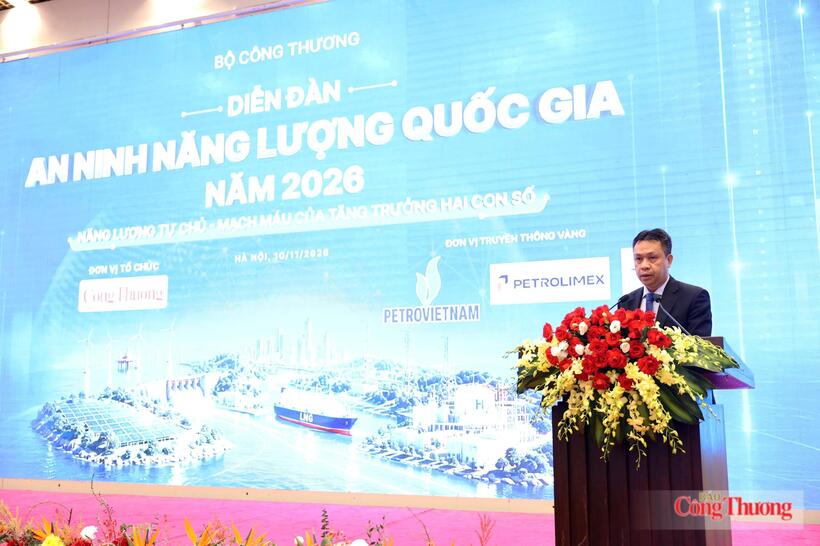
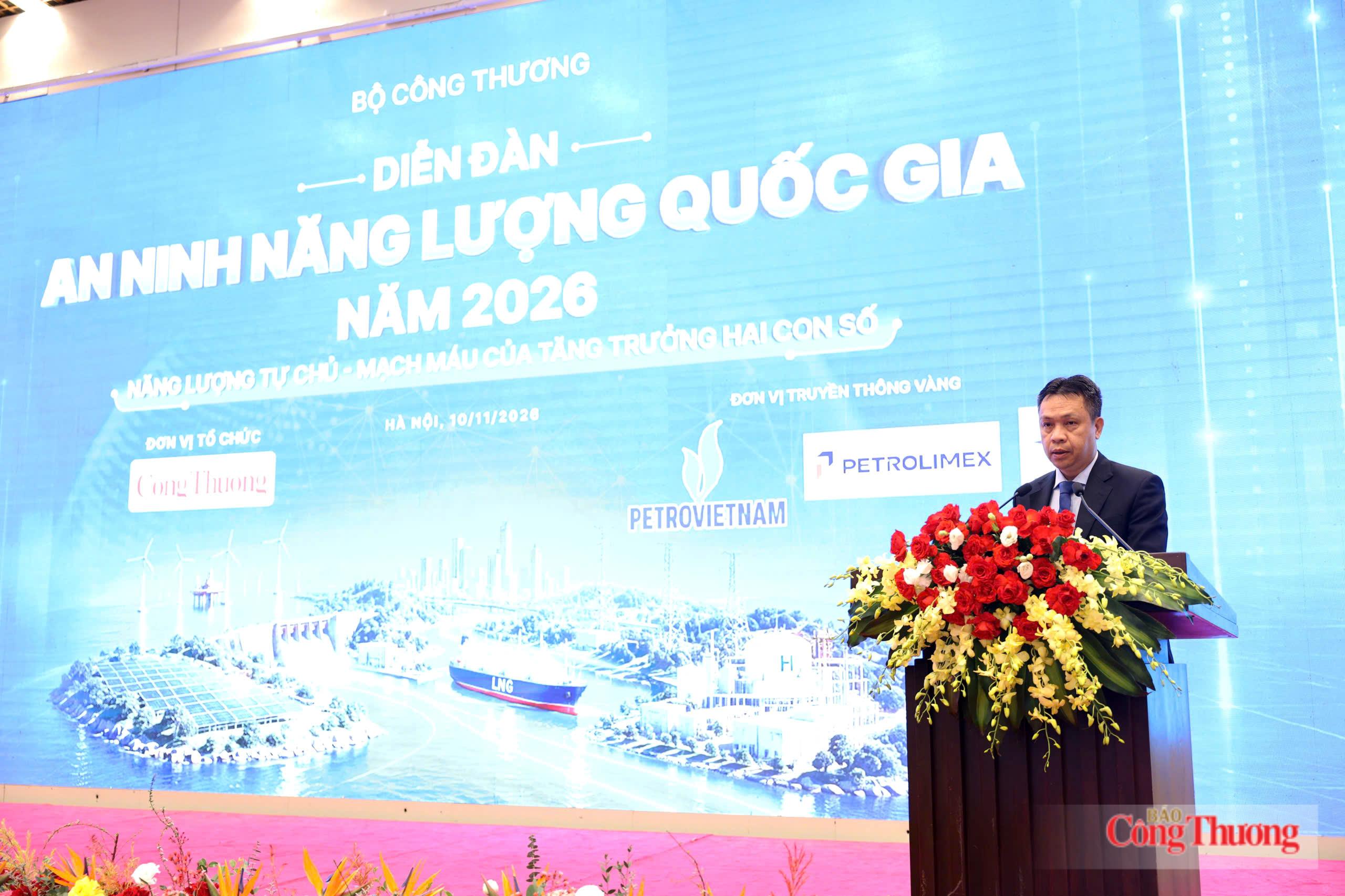
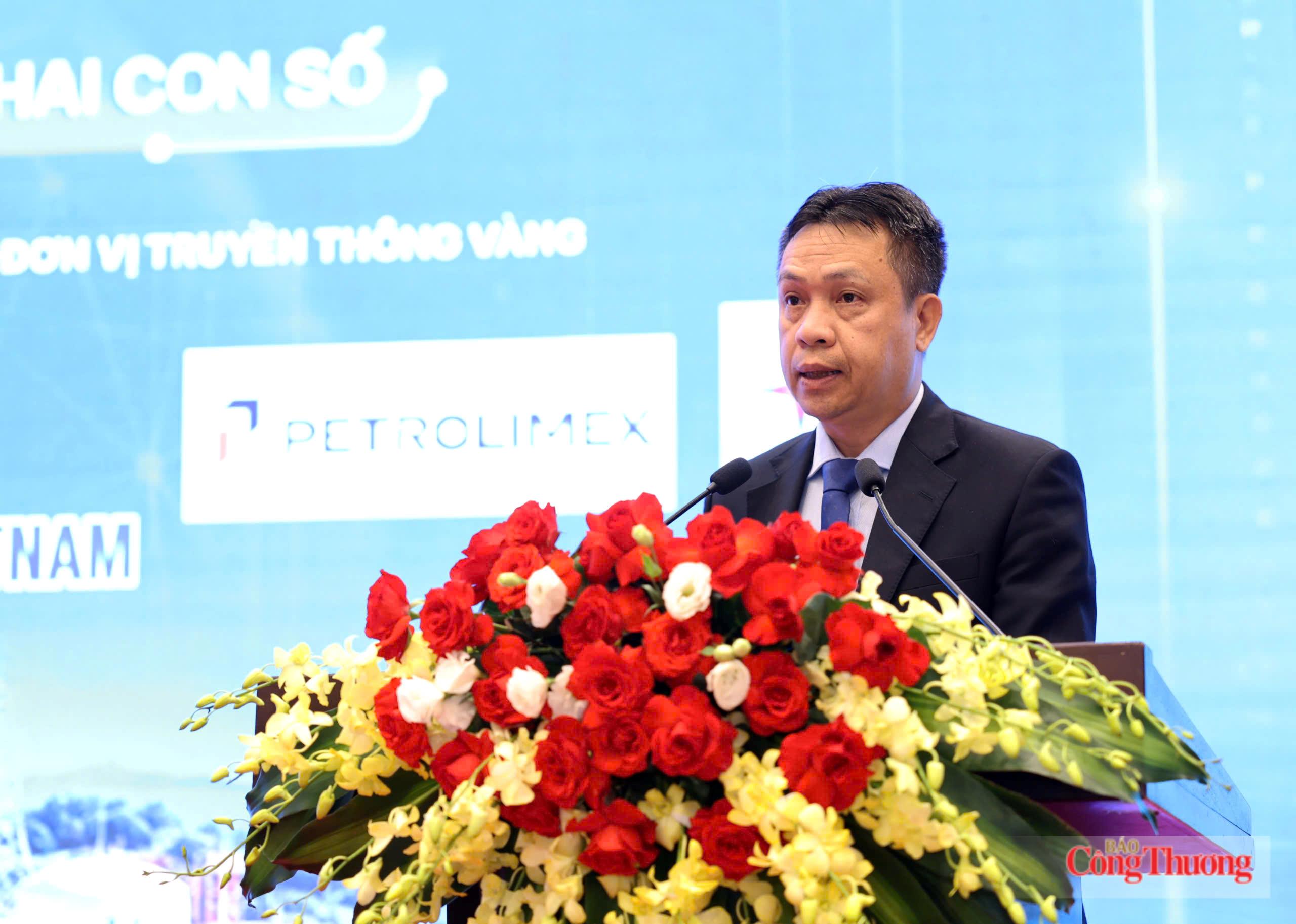
Delivering concluding remarks, Deputy Minister of Industry and Trade Nguyen Viet Son stressed that after a session of urgent, serious and responsible work, the National Energy Security Forum 2026, themed "Self-reliant energy - the lifeblood of double-digit growth," had completed its programme.
Deputy Minister of Industry and Trade Nguyen Viet Son delivers concluding remarks at the forum.
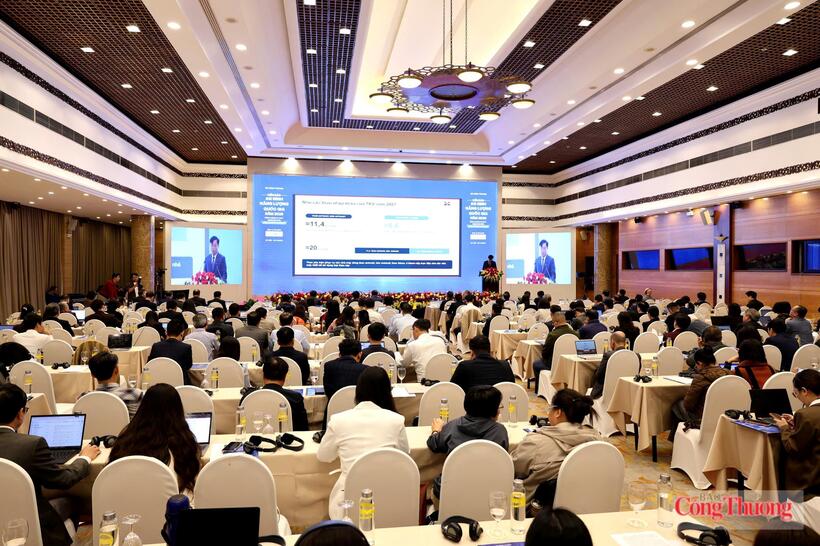
The forum heard presentations from functional units and views from managers, experts, scientists, and representatives of international organisations and businesses. The contributions were frank and grounded in practice, with many proposals offering valuable reference for policymaking and implementation.
"On behalf of the MoIT's leadership, I sincerely thank the leaders and delegates for taking the time to attend and for their many dedicated contributions," the Deputy Minister said.
Five urgent tasks
The Deputy Minister said that, based on the Viet Nam National Energy Security Report released at the forum, as well as the presentations and discussions, the MoIT will take on board the following groups of solutions.
First, improving institutions. The MoIT will continue to coordinate closely with the National Assembly's agencies to finalise the draft Law amending and supplementing a number of articles of the Electricity Law, which is being submitted to the second session of the 16th National Assembly. Immediately after the law is passed, the ministry will promptly draft and submit guiding documents for promulgation, prioritising mechanisms for electricity prices, power purchase agreements and risk allocation for gas-fired and offshore wind power projects, as well as mechanisms for energy storage and direct power purchase. At the same time, it will continue to refine financial policies and solutions to mobilise capital for energy development investment.
Second, ensuring sufficient electricity for 2027, 2028 and the period to 2030. The MoIT will strictly implement the directions of the Government and the Prime Minister on ensuring electricity supply. For generation and grid projects that must enter operation in 2027, specific progress milestones must be clearly defined and implementation must be pursued to completion, while contingency plans and risk prevention measures are put in place.
Third, strengthening self-reliance in fuel supply. The focus will shift decisively from responding to events to proactive risk management; markets, sources and shipping routes for imports of crude oil, liquefied natural gas and coal will be diversified; and fuel supply plans will be aligned with the power system operation plan. A roadmap will be developed to raise national petroleum reserves.
Fourth, data-driven management. The Viet Nam National Energy Security Report released at the forum will become an annual publication, continuously tracking the implementation of the targets set out in Resolution No. 70-NQ/TW. Together with the National Energy Information System, expected to begin operation in 2027, it will serve as a tool for forecasting, early warning and developing management scenarios.
An overview of the National Energy Security Forum 2026.
Fifth, promoting energy transition alongside energy efficiency and technological self-reliance. The energy transition must ensure system security, reasonable costs and emission reduction commitments. Directive No. 10/CT-TTg on electricity saving will be implemented effectively, and economical and efficient use of electricity in production, business and daily life, especially during peak hours, will be promoted.
Following the forum, Deputy Minister Nguyen Viet Son asked the relevant agencies, in line with their assigned tasks, to compile all contributions into a set of policy recommendations, each clearly stating the issue, the solution, the responsible agency and the timeline, and to report to the ministry's leadership. Recommendations within the MoIT's authority will be addressed immediately, while those beyond its authority will be compiled and reported to the Government and the Prime Minister.
The results of implementing this year's recommendations will be assessed publicly at the 2027 forum. In this way, the forum will serve as a channel for substantive and accountable policy dialogue rather than a mere formality.
Ensuring national energy security is both a long-term strategic task and an urgent immediate requirement. The MoIT hopes to continue receiving the support of ministries, sectors, localities, experts, scientists, international partners and the business community so that energy truly becomes the lifeblood of growth.
Viet Nam wants deeper ties with Japan and continued cooperation between the two Parties and countries, General Secretary of the Communist Party of Viet Nam (CPV) Central Committee and President To Lam said.
Following the National Energy Security Forum 2026, the MoIT has identified five key tasks, focusing on substantive action with clear responsibilities and timelines.
At the National Energy Security Forum 2026 in Hanoi, the MoIT released the Viet Nam Energy Security Report 2026 and began building an energy security news site.
The MoIT has released the Viet Nam National Energy Security Report 2026, which finds the country among only 13 of 177 nations to have maintained energy stability.
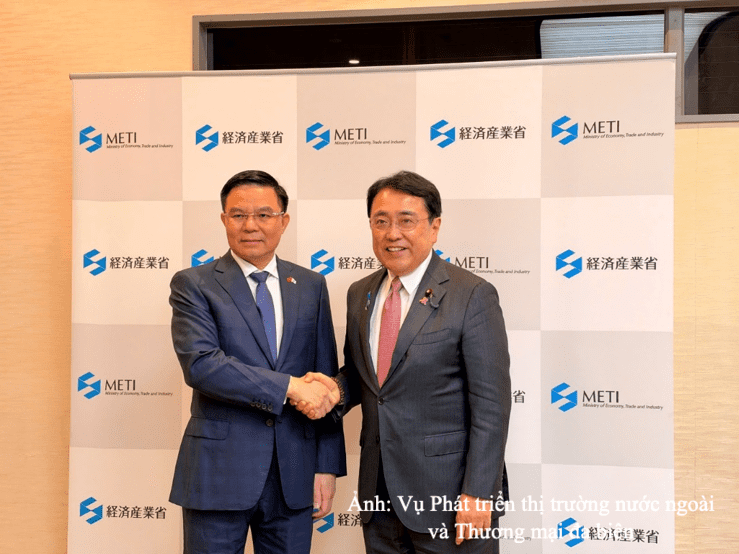
On the morning of November 9, 2026, in Tokyo, as part of the official visit to Japan by To Lam, Party General Secretary and State President, Minister of Industry and Trade Le Manh Hung and Japan's Minister of Economy, Trade and Industry Akazawa Ryosei co-chaired the 8th meeting of the Viet Nam - Japan Joint Committee on Cooperation in Industry, Trade and Energy.
Following the National Energy Security Forum 2026, the MoIT has identified five key tasks, focusing on substantive action with clear responsibilities and timelines.
Industry and Trade Newspaper is pleased to present a podcast series on the implementation of Politburo Resolution No. 57 in the Ministry of Industry and Trade.
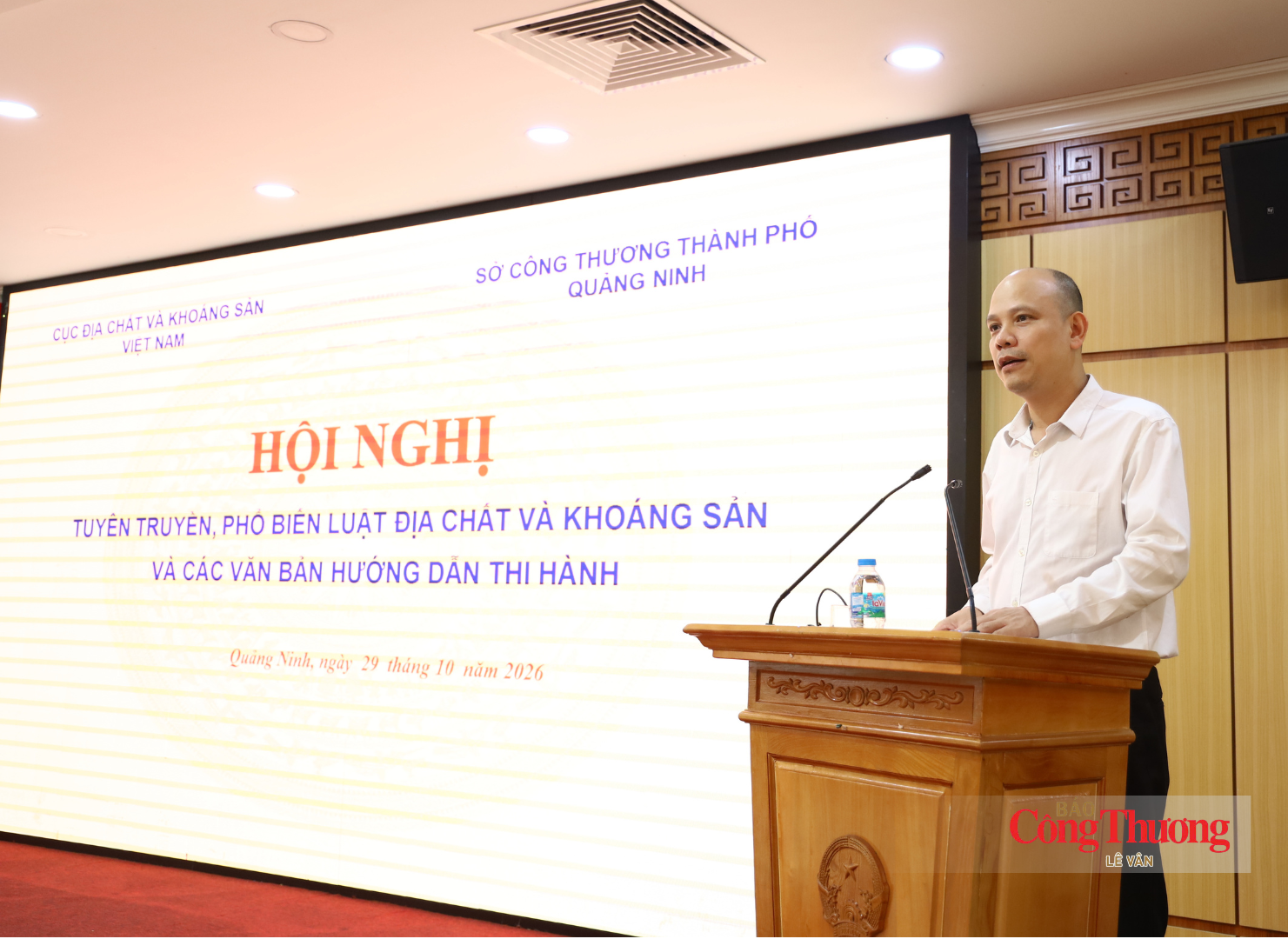
A conference on disseminating and raising awareness of geological and mineral laws and their implementing documents was held in Quang Ninh on the afternoon of October 29.