Developing offshore wind requires a fuller legal framework, fewer infrastructure bottlenecks and synchronized power generation and grids to ensure energy security.
Improving the legal framework and creating a transparent investment environment
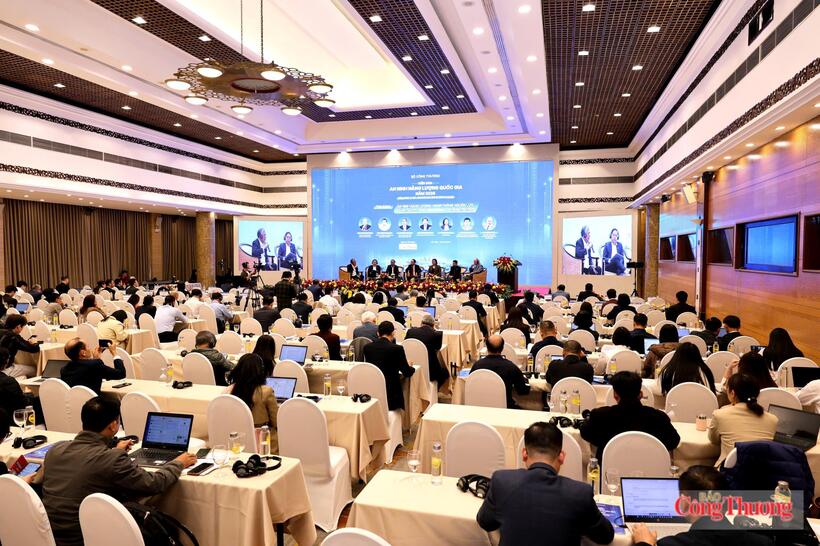
On the morning of November 10, in Ha Noi, the Ministry of Industry and Trade (MOIT) held the National Energy Security Forum 2026 and released the Viet Nam National Energy Security Report 2026.
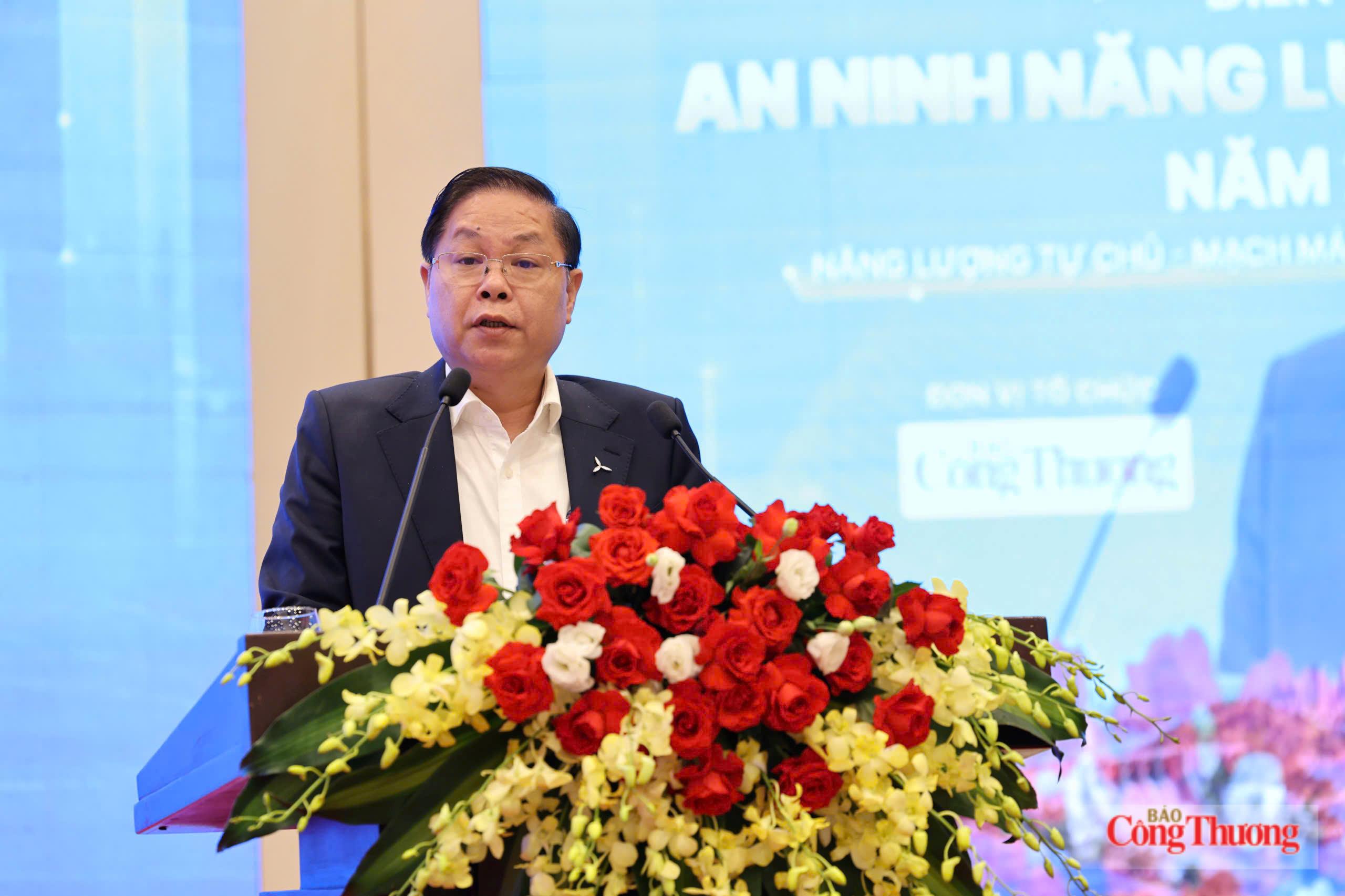
The National Energy Security Forum 2026 takes place on November 10, 2026. Photo: Can Dung
Developing renewable energy, particularly offshore wind power, is becoming one of the key tasks in ensuring national energy security, supporting economic development and meeting commitments to reduce greenhouse gas emissions.
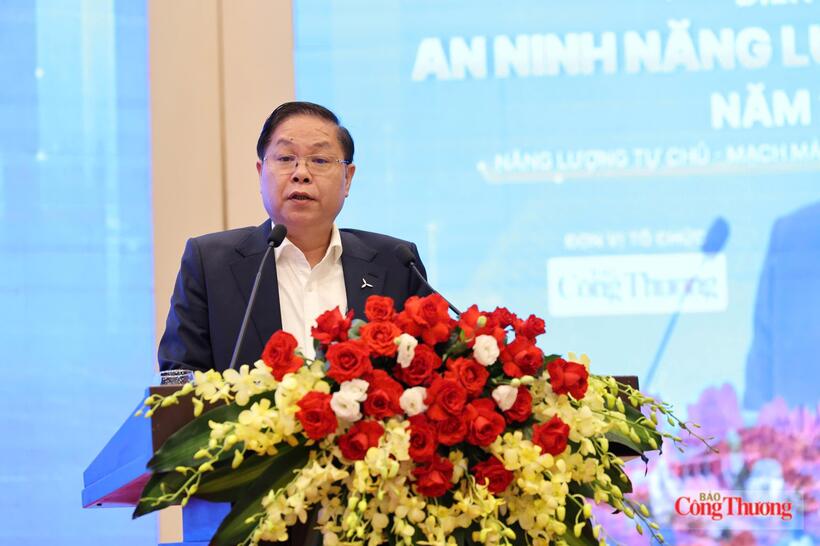
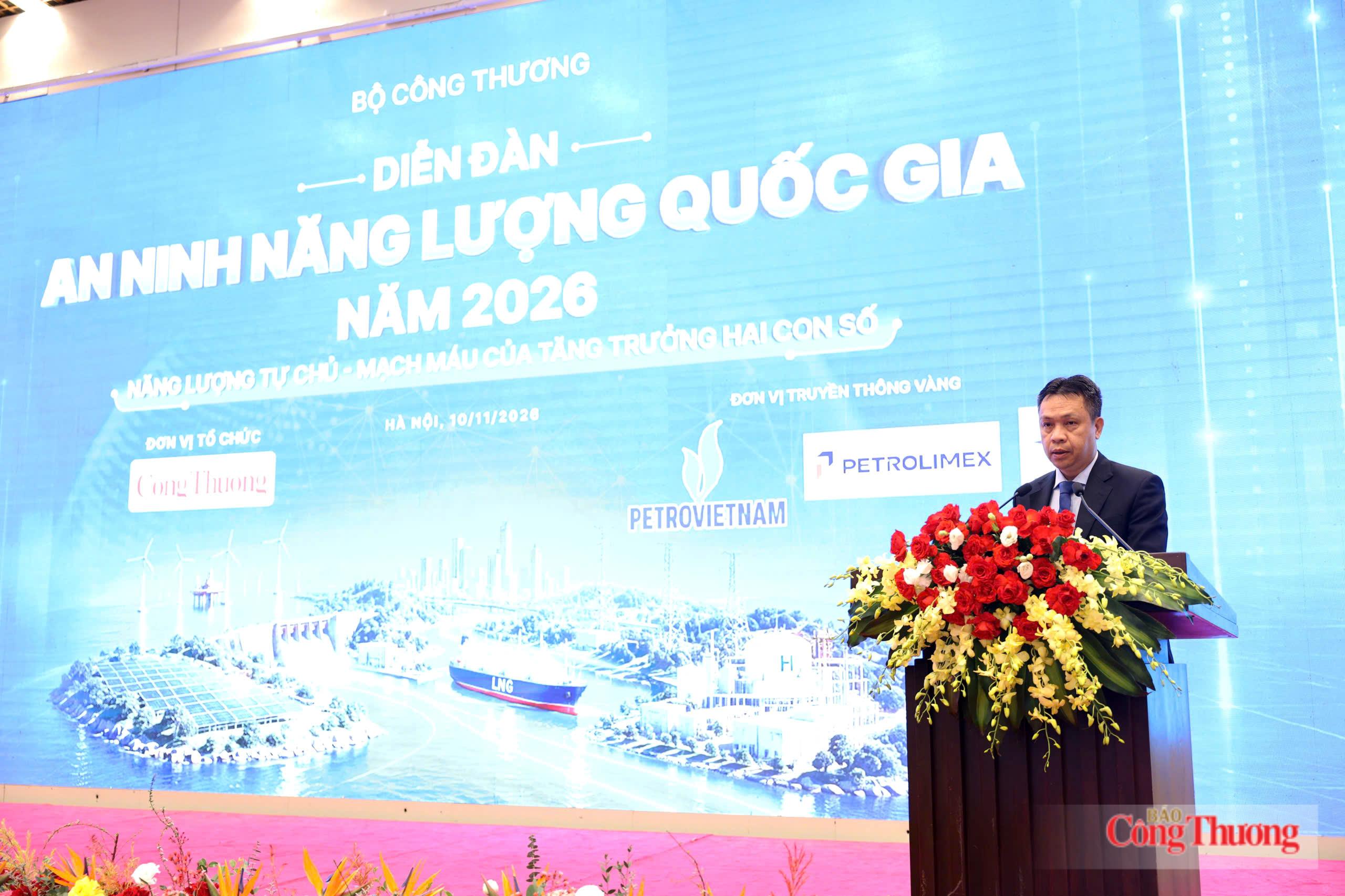
At the forum, Tran Hoai Trang, Deputy Director-General of the Electricity Authority of Viet Nam under the MOIT, highlighted strategic orientations, solutions to improve the legal framework, and the roadmap for project implementation and the development of a renewable energy industrial supply chain in Viet Nam.
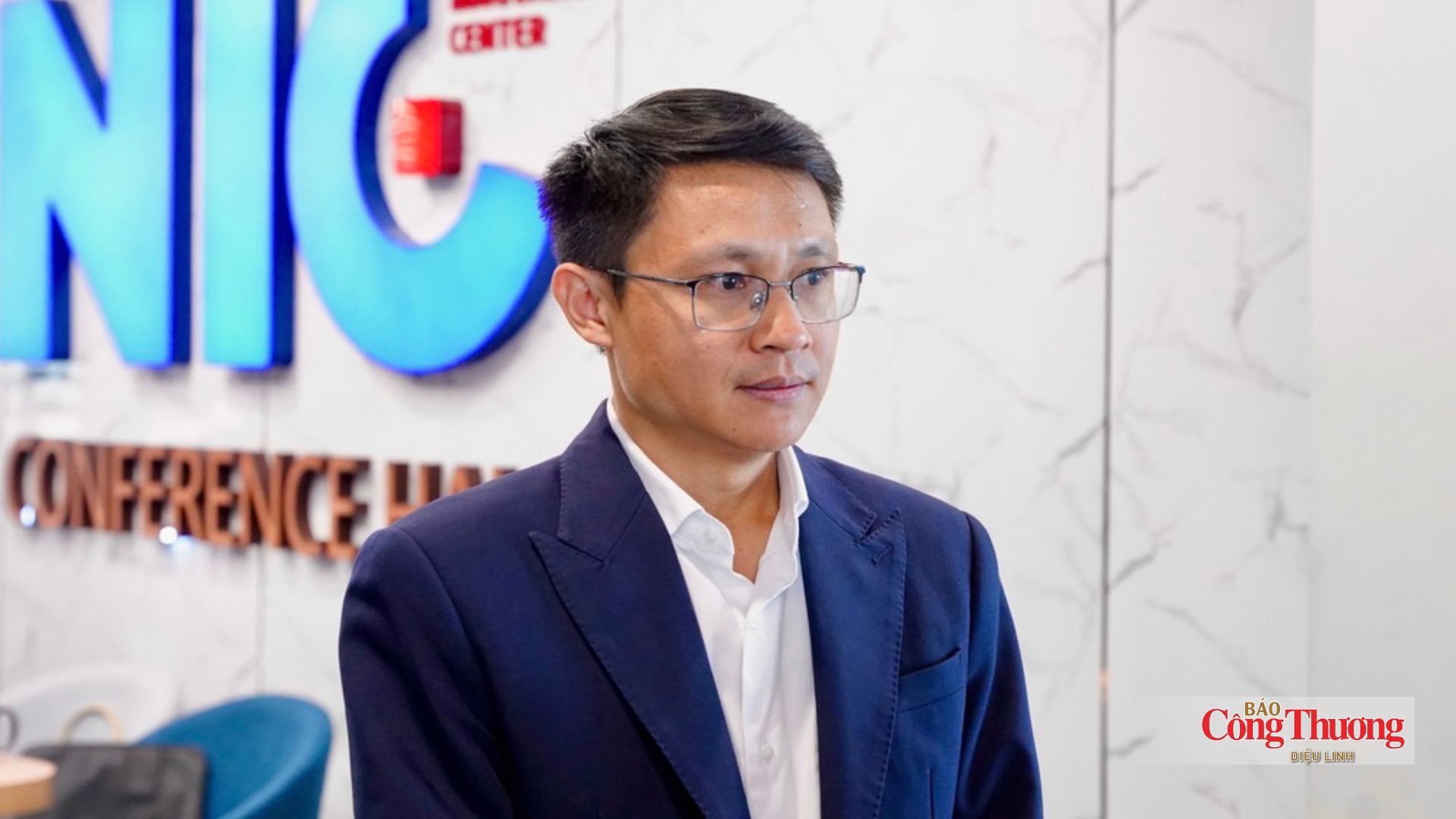
Tran Hoai Trang, Deputy Director-General of the Electricity Authority of Viet Nam under the MOIT. Photo: Can Dung
According to Tran Hoai Trang, Viet Nam has great potential for renewable energy development, with the technical potential of offshore wind power estimated at around 600,000 MW. To put this orientation into practice, the revised Power Development Plan VIII, issued under Decision No. 768/QD-TTg dated April 15, 2025, sets a target of around 6,000–17,032 MW of offshore wind capacity to meet domestic electricity demand in the 2030-2035 period, and an orientation of around 113,503–139,097 MW by 2050. Beyond supplying clean electricity, the sector also opens up potential for producing green hydrogen, green ammonia and other new forms of energy.
"Offshore wind power is a distinctive sector that requires large-scale investment, long preparation times and complex technology, and is subject to inter-sectoral management covering electricity, investment, natural resources and the environment, maritime affairs, construction, defense and security. The legal framework for this sector has been gradually improved through the Electricity Law No. 61/2024/QH15, the National Assembly's Resolution No. 253/2025/QH15 and the Government's Decree No. 272/2026/ND-CP. These regulations have helped remove obstacles in surveys, investment preparation, investment policy approval and project implementation," the official said.
To improve enforcement in the coming period, the MOIT is focusing on coordinating the synchronized implementation of institutional solutions. The priority is to clarify procedures, authority and the responsibilities of regulators at each stage of implementation in order to limit overlaps. At the same time, the relevant agencies will continue to study and refine mechanisms for electricity prices, power purchase agreements, contracted output, and connection and transmission arrangements, with the aim of creating a transparent investment environment that balances the interests of all parties. Offshore wind development is also closely linked with marine spatial planning, seaport infrastructure and transmission infrastructure, and must be harmonized with other marine economic activities, defense, security and environmental protection.
Accelerating projects and building a domestic industrial ecosystem
Tran Hoai Trang said the transition from the legal framework to the implementation of specific projects is the critical stage. Effective implementation of the plans requires a focus on four key groups of tasks.
First, accelerate surveys and investment preparation. Surveys of wind resources, geology, seabed topography and marine environmental conditions provide an important basis for assessing feasibility, selecting technology and determining investment efficiency. Data quality needs to be improved, and information sharing and coordination among relevant agencies and units need to be strengthened.
Second, ensure the synchronization of power generation and the grid. Connection, transmission and power evacuation arrangements must be clearly defined from the project preparation stage. At the same time, transmission infrastructure, energy storage and flexible operating solutions need to be developed to keep the power system safe and stable as the share of renewable energy rises.
Third, mobilize capital and select investors more effectively. Offshore wind requires very large capital, has a long payback period and carries many risks. It is therefore necessary to diversify funding sources, promote green credit and international finance, and establish a reasonable risk-sharing mechanism. Investor selection should focus on financial capacity, experience, technology and the ability to deliver projects on schedule.
Fourth, develop domestic supply chains and supporting industries. This is of strategic importance, determining the economy's ability to generate added value from offshore wind development. Viet Nam already has a certain foundation in mechanical engineering, steel structures, shipbuilding, offshore oil and gas services, marine construction and power cable manufacturing. These are advantages that should be harnessed. However, capacity to manufacture large turbines, deep-sea subsea cables, specialized installation equipment and specialized vessels, as well as port infrastructure serving offshore wind, still requires further investment.
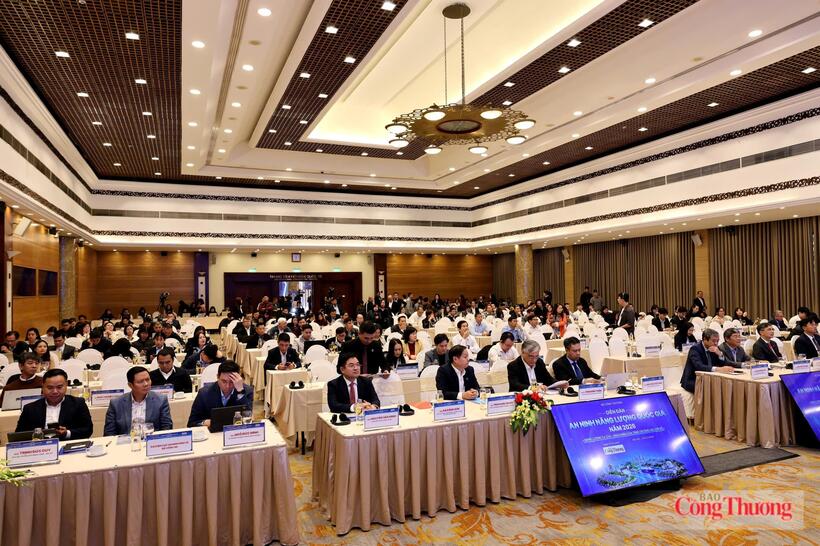
Delegates attending the forum.
To gradually build a high value-added renewable energy industrial ecosystem, the official proposed promoting joint ventures and partnerships between domestic businesses and international technology groups to acquire and master technology. This should be accompanied by investment in seaport infrastructure, logistics and industrial centers for manufacturing and assembly, the training of high-quality technical human resources, and a localization roadmap suited to actual capacity. The goal is for Vietnamese businesses to participate more deeply in regional and global energy equipment supply chains.
Affirming the facilitating role of state regulators, Trang said the Electricity Authority of Viet Nam will continue to advise on improving policies, resolve emerging obstacles and promote synchronized investment in generation and grid infrastructure. Developing offshore wind is not merely about developing a new power source but also an opportunity for Viet Nam to build a new energy industry. A comprehensive approach is therefore needed, from institutional improvement to project implementation, from project development to infrastructure investment, and from infrastructure to the formation of a domestic supply chain and industrial ecosystem.
"With its resource potential, a policy foundation that is being gradually improved and the support of domestic and international businesses, we are confident that offshore wind and renewable energy will make an increasingly important contribution to ensuring national energy security, the green energy transition and the sustainable economic development of Viet Nam," the official stressed.
Offshore wind and renewable energy play a central role in ensuring national energy security and the green transition. Improving the legal framework, removing procedural obstacles, synchronizing generation and grid infrastructure and building a domestic industrial supply chain are key for Viet Nam to tap its potential effectively and achieve the targets of the revised Power Development Plan VIII.
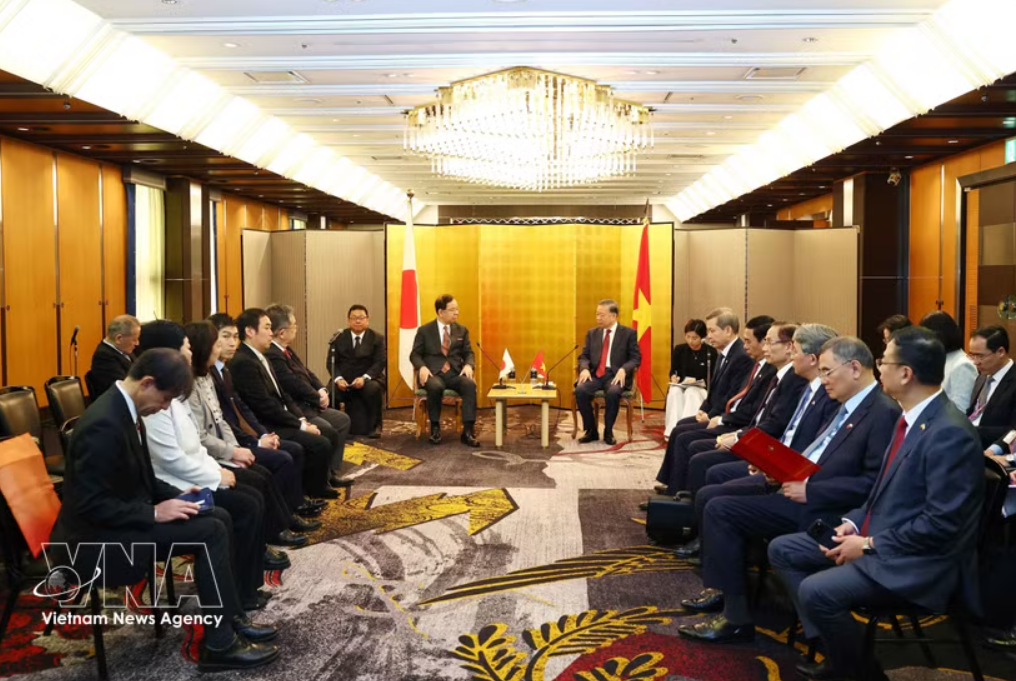
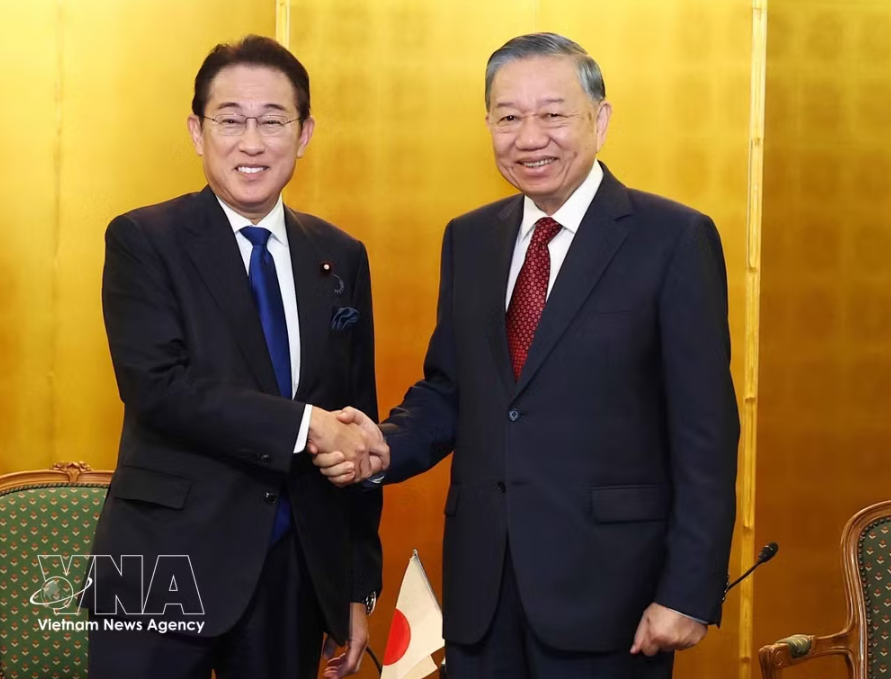
Viet Nam wants deeper ties with Japan and continued cooperation between the two Parties and countries, General Secretary of the Communist Party of Viet Nam (CPV) Central Committee and State President To Lam said.
Vietnam and Japan should focus on four cooperation priorities, including strengthening political trust through regular exchanges and meetings across Party, State and parliamentary channels; promoting economic cooperation and connectivity while ensuring economic security; expanding collaboration in innovation, space technology and high-tech agriculture; and enhancing the effectiveness of cooperation between localities of the two countries.
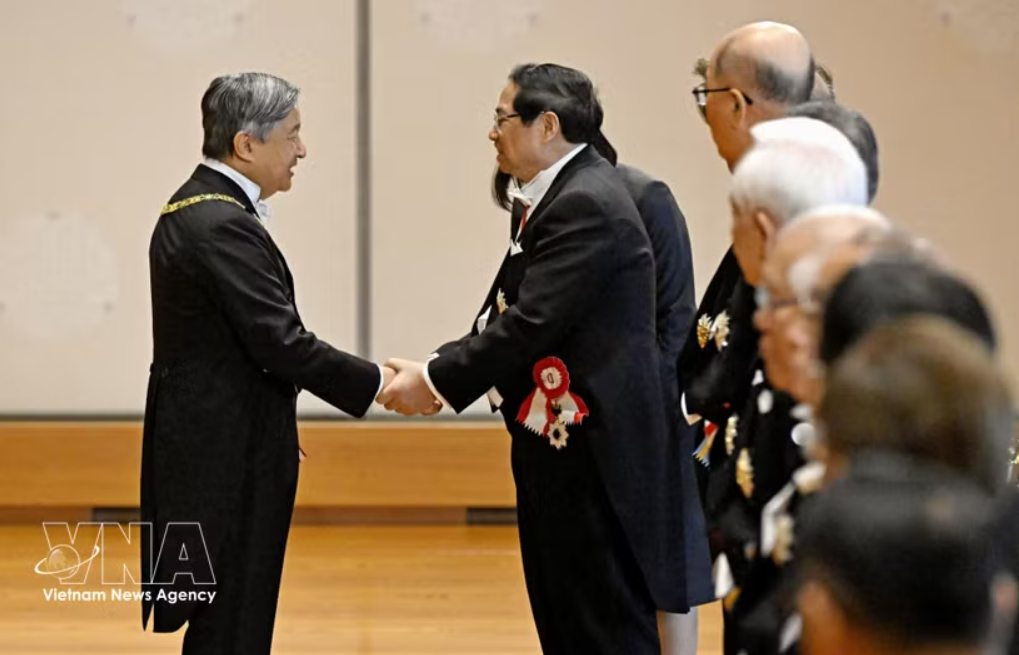
During his tenure as head of the Vietnamese Government, former PM Pham Minh Chinh made dedicated contributions to elevating Japan – Viet Nam relations to a Comprehensive Strategic Partnership for Peace and Prosperity in Asia and the World in 2023.
Following the National Energy Security Forum 2026, the MOIT has identified five key tasks, focusing on substantive action with clear responsibilities and timelines.
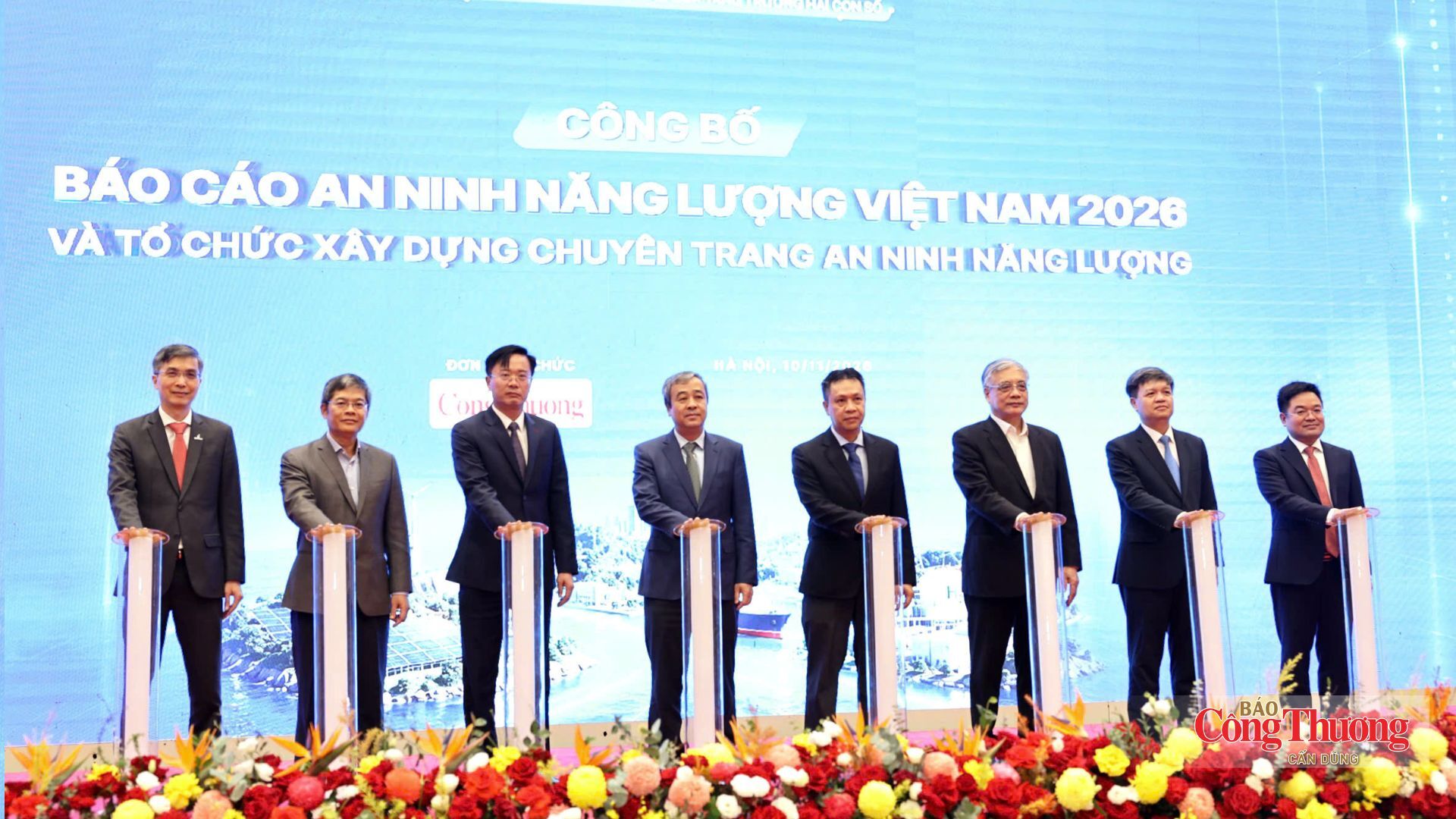
At the National Energy Security Forum 2026 in Ha Noi, the MOIT released the Viet Nam Energy Security Report 2026 and began building an energy security news site.
Following the National Energy Security Forum 2026, the MOIT has identified five key tasks, focusing on substantive action with clear responsibilities and timelines.
Developing offshore wind requires a fuller legal framework, fewer infrastructure bottlenecks and synchronized power generation and grids to ensure energy security.
Industry and Trade Newspaper is pleased to present a podcast series on the implementation of Politburo Resolution No. 57 in the Ministry of Industry and Trade.