As Vietnam advances its energy transition, battery energy storage systems (BESS) are emerging as a key solution for enhancing grid flexibility, increasing the integration of renewable energy and strengthening energy security.
In an interview with Vietnam Economic News, Minh Nguyen, Country Manager in Viet Nam, Global Energy Alliance for People and Planet (GEA), said Vietnam has strong conditions to rapidly develop its BESS market, while further improvements to mechanisms, policies and market models will be essential to attract long-term investment.
Minh Nguyen, Country Manager in Vietnam, Global Energy Alliance for People and Planet.
- In your view, what are the key advantages that could enable Vietnam to become one of the region’s fastest-growing BESS markets?
Minh Nguyen: The revised Power Development Plan VIII sets an ambitious target of developing 10 to 16.3 GW of battery energy storage systems (BESS) by 2030. This demonstrates that the Government has recognized the essential role of energy storage in Vietnam’s clean energy transition.
Vietnam has several favorable conditions to become one of the fastest-growing BESS markets in Southeast Asia. The country has abundant renewable energy resources, rapidly growing electricity demand, a power system that continues to expand, and a clear Government commitment to achieving net-zero emissions by 2050.
These foundations create significant opportunities for BESS to play a central role in enhancing grid flexibility, enabling greater integration of renewable energy and strengthening energy security.
Going forward, an important priority will be to further strengthen the enabling environment for BESS development. Vietnam has made encouraging progress through recent policies and regulations, but further improvements are still needed to provide greater clarity on permitting, grid connection and operation requirements for BESS projects, as well as payment mechanisms for the various services that BESS can provide to the power system.
Developing market mechanisms that appropriately value services such as peak demand management, frequency regulation, voltage support, provision of reserve capacity and renewable energy integration will be essential to establishing sustainable business models and attracting long-term private investment.
Together with clear technical standards and operational guidelines, these factors will improve project bankability and accelerate BESS deployment.
Ultimately, BESS is not merely an energy storage technology. It is a critical component in building a modern, flexible and more resilient power system, thereby supporting Vietnam’s long-term energy security, economic growth and carbon reduction ambitions.
- As electricity demand continues to rise, many argue that energy efficiency should be regarded as a new source of energy. Which solutions should Vietnam prioritize to improve electricity efficiency while reducing pressure on investment in new generation and grid infrastructure in the coming years?
Minh Nguyen: Energy efficiency plays an important role in meeting Vietnam’s growing electricity demand. Every unit of electricity used more efficiently helps reduce costs, improve system reliability and, at the same time, reduce pressure to invest in new power generation as well as grid infrastructure.
Continuing to promote energy efficiency in industry, developing smart buildings, implementing demand-side management, applying digital grid technologies, strengthening electricity supply and demand forecasting capabilities, and adopting time-of-use electricity pricing mechanisms can deliver significant value.
When combined with effective real-time grid management, these solutions will enable Vietnam to make the most of its existing power infrastructure while providing strong support for future economic growth.
Going forward, improving energy efficiency needs to go hand in hand with enhancing the flexibility of the power system. Battery energy storage systems, digital technologies and smart grid solutions can help optimize electricity use, manage peak demand more effectively and integrate a greater share of renewable energy into the system.
This integrated approach is at the heart of the “Future Grid”, a modern power system characterized by efficiency, flexibility, reliability and resilience.
- From GEA’s perspective, how do you assess the Ministry of Industry and Trade’s leadership role in developing mechanisms and policies and creating a favorable environment for BESS development in Vietnam?
Minh Nguyen: The Ministry of Industry and Trade has demonstrated and continues to demonstrate a leading role in advancing Vietnam’s energy transition and creating favorable conditions for the large-scale deployment of battery energy storage systems (BESS).
Through the revised Power Development Plan VIII, the implementation of the Electricity Law and a series of recent advances in the legal framework, the Ministry of Industry and Trade is gradually establishing the policy, technical and market foundations needed for a more flexible and resilient power system.
Recent progress in regulations concerning BESS pricing mechanisms, cost recovery mechanisms and technical requirements, together with the continued development of Vietnam’s competitive wholesale electricity market (VWEM) after more than 13 years of operation, demonstrates the Government’s commitment to creating a favorable environment for new technologies and greater private-sector participation.
Equally important, the Ministry of Industry and Trade has promoted close cooperation among state management agencies, Vietnam Electricity (EVN), development partners, research institutions and the private sector.
Through platforms such as the Battery Energy Storage System Working Group under the Vietnam Energy Partnership Group (VEPG), stakeholders are working together to address technical, legal and commercial issues in a coordinated manner.
- Thank you so much!
The Global Energy Alliance (GEA) works closely with the Government of Vietnam and a broad network of partners to support the acceleration of the country’s clean energy transition.
As the lead coordinator of the Battery Energy Storage Systems (BESS) Working Group under the Vietnam Energy Partnership Group (VEPG), GEA facilitates policy dialogue, technical cooperation and knowledge sharing to help establish a supportive environment for BESS deployment. In collaboration with the Ministry of Industry and Trade, Vietnam Electricity (EVN), development partners and industry stakeholders, the Working Group provides a platform for discussions on policy, market design, technical standards, financing mechanisms and international best practices.
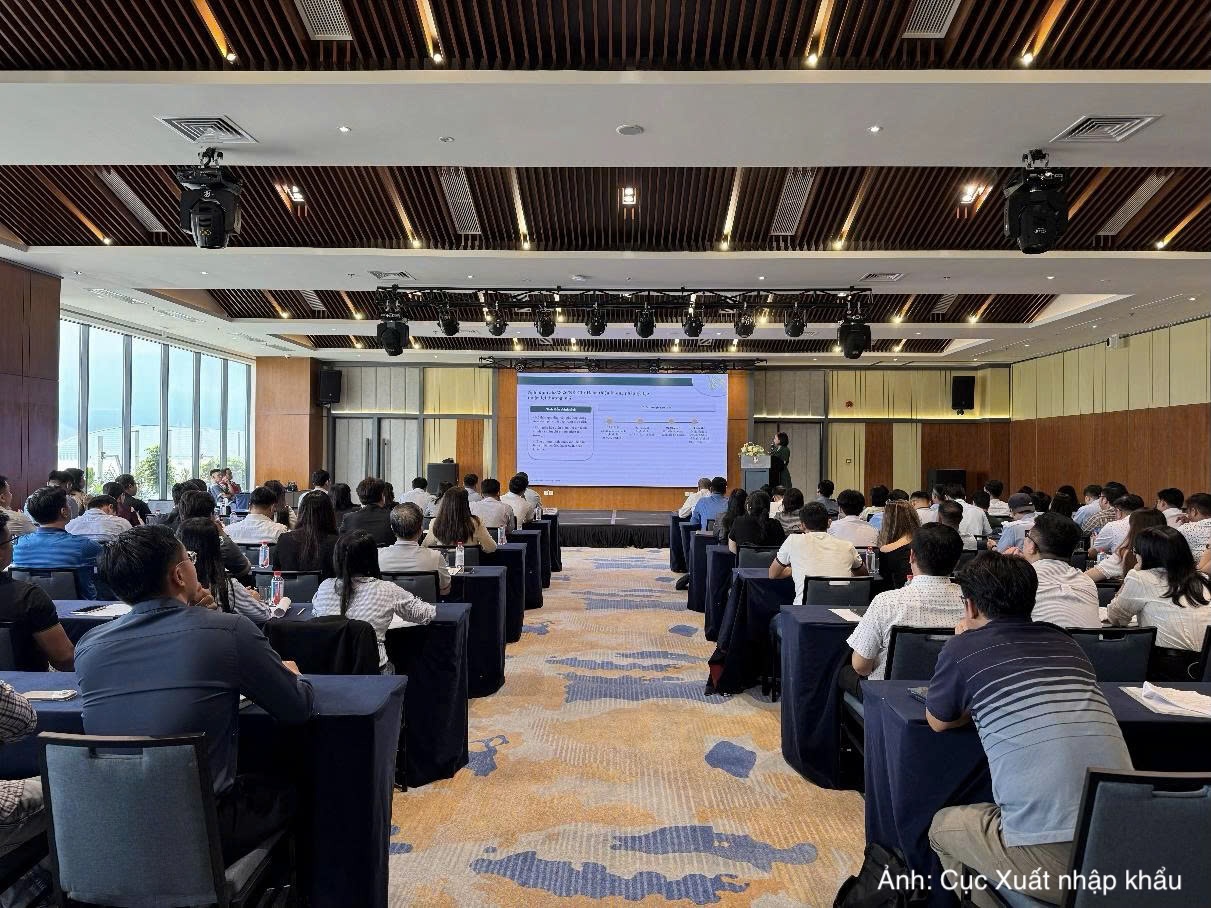
On October 13, the Agency of Foreign Trade under the Ministry of Industry and Trade (MoIT) held a conference in Dong Thap province to disseminate Government Decree No.365/2026/ND-CP dated September 23, 2026, on rice export and import business, and Circular No.65/2026/TT-BCT dated October 1, 2026, issued by the Minister of Industry and Trade, detailing certain provisions and measures for implementing Decree No.365/2026/ND-CP.
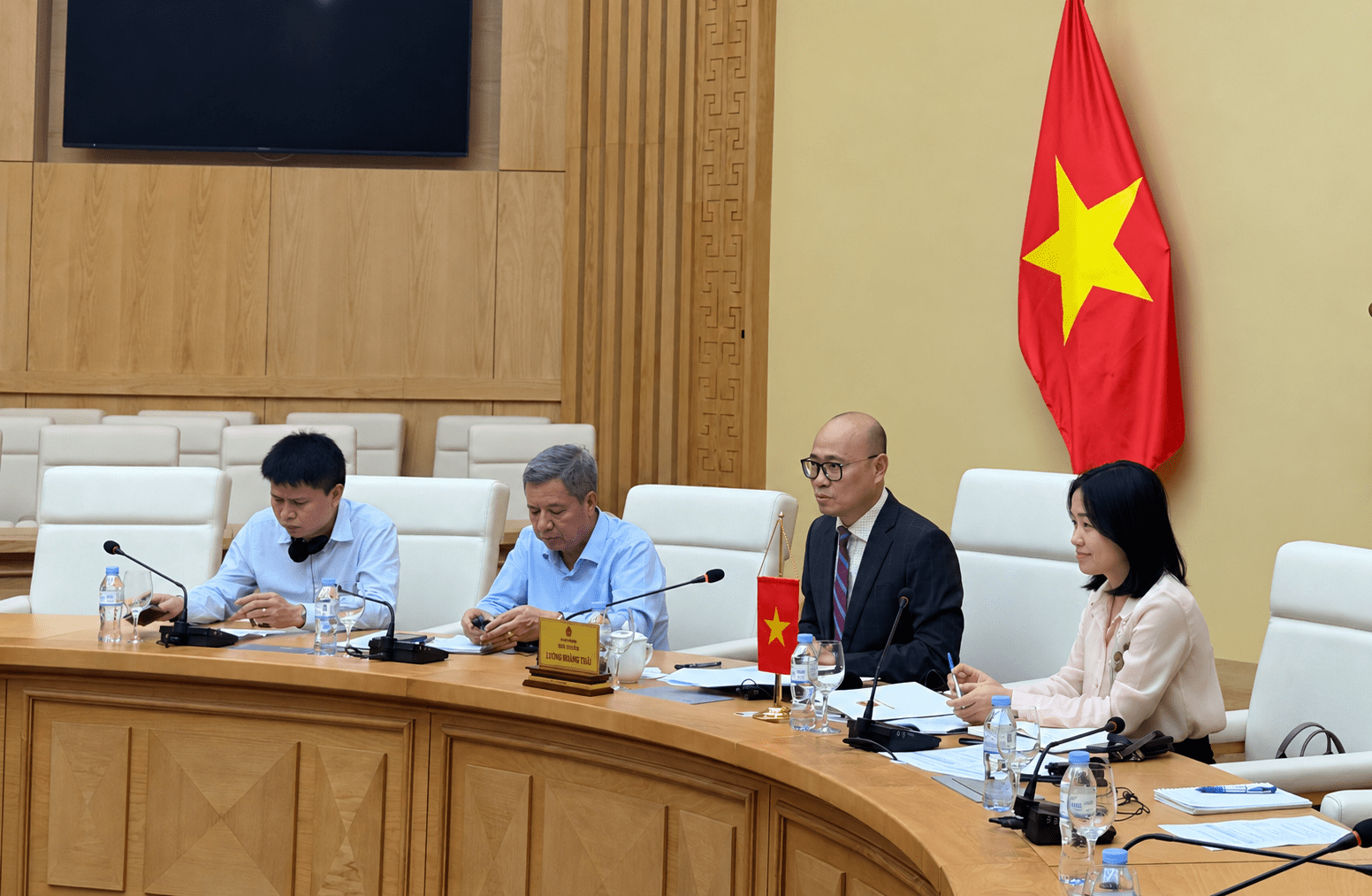
On October 13, Deputy Minister of Industry and Trade Luong Hoang Thai held a working session with MEDEF International, a French business organization, and representatives of French corporations operating in various sectors, including energy, industry, transport, construction and infrastructure development, food and beverages, and services, at the Ministry of Industry and Trade's headquarters.
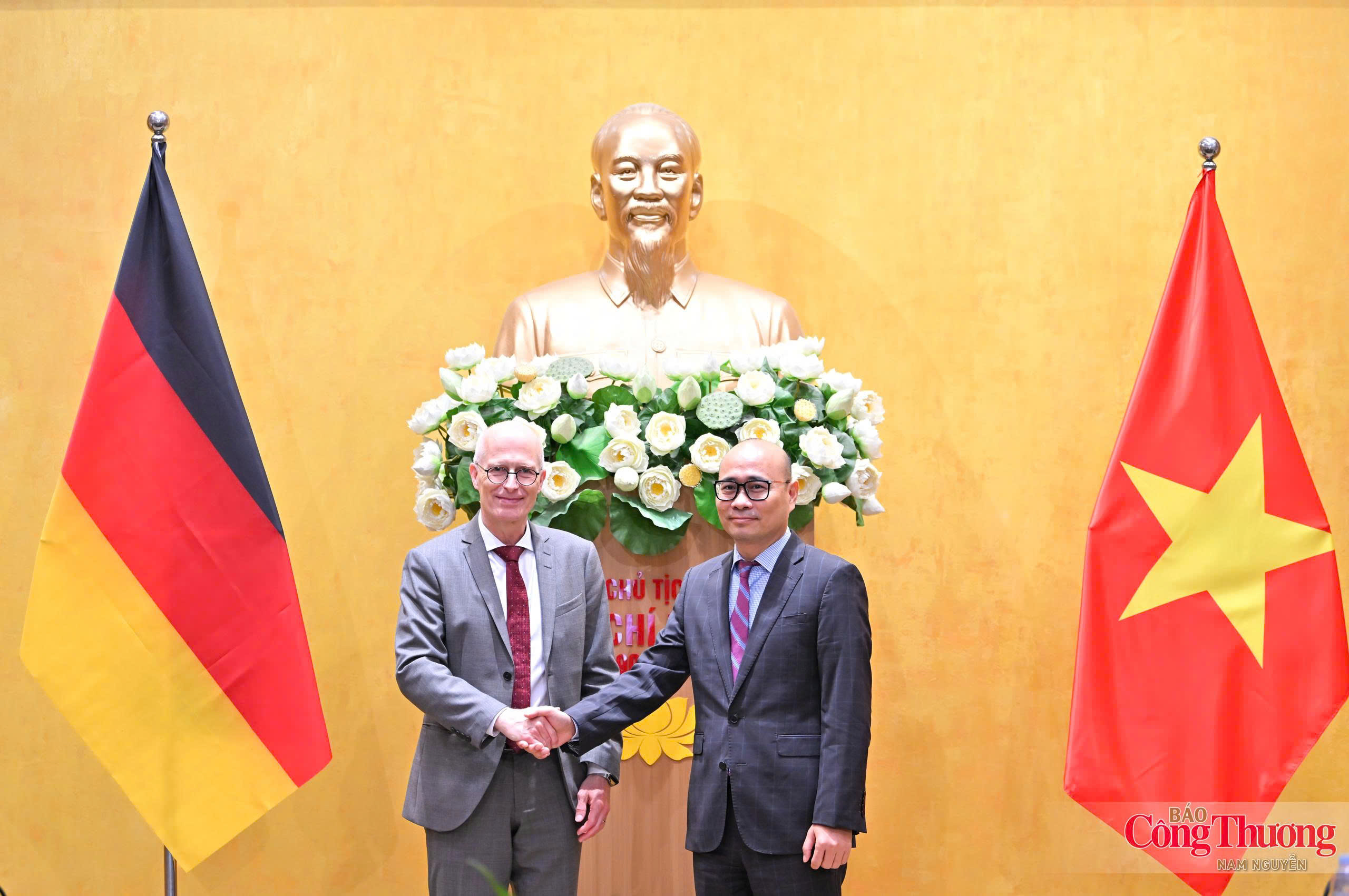
On October 14, Deputy Minister of Industry and Trade Luong Hoang Thai received and held a working session with a delegation from Hamburg, Germany, led by the city's First Mayor Peter Tschentscher at the Ministry of Industry and Trade's headquarters.
The Copyright Office is working closely with relevant agencies to develop plans for inspections and enforcement action against copyright and related rights infringements in the digital environment.
Viet Nam’s cultural industries are poised for growth as development targets become clearer, the digital content market expands and technology creates new ways.
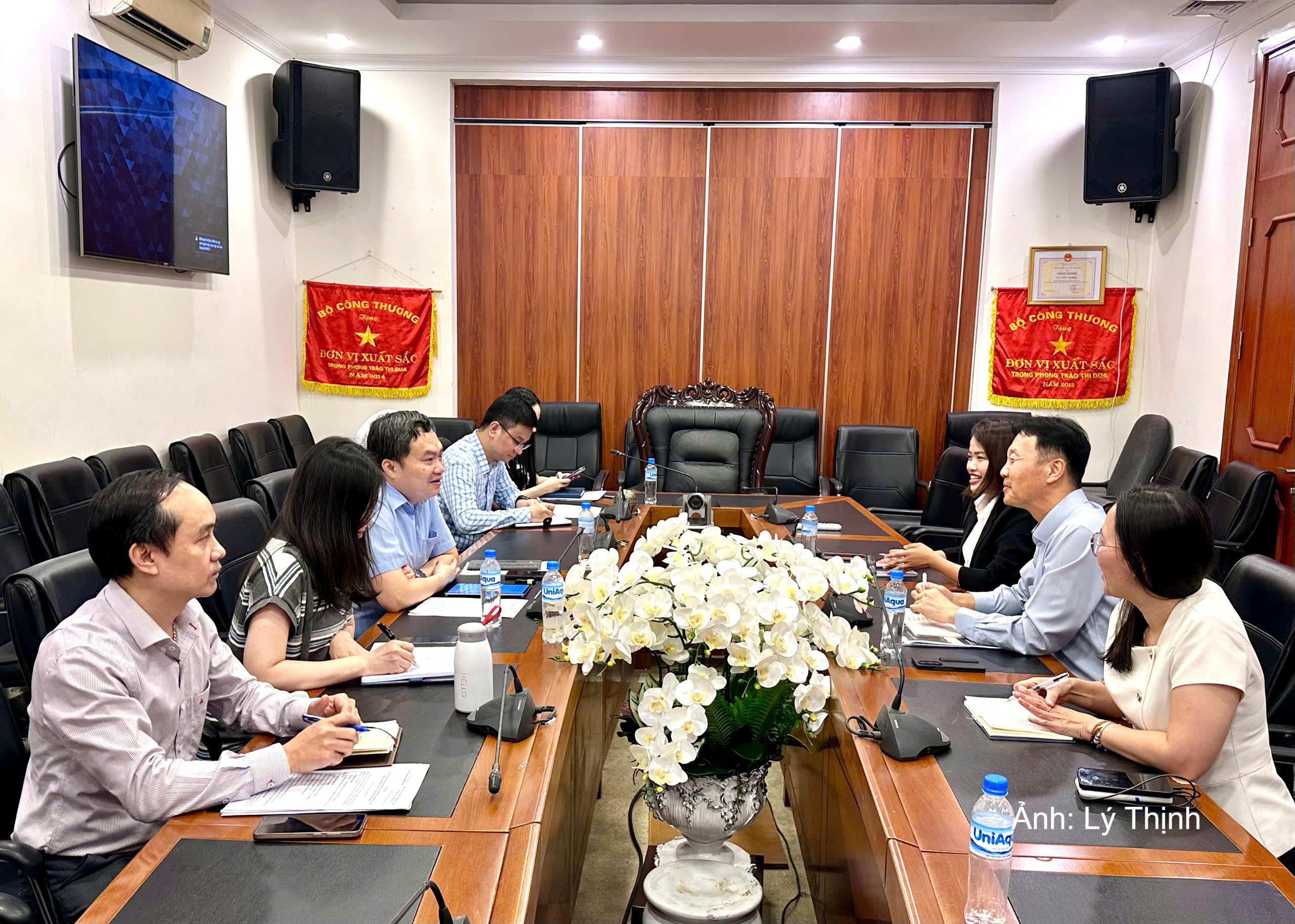
The Vietnam Industry Agency under the Ministry of Industry and Trade and Samsung Vietnam continue to strengthen cooperation in developing supporting industries, enhancing the capabilities of domestic enterprises and expanding opportunities for their participation in global supply chains.
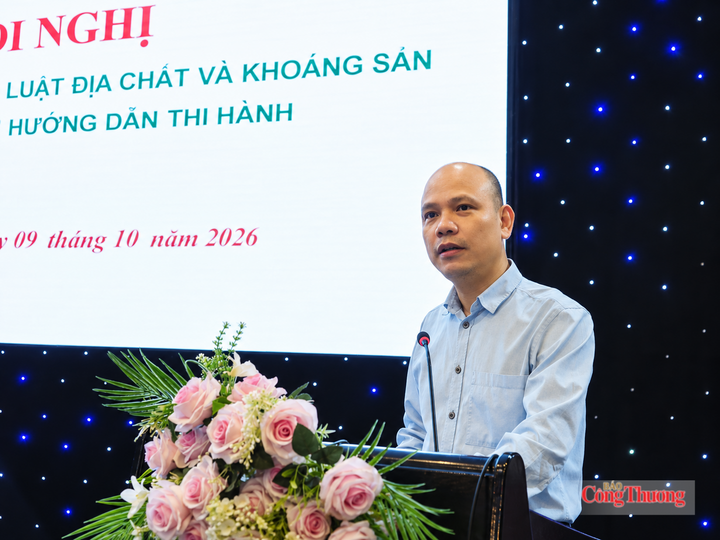
On October 9, the Viet Nam Department of Geology and Minerals, in coordination with the Thai Nguyen Department of Industry and Trade, held a conference in Thai Nguyen province to disseminate the Law on Geology and Minerals and its implementing regulations.
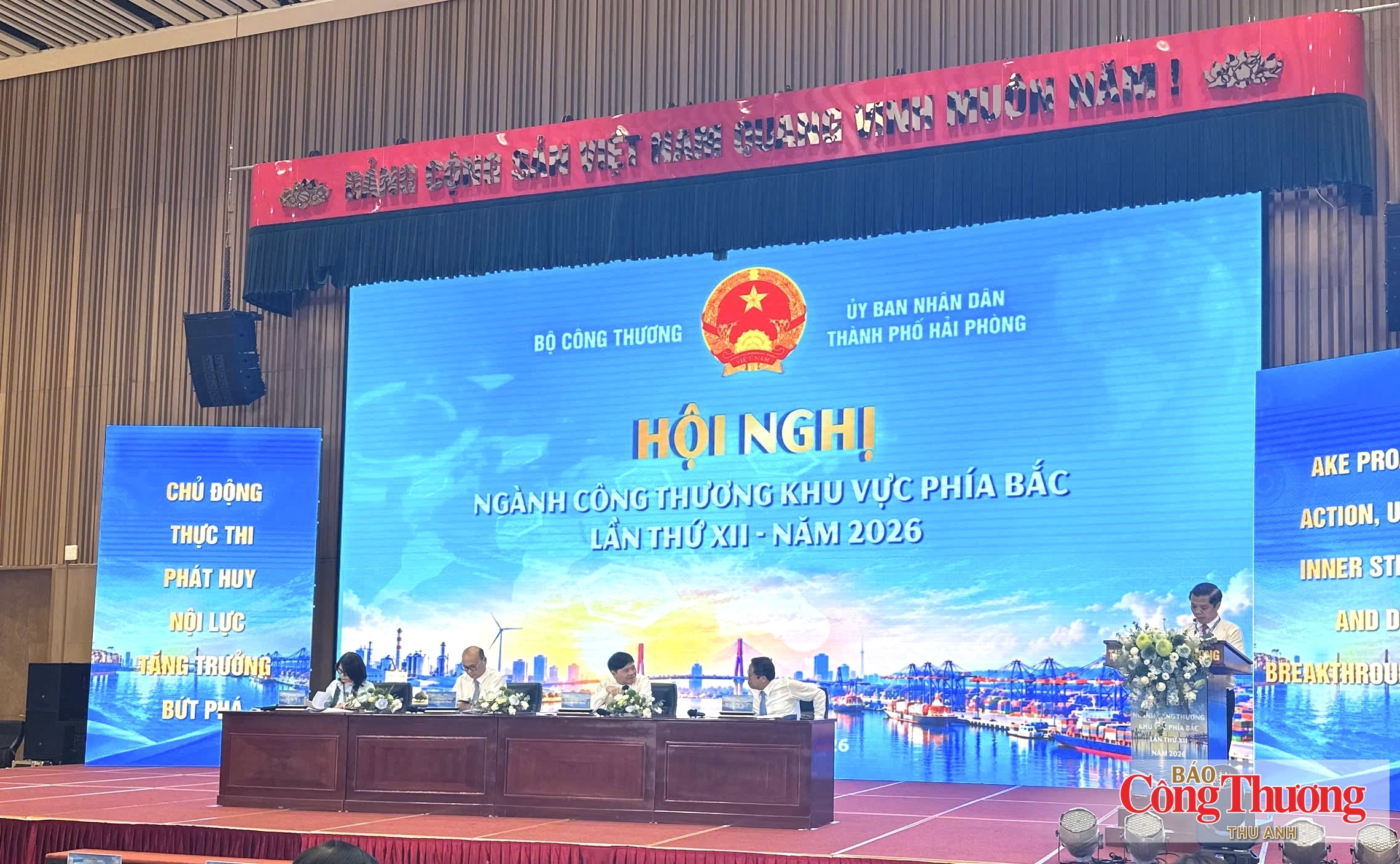
Northern localities are strengthening links in supporting industries, energy and logistics to build competitive value chains and create new growth drivers.
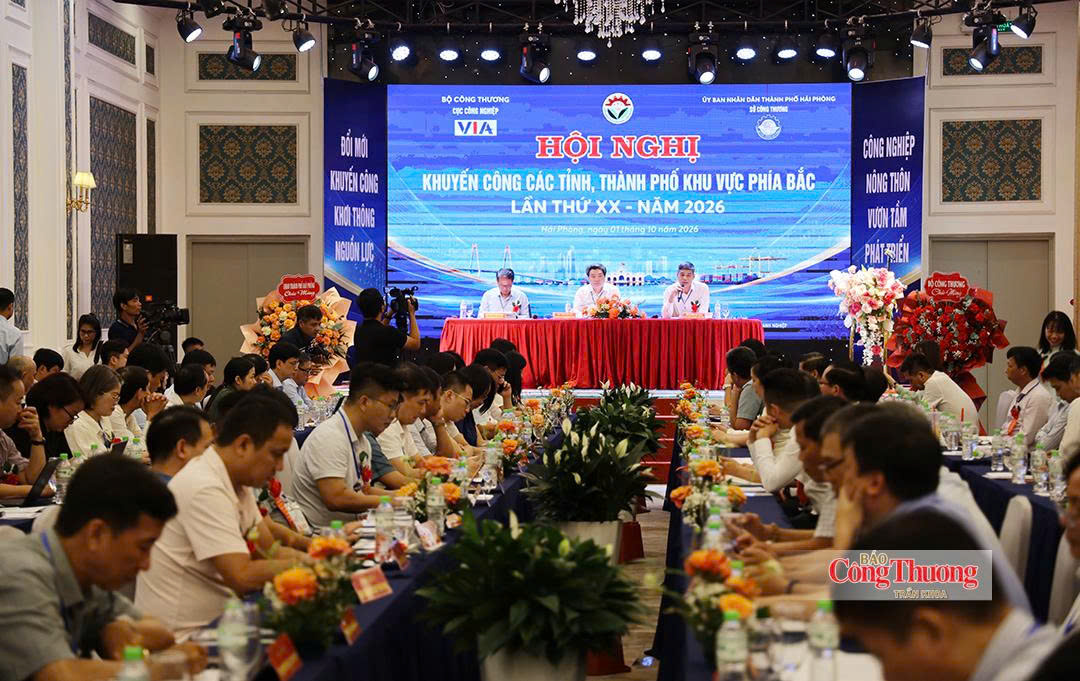
The 20th Industrial Promotion Conference for Northern Provinces and Cities in 2026 was held in Hai Phong City on October 1, with discussions focusing on renewing industrial promotion activities.
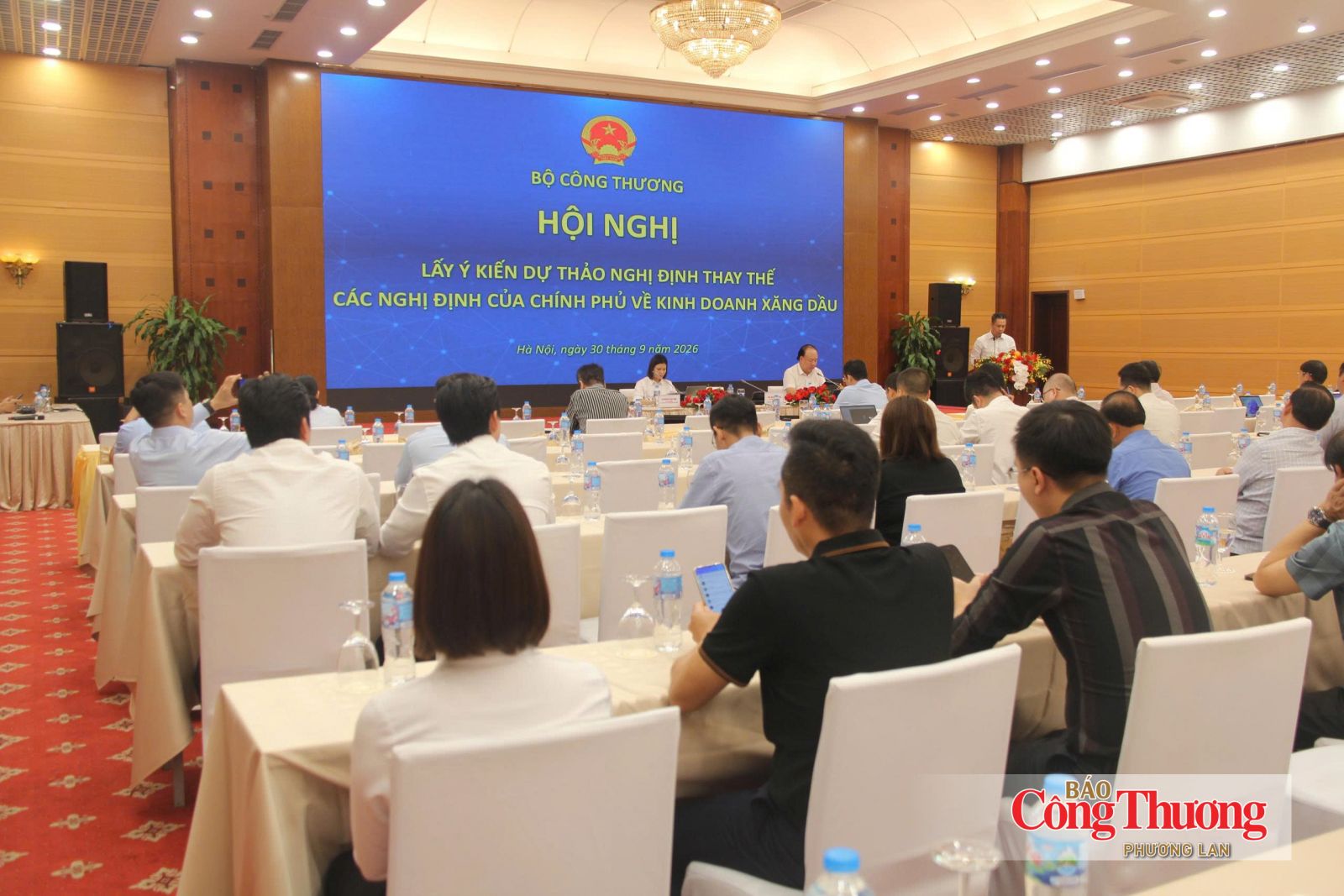
On September 30 in Ha Noi, the Ministry of Industry and Trade (MoIT) held a conference to gather broad feedback on a draft decree replacing the Government’s existing decrees on petroleum trading.