Over the 2021-2025 period, Vietnam's textile industry sustained growth while progressively restructuring its operations to prepare for the road ahead.
Resilience amidst turbulence
The year 2025 concluded with textile and garment export revenue reaching approximately $46 billion, marking a cycle of recovery and restructuring for the industry following unprecedented shocks. Addressing the Newspaper of Industry and Trade, Chairman of the Vietnam Textile and Apparel Association (VITAS) Vu Duc Giang, observed that when viewed from the 2021 benchmark, few export sectors have endured as many waves of volatility as textiles.
He noted that the Covid-19 pandemic disrupted global supply chains, while the 2021-2022 period saw a rapid but unstable recovery in demand. Subsequently, between 2023 and 2024, inflation, geopolitical conflicts, and rising protectionism caused the market to contract, and by 2025, new tariff policies continued to place significant pressure on orders and operational costs.
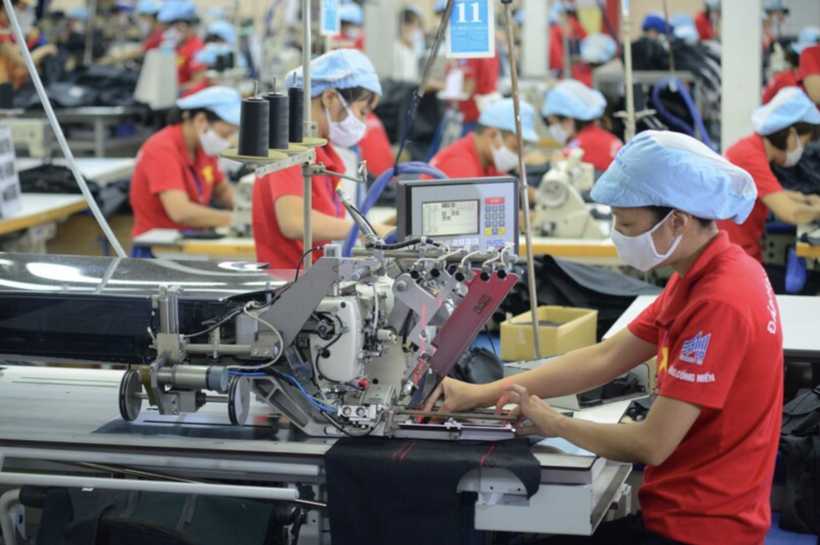
Investing in technology is a solution to increase labor productivity for textile enterprises.
Against this backdrop, Vietnam's textile exports have maintained a relatively stable growth trajectory. From 35 billion USD in 2020, export turnover reached approximately 46 billion USD in 2025, representing a compound annual growth rate of about 5.58% for the 2021-2025 period. In 2025 alone, export turnover increased by roughly 5.8% compared to 2024. According to the representative, these results were achieved amidst mounting pressure from global brand policies and significant labor shifts across the industry. However, he emphasized that these export figures reflect the collective effort of the entire enterprise system alongside close support from government authorities.
A notable feature of the 2021-2025 phase was the rapid adaptability of enterprises, evidenced by the adjustment of production methods to meet new brand requirements, as well as proactive restructuring of products, markets, and technology investments. To date, Vietnamese textiles and garments are exported to 138 markets globally. Regarding product structure, apparel continues to account for the majority share, representing approximately 80% of export revenue, while fiber and yarn account for 9.4%, fabric for about 6%, and the remainder comprises technical textiles and accessories. Apparel exports rose from USD 27.8 billion in 2020 to around USD 36.6 billion in 2025, with many high-value items, such as T-shirts, jackets, and trousers, maintaining export values exceeding 1 billion USD annually.
Notably, the product structure has shifted markedly toward goods with higher technical content, design intricacy, and environmental standards. The trend of "greening, digitization, and fashion-orientation" is no longer merely directional but has become a prerequisite for business survival in the global supply chain. Alongside revenue growth, the industry's trade surplus remained robust, increasing from 15.5 billion USD in 2020 to approximately USD 21 billion in 2025. This record-high figure reflects efforts to increase the use of domestic raw materials and strengthen local supply chain linkages.
From a corporate perspective, Chairman of the Vietnam National Textile and Garment Group (Vinatex) Le Tien Truong stated that 2025 was a successful year for the group, with business performance returning to the peak levels of 2021 despite a much more challenging context. He noted that the group effectively capitalized on the 90-day window before official tariff application, generating a strong wave of growth in May, June, and July, which contributed nearly 30% to the year's total performance.
Defining the long-term growth paradigm
As the industry enters 2026, the market landscape is projected to remain fraught with challenges. Global trade growth is slowing, while demand from major economies such as the United States, China, and the European Union has yet to stage a robust recovery; meanwhile, tariffs and technical and environmental barriers are becoming increasingly stringent. Nevertheless, forecasts of declining inflation and interest rates, coupled with more stable energy prices, are expected to provide businesses with a certain degree of maneuvering room.
According to Chief Economist at BIDV Can Van Luc, the primary risks facing the textile and garment sector remain prolonged tariffs and weak demand. However, he noted that the industry possesses three key advantages: declining inflation and interest rates, the continued momentum of digital and green transformation, and the enhanced adaptability of enterprises compared to previous crisis periods.
In this context, future growth can no longer rely solely on scale expansion. Chairman of the Vietnam Textile and Apparel Association (VITAS) stated that starting in 2026, the textile and garment sector will steadfastly pursue three strategic pillars: the diversification of markets, customers, and products; significant investment in domestic raw material supply chains; and the deep application of automation, artificial intelligence, robotics, and digital transformation. The export revenue target for 2026 has been set at USD 48-49 billion, with a long-term goal of reaching approximately USD 64.5 billion for the 2026-2030 period.
Accompanying this outlook is a mandate to shift production models. Vietnamese textile enterprises are progressively transitioning from simple processing to Free on Board (FOB), Original Design Manufacturing (ODM), and even Original Brand Manufacturing (OBM) in select segments. This evolution entails greater autonomy across the value chain, ranging from design and sourcing to logistics and inventory management within import markets. The VITAS representative emphasized that enterprises investing in green standards, robotics, and artificial intelligence are poised to join the ranks of market leaders.
From a regulatory perspective, Director of the Vietnam Trade Promotion Agency under the Ministry of Industry and Trade Vu Ba Phu, observed that the long-term outlook necessitates deeper restructuring of the sector. Beyond achieving autonomy in raw materials and accessories, the industry must progressively cultivate a comprehensive textile-fashion ecosystem. This encompasses specific industrial zones for dyeing and weaving, workforce training, research and development, and brand building. Citing expert opinions, He noted that sustainable growth over the next decade will hinge on three core pillars: labor productivity, technological mastery, and the reform of institutions and processes.
Looking ahead, the Vietnamese textile and garment industry has set an export turnover target of USD 64.5 billion by 2030, with an average annual growth rate of 6.5% to 7%. Concurrently, the domestic market is targeted to reach a scale of USD 8 - 9 billion. The strategic focus remains on “Greening and Digitization,” aiming to raise the localization rate to over 60% while establishing robust Vietnamese fashion brands.
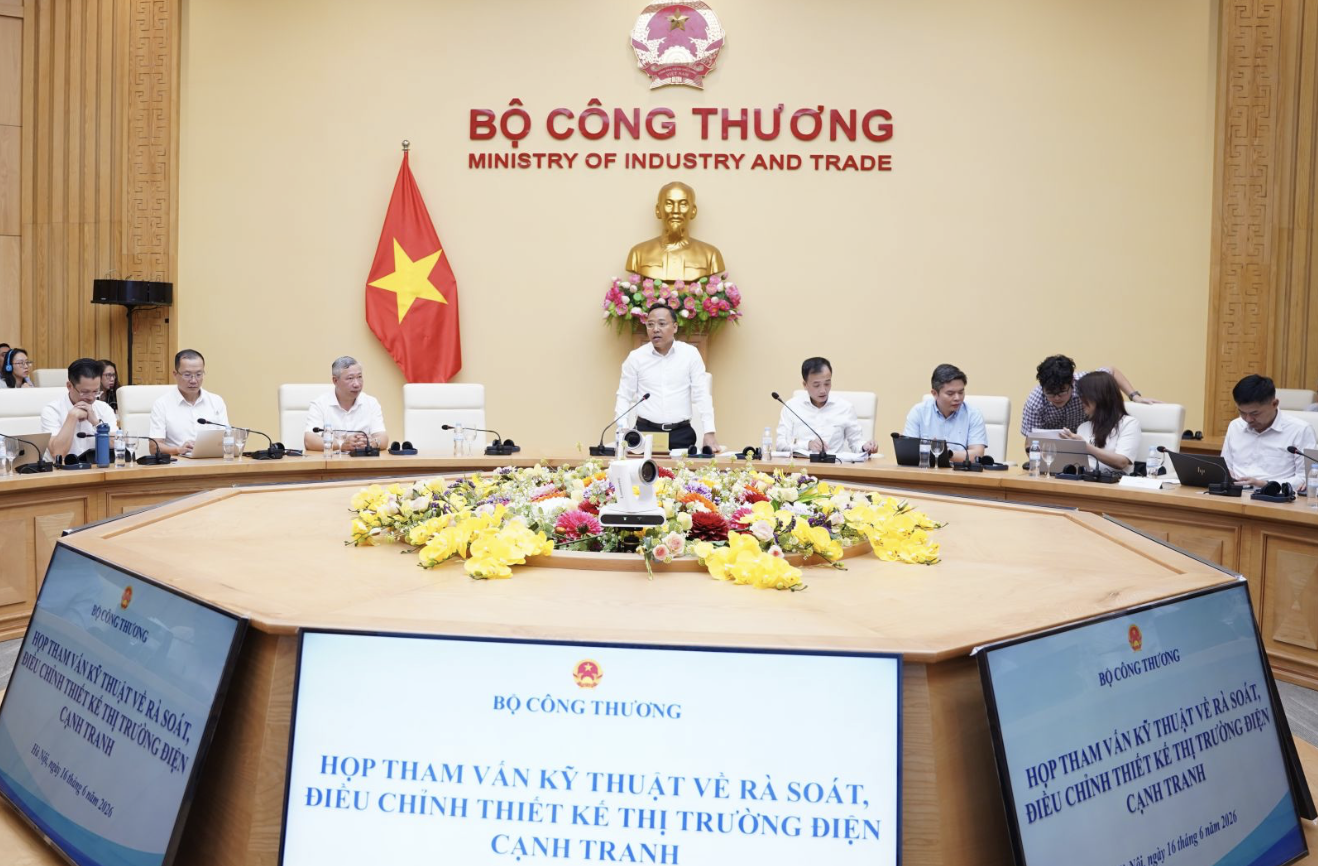
Ministry of Industry and Trade (MoIT) held a technical consultation in Hanoi on reviewing and adjusting the design of Vietnam’s competitive electricity market.
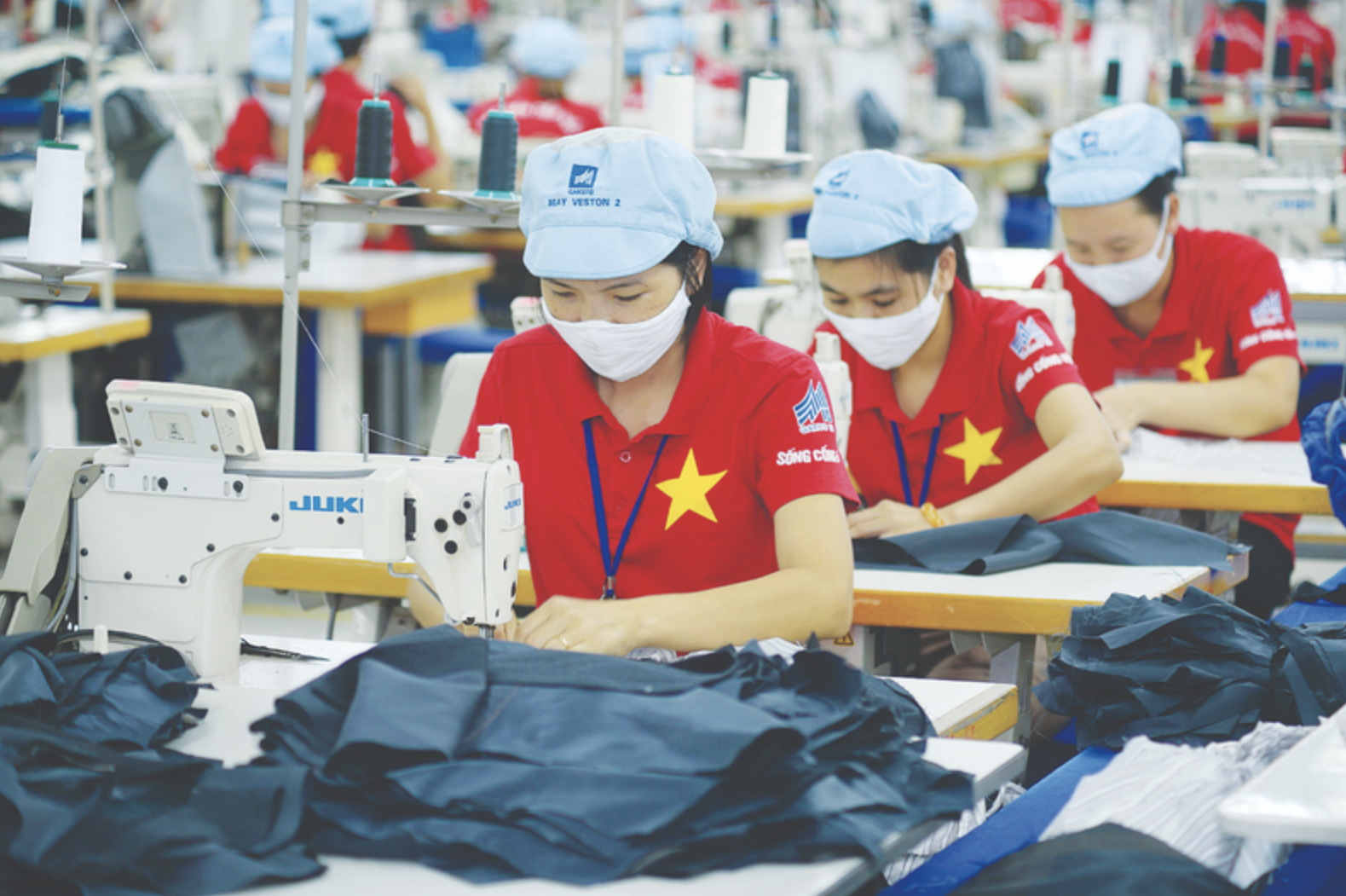
Textiles and garments continued to be one of Vietnam’s leading export categories to the Russian market in the first five months of 2026, generating export revenue of more than USD 106.99 million.
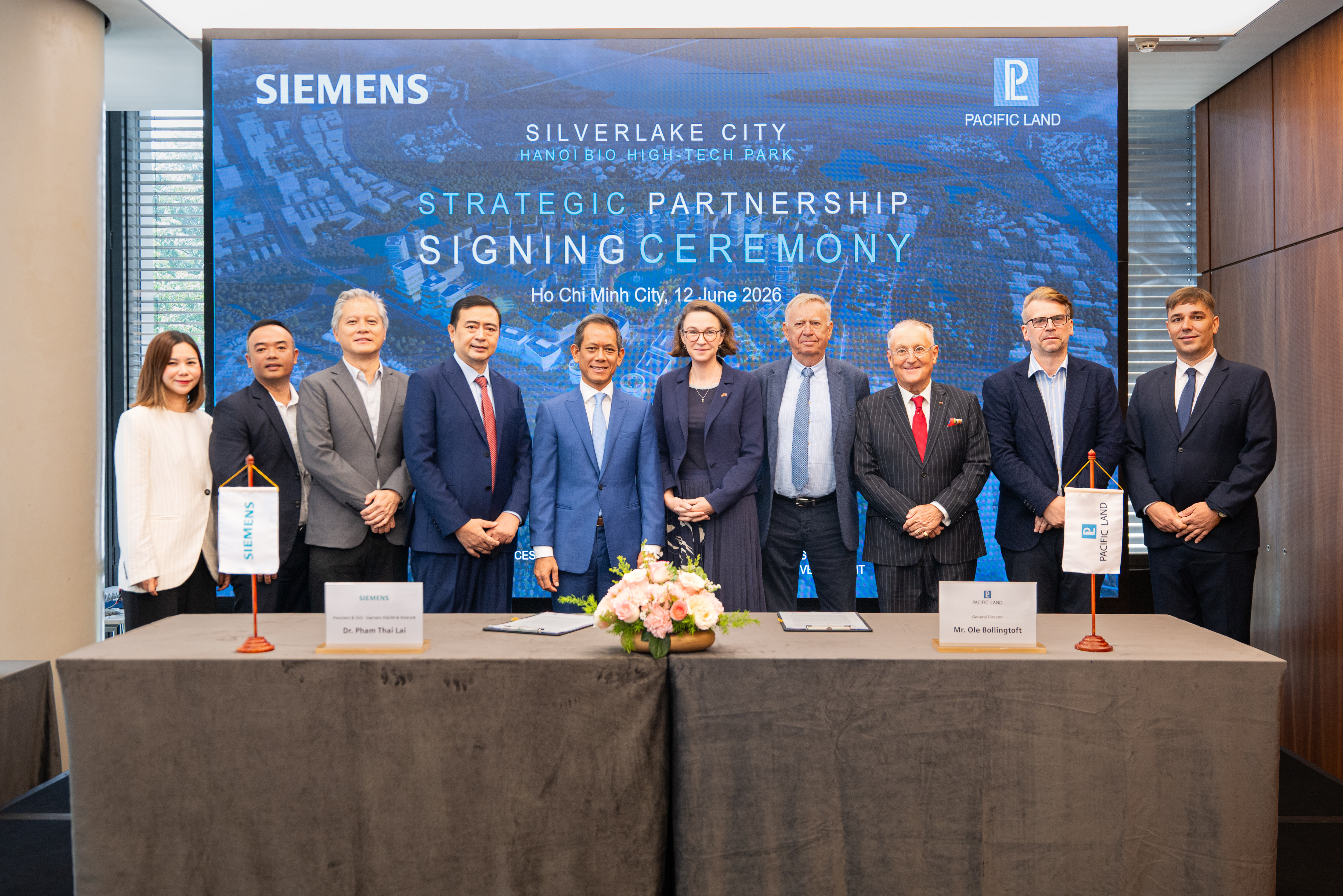
Siemens and Pacific Land will transform Silverlake Bio Hi-Tech Park into a smart, sustainable innovation hub supporting Vietnam’s high-tech growth ambitions.
The Rural Industrial Products Fair and Exhibition 2026 has attracted more than 300 booths from provinces and cities across the country, helping promote outstanding rural industrial products, strengthen business connections, and expand consumer markets.
National Assembly Chairman Tran Thanh Man stressed that in the country's new stage of development, foreign affairs must not only contribute to safeguarding the nation from an early stage and from afar, but also serve as a key driver of development.
The Rural Industrial Products Fair and Exhibition 2026 has attracted more than 300 booths from provinces and cities across the country, helping promote outstanding rural industrial products, strengthen business connections, and expand consumer markets.
To further enhance the effectiveness of the national industrial promotion program, representatives from provincial Departments of Industry and Trade have proposed increasing support expenditures during the 2026-2030 period to align with the growing demands of digital transformation, green transition, and technological innovation at production facilities.
The Ministry of Industry and Trade (MoIT) delegation inspected TKV Minerals Corporation JSC (Vimico)’s 2026 storm-season preparations, highlighting AI-based monitoring and early warning systems to strengthen mine safety efforts