VIATT 2026 in Ho Chi Minh City is expected to connect value chains, boost integration and support Vietnam’s textile industry toward sustainable growth long-term aim.
The Vietnam International Trade Fair for Apparel, Textiles and Textile Technologies 2026 (VIATT 2026) is expected to serve as a platform for connecting value chains across the textile and garment industry.
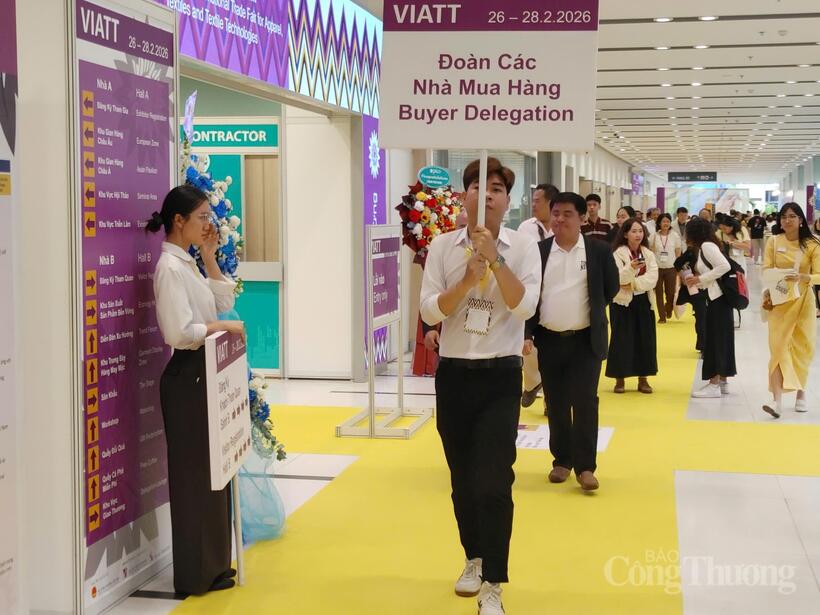
The opening ceremony of VIATT 2026 took place on the morning of February 26 in Ho Chi Minh City, jointly organized by the Vietnam Trade Promotion Agency under the Ministry of Industry and Trade (MoIT) and relevant partners.
The opening ceremony of the Vietnam International Trade Fair for Apparel, Textiles and Textile Technologies 2026 (VIATT 2026). Photo: Minh Anh
Attendees included Bui Quang Hung, Deputy Director General of the Vietnam Trade Promotion Agency, and Ta Manh Cuong, Director of the Trade Promotion and Investment Support Center, along with representatives from ministries, associations and domestic enterprises.
From the international side, Wolfgang Marzin, President and Chief Executive Officer of Messe Frankfurt, and representatives from embassies and trade organizations of multiple countries were also present.
A strong impetus for deeper integration into global value chains
At the opening ceremony, Wolfgang Marzin expressed his admiration for Vietnam’s economic performance amid global uncertainties, noting, “I am truly impressed by Vietnam’s GDP growth of around 10% this year. It is a remarkable figure given the challenging global economic context.”
Wolfgang Marzin, President and Chief Executive Officer of Messe Frankfurt. Photo: Minh Anh
He emphasized that the dynamism of the economy, coupled with the active support of the MoIT, has laid a solid foundation for VIATT to become a key meeting point for the global textile community. “Starting a programme from scratch is never easy, so I am truly proud of the strong support we have received from associations, enterprises and visitors,” he added.
Figures released by the organizers reflect this upward momentum. VIATT 2026 spans 18,000 sq.m, up 20% year-on-year, featuring nearly 1,000 booths from more than 450 enterprises across 21 countries and territories. The presence of major international brands such as Thomas Mason by Albini 1876, Murata Machinery and Alumo AG, alongside global buyers, underscores Vietnam’s growing role as a key hub in regional textile supply chains.
Beyond a conventional exhibition, the event is designed as a comprehensive value chain platform, covering raw materials, production technologies, design, branding and distribution. This addresses a long-standing gap in Vietnam’s textile sector, which has remained heavily reliant on imported inputs.
Bui Quang Hung noted that textiles and garments continue to be a pillar of Vietnam’s export economy. “Among industrial export items, textiles and garments maintain both high export value and strong growth, accounting for around 12–16% of the country’s total export turnover,” he said.
Bui Quang Hung, Deputy Director General of the Vietnam Trade Promotion Agency under the Ministry of Industry and Trade, delivers remarks at the opening ceremony of VIATT 2026. Photo: Minh Anh
Despite headwinds in 2025, the sector’s export value reached approximately USD 46 billion, up 5% year-on-year, with products shipped to 138 markets. The US remained the largest market, with export turnover exceeding USD 18 billion.
According to Bui Quang Hung, VIATT 2026 is not merely a trade fair but a strategic promotion tool enabling Vietnamese enterprises to integrate more deeply into global production chains, while fostering the development of domestic supply chains, an essential factor in leveraging next-generation free trade agreements.
Embracing technology and sustainable development trends
A highlight of VIATT 2026 is the strong presence of advanced technologies in the textile sector. Notably, the Econogy Hub showcases environmentally friendly materials, circular production processes and international certification standards. This aligns with Vietnam’s goal of building a circular textile economy by 2050, as major markets tighten requirements on environmental protection, labour standards and traceability.
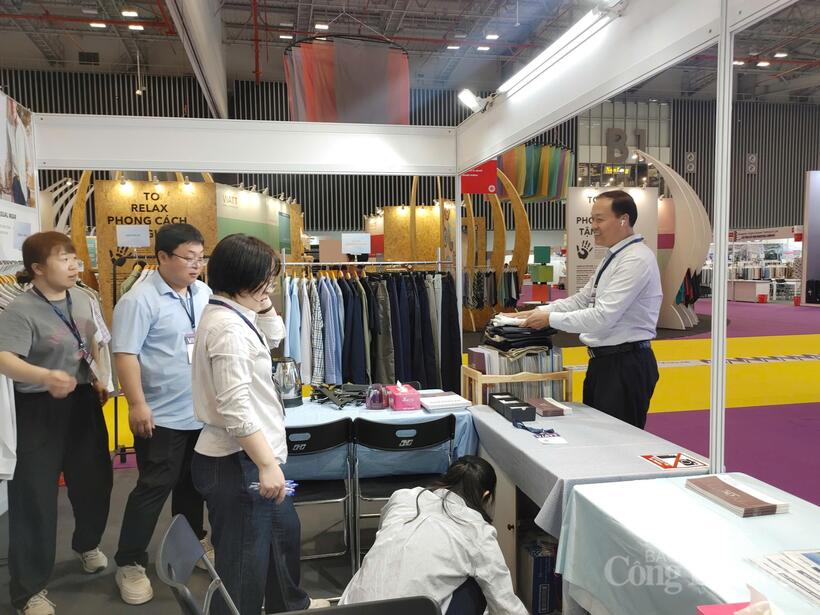
VIATT 2026 gathers leading global manufacturers in the textile and garment industry. Photo: Minh Anh
In parallel, the innovation and digital solutions zone introduces cutting-edge applications, including AI-powered design simulation, automated manufacturing systems and smart supply chain management. The AiDLab testing facility, featuring WiseEye fabric inspection technology, enables automated detection of material defects.
The debut of the Trend Forum also marks a significant addition, presenting forecasts for the Spring/Summer 2027 season under the theme “Artisanship,” highlighting the convergence of traditional craftsmanship, technology and modern lifestyles. This integrated approach reflects an emerging trend in the fashion industry, where the boundaries between design, technology and consumer experience are increasingly blurred.
Additionally, displays of textile chemicals and dyes, alongside solutions for fabric finishing, recycling and protective coatings, indicate that the industry’s value chain is expanding toward deeper stages rather than focusing solely on final garment production.
A series of industry forums held within the exhibition framework addresses critical issues such as trade uncertainties in 2026, AI adoption, ESG standards and global compliance, topics considered vital for export-oriented enterprises.
The dual emphasis on technology and sustainability has been highly valued by the business community, as these represent two major directions shaping Vietnam’s textile industry.
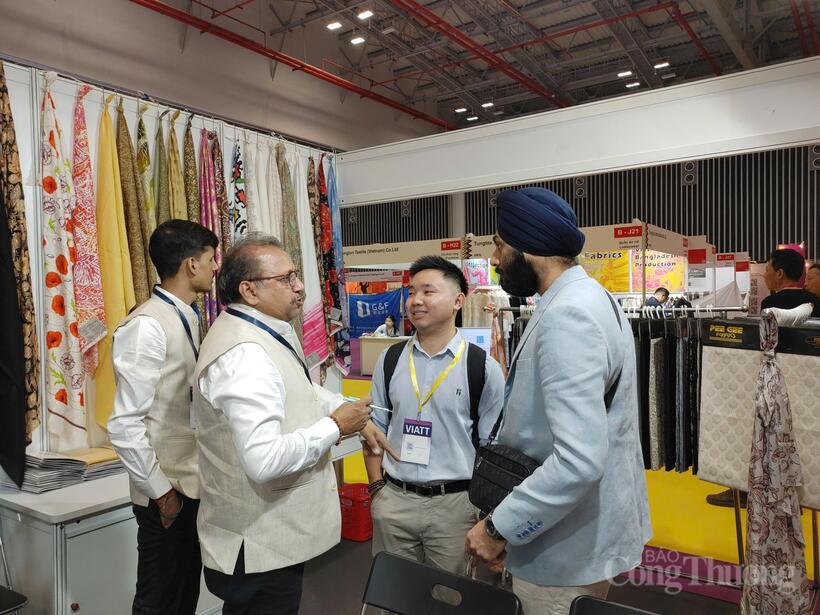
VIATT 2026 serves as a key destination for buyers seeking high-quality sourcing opportunities. Photo: Minh Anh
Bui Quang Hung remarked, “The exhibition takes place at a time when Vietnam’s textile and garment sector is undergoing a strong transition, from contract manufacturing to higher value-added production, and from traditional methods to green and smart manufacturing.”
The strong participation of global buyers, technology brands and material suppliers at VIATT 2026 demonstrates that Vietnam’s textile industry is steadily moving from a low-cost manufacturing base to a higher-value position within global supply chains.
As such, the exhibition not only facilitates short-term trade promotion but also serves as a strategic roadmap for the industry in a new phase, where technological innovation, green transformation and value chain integration are essential for sustainable growth.
VIATT 2026 takes place from February 26 to 28, 2026 at the Saigon Exhibition and Convention Center in Ho Chi Minh City. The event covers textiles, garments, home textiles, accessories and textile technologies, and is organized by the Vietnam Trade Promotion Agency under the MoIT in collaboration with Messe Frankfurt. Key activities include an industry forum on “Trade uncertainties in 2026” and a conference on Vietnam’s textile and garment development strategy.
The 2026 UK - Viet Nam Summit was held in Ha Noi on August 12, focusing on fields that are creating new momentum for growth, including artificial intelligence (AI), financial technology, crypto assets, commodity derivatives markets and logistics.
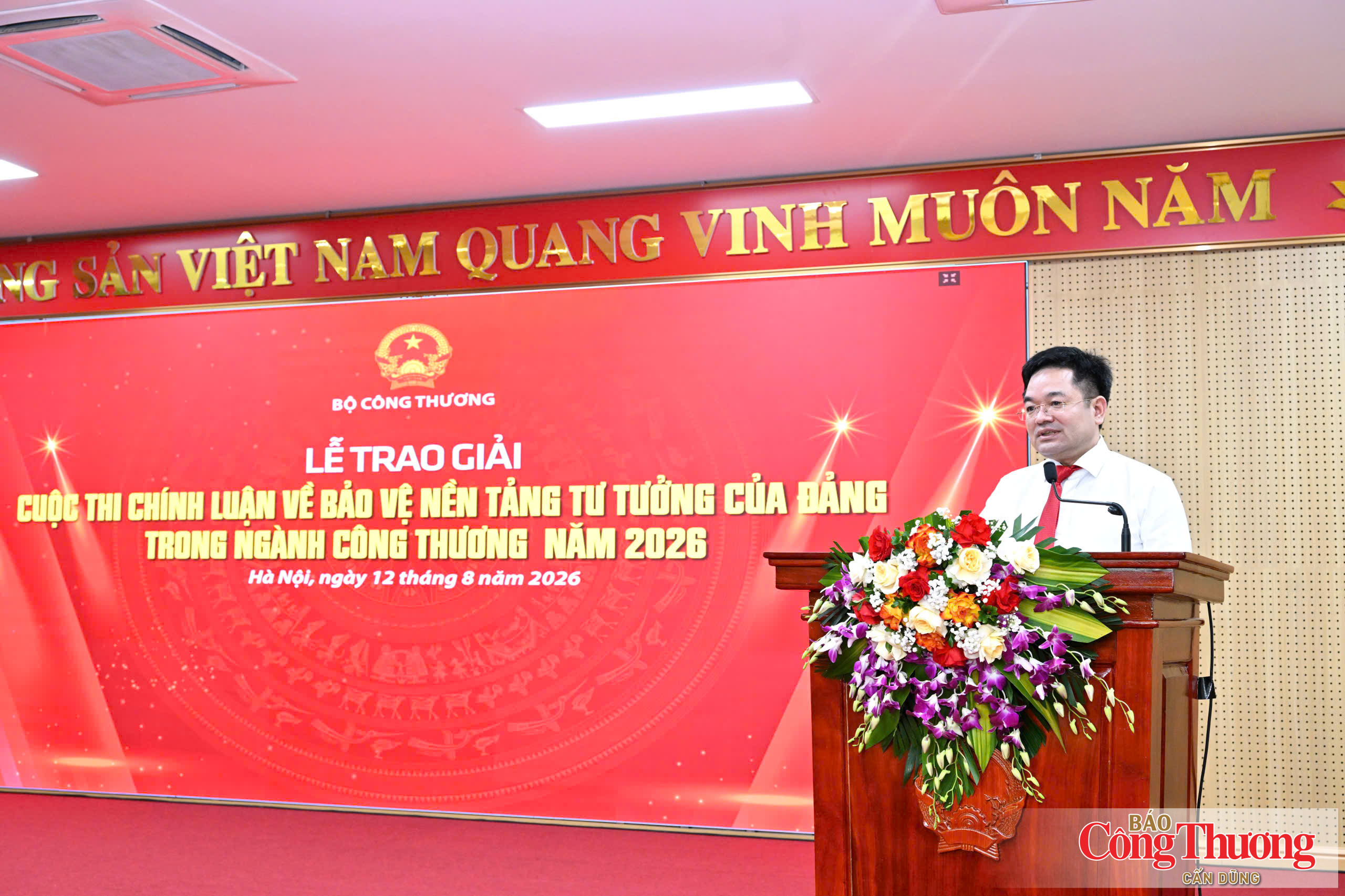
Editor-in-Chief of the Industry and Trade Newspaper Nguyen Van Minh said distorted narratives are defeated by counterarguments and undeniable realities when Party members perform their duties well too.
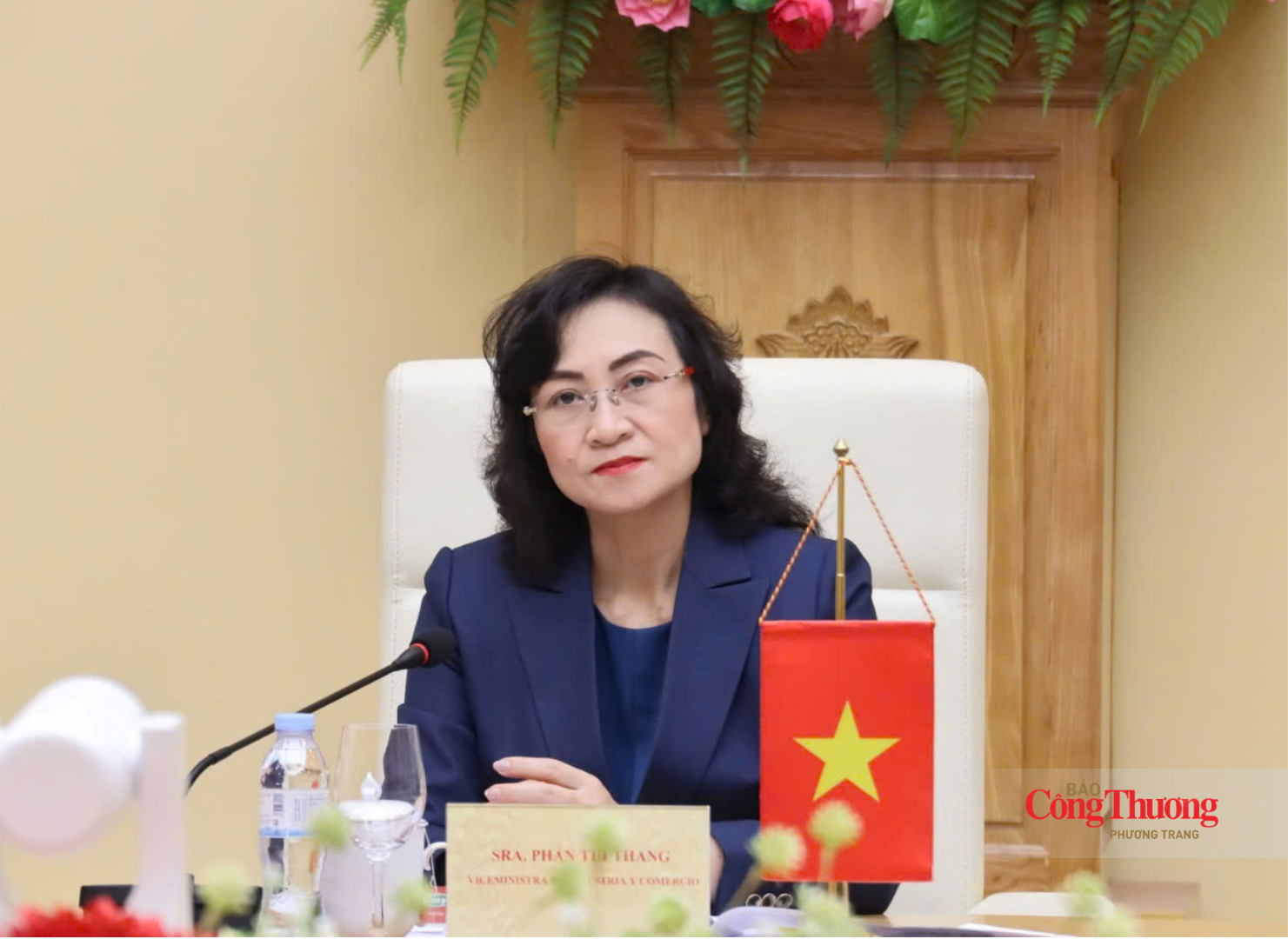
On August 12, Deputy Minister of Industry and Trade Phan Thi Thang held an online working session with Andrea Corao Faria, Venezuela's Deputy Minister for Asia, the Middle East and Oceania at the Ministry of Foreign Affairs and Foreign Trade.
Viet Nam and Australia are deepening energy and minerals cooperation strengthening supply chains, investment and support for the energy transition in both countries.
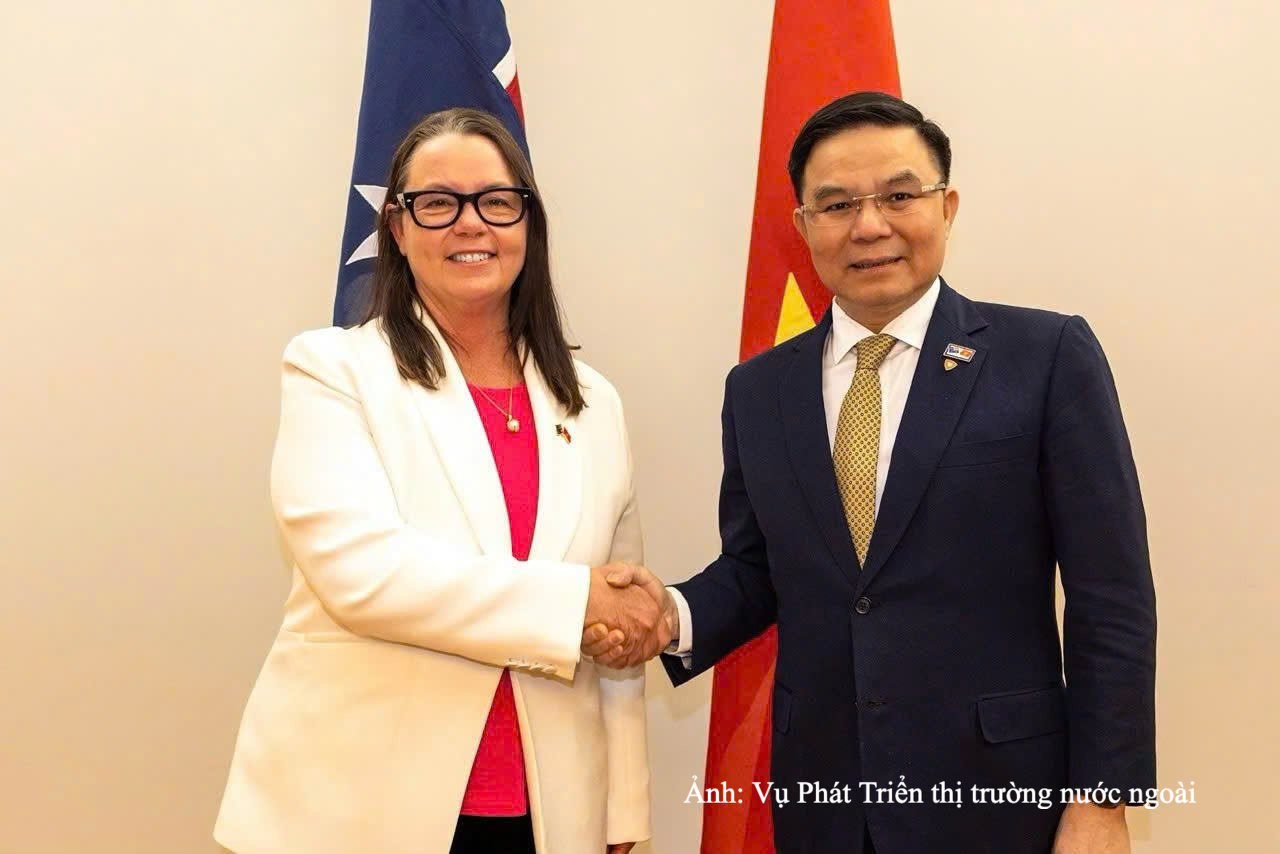
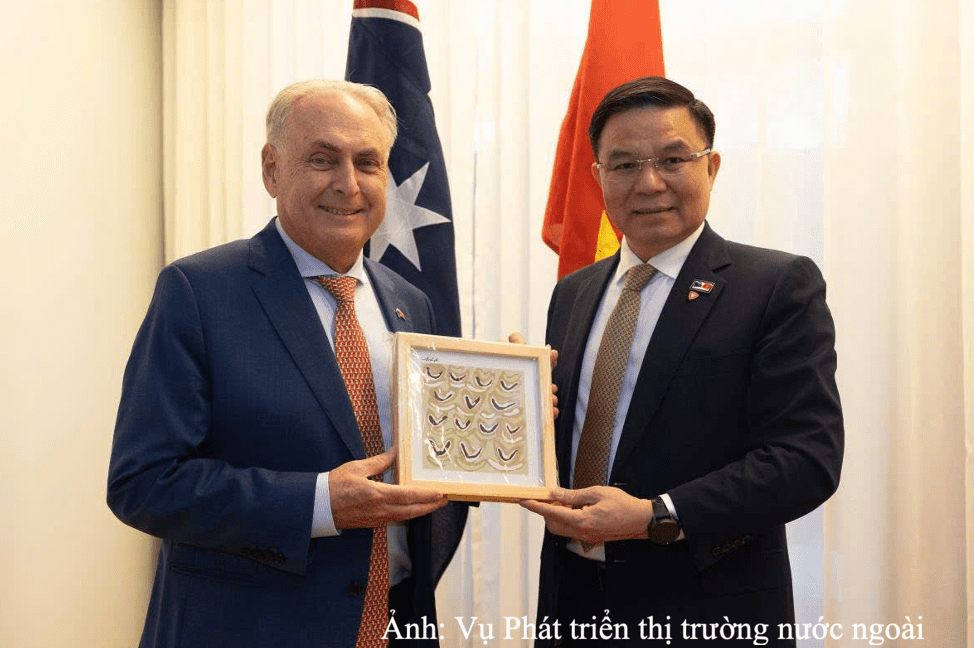
During his working trip accompanying Party General Secretary and State President To Lam on a State visit to Australia, Minister of Industry and Trade Le Manh Hung held a bilateral meeting with Australian Minister for Trade and Tourism Don Farrell in Canberra on August 11 (local time), to discuss measures to promote economic and trade relations between the two countries.
Viet Nam’s manufacturing industry must move beyond processing and assembly, master technology, raise localization and generate higher value across production chains.
KCN Vietnam has broken ground on its 21.9-hectare Song Than 3 project in Ho Chi Minh City, adding over 130,000 sqm of LEED-standard industrial space to the market.
MoIT leader Le Manh Hung clarified major issues in the revised Petroleum Law, including decentralisation, investment incentives, CCS and offshore energy development.
The Netherlands offers strong opportunities for Vietnamese firms to enter manufacturing supply chains, but meeting strict market standards remains a major challenge.
As Vietnam advances its energy transition, battery energy storage systems (BESS) are emerging as a key solution for enhancing grid flexibility, increasing the integration of renewable energy and strengthening energy security.