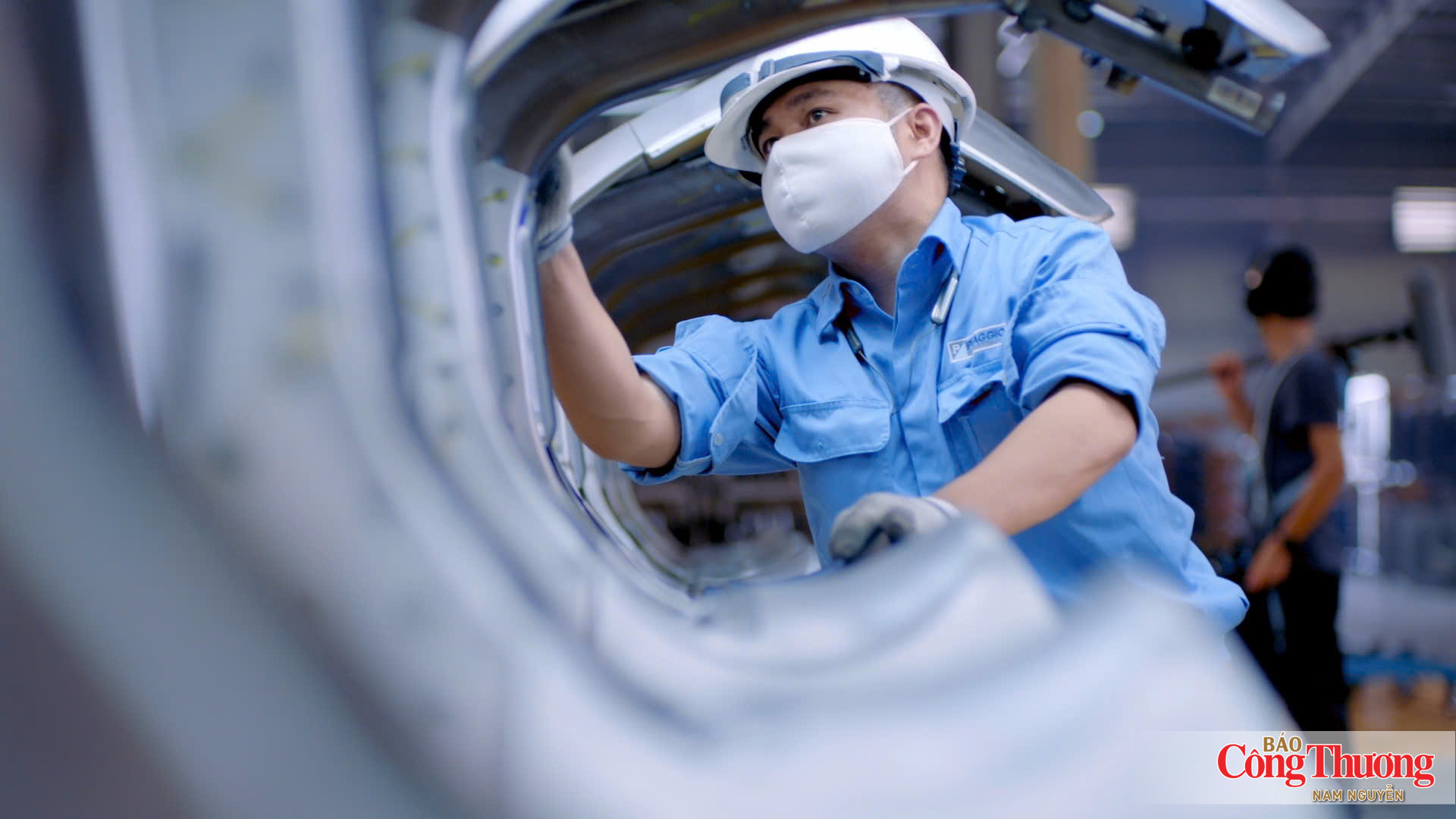
The 14th National Party Congress has set strategic directions for industrial growth emphasizing innovation, green transition, and global value chain integration.
The Resolution of the 14th National Party Congress lays out comprehensive and strategic tasks to enable the industrial sector to make breakthroughs as the country enters a new development era.
In thoroughly grasping the spirit of the Resolution, immediately after the Congress, the Department of Industry proactively reviewed and identified key tasks. To better understand these orientations, a reporter from the Newspaper of Industry and Trade conducted an interview with Pham Van Quan, Deputy Director General of the Department of Industry.
Pham Van Quan, Deputy Director General of the Department of Industry.
Looking back at the achievements in implementing the Resolution of the 13th National Party Congress, what are the most notable results that contributed to the growth of the industry and the national economy?
Pham Van Quan: Implementing the Resolution of the 13th National Party Congress amid significant global economic fluctuations, particularly the severe impacts of the COVID-19 pandemic and geopolitical instability, the Agency of Industry proactively advised and deployed synchronous solutions to maintain industrial production growth, contributing significantly to macroeconomic stability and overall national growth. As a result, industry has continued to affirm its role as a key driver of growth for the Ministry of Industry and Trade and the entire economy.
One notable outcome is the sustained and strong recovery in both the scale and growth rate of industrial production. In 2025, the Index of Industrial Production (IIP) is estimated to increase by around 9.2%, higher than the 8.2% recorded in 2024 and the highest level since 2019. Notably, the processing and manufacturing sector, the core of industrialization, grew by 10.5%, contributing 8.4 percentage points to the overall growth of the sector, and continued to play a leading role in driving economic expansion.
Alongside growth in scale, the structure of the industrial sector has shifted in a more positive and modern direction. The share of processing and manufacturing in GDP in 2025 is estimated at 24.7%, up from 24.1% in 2024, while the proportion of mining continues to decline. Key and foundational industries such as metallurgy, mechanical engineering, automobiles, electronics, textiles and garments, and leather and footwear maintained solid growth, gradually integrating more deeply into global value chains, thereby enhancing added value and the competitiveness of Vietnam’s industrial products.
Many industries and products also recorded strong growth, reflecting a clear recovery in production. Several sub-sectors achieved double-digit growth, including motor vehicle production (up 22.0%), non-metallic mineral products (16.2%), metals (15.4%), apparel (13.2%), and leather and related products (11.1%). At the product level, a number of key items saw significant increases compared to the same period, such as automobiles (up 39.1%), rolled steel (17.6%), televisions (17.4%), casual wear (13.8%), and leather footwear (13.3%).
In addition to production achievements, efforts to improve institutions and policies for industrial development were accelerated, creating an important legal foundation for long-term growth. In 2025 alone, the Agency of Industry advised and submitted to the Government and competent authorities one Law policy dossier, four Decrees, one Government Resolution, and three Programs/Projects to the Prime Minister, along with numerous Circulars and development strategies for key industries such as supporting industries, mechanical engineering, automobiles, minerals, and metallurgy. At the same time, the Agency actively participated in administrative reform, with 25 out of 31 procedures decentralized to local authorities (accounting for 81%), helping reduce compliance costs for enterprises by more than VND 8.5 billion annually.
It can be affirmed that the results achieved in implementing the Resolution of the 13th National Party Congress have not only helped Vietnam’s industrial sector overcome a difficult period but also created an important foundation for a new stage of development. On that basis, the Department of Industry will continue to promote its advisory and state management role, contributing to the effective implementation of the major goals set out in the Resolutions of the 13th and 14th National Party Congresses.
What new requirements and orientations does the Resolution of the 14th National Party Congress set for the industrial sector?
Pham Van Quan: The Resolution of the 14th National Party Congress sets out new, comprehensive and strategic requirements for the industrial sector in the context of a new development stage, with goals of high, sustainable and more self-reliant growth. Accordingly, industry is not only identified as an important growth driver but is elevated to become a central pillar of the new growth model, playing a decisive role in achieving the target of average GDP growth of over 10% per year (with processing and manufacturing contributing 28 - 30% of GDP) in the 2026 - 2030 period, and the goal of becoming a developing country with modern industry and upper-middle income by 2030.
A key highlight of the Resolution is the requirement to shift industrial development from extensive to intensive growth. It emphasizes prioritizing the development of processing and manufacturing industries that generate high added value and play a pivotal role in industrialization and modernization, while improving labor productivity, growth quality, and gradually reducing dependence on resource extraction and simple processing and assembly.
Notably, for the first time, the Resolution sets out clear and mandatory requirements for digital transformation and green transformation in industrial development. Industrial development must be closely linked with the application of science and technology, innovation, automation, the digital economy, and the circular economy, while meeting requirements on environmental protection, emissions reduction, and efficient use of resources and energy, in line with sustainable development trends and international integration.
The Resolution also stresses the need to enhance Vietnam’s position in global value chains. Accordingly, foreign investment attraction is to be more selective and conditional, associated with technology transfer, the development of foundational and supporting industries, and the enhancement of domestic enterprises’ capabilities, gradually shifting from processing and assembly to higher value-added stages.
Following the 14th National Party Congress, what key tasks has the Agency of Industry identified to translate the Resolution into action?
Pham Van Quan: In thoroughly implementing the spirit of the Resolution, immediately after the Congress, the Department of Industry proactively reviewed, developed and clearly identified key tasks to concretize major Party orientations into sectoral programs and plans, contributing to the successful implementation of socio-economic development goals in the new period.
First, the Department focuses on building a modern industrial foundation oriented toward digitalization and green transformation. Priorities include supporting enterprises, increasing localization rates, particularly in supporting industries, promoting digital transformation across production processes, advancing automation, developing smart factories, and applying new technologies such as AI and IoT in key industries. At the same time, attention is paid to developing deep processing of minerals and modernizing the metallurgy sector in association with sustainable development, industrial security, and national energy security.
In parallel, attracting high-quality investment associated with technology transfer is identified as a key task. The Department advises on strongly improving the investment environment, prioritizing projects in high technology, core technologies, clean energy, and new materials, while linking incentives with requirements for technology transfer, the establishment of research and development (R&D) centers, and the training and employment of high-quality Vietnamese technical human resources.
Another important task is to support domestic enterprises in enhancing competitiveness and deeper participation in value chains through the establishment of industrial development support centers across the three regions. The Department focuses on advising mechanisms and policies to encourage the use of domestically produced products, promoting the role of public investment, strengthening linkages between domestic enterprises and FDI enterprises, and supporting businesses in expanding and diversifying export markets, especially for key sectors such as textiles, footwear, and electronics.
The Department of Industry, together with other units under the Ministry, also prioritizes maintaining and expanding export markets, effectively leveraging new-generation free trade agreements, and promoting balanced industrial growth across regions by strengthening coordination with localities and maximizing the role of key economic regions to create nationwide spillover effects.
It can be affirmed that by clearly defining key tasks and solutions immediately after the 14th National Party Congress, the Department of Industry is gradually bringing the Party’s Resolution into practice, contributing to the development of a modern, self-reliant and sustainable industrial sector that meets the requirements of rapid national development in the new period.
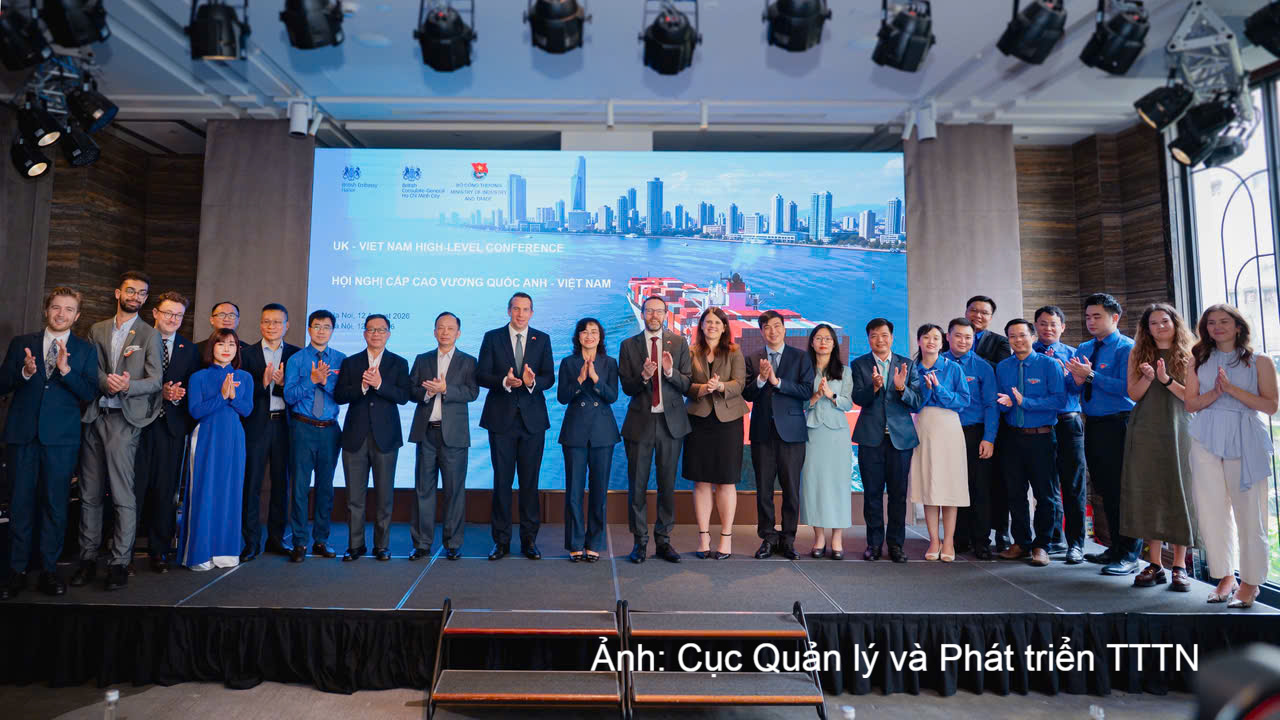
The 2026 UK - Viet Nam Summit was held in Ha Noi on August 12, focusing on fields that are creating new momentum for growth, including artificial intelligence (AI), financial technology, crypto assets, commodity derivatives markets and logistics.
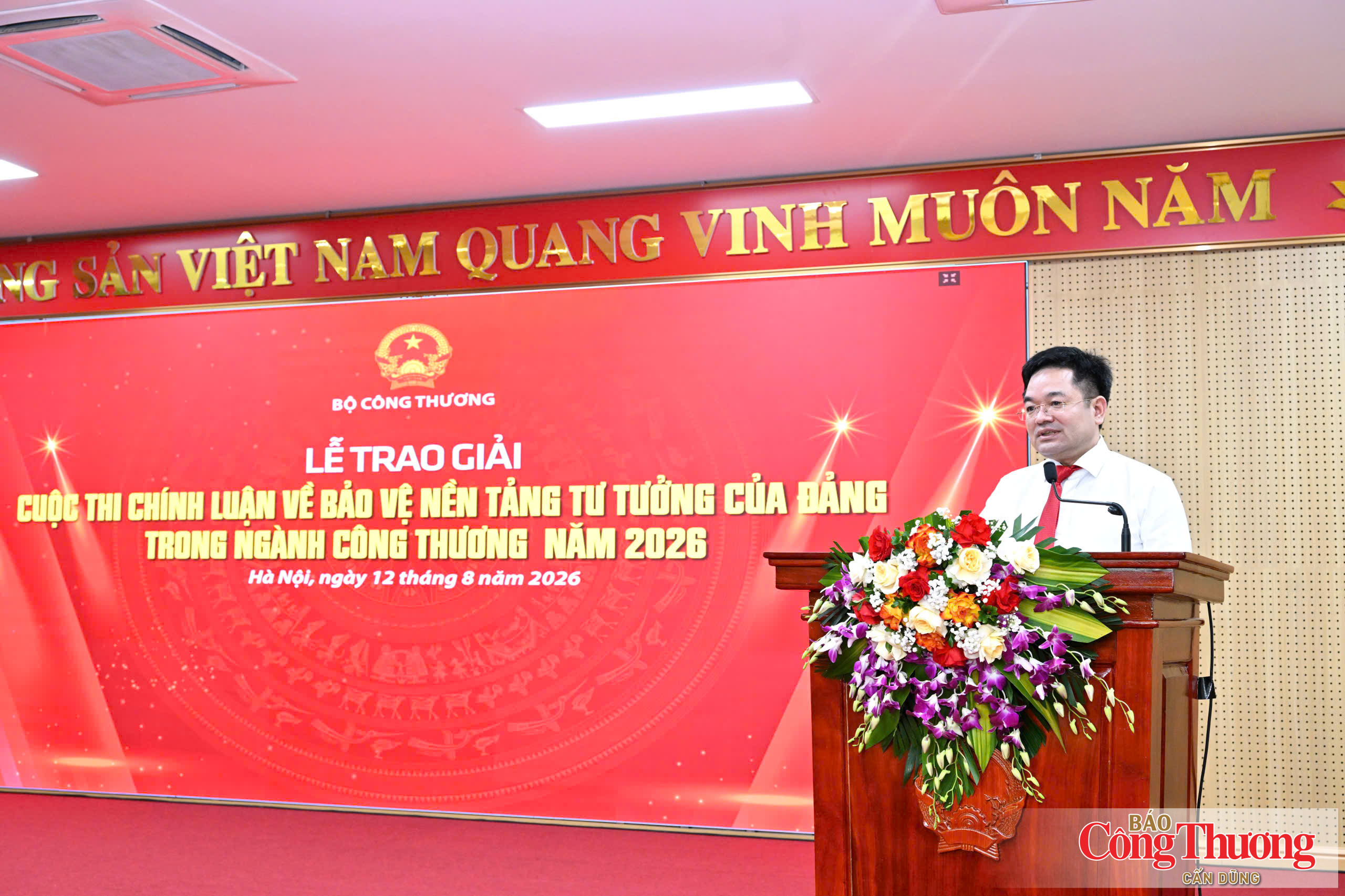
Editor-in-Chief of the Industry and Trade Newspaper Nguyen Van Minh said distorted narratives are defeated by counterarguments and undeniable realities when Party members perform their duties well too.
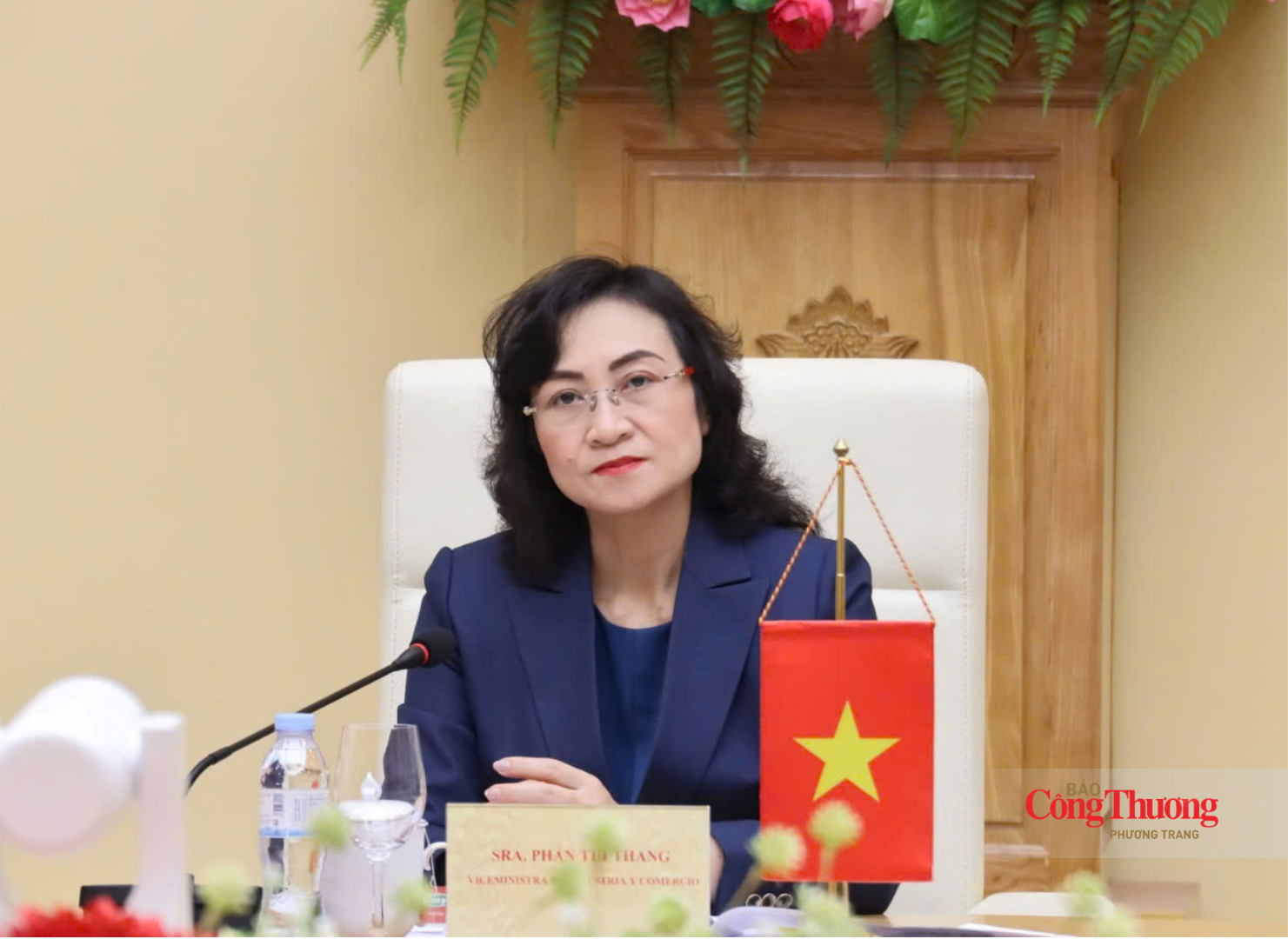
On August 12, Deputy Minister of Industry and Trade Phan Thi Thang held an online working session with Andrea Corao Faria, Venezuela's Deputy Minister for Asia, the Middle East and Oceania at the Ministry of Foreign Affairs and Foreign Trade.
Viet Nam and Australia are deepening energy and minerals cooperation strengthening supply chains, investment and support for the energy transition in both countries.
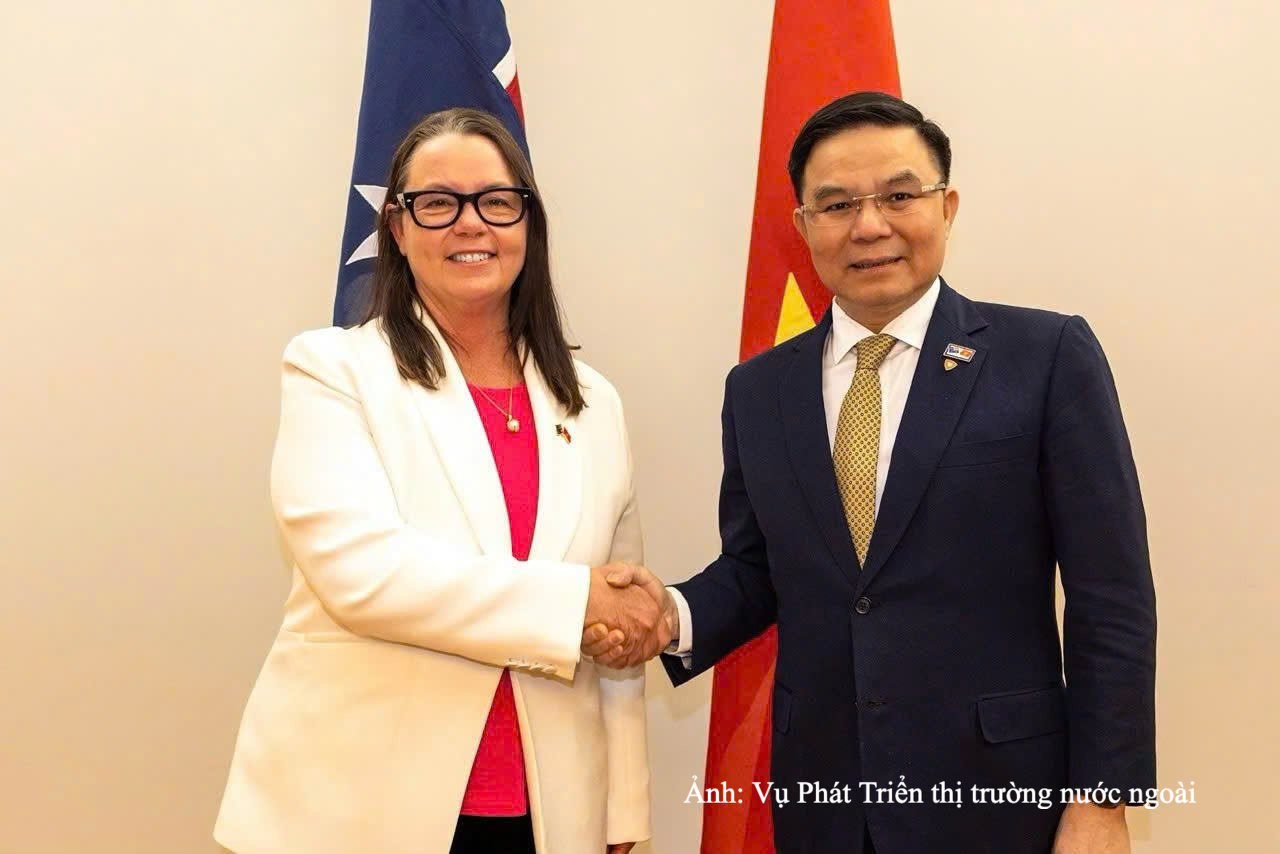
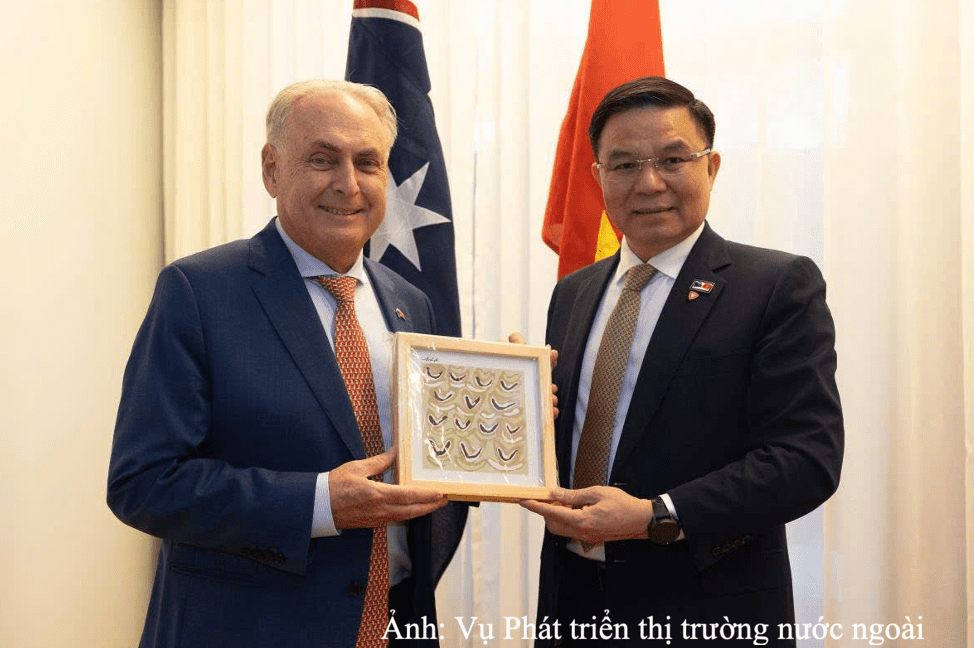
During his working trip accompanying Party General Secretary and State President To Lam on a State visit to Australia, Minister of Industry and Trade Le Manh Hung held a bilateral meeting with Australian Minister for Trade and Tourism Don Farrell in Canberra on August 11 (local time), to discuss measures to promote economic and trade relations between the two countries.
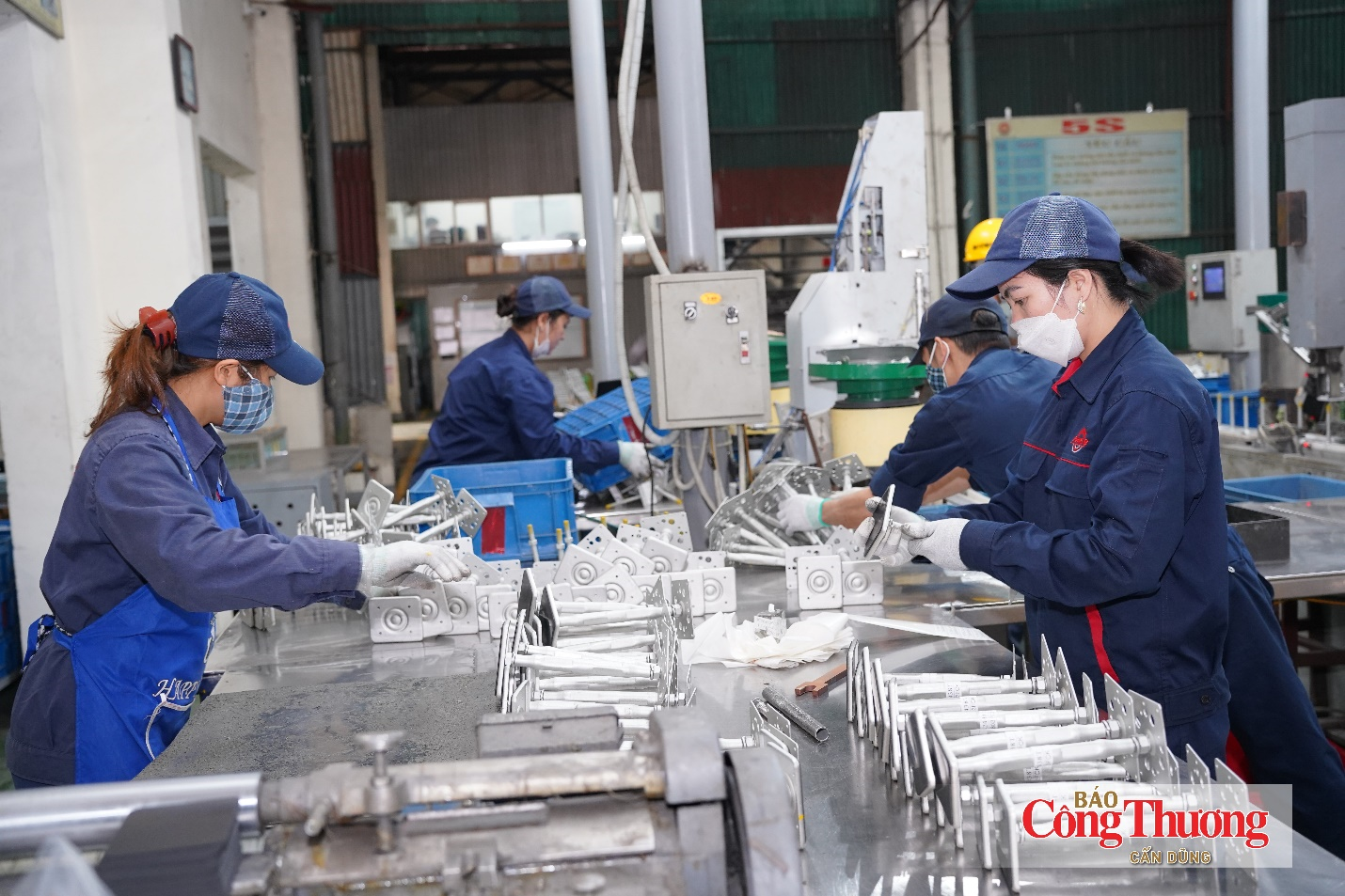
Viet Nam’s manufacturing industry must move beyond processing and assembly, master technology, raise localization and generate higher value across production chains.
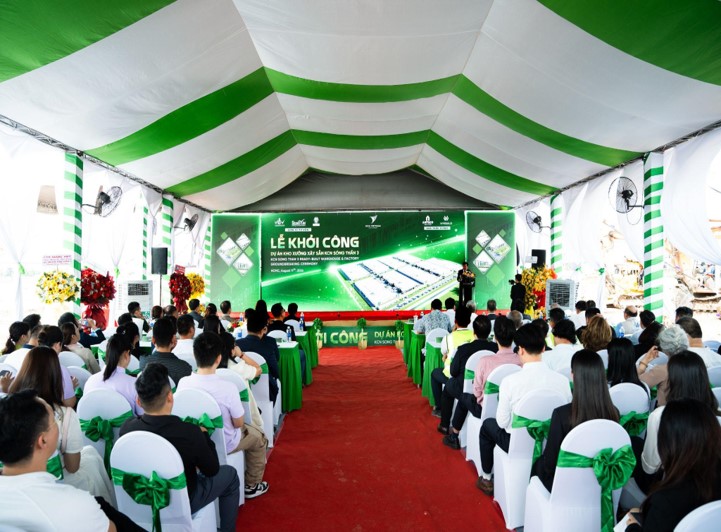
KCN Vietnam has broken ground on its 21.9-hectare Song Than 3 project in Ho Chi Minh City, adding over 130,000 sqm of LEED-standard industrial space to the market.
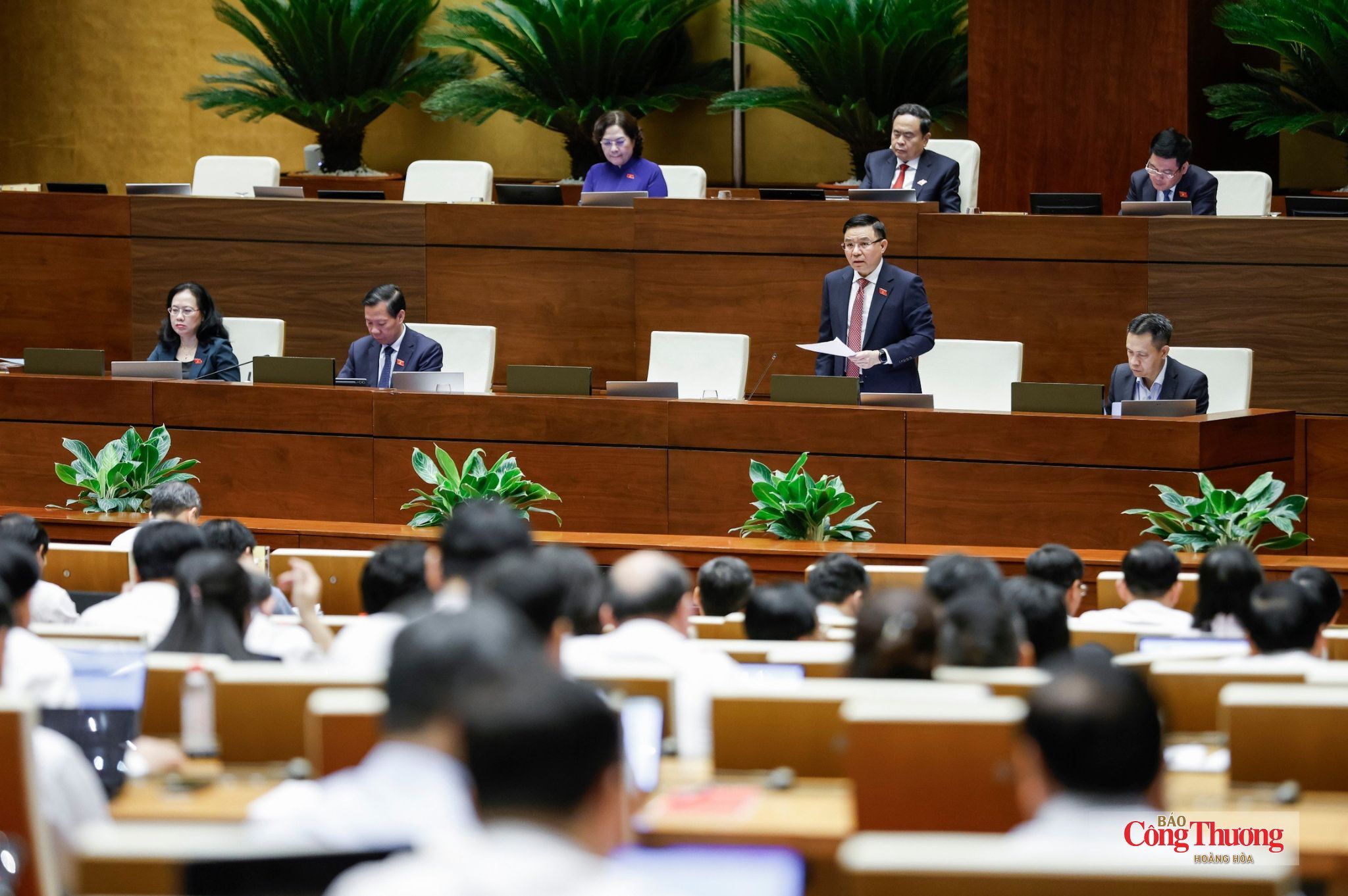
MoIT leader Le Manh Hung clarified major issues in the revised Petroleum Law, including decentralisation, investment incentives, CCS and offshore energy development.
The Netherlands offers strong opportunities for Vietnamese firms to enter manufacturing supply chains, but meeting strict market standards remains a major challenge.
As Vietnam advances its energy transition, battery energy storage systems (BESS) are emerging as a key solution for enhancing grid flexibility, increasing the integration of renewable energy and strengthening energy security.