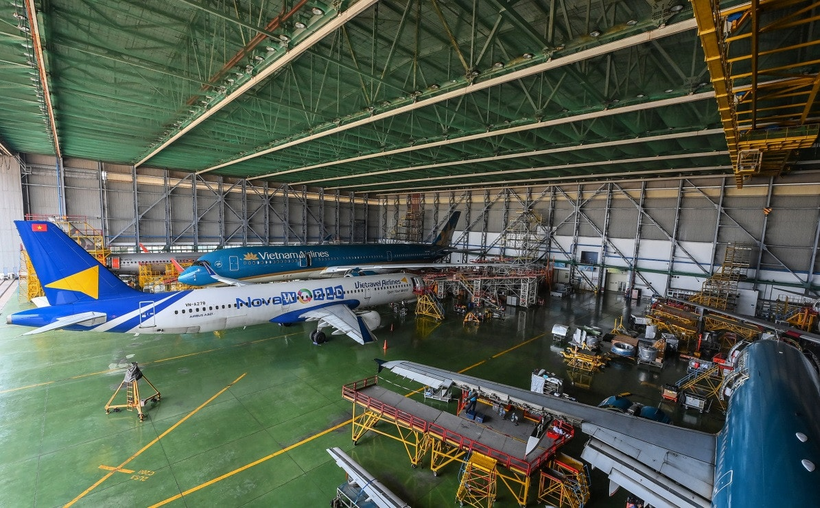
As global supply chains continue to realign, the aviation sector is opening up new opportunities for Vietnamese manufacturers able to leverage their production strengths.
Significant potential, high barriers
Amid the ongoing restructuring of global supply chains, aviation is widely seen as a field rich in potential but also fraught with challenges. The question is where Vietnam’s supporting industries stand in this evolving landscape.
Assessing the capacity of Vietnamese supporting industry enterprises to integrate into the aviation supply chain, Truong Thi Chi Binh, Vice President and Secretary General of the Vietnam Association for Supporting Industries (VASI), said that in terms of industrial supporting production, the manufacturing segment is capable of meeting requirements. The key issues lie in the level of technical standards and the scale of the market.
Truong Thi Chi Binh, Vice President and Secretary General of the Vietnam Association for Supporting Industries (VASI).
“Looking at it clearly, the aviation market is enormous, both domestically and internationally. The market opportunity is wide open; the question is whether Vietnamese enterprises can truly participate,” Binh said.
According to the VASI leader, it is important to objectively acknowledge that Vietnamese supporting industry firms have already delivered for many sectors. Beyond traditional industries such as motorcycles, automobiles and electronics, Vietnamese companies have also entered newer fields including semiconductor equipment and renewable energy equipment manufacturing.
“These sectors share similar characteristics in that they are not mass-production industries operating at very large scale. Instead, they focus on single-unit products of varying sizes, with diverse output and processing requirements. In our assessment, aviation has similar characteristics to those newer industries,” the VASI representative noted.
However, Binh said the number of Vietnamese companies currently participating in aviation remains limited for various reasons. The industry is still relatively new in Vietnam, despite its significant potential. At present, the pool of enterprises involved is modest.
Opening pathways into the aviation supply chain
Against that backdrop, in addition to component manufacturing, another direction being considered for Vietnamese companies is participation in maintenance, repair and overhaul (MRO) services.
Evaluating both the potential and current capabilities of Vietnamese enterprises in tapping opportunities in MRO, Binh pointed out that within VASI’s manufacturing community of more than 1,000 companies, most are accustomed to production and fabrication rather than service provision.
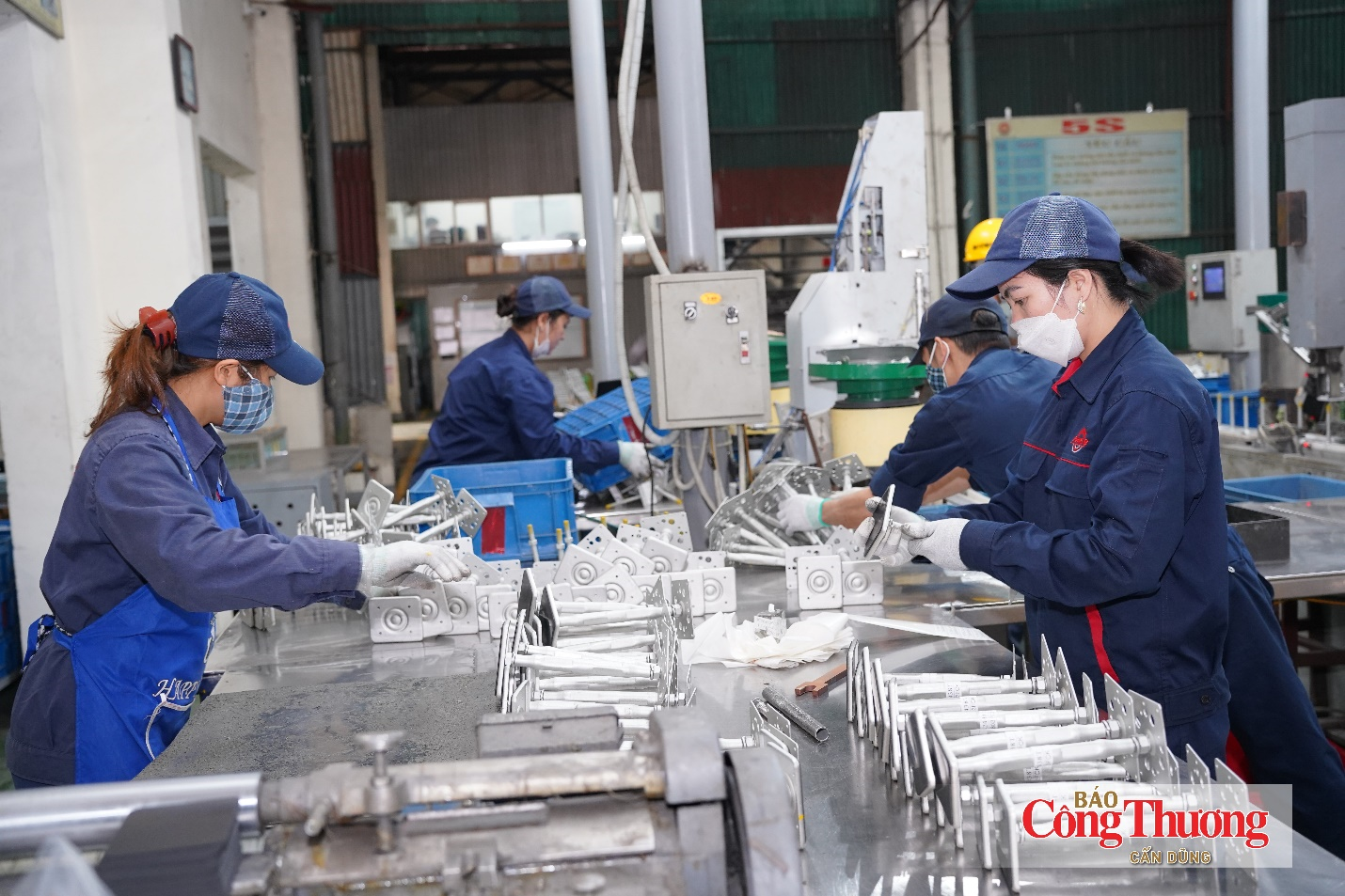
Vietnamese enterprises are facing opportunities to join the global aviation supply chain.
Vietnamese firms’ experience remains concentrated in mass production, while sectors such as aviation, semiconductor equipment, medical devices and renewable energy are highly specialized. When weighing MRO services against component manufacturing, most enterprises still lean toward making parts, as that aligns more closely with their established strengths.
“Most company CEOs come from engineering backgrounds, so production and manufacturing mindsets still dominate. However, some businesses have asked me where to begin in MRO, given how large the aviation market is. That shows there is genuine interest,” Binh said.
Under current regulations, low-altitude aircraft are already addressed. In practice, Vietnamese companies have begun participating in the unmanned aerial vehicle (UAV) segment, producing components, certain engine parts, frames and structural elements. UAVs are characterized by high production volumes. In Vietnam, some firms import complete OEM UAVs from China in large quantities to serve the domestic market. Due to operational characteristics, UAVs require frequent component replacement, as breakdown rates are relatively high.
“This is a segment we believe can be implemented immediately. If ranked by priority, there are currently three relatively clear opportunities for manufacturing enterprises in the aviation sector,” Binh said.
The first is UAVs, given the large market, high demand for replacement parts and the fact that Vietnamese companies have already taken initial steps into the segment.
The second is aviation component manufacturing, particularly for enterprises capable of producing discrete, single-unit parts. Although output volumes may not be large, profit margins are attractive and compatible with the production models of many Vietnamese firms.
The third is MRO services. However, MRO requires larger-scale enterprises and significant human resources. Most association members are small- and medium-sized companies, more familiar with production than operating complex technical service systems.
“Opportunities can be difficult to predict. It depends on the attitude and determination of each business owner. We may assess the situation one way today, but next year, as conditions change, enterprises may develop differently. At present, however, three concrete opportunities for Vietnamese manufacturers in aviation are clear: UAVs, aviation components and MRO,” Binh emphasized.
It is evident that the door to the aviation industry is not closed to Vietnamese enterprises. Crossing the threshold, however, requires methodical preparation, persistence and long-term strategy. From tangible opportunities such as UAVs and single-unit components to MRO services, each pathway demands upgrades in governance, technical standards and human resources.
As global supply chains are reshaped toward greater sustainability and flexibility, this moment presents both a challenge and an opportunity for Vietnam’s supporting industries to establish a new position, not merely participating, but gradually moving deeper into higher value-added, technology-intensive segments of the global value chain.
The aviation sector offers substantial room for Vietnamese supporting industry enterprises, from component manufacturing and the UAV segment to MRO services. Yet it is also a field defined by stringent standards and significant resource requirements. The opportunity is real, but to go further, companies must prepare systematically and elevate their capabilities with determination and discipline.
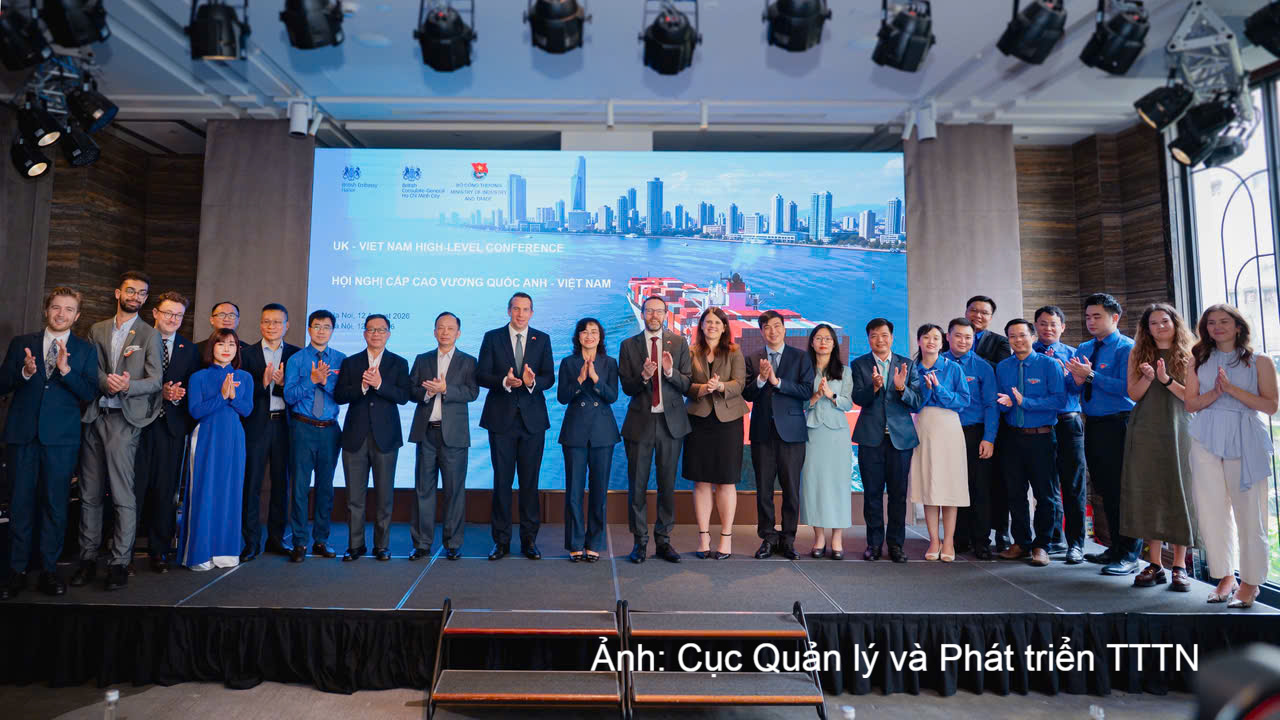
The 2026 UK - Viet Nam Summit was held in Ha Noi on August 12, focusing on fields that are creating new momentum for growth, including artificial intelligence (AI), financial technology, crypto assets, commodity derivatives markets and logistics.
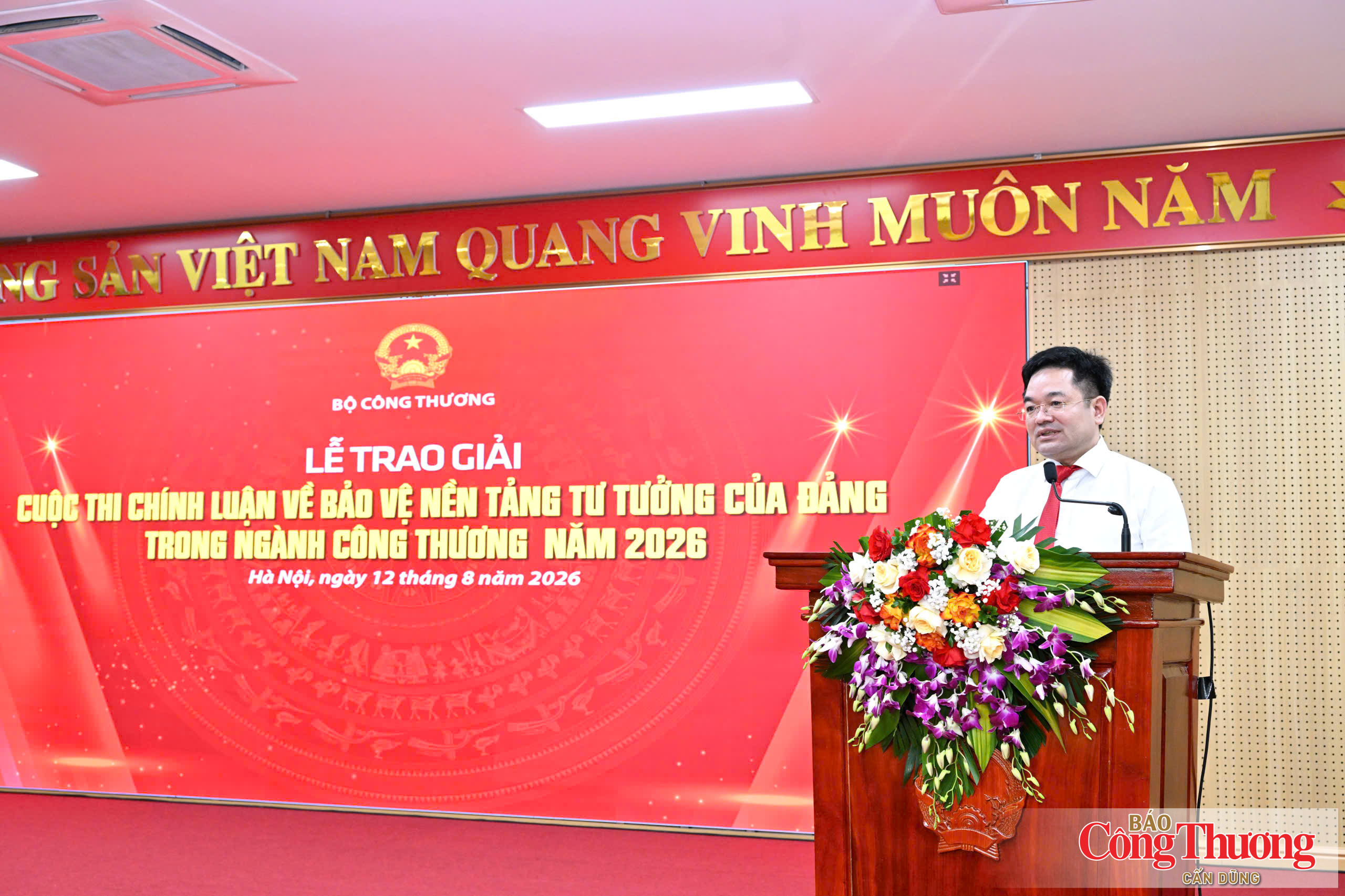
Editor-in-Chief of the Industry and Trade Newspaper Nguyen Van Minh said distorted narratives are defeated by counterarguments and undeniable realities when Party members perform their duties well too.
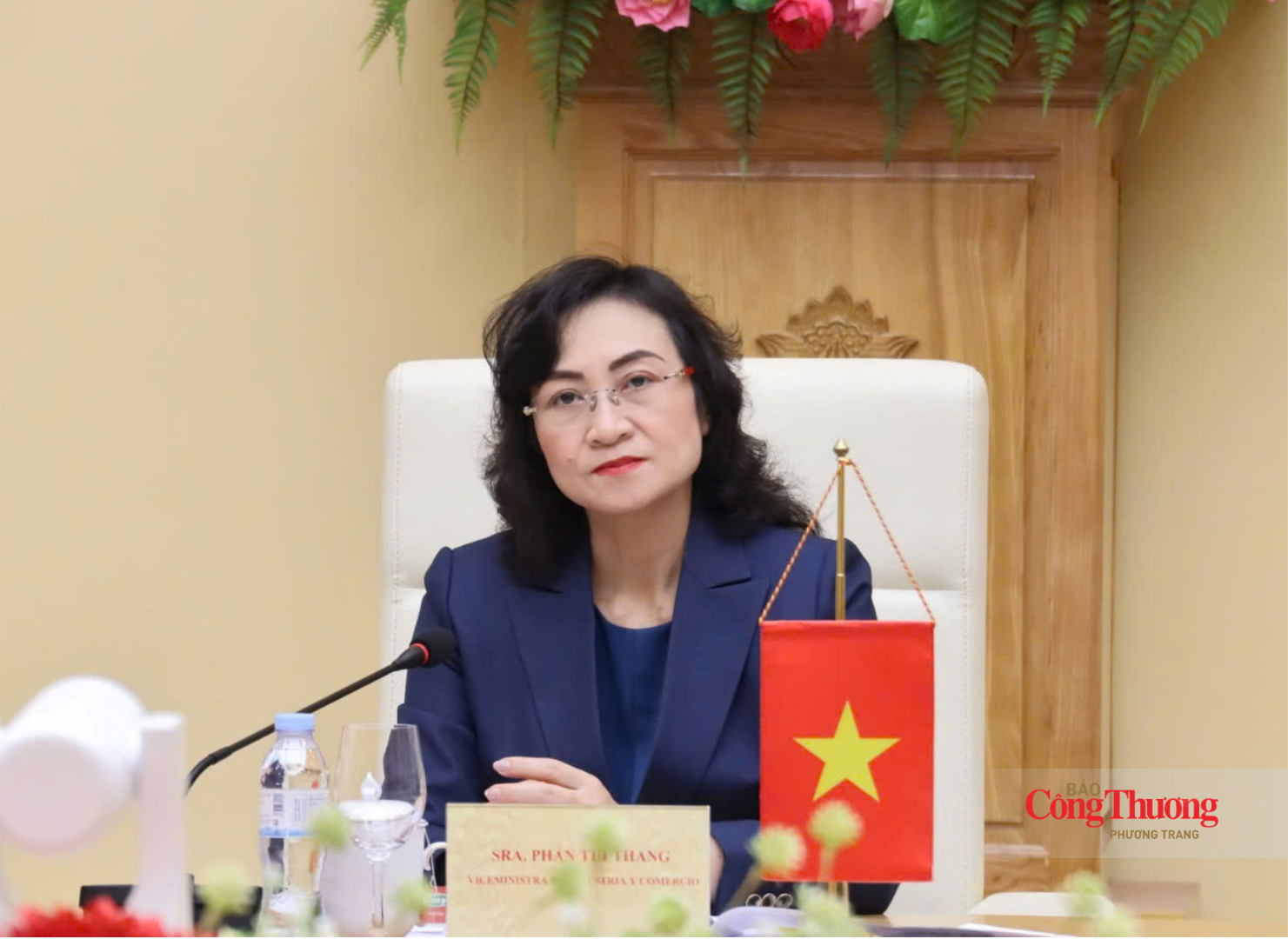
On August 12, Deputy Minister of Industry and Trade Phan Thi Thang held an online working session with Andrea Corao Faria, Venezuela's Deputy Minister for Asia, the Middle East and Oceania at the Ministry of Foreign Affairs and Foreign Trade.
Viet Nam and Australia are deepening energy and minerals cooperation strengthening supply chains, investment and support for the energy transition in both countries.
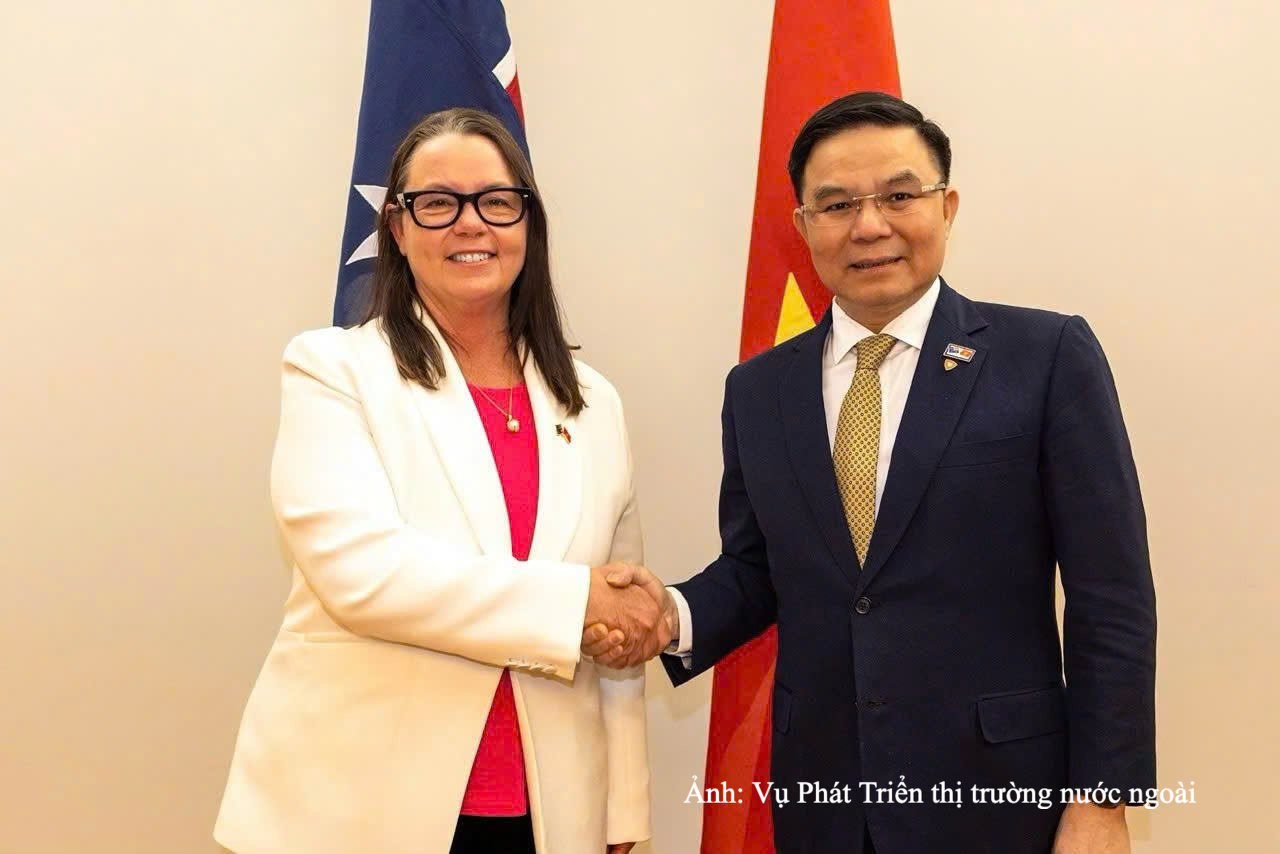
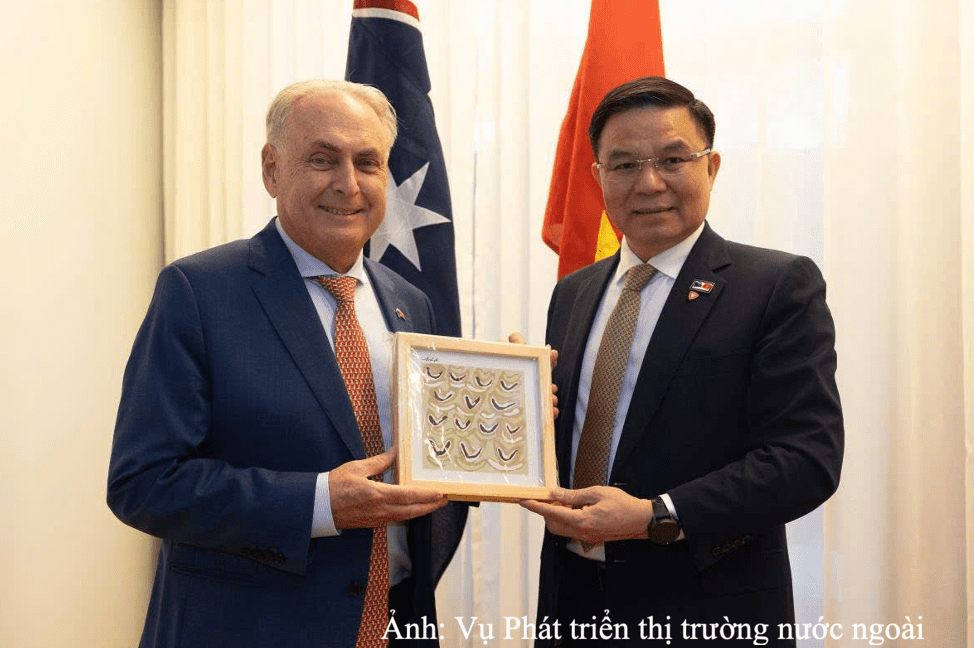
During his working trip accompanying Party General Secretary and State President To Lam on a State visit to Australia, Minister of Industry and Trade Le Manh Hung held a bilateral meeting with Australian Minister for Trade and Tourism Don Farrell in Canberra on August 11 (local time), to discuss measures to promote economic and trade relations between the two countries.
Viet Nam’s manufacturing industry must move beyond processing and assembly, master technology, raise localization and generate higher value across production chains.
KCN Vietnam has broken ground on its 21.9-hectare Song Than 3 project in Ho Chi Minh City, adding over 130,000 sqm of LEED-standard industrial space to the market.
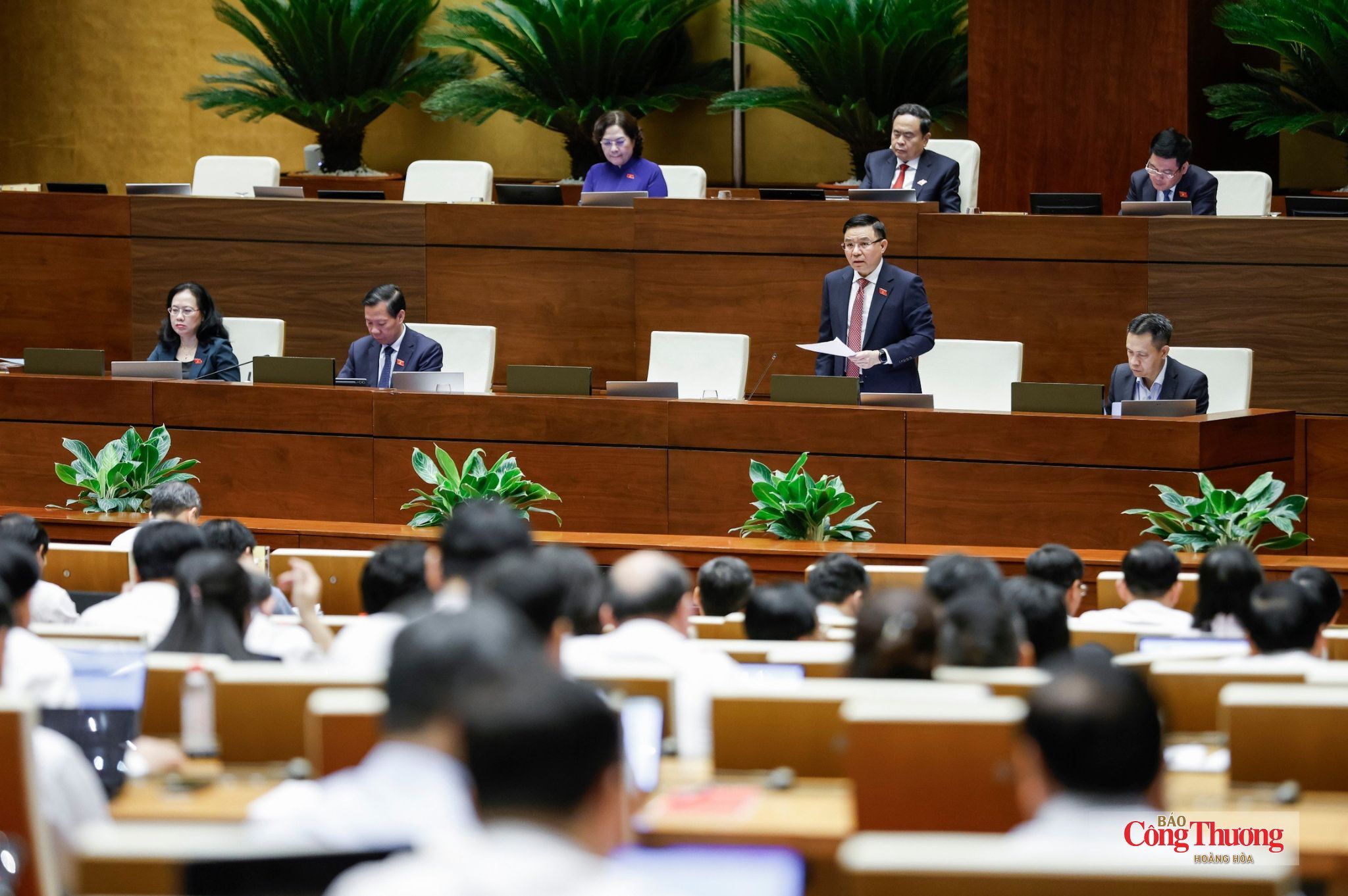
MoIT leader Le Manh Hung clarified major issues in the revised Petroleum Law, including decentralisation, investment incentives, CCS and offshore energy development.
The Netherlands offers strong opportunities for Vietnamese firms to enter manufacturing supply chains, but meeting strict market standards remains a major challenge.
As Vietnam advances its energy transition, battery energy storage systems (BESS) are emerging as a key solution for enhancing grid flexibility, increasing the integration of renewable energy and strengthening energy security.