The domestic market continues to play a pivotal role in macroeconomic stability and purchasing power activation, creating a foundation for double-digit GDP growth.
Maintaining macroeconomic momentum and activating domestic purchasing power
In 2025, despite facing numerous adverse factors ranging from the slow recovery of the global economy and prolonged geopolitical conflicts to rising logistics costs, Vietnam's domestic market affirmed its significant stability. Reports from the Domestic Market Management and Development Department under the Ministry of Industry and Trade show that the total retail sales of goods and consumer service revenue in 2025 are estimated at over VND 7.09 quadrillion, representing an increase of approximately 10 percent compared to the previous year. The retail market scale reached about USD 268 billion, serving as evidence that domestic consumption maintains a solid foundation and makes a vital contribution to stabilizing the macroeconomy.
Consumers at a supermarket. Photo: N.H
National commercial infrastructure continues to receive synchronous investment with a system comprising 8,300 traditional markets, 1,300 supermarkets, and nearly 280 commercial centers. Although traditional retail still accounts for a large proportion, the shift toward modern retail is occurring clearly. Along with this, market management work is strictly implemented to handle the trade of counterfeit and poor-quality goods, contributing to strengthening consumer confidence.
The most prominent highlight in 2025 was the rapid pace of digital technology application. E-commerce continued to grow by over 20 percent, bringing the total market transaction scale to approximately USD 32 billion and accounting for nearly 12 percent of total retail revenue. Investments in modern management systems and omni-channel sales trends helped businesses connect synchronously between online and direct platforms, enhancing customer service efficiency. The domestic market served not only as a place for consumption but also became an environment for testing and perfecting products while building brands for Vietnamese enterprises before expanding internationally.
Activating domestic market momentum
Entering 2026, the inaugural year of the five-year Socio-Economic Development Plan for the 2026 to 2030 period, the domestic market is identified as a key factor in achieving the double-digit GDP growth target. It is projected that total retail sales of goods and consumer service revenue in 2026 will reach approximately VND 7.88 quadrillion, an 11 percent increase compared to 2025, contributing about 75 percent to economic growth. With a population exceeding 106 million people and a high proportion of young citizens, Vietnam’s long-term consumption potential remains substantial.
Amidst a context where exports are heavily impacted by geopolitical fluctuations and trade protectionism trends in major markets such as the EU and the US, the domestic market plays a vital supporting role, helping the economy reduce its dependence on external volatility. This provides the conditions for domestic enterprises to improve their management capacity, directly operate supply chains, and standardize product quality. However, the market still faces several difficulties, such as unsynchronized infrastructure in remote areas and logistics costs remaining at a high level, accounting for approximately 16.8 to 17 percent of GDP.
Recognizing these issues, the Ministry of Industry and Trade is synchronously deploying various solutions, focusing on the implementation of Resolutions to promote domestic market development, stimulate consumer demand, and the “Vietnamese people prioritize using Vietnamese goods” campaign for the 2026 to 2030 period. The strategy for retail market development to 2030 also concentrates on promoting the model transition from traditional to modern and enhancing the competitiveness of Vietnamese products. Furthermore, activities to improve the institutional framework through the amendment of the Commercial Law and the formulation of projects for developing derivative commodity markets are being accelerated.
According to experts, if demand stimulation solutions are effectively implemented alongside institutional reforms and the streamlining of management apparatuses, the domestic market will transform from a supporting role into a vital growth driver alongside exports and investment. The thoroughly grasped motto of prioritizing production and goods circulation will serve as the basis for Vietnam to achieve its double-digit GDP growth target, creating a solid foundation for long-term development amidst a volatile global economy.
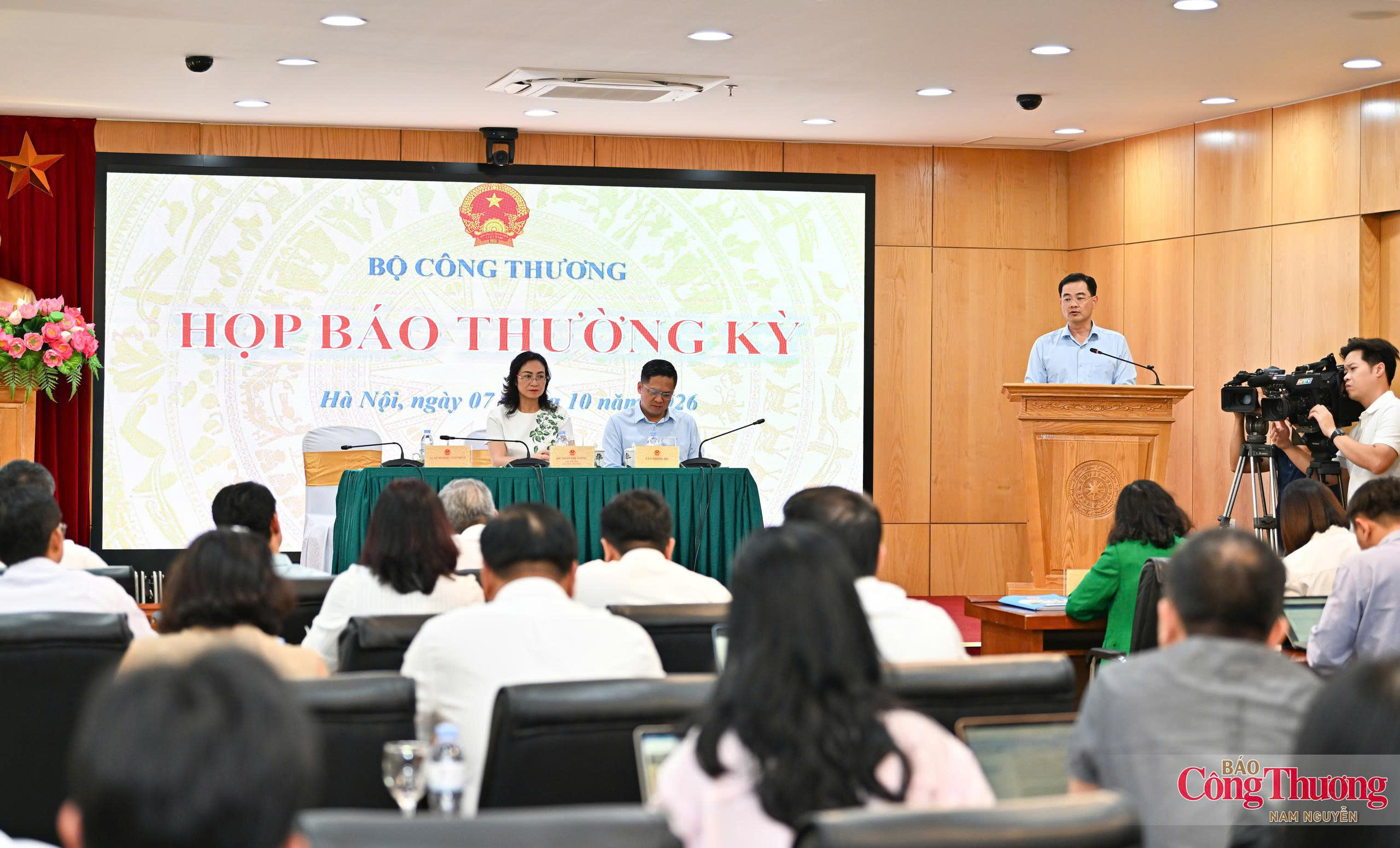
The Ministry of Industry and Trade (MoIT) held its regular press conference for the third quarter of 2026 in Ha Noi on the afternoon of October 7, chaired by Deputy Minister Phan Thi Thang.
Deputy Minister of Industry and Trade Luong Hoang Thai emphasized that building the national brand is a driving force for improving Viet Nam’s competitiveness and international standing.
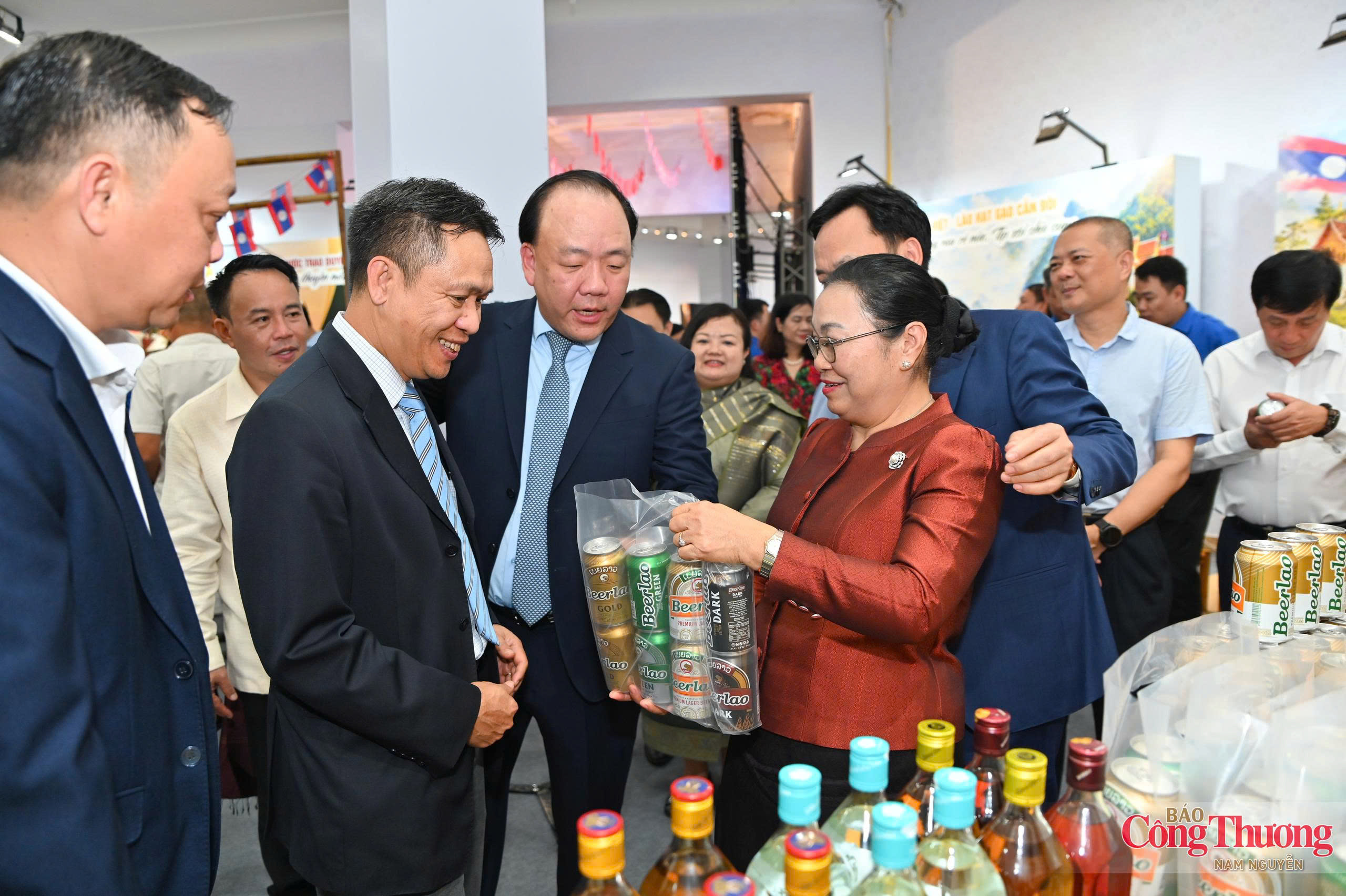
The official visit to Laos by Prime Minister Le Minh Hung is expected to inject fresh momentum into bilateral relations, with economic, trade and investment cooperation continuing to serve as a core pillar.
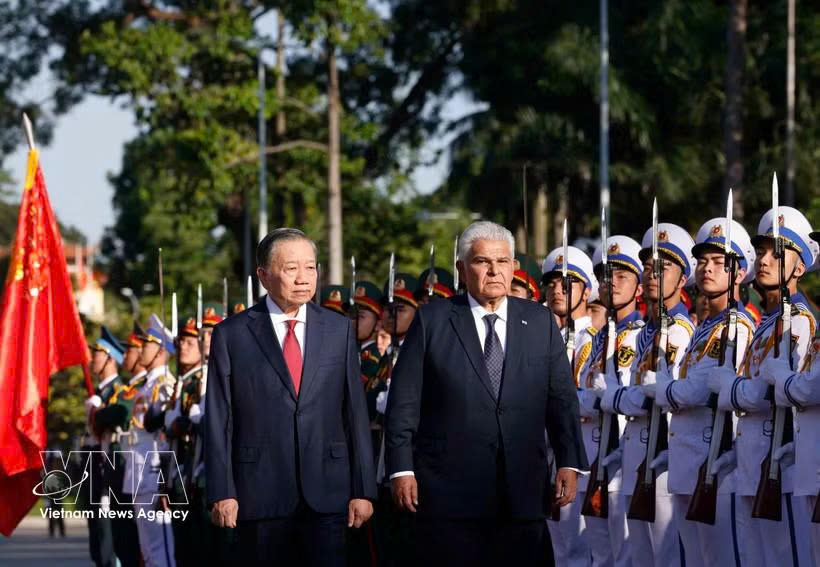
The Panamanian President’s visit is expected to contribute to further deepening and making the traditional friendship and cooperation between the two nations more substantive and effective.
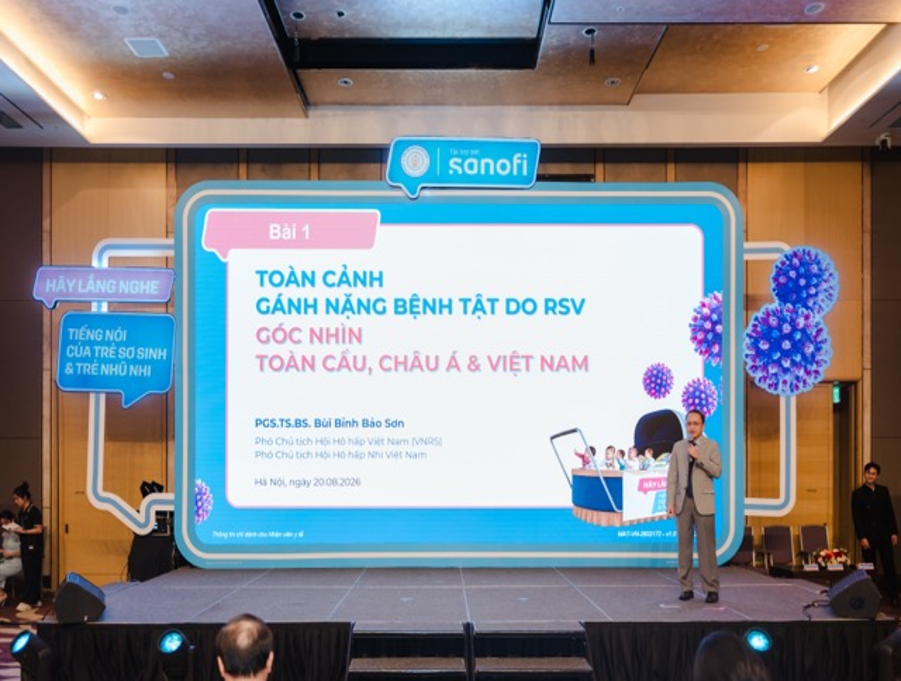
Experts warn that RSV can hospitalize even healthy infants under one, with severe cases linked to long-term respiratory problems and no specific treatment available.
Vietnamese and international experts call for routine influenza vaccination to better protect older adults from severe complications and preventable deaths.
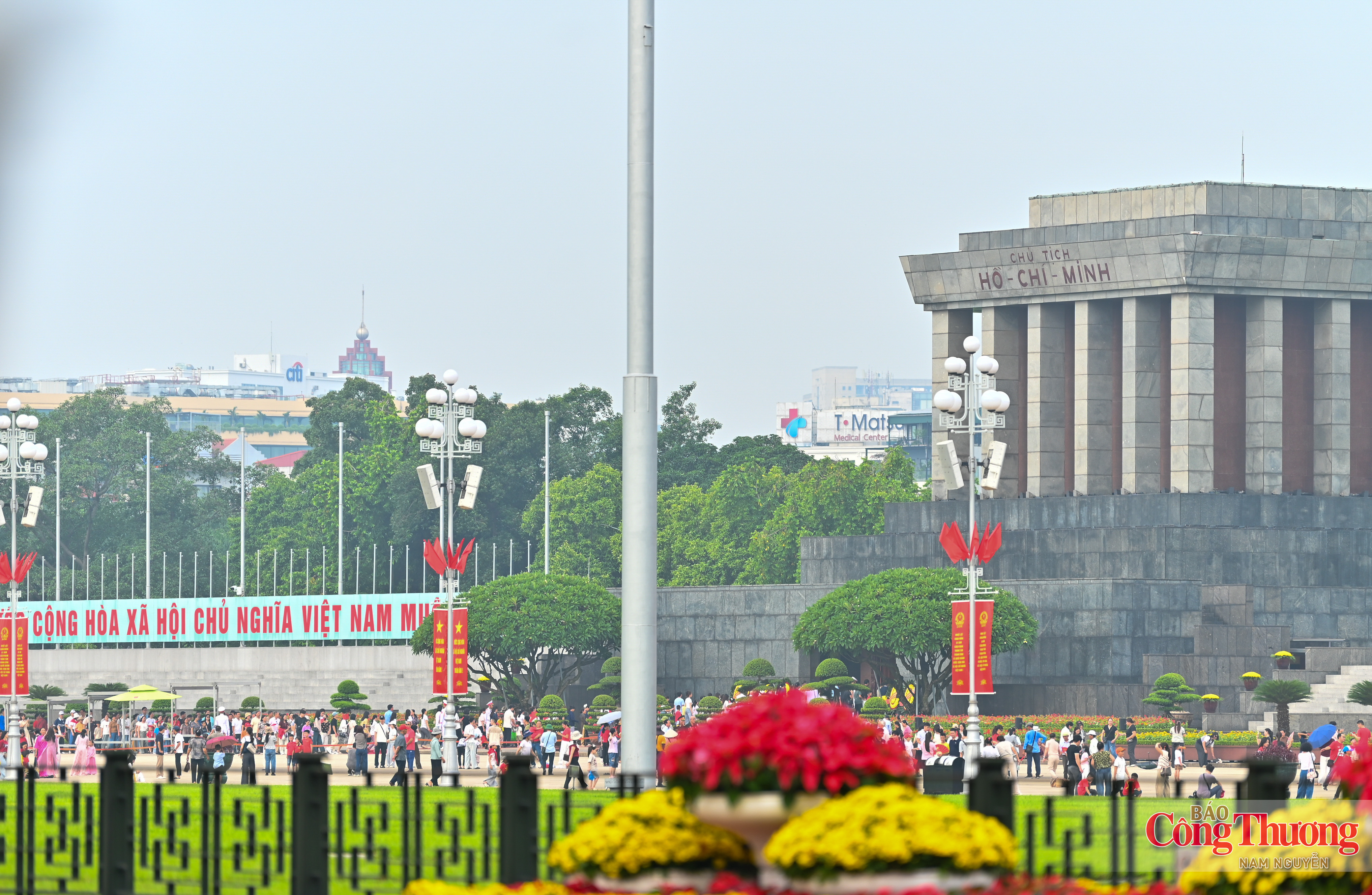
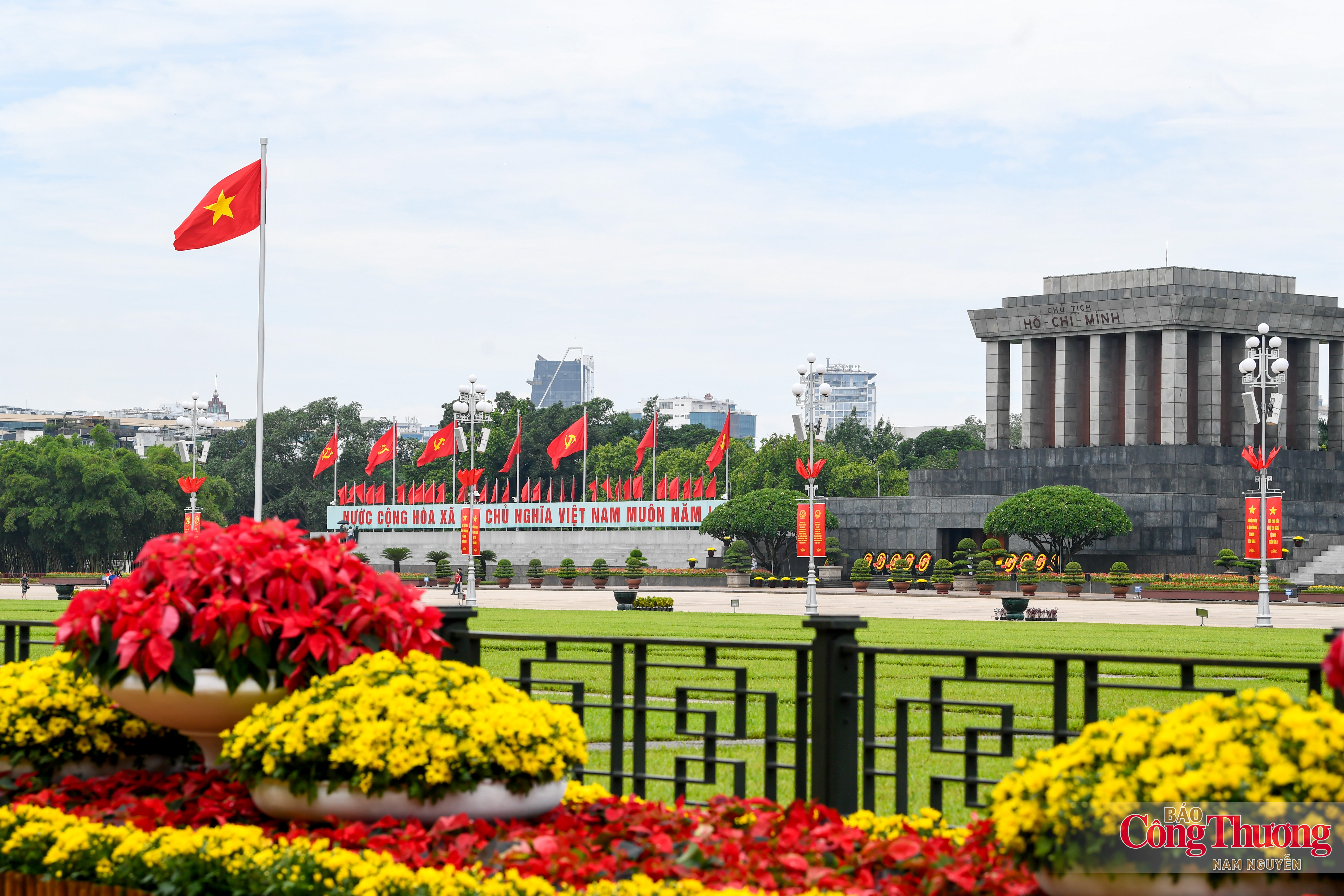
On the morning of September 1, tens of thousands of people nationwide flocked to Ba Dinh Square in Ha Noi to visit Ho Chi Minh Mausoleum and pay tribute.
In the lead-up to National Day on September 2, Ha Noi is awash in red flags and festive decorations, creating a vibrant atmosphere and stirring national pride.
Nearly 1,000 healthcare professionals attended RSV workshops in Hanoi and Ho Chi Minh City organized by the Vietnam Pediatric Association and sponsored by Sanofi-Aventis Vietnam.