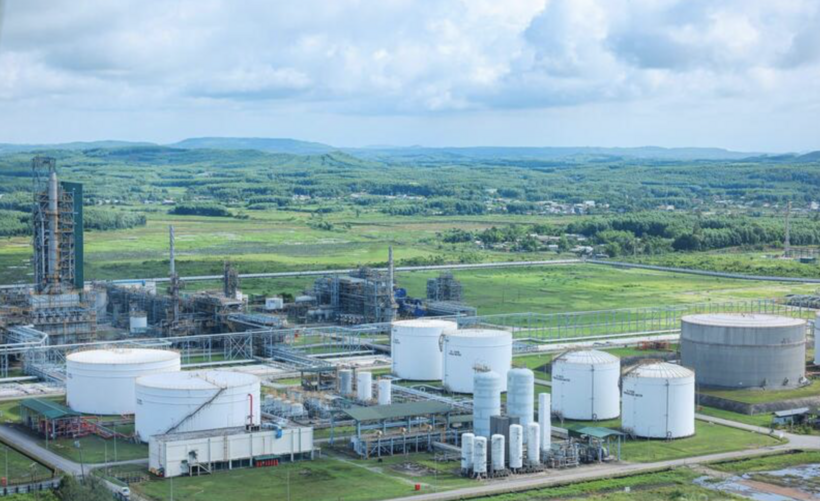
Vietnam’s Industry and Trade sector is rolling out a structured green transition through clear policies, roadmaps, supporting sustainable growth and net-zero goals.
A key lever for growth
According to the Department of Innovation, Green Transition and Industrial Promotion under the Ministry of Industry and Trade (MoIT), green transition is no longer a long-term strategic option, but has become an urgent requirement of the development process, particularly as Vietnam pursues high economic growth while ensuring macroeconomic stability, environmental protection and the fulfillment of international commitments toward net-zero emissions.
For the industry and trade sector, which oversees key pillars of the economy such as industrial production, energy and trade programmes on sustainable production and consumption, circular economy and green transition are not only a responsibility, but also a critical lever for restructuring the growth model, improving the efficiency of resource and energy use, reducing long-term costs, and enhancing the competitiveness of Vietnamese enterprises within global value chains.
Vietnam’s industry and trade enterprises step up green transition in tandem with digital transformation.
Thoroughly grasping major Party orientations and the decisive direction of the Government and the Prime Minister, and under the close, consistent leadership of the MoIT, the sector has, in recent years, proactively rolled out green transition efforts in a methodical and well-sequenced manner, through a series of concrete policies, programmes and action plans.
Notably, at the outset of the 2020 - 2025 period, the Ministry submitted to the Prime Minister for promulgation the National Programme on Energy Efficiency and Conservation for the 2019 - 2030 period, as well as the National Action Plan on Sustainable Production and Consumption for 2021 - 2030. These programmes aim to scale up activities nationwide in energy efficiency and sustainable production and consumption.
In parallel, the Ministry proactively issued the Action Plan on Climate Change Response and Green Growth for the industry and trade sector through 2030, with a vision toward 2050, clearly identifying solutions to reduce emissions across the sector.
In December 2024, the MoIT issued Directive No. 14/CT-TTg on promoting the circular economy within the sector, defining key task groups ranging from policy improvement and the promotion of circular economy models, to market development, science and technology research, capacity-building and training, enhanced communication, strengthened international cooperation, and the development of management-supporting databases.
In particular, the Action Plan for Implementing the Circular Economy in the industry and trade sector through 2035, issued on October 29, 2025, further specified the sector’s responsibilities in implementing the National Action Plan on Circular Economy. With five core task groups, the plan establishes a comprehensive and coherent framework to ensure that green transition efforts move beyond formality and into substantive implementation.
Four major strategic orientations
According to the Department of Innovation, Green Transition and Industrial Promotion, based on practical reviews and consultations with international organizations and the business community, the MoIT has identified several major orientations for the coming period to accelerate green transition in the sector, contributing to the realization of fast and sustainable growth.
First, the Ministry will further refine the institutional and policy framework, prioritising the development of standards, regulations and technical guidance on green transition and the circular economy across industry, trade and industrial clusters, thereby establishing a clear, stable and implementable legal environment for businesses.
Second, targeted support will be provided to help enterprises adopt green technologies, solutions and production business models suited to sector-specific conditions and firm size. Green transition objectives will be systematically embedded in existing programmes on sustainable production and consumption, energy efficiency, industrial promotion, innovation and digital transformation, with a consistent focus on practicality, impact and scalability.
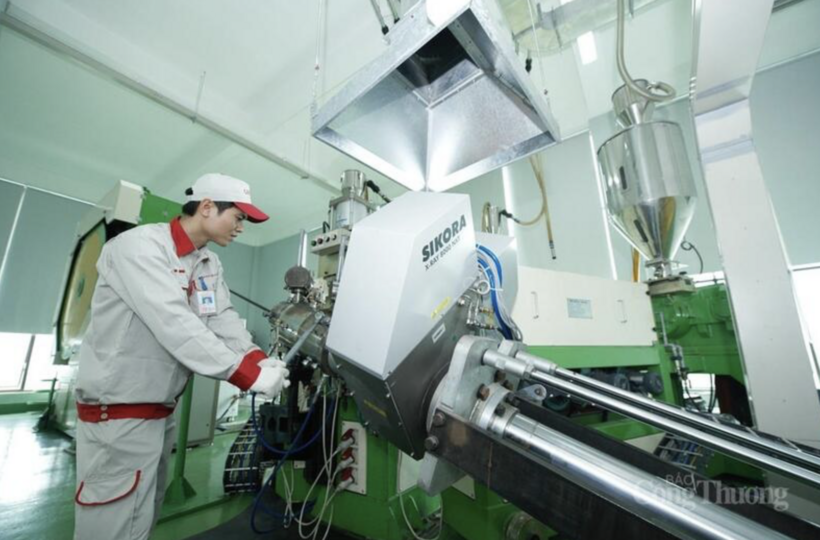
Many enterprises have proactively invested in technological innovation to optimize production.
Third, the Ministry will intensify sustainable trade promotion in tandem with communication and market guidance. Trade promotion activities will be reshaped to prioritise environmentally friendly products, technologies and materials that meet green standards, while successful corporate practices in green transition will be highlighted and disseminated to generate demand-driven momentum from both markets and consumers.
Fourth, stronger inter-sectoral, inter-regional coordination and international cooperation will be pursued to help enterprises enhance capabilities and gain access to technical solutions and green finance. Given the inherently cross-cutting nature of green transition, effective implementation hinges on close, synchronised collaboration among ministries, sectors, local authorities and domestic and international partners.
Green transition is a long-term process that requires persistence, consistency and close collaboration among the State, enterprises and society as a whole. The Department of Innovation, Green Transition and Industrial Promotion will continue to work closely with units within and beyond the Ministry to effectively implement approved policies and orientations, accompanying enterprises throughout the transition process in a substantive and sustainable manner.
Building on the Government’s strategic direction, the leadership and management of the MoIT, together with the coordinated efforts of ministries, sectors, local authorities and the business community, the green transition is being implemented in an increasingly substantive manner. This progress is helping enhance growth quality and drive fast, sustainable development across the industry and trade sector and the national economy.
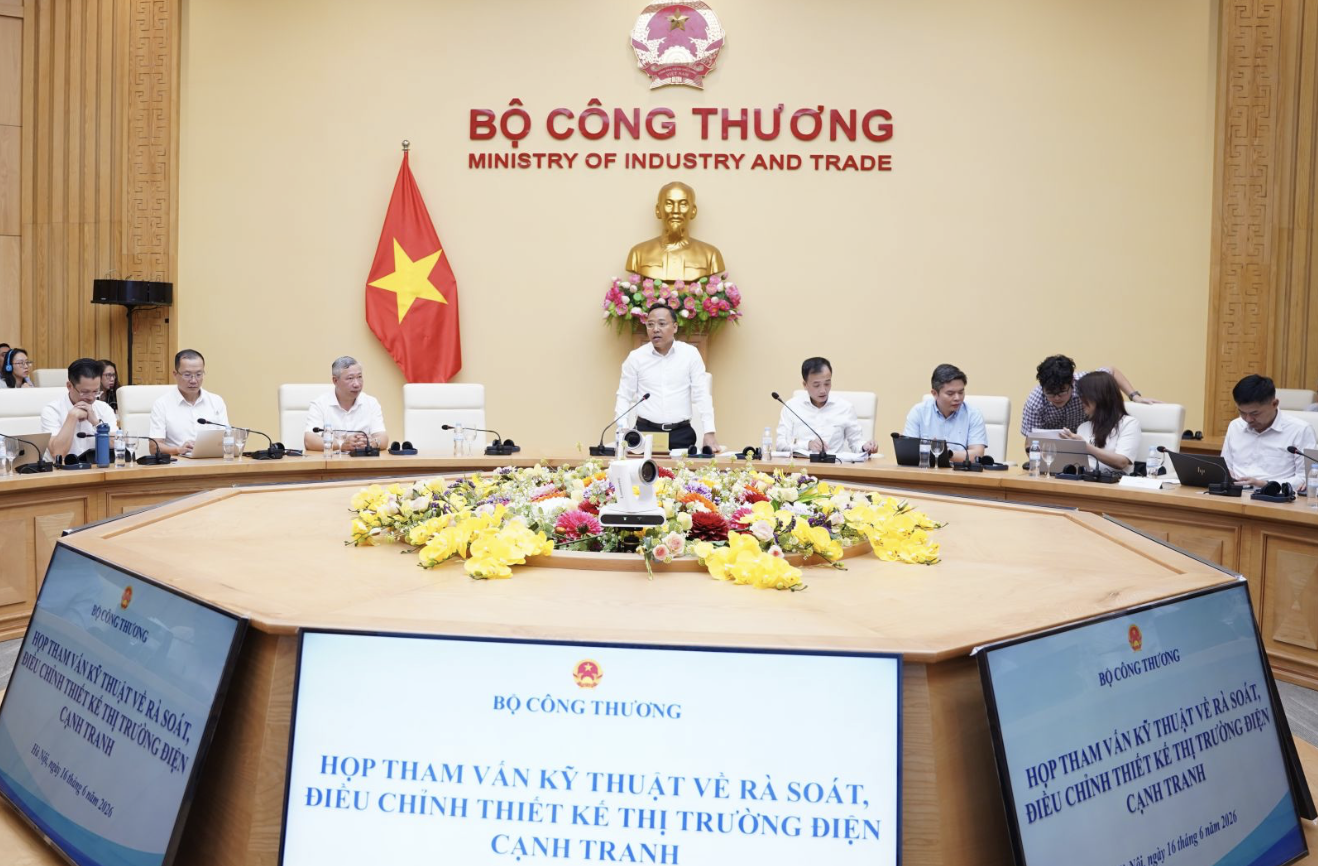
Ministry of Industry and Trade (MoIT) held a technical consultation in Hanoi on reviewing and adjusting the design of Vietnam’s competitive electricity market.
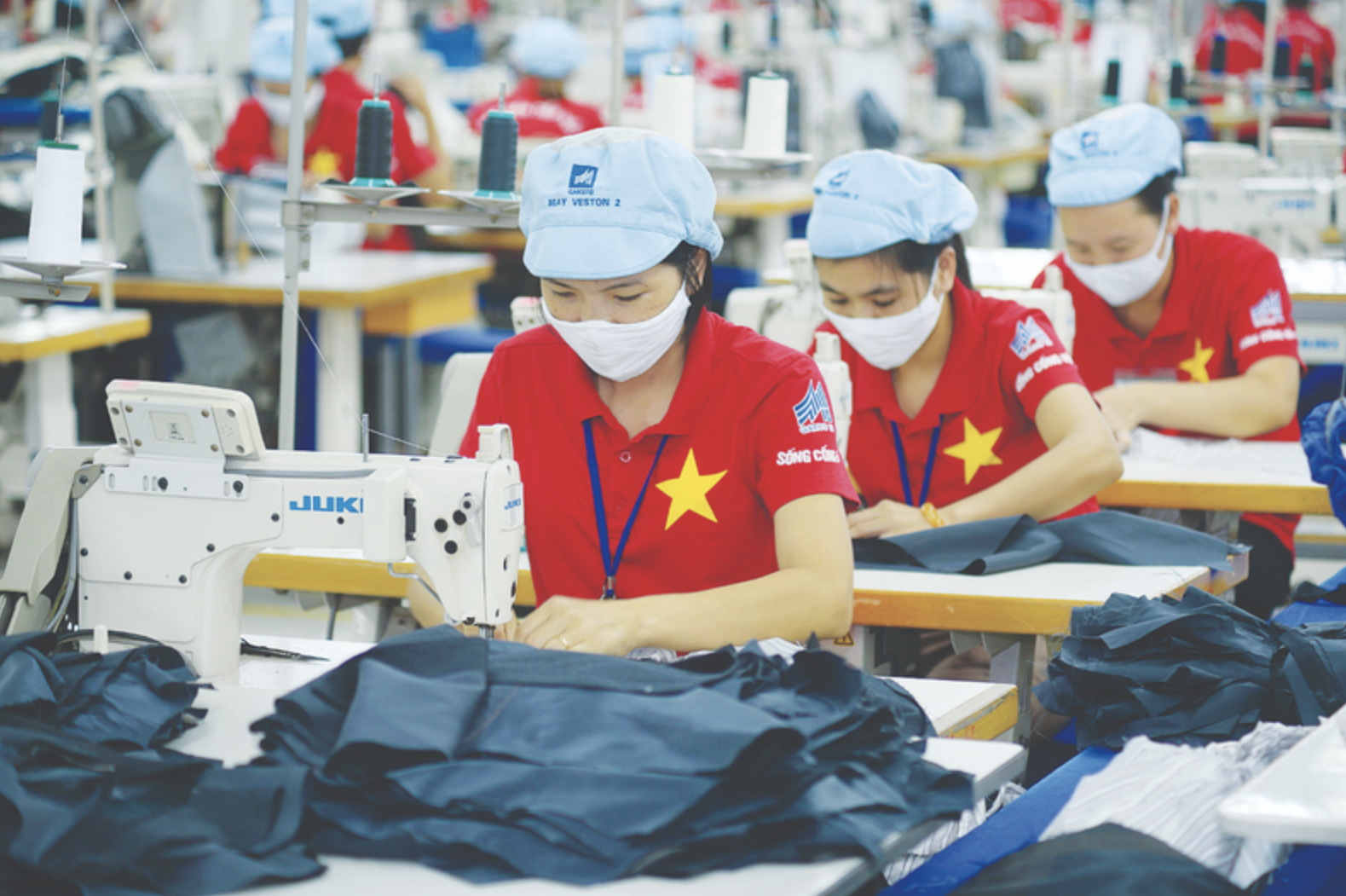
Textiles and garments continued to be one of Vietnam’s leading export categories to the Russian market in the first five months of 2026, generating export revenue of more than USD 106.99 million.
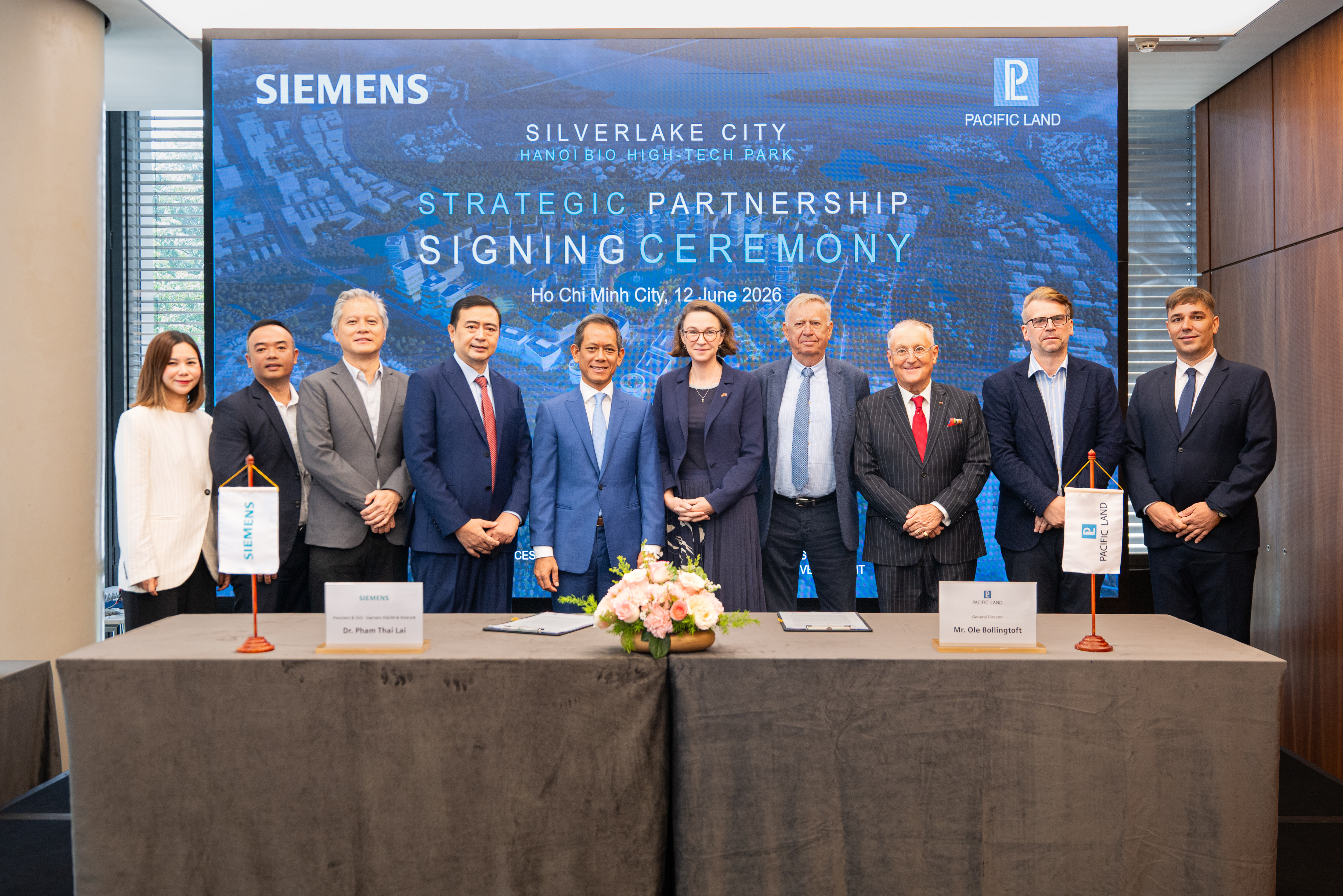
Siemens and Pacific Land will transform Silverlake Bio Hi-Tech Park into a smart, sustainable innovation hub supporting Vietnam’s high-tech growth ambitions.
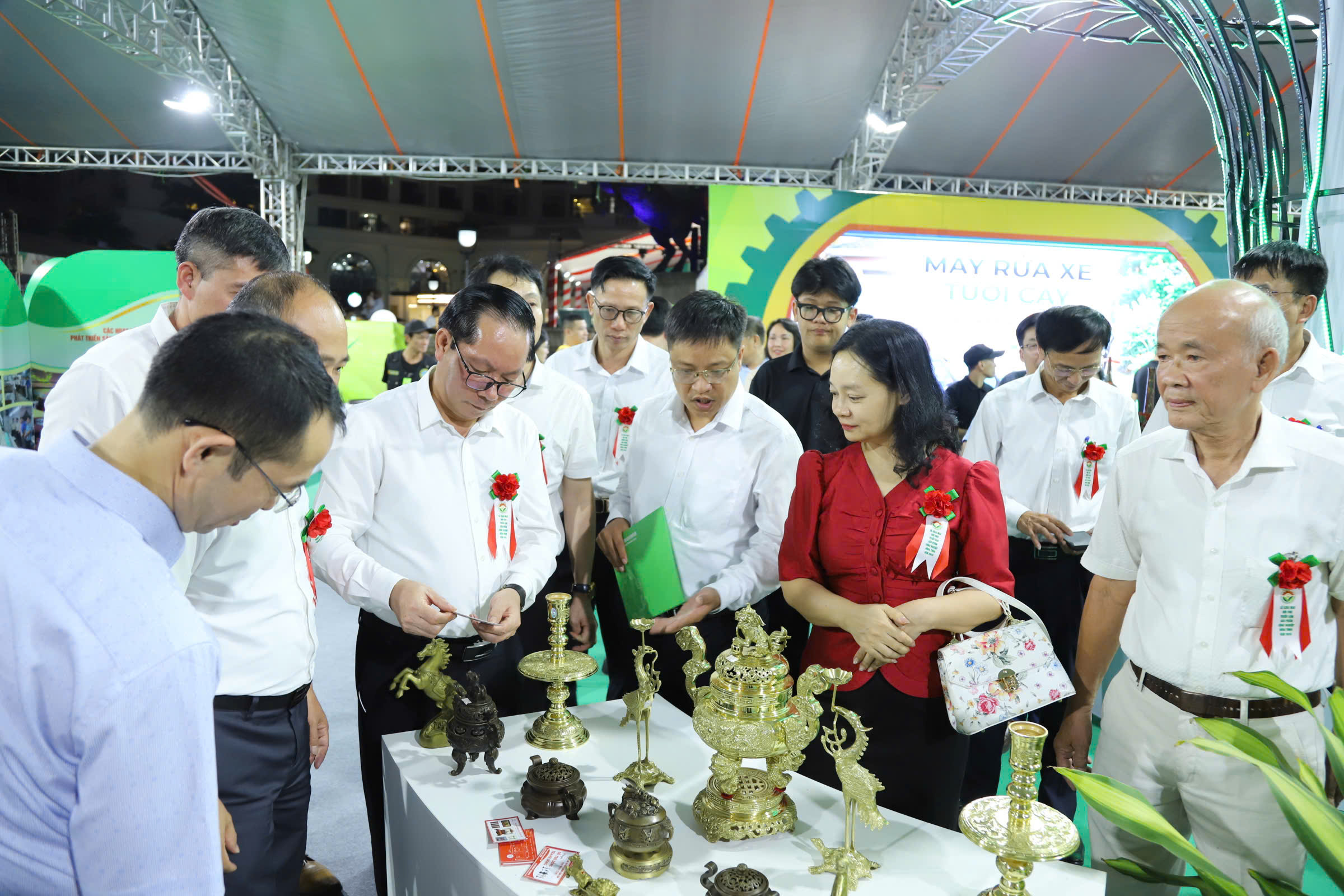
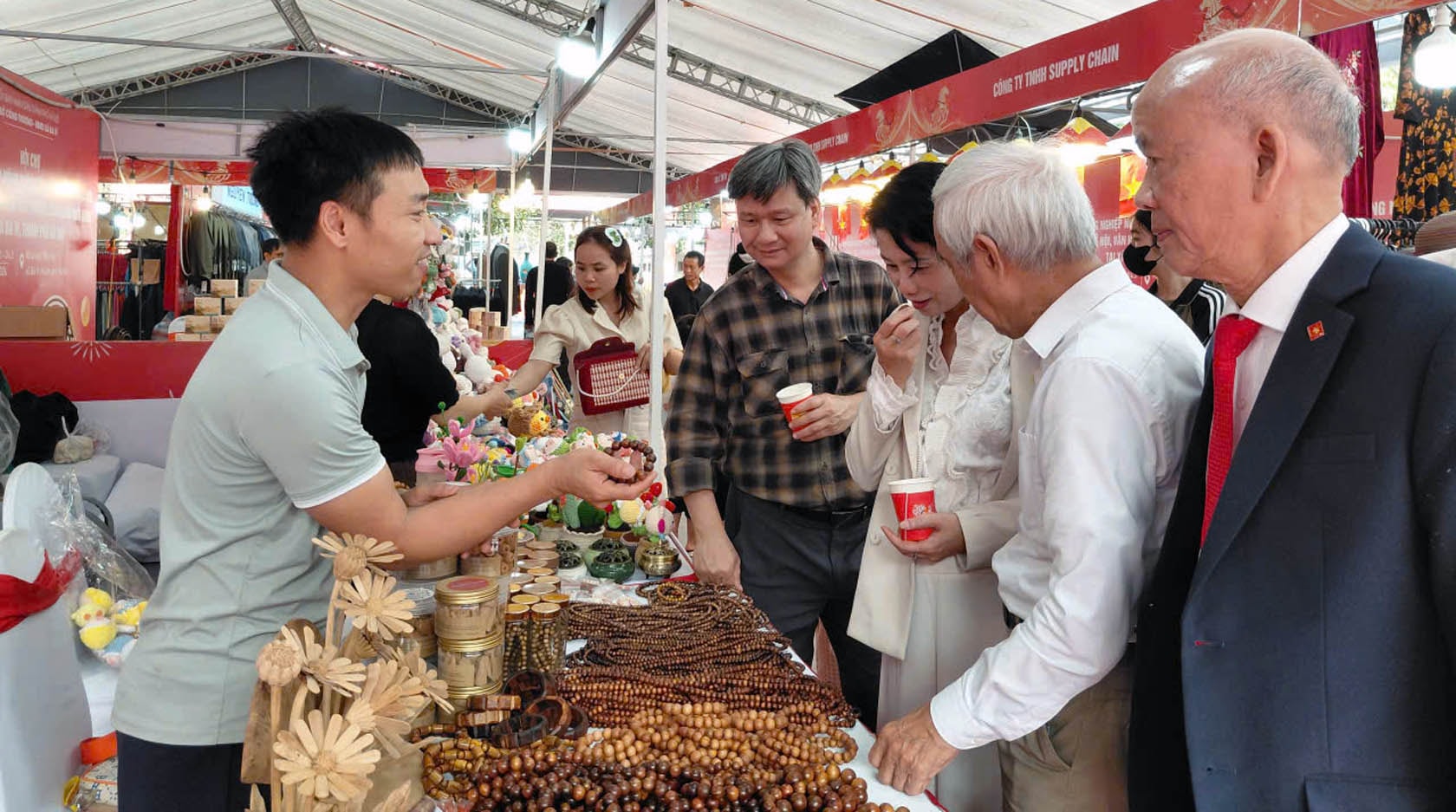
The Rural Industrial Products Fair and Exhibition 2026 has attracted more than 300 booths from provinces and cities across the country, helping promote outstanding rural industrial products, strengthen business connections, and expand consumer markets.
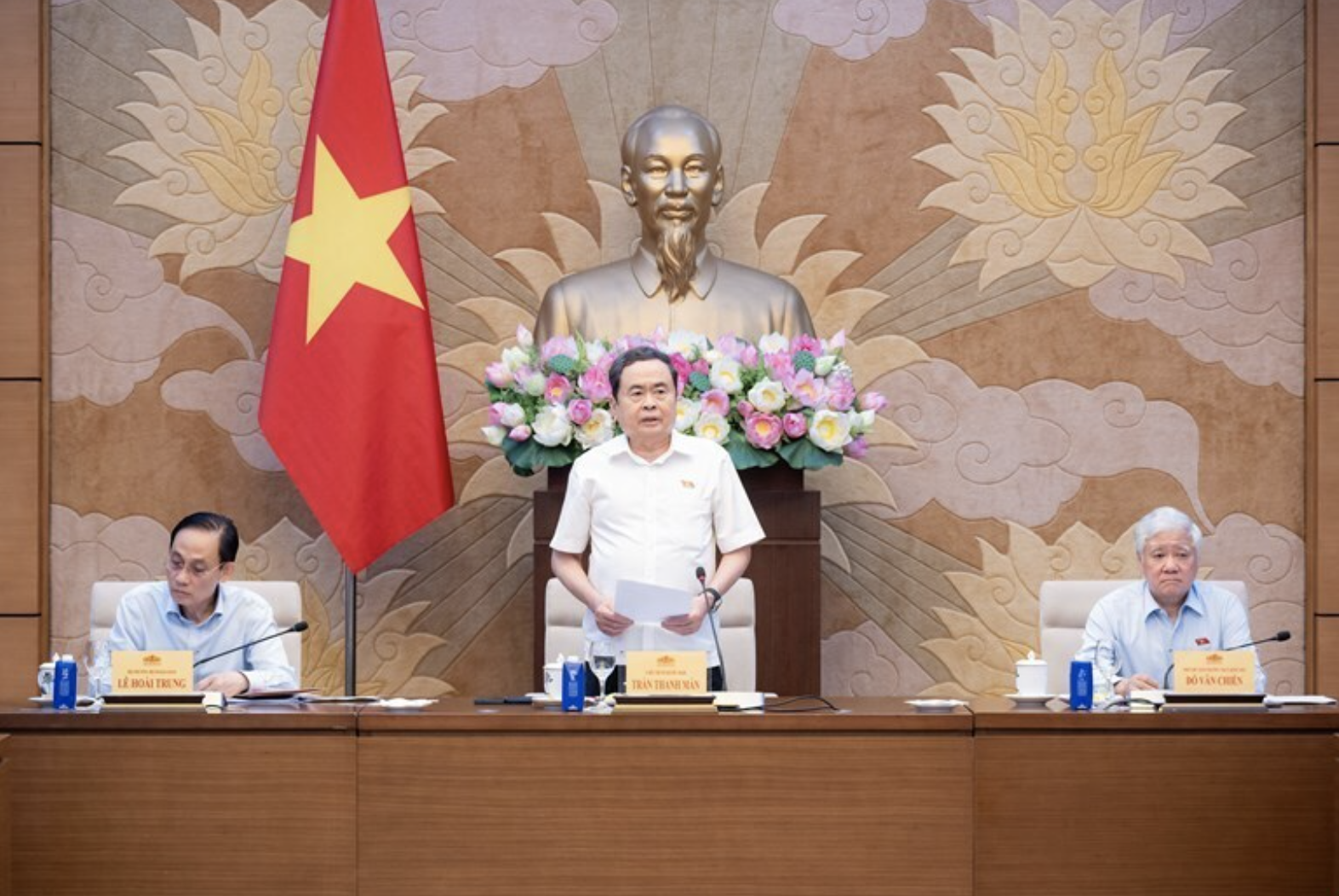
National Assembly Chairman Tran Thanh Man stressed that in the country's new stage of development, foreign affairs must not only contribute to safeguarding the nation from an early stage and from afar, but also serve as a key driver of development.
The Rural Industrial Products Fair and Exhibition 2026 has attracted more than 300 booths from provinces and cities across the country, helping promote outstanding rural industrial products, strengthen business connections, and expand consumer markets.
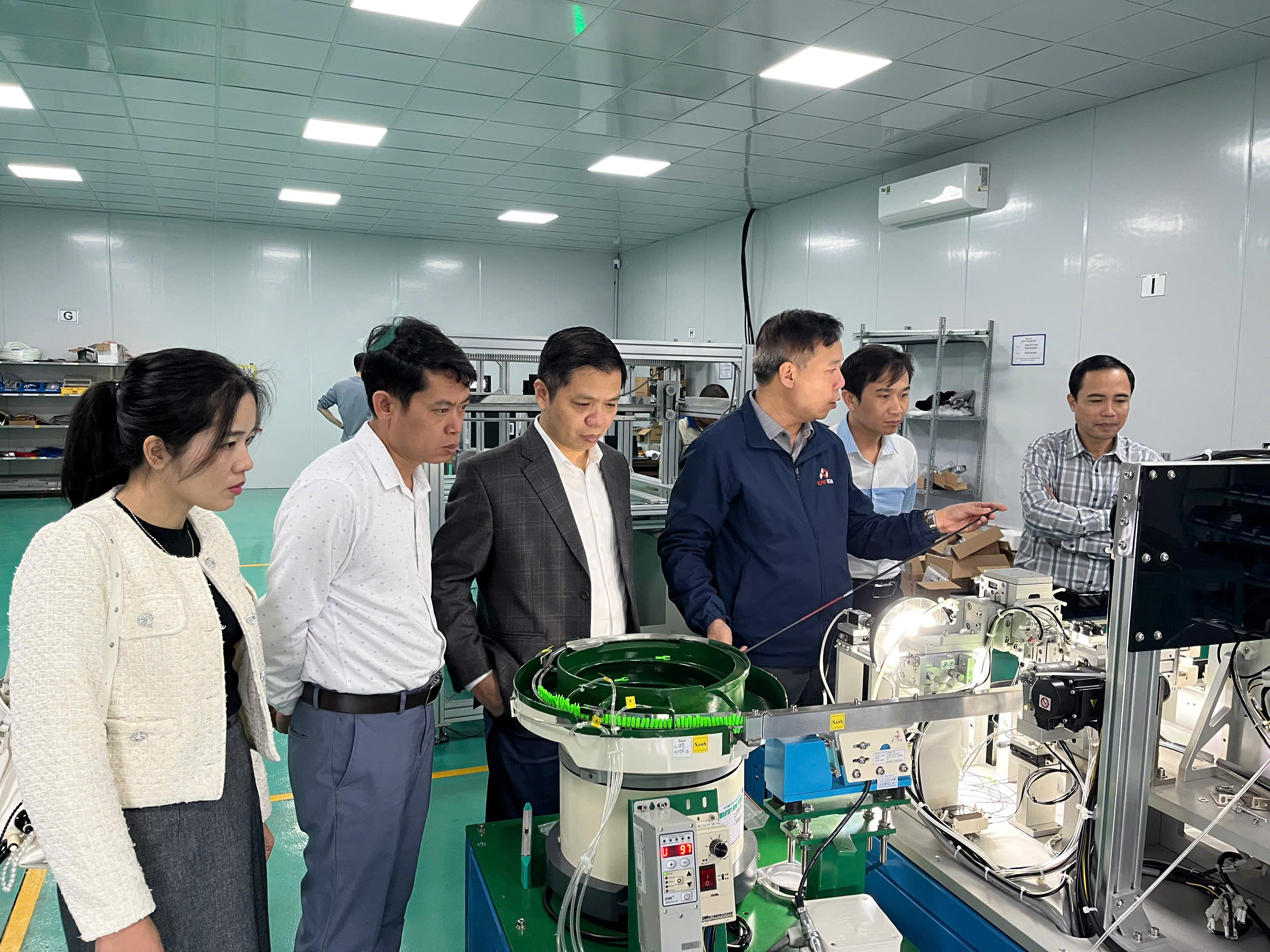
To further enhance the effectiveness of the national industrial promotion program, representatives from provincial Departments of Industry and Trade have proposed increasing support expenditures during the 2026-2030 period to align with the growing demands of digital transformation, green transition, and technological innovation at production facilities.
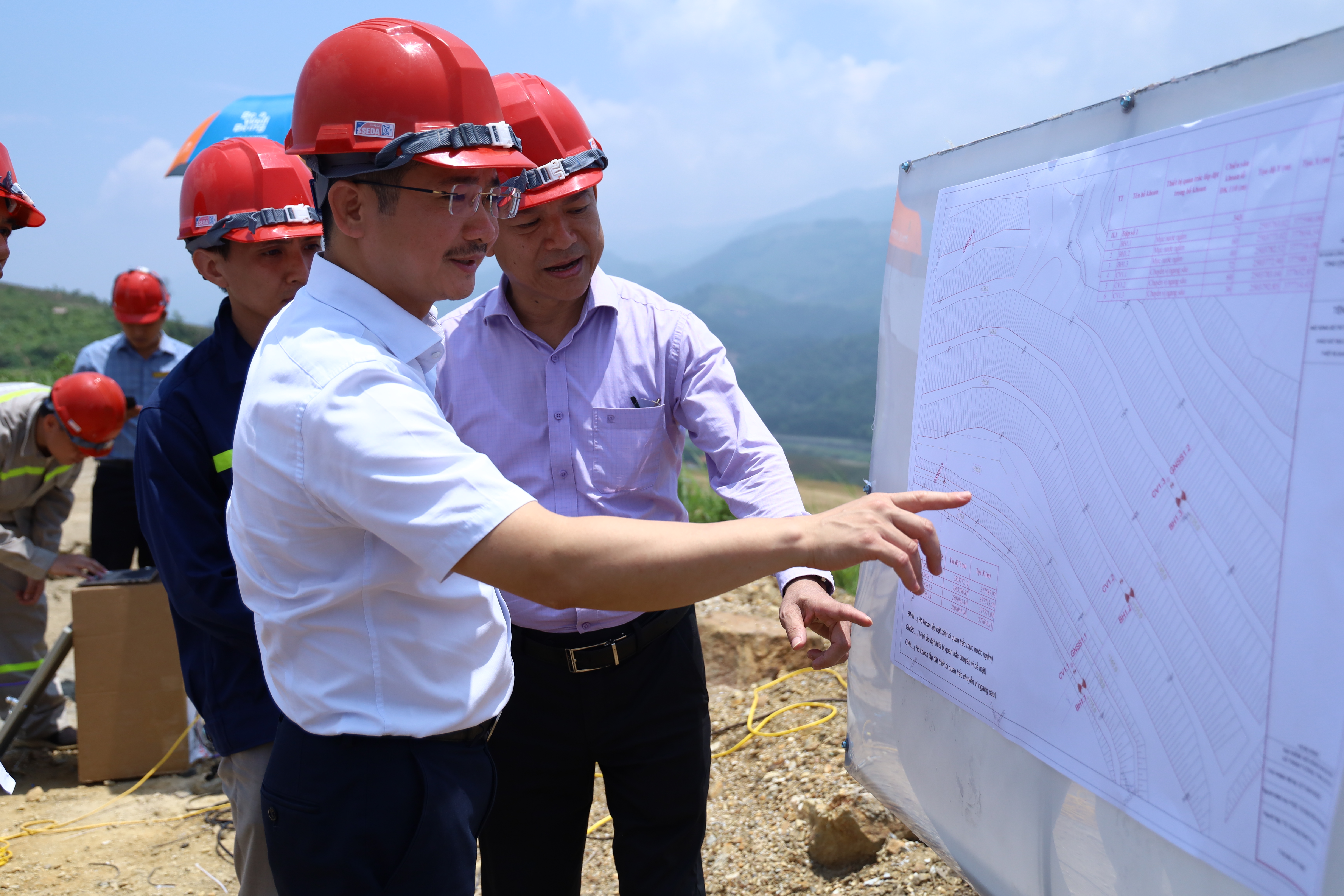
The Ministry of Industry and Trade (MoIT) delegation inspected TKV Minerals Corporation JSC (Vimico)’s 2026 storm-season preparations, highlighting AI-based monitoring and early warning systems to strengthen mine safety efforts