Despite global headwinds, Vietnam’s industry has sustained growth in 2021–2025. Optimizing “new-generation” FDI is key to upgrading.
Vietnam’s industrial landscape
Industry has always played a foundational role in every country’s socio-economic development. For Vietnam, industrial development that is efficient, sustainable, environmentally friendly, and capable of effectively mobilizing resources has been identified as a key condition for realizing the goal of becoming a developing country with modern industry and upper-middle income status by 2030.
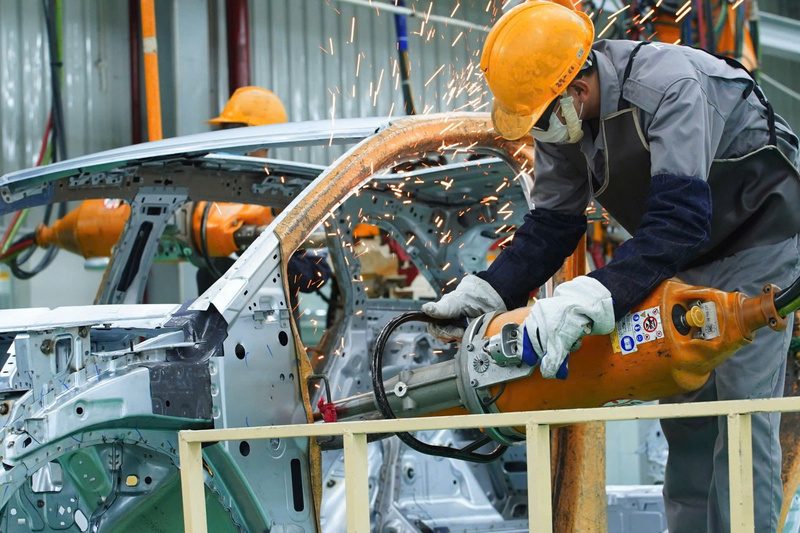
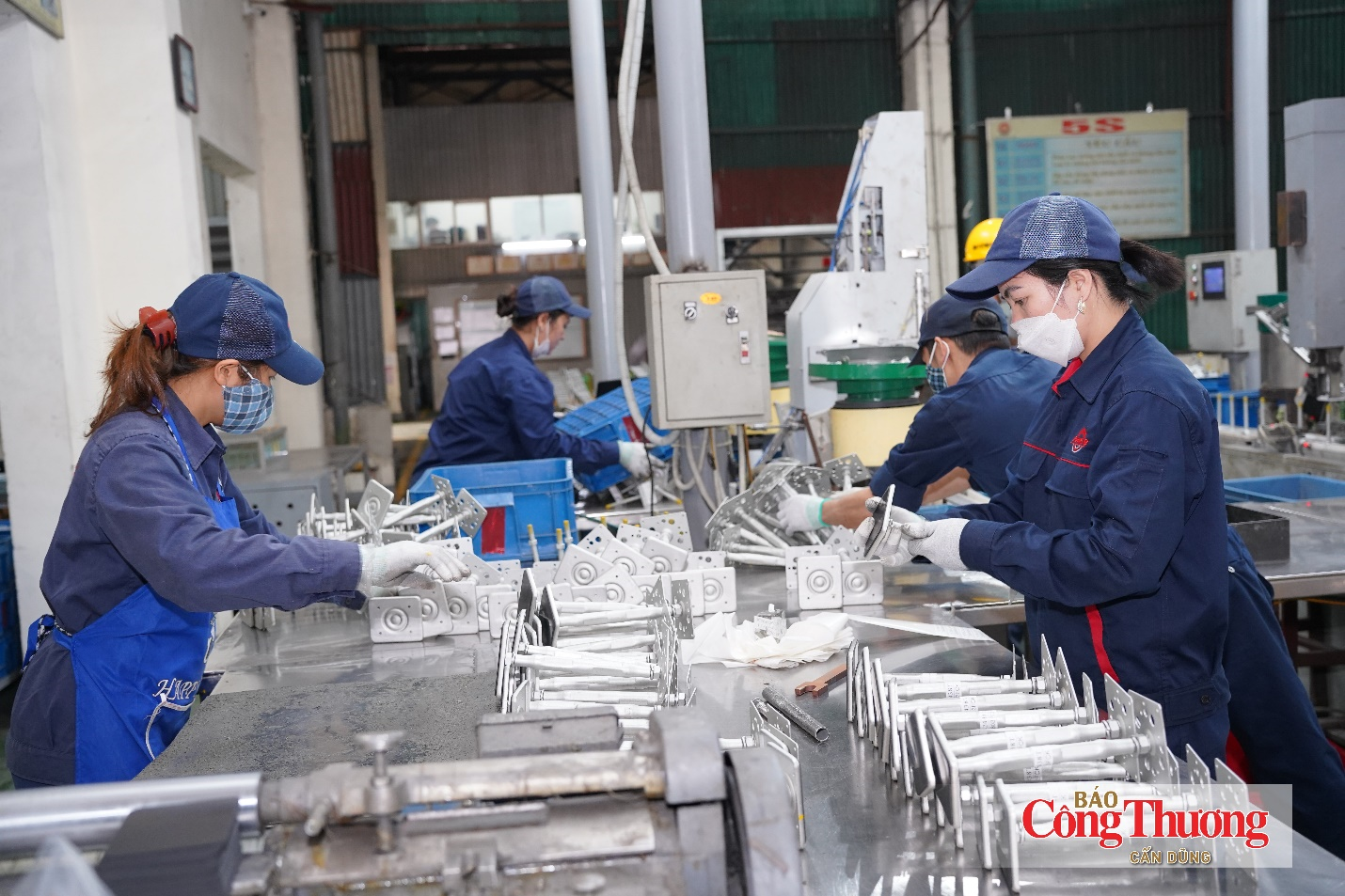
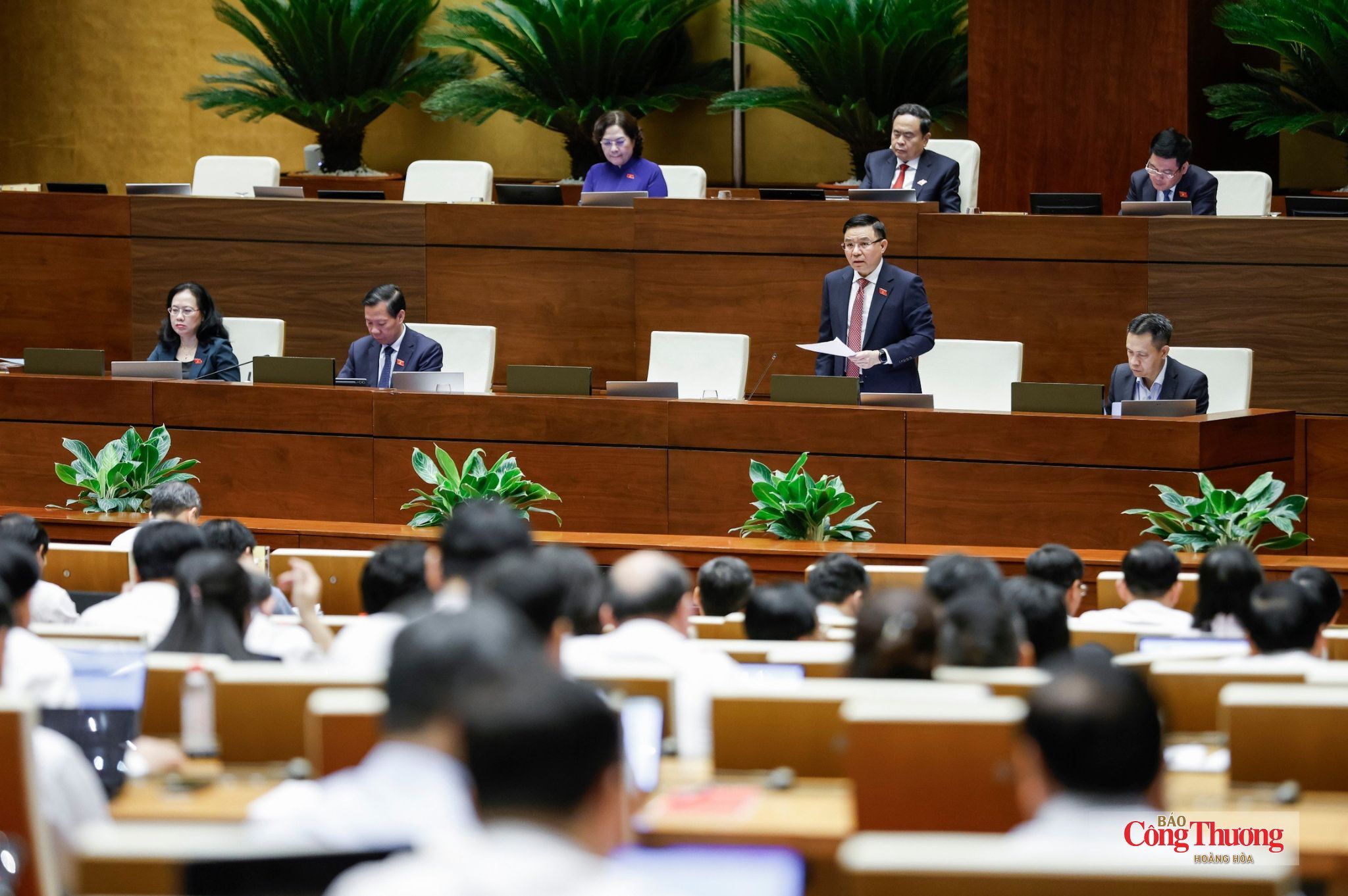
Attracting FDI continues to provide a strong impetus for Vietnam’s industrial development. Photo: Cấn Dũng
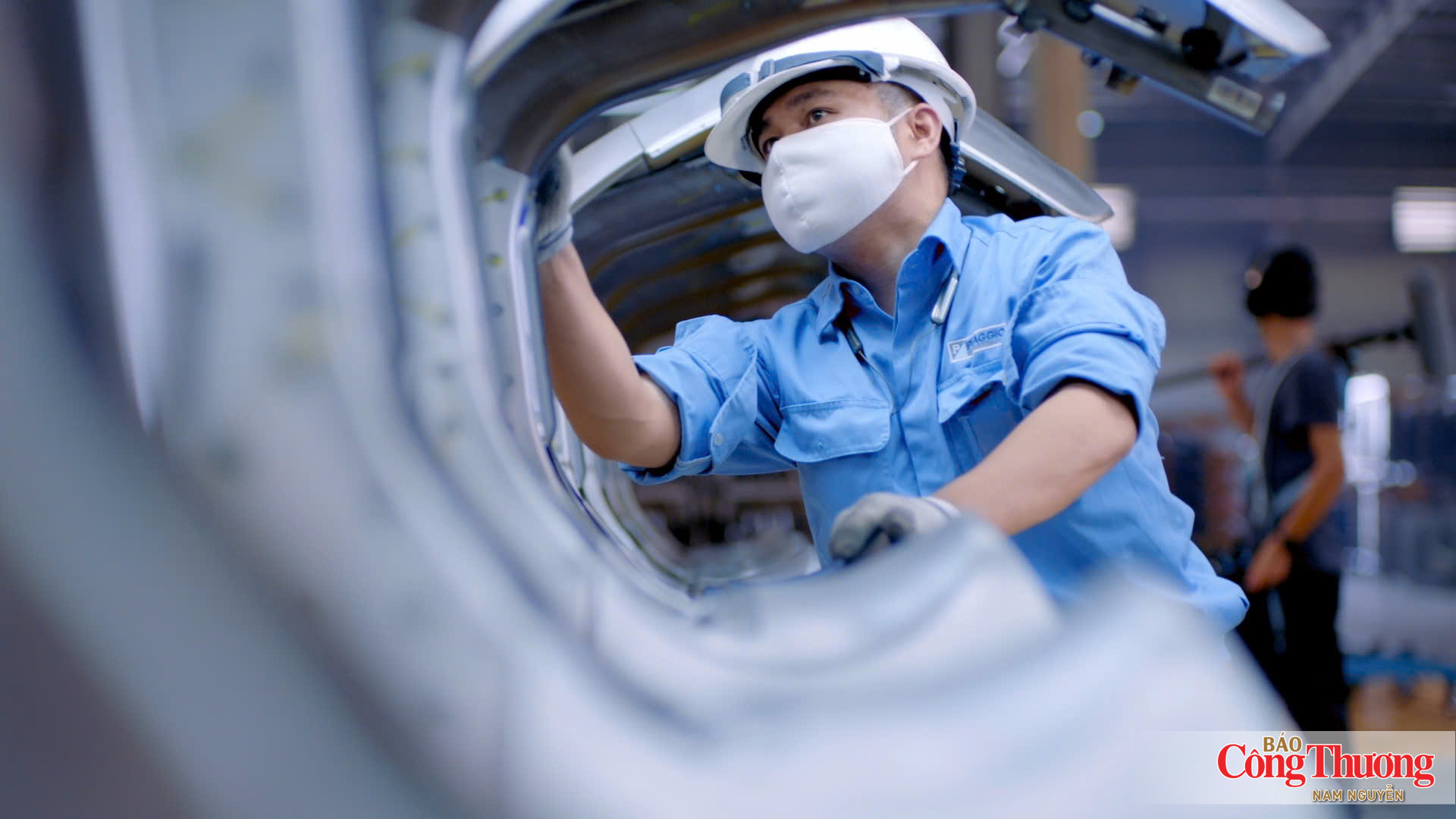
During the first five years of implementing the 2021-2030 Ten-Year Socio-Economic Development Strategy, the international environment remained unfavorable and the global economy slowed. Nevertheless, Vietnam’s industrial sector has maintained relatively strong growth momentum.
Attracting FDI continues to provide a strong impetus for Vietnam’s industrial development. Photo: Cấn Dũng
Value added and the industrial production index have risen steadily, making an important contribution to overall economic growth. Over the 2021-2025 period, Vietnam’s economy recorded an estimated average growth rate of about 6.1% per year; the industry and construction sector grew by 6.4% per year, with industry expanding at 6.4% and manufacturing and processing at 7.4% per year.
The industrial production structure has continued to shift in a positive direction. The economy has gradually reduced its reliance on mineral extraction and labor-intensive industries, while the share of manufacturing and processing has increased and moved toward sectors with higher technological content. Power generation and transmission infrastructure, particularly renewable energy, has seen strong investment, helping ensure sufficient electricity supply for production, business activities, and consumption.
By 2025, the industry and construction sector accounted for 37.65% of the economic structure, up from 36.7% in 2020. Merchandise exports reached approximately USD 475 billion, up 17%, with manufactured and processed industrial goods accounting for 88.7% of total export turnover. Key industrial product groups such as electronics, textiles and garments, footwear, and wood products have secured firm positions in global markets, placing Vietnam among the world’s top 20-25 exporting countries.
Notably, exports remain heavily reliant on the FDI sector, which accounts for around 70-75% of total export value. Supporting industries have developed slowly and remain highly dependent on imported materials and components, while imports of production inputs make up more than 80% of total import turnover.
The challenge of optimizing FDI resources
Looking toward 2030, the global economy is expected to recover, albeit slowly and with persistent risks. Meanwhile, major trends such as the Fourth Industrial Revolution, digital transformation, green transition, energy transition, and the restructuring of global supply chains are exerting increasingly strong impacts on industrial production. In this context, Vietnam’s industrial development requires a fundamental shift in its growth model, with “new-generation” foreign direct investment (FDI) identified as a key driver.
According to the Institute for Industrial Strategy and Policy Research, future FDI attraction should move beyond merely expanding capital scale, toward quality, efficiency, and linkage. The focus is on attracting high-technology investment flows with advanced environmental and governance standards, particularly in high-tech industries, supporting industries, and stages with high value added in global production chains.
At the same time, “new-generation” FDI policies must be closely linked to technology transfer requirements, higher localization rates, and stronger linkages between FDI enterprises and domestic firms. This is a critical condition for gradually reducing dependence on foreign investment while enhancing the self-reliance and competitiveness of Vietnam’s national industry.
To realize these goals, the industry and trade sector has outlined several major orientations. First is the continued improvement of a synchronized and modern industrial policy framework with strong adaptability to emerging trends. Policies should be focused and selective, prioritizing high-tech industries, emerging industries, and supporting industries, while significantly improving the production and business environment, accelerating administrative digitalization, and ensuring fair competition.
Investment promotion and attraction activities need to be renewed in a proactive and selective manner, aligned with the long-term development orientations of each sector and region. Building large-scale industrial enterprises and groups capable of leading domestic supply chains is seen as a foundation for elevating Vietnam’s industrial position regionally and globally.
Developing high-quality human resources is another indispensable pillar. Training must be closely aligned with enterprises’ practical needs and new industrial trends; international cooperation should be expanded to access advanced knowledge, technology, and governance models; and a capable workforce of managers and researchers must be built to effectively advise on and implement industrial policies in the context of deep integration.
Promoting science, technology, and innovation is also crucial. “New-generation” FDI policies should create a favorable environment for research, development, and technology transfer, while encouraging enterprises to pursue digital, green, and energy transitions. In particular, attracting investment into the production of high-tech materials, new materials, and domestic inputs is viewed as a key solution to reducing imports and increasing value added.
Expanding export markets, strengthening trade remedies, and proactively integrating into global production networks will open new development space for Vietnam’s industry. On this basis, “new-generation” FDI policies will not merely serve as capital-attraction tools, but will also become a driving force for restructuring, upgrading, and sustainably developing the national industrial sector in the years ahead.
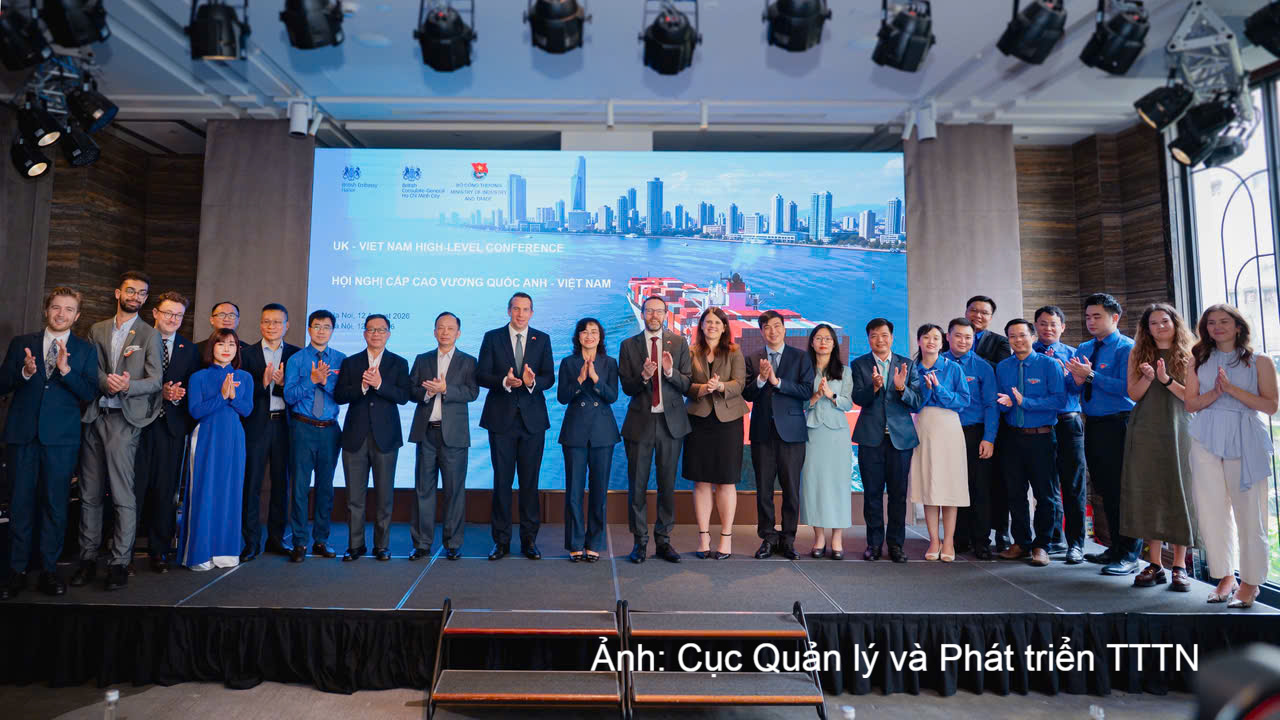
The 2026 UK - Viet Nam Summit was held in Ha Noi on August 12, focusing on fields that are creating new momentum for growth, including artificial intelligence (AI), financial technology, crypto assets, commodity derivatives markets and logistics.
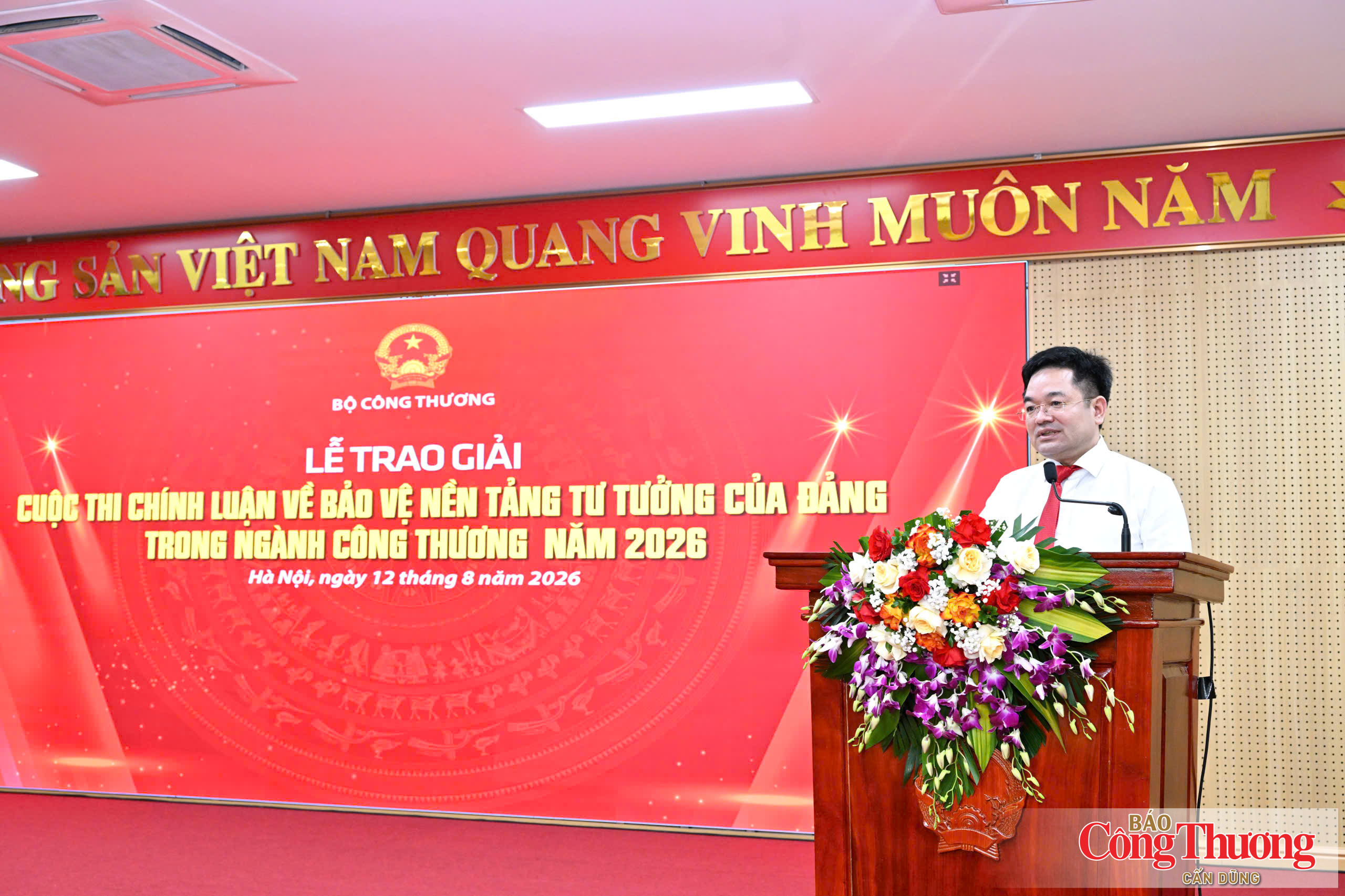
Editor-in-Chief of the Industry and Trade Newspaper Nguyen Van Minh said distorted narratives are defeated by counterarguments and undeniable realities when Party members perform their duties well too.
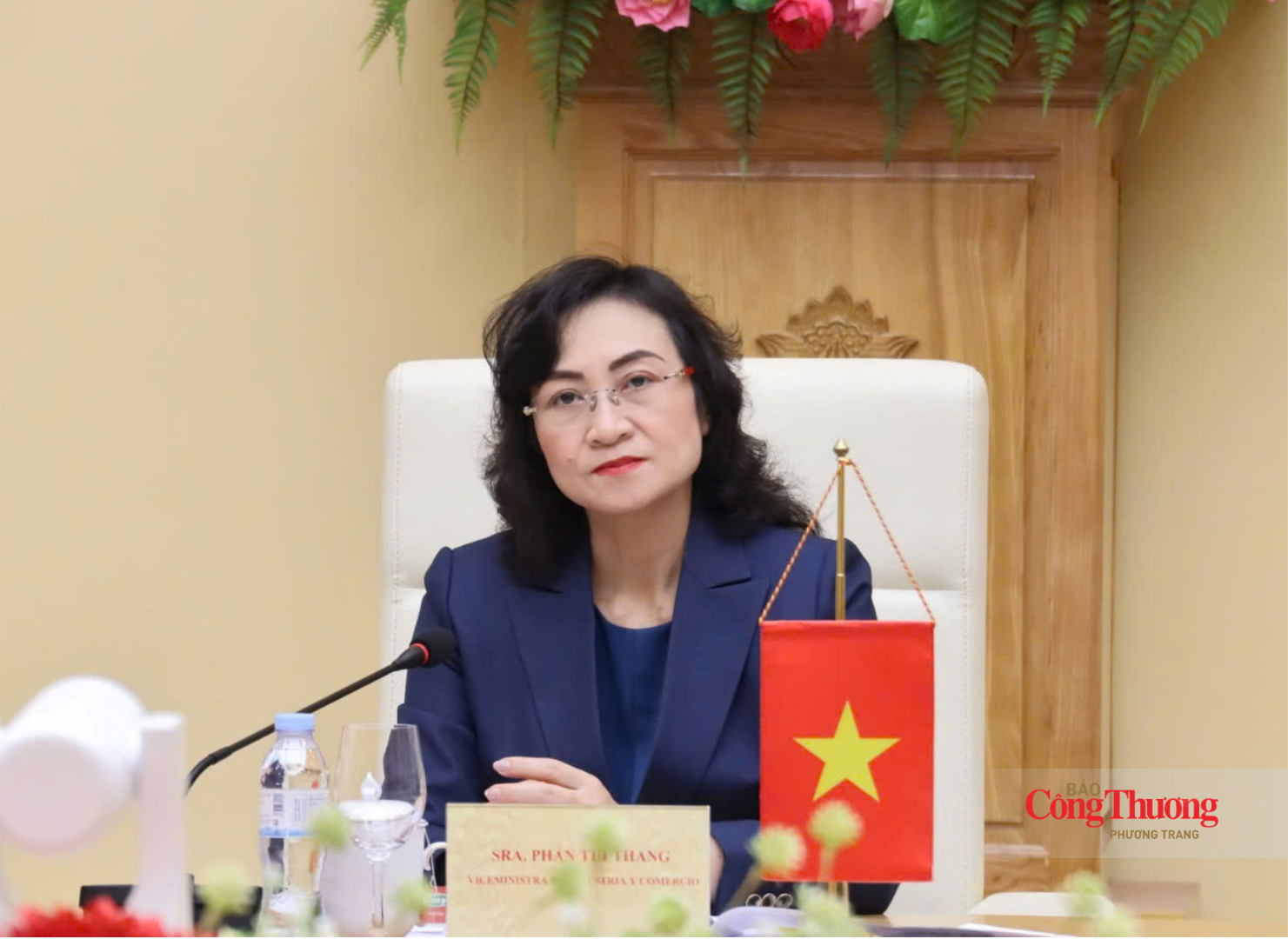
On August 12, Deputy Minister of Industry and Trade Phan Thi Thang held an online working session with Andrea Corao Faria, Venezuela's Deputy Minister for Asia, the Middle East and Oceania at the Ministry of Foreign Affairs and Foreign Trade.
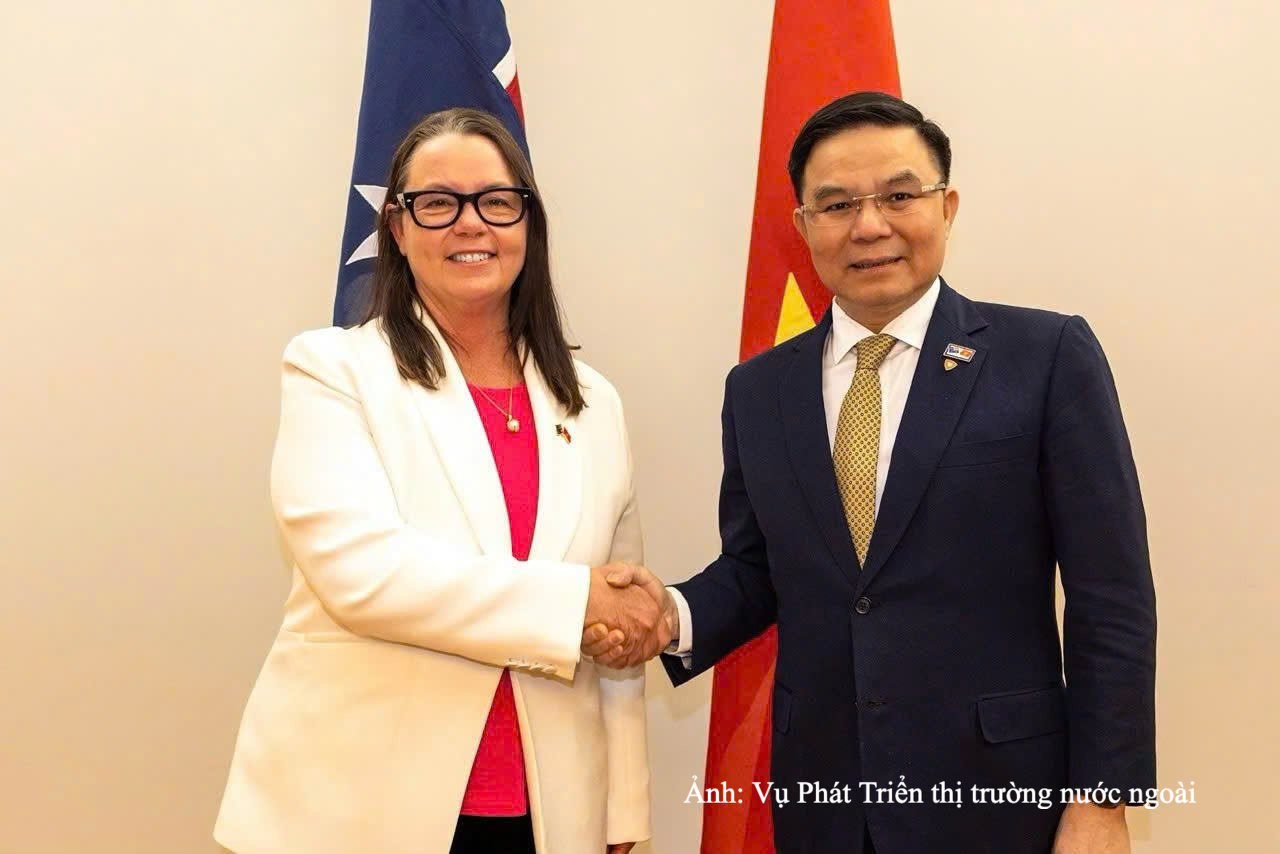
Viet Nam and Australia are deepening energy and minerals cooperation strengthening supply chains, investment and support for the energy transition in both countries.
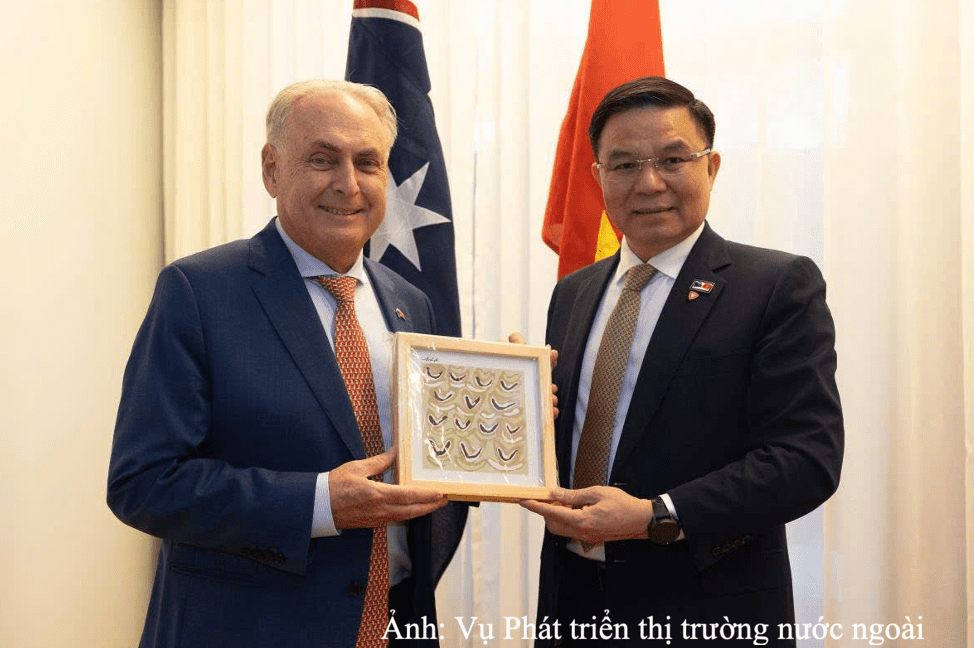
During his working trip accompanying Party General Secretary and State President To Lam on a State visit to Australia, Minister of Industry and Trade Le Manh Hung held a bilateral meeting with Australian Minister for Trade and Tourism Don Farrell in Canberra on August 11 (local time), to discuss measures to promote economic and trade relations between the two countries.
Viet Nam’s manufacturing industry must move beyond processing and assembly, master technology, raise localization and generate higher value across production chains.
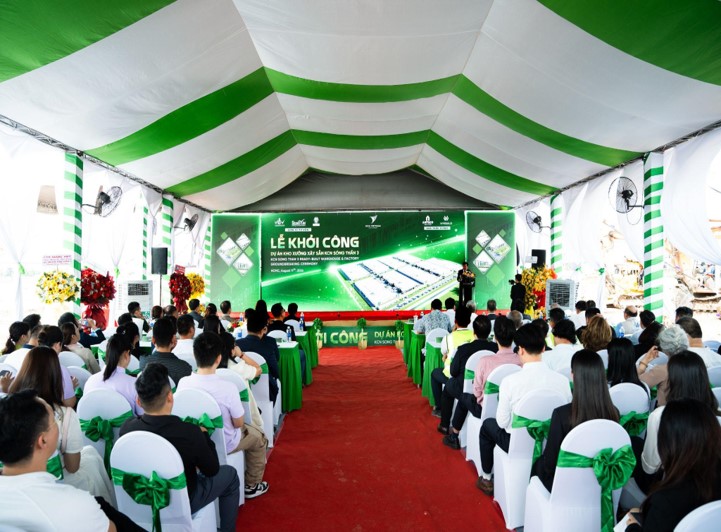
KCN Vietnam has broken ground on its 21.9-hectare Song Than 3 project in Ho Chi Minh City, adding over 130,000 sqm of LEED-standard industrial space to the market.
MoIT leader Le Manh Hung clarified major issues in the revised Petroleum Law, including decentralisation, investment incentives, CCS and offshore energy development.
The Netherlands offers strong opportunities for Vietnamese firms to enter manufacturing supply chains, but meeting strict market standards remains a major challenge.
As Vietnam advances its energy transition, battery energy storage systems (BESS) are emerging as a key solution for enhancing grid flexibility, increasing the integration of renewable energy and strengthening energy security.