Vietnam’s auto strategy to 2030, with a 2045 vision raises expectations for a tech-self-reliant manufacturing sector more deeply integrated into global value chains.
Five pillars identified
The automotive industry is a key pillar of industrial development, with wide spillover effects across multiple sectors. Within the value chain, supporting industries play a decisive role in determining localisation rates, production costs and overall competitiveness.
The Ministry of Industry and Trade (MoIT) has recently finalised a draft automotive development strategy built on five pillars: environment, technology, infrastructure, human resources and market development. Notably, supporting industries are placed at the centre, with localisation targets set at an unprecedented 55 - 60 percent by 2030 and 70 - 80 percent by 2035.
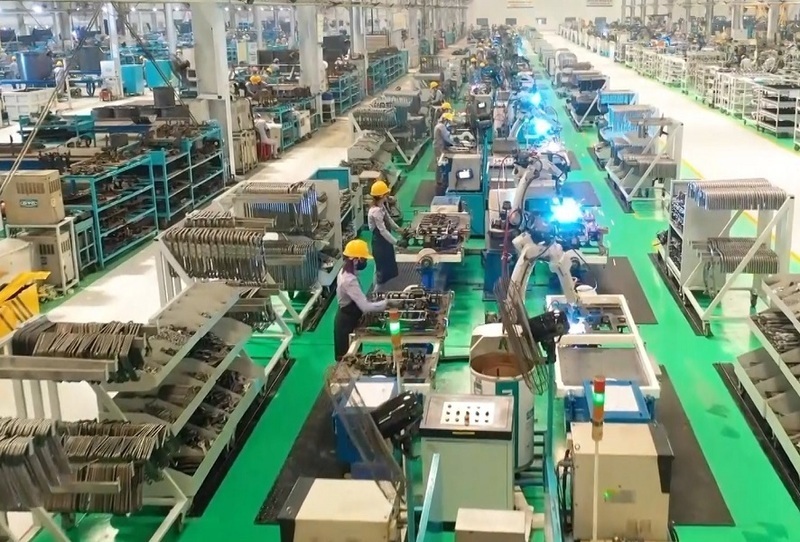
In the automotive value chain, supporting industries play an essential role. Photo: CTA
Without mastering the production of components and parts, Vietnam’s automotive industry will struggle to establish a sustainable competitive edge. Experience from developed industrial nations such as Japan and the Republic of Korea shows a common denominator, a strong ecosystem of supporting industries, underpinned by thousands of precision component manufacturers.
The new strategy underscores the establishment of five supporting industry clusters nationwide, serving as “technology hubs” that link manufacturers, suppliers and research institutions. Vietnam aims to make a breakthrough in high value-added segments, including electrical and electronic components, powertrain systems, advanced materials, batteries and control modules for electric vehicles.
Vietnam’s domestic market is projected to consume 800,000 - 900,000 vehicles per year by 2030, around 1.5 million by 2035 and more than 5 million by 2045. This scale represents a long-term and stable “order book” for the development of supporting industries.
However, to meet localisation requirements more than double current levels, small and medium-sized enterprises, the backbone of supporting industries, must overcome major constraints such as limited capital and technological capacity. Automotive components, particularly electrical and electronic parts, require extremely stringent standards that only a small number of Vietnamese firms can currently meet.
Another important target for the 2026 - 2035 period is for domestic supporting industries to supply more than 65 percent of components and spare parts used in local automobile production. This would significantly reduce dependence on imported inputs and help lower vehicle prices in the domestic market.
To achieve sustainable growth and localisation goals, experts stress the need for clear strategic solutions and concrete policy support.
Building a strong supporting industry ecosystem
Pham Van Quan, Deputy Director General of the Industry Agency under the MoIT, noted that the automotive and mechanical industries are not merely about manufacturing, but are symbols of technological strength, industrial capability and national standing. He emphasised that if Vietnam aspires to become a developed industrial nation, mastering mechanical engineering, automotive manufacturing and high technology is indispensable.
He candidly pointed out existing shortcomings, including low localisation rates, underdeveloped supporting industries and the absence of enterprises with sufficient scale and capacity to compete in the global market.
THACO supplies components to major brands such as Hyundai, Ford, Toyota and Isuzu, generating USD 13 million in revenue and set for strong growth ahead. Photo: THACO
In practice, several large-scale production hubs are creating new momentum. THACO’s complex in Chu Lai operates with a capacity of 100,000 vehicles per year, achieving localisation rates of 25 - 40 percent and aiming for 45 percent in segments where it holds advantages. VinFast, with manufacturing facilities in Hai Phong and Ha Tinh, has generated significant spillover effects, with localisation in electric vehicles exceeding 60 percent and expected to reach 84 percent by 2026.
The presence of leading enterprises such as THACO and VinFast strengthens confidence that Vietnamese firms can generate large and stable orders for domestic suppliers. This, in turn, provides the conditions for small and medium-sized enterprises to invest more boldly in machinery, technology and management upgrades to enter global supply chains.
The spillover effects of supporting industries extend far beyond the automotive sector. A robust ecosystem will stimulate foundational industries such as precision mechanics, metallurgy, electronics, chemicals and advanced materials, sectors that underpin the core production capacity of a modern economy.
The global transition towards electric vehicles and green growth is creating significant opportunities for Vietnam, particularly in emerging segments such as batteries, control modules and electronic components, where domestic firms can catch up more quickly.
Experts note that, if implemented in a transparent and coherent manner, Government Decree No.205/2025/ND-CP dated July 14 will serve as a powerful lever for supporting industries. The decree amends and supplements key policies, with a stronger focus on improving the quality of support, streamlining administrative procedures, advancing digital transformation and enhancing international integration.
This policy framework is seen as a prerequisite for reducing reliance on imported components and materials, while boosting Vietnam’s participation in regional production networks and leveraging the ongoing shift of international investment flows. It also provides a strategic push to help enterprises overcome high investment costs, access international markets and build independent production capabilities.
At the same time, businesses themselves must continuously upgrade their capacity and adapt to higher standards. Vietnam also needs to foster strong leading enterprises capable of anchoring the industry. Proposed solutions include a stronger focus on improving product quality to meet international standards, establishing concentrated automotive industrial clusters through the reorganisation of production, and promoting cooperation among vehicle manufacturers, supporting industry firms, research institutions and training establishments across all economic sectors to enhance investment efficiency and deepen specialisation.
According to the MoIT, in the coming period supporting industries must adopt advanced technologies to manufacture key components such as drivetrains, gearboxes, engines and vehicle bodies for selected vehicle types. Strengthened cooperation with major global automakers will be essential to identify components that Vietnam can competitively produce and integrate into global production and supply chains, supported by investment in advanced technologies for export-oriented manufacturing.
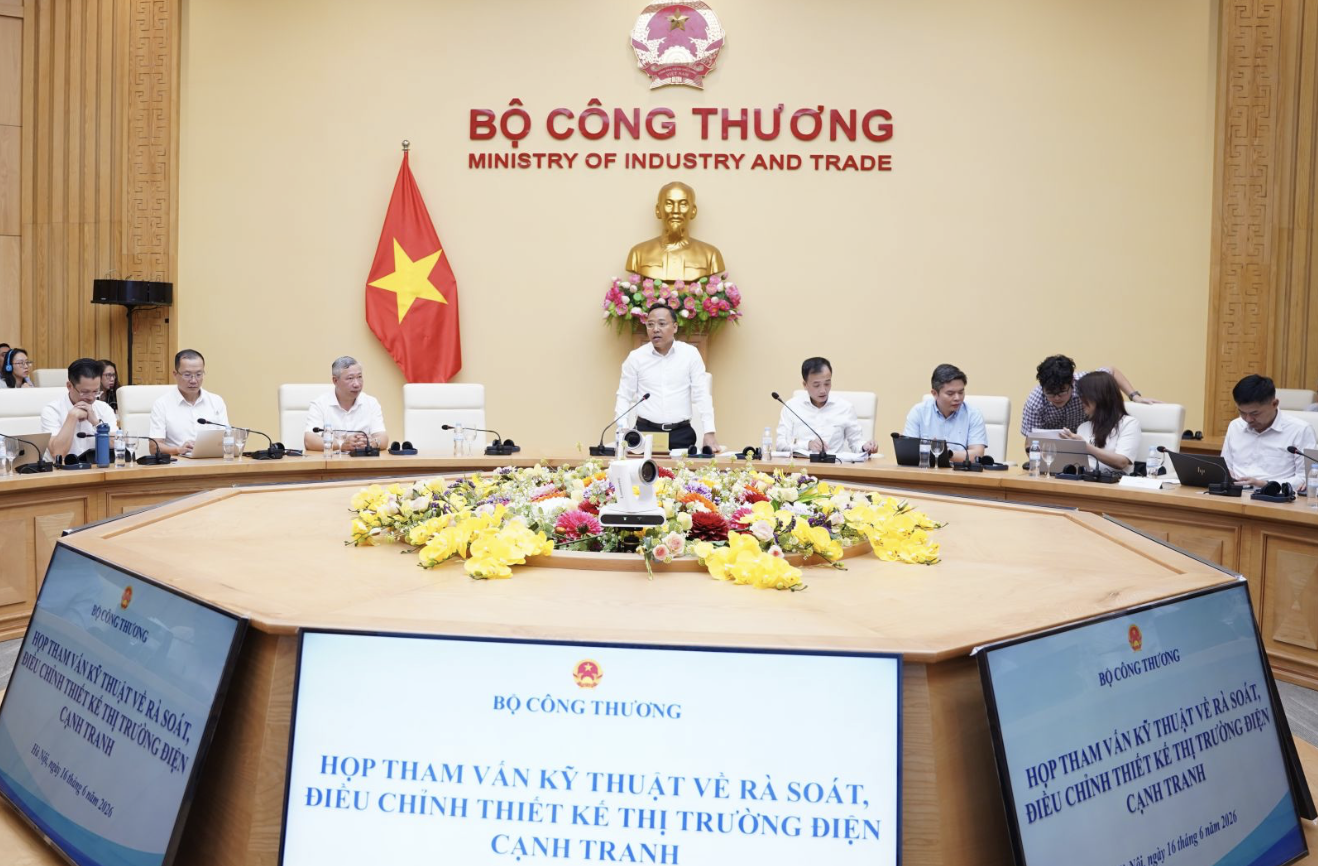
Ministry of Industry and Trade (MoIT) held a technical consultation in Hanoi on reviewing and adjusting the design of Vietnam’s competitive electricity market.
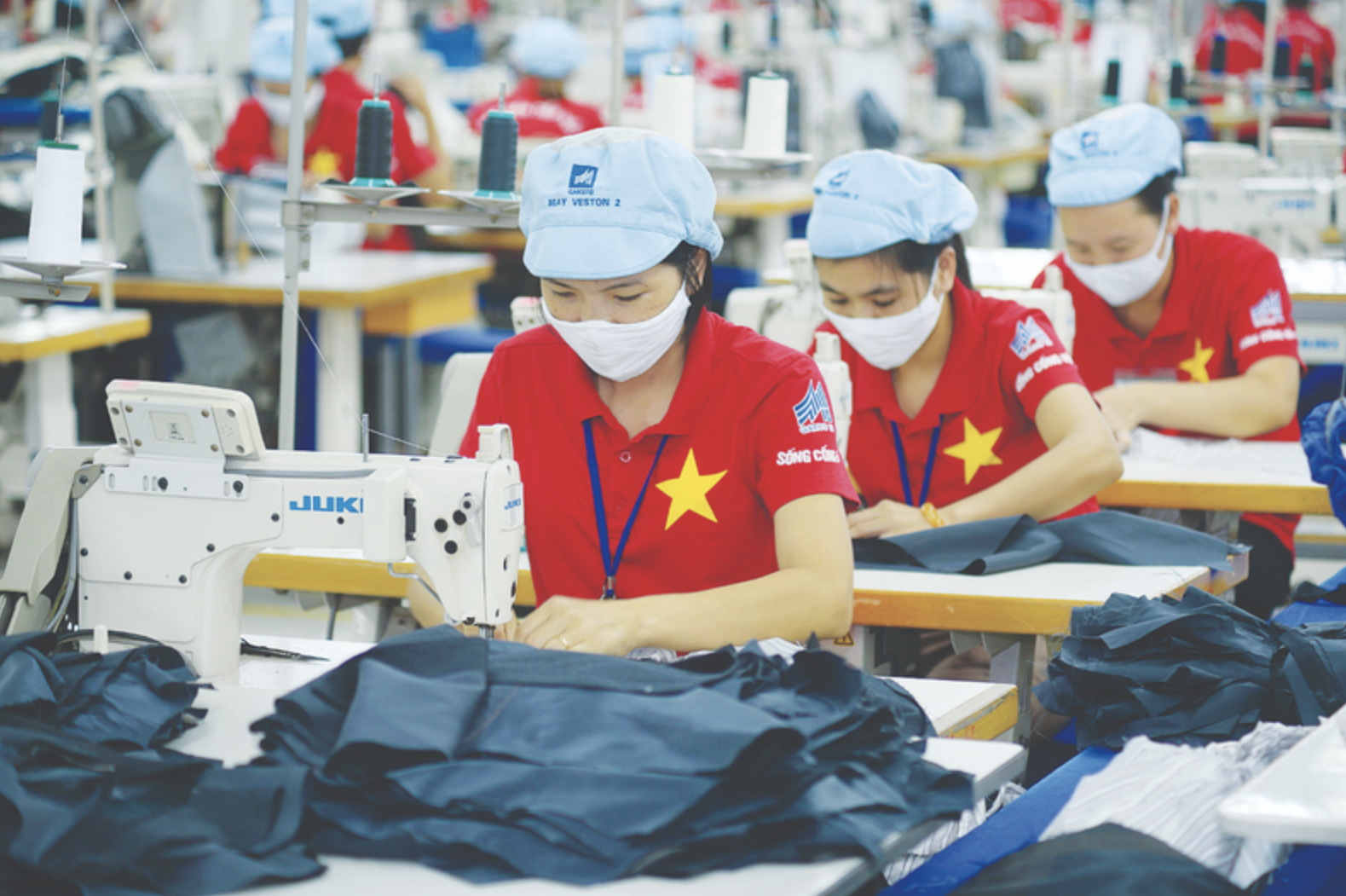
Textiles and garments continued to be one of Vietnam’s leading export categories to the Russian market in the first five months of 2026, generating export revenue of more than USD 106.99 million.
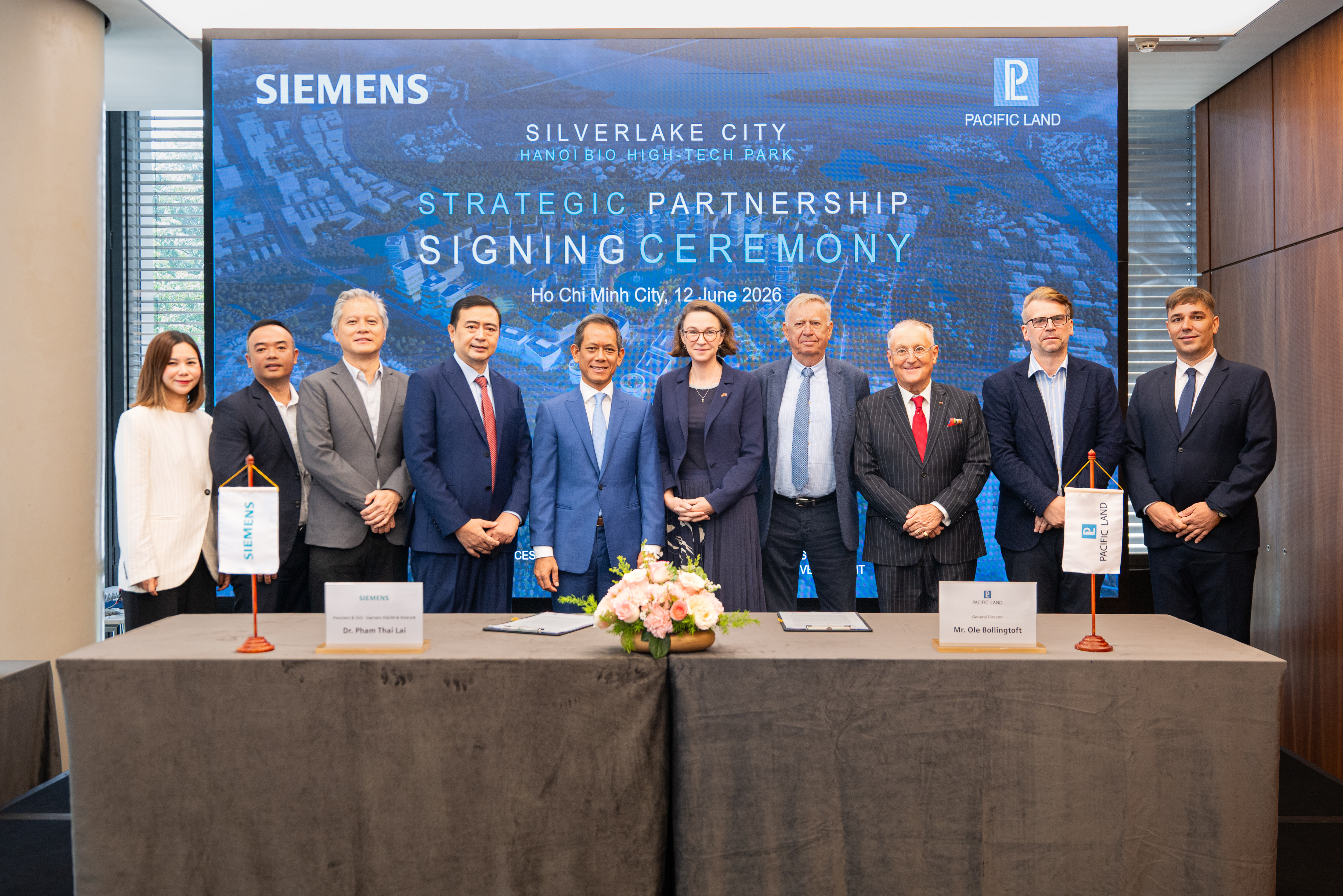
Siemens and Pacific Land will transform Silverlake Bio Hi-Tech Park into a smart, sustainable innovation hub supporting Vietnam’s high-tech growth ambitions.
The Rural Industrial Products Fair and Exhibition 2026 has attracted more than 300 booths from provinces and cities across the country, helping promote outstanding rural industrial products, strengthen business connections, and expand consumer markets.
National Assembly Chairman Tran Thanh Man stressed that in the country's new stage of development, foreign affairs must not only contribute to safeguarding the nation from an early stage and from afar, but also serve as a key driver of development.
The Rural Industrial Products Fair and Exhibition 2026 has attracted more than 300 booths from provinces and cities across the country, helping promote outstanding rural industrial products, strengthen business connections, and expand consumer markets.
To further enhance the effectiveness of the national industrial promotion program, representatives from provincial Departments of Industry and Trade have proposed increasing support expenditures during the 2026-2030 period to align with the growing demands of digital transformation, green transition, and technological innovation at production facilities.
The Ministry of Industry and Trade (MoIT) delegation inspected TKV Minerals Corporation JSC (Vimico)’s 2026 storm-season preparations, highlighting AI-based monitoring and early warning systems to strengthen mine safety efforts