Vietnam - Malaysia trade climbed 39.4% to USD 8.79 billion in the five months of 2026, supported by strong gains in manufacturing and energy trade.
Bilateral trade rises nearly 40%
According to data from the General Department of Vietnam Customs, bilateral trade between Vietnam and Malaysia reached USD 8.79 billion in the first five months of 2026, up 39.4% compared to the same period in 2025. Vietnam’s exports to Malaysia totaled USD 2.71 billion, an increase of 25.8%, while imports from Malaysia surged to USD 6.08 billion, up 46.4%.
A key driver of Vietnam’s export growth to Malaysia was the manufacturing and processing sector, which continued to account for the largest share of exports while recording robust expansion. Computers, electronic products and components remained the leading export category, generating USD 532.7 million in export revenue, up 45.2% year-on-year and accounting for nearly 20% of Vietnam’s total exports to Malaysia.
Machinery, equipment, tools and spare parts ranked second with export turnover of nearly USD 271 million, up 52.1%. Exports of phones and components reached more than USD 230 million, an increase of 29.9%, while iron and steel products generated nearly USD 210 million, up 16%.
Notably, several export categories posted exceptionally strong growth, highlighting the expanding market presence of Vietnamese enterprises in Malaysia. Exports of chemical products rose by 89%, seafood increased by 27.3%, textiles and garments by 17%, animal feed and feed ingredients by 12.1%, and rubber by 23%.
These figures underscore the growing ability of Vietnamese products to meet the demands of the Malaysian market, particularly in supporting industries, food products and consumer goods.
However, several traditional export items recorded declines, including coffee, down 18.7%; rice, down 4.1%; and vehicles and spare parts, down 3.2%. This trend reflects intensifying competition in the Malaysian market, as well as shifts in consumer demand and the country’s import structure.
On the import side, purchases from Malaysia continued to grow strongly, mainly concentrated in raw materials and production inputs serving Vietnam’s industrial sector. Computers, electronic products and components remained the largest import category, with turnover reaching nearly USD 2 billion, up 40.3% year-on-year and accounting for 32.7% of total imports from Malaysia.
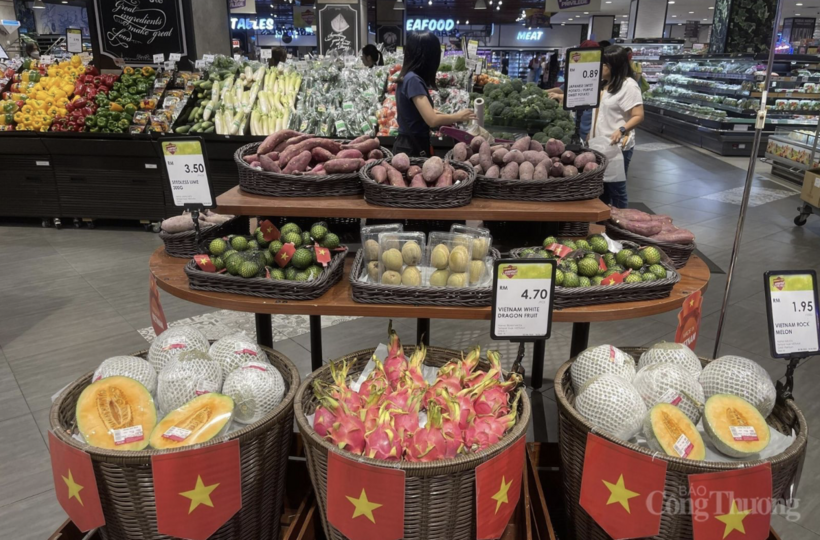
Vietnamese products displays at a supermarket in Malaysia.
Most notably, petroleum imports from Malaysia recorded an extraordinary increase, reaching more than USD 1.06 billion, up 213.2% compared to the same period last year and accounting for 17.5% of total imports. This surge reflects rising domestic energy demand as well as recent fluctuations in global energy markets.
Meanwhile, imports of machinery, equipment and spare parts reached nearly USD 638 million, an increase of 86.3%, indicating expanding manufacturing investment and growing demand for technological upgrades among Vietnamese enterprises.
Positive prospects for bilateral trade cooperation
The current trade structure highlights the highly complementary nature of economic relations between the two countries. Vietnam exports processed goods, electronics, food products and consumer goods to Malaysia, while importing raw materials, fuel products and industrial components to support domestic production.
The outlook for bilateral trade cooperation remains positive. Malaysia’s economy continues to maintain stable growth, with total trade reaching a record RM1.455 trillion during the first five months of the year, up 18.3% from the same period in 2025.
Rising household incomes, coupled with the rapid expansion of modern retail chains such as AEON, Lotus’s, Mydin, Econsave and Jaya Grocer, are creating additional opportunities for Vietnamese products to strengthen their presence in the Malaysian market.
In particular, Vietnam’s competitive products, including processed foods, seafood, tropical fruits, coffee, cashew nuts, Halal-certified products and fast-moving consumer goods continue to receive positive responses from Malaysian consumers.
The Vietnam Goods Week programme held across the AEON Malaysia retail network in June 2026 has further enhanced the visibility of Vietnamese brands while enabling businesses to engage directly with local consumers.
Nevertheless, Vietnamese enterprises should remain mindful of existing challenges in the market. Competition from products originating from China, Thailand and Indonesia continues to intensify. Halal certification requirements for food and beverage products remain an important technical barrier.
In addition, geopolitical tensions in the Middle East, rising oil prices and potential disruptions to global supply chains could affect logistics costs and consumer demand in Malaysia during the second half of 2026.
Overall, bilateral trade performance during the five months of 2026 demonstrates that Vietnam - Malaysia economic relations continue to strengthen and remain one of the key pillars of ASEAN cooperation.
To better capitalize on the market’s potential, however, Vietnamese enterprises need to accelerate product adaptation in line with market demand, comply with Halal standards, establish stable distribution networks and increase participation in direct trade promotion activities.
These factors will be crucial in enhancing export value, gradually narrowing the trade deficit and fostering a more balanced and sustainable economic partnership between Vietnam and Malaysia in the years ahead.
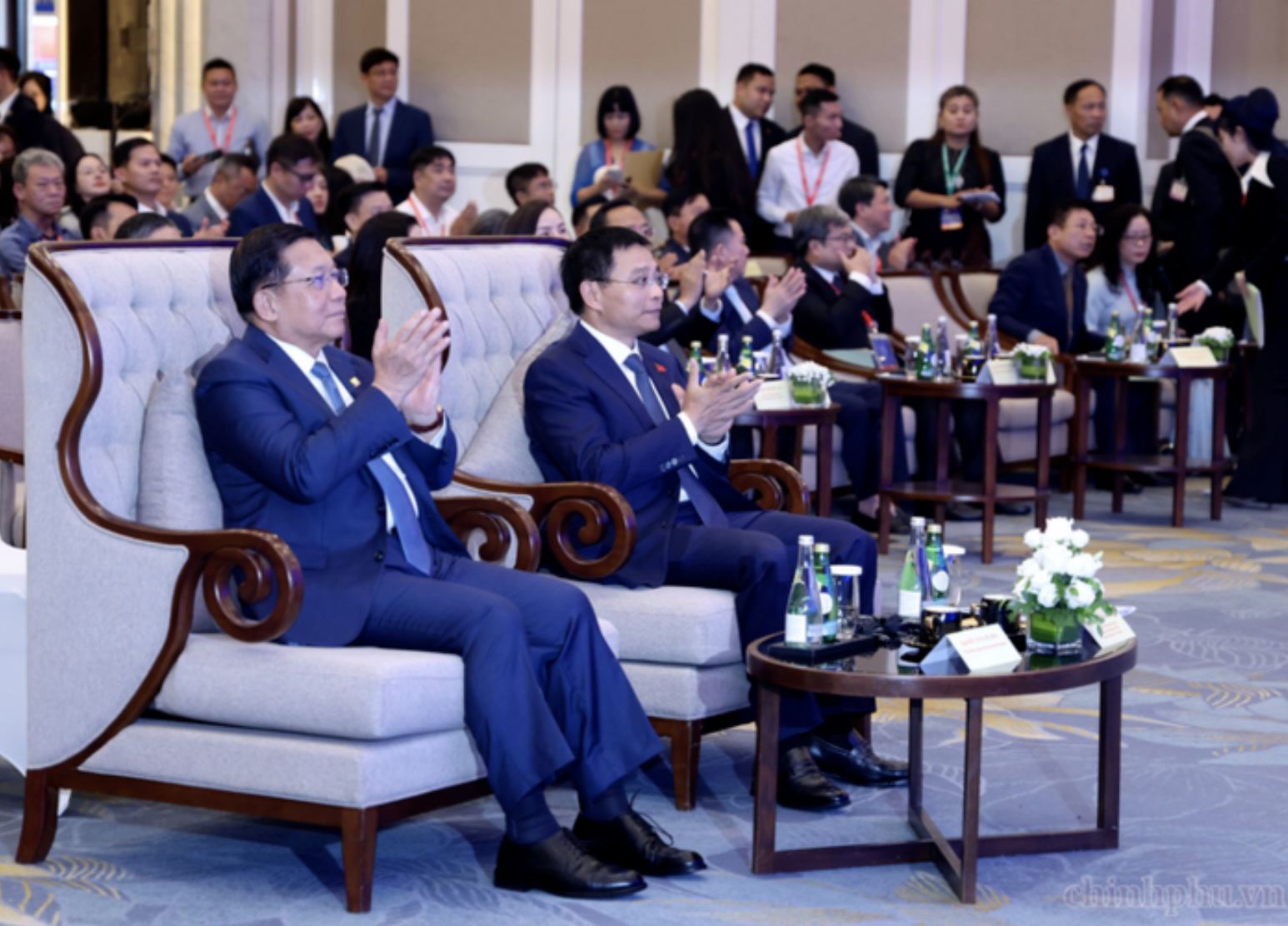
Addressing the Myanmar - Viet Nam Business Forum, Deputy Prime Minister Nguyen Van Thang said the two sides should expand the space for cooperation and leverage their respective resources to support the self-reliant and resilient development of each country, contributing to the implementation of agreements reached by the senior leaders of the two countries.
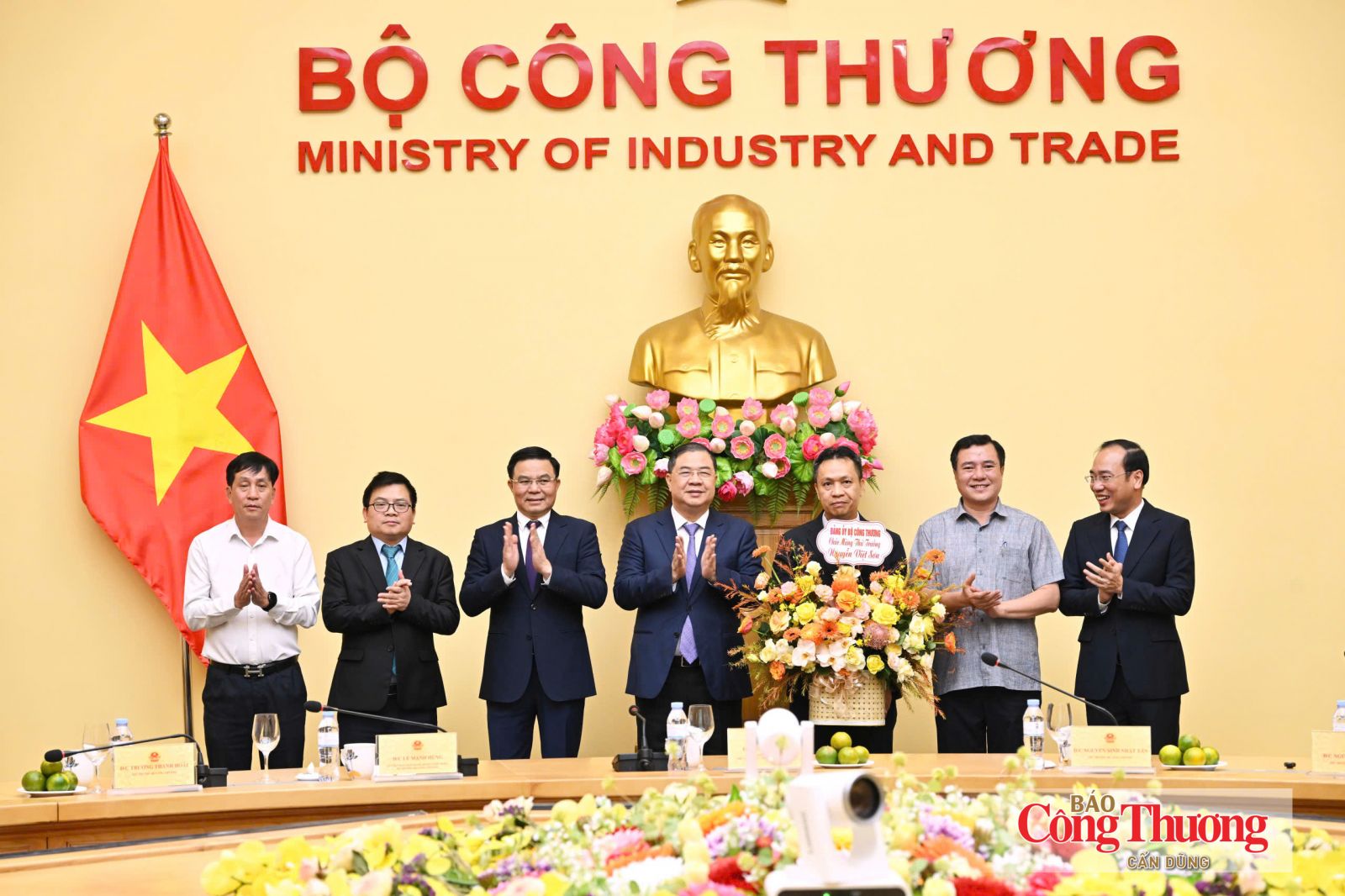
On the afternoon of September 6, at the headquarters of the Ministry of Industry and Trade (MoIT), Politburo member and Standing Deputy Prime Minister Pham Gia Tuc handed over the Prime Minister's decision appointing Nguyen Viet Son as Deputy Minister of Industry and Trade.
The iDEA and TikTok Shop launched the “Beyond Vietnam” initiative to help Vietnamese businesses build digital export capabilities and expand global market access.
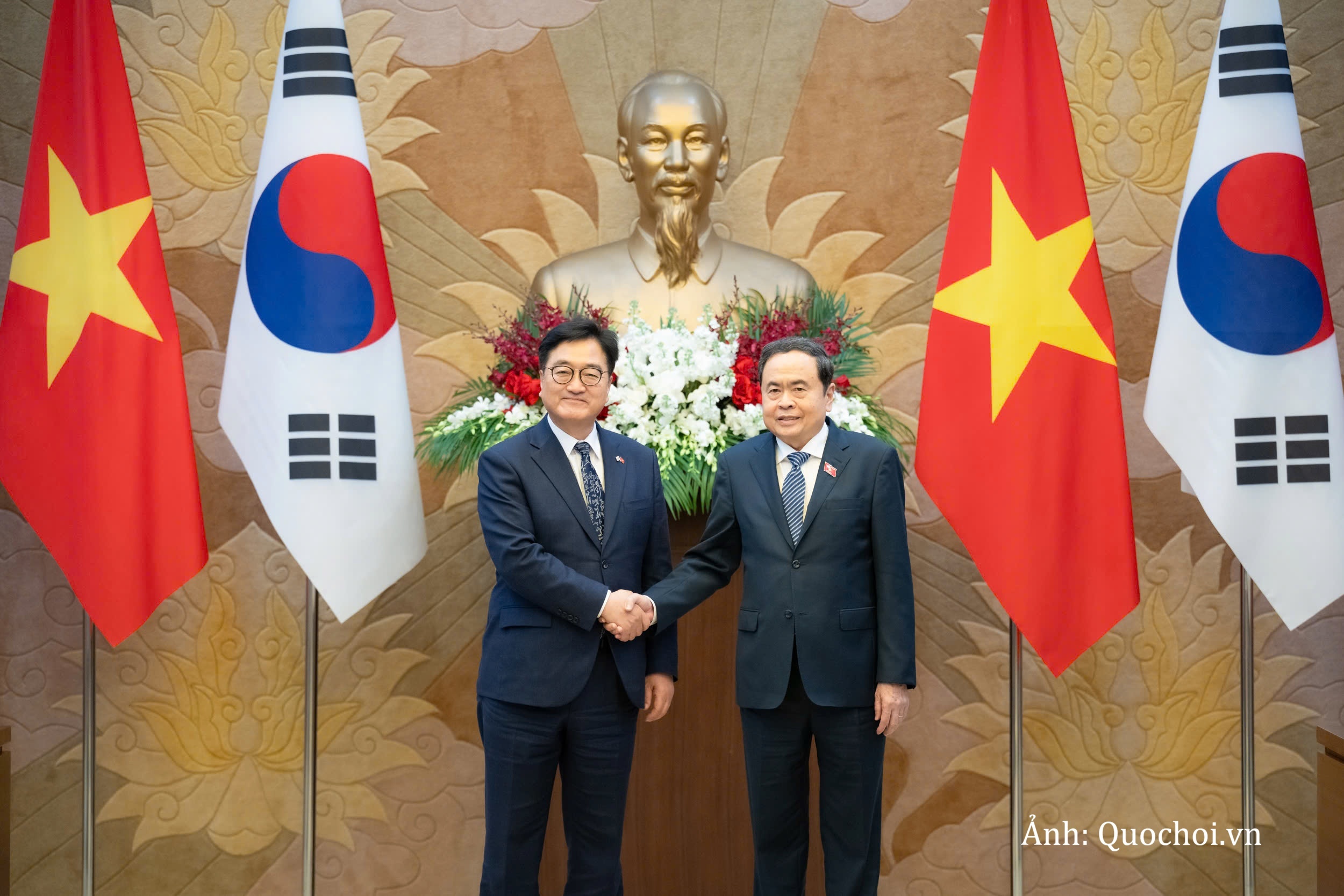
As Viet Nam and the Republic of Korea (RoK) work towards the goal of raising bilateral trade to USD 150 billion, the National Assemblies of the two countries have an important role to play in improving institutions and removing bottlenecks.
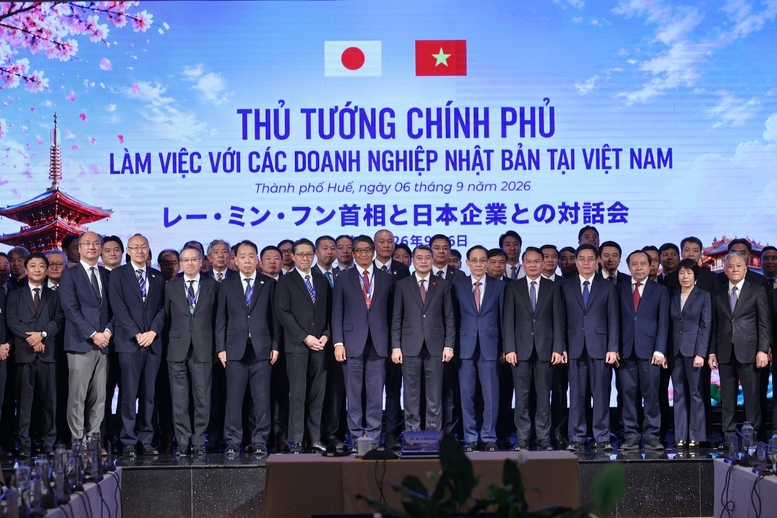
Chairing a meeting with Japanese businesses on the morning of September 6, Prime Minister Le Minh Hung called for Viet Nam - Japan investment ties to shift decisively from a relationship between “investors and investment destinations” toward a partnership for joint development and co-creation, involving joint research, innovation, production, and effective participation in and affirmation of their positions and roles in global value chains.
The iDEA and TikTok Shop launched the “Beyond Vietnam” initiative to help Vietnamese businesses build digital export capabilities and expand global market access.
Tourism Malaysia reaffirmed its commitment to the Vietnamese market at ITE HCMC 2026, promoting the extended Visit Malaysia 2026 - 2027 campaign and expanding tourism cooperation.
Viet Nam Trade Office in Argentina is boosting business links to expand cooperation in timber, minerals and investment, opening new opportunities for firms in both countries.
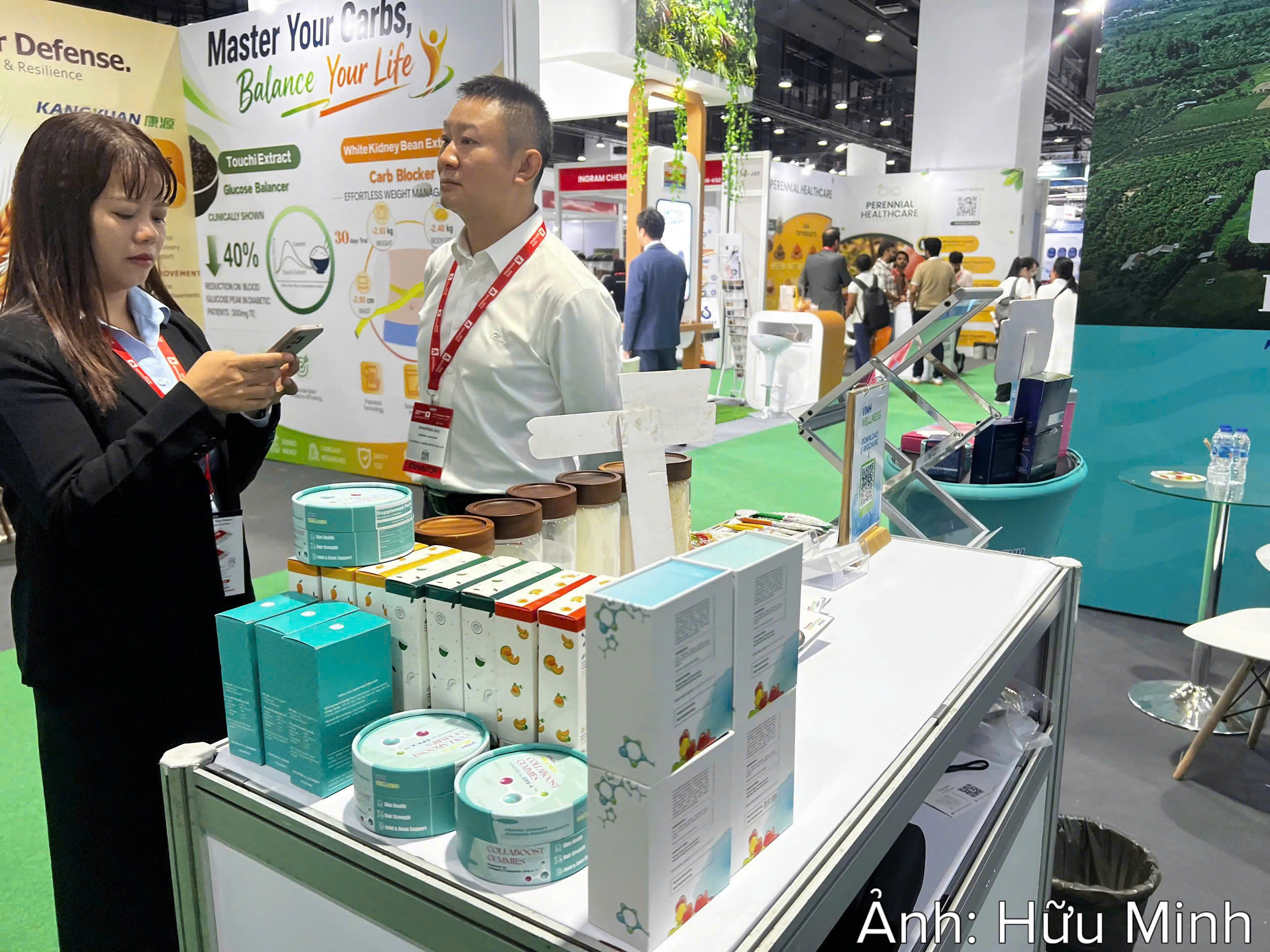
Vitafoods Asia 2026 in Thailand highlighted the growing presence of Vietnamese health and nutrition products, opening new opportunities for global market expansion.
Viet Nam is addressing key bottlenecks and improving durian quality to boost exports, with the sector targeting USD 4 billion in export turnover this year.