Viet Nam’s positive domestic economic growth is providing fresh momentum for businesses in the industry and trade sector to proactively seize opportunities, expand production and strengthen competitiveness.
According to the July 2026 report entitled “Global and domestic socioeconomic developments affecting Viet Nam’s industrial, energy and trade development” by the Viet Nam Institute of Strategy and Policy for Industry and Trade (VIoIT), developments in both the global and domestic economies continue to present a combination of opportunities and challenges for production, energy and trade.
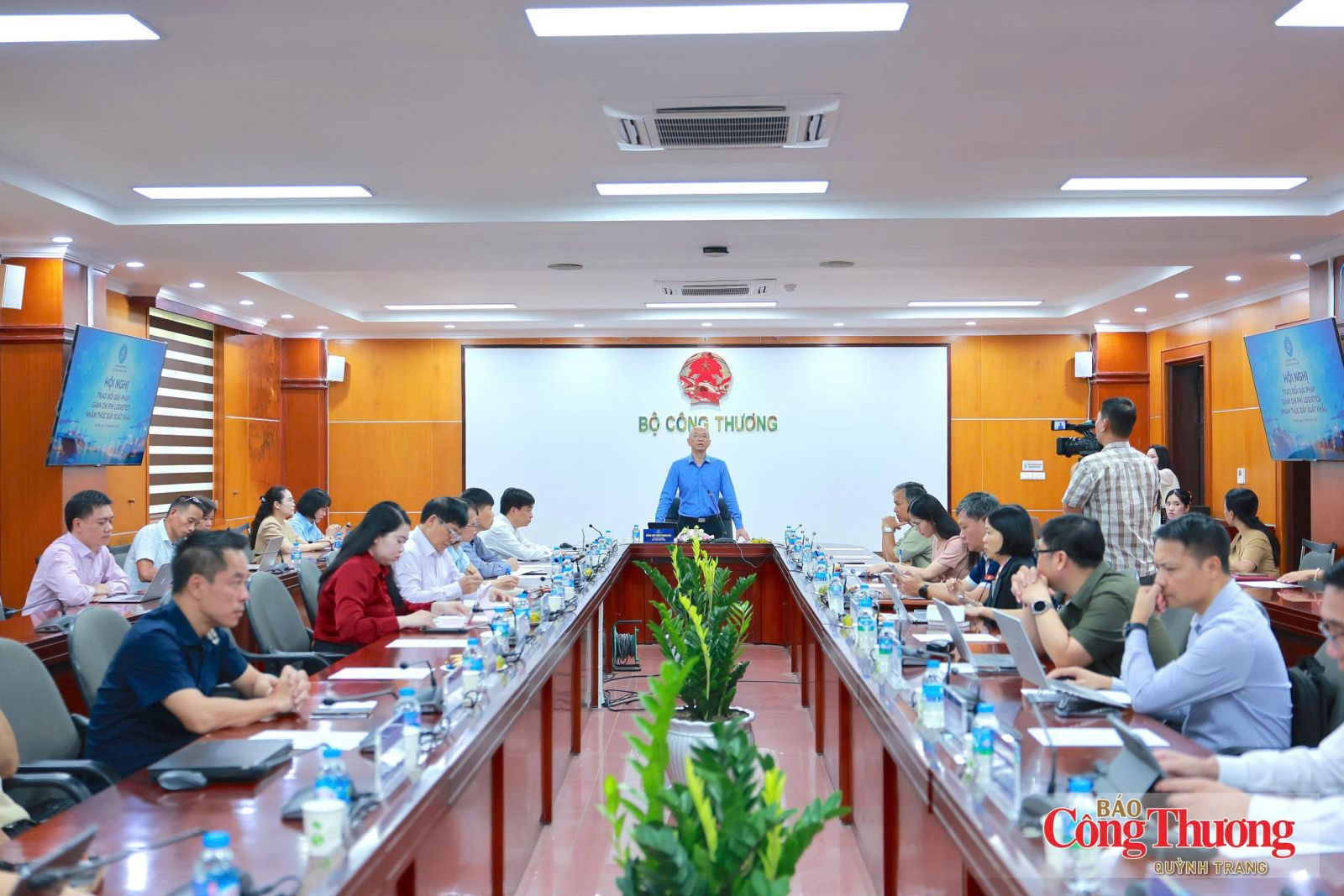
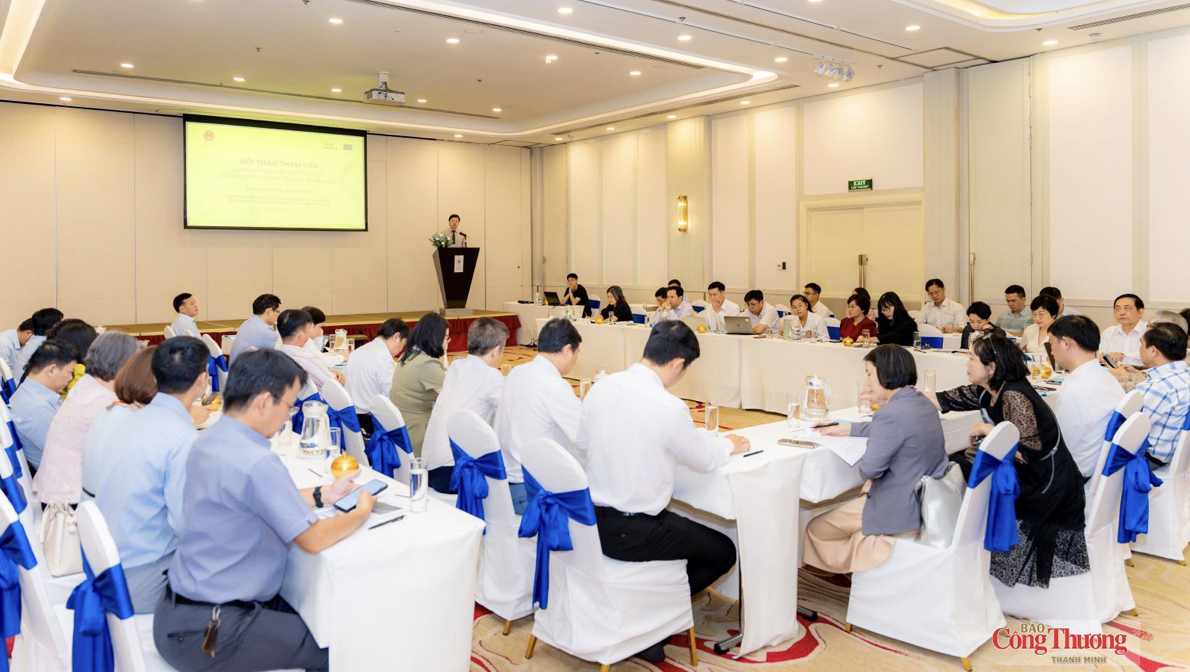
The report was prepared on the basis of discussions at a workshop on “Global and domestic socioeconomic developments affecting Viet Nam’s industrial, energy and trade development,” chaired by Nguyen Van Hoi, PhD, Director of VIoIT, on August 5.
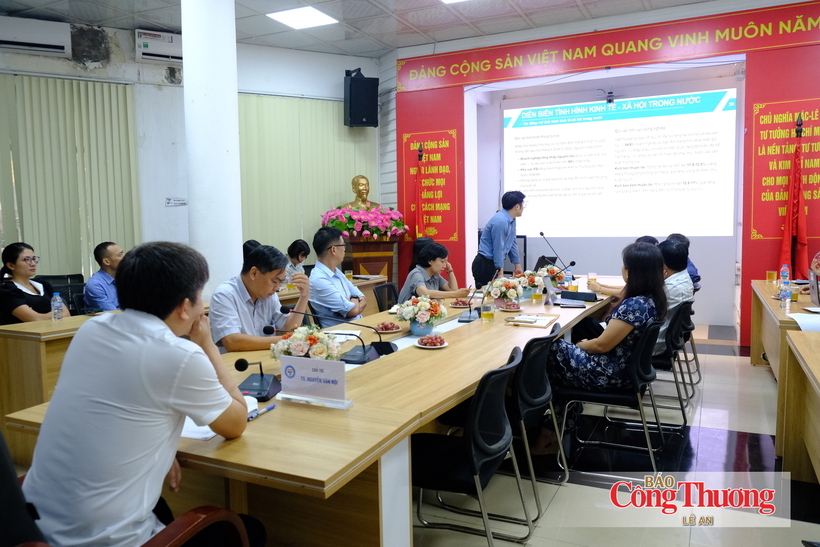
Overview of the workshop on “Global and domestic socioeconomic developments affecting Viet Nam’s industrial, energy and trade development.” Photo: Le An
Global economy opens up new opportunities
According to the report, developments in the Middle East continue to exert an impact on energy markets and input costs across the economy. Fluctuations in oil prices, together with risks affecting strategic energy transport routes, indicate that businesses need to become more proactive in managing risks related to prices, supply and logistics.
In this context, enterprises cannot rely solely on short-term responses to market fluctuations but need to prepare more flexible business scenarios, diversify supply sources and strengthen their ability to respond to disruptions in transport and energy supply.
Meanwhile, economies and businesses across ASEAN continue to strengthen linkages in trade, investment, technology, energy and supply chains. Cooperation between Viet Nam and Singapore, Malaysia, Indonesia, Thailand, the Philippines, Brunei and Laos continues to create additional space for enterprises to expand markets, seek partners and participate more deeply in regional supply chains.
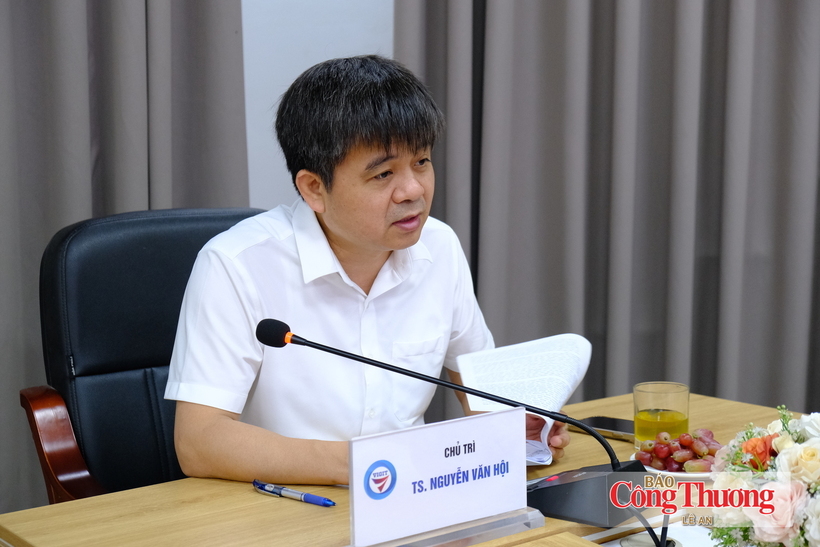
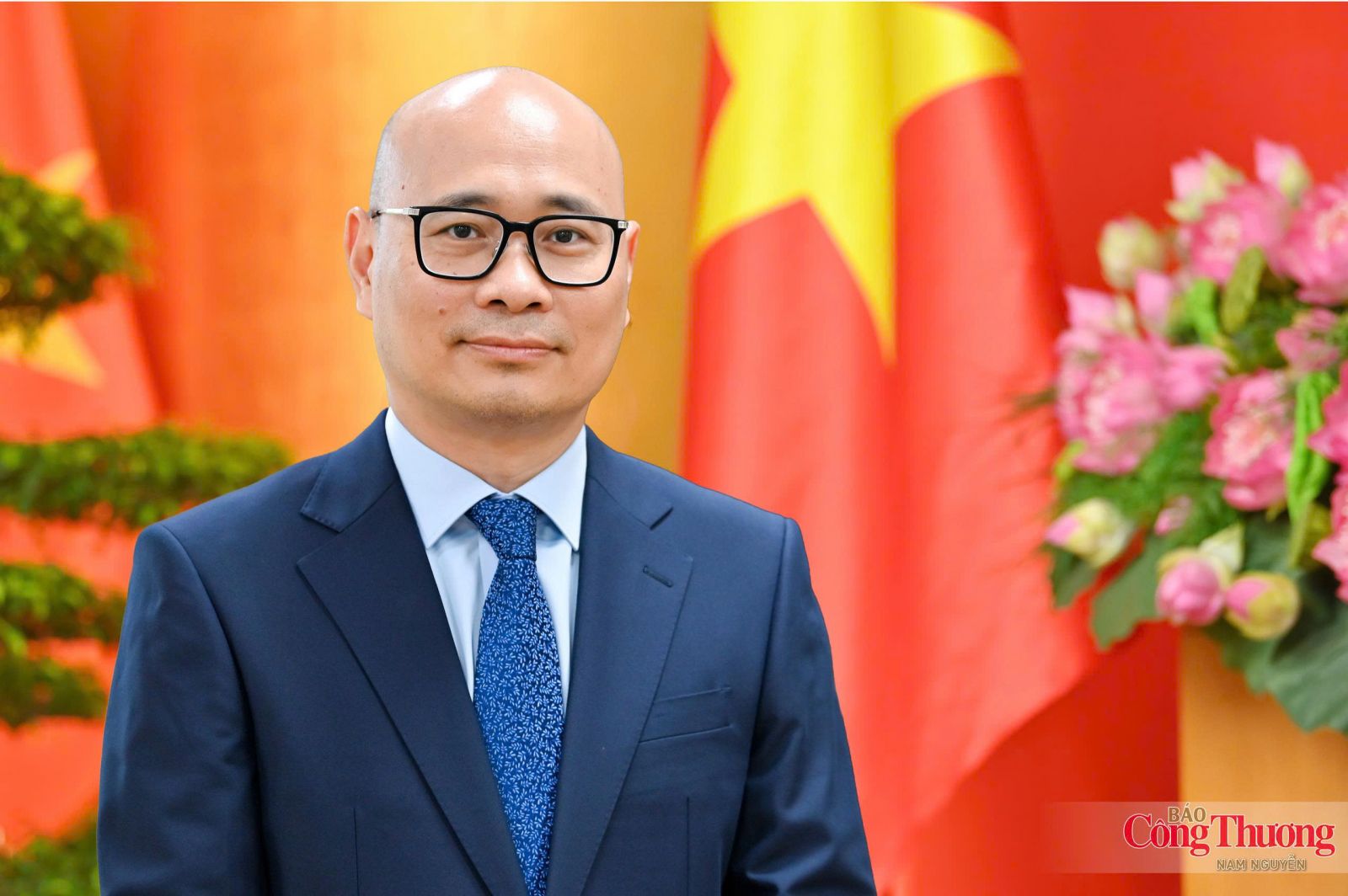
Nguyen Van Hoi, PhD, Director of the Viet Nam Institute of Strategy and Policy for Industry and Trade, chairs the workshop. Photo: Le An
Notably, global industrial development trends are becoming increasingly differentiated. Artificial intelligence, semiconductors, electronics and other high-tech industries continue to emerge as important growth drivers, while traditional manufacturing sectors are facing mounting pressure to improve efficiency, upgrade technology and adapt to changing market requirements.
Developments in the US, China, the Republic of Korea, Japan, and Taiwan (China) show that particular attention is being paid to investment in technology, the expansion of production capacity and the strengthening of supply chain resilience. These trends are reshaping the structure of global industrial production and creating both new opportunities and new requirements for countries participating in international supply chains.
These are also trends that Vietnamese businesses need to closely monitor. For enterprises operating in supporting industries, electronics and components, expanding cooperation with regional partners and proactively seeking opportunities to participate in semiconductor, electronics and other high-tech supply chains could create additional room for growth.
Greater participation in these sectors would also require businesses to improve technological capacity, product quality, management standards and the ability to meet increasingly demanding technical requirements from major partners.
For businesses in the energy and petroleum sectors, fluctuations in energy prices require the development of appropriate business scenarios, tighter cost control and more proactive supply plans. Maintaining the progress of projects while expanding technical services and developing new energy activities will also help improve businesses’ ability to adapt to market changes.
At the same time, greater attention should be paid to operational efficiency, cost management and the diversification of business activities in order to reduce exposure to fluctuations in global energy markets.
Leveraging domestic growth momentum to strengthen competitiveness
In Viet Nam, the economy has continued to maintain positive growth momentum. According to data cited in the report, GDP expanded by 7.94% in the first quarter of 2026 and by 8.39% in the second quarter, bringing growth in the first six months to 8.18% year on year.
Import-export activities also remained a bright spot, with total trade turnover in the first seven months reaching USD 659.58 billion. This continued expansion of trade provides an important foundation for businesses in the industry and trade sector to maintain production, seek new markets and strengthen their participation in global supply chains.
Industrial production also continued to recover, with processing and manufacturing remaining the main driving force. This provides a favorable foundation for enterprises to expand production, but at the same time requires them to improve competitiveness, diversify markets and reduce dependence on certain supply sources or partners.
According to the VIoIT, for export enterprises, the immediate requirement is to carefully review regulations in each market and improve documentation relating to the origin of raw materials, supply chain traceability and product standards.
As technical, environmental and traceability requirements become increasingly stringent in major markets, businesses need to pay greater attention to the quality and completeness of their documentation systems.
Greater data transparency will not only help businesses meet the requirements of importing markets but also strengthen their credibility and improve their ability to participate in major supply chains.
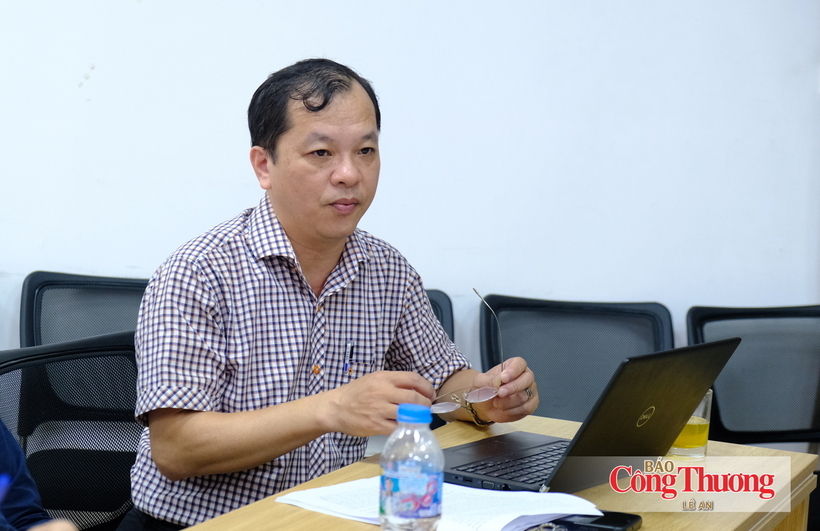
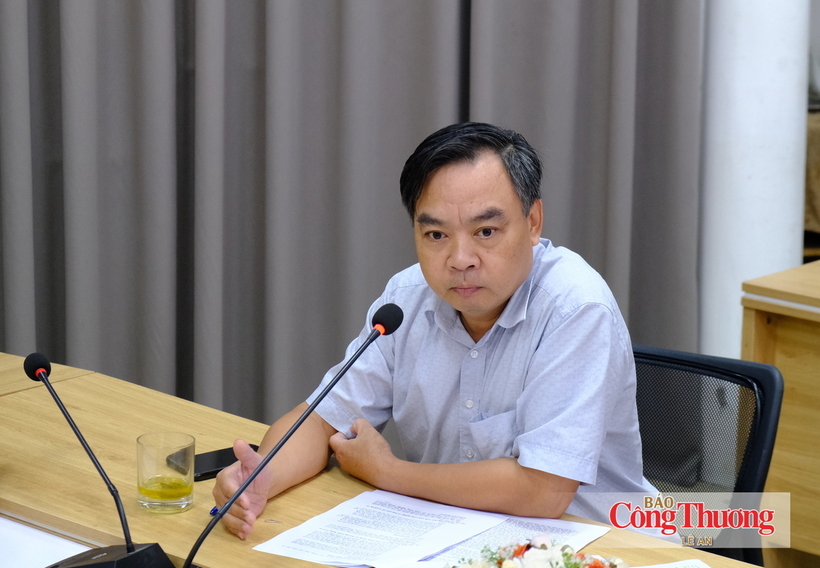
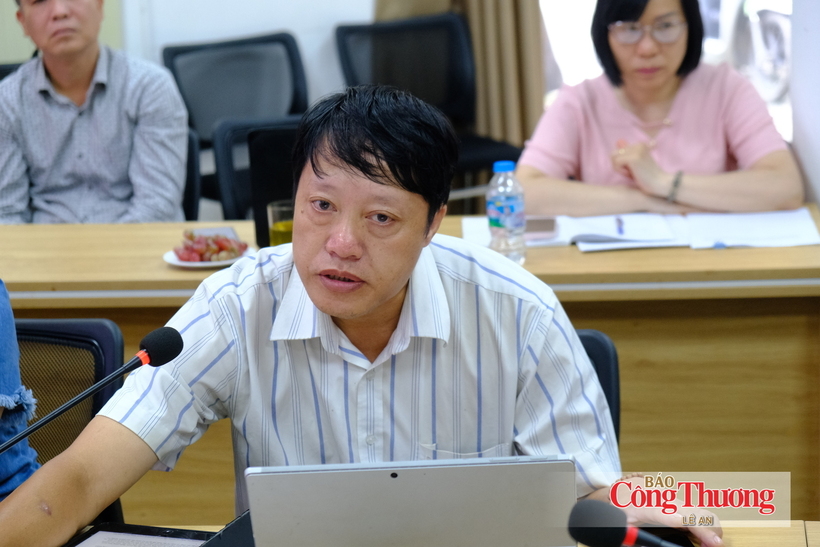
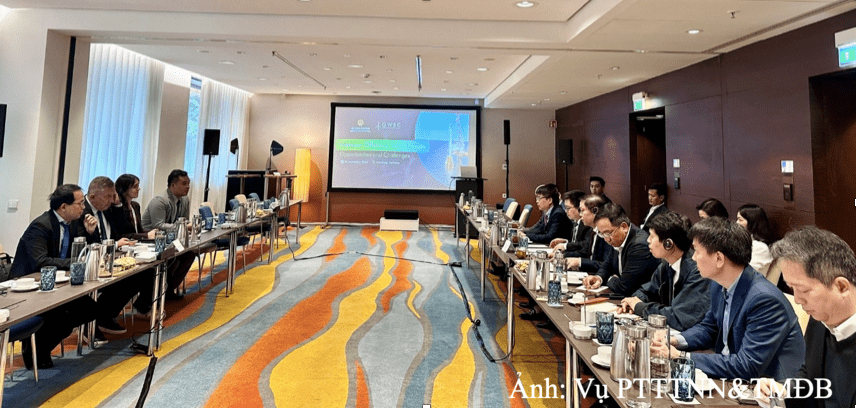
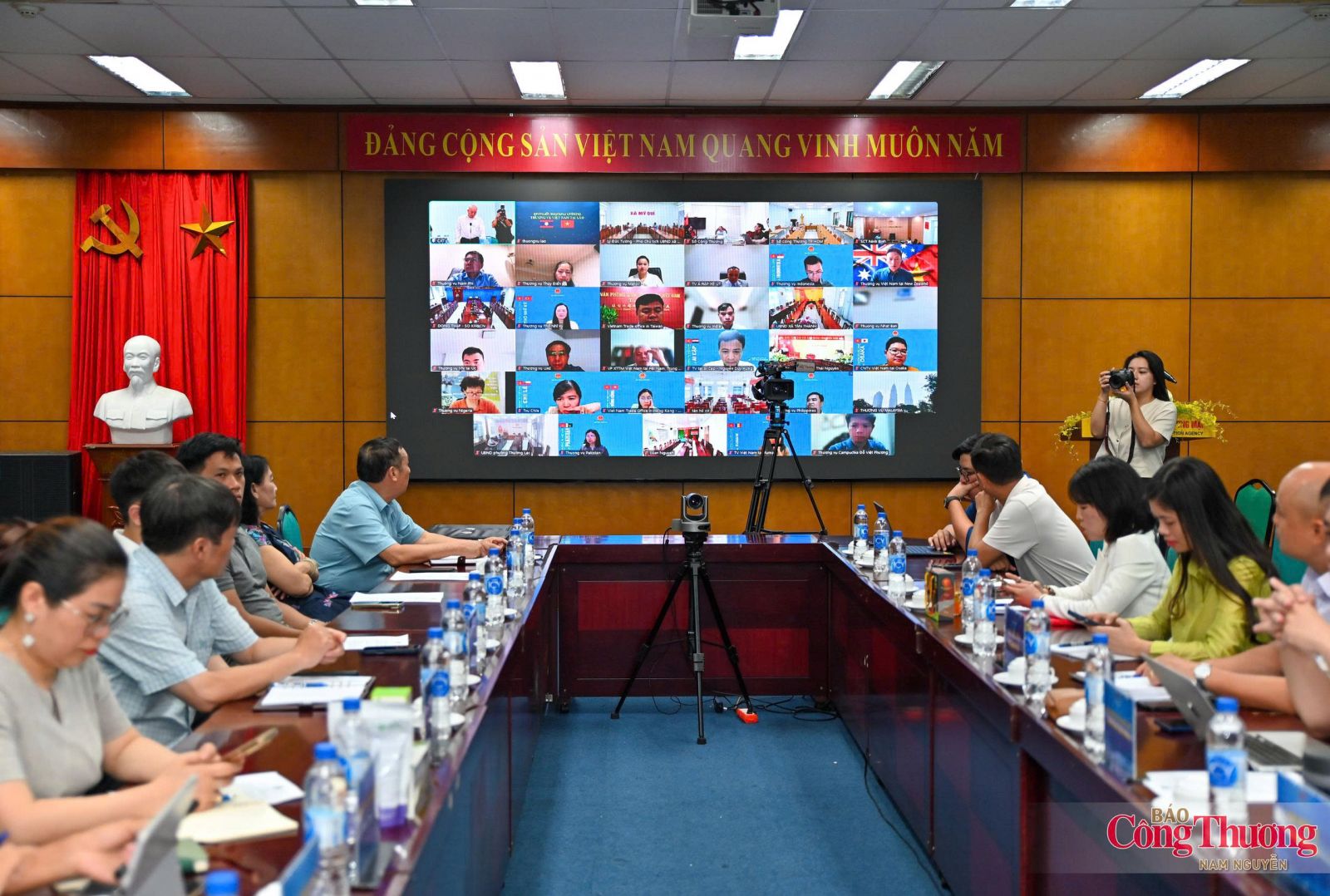
Delegates contribute opinions at the workshop. Photo: Le An
Mechanical engineering, metallurgy and steel enterprises need to pay greater attention to raw material management, origin control and the development of highly reliable supply chains.
In these sectors, the ability to ensure stable input supplies and transparent origin information is becoming increasingly important, particularly as importing markets tighten technical standards and environmental requirements.
Meanwhile, textile, garment, leather and footwear businesses need to improve production flexibility, strengthen inventory management, accelerate the application of technology and gradually meet increasingly stringent requirements relating to materials, the environment and traceability.
Improving production flexibility will also help enterprises respond more effectively to changes in orders and market demand, while reducing risks associated with inventory and supply disruptions. For the steel, cement, aluminum and fertilizer industries, emissions reduction and improved energy efficiency are increasingly becoming important factors in competitiveness.
Enterprises need to proactively develop emissions-reduction plans, upgrade production technology and prepare complete data and documentation relating to emissions. These requirements are becoming more closely linked to market access and the ability to maintain long-term relationships with international partners, particularly in markets that are tightening environmental standards and carbon-related regulations.
In the agricultural, food and consumer goods sectors, businesses need to focus on quality standards, traceability and market diversification. Studying standards appropriate to each market, including Halal certification for Muslim markets, could create additional opportunities to reach new customer groups and expand export markets. For cross-border e-commerce, businesses need to reassess logistics costs, order fulfillment models and pricing structures in order to adapt to changes in trade policies in major markets.
This requires enterprises to pay closer attention to the entire cost structure of cross-border sales, from warehousing and transportation to delivery and returns, so that they can maintain competitiveness as market policies change.
Changes in the global economy and the recovery of the domestic economy are requiring businesses in the industry and trade sector to shift from short-term responses towards proactive risk management and stronger competitiveness. Market diversification, more resilient supply chains, investment in technology, improved product quality and greater data transparency will be important directions for businesses seeking to better capitalize on opportunities arising from trade growth and the restructuring of global supply chains.
Bilateral and multilateral engagement during General Secretary of the Communist Party of Viet Nam Central Committee and State President To Lam's five-day trip through the US and Canada opened doors for concrete cooperation while advancing shared goals with the UN, US and Canada want Viet Nam to take a bigger hand in global and regional affairs.
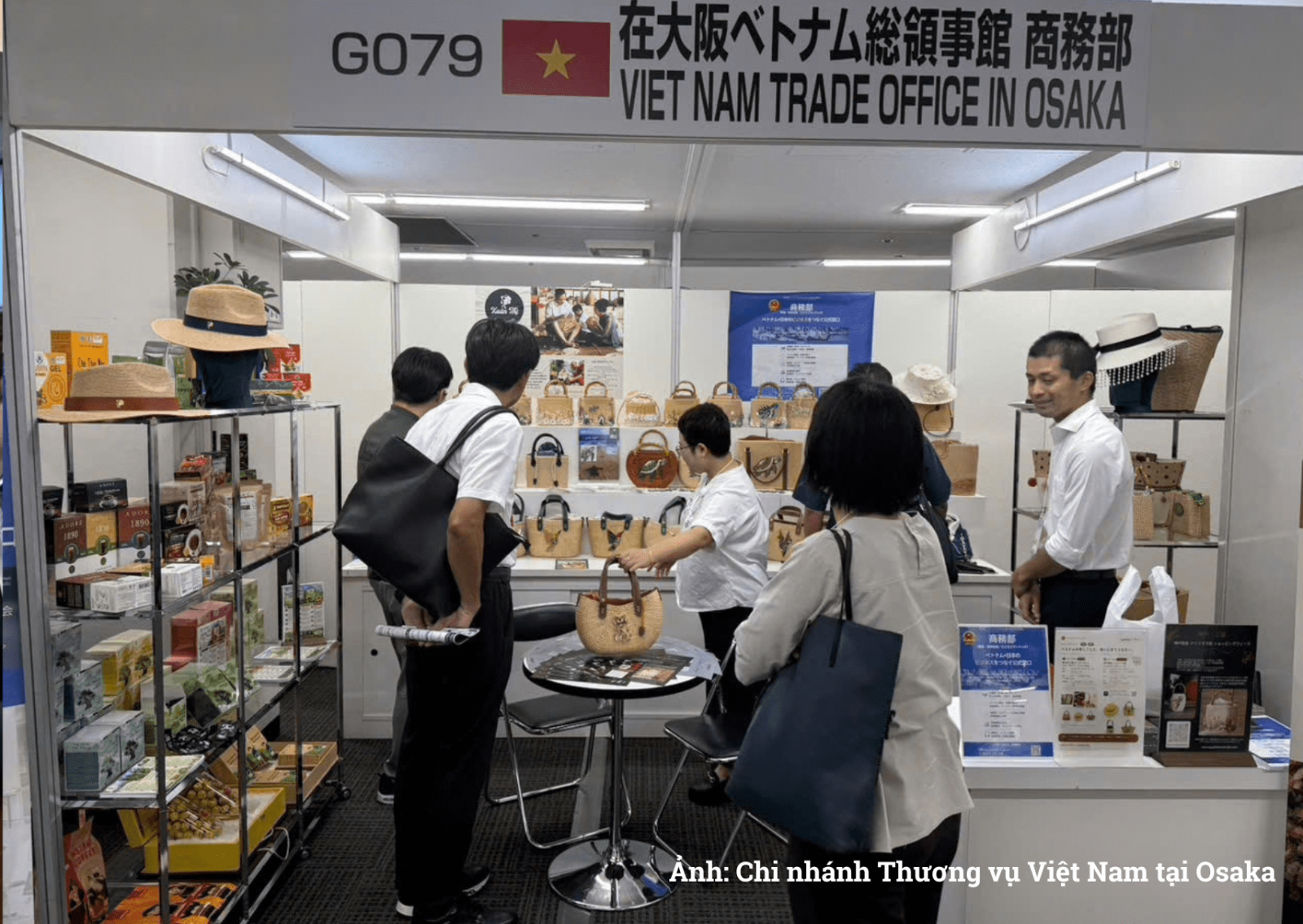
Viet Nam showcased designed handicrafts and farm products at the Osaka International Gift Show, highlighting products tailored to the local Japanese market's needs.
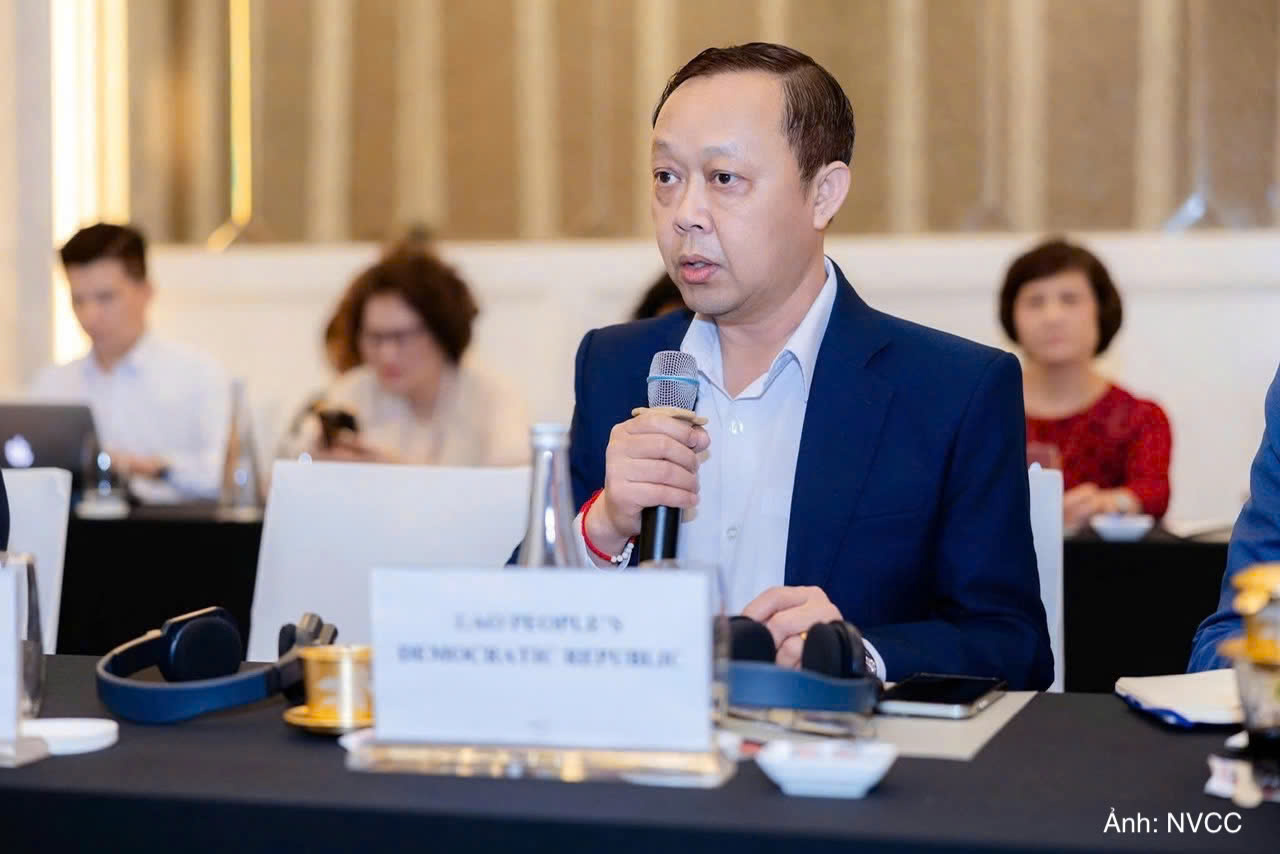
Viet Nam - Laos Product Week in Ha Noi is expected to help businesses from both countries promote goods, expand market access and advance the bilateral trade target.
Viet Nam showcased designed handicrafts and farm products at the Osaka International Gift Show, highlighting products tailored to the local Japanese market's needs.
Viet Nam - Laos Product Week in Ha Noi is expected to help businesses from both countries promote goods, expand market access and advance the bilateral trade target.
The Halal market is expanding, while increasingly stringent standardization requirements are creating both opportunities and challenges for Vietnamese businesses.
MoIT is advancing the Energy Efficiency Promotion Fund to mobilize financial resources and support greater investment in energy efficiency in Viet Nam.