Vietnam and Israel discuss strengthening VIFTA implementation to expand trade, investment and cooperation, aiming to boost bilateral economic ties and market access.
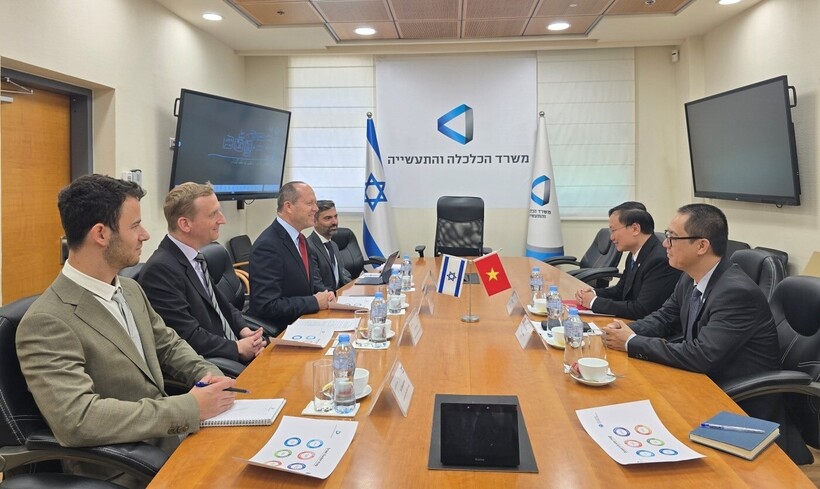
On June 29, at the headquarters of the Israeli Ministry of Economy and Industry in Jerusalem, Ambassador of Vietnam to Israel Nguyen Ky Son held a working session with Minister Nir Barkat on strengthening the implementation of the bilateral Free Trade Agreement (VIFTA), contributing to further expanding multifaceted cooperation between the two countries, particularly in trade exchange and industrial cooperation, as well as promoting the convening of the Intergovernmental Committee (Joint Committee) between Vietnam and Israel.
Ambassador Nguyen Ky Son and the Vietnam Trade Office hold talks with the Israeli Minister of Economy and Industry.
Attending the meeting on the Vietnamese side were Le Thai Hoa, Commercial Counsellor in charge of the Vietnam Trade Office, and officials from the Embassy of Vietnam. On the Israeli side, there were representatives from relevant departments under the Foreign Trade Administration of the Ministry of Economy and Industry of Israel.
At the meeting, Minister Nir Barkat emphasised that with a population of over 100 million people, along with the diligence and discipline of its workforce, Vietnam is emerging as a global manufacturing hub and an attractive destination not only for tourism but also for Israeli businesses seeking investment and commercial opportunities.
The Israeli Minister affirmed that Vietnam - Israel relations have been developing positively across multiple fields, with expanding people-to-people exchanges and growing mutual understanding and goodwill between the two peoples.
He also expressed a desire to further enhance cooperation in trade exchange, particularly through more effective implementation of VIFTA by deepening the complementarity between the two economies. He noted that it is now timely for both sides to convene the Intergovernmental Committee (Joint Committee), and proposed strengthening exchanges and contacts to review cooperation progress and identify directions and measures for future collaboration.
Regarding investment cooperation, Minister Nir Barkat noted that Israel is one of the world’s leading innovation hubs and a country that widely applies artificial intelligence (AI) across sectors such as manufacturing, agriculture, healthcare and more. Israeli enterprises have been effective in commercialising technological products for real-world applications globally. Around 80% of tens of thousands of Israeli companies operate in fields where Israel has strengths, including AI, cybersecurity, and healthcare-related technologies.
He added that Israel is always ready to welcome Vietnamese business delegations to explore the Israeli market, and is also considering sending Israeli business delegations to Vietnam to seek cooperation opportunities with local partners.
In response, Ambassador Nguyen Ky Son congratulated Israel on its recent economic achievements and affirmed that Vietnam attaches great importance to its multifaceted friendly and cooperative relations with Israel, particularly in areas such as economics, trade, science and technology. He expressed satisfaction with the strong growth in bilateral trade exchange.
Since VIFTA entered into force in mid-November 2024, it has created strong momentum, pushing bilateral trade turnover to nearly USD 4 billion, making Vietnam one of Israel’s major trading partners not only in Asia but also globally.
The Vietnamese Ambassador assessed that the potential and room for cooperation remain significant, stressing that both sides should fully leverage the advantages of VIFTA to expand cooperation, particularly in sectors where Israel has strengths and Vietnam has demand.
He also outlined Vietnam’s key priorities in his tenure and expressed hope for continued close coordination and support from Israeli authorities, including the Ministry of Economy and Industry and Minister Nir Barkat personally, particularly in enhancing bilateral exchanges and creating more favourable conditions for Vietnamese goods to access the Israeli market, as well as prioritising investment cooperation in science and technology, combining Israeli technology with Vietnam’s resources.
The meeting took place in an open and constructive atmosphere. Representatives of the Vietnam Trade Office and leaders of Israeli Ministry of Economy and Industry agencies also exchanged specific proposals for future cooperation and agreed to maintain close communication channels to effectively coordinate implementation. This is expected to contribute actively to expanding multifaceted cooperation for the benefit of the people and businesses of both countries, and for peace, stability and prosperity in the region and the world.
In 2025, bilateral merchandise trade reached USD 3.63 billion, up 11.8%, of which Vietnam’s exports amounted to USD 865 million, an increase of 8.9% compared to 2024. In the first five months of 2026, bilateral trade reached USD 1.6 billion, with Vietnam’s exports to Israel reaching USD 462 million, a remarkable increase of 30.6% year-on-year. It is forecast that if the current growth momentum is maintained and no abnormal market fluctuations occur, bilateral trade in 2026 could reach about USD 3.9 billion, with Vietnam’s exports exceeding USD 1.0 billion. In terms of investment cooperation, to date, Israel has invested approximately USD 155.90 million in Vietnam across 45 projects, while Vietnam’s investment in Israel has reached around USD 78.25 million.
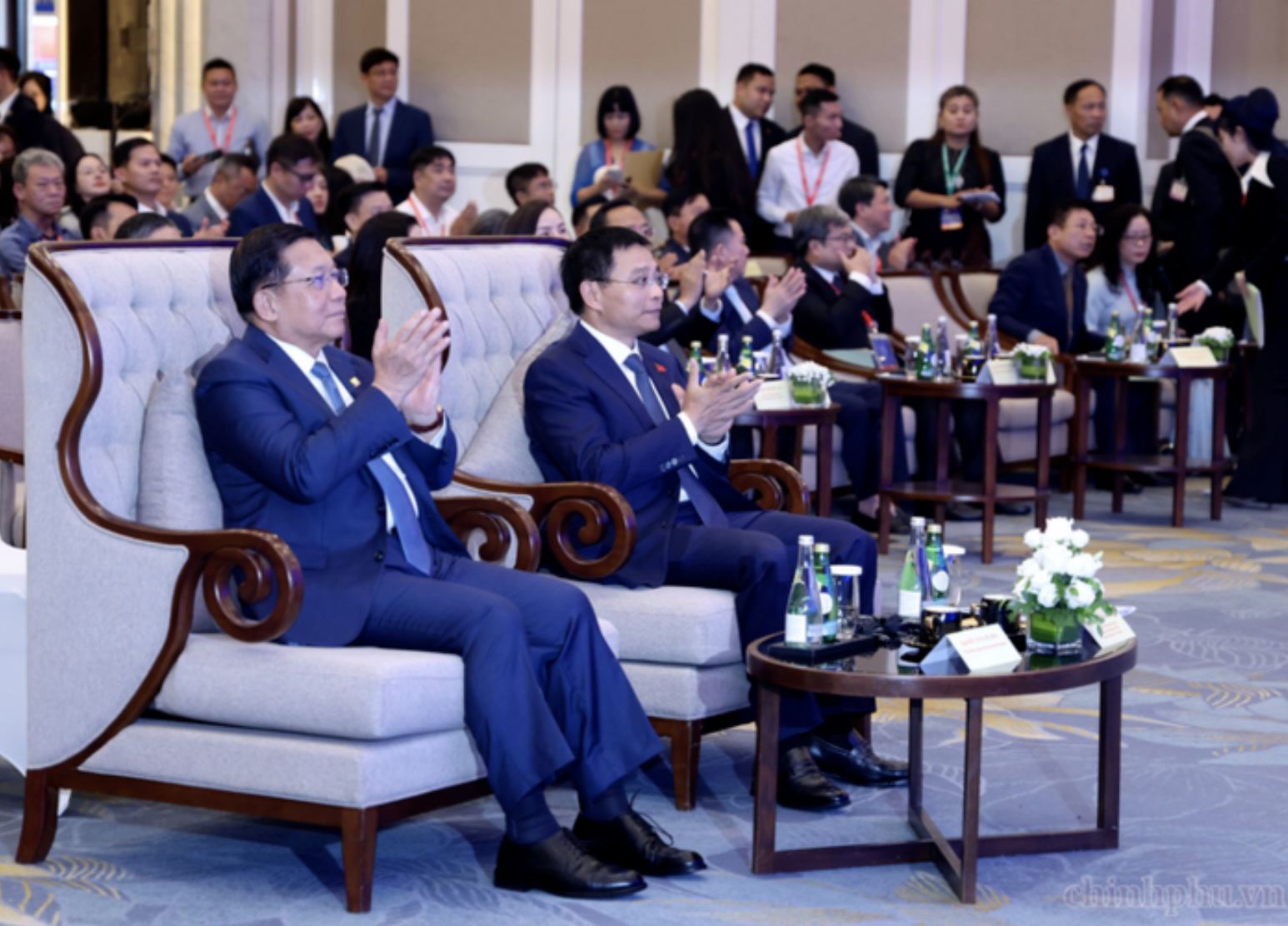
Addressing the Myanmar - Viet Nam Business Forum, Deputy Prime Minister Nguyen Van Thang said the two sides should expand the space for cooperation and leverage their respective resources to support the self-reliant and resilient development of each country, contributing to the implementation of agreements reached by the senior leaders of the two countries.
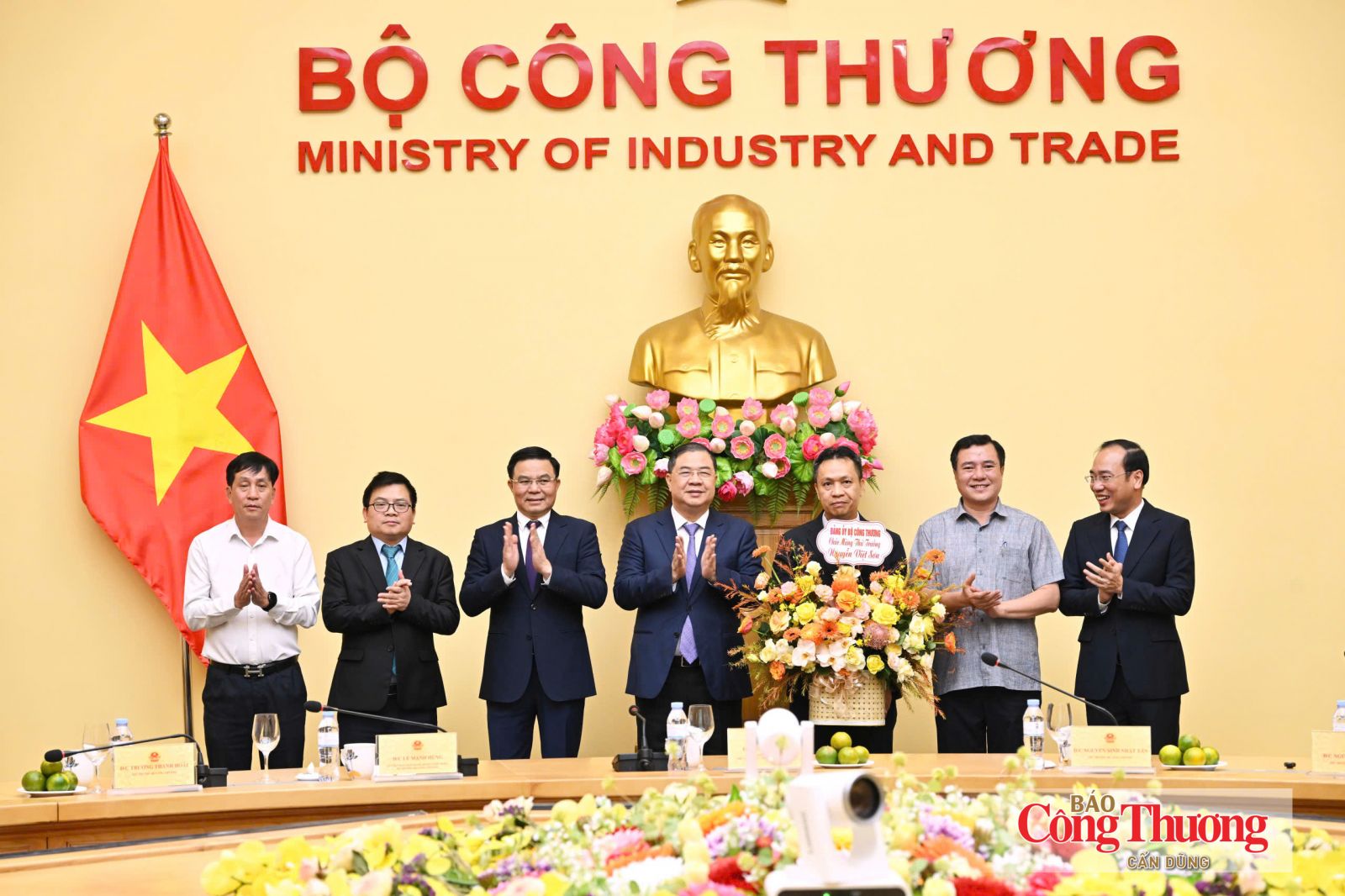
On the afternoon of September 6, at the headquarters of the Ministry of Industry and Trade (MoIT), Politburo member and Standing Deputy Prime Minister Pham Gia Tuc handed over the Prime Minister's decision appointing Nguyen Viet Son as Deputy Minister of Industry and Trade.
The iDEA and TikTok Shop launched the “Beyond Vietnam” initiative to help Vietnamese businesses build digital export capabilities and expand global market access.
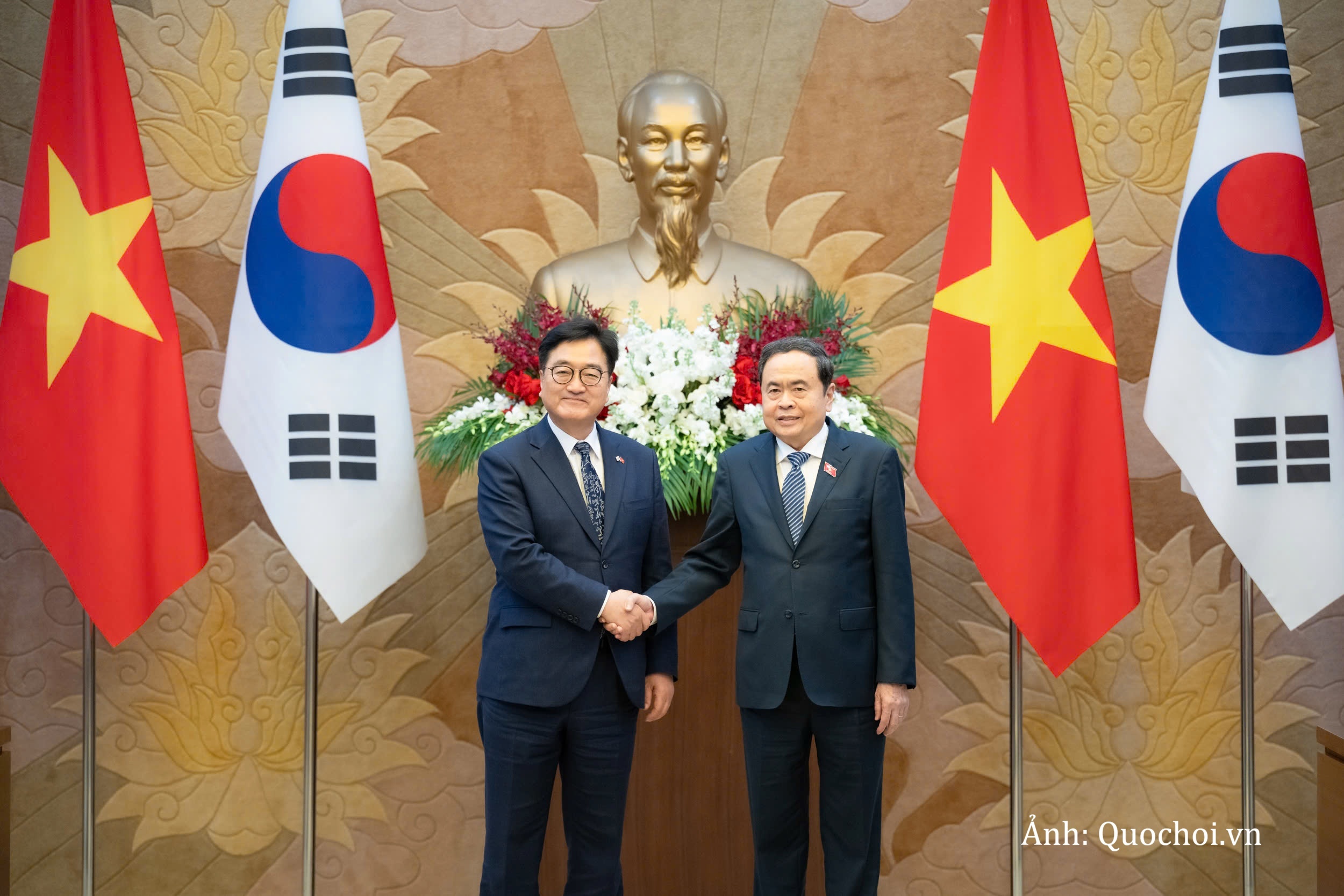
As Viet Nam and the Republic of Korea (RoK) work towards the goal of raising bilateral trade to USD 150 billion, the National Assemblies of the two countries have an important role to play in improving institutions and removing bottlenecks.
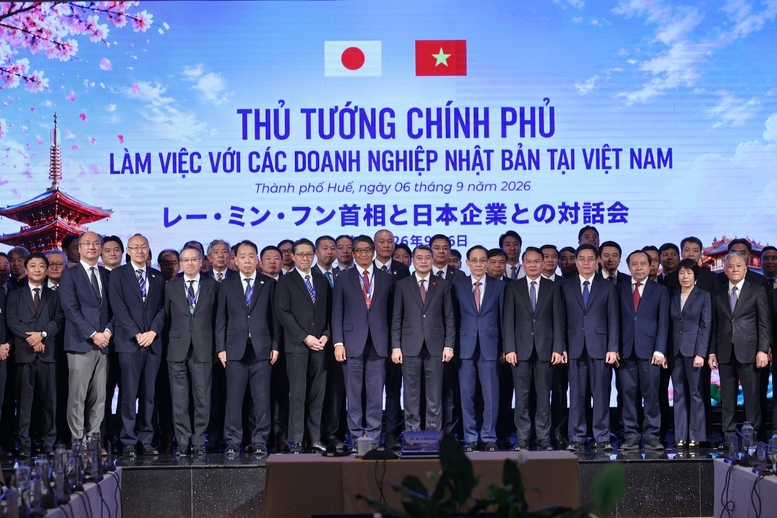
Chairing a meeting with Japanese businesses on the morning of September 6, Prime Minister Le Minh Hung called for Viet Nam - Japan investment ties to shift decisively from a relationship between “investors and investment destinations” toward a partnership for joint development and co-creation, involving joint research, innovation, production, and effective participation in and affirmation of their positions and roles in global value chains.
The iDEA and TikTok Shop launched the “Beyond Vietnam” initiative to help Vietnamese businesses build digital export capabilities and expand global market access.
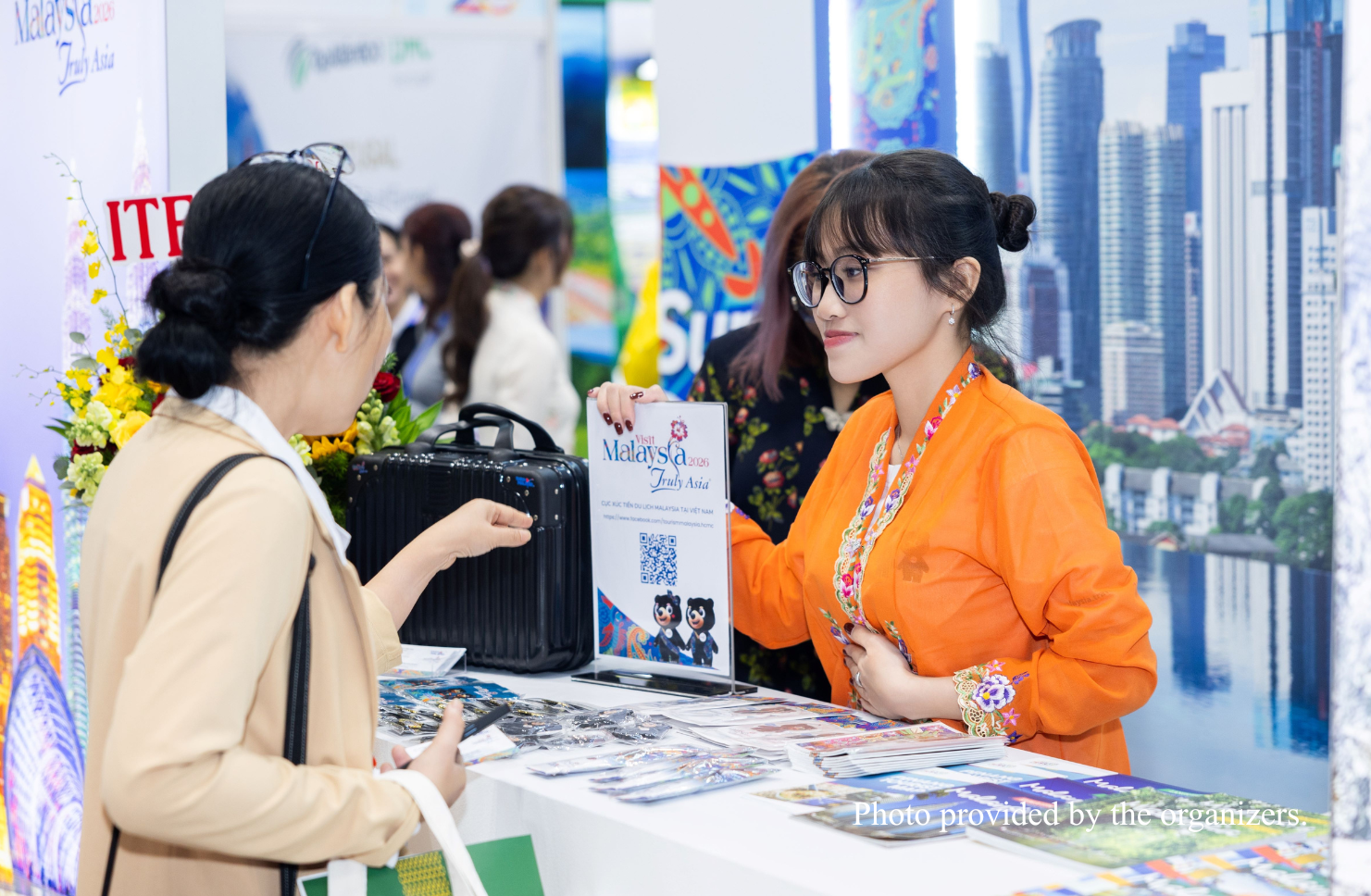
Tourism Malaysia reaffirmed its commitment to the Vietnamese market at ITE HCMC 2026, promoting the extended Visit Malaysia 2026 - 2027 campaign and expanding tourism cooperation.
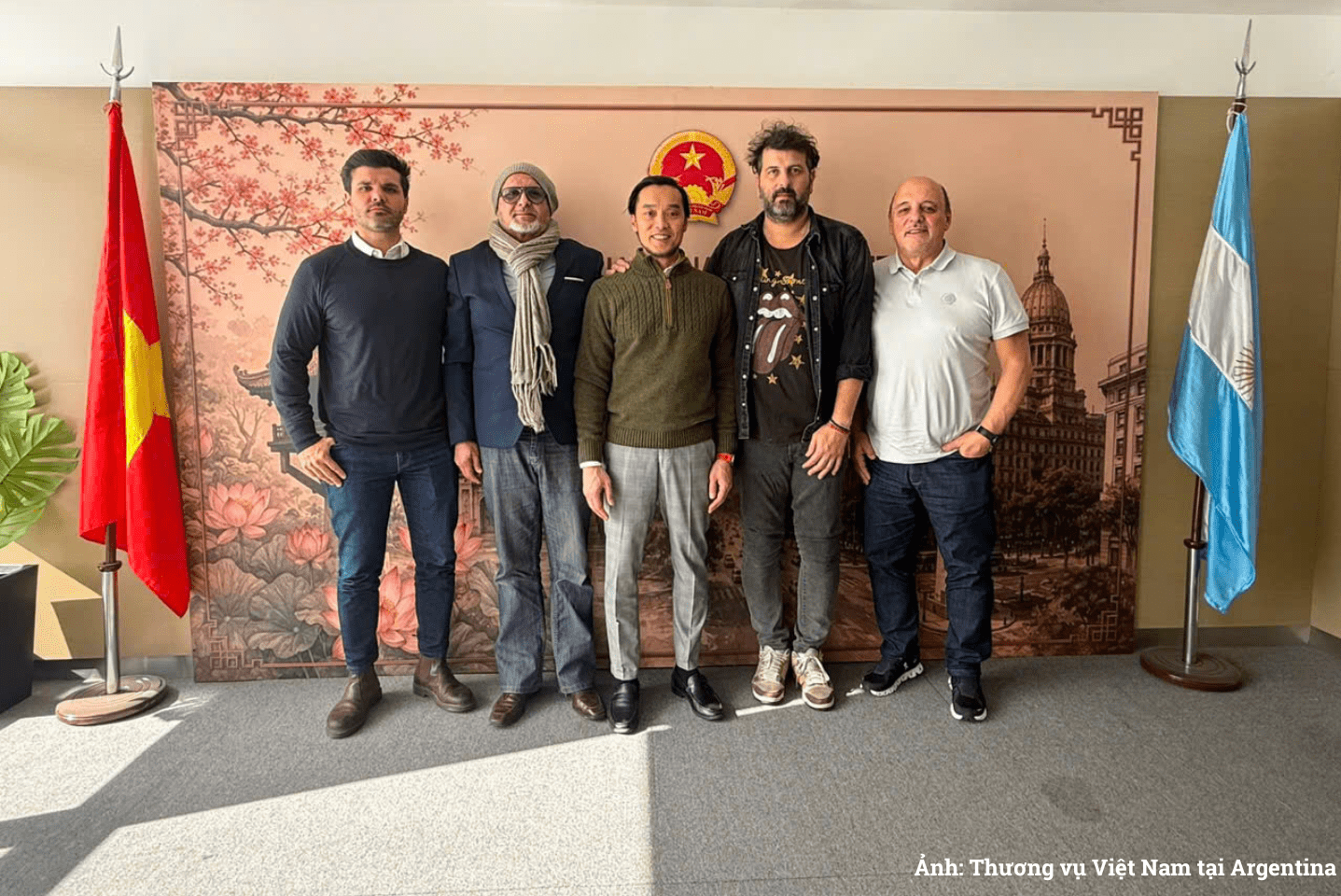
Viet Nam Trade Office in Argentina is boosting business links to expand cooperation in timber, minerals and investment, opening new opportunities for firms in both countries.
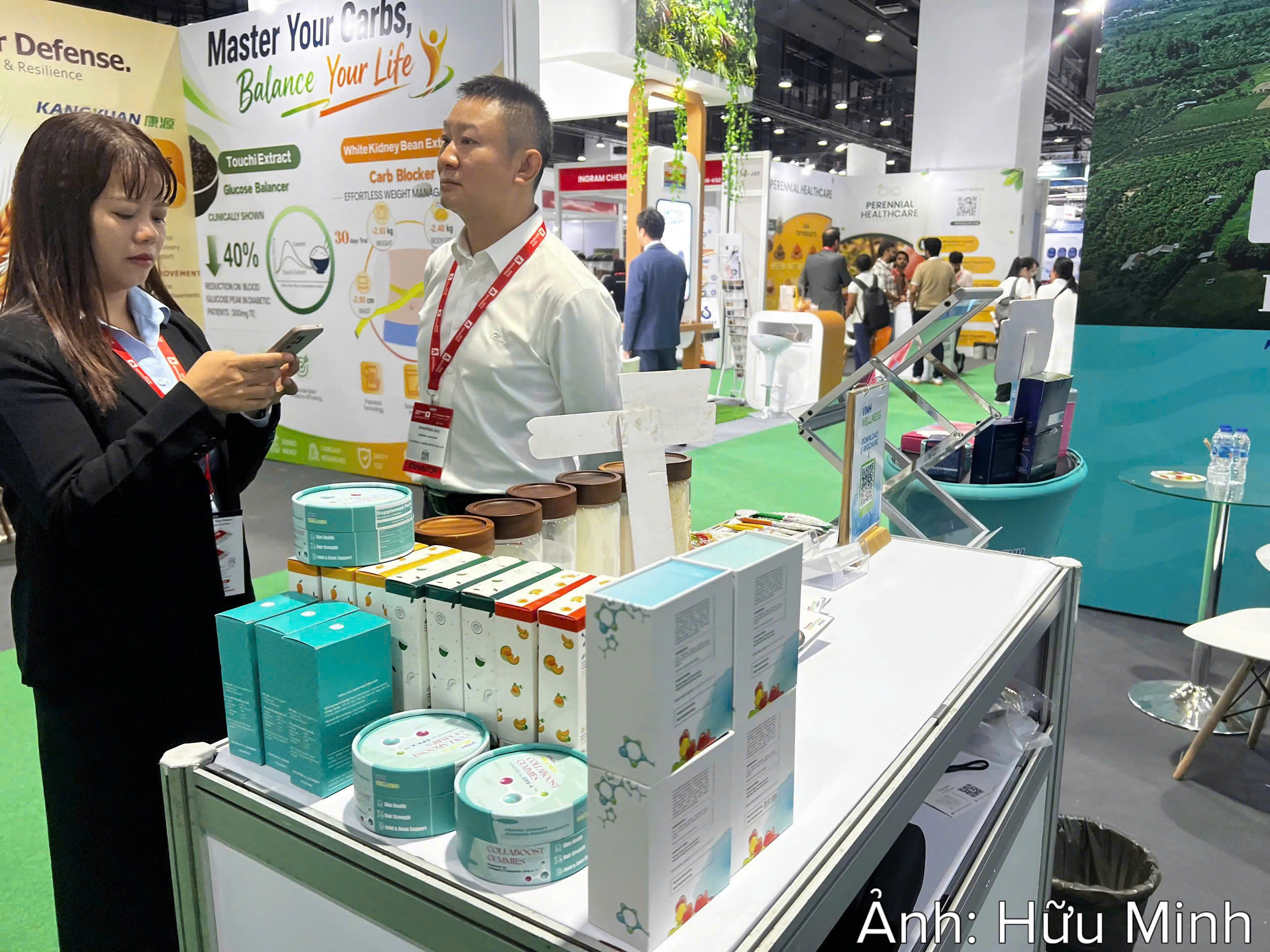
Vitafoods Asia 2026 in Thailand highlighted the growing presence of Vietnamese health and nutrition products, opening new opportunities for global market expansion.
Viet Nam is addressing key bottlenecks and improving durian quality to boost exports, with the sector targeting USD 4 billion in export turnover this year.