Vietnamese businesses could gain more from Uruguay through tailored B2B meetings, a regional trade promoter told the Viet Nam Trade Office in Argentina.
During a working session with the Viet Nam Trade Office in Argentina on November 3, Diego Martinez Bernier, of the Mercosur ASEAN Chamber of Commerce and CEO of MM&A Globe, shared his experience in organising business matchmaking in South America and proposed practical ways to help Vietnamese businesses tap into partner networks in the region.
At the meeting, Ngo Manh Khoi, Head of the Viet Nam Trade Office in Argentina, exchanged views with Martinez Bernier on his experience in international trade promotion, organising business delegations and facilitating trade connections in Uruguay, Argentina and Paraguay. Martinez Bernier also shared practical insights into how foreign businesses can be supported in accessing Latin American markets.
Following the discussion, the trade office noted that to tap the Uruguayan market and neighbouring markets effectively, trade promotion needs to shift from simply showcasing products to helping businesses find the right partners, identify the right needs and gradually build long-term cooperation.
This approach also reflects Martinez Bernier's experience in organising business matchmaking programs in Uruguay, Argentina and Paraguay, as well as supporting business delegations from several autonomous communities of Spain in exploring business opportunities in Latin America. One concrete lesson is a model of B2B meetings tailored to the needs of each business.
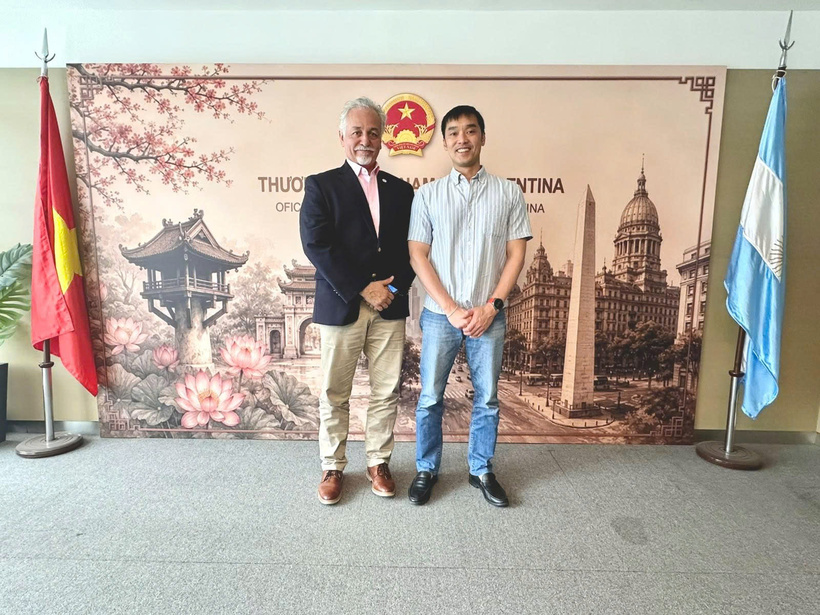
Ngo Manh Khoi (right), Head of the Viet Nam Trade Office in Argentina, and Diego Martinez Bernier, of the Mercosur ASEAN Chamber of Commerce and CEO of MM&A Globe.
Martinez Bernier suggested that rather than bringing businesses to large events and leaving them to find customers on their own, organizers should first understand each business's field of operation, products, business objectives and the partners it wishes to reach. On that basis, a program could arrange around 8-12 meetings with pre-selected companies that are likely to match its cooperation needs. For example, a Vietnamese business seeking coffee importers in Uruguay would be prioritized for meetings with companies that trade, distribute or need to import the product, rather than holding scattered meetings with firms from unrelated sectors. Similarly, a technology business could be connected with partners that need digital solutions or are seeking opportunities for joint product development.
According to Martinez Bernier, this approach makes meetings more focused, saves time and enables businesses to concentrate on specific cooperation opportunities. It offers a useful reference for Viet Nam's trade promotion in distant markets, where the cost of organising delegations and the time required for market surveys must be carefully weighed.
From the trade office's perspective, the needs-based matchmaking model also points to the organisation of sector-specific trade programs, in which Vietnamese businesses are supported in preparing capability profiles, identifying target partner groups and discussing cooperation potential in advance. The trade office could serve as a focal point for providing market information, helping to identify needs and coordinating with local partners to make connections more effective.
According to the trade office, a network of local partners is an important factor in helping Vietnamese businesses overcome the difficulties of entering South American markets. Uruguay could be one of the priority locations for study, not only because of its domestic demand but also for its potential to help establish relationships with businesses in Argentina, Paraguay and other countries in the region. However, using Uruguay as a gateway to other markets needs to be assessed on the basis of the characteristics of each product group, import regulations, tariffs and specific trading conditions. This is also why businesses need reliable market and partner information before committing resources.
Another significant area of discussion was the potential for cooperation in technology, investment and innovation. Martinez Bernier said he is interested in activities that connect international investors with Uruguay's technology and innovation ecosystem, involving investment support organisations and universities. Under the direction he outlined, attracting investment goes beyond capital to include research cooperation, technology development and links between businesses and training and research institutions.
The trade office sees this as an area that could open up new opportunities for cooperation between the two countries. Beyond traditional import and export goods, Viet Nam has an increasingly visible presence in information technology, software, digital transformation and applied technology solutions. Connecting with Uruguayan partners could help Vietnamese businesses find opportunities to provide solutions, co-develop products or take part in technology projects in the local market.
However, businesses and research organisations of the two countries could also explore expert exchanges, training cooperation, applied research and links between start-ups. If implemented through concrete programs, these activities would help take bilateral economic relations beyond the trade in goods.
According to a September 2026 report by Uruguay XXI, the Uruguayan government agency responsible for export promotion, foreign investment attraction and the promotion of the country brand worldwide, Uruguay's total merchandize exports reached USD 10.372 billion, up 1% year on year. Key exports included beef at USD 2.015 billion, pulp at USD 1.757 billion, soybeans at USD 832 million, dairy products at USD 654 million and beverage concentrates at USD 634 million. Notably, exports of wood and wood products reached USD 408 million, up 27%, while meat by-products reached USD 377 million, up 8%. This export structure reflects Uruguay's strengths in agriculture, food and industrial raw materials. It also provides a basis for Vietnamese businesses to explore complementary areas of cooperation, from consumer goods, processed products, textiles and garments, footwear and wooden furniture to machinery, equipment and technology solutions for production and processing.
For products in which Viet Nam has strengths, such as coffee, cashew nuts and processed foods, market access opportunities need further assessment based on Uruguay's import data by HS code, supplying markets and the needs of distribution systems. This would allow businesses to identify suitable segments rather than relying solely on the overall size of the market. One question of interest to the trade office is how Vietnamese businesses can not only access information but also turn it into business opportunities.
Khoi said that in the coming period, the trade office will need to continue discussions with Uruguayan partners to clarify market demand, identify promising product groups and study the possibility of organising suitable business matchmaking programs. Coordination with local trade promotion organisations, associations and businesses will be key to turning the opportunities discussed into concrete activities.
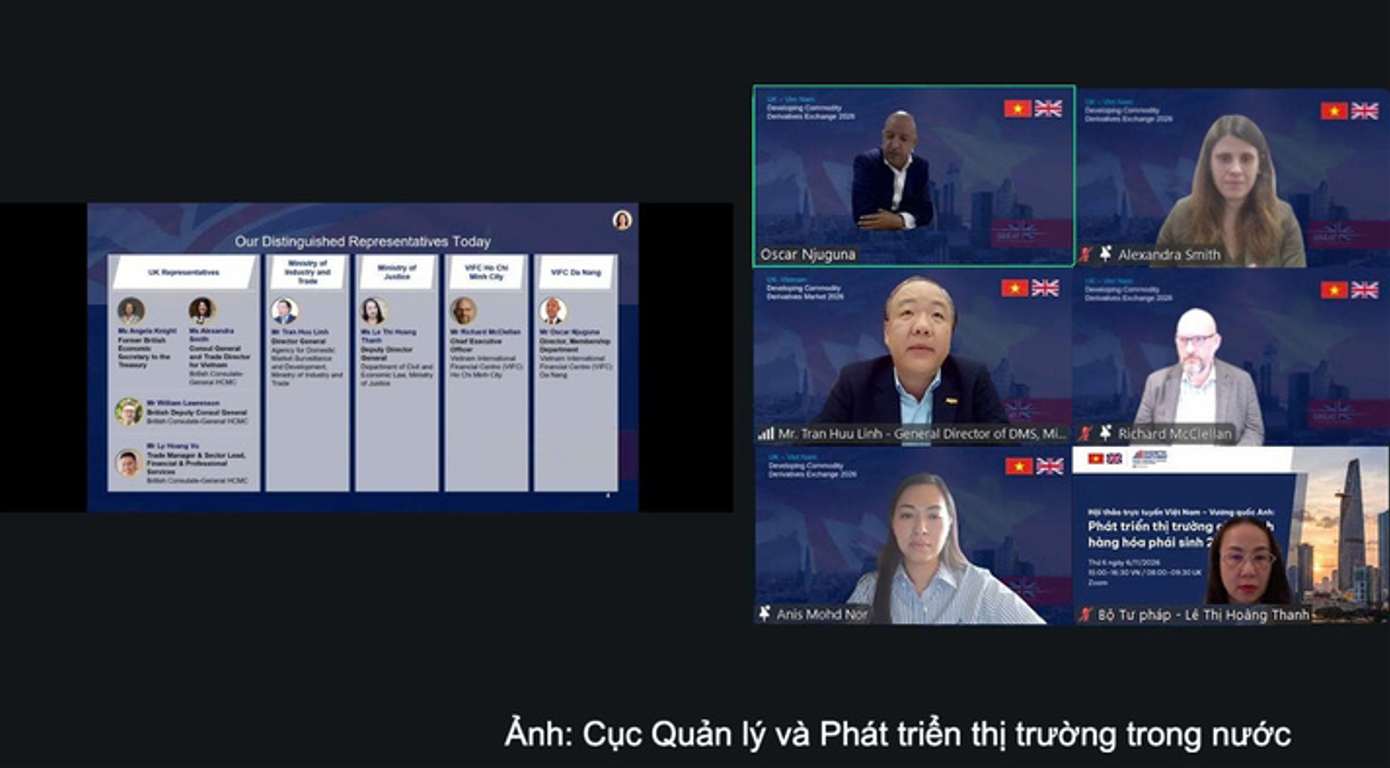
Viet Nam and the UK are stepping up the exchange of experience to promote the development of a transparent and safe commodity derivatives market that is tied to production and business needs.
On the 20th anniversary of Viet Nam's accession to the WTO, the former head of the Government's negotiating delegation recalls unforgettable memories, reflects on the achievements and shares what today's negotiators must hold fast to.
On November 7, the plenary session of the Viet Nam Logistics Forum 2026, themed "Connecting highland logistics, reaching out to global supply chains," officially opened in Gia Lai province.
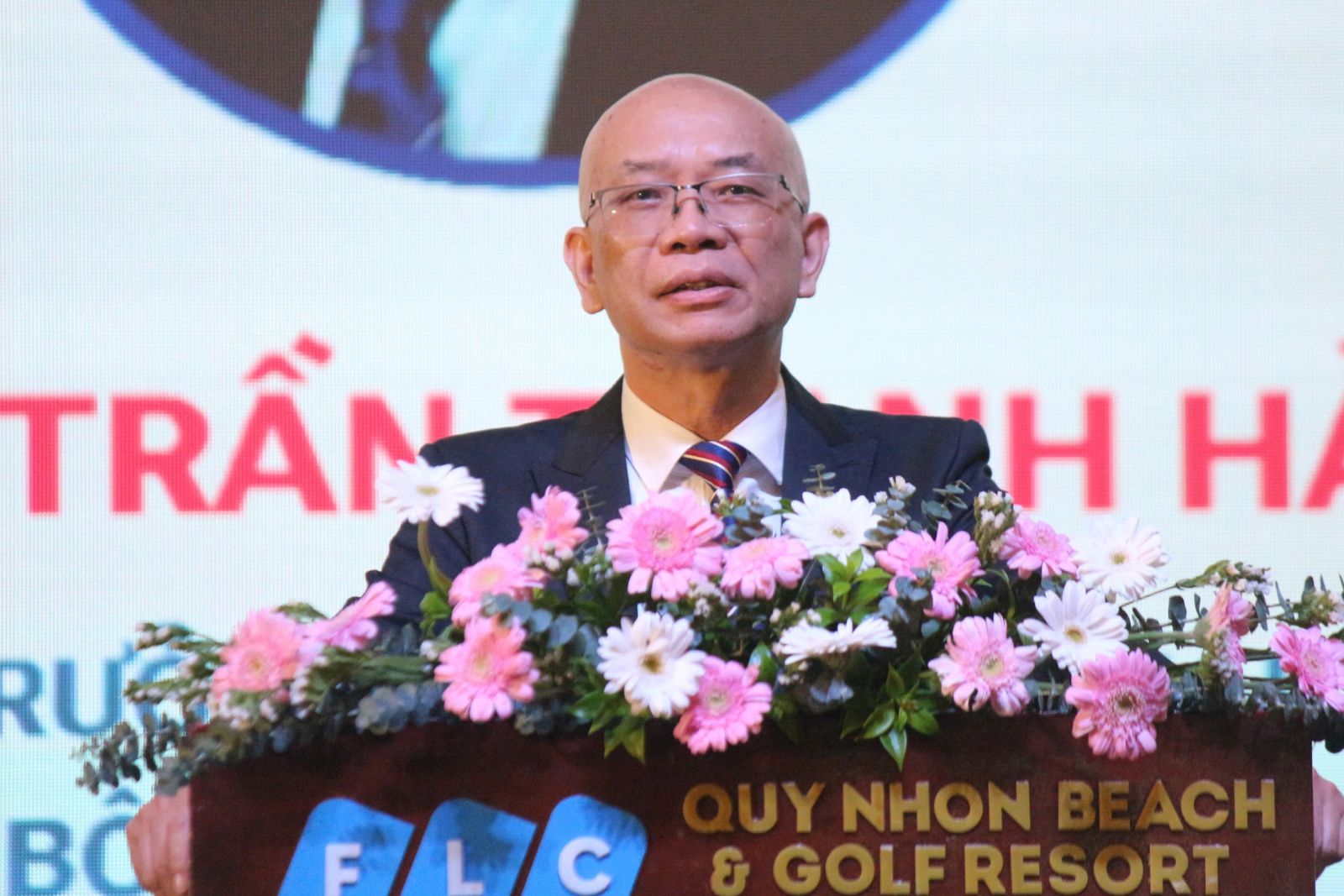
At the Viet Nam Logistics Forum 2026, held in Gia Lai on November 7, Tran Thanh Hai, Deputy Director-General of the Agency of Foreign Trade under the Ministry of Industry and Trade (MoIT), stressed that logistics development in the coming period should be measured by its ability to create and retain value in Viet Nam.
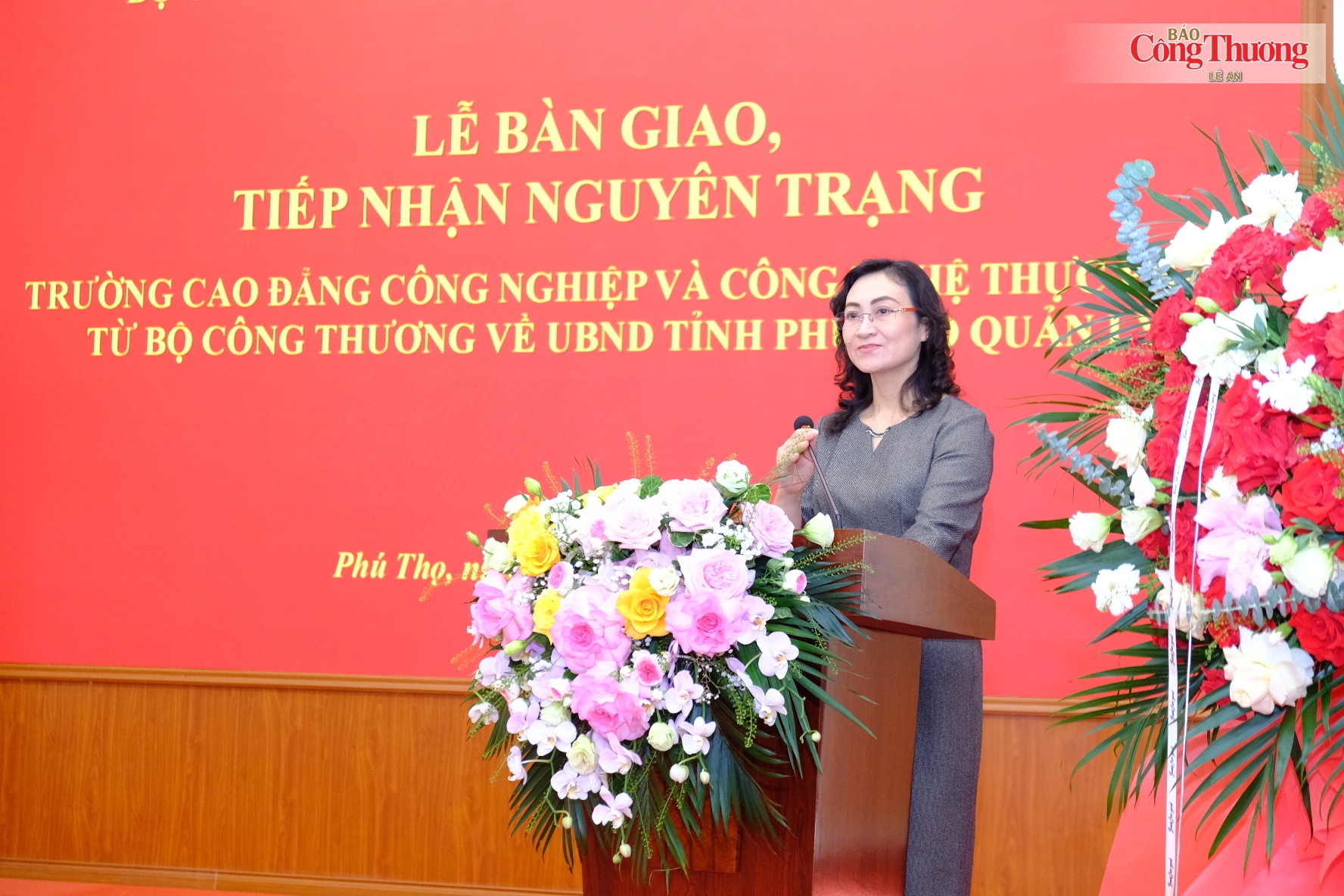
Ministry of Industry and Trade (MoIT) and the People’s Committee of Phu Tho province have organised the handover and reception of the College of Industry and Food Technology, opening a new phase of development for the institution.
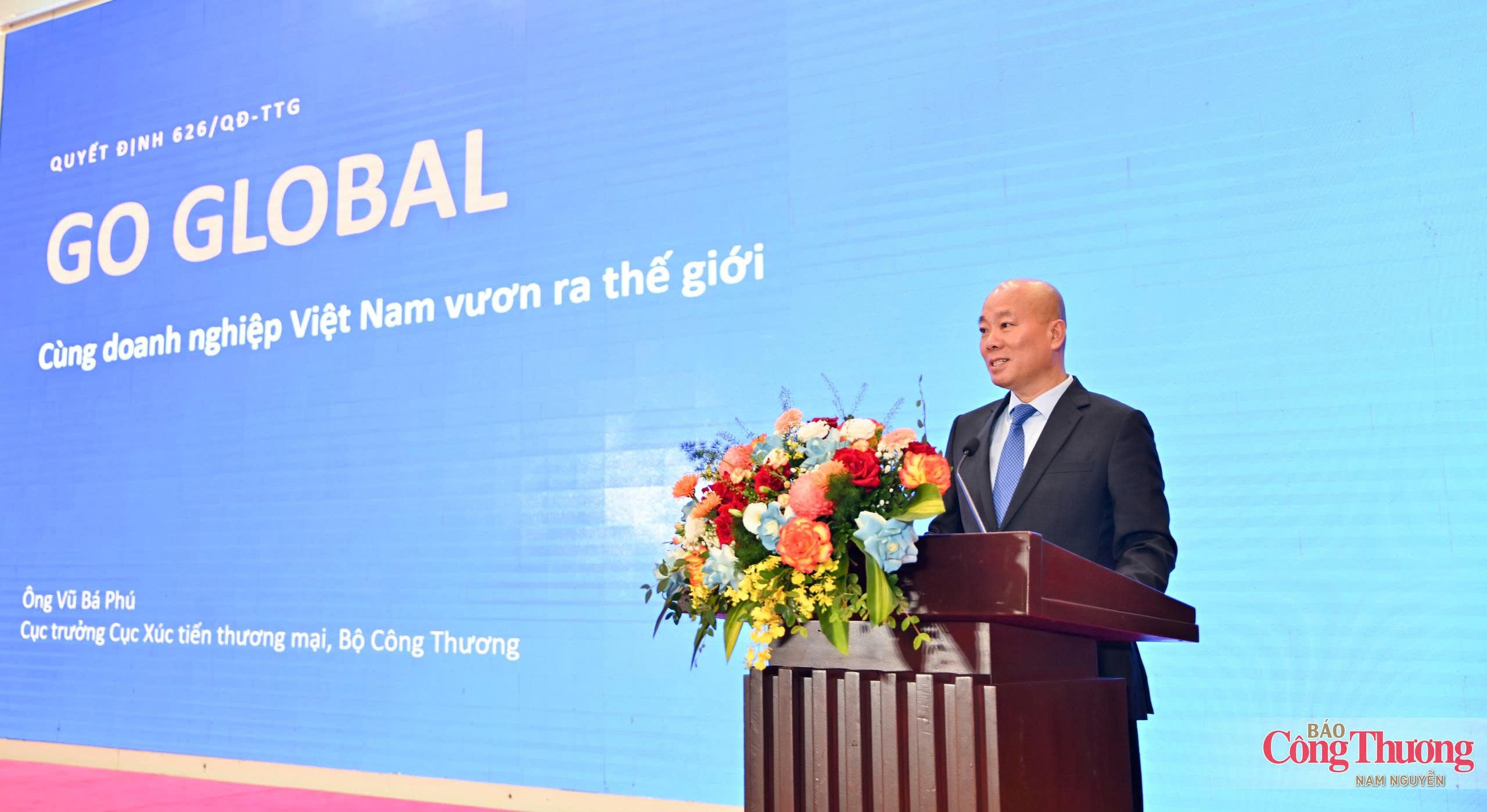
Go Global aims to help Vietnamese businesses move beyond goods exports to join global value chains, build brands and establish an international presence.
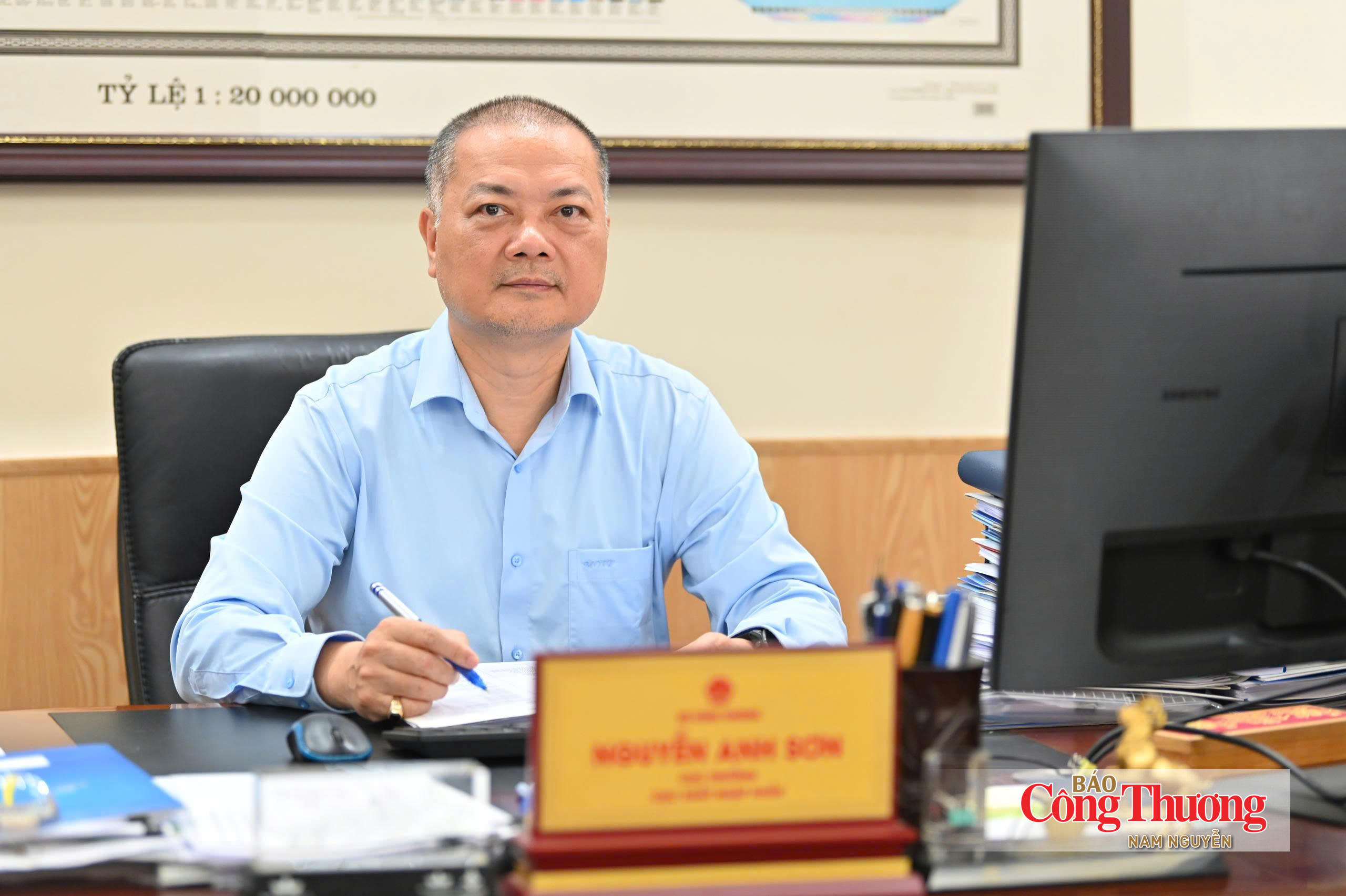
In an interview with the Newspaper of Industry and Trade, Nguyen Anh Son, Director-General of the Agency for Foreign Trade under the Ministry of Industry and Trade (MoIT), emphasized that total merchandise trade turnover exceeding USD 1 trillion reflects the growing scale and deeper integration of Viet Nam's economy into international trade.
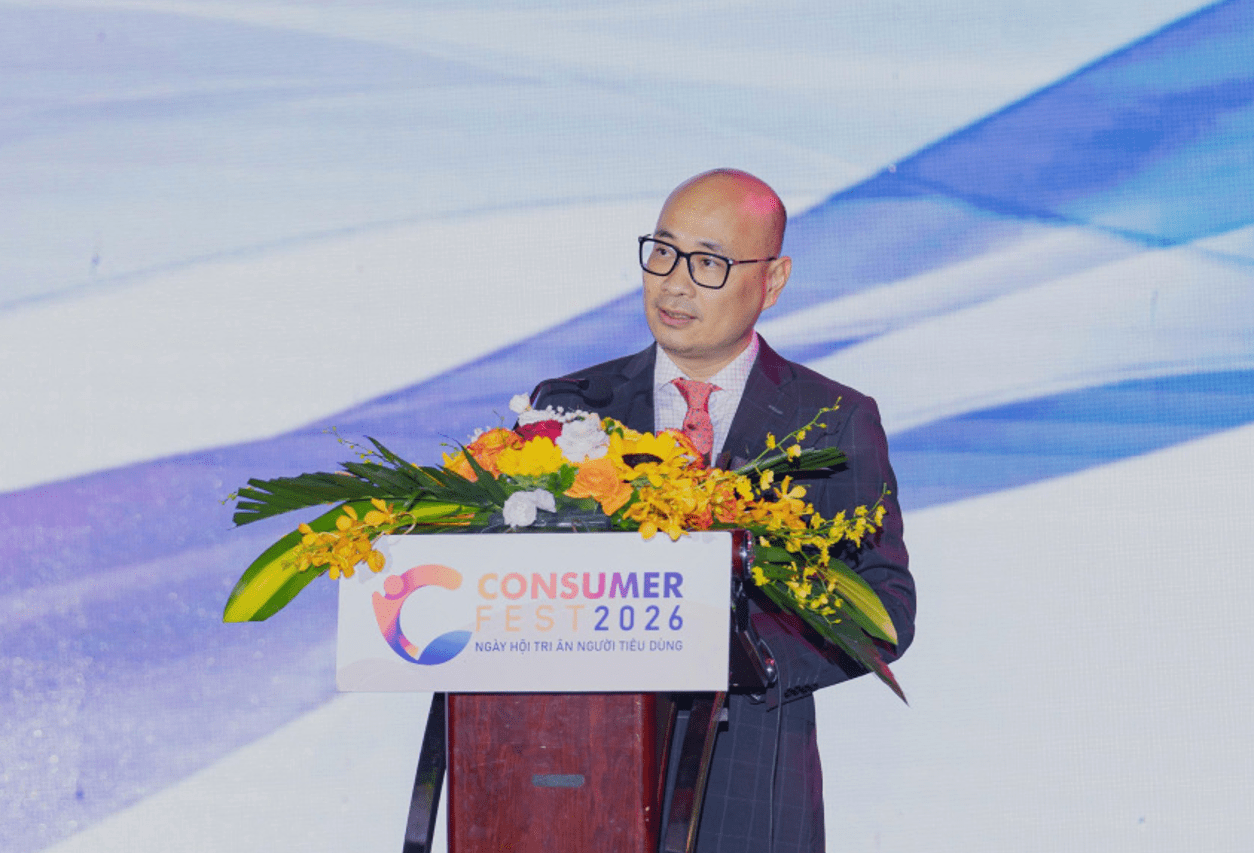
Consumer Fest 2026 attracted over 23,000 visitors in Hung Yen Province on October 31, promoting consumer rights and responsible consumption across the community.
Viet Nam's import-export turnover reached USD 1,010.6 billion in the first 10 months of 2026, up 32.3% year-on-year, surpassing the USD 1 trillion mark.