Tariff preferences under free trade agreements (FTAs) are creating new opportunities for Vietnamese pepper exports. However, businesses need to proactively meet rules of origin requirements.
FTAs open markets, rules of origin create competitive advantages for Vietnamese pepper
Viet Nam has signed and implemented numerous bilateral and multilateral free trade agreements (FTAs), facilitating access for its goods to major markets at preferential tariff rates. However, tariff preferences do not automatically translate into a competitive advantage unless businesses meet the accompanying requirements, among which rules of origin are particularly important.
For the pepper and spice industry, the advantage in terms of origin is relatively clear, as most agricultural raw materials are cultivated, harvested and processed domestically. This provides favourable conditions for businesses to meet the wholly obtained criteria under FTA rules of origin, thereby capitalising on opportunities to benefit from lower import tariffs in markets with which Viet Nam has trade agreements.
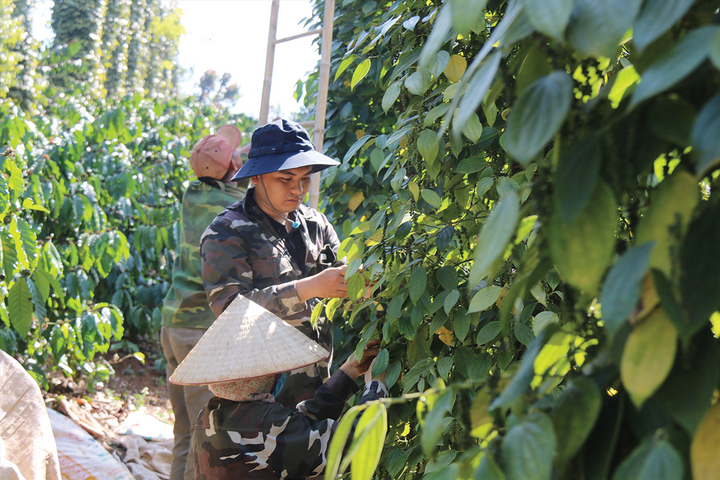
Vietnamese pepper remains among the world's leading pepper exporters. Photo: Phuong Lan
Hoang Thi Lien, Chairwoman of the Viet Nam Pepper and Spice Association, said that FTAs, whether bilateral or multilateral, serve as gateways that facilitate access for Vietnamese goods to international markets. At the macroeconomic policy level, the State has established a relatively comprehensive legal framework to support businesses in integrating more deeply into global trade chains.
According to Hoang Thi Lien, Vietnamese agricultural, forestry and fishery products are, in general, considered wholly obtained goods because they are cultivated, raised and processed domestically. This advantage is even more evident in the spice industry, as many Vietnamese spice crops thrive under specific natural conditions that are difficult to replicate successfully in many other countries.
This creates favourable conditions for pepper businesses to take advantage of rules of origin and meet the requirements for preferential tariff treatment. When goods qualify for lower import duties, exporters gain greater room to compete on price, while importers and consumers in destination markets also benefit.
The EU market is one example. As Viet Nam has an FTA with the EU while some competing countries do not, Vietnamese pepper and spices can enjoy certain advantages in terms of import tariffs. This presents an opportunity for businesses to improve their competitiveness, expand market share and strengthen their presence in markets with stringent requirements.
However, the advantage of wholly obtained origin does not mean businesses can afford to be complacent in implementation. The blending of raw materials, use of imported inputs and declaration of origin must all comply with the specific provisions of each agreement. Every stage, from supporting documents and records to technical criteria, requires strict control. Failure to comply may expose businesses to legal risks and trade disputes.
For food products such as pepper and spices, origin is only one of the conditions for market access. Businesses must also meet requirements concerning food safety, quality management, traceability, sustainability and social responsibility.
Hoang Thi Lien emphasised that markets today are concerned not only with the quality of finished products but also with the entire production process, from cultivation and processing to environmental impacts and social factors. Only when these criteria are fully met can goods enter markets and reach consumers.
C/O should be viewed as an investment in the future
In practice, not every pepper business needs a Certificate of Origin (C/O) to benefit from tariff preferences under FTAs. The decision also depends on importers, the level of tariff reductions and the balance between tariff savings and the costs and time involved in completing the procedures.
Hoang Thi Lien said that when the tariff savings are sufficiently attractive, importers will ask exporters to provide a C/O to claim preferential treatment. Conversely, if the savings are insignificant compared with the administrative workload, time and documentation costs, partners may choose not to pursue this option.
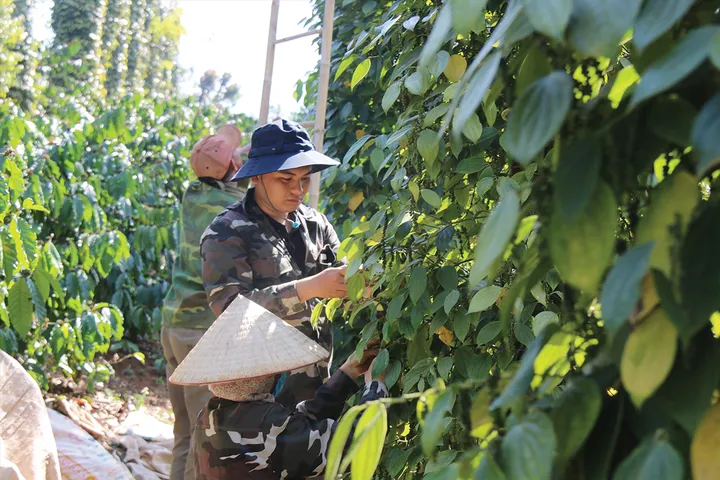
Businesses should regard C/Os as a long-term competitiveness tool. Photo: Phuong Lan
Nevertheless, businesses should regard C/Os and FTA preferences as important tools for building long-term competitive advantages, rather than using them only when requested by partners or when preferential tariff rates offer sufficient benefits for a particular shipment.
According to the Chairwoman of the Viet Nam Pepper and Spice Association, although the scope for further tariff reductions on some agricultural products may be limited in the short term because import duties in destination markets are already low, FTAs remain significant in the long run. These agreements help establish a more stable trading environment while giving Vietnamese goods more favourable access to markets than competitors that do not enjoy similar preferences.
For businesses, Hoang Thi Lien recommended a shift in mindset, from obtaining C/Os on a shipment-by-shipment basis to proactively developing origin management capabilities throughout the entire production chain. Raw material sourcing, document retention, standardised processing procedures and traceability should be managed on a regular basis in line with the requirements of each export market.
In the long term, transparent and consistent origin documentation will not only help businesses make better use of tariff preferences but also strengthen partner confidence, minimise risks and enhance the reputation of Vietnamese goods.
Clearly, the competitive advantage of Vietnamese pepper lies not only in domestic production conditions and supply capacity but also in the ability to translate these strengths into commercial value. When C/Os are viewed as an investment in competitiveness, businesses will be better positioned to integrate into global markets, gradually enhance their standing and pursue sustainable growth in the international marketplace.
Amid intensifying global trade competition, pepper businesses should not regard Certificates of Origin (C/Os) merely as documents required for export procedures or as a means of securing immediate tariff preferences. Instead, they should be viewed as tools for strengthening competitiveness, expanding markets and consolidating the position of Vietnamese goods in global supply chains. With Viet Nam's expanding network of free trade agreements (FTAs), a sound understanding and effective application of rules of origin will enable pepper businesses to make better use of trade advantages, particularly in their long-term development strategies.
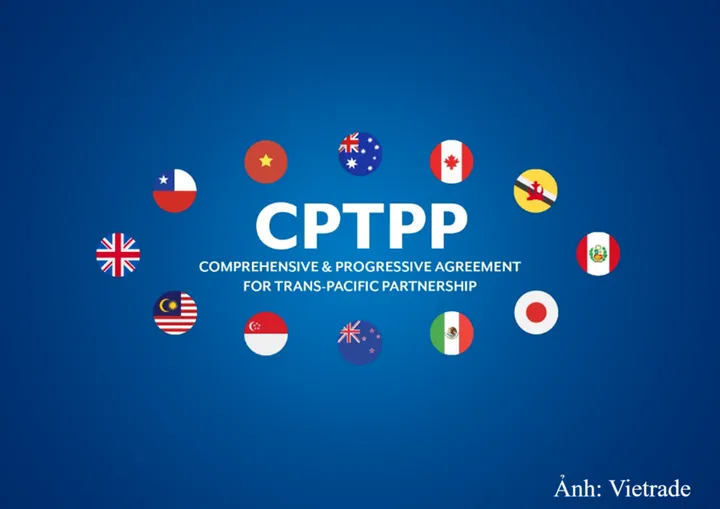
Born from the 12-member TPP after the US withdrawal, the CPTPP has gradually expanded, with the accession of the UK bringing its membership to 12 economies.
Tariff preferences under free trade agreements (FTAs) are creating new opportunities for Vietnamese pepper exports. However, businesses need to proactively meet rules of origin requirements.
Rising global rice prices, stronger import demand from South Korea and Viet Nam's successful bid to supply 35,000 tons are providing positive signals for rice exports.
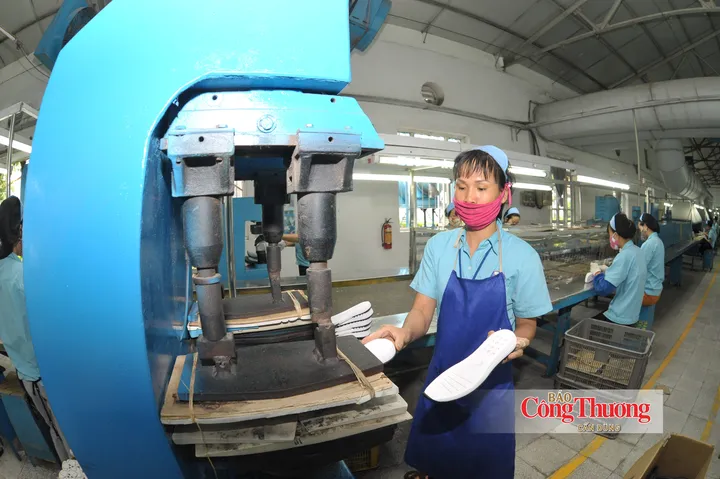
The EVFTA offers Vietnamese footwear tariff advantages in the EU market. To capitalize on these opportunities sustainably, businesses need to secure material supplies, strengthen production capacity and meet green requirements.
Tariff preferences under free trade agreements (FTAs) are creating new opportunities for Vietnamese pepper exports. However, businesses need to proactively meet rules of origin requirements.
Rising global rice prices, stronger import demand from South Korea and Viet Nam's successful bid to supply 35,000 tons are providing positive signals for rice exports.
Vietnamese and Southwestern Chinese businesses met in Kunming to explore cooperation, as the two sides aim to raise Viet Nam - Yunnan trade to USD 5 billion.