Viet Nam and the UK are stepping up the exchange of experience to promote the development of a transparent and safe commodity derivatives market that is tied to production and business needs.
Developing derivative products tied to Viet Nam's commodity strengths
Viet Nam is developing its commodity derivatives trading market as an important component of modern trade and financial infrastructure. In this process, drawing on international experience, improving the legal framework and strengthening links with international financial institutions and exchanges are seen as prerequisites for a market that operates transparently and safely and stays closely tied to production and business activities.
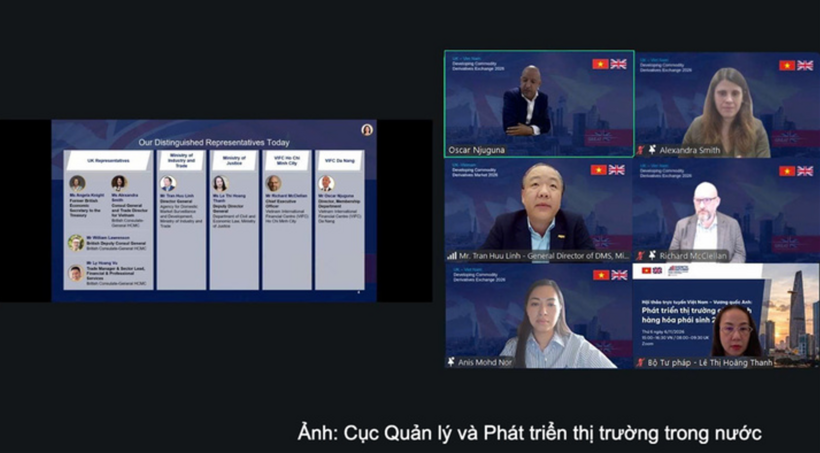
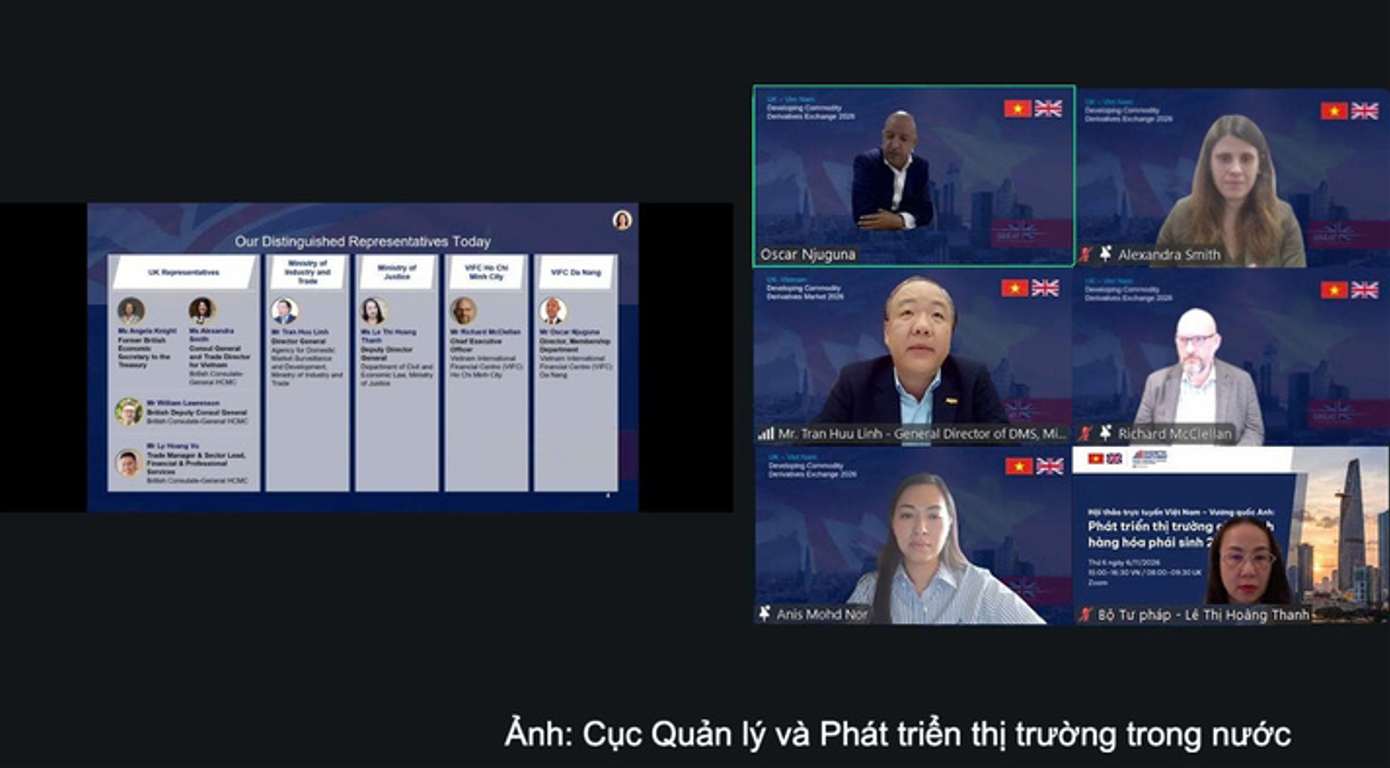
At the webinar "UK - Viet Nam: Developing the Commodity Derivatives Trading Market 2026" on November 6, Tran Huu Linh, Director-General of the Agency for Domestic Market Surveillance and Development under the Ministry of Industry and Trade (MoIT), said Viet Nam aims to develop a transparent, safe and modern commodity derivatives trading market that is closely linked to the physical commodity market and serves production and business activities in practical terms.
Under the MoIT's scheme to develop the commodity derivatives trading market, Viet Nam aims by 2030 to have around 10 domestic commodities traded through commodity exchanges, attract around 300-500 businesses to the market and gradually establish three to five key commodities with domestic reference prices. These targets show that market development is not simply about expanding the number of commodities or increasing trading volumes. More importantly, derivative instruments need to be put into practice and become practical risk management tools for businesses and producers.
As a major producer and exporter of several key agricultural commodities, Viet Nam has the potential to develop trading products based on domestic goods. Robusta coffee, rice, rubber, pepper and cashew nuts have been identified as commodities with strengths and the potential for derivative products, gradually enhancing Viet Nam's role in commodity price formation.
The webinar "UK - Viet Nam: Developing the Commodity Derivatives Trading Market 2026."
In practice, the production, processing and export of goods are always affected by price fluctuations on international markets. For businesses, changes in the prices of raw materials and goods can directly affect input costs, revenue and the performance of contracts. Producers, meanwhile, also need tools to respond more proactively to market volatility, rather than depending solely on selling prices at the time of harvest or delivery.
The development of the commodity derivatives trading market is therefore expected to provide an additional means of managing price risks for producers and for manufacturing, processing and exporting businesses. Through suitable products, market participants can take a more proactive approach to controlling costs, stabilising revenue and improving operational efficiency.
However, for these tools to be truly effective, the derivatives market must be connected to the physical commodity market. This is an important requirement to ensure that trading activities reflect the real needs of the economy, while laying the groundwork for sustainable development.
Linh said the MoIT hopes to strengthen cooperation with the UK in sharing experience, improving institutions, enhancing risk management capacity and developing products. The focus is on gradually bringing derivative products based on Viet Nam's key commodities to listing and trading on international markets, thereby raising the position of Vietnamese goods in global value chains.
To achieve this, Viet Nam needs to develop warehousing, logistics, quality inspection, delivery, payment and data infrastructure in a synchronised manner. These elements link the derivatives market with the circulation of goods and ensure that the trading system can operate effectively.
Beyond infrastructure, there is also a need to refine mechanisms for management, trading surveillance, clearing and risk management. Preventing price manipulation and protecting the legitimate rights and interests of participating organisations and individuals must go hand in hand with building the capacity of market participants.
According to Alexandra Smith, British Consul General in Ho Chi Minh City, financial services and commodity markets are among the areas with great potential for cooperation between Viet Nam and the UK. The Consul General affirmed that the UK is proud to accompany and support Viet Nam in establishing the Viet Nam International Financial Centre (VIFC) and in consolidating the foundations of a modern, internationally connected financial ecosystem.
Expanding connections with international markets
Alongside improvements to the legal framework and trading infrastructure, the VIFC is expected to become an important component of the ecosystem supporting the commodity derivatives market.
Under Decree No. 323/2025/ND-CP on the establishment of the International Financial Centre in Viet Nam, the VIFC is organised under a "one centre, two locations" model in Ho Chi Minh City and Da Nang. The VIFC in Ho Chi Minh City covers around 898 hectares and the one in Da Nang around 300 hectares. The model seeks to harness the strengths of each locality within a unified whole, broaden the space for developing financial services and create conditions for attracting international resources, institutions and investors.
According to Oscar Njuguna, Director of the Membership Department at the Executive Agency of the VIFC in Da Nang, Da Nang's strategic location in the central region gives it many advantages in connecting trade, logistics and the circulation of goods. These are favourable conditions for the city to develop financial services linked to commodity trading, while connecting manufacturers and import-export businesses with international exchanges, brokerage firms and investors.
For the commodity derivatives market, the presence of these players is important in expanding trading activity, improving access to tools for hedging against price volatility and gradually increasing market liquidity.
In addition, Da Nang's living environment, urban infrastructure and quality of services make the city attractive to international experts, investors and financial institutions as a place to base their operations, live and invest for the long term. This is seen as an important resource for building an international financial community and laying the foundation for the development of the VIFC and commodity derivatives trading.
In Ho Chi Minh City, where the VIFC is set to become a gateway for international capital flows, building a favourable institutional environment is key to attracting financial institutions to the market. Richard McClellan, Chief Executive Officer of the VIFC in Ho Chi Minh City, underlined the importance of improving institutions to create favourable conditions for international financial institutions to participate, thereby providing the resources and services needed for the development of the commodity derivatives market.
Accordingly, Viet Nam needs to continue refining its market entry mechanisms, licensing conditions and regulations on capital, payments and fund flows in order to build a transparent investment environment and make it easier for international financial institutions to participate and operate at the VIFC. These are also issues of interest to British businesses in particular and international businesses in general as they explore the possibility of setting up operations at Viet Nam's international financial centre.
Developing the commodity derivatives market in tandem with the VIFC not only expands financial services but also promotes supporting sectors such as banking, payments, clearing, brokerage, technology, data and logistics. When properly organised and operated, the commodity derivatives trading market can help enhance the competitiveness and resilience of businesses and the economy in the face of international price volatility, while promoting the development of high value-added service industries.
Through the webinar, Vietnamese regulators and businesses gained further access to international experience and a clearer picture of the requirements for infrastructure, services and market operating capacity. At the same time, UK organisations and experts gained a deeper understanding of Viet Nam's orientations, needs and opportunities to take part in developing the country's commodity derivatives trading market.
Stronger cooperation between Viet Nam and the UK in this field is expected to help the market develop in a transparent, safe and modern manner, closely tied to the real economy, while expanding investment opportunities, developing supporting services and raising the standing of Vietnamese goods in international markets.
Viet Nam and the UK are stepping up the exchange of experience to promote the development of a transparent and safe commodity derivatives market that is tied to production and business needs.
On the 20th anniversary of Viet Nam's accession to the WTO, the former head of the Government's negotiating delegation recalls unforgettable memories, reflects on the achievements and shares what today's negotiators must hold fast to.
On November 7, the plenary session of the Viet Nam Logistics Forum 2026, themed "Connecting highland logistics, reaching out to global supply chains," officially opened in Gia Lai province.
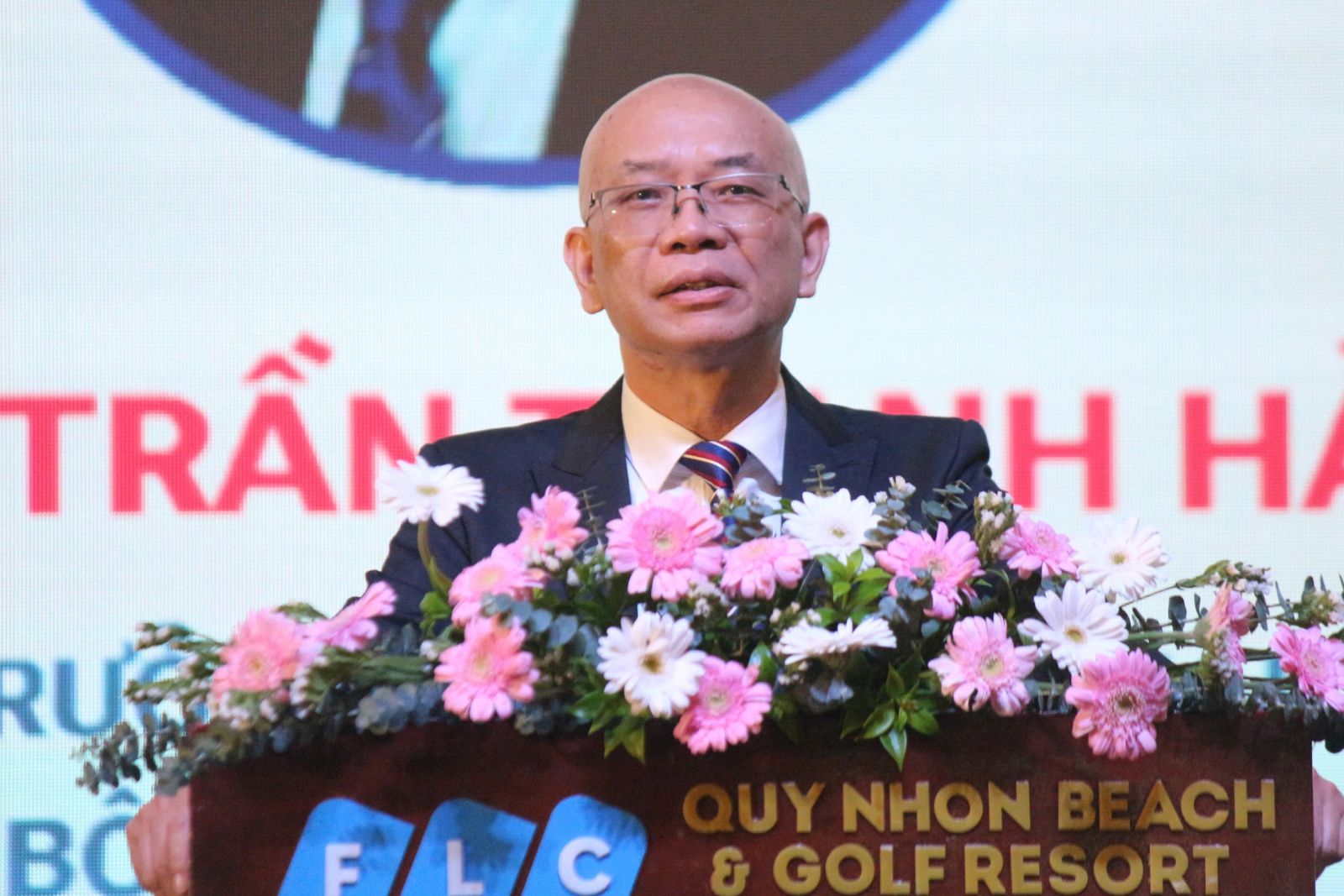
At the Viet Nam Logistics Forum 2026, held in Gia Lai on November 7, Tran Thanh Hai, Deputy Director-General of the Agency of Foreign Trade under the Ministry of Industry and Trade (MoIT), stressed that logistics development in the coming period should be measured by its ability to create and retain value in Viet Nam.
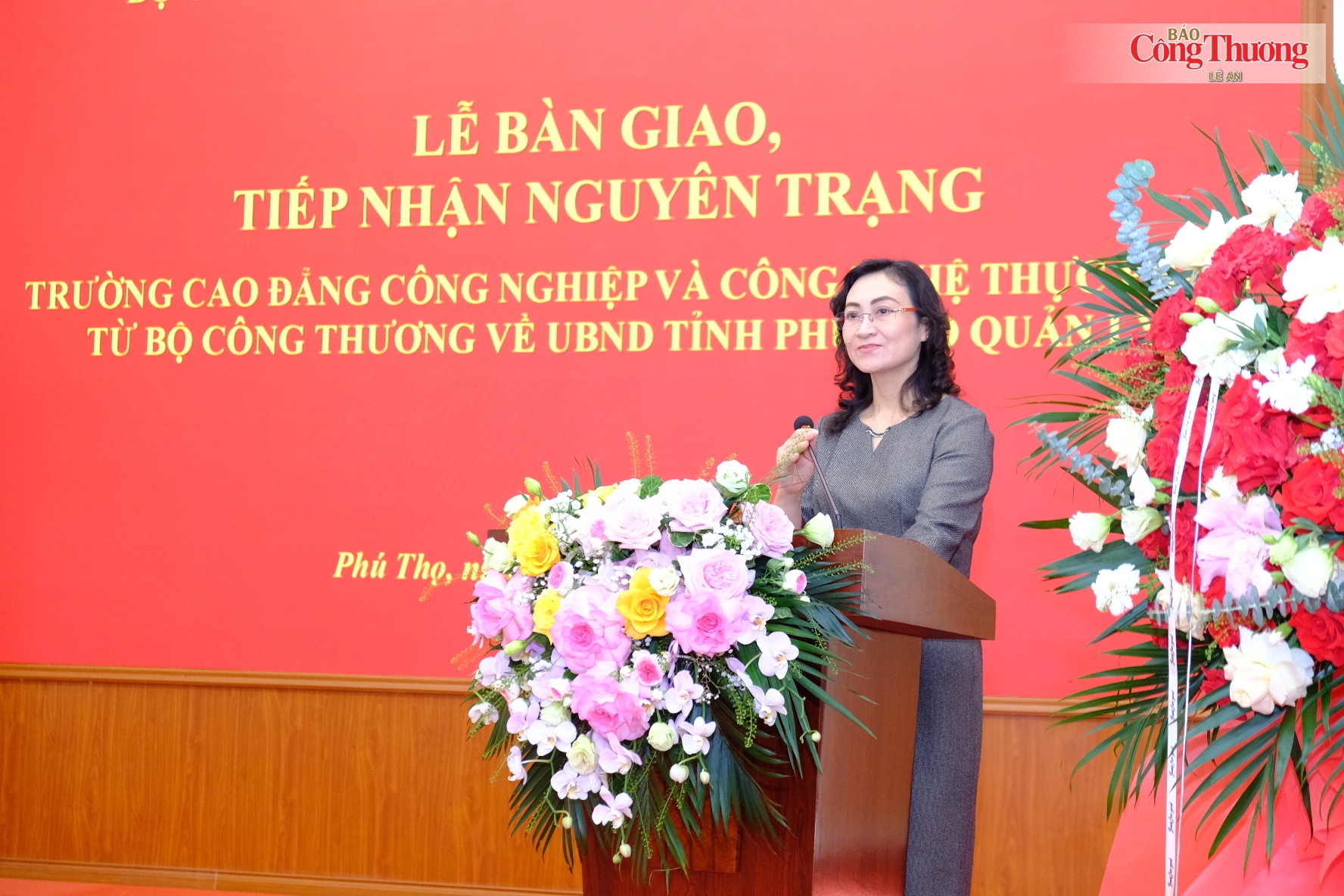
Ministry of Industry and Trade (MoIT) and the People’s Committee of Phu Tho province have organised the handover and reception of the College of Industry and Food Technology, opening a new phase of development for the institution.
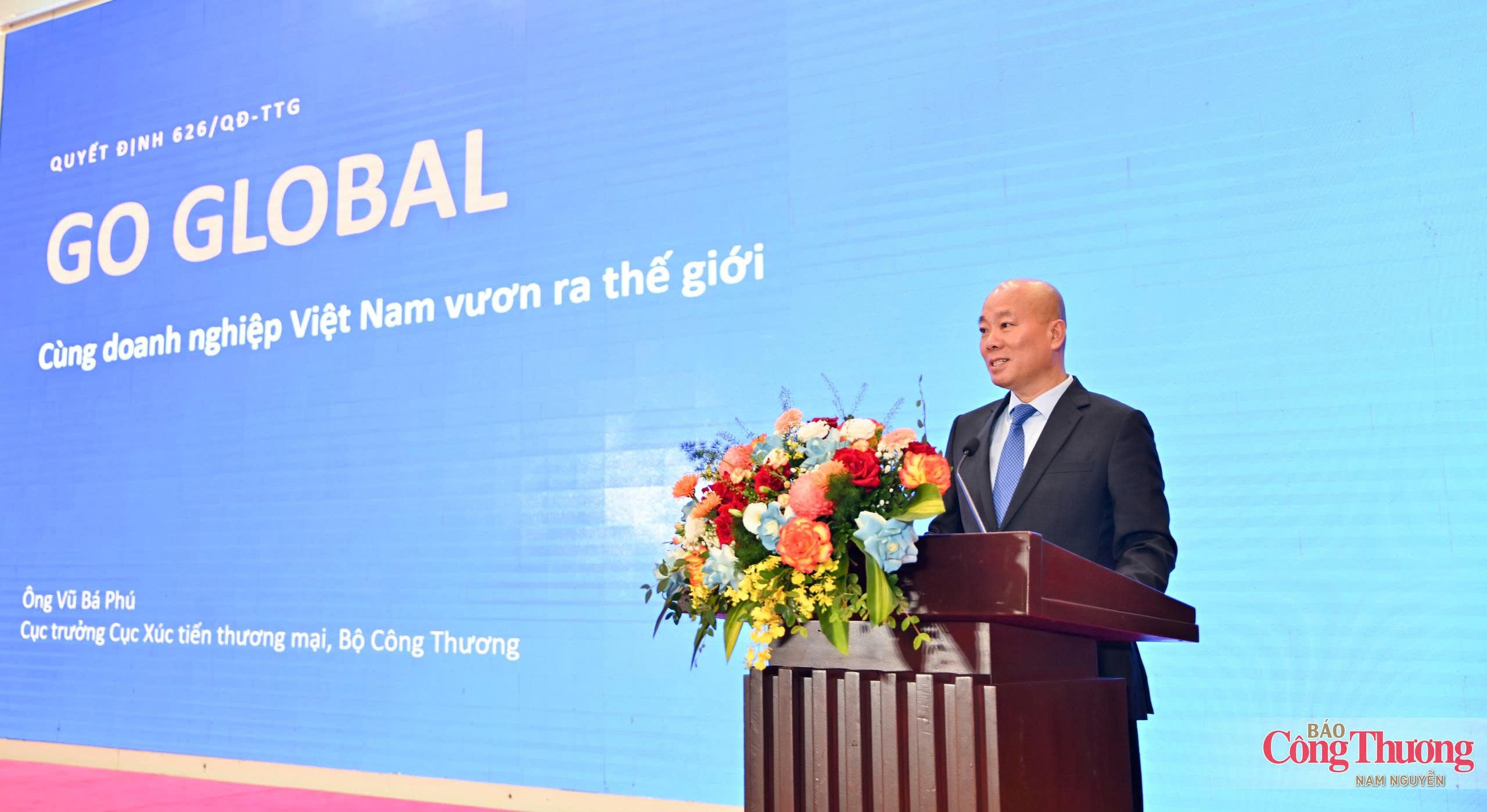
Go Global aims to help Vietnamese businesses move beyond goods exports to join global value chains, build brands and establish an international presence.
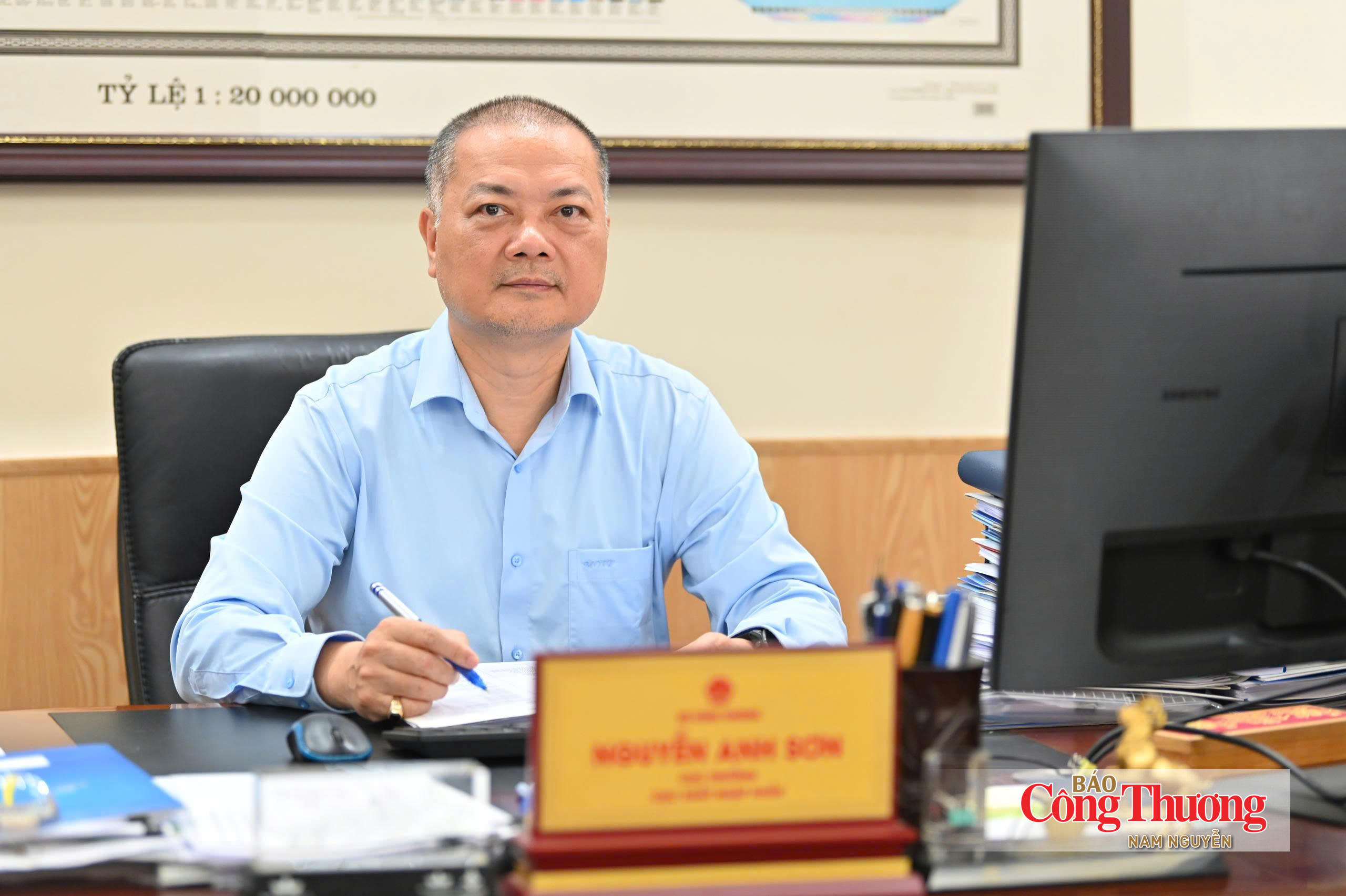
In an interview with the Newspaper of Industry and Trade, Nguyen Anh Son, Director-General of the Agency for Foreign Trade under the Ministry of Industry and Trade (MoIT), emphasized that total merchandise trade turnover exceeding USD 1 trillion reflects the growing scale and deeper integration of Viet Nam's economy into international trade.
Consumer Fest 2026 attracted over 23,000 visitors in Hung Yen Province on October 31, promoting consumer rights and responsible consumption across the community.
Viet Nam's import-export turnover reached USD 1,010.6 billion in the first 10 months of 2026, up 32.3% year-on-year, surpassing the USD 1 trillion mark.