In the first eight months of 2026, two-way trade between Viet Nam and Singapore reached SGD 37.6 billion, up 44.9% year on year, enabling Viet Nam to maintain its position as Singapore’s 10th-largest trading partner.
Viet Nam remains Singapore’s 10th-largest trading partner
The Vietnamese Trade Office in Singapore, citing trade statistics from Enterprise Singapore (ESG), said Singapore’s total trade with the world reached nearly SGD 156.9 billion in August 2026 alone, up 44.5% year on year. Of the total, exports stood at SGD 84.7 billion, up 49.2%, while imports reached SGD 72.2 billion, up 39.3%.
In the first eight months of 2026, Viet Nam continued to rank as Singapore’s 10th-largest trading partner, with bilateral trade reaching SGD 37.6 billion, up 44.9% year on year. Singapore’s exports to Viet Nam reached SGD 20.5 billion, up 11.8%, while imports from Viet Nam stood at SGD 17.1 billion, up 124.2%.
Singapore recorded a trade surplus of SGD 3.3 billion with Viet Nam. However, in terms of domestic-origin exports, Singapore recorded a trade deficit of SGD 11.3 billion.
The Vietnamese Trade Office in Singapore strengthens supply chain connectivity.
According to Enterprise Singapore statistics, Singapore’s total trade with Viet Nam reached nearly SGD 4.6 billion in August 2026, up 59% year on year. Singapore’s exports to Viet Nam rose 35.6% to nearly SGD 2.6 billion, while imports from Viet Nam surged 106.3% to nearly SGD 2 billion.
On the export side, machinery, electrical equipment and parts (HS 85), and mineral fuels, mineral oils and products of their distillation; bituminous substances; mineral waxes (HS 27) remained Singapore’s first- and second-largest export product groups to Viet Nam, respectively, in the first eight months of 2026.
In addition to these two groups, several other product groups among Singapore’s top 15 exports to Viet Nam recorded significant export values or notable growth during the period. Nuclear reactors, boilers, machinery and mechanical appliances and parts thereof (HS 84) reached SGD 2.6 billion, up 85.4%; plastics and articles thereof (HS 39) stood at SGD 626.3 million, down 8.5%; essential oils, perfumes, cosmetics or toilet preparations (HS 33) reached SGD 471.1 million, up 20.8%; while optical, photographic, cinematographic, measuring and similar instruments and apparatus (HS 90) amounted to SGD 447.7 million, up 22.8%.
Regarding imports, machinery, electrical equipment and parts thereof (HS 85) also remained the largest product group Singapore imported from Viet Nam in the first eight months of 2026, reaching SGD 8.6 billion, up 121.1% year on year and accounting for 50.1% of Singapore’s total imports from Viet Nam.
Ranking second and third in terms of import value from Viet Nam were nuclear reactors, boilers, machinery and mechanical appliances and parts thereof (HS 84), at SGD 6.2 billion, up 255.9%; and glass and glassware (HS 70), at SGD 563.9 million, down 1%.
Vietnamese businesses advised to pay close attention to import regulations
Cao Xuan Thang, Vietnamese Trade Counsellor in Singapore, said that according to official data from Singapore’s Ministry of Trade and Industry (MTI), Singapore’s economy grew 5.9% year on year in the second quarter of 2026, following 6.3% growth in the first quarter. For the first half of the year as a whole, GDP expanded 6.1%.
Against the backdrop of stronger-than-expected performance in the first half and a more favourable outlook driven by the global investment wave related to artificial intelligence (AI), MTI on August 11, 2026, significantly raised its full-year GDP growth forecast from 2–4% to 4.5–5.5%. This remains the Singapore Government’s official growth forecast as of mid-September 2026.
According to Trade Counsellor Cao Xuan Thang, overall, Viet Nam–Singapore trade developments in the first eight months of the year are broadly consistent with Singapore’s current economic picture. The acceleration of global AI investment is strongly driving electronics exports, re-exports, specialised machinery and regional trading activities. Against this backdrop, Viet Nam is both a major destination for electronics and machinery transshipped through Singapore and an increasingly important supplier to Singapore of products under HS 85 and, particularly, HS 84.
However, with around 83% of bilateral trade currently concentrated in just three HS chapters and re-exports accounting for a substantial share of Singapore’s exports to Viet Nam, data at the HS 4-digit and HS 6-digit levels, together with the share of Singapore-origin goods, shipment volumes and unit prices, should continue to be monitored. This would help distinguish between growth driven by genuine expansion of production, transshipment activities and price fluctuations.
Regarding local policy developments, Cao Xuan Thang said that on September 10, 2026, Singapore Customs issued a reminder to traders and importers to ensure the accuracy and completeness of import declarations for seafood, fruits and vegetables, following the recent detection of cases in which import values were declared below their actual values.
Singapore Customs noted that inaccurate declarations constitute a violation of the country’s Customs Act. Individuals convicted of making inaccurate declarations under the Customs Act may face a fine of up to SGD 10,000, equivalent to approximately USD 7,700, or an amount equivalent to the total import duties and GST payable, whichever is higher, and/or imprisonment for up to 12 months.
Singapore Customs also recommended that traders and importers review previous import transactions to determine whether there had been any shortfalls in GST payments. Where inaccurate declarations have been made, traders and customs declaring agents are advised to make voluntary disclosures to Singapore Customs.
The Vietnamese Trade Office in Singapore recommends that Vietnamese businesses notify and discuss in advance with Singaporean importers the requirement to declare the actual value of seafood, fruits and vegetables, while complying with relevant import licensing, quarantine and food safety regulations. Proper compliance will help minimise the risk of customs clearance delays and additional costs during the export process.
In the remaining months of the year, the Vietnamese Trade Office in Singapore will continue to closely monitor and update businesses on local developments, mechanisms and policies; support Vietnamese enterprises in trade connections, product displays and the promotion of corporate and product brands, thereby increasing the presence of Vietnamese goods in the Singaporean market. The Trade Office will also support Vietnamese exports to Singapore and assist delegations from Singapore in sourcing products and promoting industrial, trade and services investment in Viet Nam.
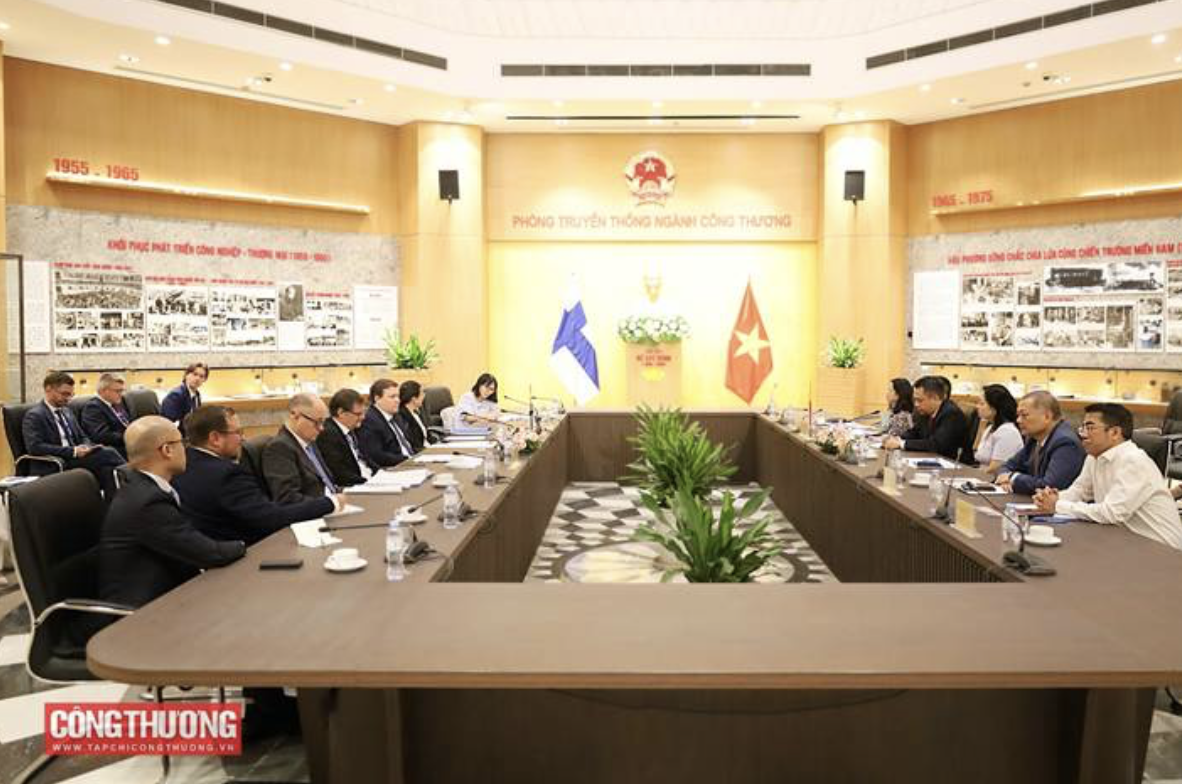
Deputy Minister Phan Thi Thang holds talks with Azerbaijan’s Minister of Energy to advance the bilateral trade and investment and expand cooperation in oil, gas, and LNG.
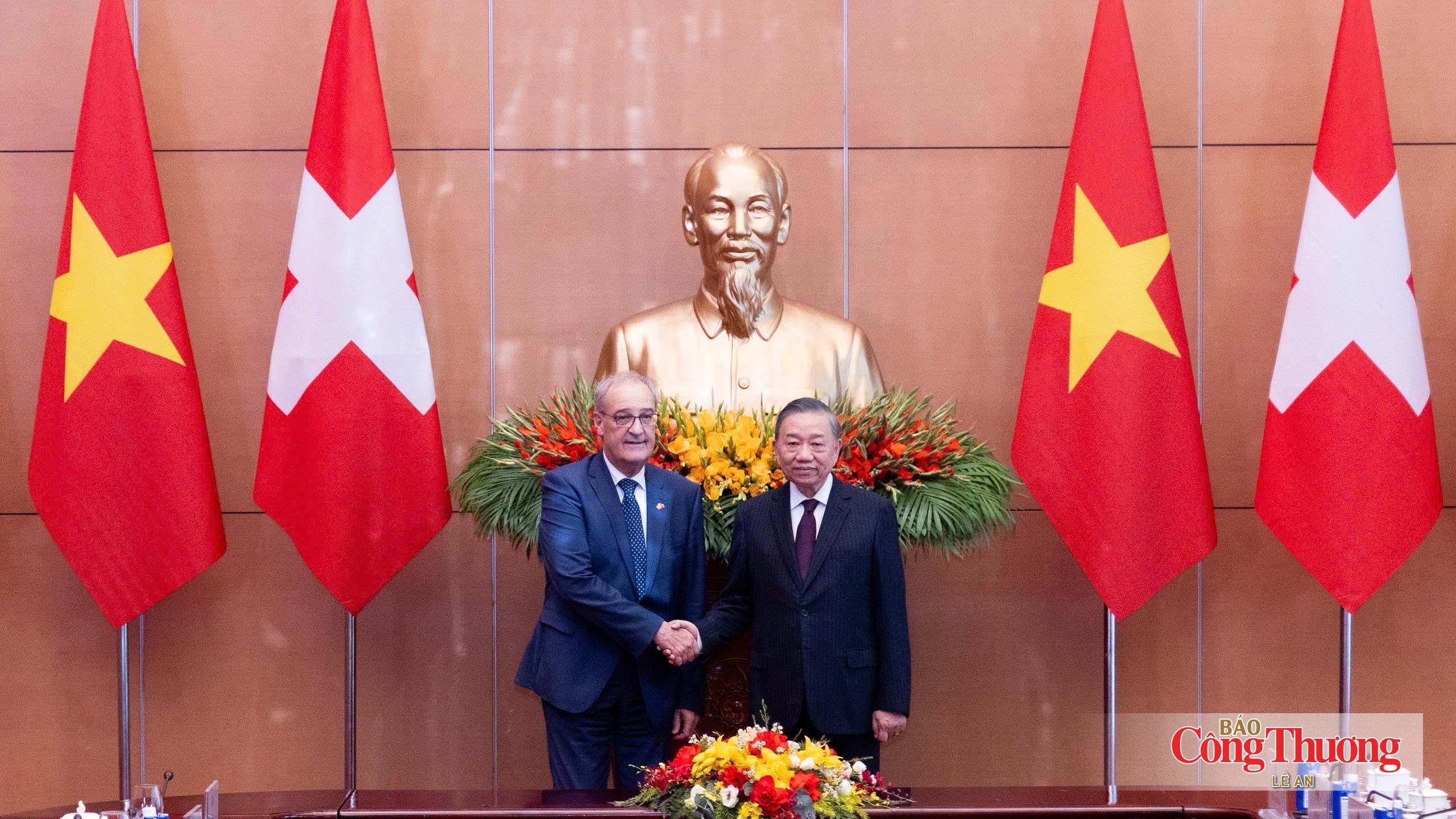
Viet Nam attaches great importance to its Comprehensive Partnership with Switzerland and wishes to continue working alongside the country to promote shared development and contribute to peace, stability and development in the region.
Norwegian representatives expect tariff preferences under the Viet Nam – EFTA Free Trade Agreement (FTA) to help lower the price of Norwegian salmon, making the product more accessible to Vietnamese consumers.
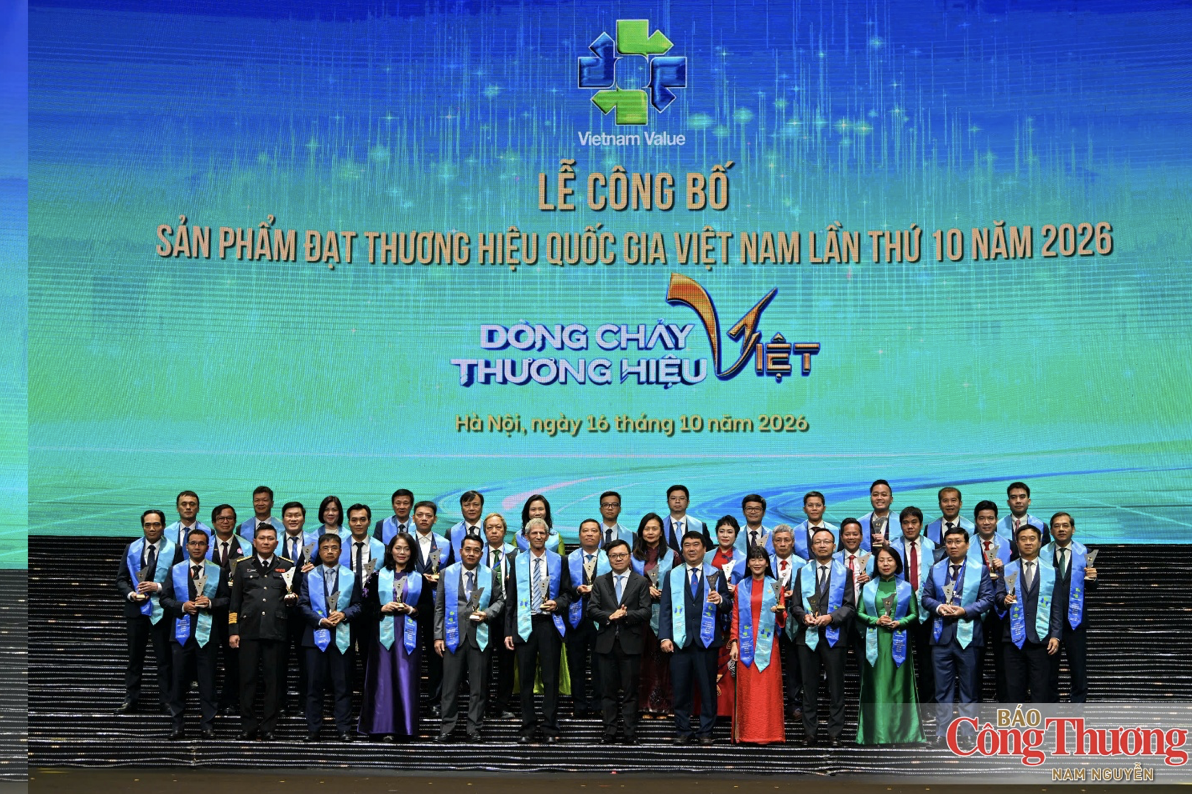
The Ministry of Industry and Trade honored 499 products and services from 227 businesses at the 10th Viet Nam National Brand announcement ceremony for 2026.
Deputy Minister Phan Thi Thang holds talks with Azerbaijan’s Minister of Energy to advance the bilateral trade and investment and expand cooperation in oil, gas, and LNG.
Viet Nam attaches great importance to its Comprehensive Partnership with Switzerland and wishes to continue working alongside the country to promote shared development and contribute to peace, stability and development in the region.
Norwegian representatives expect tariff preferences under the Viet Nam – EFTA Free Trade Agreement (FTA) to help lower the price of Norwegian salmon, making the product more accessible to Vietnamese consumers.
The Ministry of Industry and Trade honored 499 products and services from 227 businesses at the 10th Viet Nam National Brand announcement ceremony for 2026.