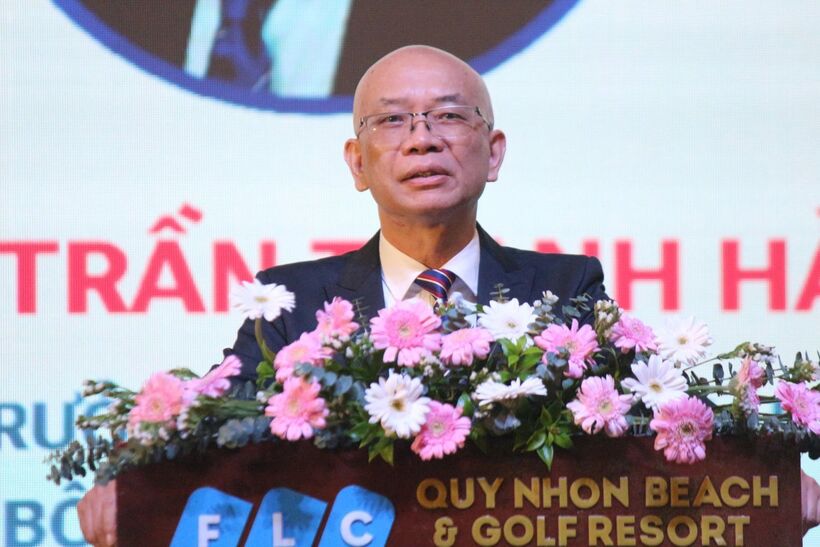
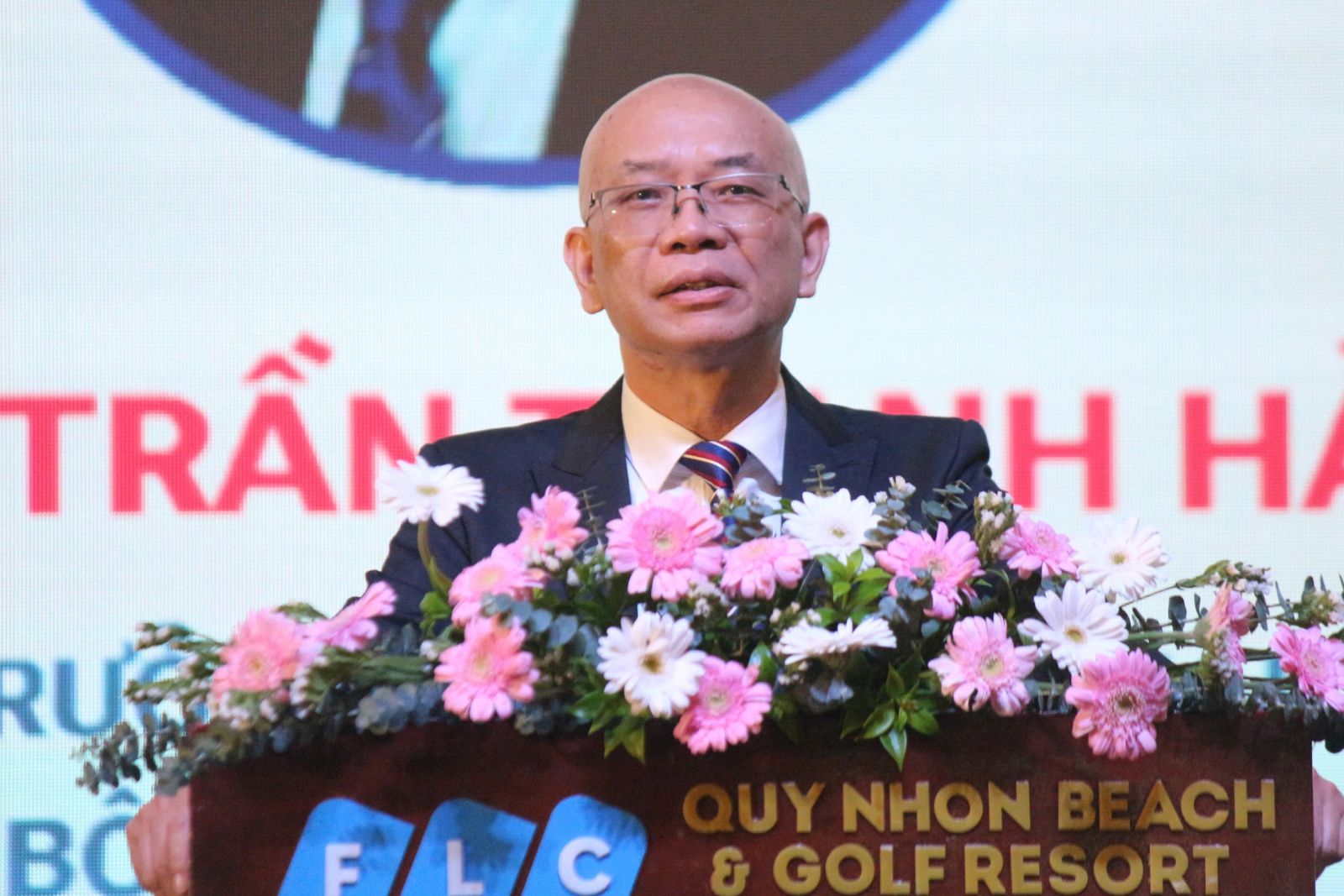
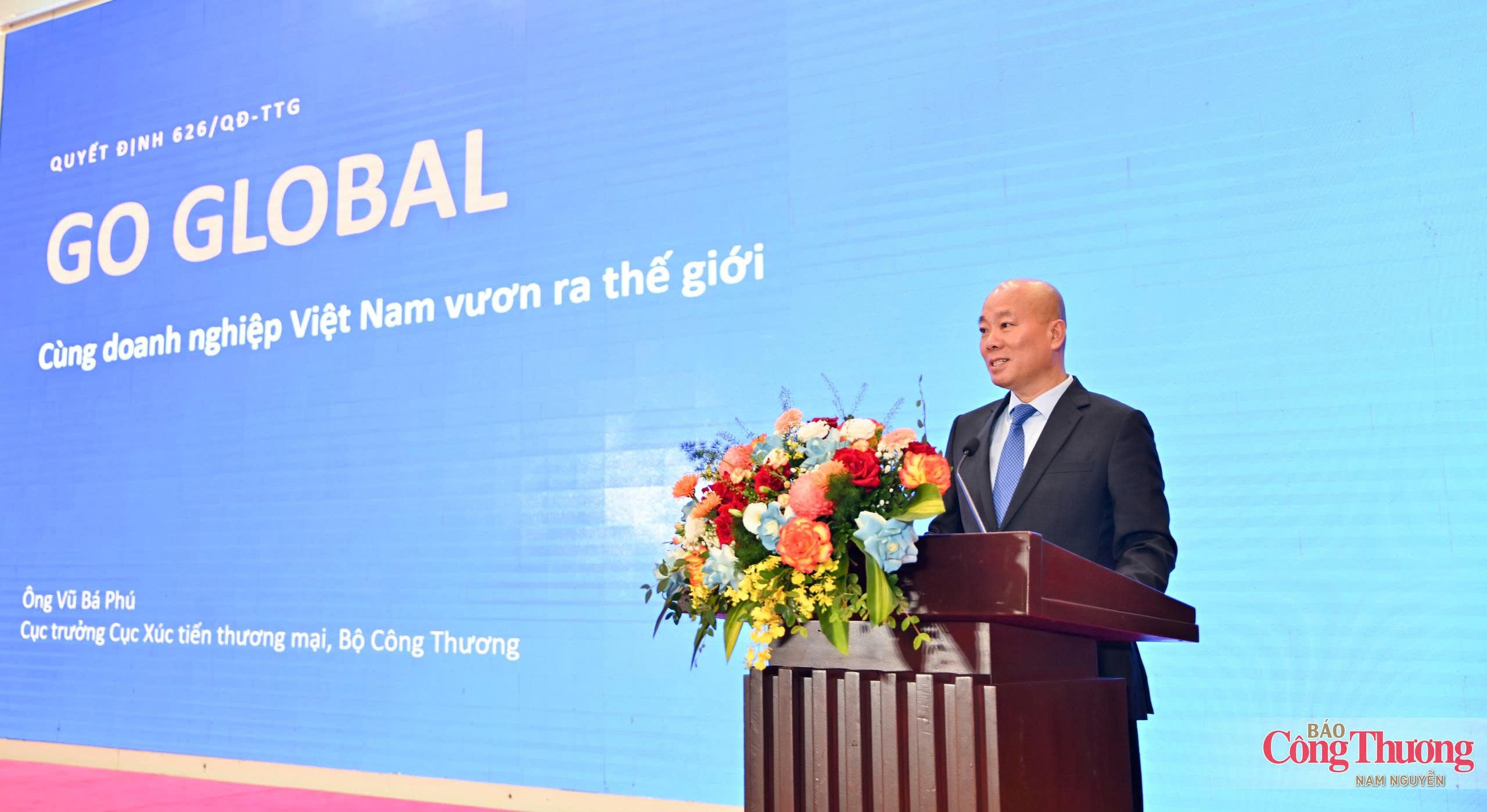
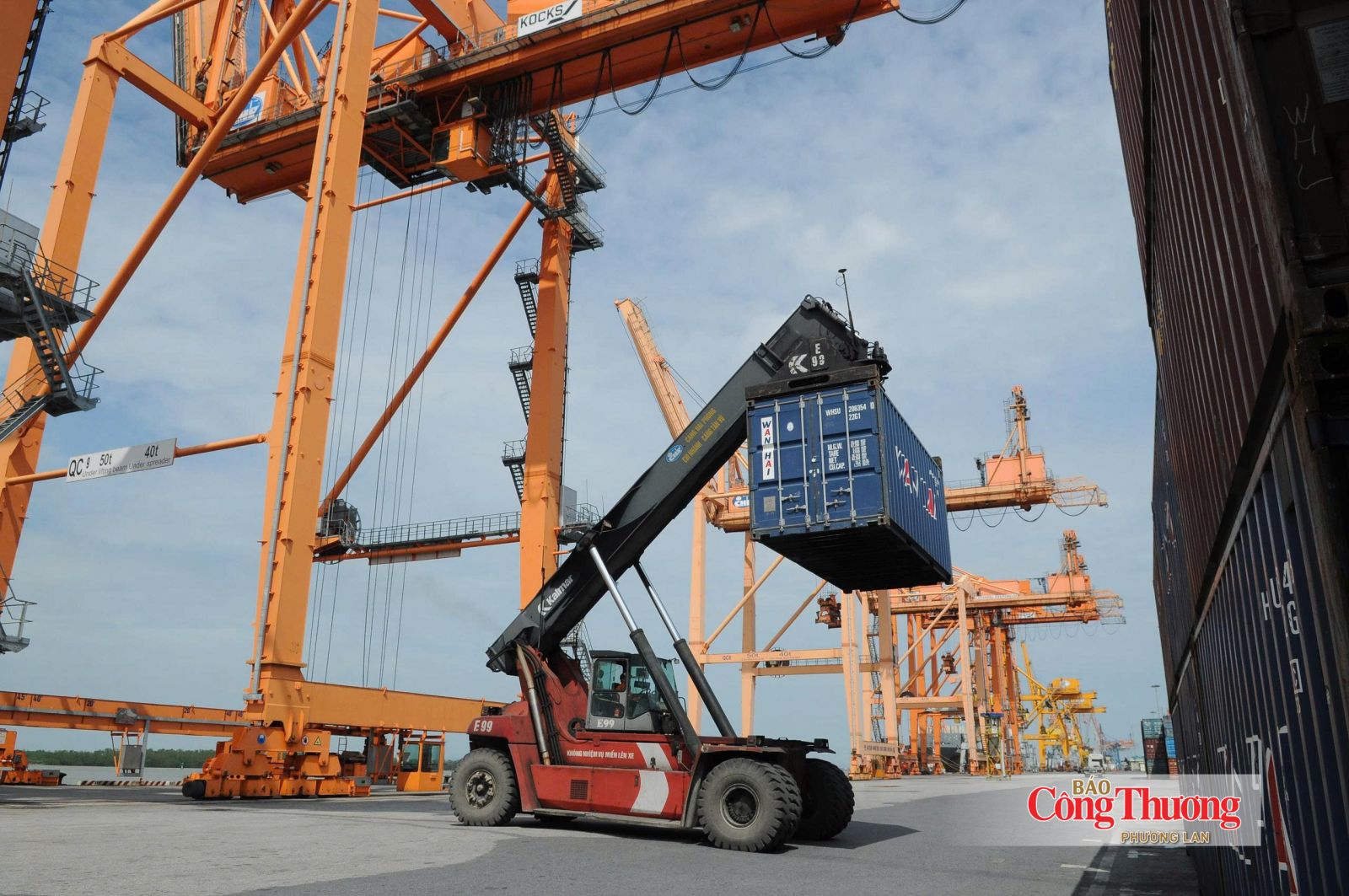
At the Viet Nam Logistics Forum 2026, held in Gia Lai on November 7, Tran Thanh Hai, Deputy Director-General of the Agency of Foreign Trade under the Ministry of Industry and Trade (MoIT), stressed that logistics development in the coming period should be measured by its ability to create and retain value in Viet Nam.
From strategic orientation to tangible progress
In 2026, the global economy remains under pressure from geopolitical conflicts, shifts in trade policy and energy volatility. Risks on international shipping routes can affect fuel prices, insurance, vessel availability and delivery schedules. For import-export businesses, logistics costs therefore extend beyond freight rates to include surcharges, waiting times and capital tied up in inventory.
At home, demand for the movement of goods continues to grow. According to figures from the National Statistics Office cited by Hai, GDP is estimated to have grown by 9.01% in the first nine months of 2026, while total merchandise import-export turnover reached USD 888.02 billion. The National Assembly has set a target of average GDP growth of 10% or more per year for the 2026-2030 period. This requires logistics to keep pace with expanding production and trade while managing delivery times, service quality and pressure on infrastructure.
Tran Thanh Hai, Deputy Director-General of the Agency of Foreign Trade, delivers remarks at the forum.
Under the Viet Nam Logistics Services Development Strategy approved by the Prime Minister, the priorities for 2026 are to expand operating capacity, develop markets and improve service quality.
One notable direction is the International Market Expansion Programme for 2026-2030 (GoGlobal), approved by the Prime Minister under Decision No.626/QD-TTg dated April 6, 2026. The MoIT issued an action programme for its implementation in June 2026. For the logistics sector, the programme opens a new avenue of support for businesses to build a presence abroad, reach partners and strengthen their international business capabilities.
When Vietnamese businesses are able to develop forwarding, warehousing and distribution networks in destination markets, exported goods will be better placed to reach customers. At the same time, domestic businesses will have the opportunity to earn more revenue from services that might otherwise be provided by foreign suppliers.
Alongside institutional improvements, logistics infrastructure is making significant strides. In the first nine months of 2026, an additional 395 km of expressways were put into operation nationwide, bringing the total length of main routes completed and put into operation or opened to traffic on a technical basis to 3,345 km. This network expands the capacity to organise inter-regional transport, locate warehouses and manage vehicles on long-haul routes.
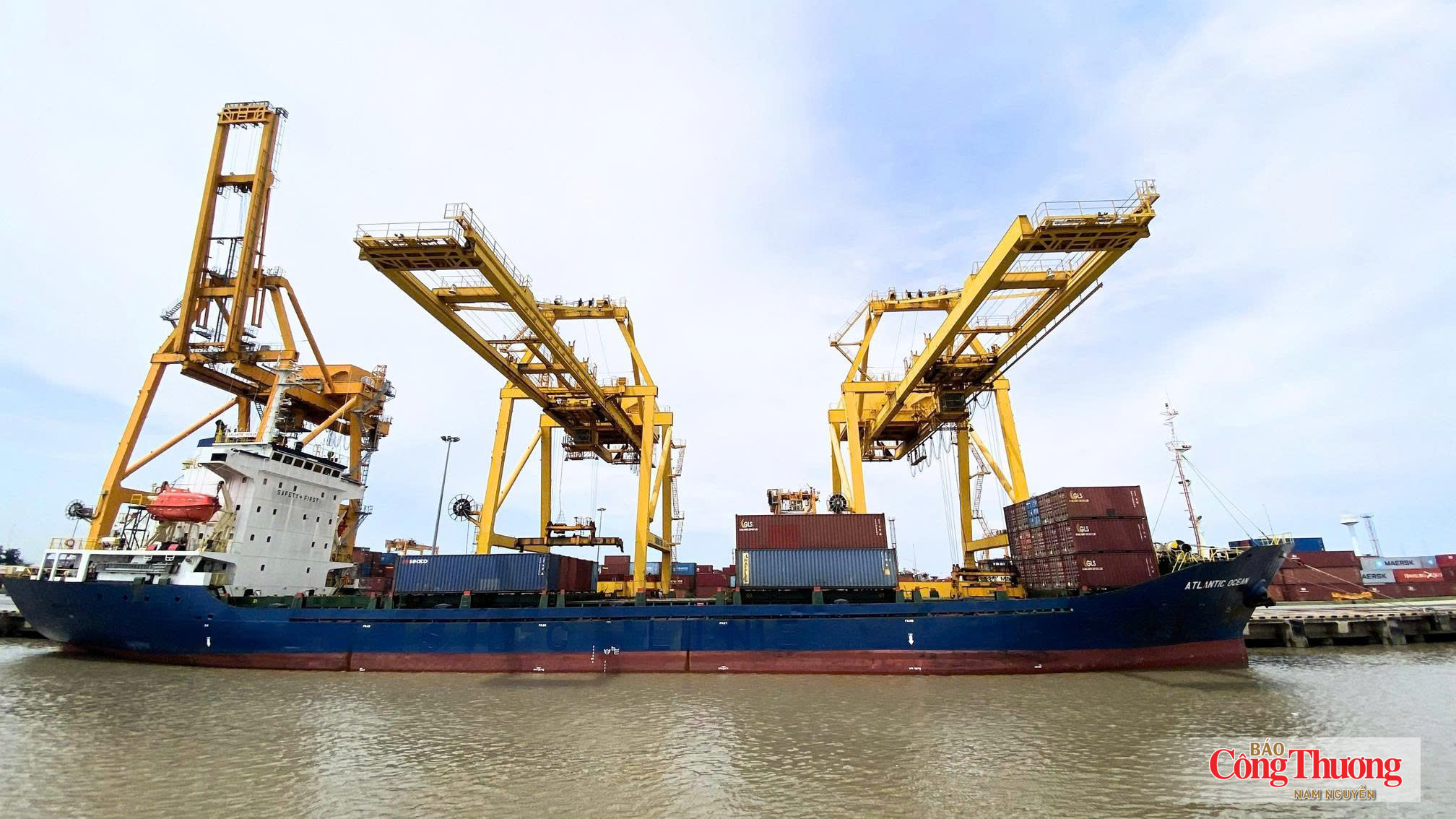
In the maritime sector, the commissioning of berths 3, 4, 5 and 6 at Lach Huyen from 2025 increased the number of deep-water berths there from two to six. Berths 3 and 4 alone have a designed capacity of around 1.1 million TEU a year, while Hateco's berths 5 and 6 have been developed to receive container ships of 18,000 TEU. This provides a foundation for the northern region to develop direct shipping routes and offers import-export businesses more transport options.
In the central region, berths 1 and 2 of My Thuy Port and phase 1 of Hon La International General Port have also been put into operation. These hubs give the region additional gateways to the sea, particularly in connecting trade corridors with Laos.
In aviation, cargo throughput at airports reached around 1.6 million tonnes in the first 10 months of 2026, up 9.6% year on year. Phase 1 of Long Thanh International Airport, with a designed capacity of 1.2 million tonnes of cargo a year, is being finalised with a view to commercial operation from December 2026.
According to Hai, however, investment in infrastructure is only a necessary condition. Operational efficiency also depends on the ability to consolidate cargo, provide connecting routes and offer services suited to each category of goods. A seaport capable of handling large vessels will only be fully effective with sufficient cargo and stable shipping routes, while a logistics centre needs coordination, cargo-handling and transport connectivity capabilities, not merely warehouse space.
Vietnamese businesses seize opportunities to add value in supply chains
Alongside institutions and infrastructure, the capacity of businesses is the decisive factor in the logistics sector's ability to make a breakthrough. In practice, a number of domestic businesses have gradually developed integrated service systems, expanded their operations and met the increasingly demanding requirements of international customers.
In the first six months of 2026, Gemadept reported net revenue of VND 3,214 billion, up 16% year on year, with total throughput exceeding 2.57 million TEU. This shows that Vietnamese businesses are capable of developing port and service networks across multiple locations, operating at scale and continuing to attract capital to expand capacity.
In logistics for manufacturing, THILOGI has developed a service chain covering road transport, warehousing, customs procedures, port operations and shipping. With more than 650 specialised vehicles as announced in 2026, the company organises transport from the Central Highlands, the southern provinces and the Viet Nam - Laos - Cambodia corridor, backed by investment in reefer containers, depots and cold storage yards.
This model gives cargo owners a single point of coordination across transport legs and allows them to respond more proactively to seasonal fluctuations in agricultural output.
In the technology goods segment, customer requirements also go beyond the provision of warehouse space. In June 2026, Vietnam SuperPort announced that it had achieved TAPA FSR Level A facility security certification, enabling it to meet requirements for handling high-value cargo, access control, cargo protection and risk management.
These examples show that domestic businesses have built important foundations to take on links in the supply chain. The next step is to improve coordination among businesses so that cargo owners can rely on stable service chains across multiple locations. Large businesses can organise networks, while small and medium-sized enterprises can contribute specialised services backed by their knowledge of specific sectors and local markets.
Another direction for development is digital and green transformation. At Tan Cang - Cai Mep Thi Vai Port, an online vessel booking feature on ePort was introduced on July 7, 2026, allowing customers to complete procedures remotely and generating data for different departments to coordinate their work.
At the Viettel Lang Son Logistics Park, a smart gate system with 11 lanes uses 3D scanning cameras to automatically capture vehicle data and identify drivers through biometrics. AI cameras support monitoring, alerts and vehicle flow management, helping to improve traffic management at the border gate.
Green transformation has also taken concrete form through investment in vehicles and energy. Hao Hung Company in Quang Ngai has invested in 42 electric tractor units for cargo transport in port areas, while Giao Hang Nang has put 25 electric vans with a payload of 945 kg into operation in Hanoi and Ho Chi Minh City. Gemadept has announced a 4.8 MWp rooftop solar system at the Mekong Logistics cold distribution centre and a 1.15 MWp system at Gemalink deep-water port.
However, the transition must be planned in line with actual operating conditions, from vehicle prices, power supply and charging stations to operating hours and cargo volumes. Investment in technology must be tied to economic efficiency and should not exceed operational needs.
Notably, the breakthrough opportunity for Viet Nam's logistics sector also lies in developing corridors that connect production areas with seaports and international markets. In the Central Highlands, the Le Thanh - Pleiku - Quy Nhon corridor can link the border gate, raw material areas and seaports. For coffee, pepper, rubber and fruit, the immediate requirement is to take control of collection, packing, empty container supply and vessel schedules, reducing waiting times during the harvest season.
Meanwhile, connections from Quang Ngai to Dung Quat, the western production areas and the Bo Y border gate could support services for both industry and border trade. Lam Dong has diverse logistics needs, from coffee, tea, vegetables, flowers and fruit to industrial goods and materials in its coastal areas.
According to Hai, developing these service chains requires linking raw material areas, processing facilities, cold storage, transport operators and seaports. For fresh produce, harvesting schedules, market requirements, packing facility capacity and transport arrangements must be planned together. Transport and warehousing businesses and cargo owners also need to agree on pick-up schedules, documentation, transit procedures, quarantine and delivery responsibilities.
To turn these opportunities into reality, Hai proposed prioritising the completion of links between production areas, logistics centres, border gates and seaports that already have cargo flows; expanding electronic processing of procedures and standardising the data exchanged before goods arrive; linking GoGlobal with specific export chains; and supporting domestic logistics businesses in forming partnerships so they have the capacity to deliver end-to-end contracts.
At the same time, it is necessary to develop human resources capable of operating new technologies and to facilitate access to capital and infrastructure for green transformation projects with viable operating plans.
From strategy to breakthrough, the ultimate measure of Viet Nam's logistics sector lies not merely in the scale of its infrastructure or the volume of cargo it handles, but in its ability to organise efficient service chains that preserve the quality of goods, ensure on-time delivery and allow Vietnamese businesses to capture a greater share of value. That is also the foundation for logistics to become a genuine driver of productivity and competitiveness for the economy.
On the 20th anniversary of Viet Nam's accession to the WTO, the former head of the Government's negotiating delegation recalls unforgettable memories, reflects on the achievements and shares what today's negotiators must hold fast to.
On November 7, the plenary session of the Viet Nam Logistics Forum 2026, themed "Connecting highland logistics, reaching out to global supply chains," officially opened in Gia Lai province.
At the Viet Nam Logistics Forum 2026, held in Gia Lai on November 7, Tran Thanh Hai, Deputy Director-General of the Agency of Foreign Trade under the Ministry of Industry and Trade (MoIT), stressed that logistics development in the coming period should be measured by its ability to create and retain value in Viet Nam.
Ministry of Industry and Trade (MoIT) and the People’s Committee of Phu Tho province have organised the handover and reception of the College of Industry and Food Technology, opening a new phase of development for the institution.
The contest aims to raise consumers’ awareness, knowledge and self-protection skills, encouraging young people to create communication products on digital platforms.
Go Global aims to help Vietnamese businesses move beyond goods exports to join global value chains, build brands and establish an international presence.
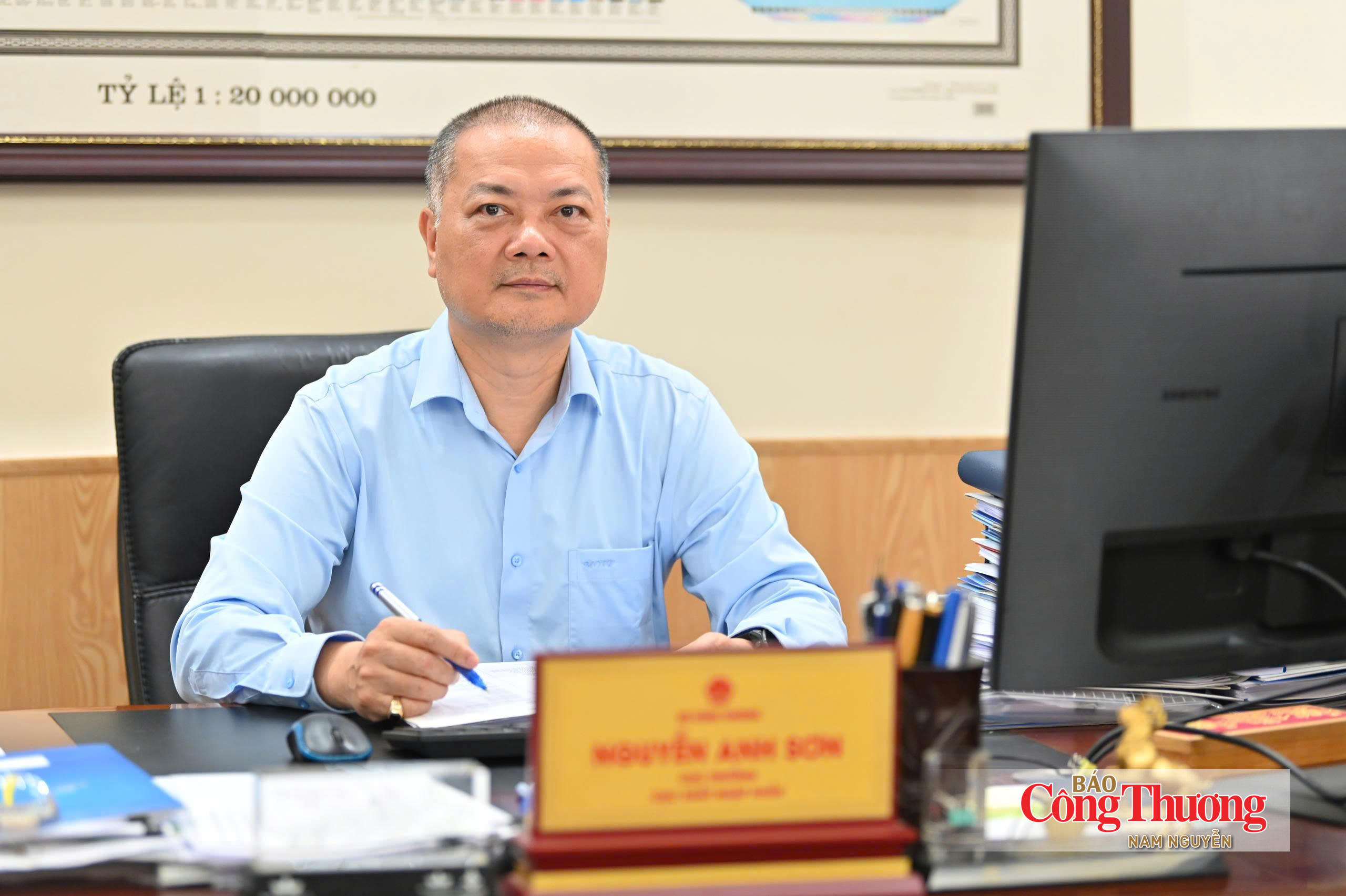
In an interview with the Newspaper of Industry and Trade, Nguyen Anh Son, Director-General of the Agency for Foreign Trade under the Ministry of Industry and Trade (MoIT), emphasized that total merchandise trade turnover exceeding USD 1 trillion reflects the growing scale and deeper integration of Viet Nam's economy into international trade.
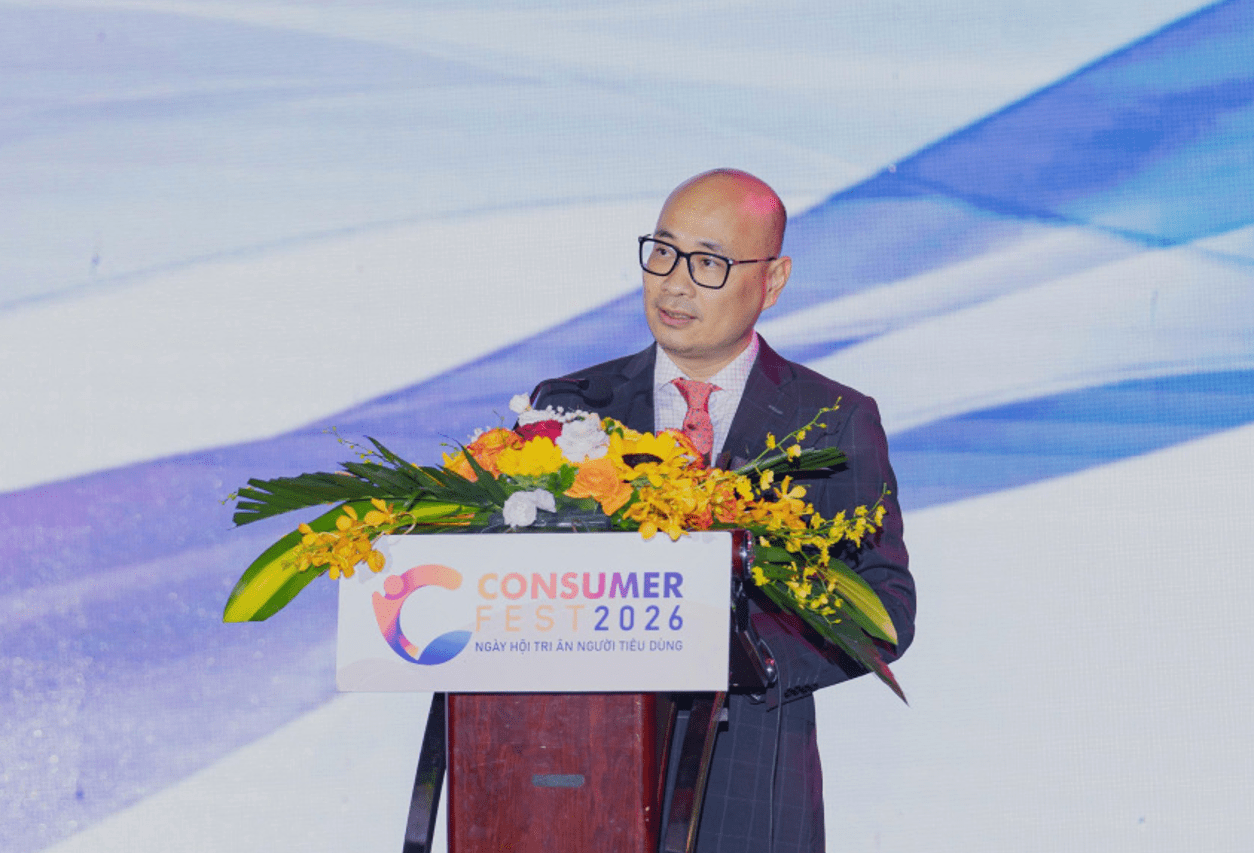
Consumer Fest 2026 attracted over 23,000 visitors in Hung Yen Province on October 31, promoting consumer rights and responsible consumption across the community.
Viet Nam's import-export turnover reached USD 1,010.6 billion in the first 10 months of 2026, up 32.3% year-on-year, surpassing the USD 1 trillion mark.